As a teenager, I dreamed of playing third base. It was where I pictured myself—hands ready, feet planted, fielding every ball that came my way. That picture didn’t last long. My coaches took one look at my left hand and quietly redirected me. Anyone who knows the game, even if they rarely say it out loud, understands: left-handed throwers simply don’t play most infield positions. And just like that, my future at third base disappeared.
So I drifted to the mound reluctantly, more by elimination than ambition. I didn’t arrive there with a plan, but once I did, something clicked. If I was going to pitch, I wanted to do it right. And for me, that meant studying one person: Tommy John. A left-hander, of course.
By thirteen, my world had narrowed to a single obsession. I chased control, endurance, and efficiency, studying the quiet brilliance of a pitcher who seemed to outlast everyone around him. I became a Little League All-Star, even as I committed a near-mortal sin for a Boston kid: admiring a Yankee. Pinstripes and curses didn’t matter; what mattered was how Tommy John kept throwing long after most pitchers were finished—until the day his arm finally gave out and changed the game forever.
From that mound, I began to understand that rivalries have rules.
And in America, they’re everywhere. In sports, politics, schools—even in our neighborhoods. They demand loyalty, test patience, and, when left unchecked, can become downright dangerous. Historically speaking, rivalry is woven into the American story because it reflects the choices we make about who we are—and who we are not.
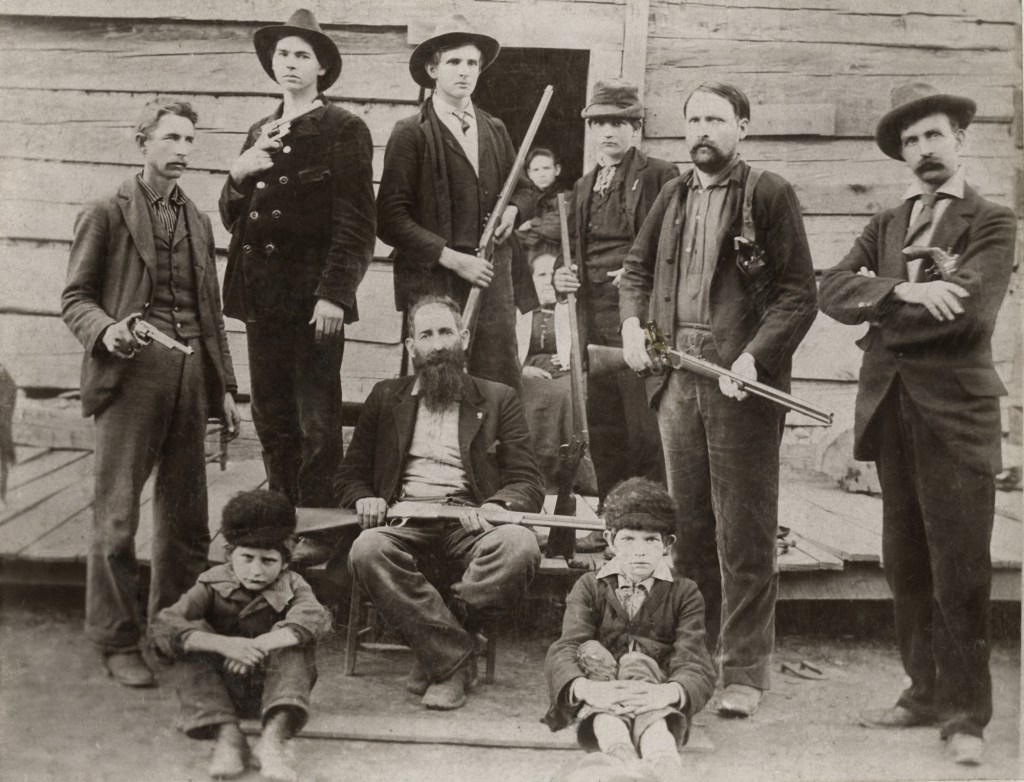
Take the Hatfields and McCoys. This was no ordinary feud. It consumed lives, shaped communities, and left no room for compromise. It was about land, family honor, and justice that was entirely local and fiercely personal. Every slight, every accusation, every disputed hog became reason enough to escalate. Loyalty mattered more than law, and the feud devoured generations, leaving an echo that still lingers today.
Over time, Americans learned to channel that intensity in ways that didn’t destroy families. Enter Army vs. Navy. By the late nineteenth century, rivalry gained structure, ritual, and respect. Cadets and midshipmen faced off on the football field with everything on the line—but always within a shared code. The now classic Army–Navy game taught the nation that fierce competition could sharpen pride and identity without severing the bonds that hold us together.
Which brings us home to Pennsylvania—where the fiercest rivalry isn’t between cities or sports teams.
It runs through convenience stores, gas pumps, and hoagie counters.
It’s Wawa vs. Sheetz.
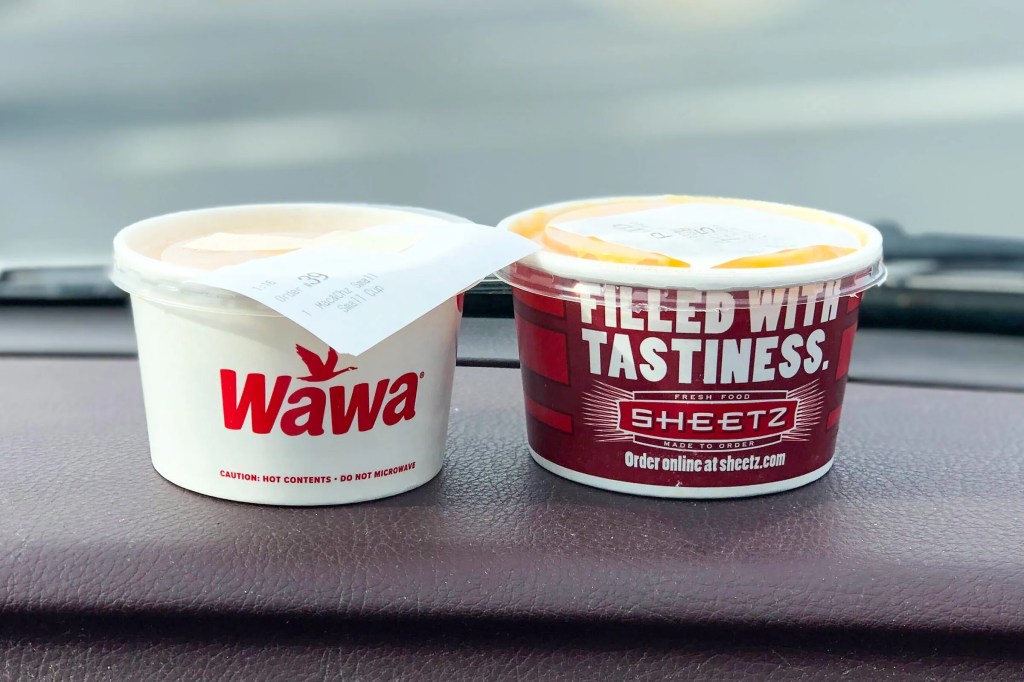
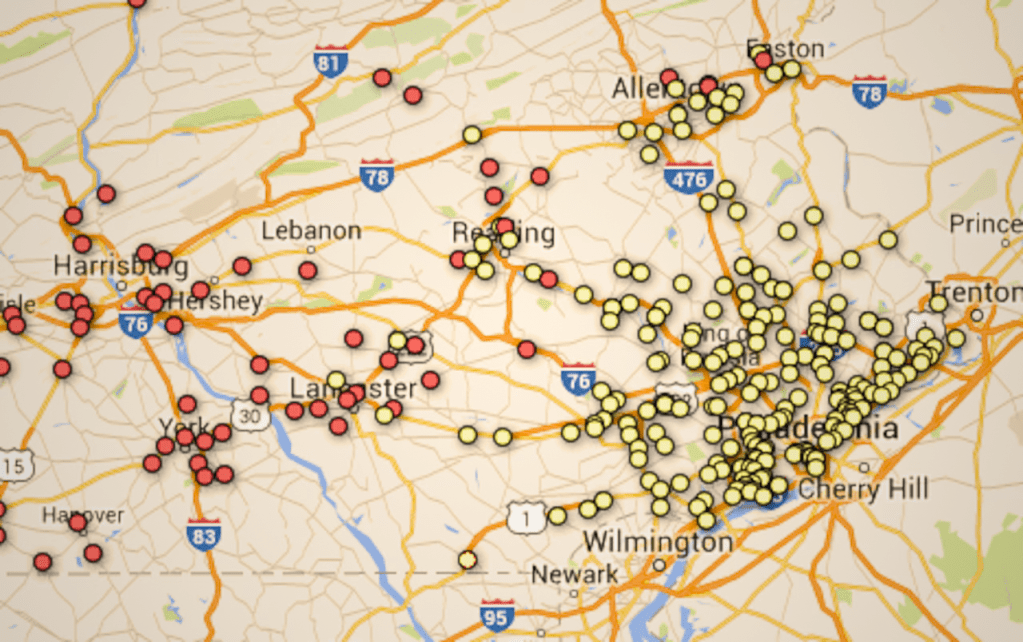
Drive east, and you’ll find Wawa. Step inside, and it hits you instantly—the smell of toasted bread and freshly brewed coffee, warm and familiar, almost like a hug. Your eyes drift to the hoagie counter, where sandwiches line up like soldiers: cold cuts stacked just right, lettuce crisp, tomatoes bright, bread soft but sturdy enough to hold it all together. Maybe you remember your first Wawa hoagie—was it a classic turkey and provolone, or an Italian loaded with everything?
East of the Susquehanna, Wawa isn’t just a store; it’s a ritual. It’s how you start your day with that first sip of coffee, the lunch that carries you through a long shift, the gas stop on the way to Grandma’s house every holiday. It’s comfort, consistency, and a little slice of nostalgia wrapped in fluorescent lighting. Wawa is calm, dependable—almost sacred in its perfection.
Now drive west.
Welcome to Sheetz territory.
Here, it’s not about rituals—it’s about possibility. Neon lights bounce off hot fryers, the scent of something sizzling hangs in the air, and the low hum of Made-to-Order kiosks promises mischief. You grab a cup of fries and watch as your friend piles peanut butter, bacon, and eggs onto a pretzel bun…because why not? Breakfast at midnight? Absolutely. A burger with everything at 2 a.m.? That’s just good planning.
Walking through Sheetz feels like stepping onto a stage where you get to be the chef, the scientist, and the daredevil all at once. Central and western Pennsylvania grew up on this chaos—on the freedom to invent something ridiculous, indulgent, and entirely your own. It’s loud, unapologetic, and just a little reckless. Sheetz isn’t just a place to eat. It’s an adventure.

Now, Wawa’s story begins in 1902, though it feels timeless—like it has always belonged to the neighborhoods it serves. George Wood, whose family came from iron and cotton mills, bought farmland in Delaware County. He filled it with Guernsey cows, producing certified, sanitary milk trusted by doctors and neighbors alike. You can almost picture it: kids running to the farm, morning sun on the fields, Canada geese—Wawa’s namesake—gliding overhead.
By the 1960s, supermarkets had changed how Americans shopped, and home delivery faded. Grahame Wood, George’s grandson, responded by opening the first Wawa Food Market in Folsom. It sold milk, bread, and everyday essentials—but more importantly, it became dependable. A place you stopped on rainy mornings or after long days, knowing someone would be there to help.
The 1970s brought the Wawa we recognize today. Fresh-made hoagies, coffee, and 24-hour stores turned convenience into ritual. By 1975, the goose logo was everywhere, and Wawa had become part of the community’s daily rhythm. The following decades added fuel stations, the Shorti hoagie, and even Hoagie Day at City Hall—cementing Wawa as a full-service powerhouse that somehow always felt familiar.
Even now, with apps, touchscreens, and delivery, Wawa hasn’t lost its quiet magic. With over a thousand stores across multiple states, it remains what it’s always been: reliable, comforting, and woven into the fabric of everyday life.
Sheetz began more modestly in 1952, when Bob Sheetz bought one of his father’s dairy stores in Altoona. It was small, family-run, and deeply personal—the kind of place where neighbors lingered and errands turned into conversations. In the 1960s, Bob’s brother Steve joined the business, and by the 1970s, growth followed. Self-service gas arrived, and convenience began to meet creativity.
Then came the mid-1990s—and everything changed.
Under Stan Sheetz, the Made-to-Order concept transformed the store into something entirely new. Sheetz became a playground, a place where you could build exactly what you wanted, exactly when you wanted it. Expansion followed, but the core never changed: indulgence, experimentation, and freedom.
Today, more than 800 Sheetz locations—from Pennsylvania to North Carolina—carry that same energy. Still family-owned, still rooted in their communities, Sheetz thrives by letting people bend the rules and enjoy the ride.
And now, the stage is set.
On February 12, Sheetz opens its first store in the greater Philadelphia area—directly across from a Wawa. At the corner of Ridge Pike and Swamp Pike in Limerick, it’s a bold move into Wawa’s backyard, signaling the next chapter in one of Pennsylvania’s most famous rivalries.
So the next time someone asks, “Wawa or Sheetz?”—choose carefully.
You’re not just picking lunch.
You’re picking a side.
Tommy John made his final Major League appearance in 1989, finishing with 288 wins—the most for any modern pitcher not in the Hall of Fame. He played his last game in a New York Yankee uniform.


 Keystone Wayfarer
Leave a reply to speedy597b817b3b Cancel reply