Even several days past New Year’s Eve, the thrill of the evening still lingers in my mind. Most often, you’ll find me at Sellersville Theater, working the year-end celebration. I always say I have the perfect job, because few things are as magical as watching friends and strangers alike lose themselves in the music. On that particular night, the crowd danced, sang, and laughed through songs from the ’60s through the ’80s, all brought vividly to life by local favorite party band, AM Radio Tribute Band. For the past five years, the group has performed three sold-out shows in a single day, playing over 200 songs between them—a feat that never ceases to astonish me.
And then comes the quiet.
The streets of my beloved Schwenksville lie frosted and still, the crisp winter air settling like a soft blanket over the landscape. Time feels suddenly expansive, stretching in ways that invite curiosity—the same sense of intrigue that first inspired me to start this blog nearly two years ago. For those willing to wander, adventure waits along hidden trails, past old homesteads tucked into the hills, and through family burial grounds that whisper echoes of lives long gone. Every step feels like a conversation with the past, a gentle reminder that this land still holds its stories.
Rising above the valley, Spring Mountain carries the weight of centuries. Standing 528 feet tall, it has witnessed the life of the Central Perkiomen region in all its changing forms. Long before European settlers arrived, the Lenni-Lenape called it home, relying on Perkiomen Creek and its tributaries for food, water, and travel. They hunted deer, fished, gathered nuts and berries, and navigated the waterways in dugout canoes. Their villages were organized around extended families, grounded in a spiritual connection to the land—a bond whose traces can still be seen in arrowheads, stone mortars, and tools uncovered along creek banks and in open fields.
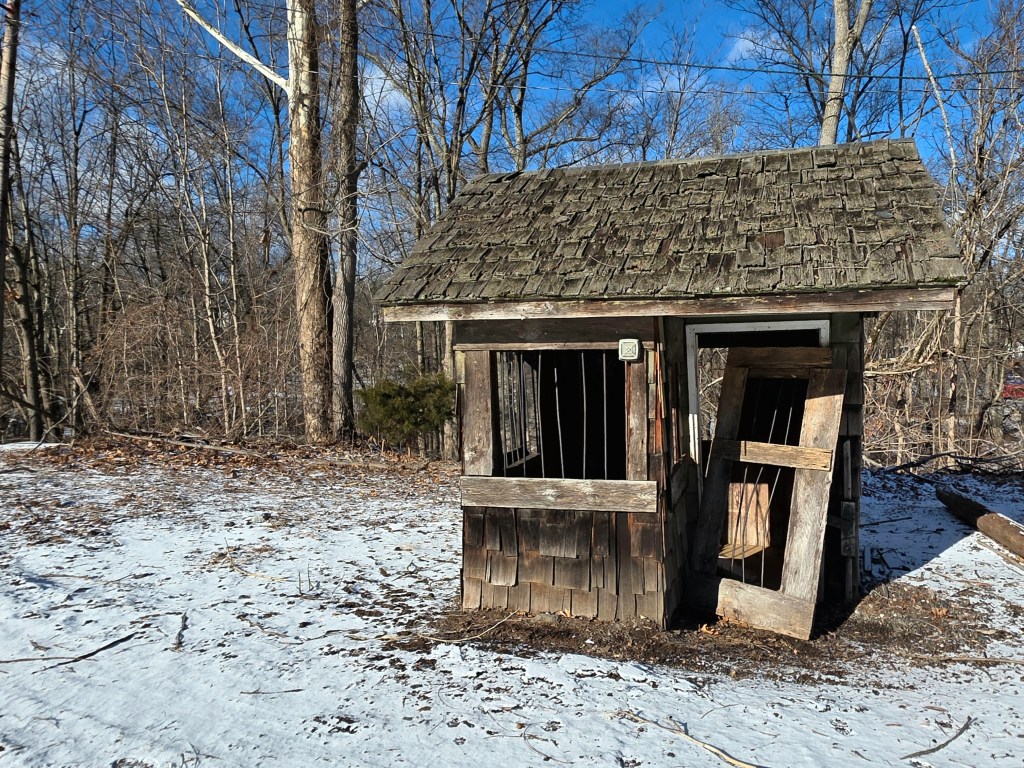
By the late 1600s, German settlers arrived, clearing forests, building farms and mills, and laying roads that linked the valley to the bustling city of Philadelphia. Over time, small villages—Salfordville, Woxall, Bergey, and Spring Mount itself—took shape, layering new stories atop the old. By the 1800s, Spring Mountain, then known as Stone Hill, had become a hub of industry. Its black granite was quarried for Belgian blocks, paving Philadelphia’s streets while leaving rugged scars on the mountain’s slopes. When the railroad reached Schwenksville in 1869, the mountain was transformed once more: city dwellers seeking relief from summer heat discovered its cool breezes and wooded walking paths, giving rise to resorts like Spring Mountain House, the Perkiomen Inn, and Weldon House.
On the west end of the mountain, near the railroad station, an amusement park founded by Solomon K. Grimley brought new energy to Spring Mountain. Families picnicked beneath groves of oaks and maples. Children ran freely through open recreation areas, and friendly rivalries unfolded on horseshoe and croquet fields. As evening fell, a wooden dance floor came alive with dancing, music joyously wafting across the hillside. At the heart of the park stood an observatory, crowned with a clock salvaged from the Montgomery County Courthouse in Norristown, its platform offering sweeping views of the valley. By 1901, however, changing vacation habits and the rise of new destinations led to the park’s closure, leaving only forest and the observatory to quietly mark a vanished chapter of mountain life.
The decades that followed marked another turning point in the mountain’s story. A fire sometime in the late 1920s or early 1930s destroyed Spring Mountain House completely. No lives were lost, but the blaze brought an abrupt end to one of the mountain’s most significant structures. The building later reopened as a retirement home, but it soon succumbed to decay. After World War II, the rise of automobile tourism and shifting vacation habits drew visitors elsewhere, leaving the mountain quieter than it had been in decades. By the 1990s, any remnants of the old resort had been removed entirely, allowing Spring Mountain to stand silently, waiting for renewal.
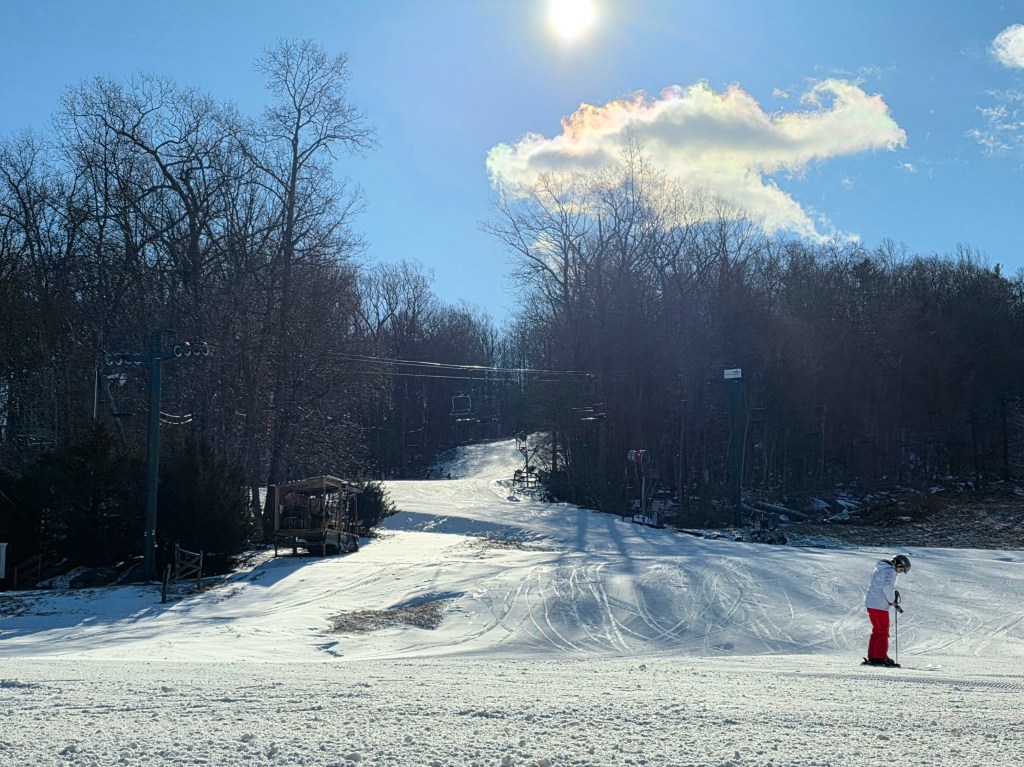
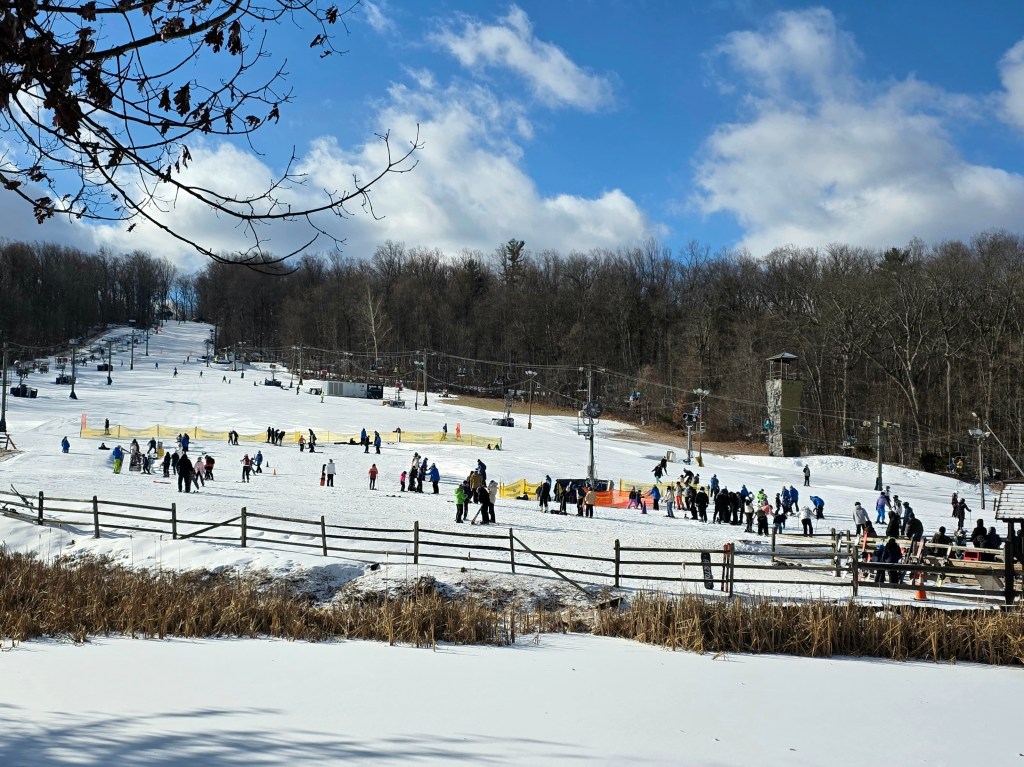
Nature, however, had its own plans. In 1962, the slopes of Spring Mountain became a winter playground with the opening of Spring Mountain Ski Area. A modest rope tow welcomed early visitors, soon joined by chairlifts and expanded trails. Families from Philadelphia, South Jersey, and Delaware came to carve their first turns on the snow, while more experienced skiers explored increasingly challenging terrain. By the late 1990s, the ski area had languished, its future uncertain—until the Buckman family stepped in, guided by a deep, lifelong connection to the mountain.
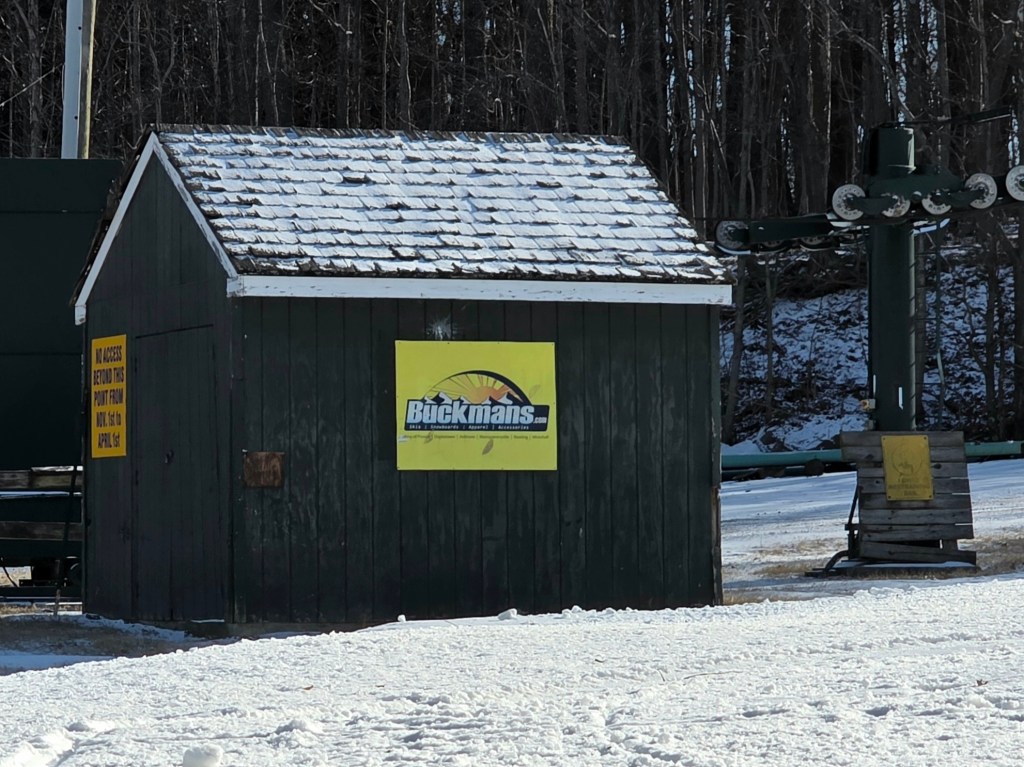
Their story began in 1971, when Leon Buckman opened Buckman’s Ski & Snowboard Shop in Perkiomenville to support his children’s love of skiing. In time, the business expanded across five counties, and Rick Buckman, having learned to ski on these very slopes, saw the mountain’s potential—not just as a recreational destination, but as a place where history, community, and nature could coexist. On March 14, 2000, the Buckmans purchased the lodge, lifts, parking areas, and equipment. Extensive renovations followed: the lodge was gutted and reroofed, snowmaking systems modernized, lifts refurbished, tubing runs installed, and even a $25,000 “pipe dragon” added to the snowboard half-pipe. By December 2000, the slopes reopened, breathing new life into the mountain.
Spring Mountain Adventures quickly evolved into more than a winter resort. In addition to skiing and snowboarding—offering trails for beginners, experts, and freestyle enthusiasts—the mountain began embracing year-round recreation. In 2006, a canopy zipline tour opened, providing aerial adventures through the forest. Autumn brought Scream Mountain, where guests wandered haunted trails and hayrides guided by legends of vengeful quarrymen, a playful nod to the mountain’s industrial past.
Today, Spring Mountain stands as much more than a recreational landmark—it is also a conservation success story. Identified in the 1995 Montgomery County Natural Areas Inventory as a top-priority site, more than 330 acres of forest, meadow, and diverse ecosystems remain protected, much of it publicly owned. Adjacent parcels—including the Spring Mountain House site and Camp Rainbow, a nonprofit summer camp founded in 1951—have been acquired, preserving trail networks and preventing development. Each summer, Camp Rainbow continues to welcome local children, offering them the chance to explore nature, enjoy outdoor activities, and grow through community programs. In 2024, a new solar array was installed on the property with the help of a federal clean-energy grant, reducing energy costs and supporting sustainable operations. Regional initiatives such as the Park to Perkiomen Trail further enhance access, inviting visitors to discover the landscape while connecting with its rich, layered history.
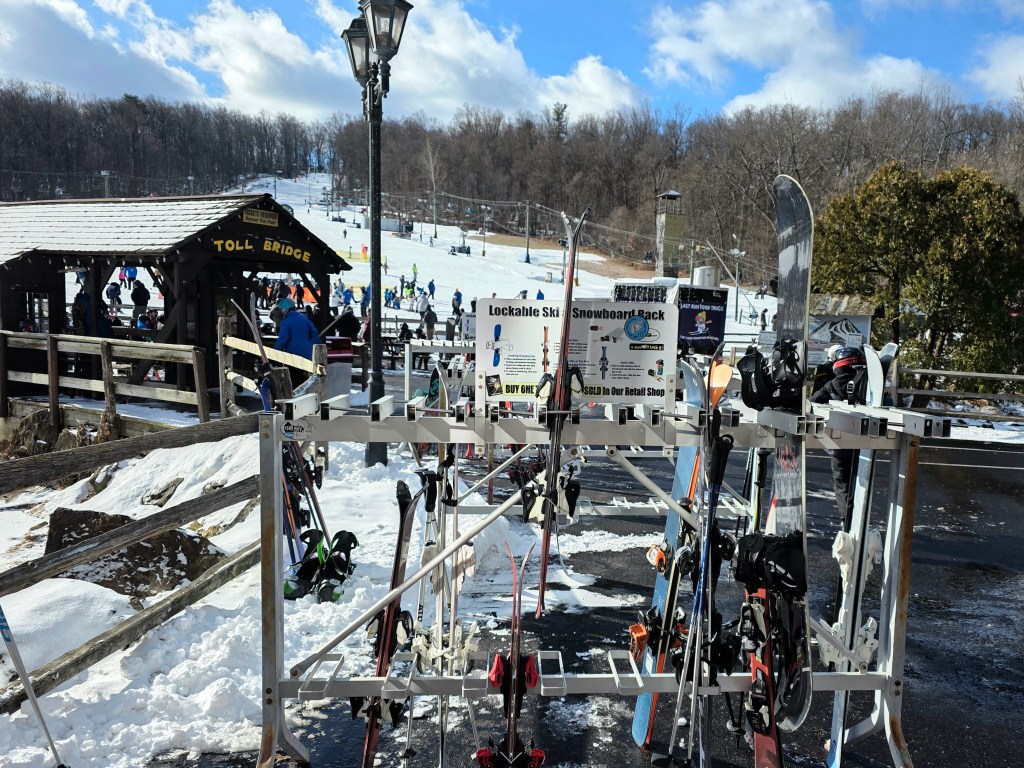
Spring Mountain Adventures continues to balance recreation with preservation. Seasonal improvements, like the ice-skating rink added in 2021, provide engaging experiences while generating revenue to maintain protected lands. Roughly 180 instructors guide skiers and snowboarders of all ages. The mountain offers trails, lessons, and amenities, including a bar, and restaurant. Families gather each week to carve fresh tracks or simply sip hot chocolate, enjoying the same crisp air and sweeping views that, much like New Year’s Eve at Sellersville Theater, leave memories lingering long after the day is done.
From Lenni-Lenape villages to pioneer farms, quarry scars to summer resorts, and ski inclines to year-round adventure, Spring Mountain is a living landscape of human connection. Its legacy is shaped by family, community, and preservation—guided by those who understood that some places are simply too precious to lose.
Visit Spring Mountain Adventures this winter at 757 Spring Mount Road, Spring Mount, PA 19478. Hours and details are available at springmountainadventures.com.
Video courtesy of Tina Pastor Photography.
Celebrate Valentine’s Day weekend with AM Radio Tribute Band at Sunnybrook Ballroom. Don’t miss your chance to see this local favorite live. Tickets are available now here.


 Keystone Wayfarer
Leave your thoughts