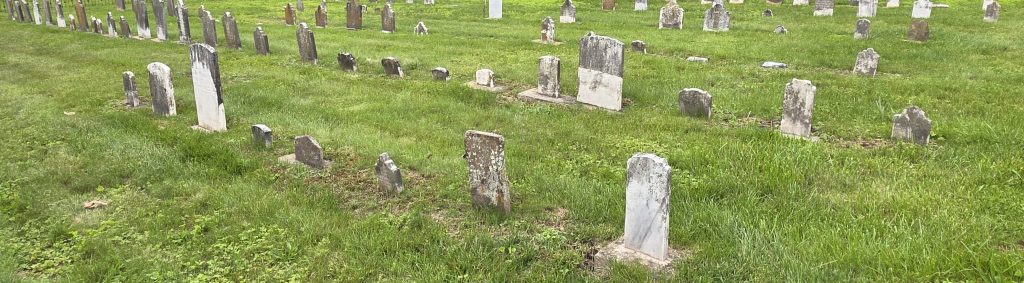
In the summer of 2025, preservation partners Rick Detweiler and Paula Hogan spent four months cleaning nearly 150 modest grave markers at Salford Schwenkfelder Cemetery. Nestled in Lower Salford Township, along the border of Harleysville and Souderton, this small Pennsylvania burial ground rests beneath a canopy of mature maple and oak trees. Its simple stones connect the present to a past nearly three centuries old.
Here lie some of the earliest Schwenkfelder settlers, families who in the 1730s left their homeland of Silesia—a region now divided among Poland, the Czech Republic, and Germany. With little more than their faith and hope, they crossed the Atlantic, drawn by William Penn’s promise of a land where they could worship freely.
In their homeland, these followers of Caspar Schwenckfeld von Ossig endured relentless persecution for their deeply held beliefs. Schwenckfeld, a wealthy nobleman in early Reformation-era Europe, emphasized inward devotion. This practice set them apart from Europe’s state churches. Many were forced to worship in secret, endure public humiliation, and, in some areas, face the indignity of being denied burial in consecrated cemeteries. These trials made the prospect of a freer life across the Atlantic all the more compelling. And so they journeyed to the New World, planting roots in the Perkiomen Valley.
The forests and streams of Pennsylvania were unfamiliar and untamed, yet the settlers built homes, tilled fields, and forged a fellowship grounded in shared devotion. The settlement they established—humble, enduring, and deeply rooted in spiritual tradition—still resonates across the landscape today.
The Schwenkfelder migration unfolded in six small but meaningful waves. The first families arrived in Philadelphia in 1731, with additional groups following over the next decade. Altogether, roughly 209 people across 52 families made the journey, including the largest contingent of about 170 aboard the St. Andrew in 1734. They established homes in Salford, Towamencin, and Worcester, as well as in Hereford and Upper Hanover, laying the foundations of communities that remain closely connected to their Schwenkfelder heritage today.
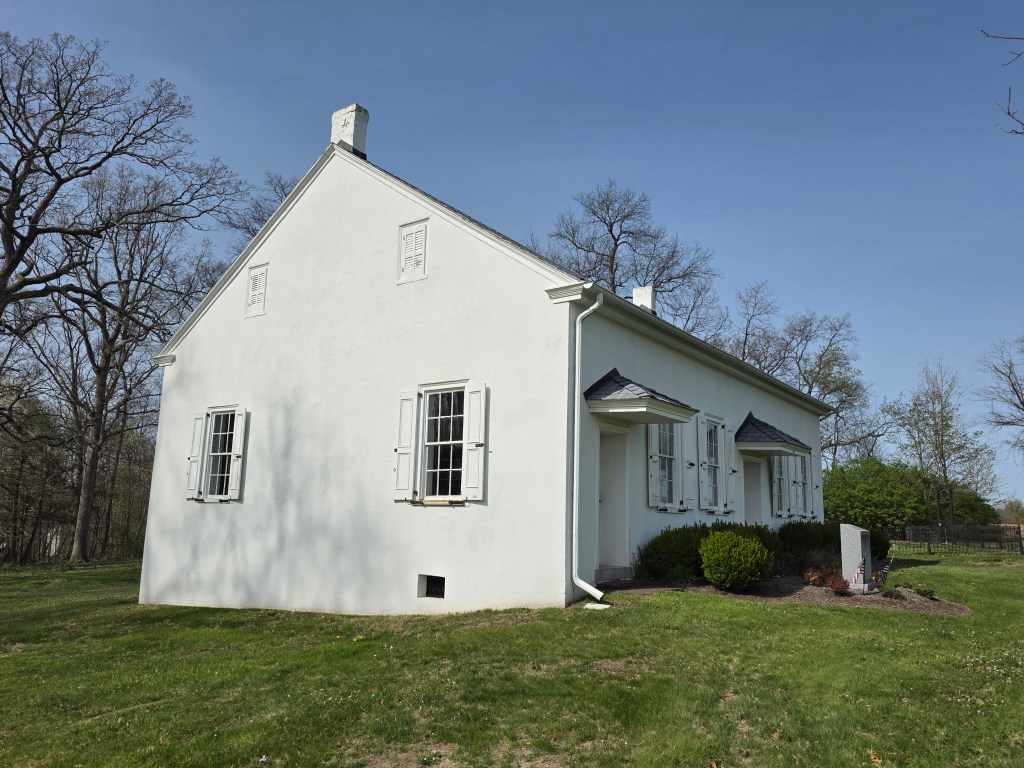
The present Salford Schwenkfelder Meetinghouse was built in 1869 on land held by local families for generations. In 1812, Jeremiah Kriebel sold the property to the trustees, formally establishing the site. For decades, services were conducted in German, a practice that continued until 1887. The Meetinghouse served as the heart of the community, where families worshiped, celebrated milestones, and marked the passages of generations. As older families passed away or married outside the faith, regular services became infrequent, held only during the summer about once every three weeks. Isaac Kriebel, a neighbor and the last member of the congregation, tended the church faithfully until his death in 1920, after which weekly worship at Salford quietly came to an end.
Yet the Meetinghouse has never been abandoned. Descendants and members of the Schwenkfelder Church still return annually for pilgrimage or memorial services, singing hymns a cappella, reading scripture, and reflecting on the lives of those who came before. Standing there today, one can sense the faith, perseverance, and hope that shaped these settlers’ lives—echoed in the simple stones of the adjacent cemetery.
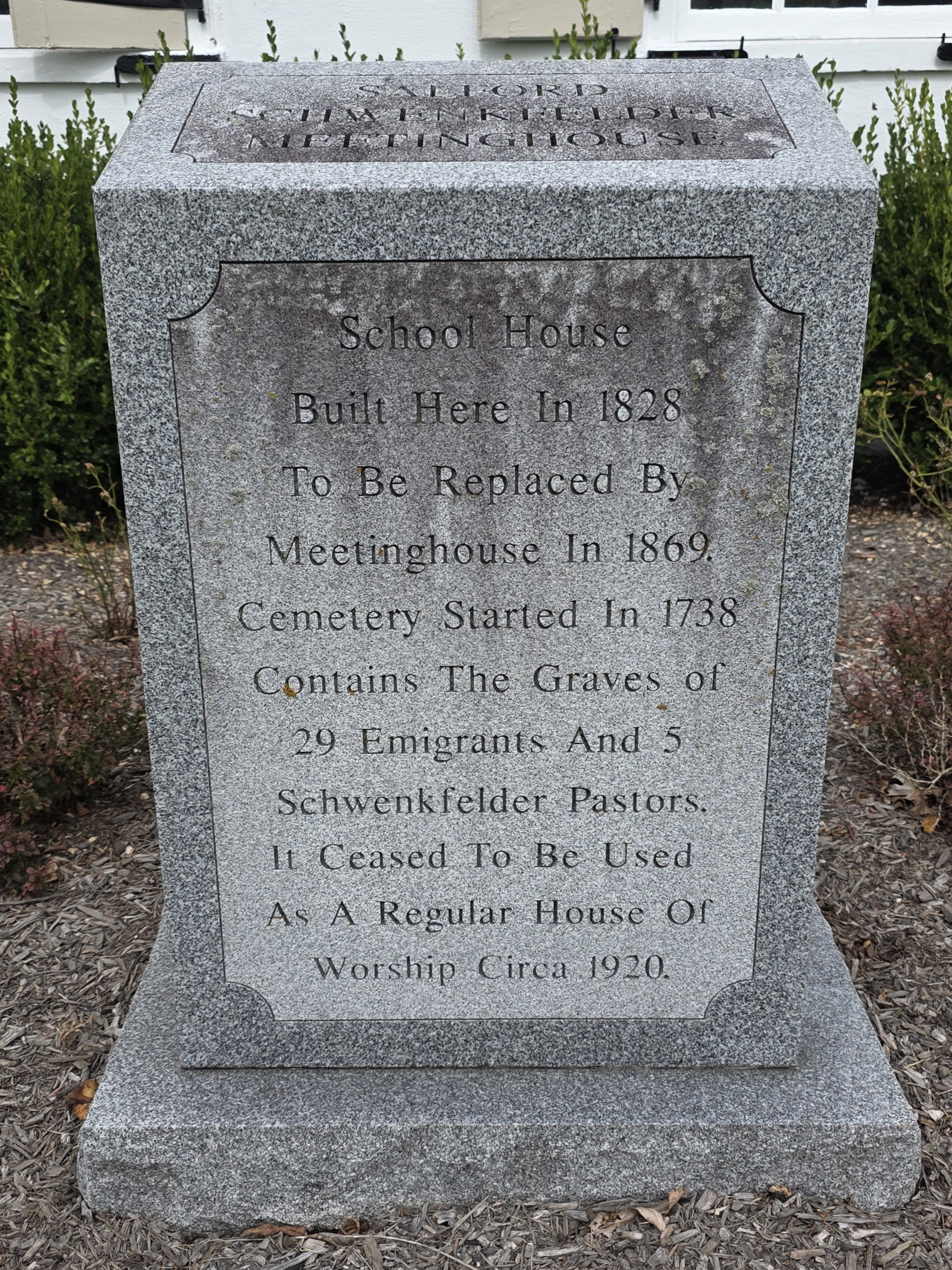
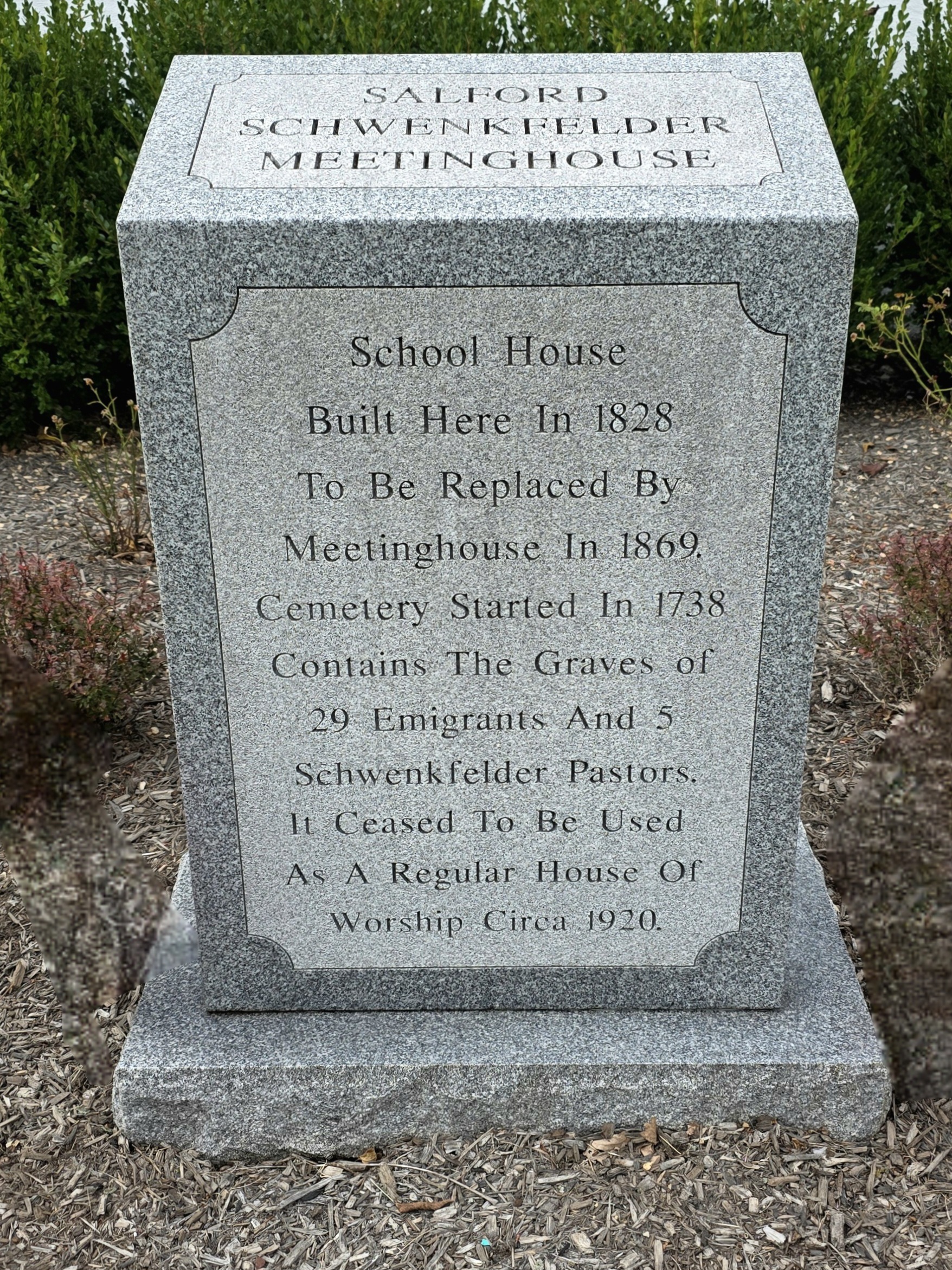
Each grave tells a story, yet the eye is drawn to a large stone near the center of the grove—a modern granite commemorative honoring twenty-nine original emigrants whose remains rest on the grounds. Erected in the 1930s by the Schwenkfelder Church, it reflects a broader effort to restore and protect the cemetery. Trees and shrubs were planted, a well dug, and the identities of those buried carefully documented. Though many original markers had weathered beyond recognition or disappeared entirely, the commemorative ensures these early settlers are remembered.
Schwenkfelder historians deliberately use the term “emigrant” rather than “immigrant.” An emigrant is someone who leaves a homeland; an immigrant is someone who arrives in a new country. This distinction honors the settlers’ perspective, reminding us that each name on the stone represents someone who made the courageous—and often painful—choice to leave home in search of a new life.
Ongoing maintenance ensures the site endures. An iron fence was installed in the 2010s, and conservation work continues on both the Meetinghouse and the grave markers. Each stone stands as a testament to lives marked by faith and resolve—a silent echo of a community that has endured through time.
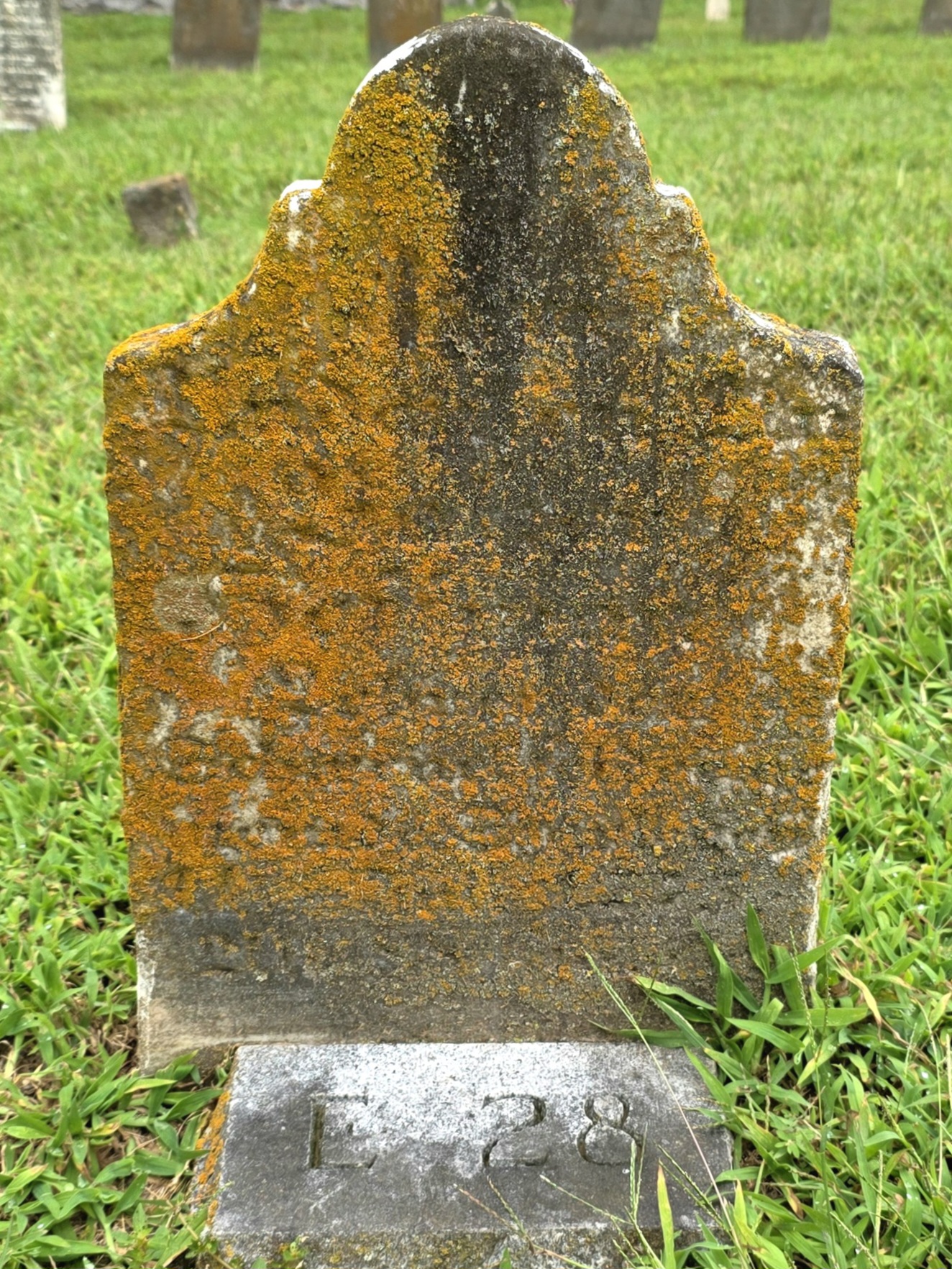
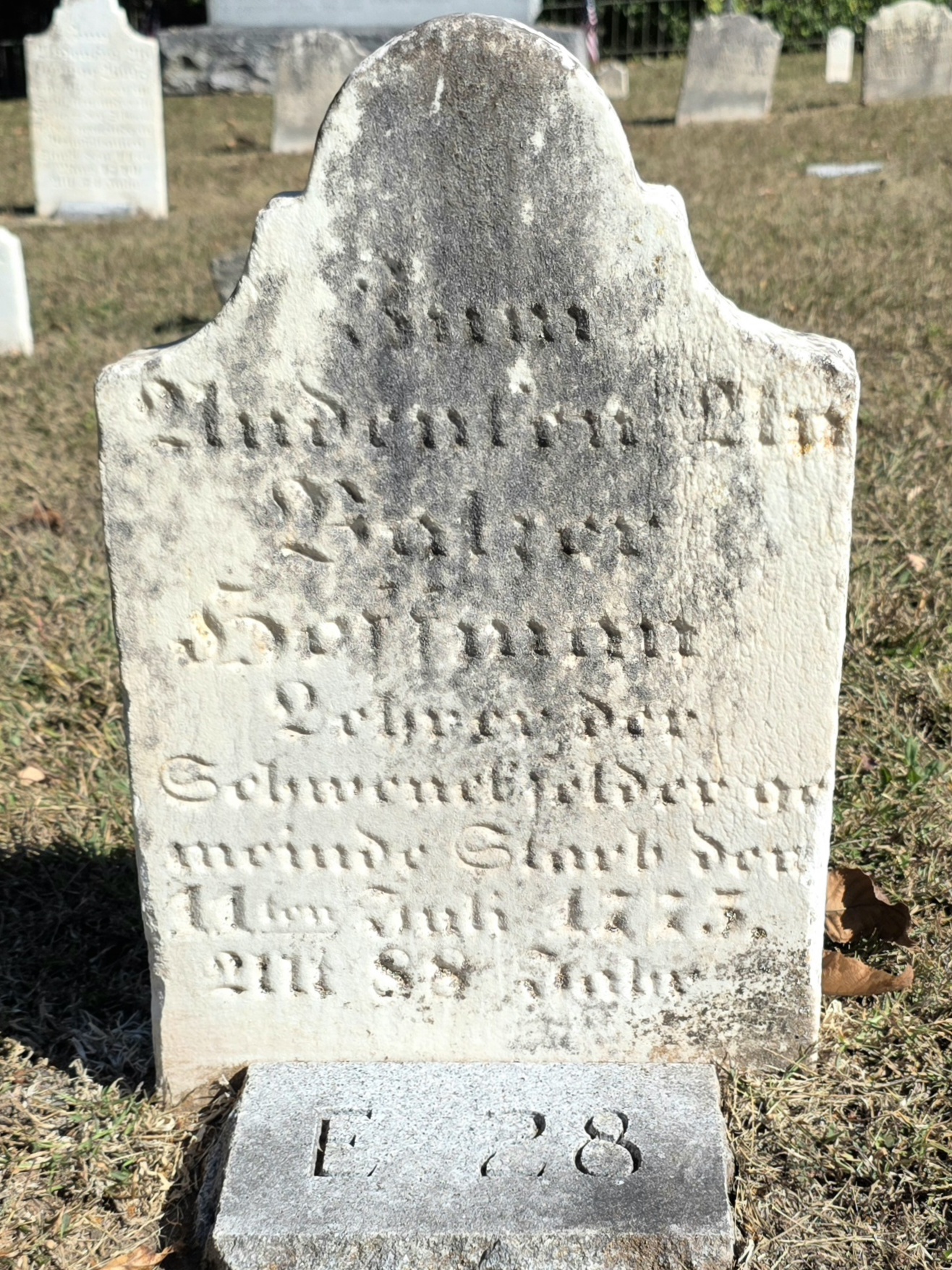
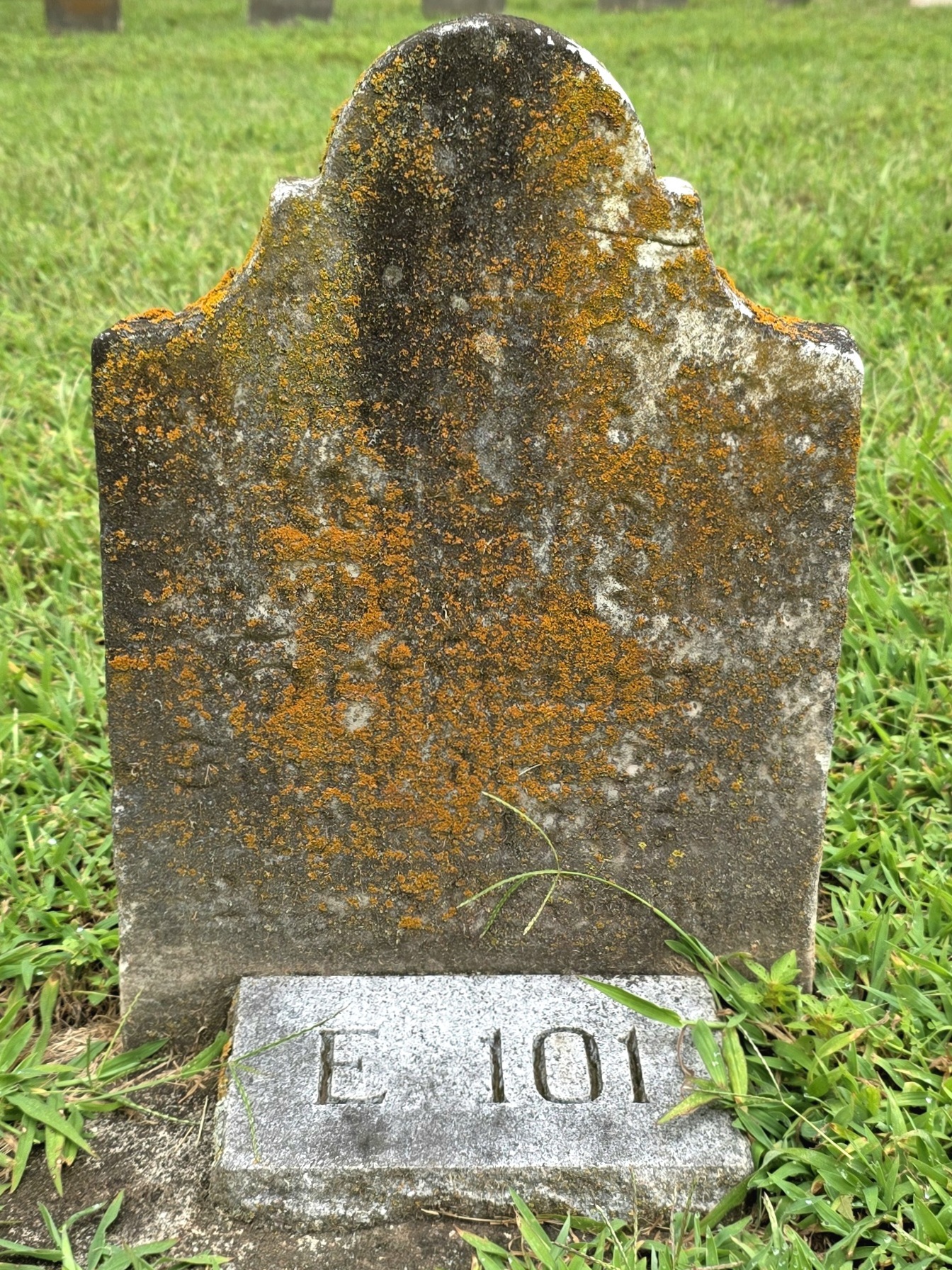
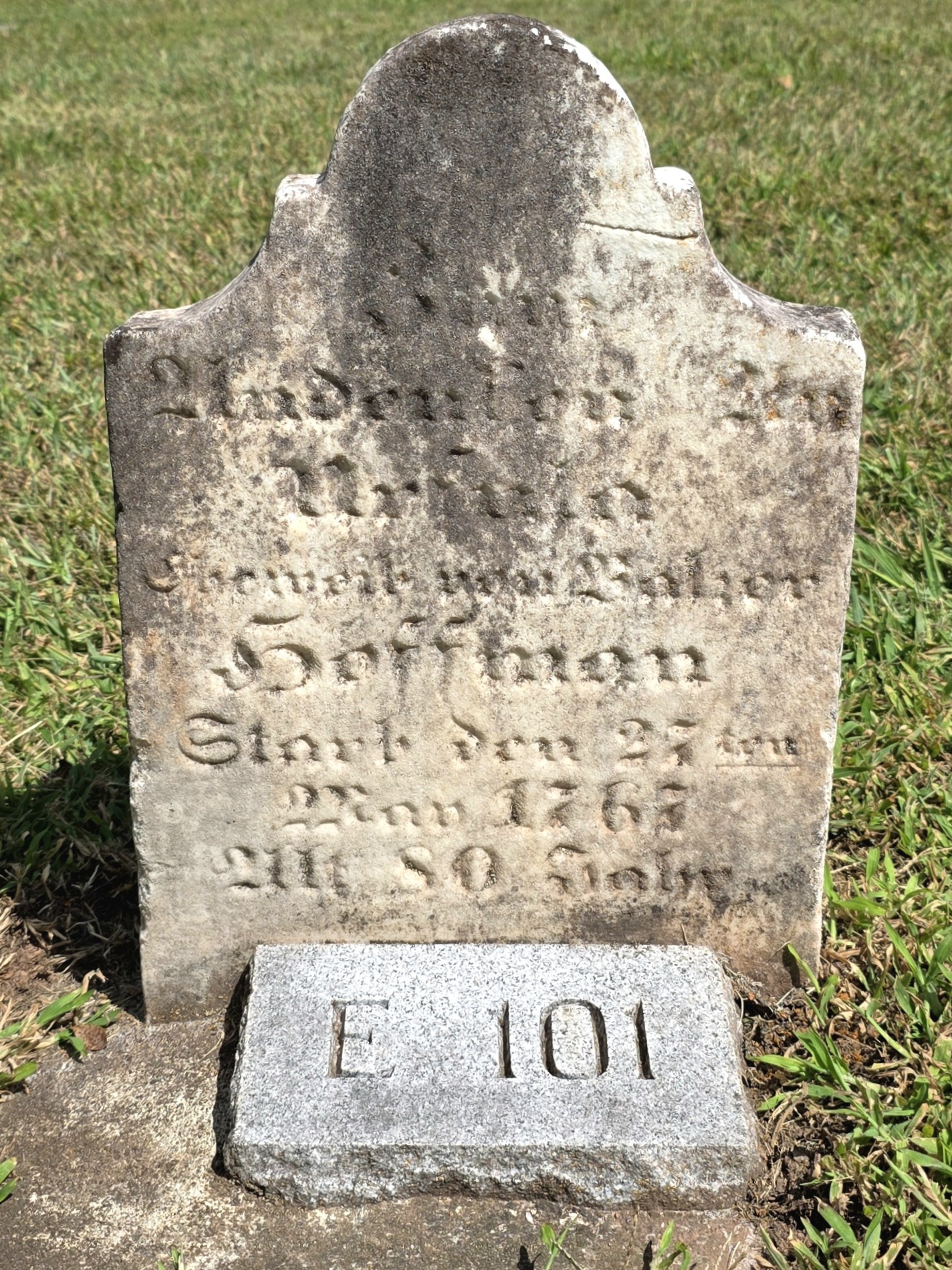
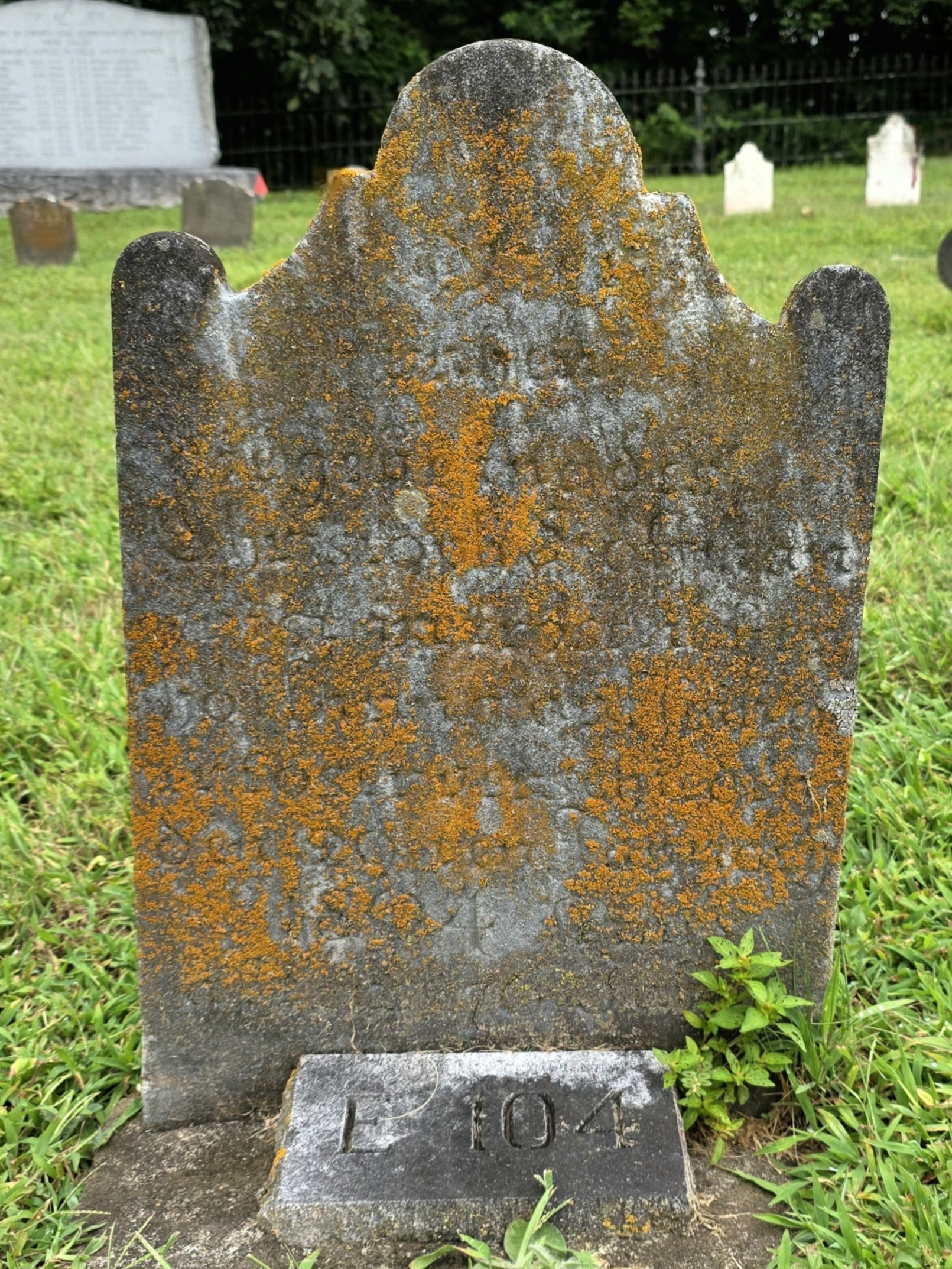
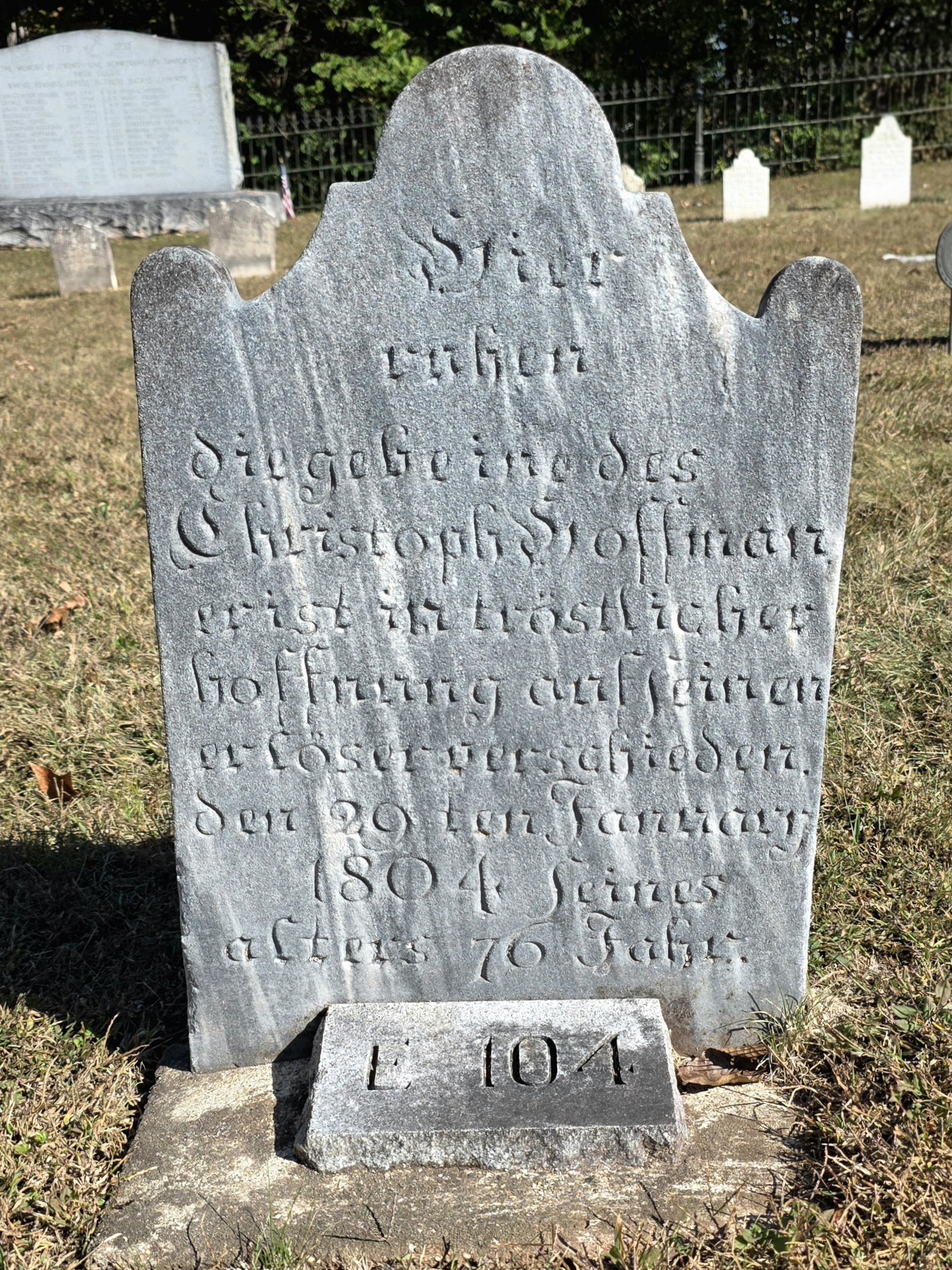
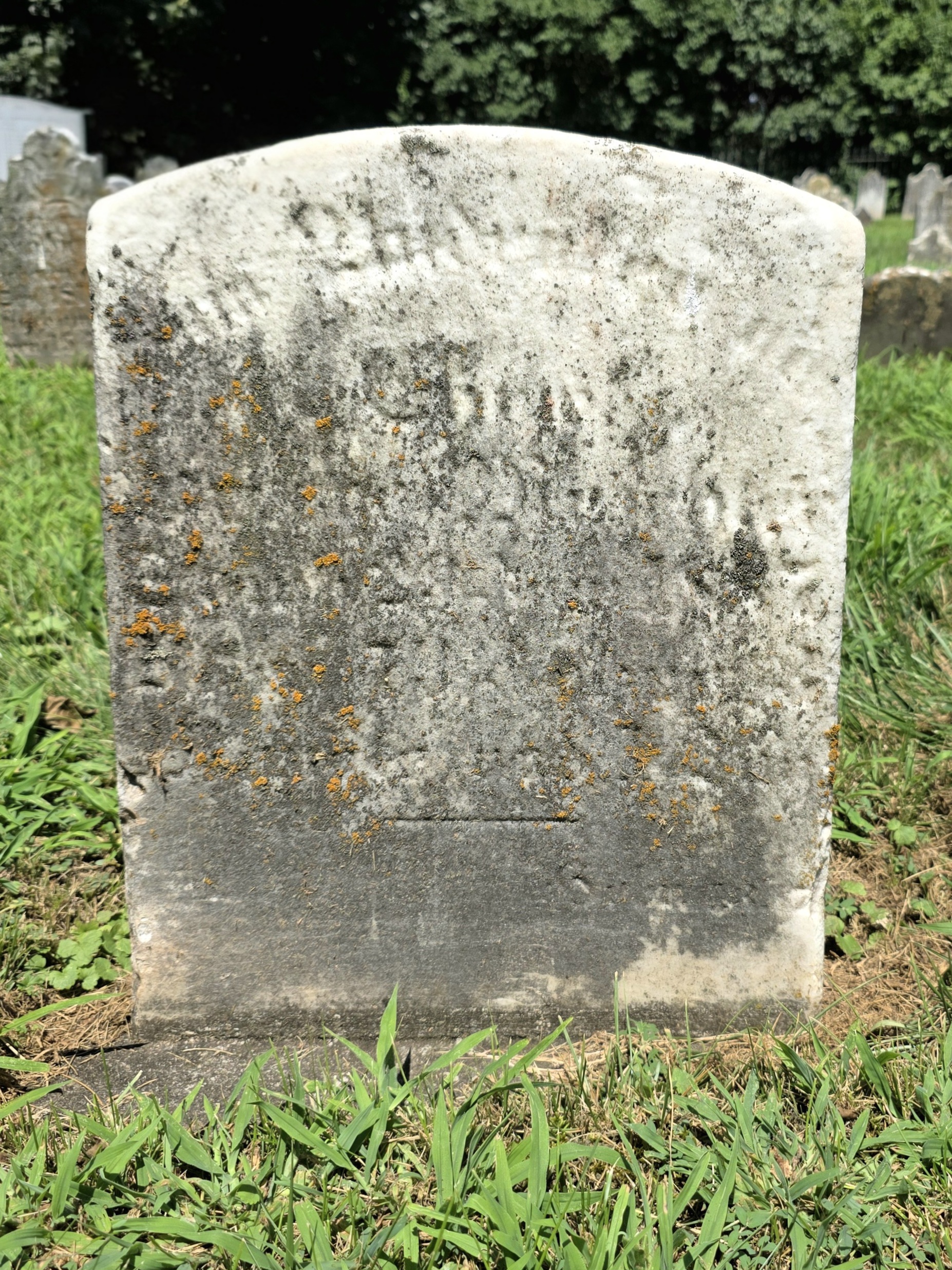
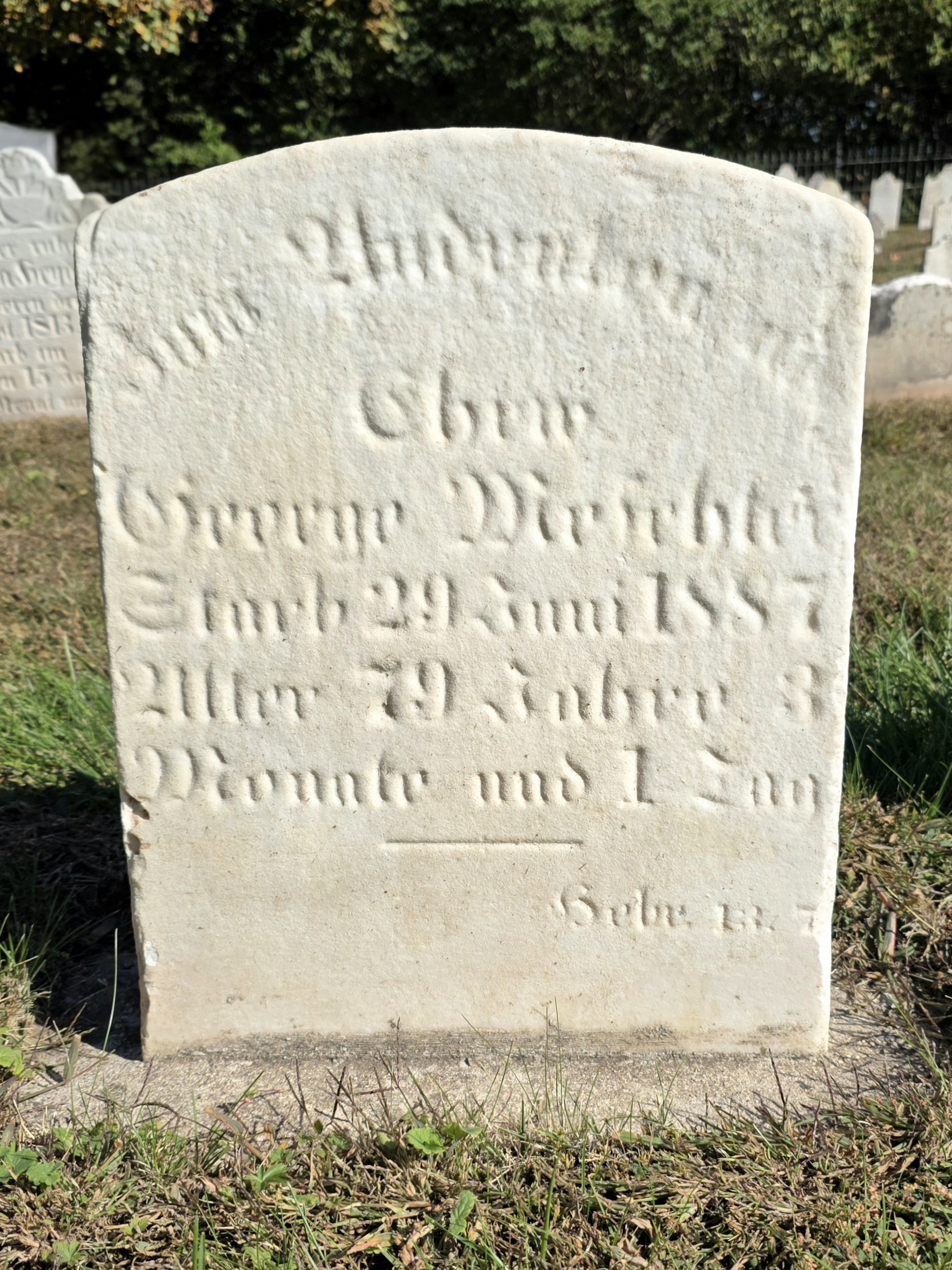
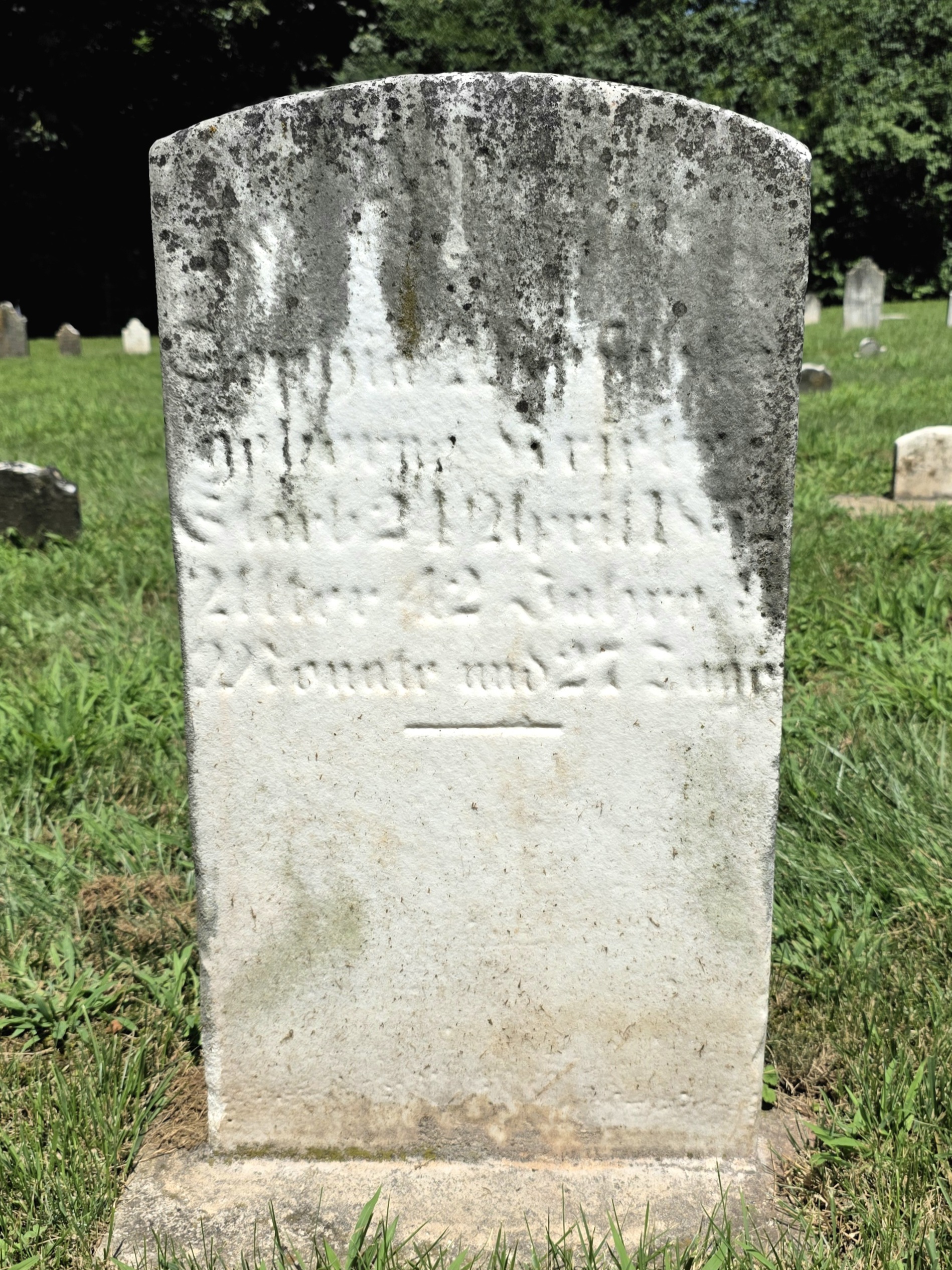
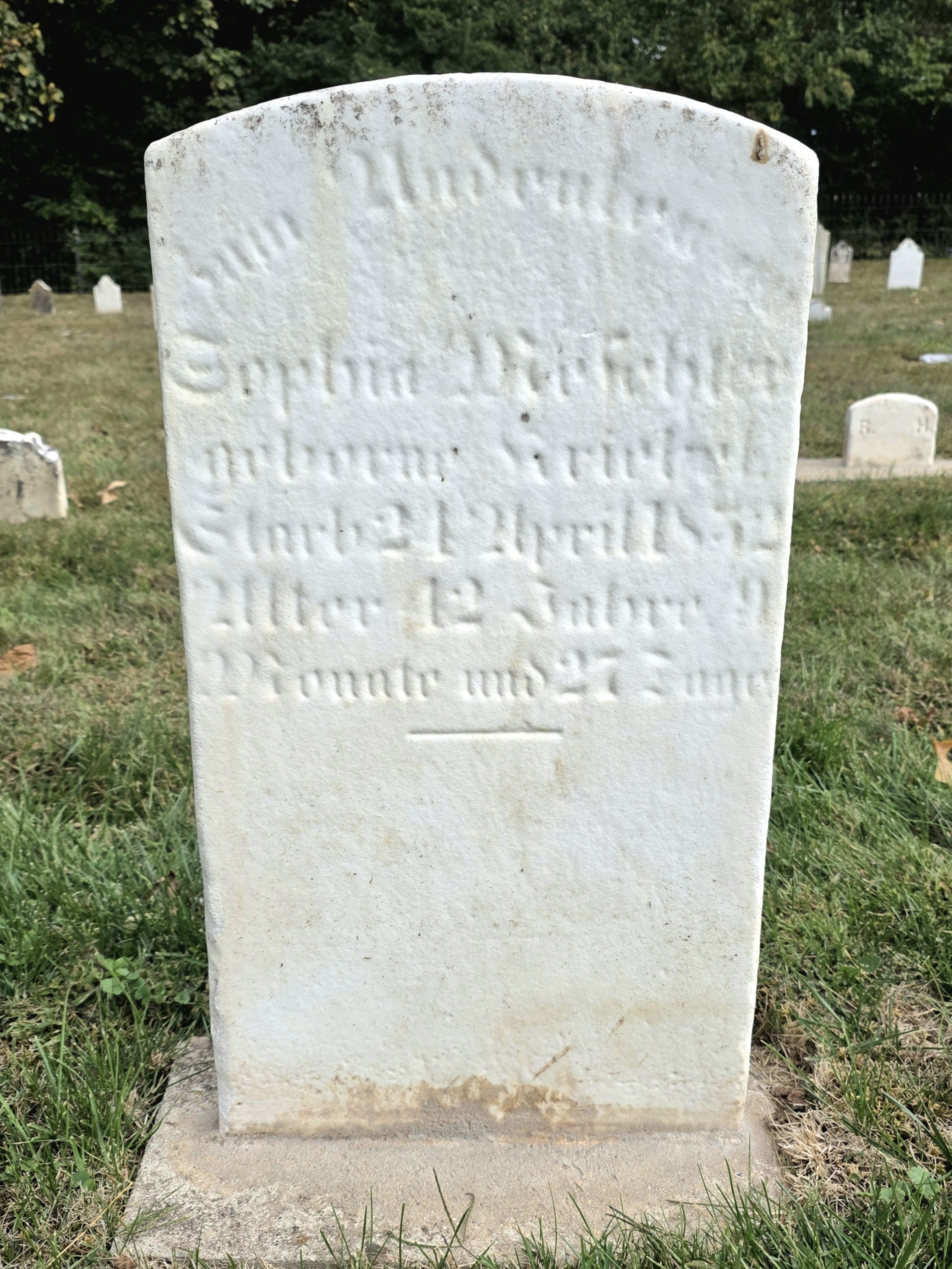
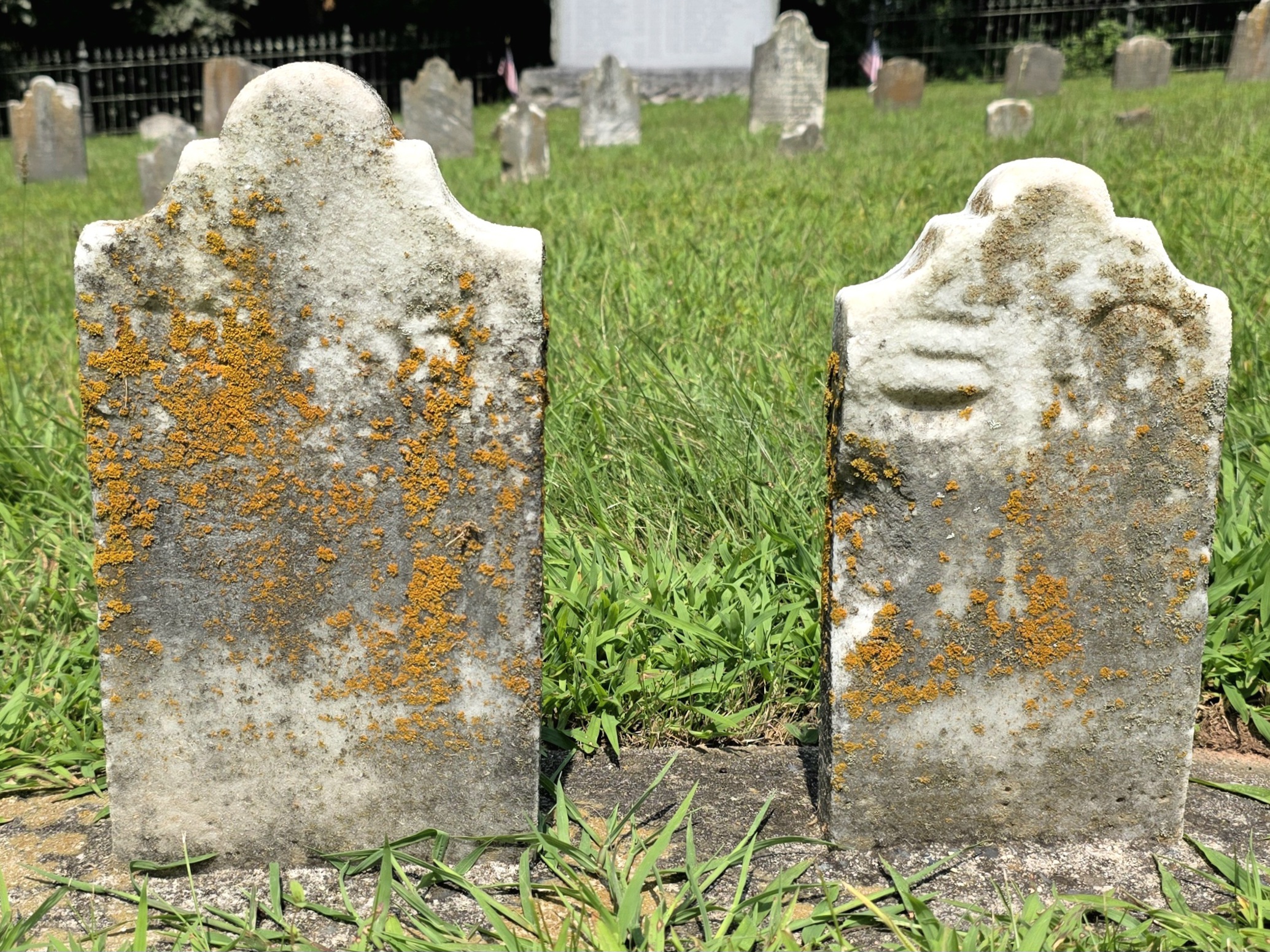
The cleaning process is meticulous. Each marker is flushed with fresh water, gently scrubbed to remove moss and lichen, then treated with a biodegradable, pH-neutral organic solution. Over weeks and months, the stones brighten, and progress is carefully documented. Some may exhibit “blushing”—a temporary orange-pink-gray hue caused by biological reactions to the cleaner—but this fades within 24 to 48 hours, often accelerated by rainfall. Before-and-after photos illustrate these transformations. We acknowledge that some markers remain permanently unreadable or broken.
To deepen understanding of the cemetery’s history, this report organizes grave markers by family lineages, offering brief genealogical studies where possible and illuminating the connections among those interred. Inevitably, many personal histories are fragmentary—or lost to time altogether. Despite our best efforts to compile accurate accounts, some details may be misattributed, as names were often repeated across generations.
Due to space and scope limitations, this report does not include every stone that was cleaned as part of the project. Inquiries regarding additional markers are welcome; contact information is provided at the end of the report.
Visitors to the site today encounter closely set stones—quiet forms reflecting Schwenkfelder values of modesty and inward devotion. Nothing here clamors for attention; the landscape invites reflective stillness, offering descendants a tangible link to ancestors who crossed an ocean in pursuit of spiritual freedom and giving all who visit a rare, intimate window into Pennsylvania’s layered religious past, where the quiet perseverance of a small community still echoes across the region.
This project has been made possible through the kindness and generosity of friends and strangers who came together to support us through a GoFundMe campaign (https://www.gofundme.com/f/restore-salford-schwenkfelder-gravestones). Their contributions helped provide the supplies needed to carefully clean each stone and honor the stories they hold. In early Spring 2026, we hope to return to raise and straighten more than 15 stones whose stability has been affected by time and nature, using additional funds to cover the cost of stone and dirt. We are truly humbled and grateful for the outpouring of support. The campaign remains live as of the publication date, and we are proud to share that a portion of the funds has also been used to support local historical societies that believe in and embrace this work.
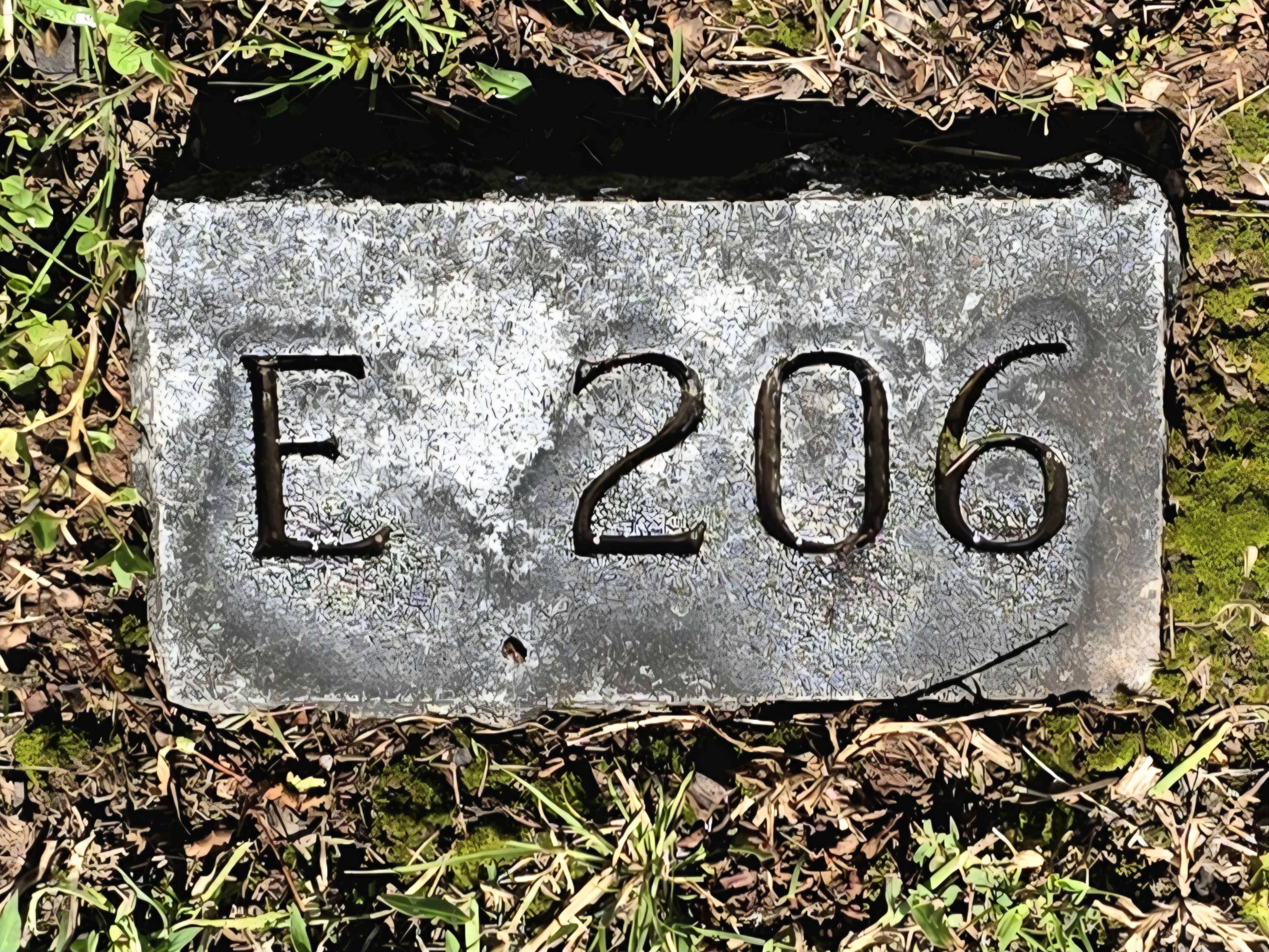
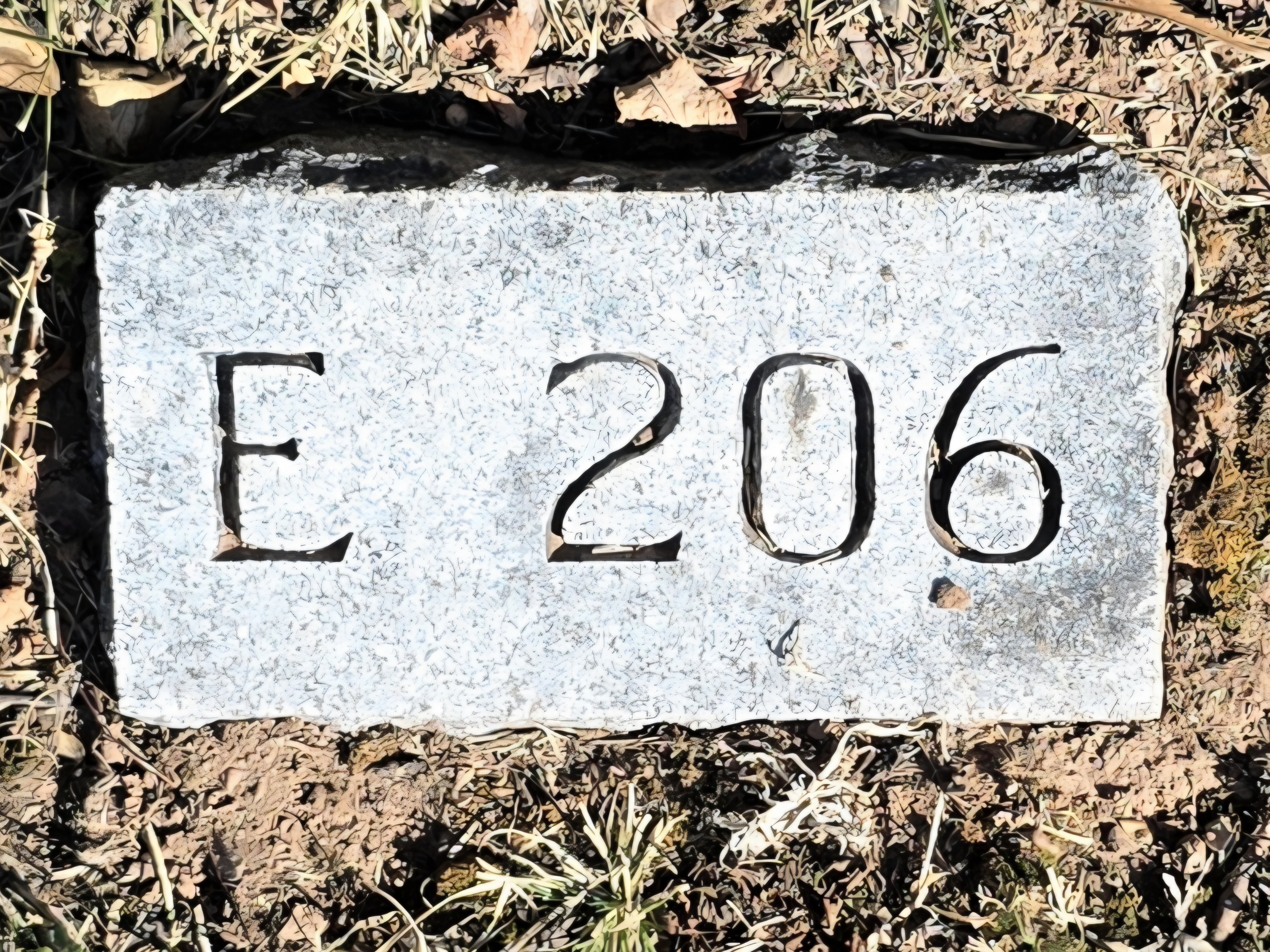
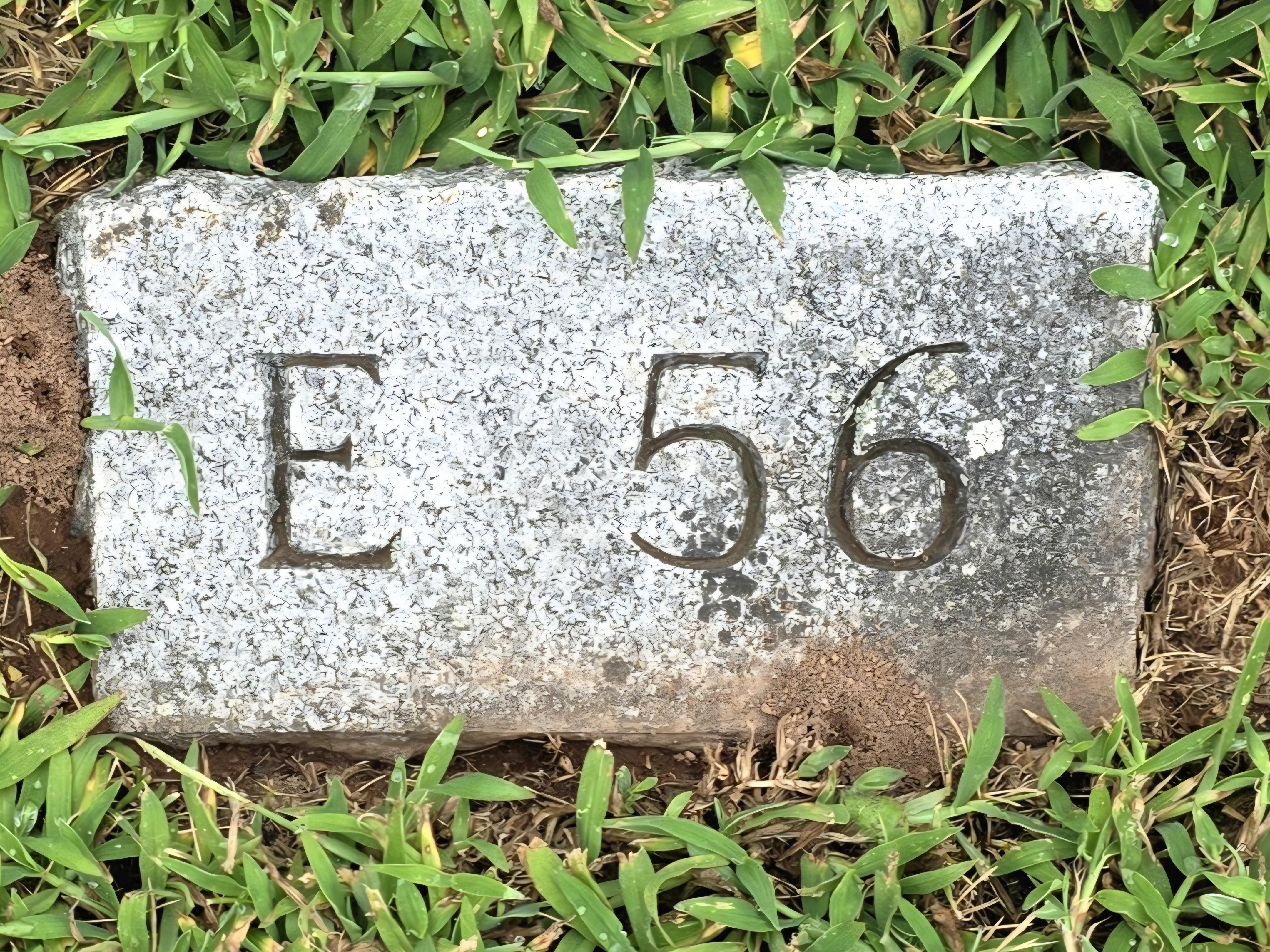
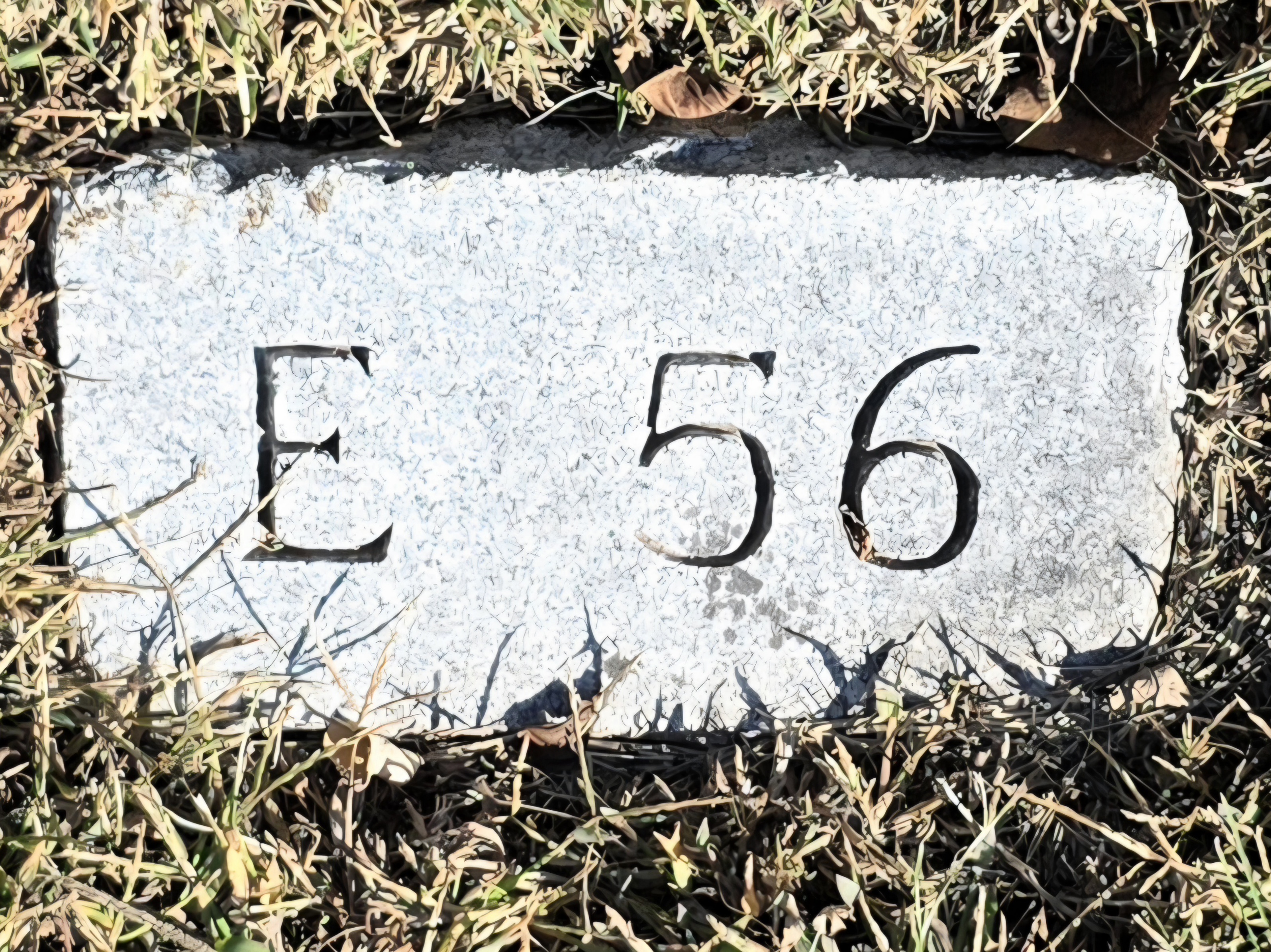
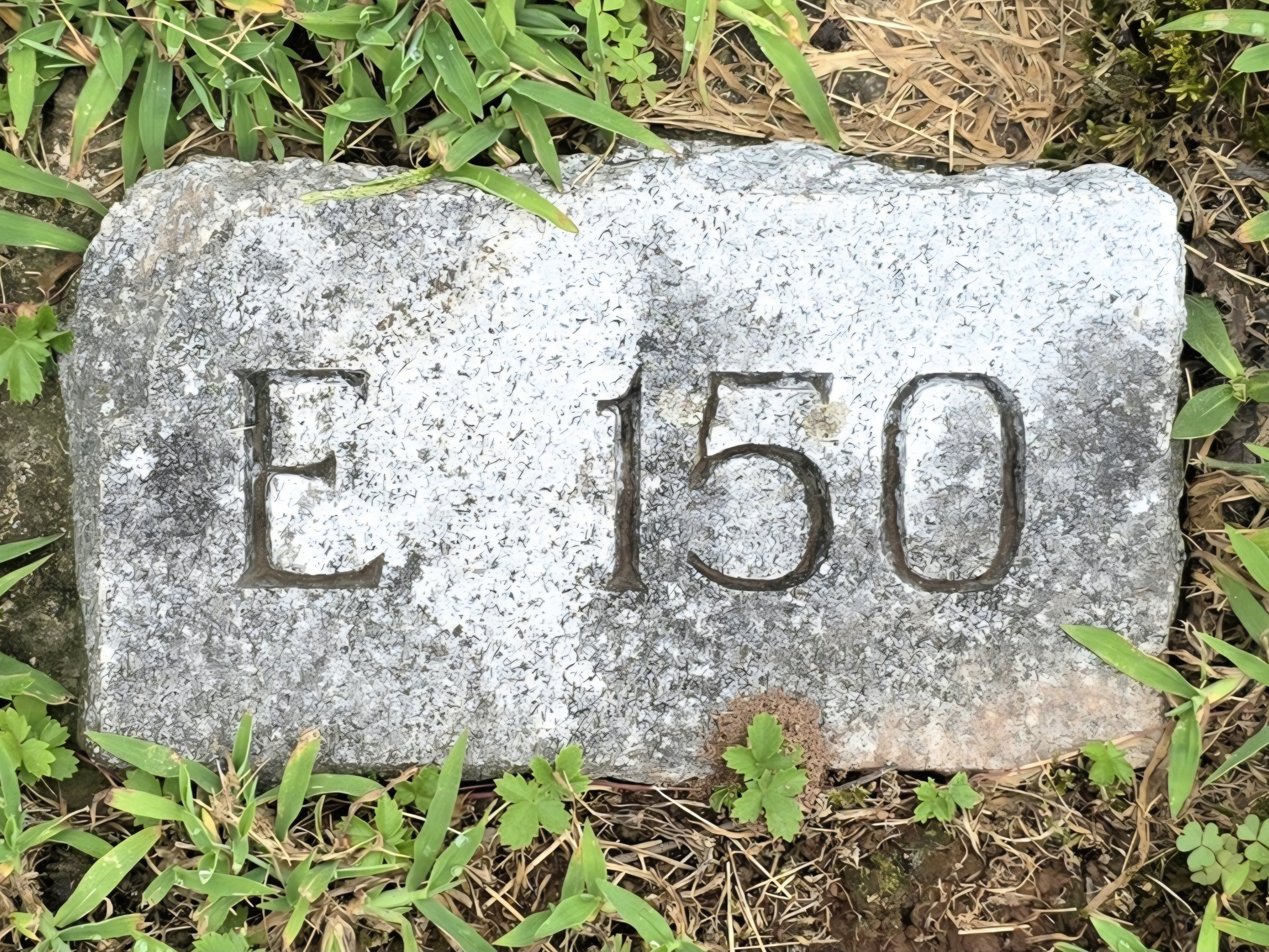
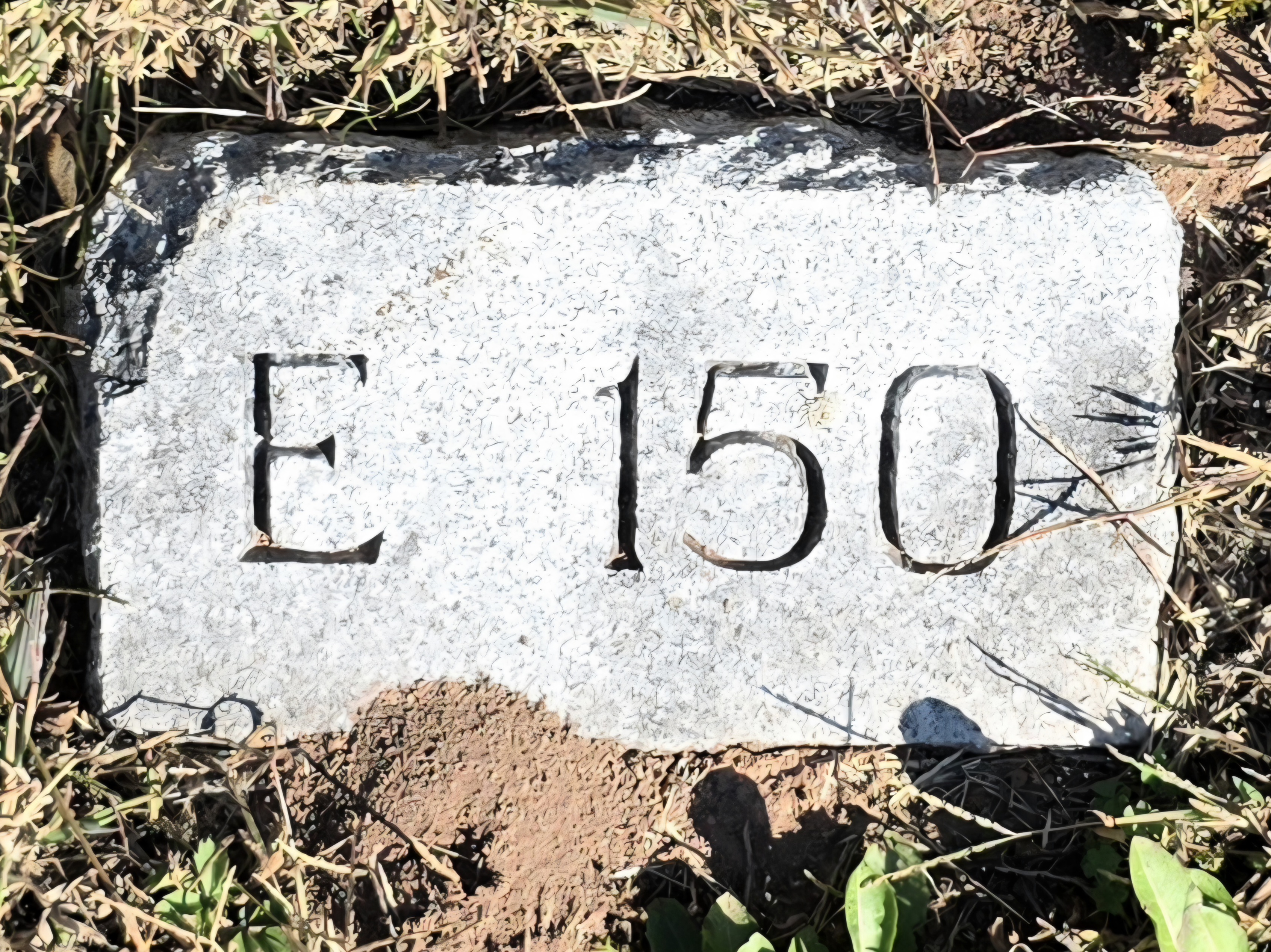
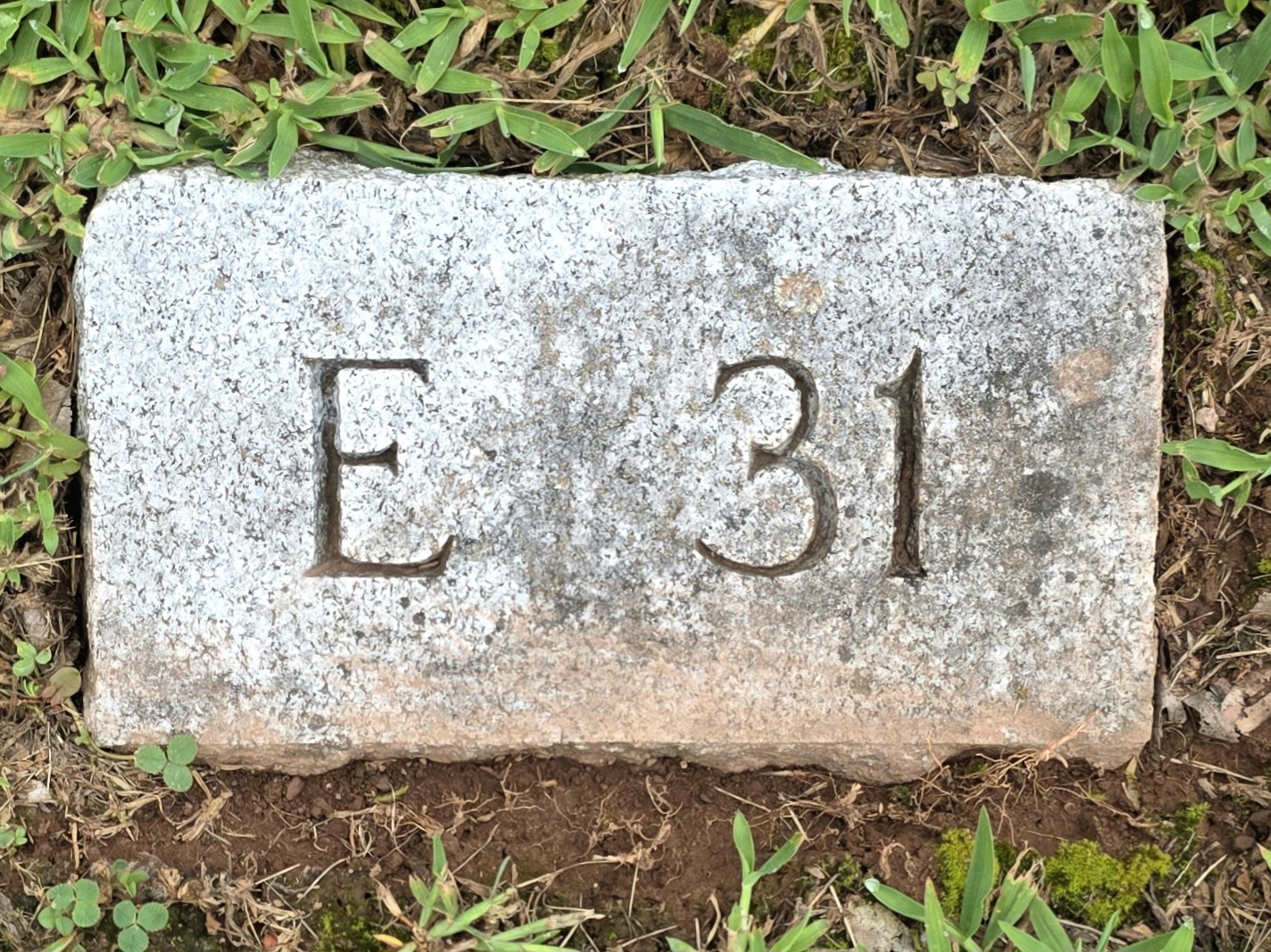
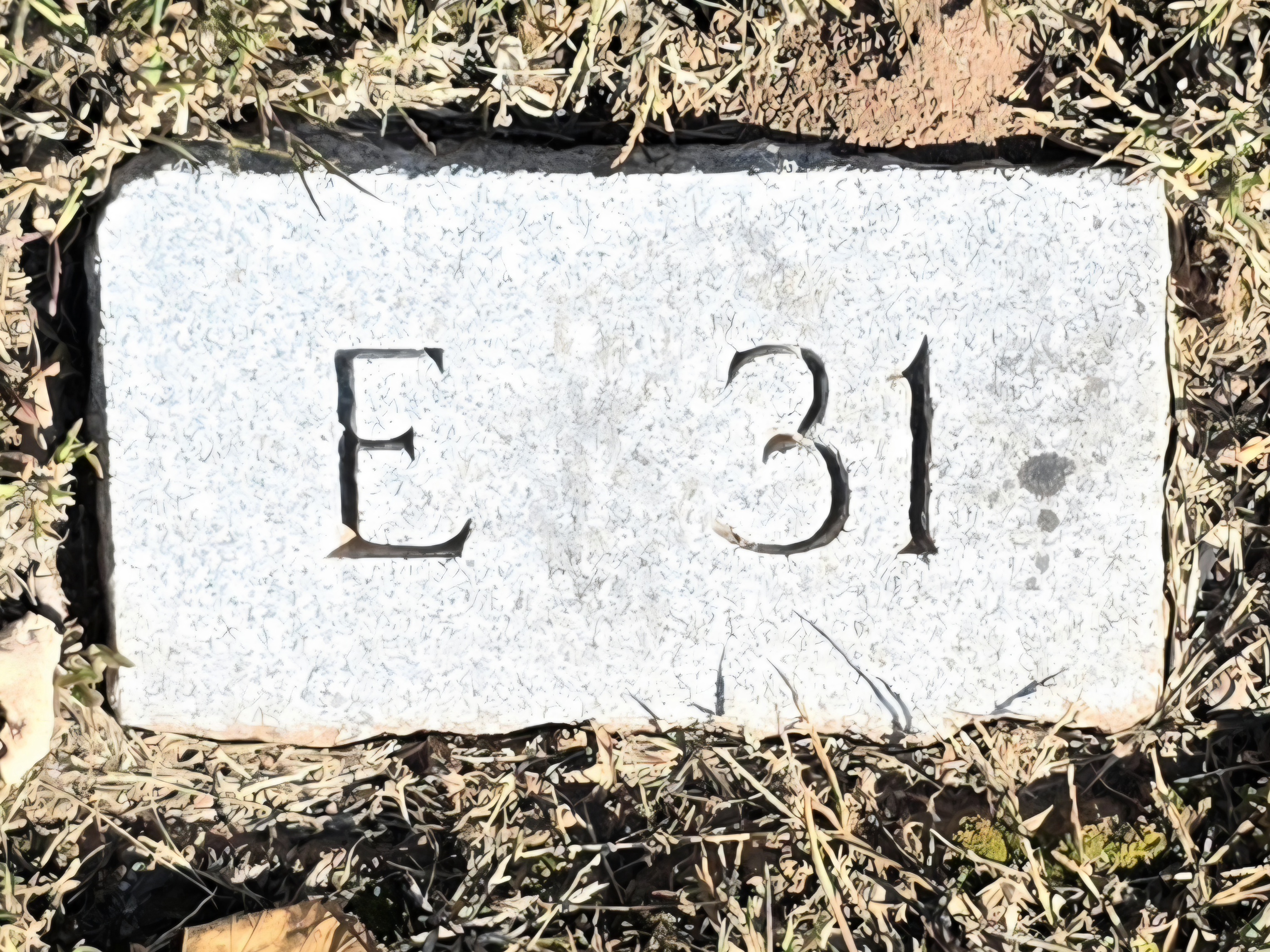
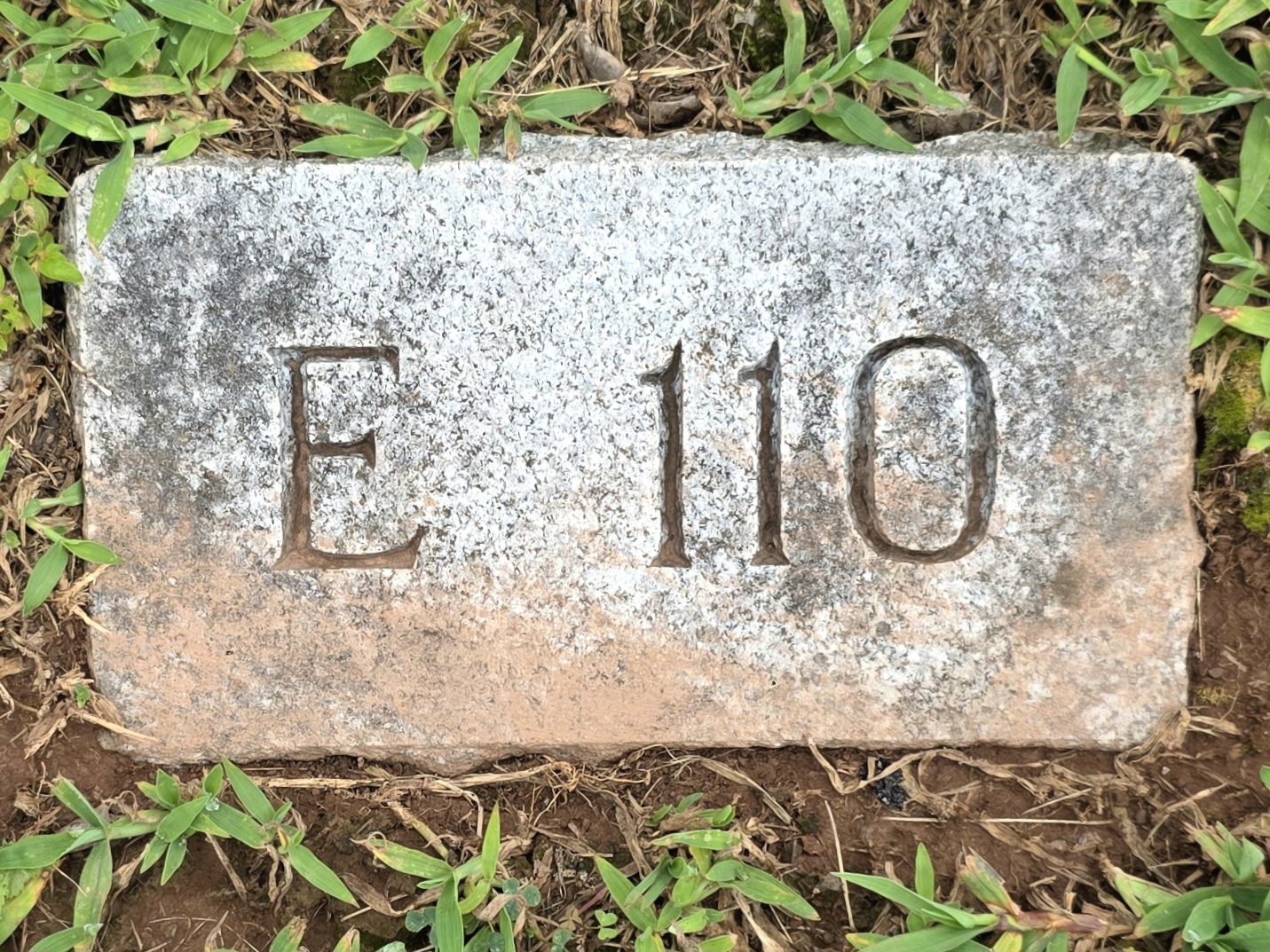
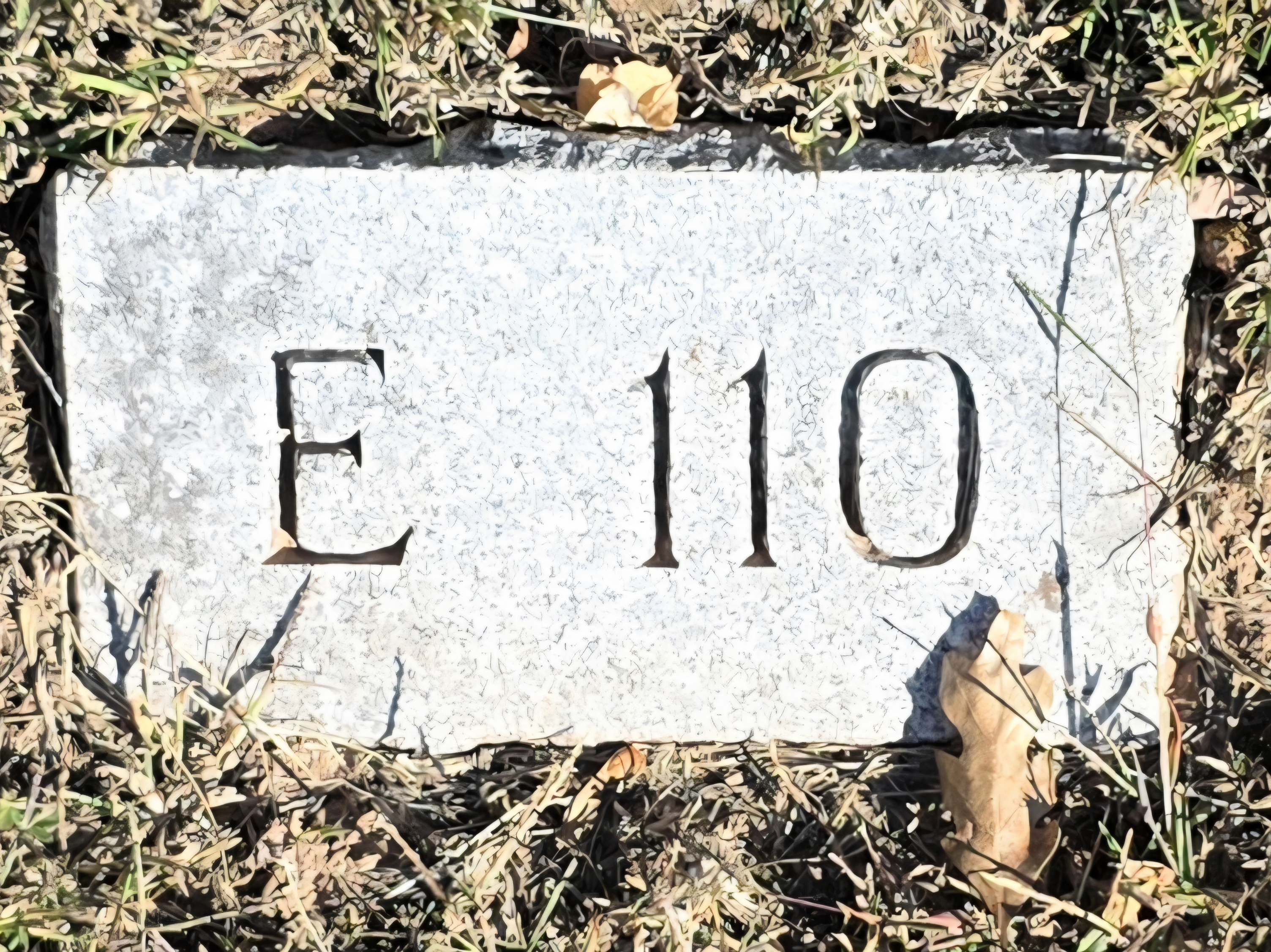
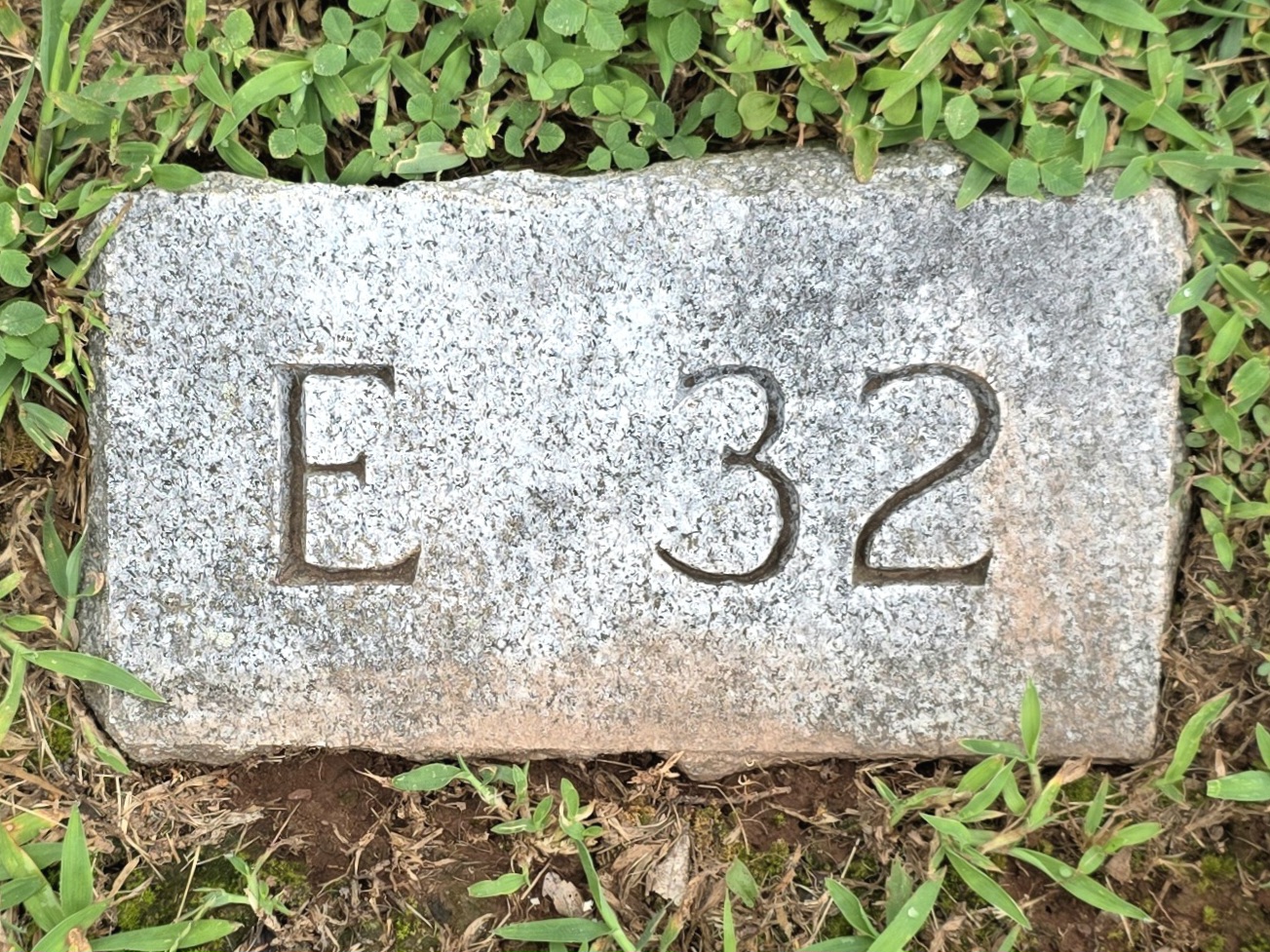
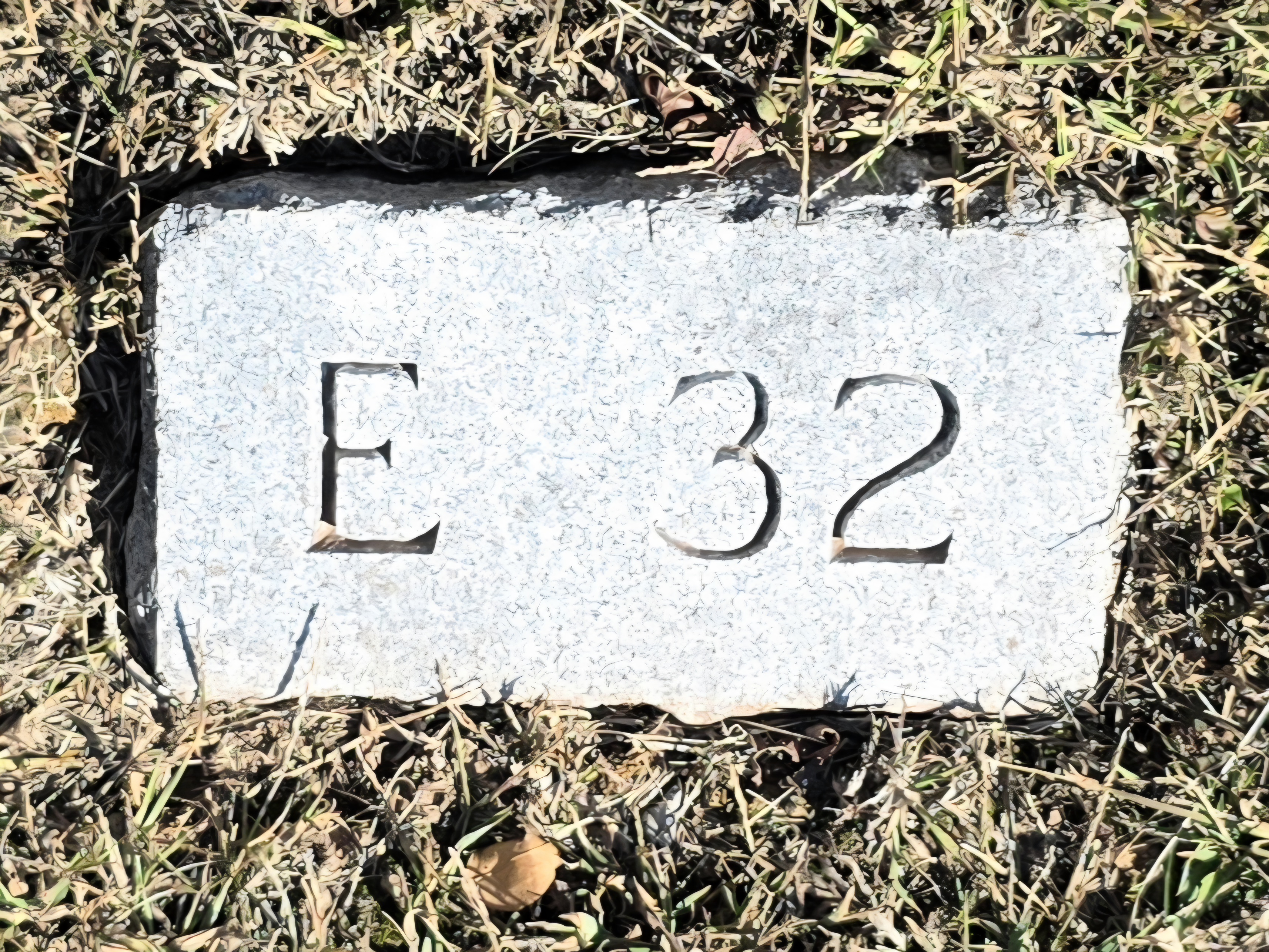
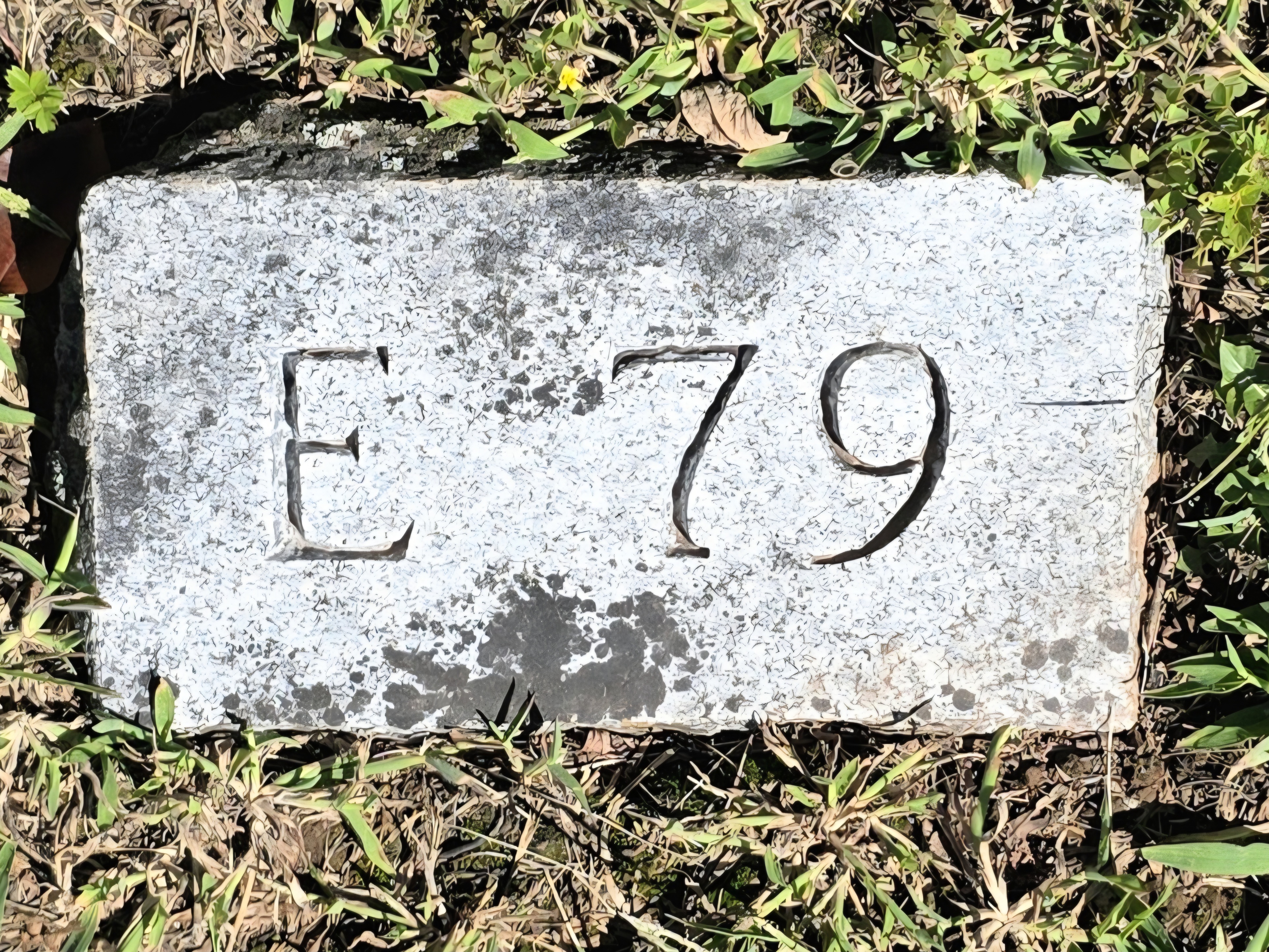
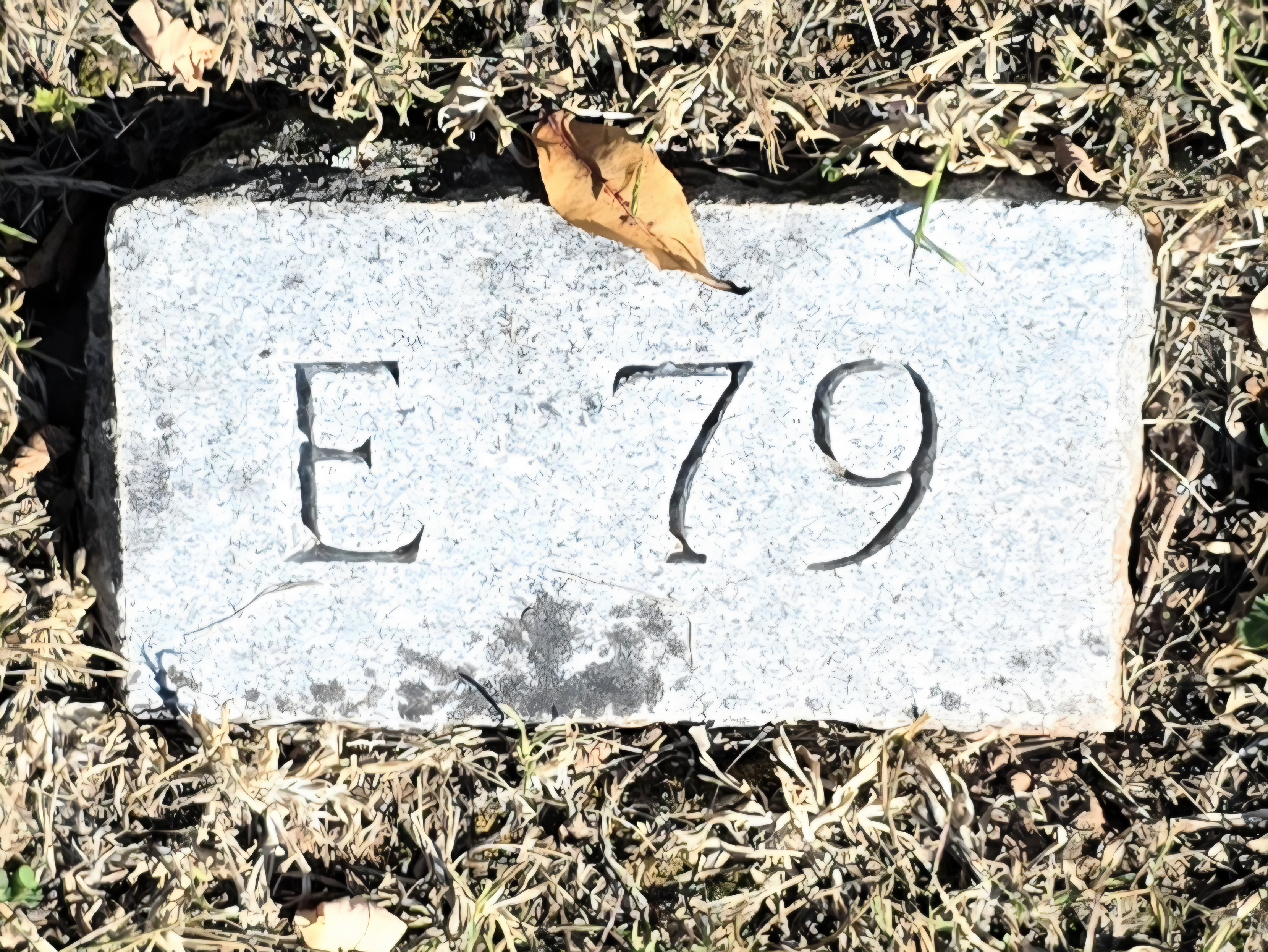
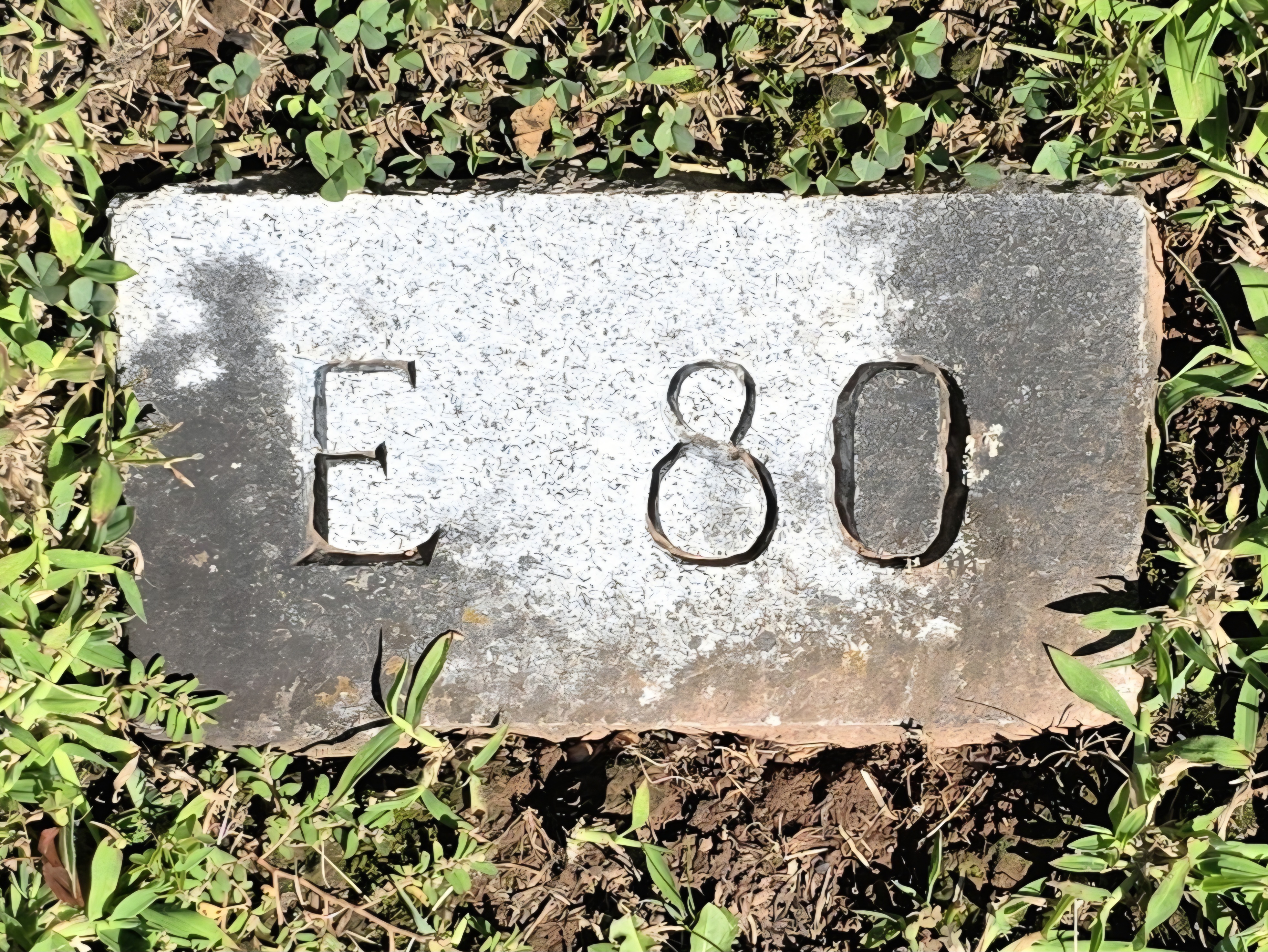
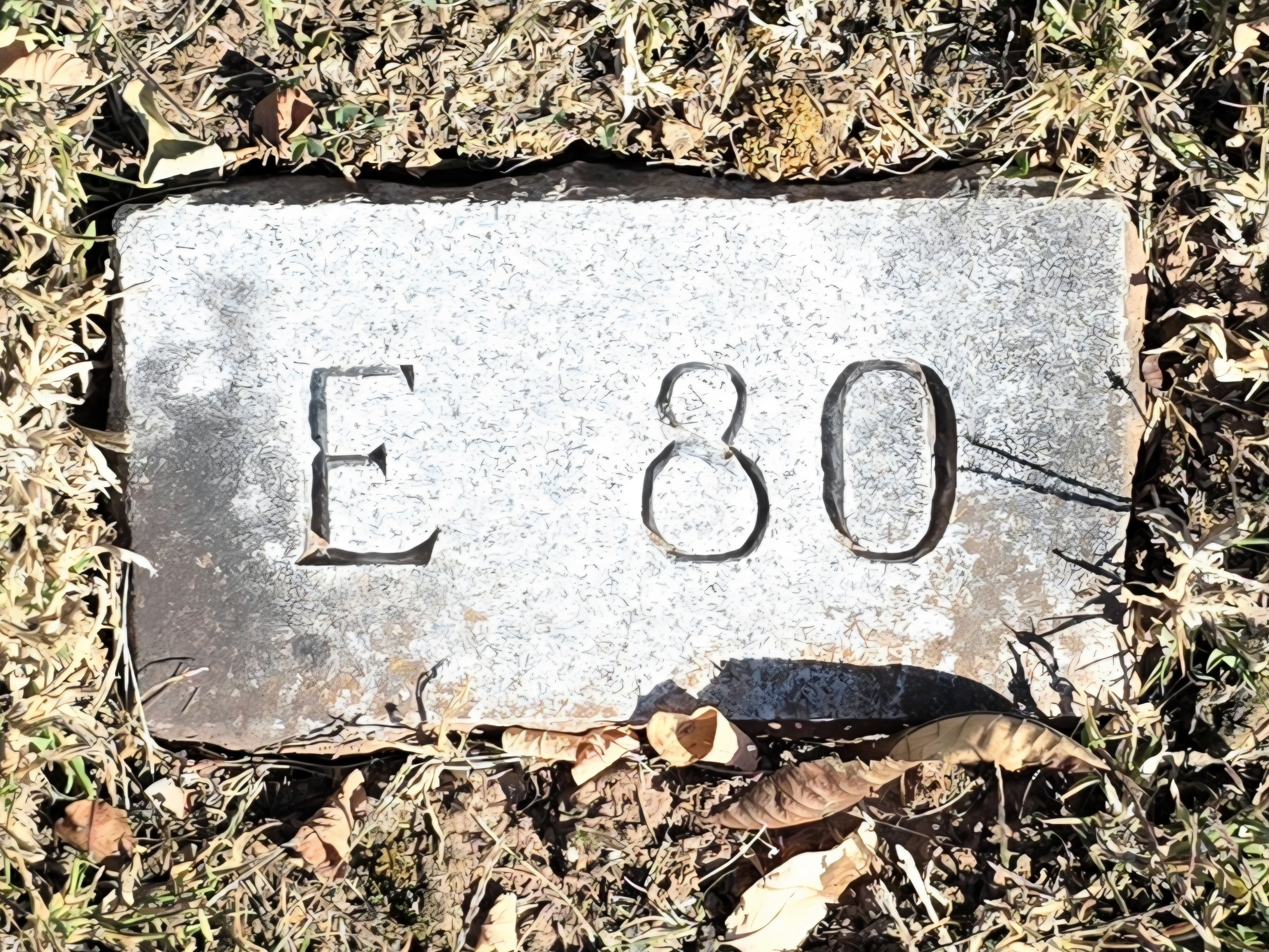
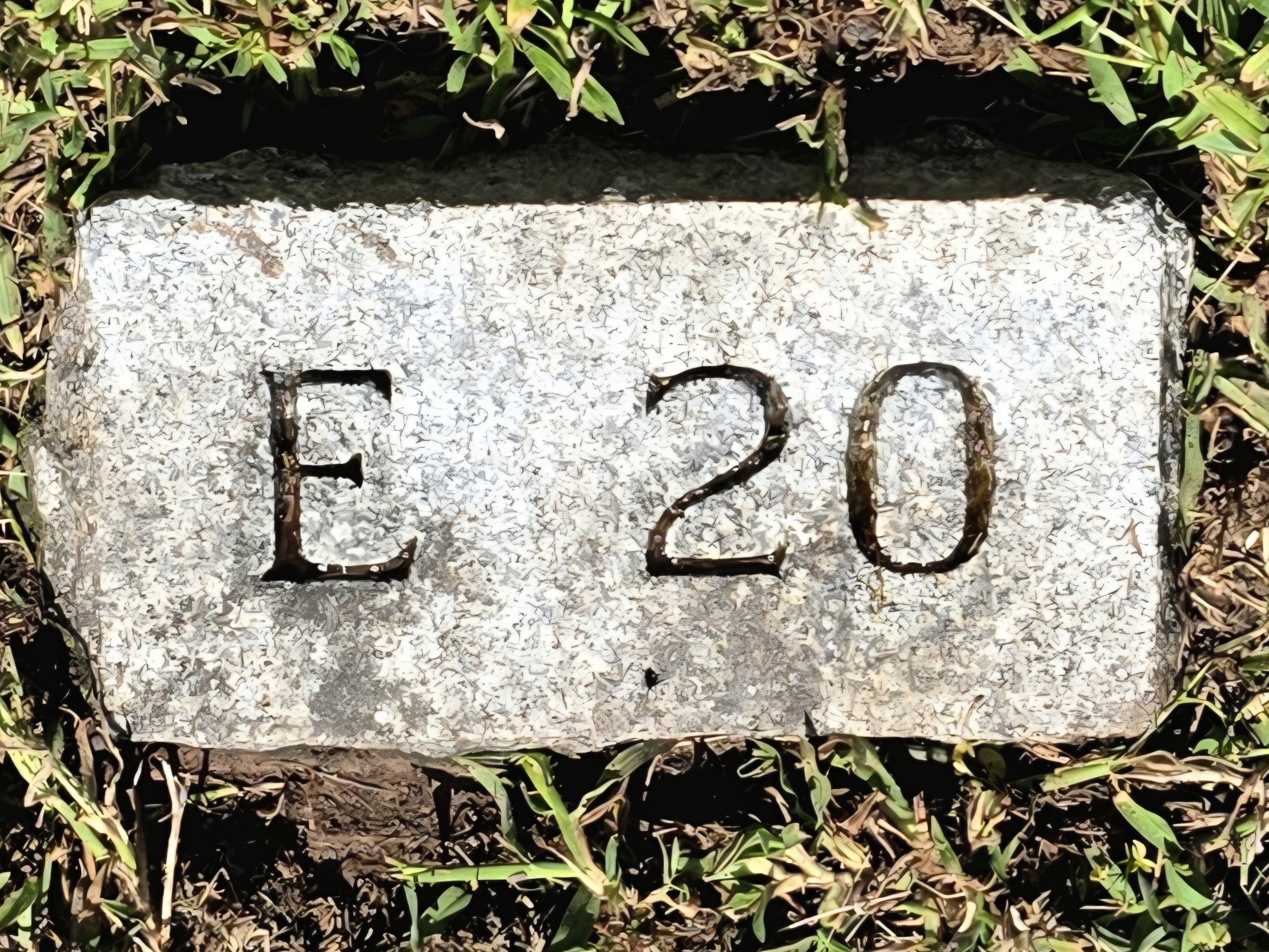
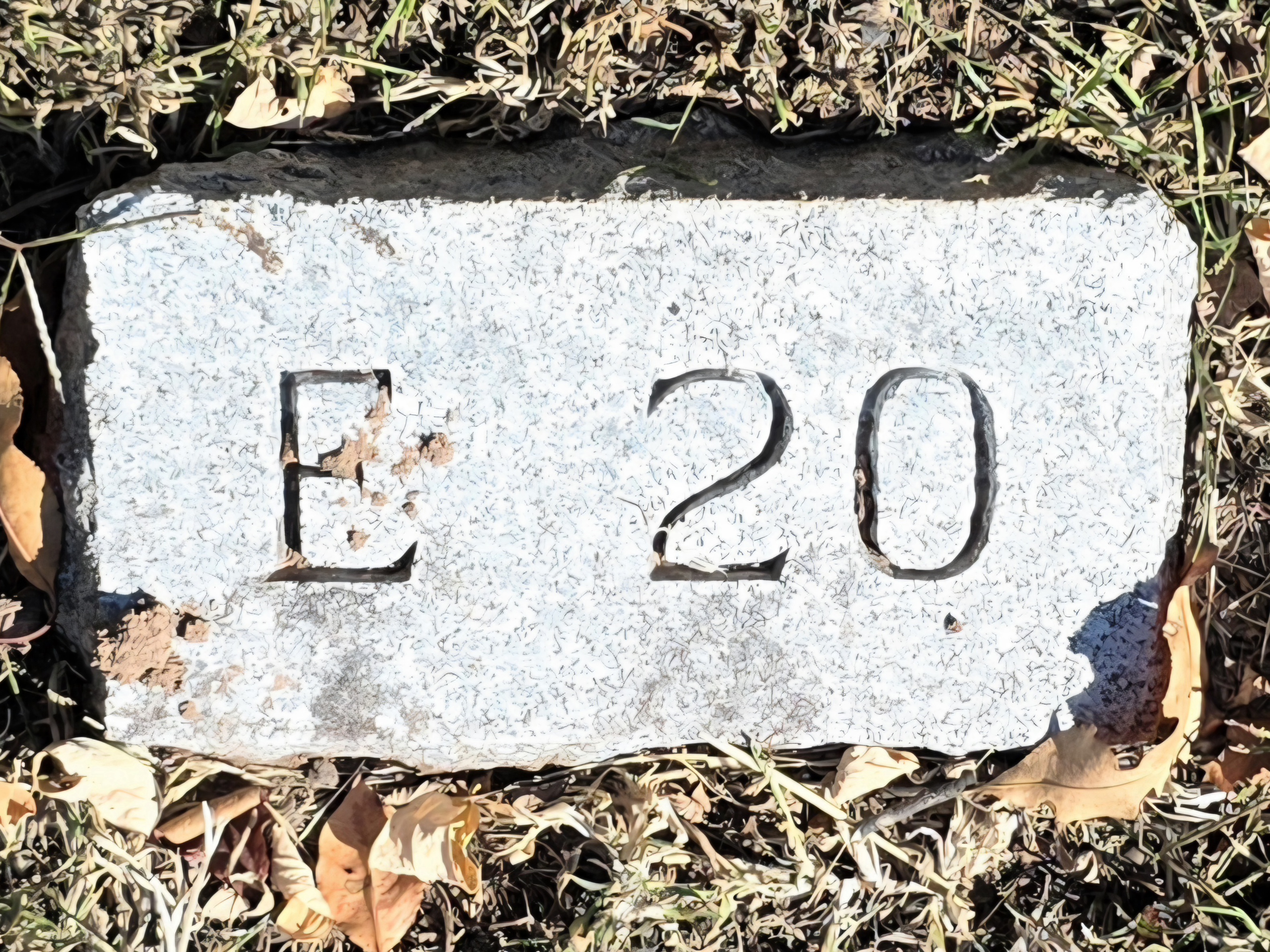
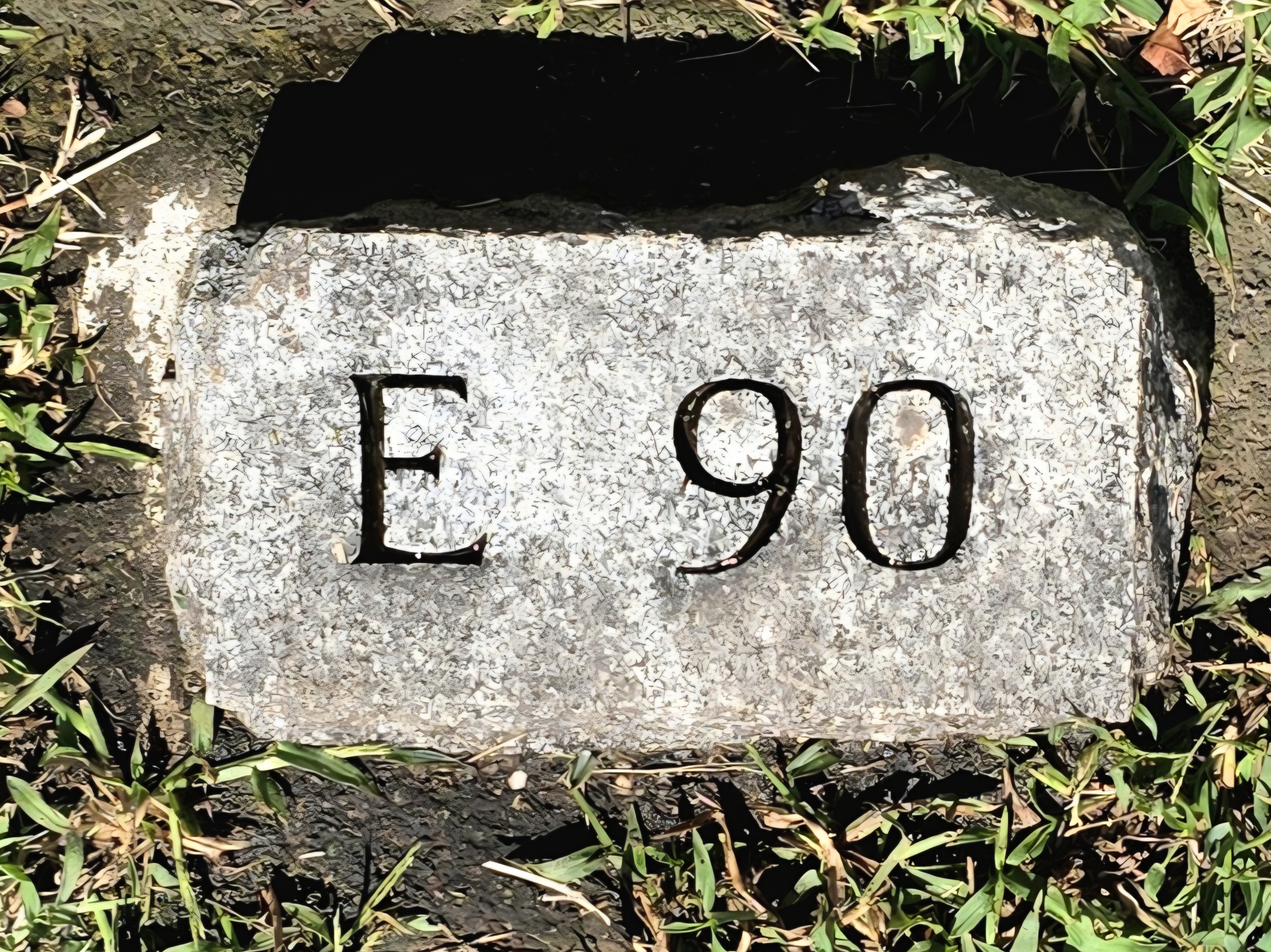
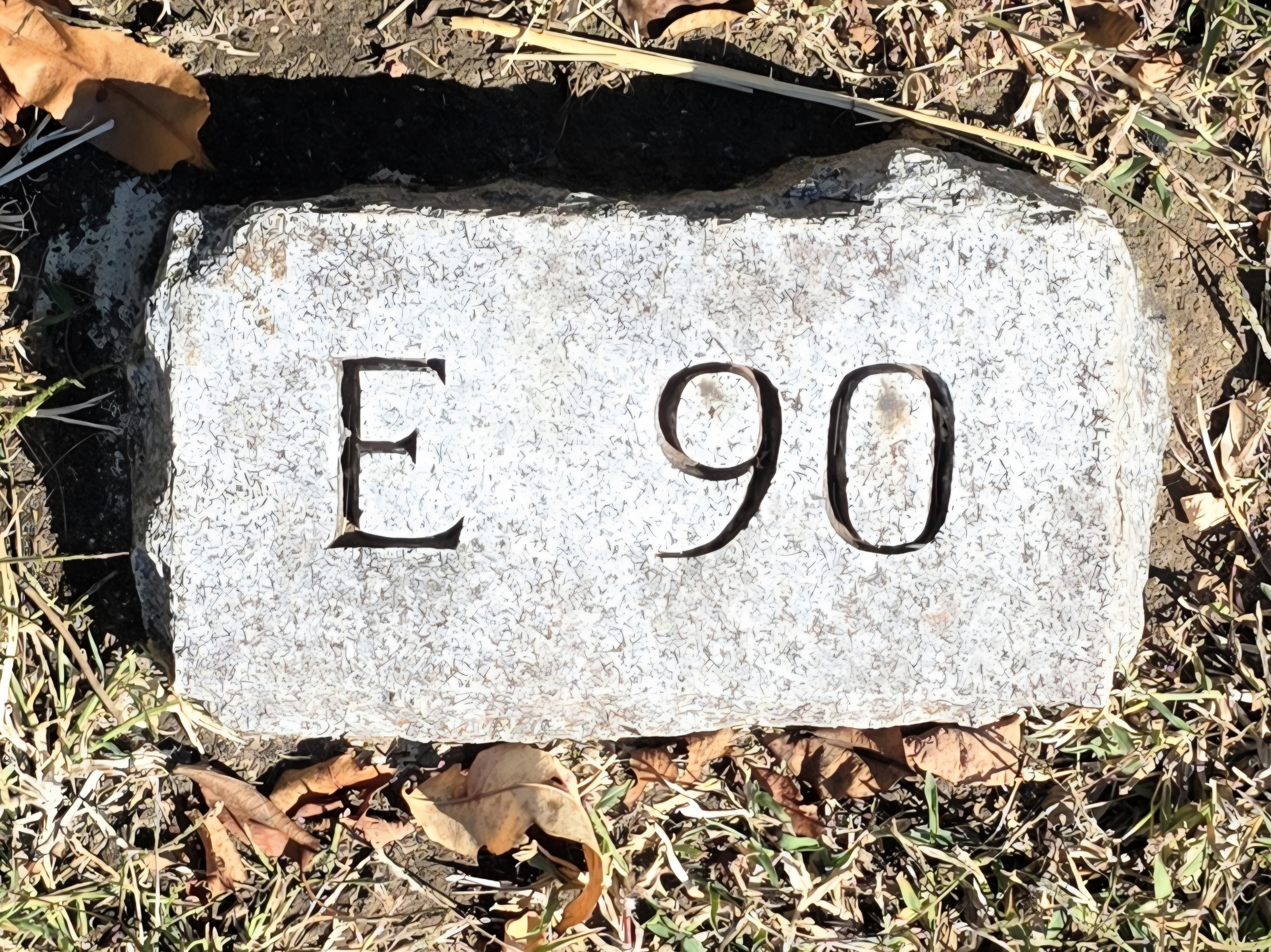
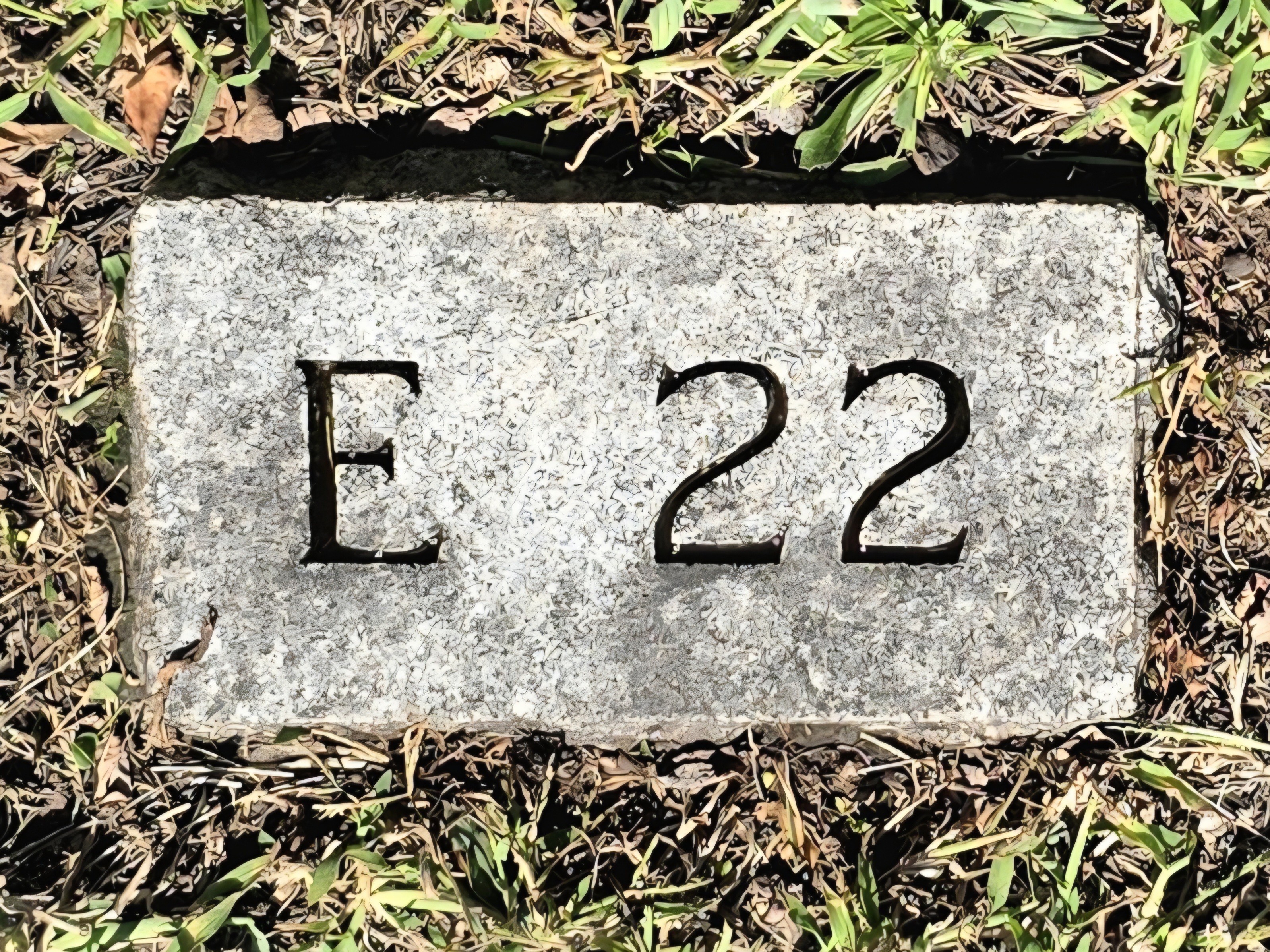
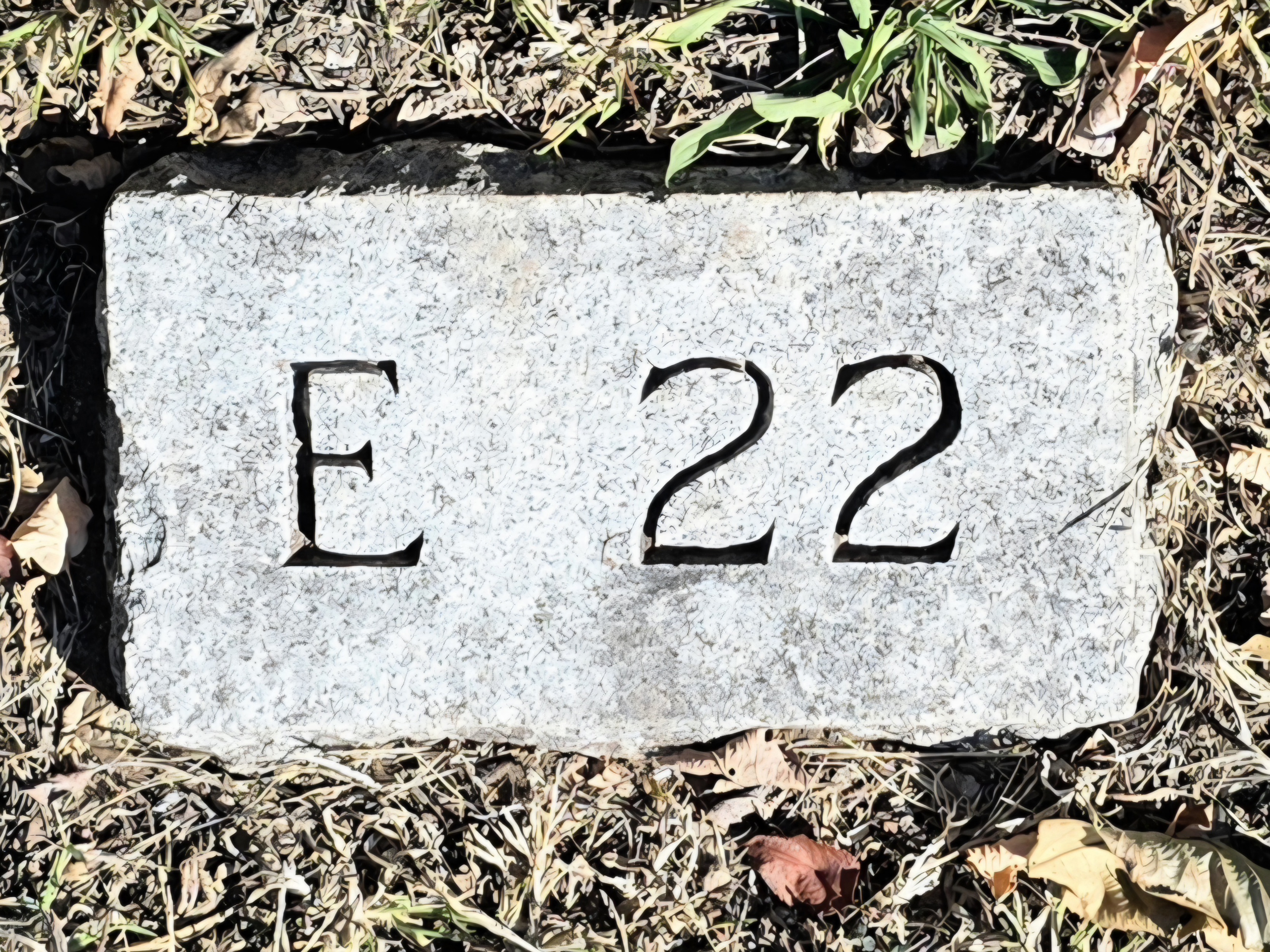
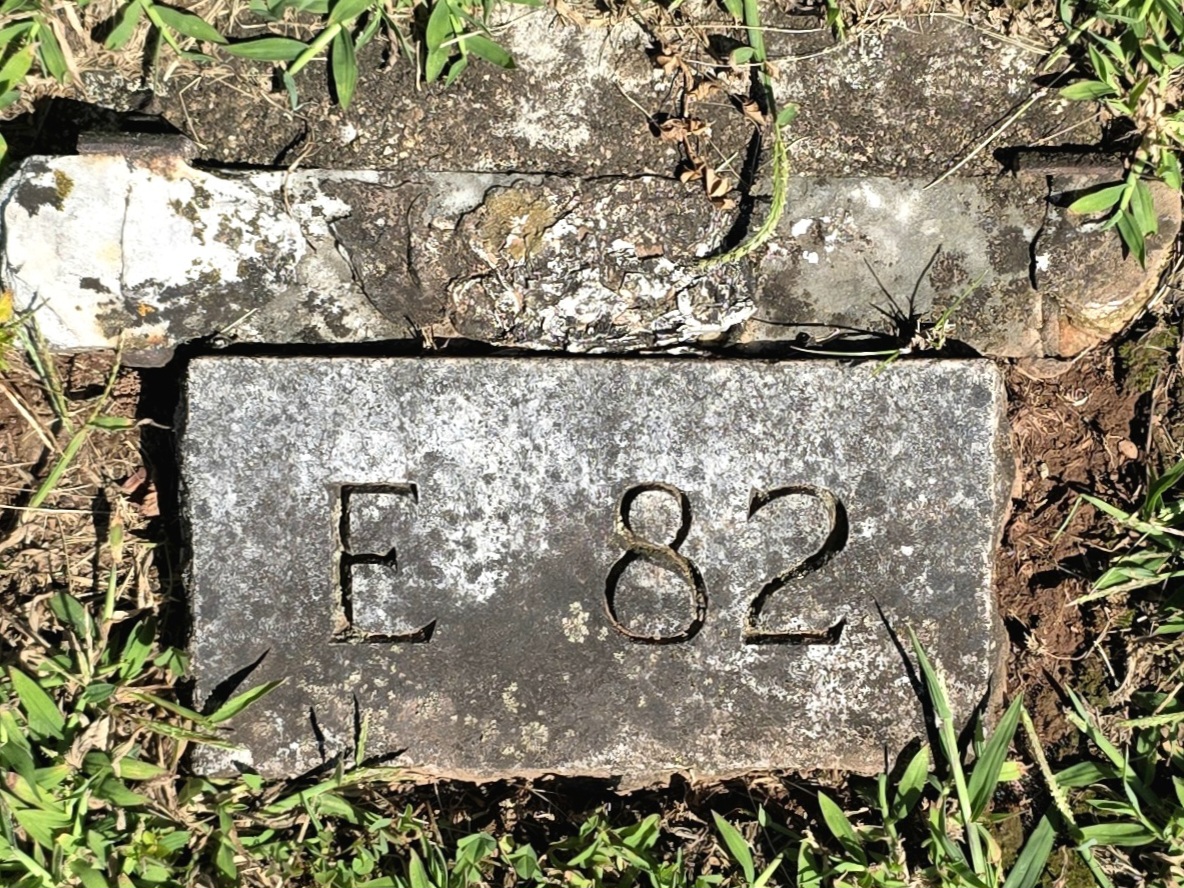
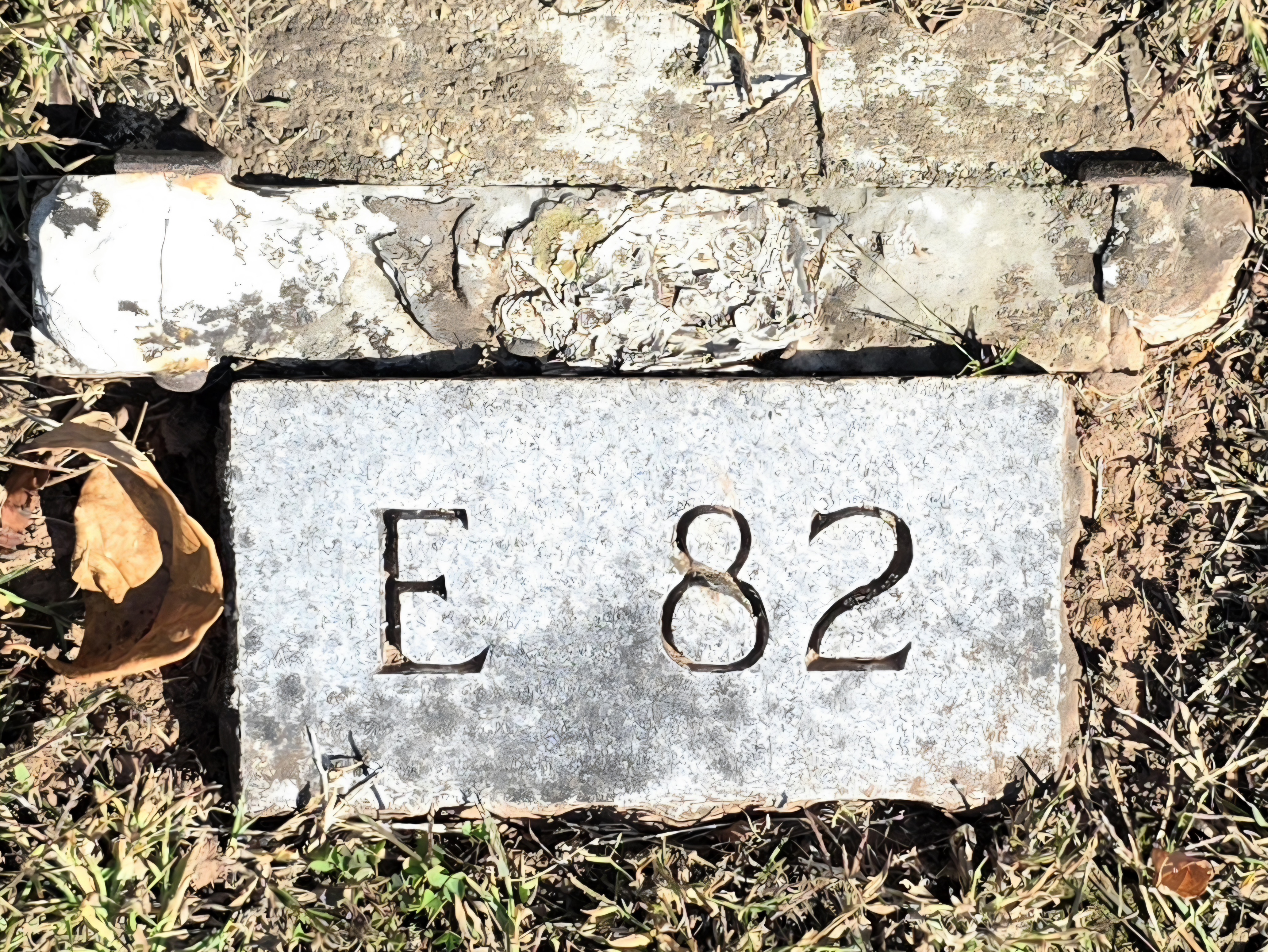
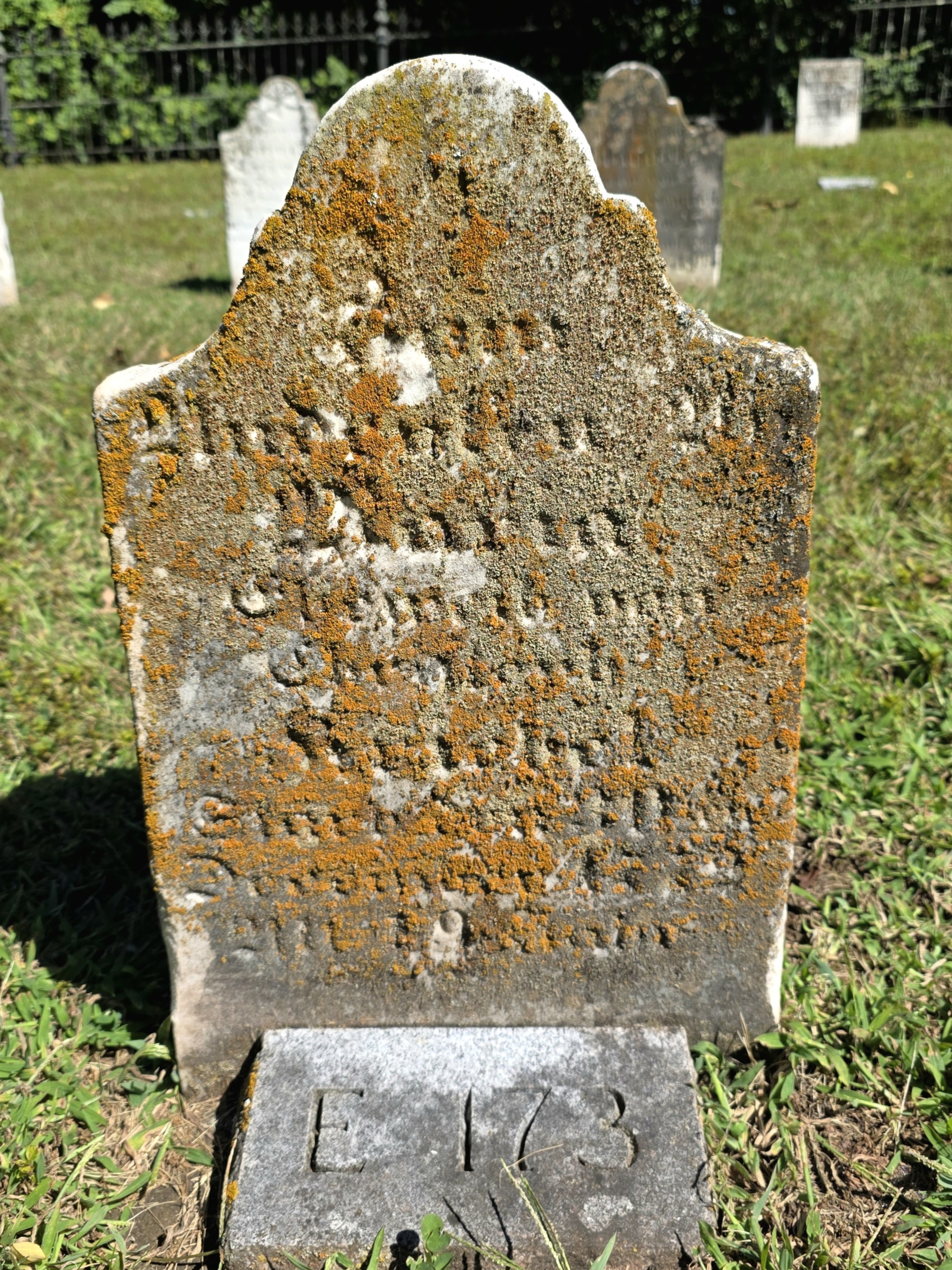
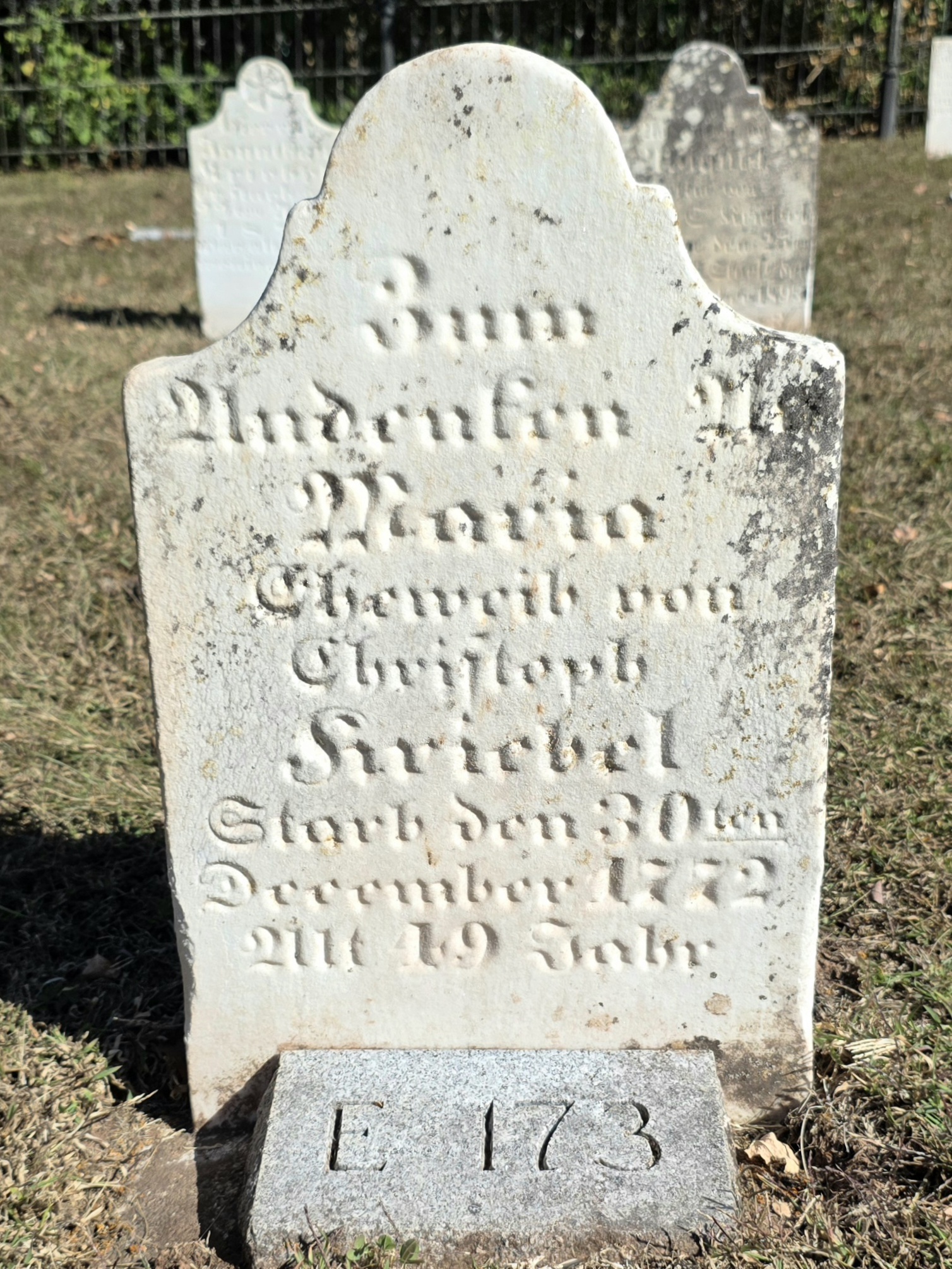
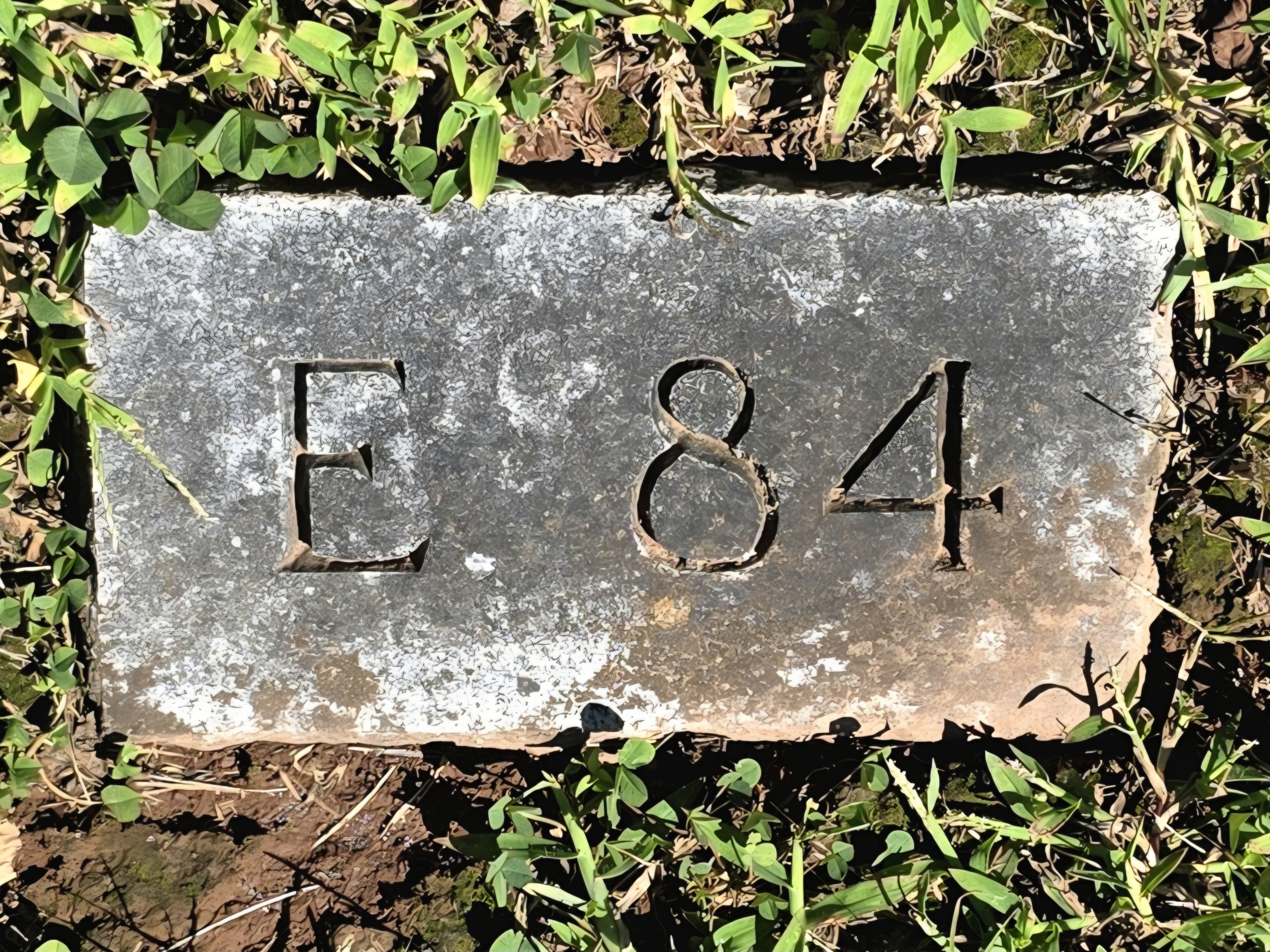
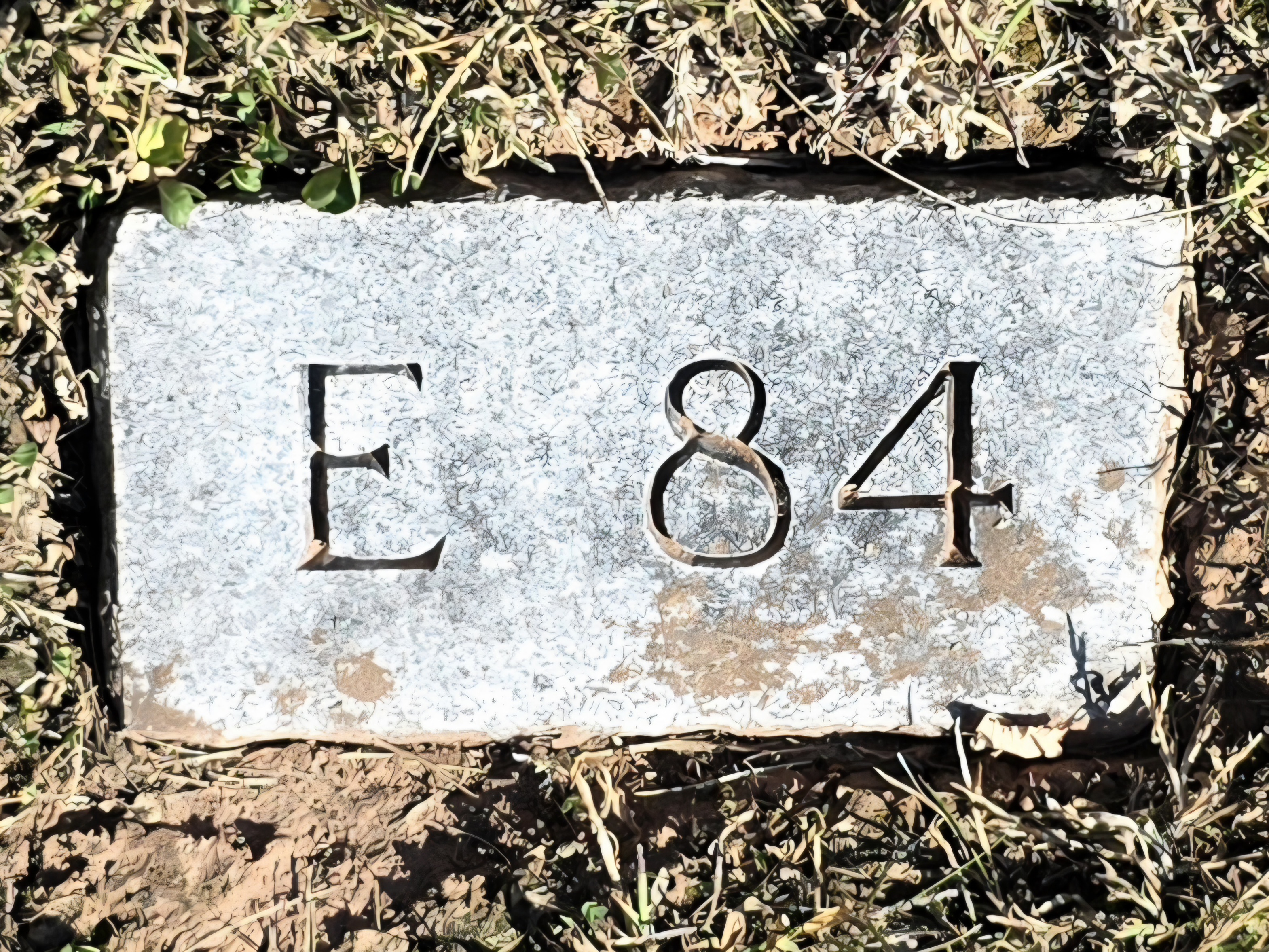
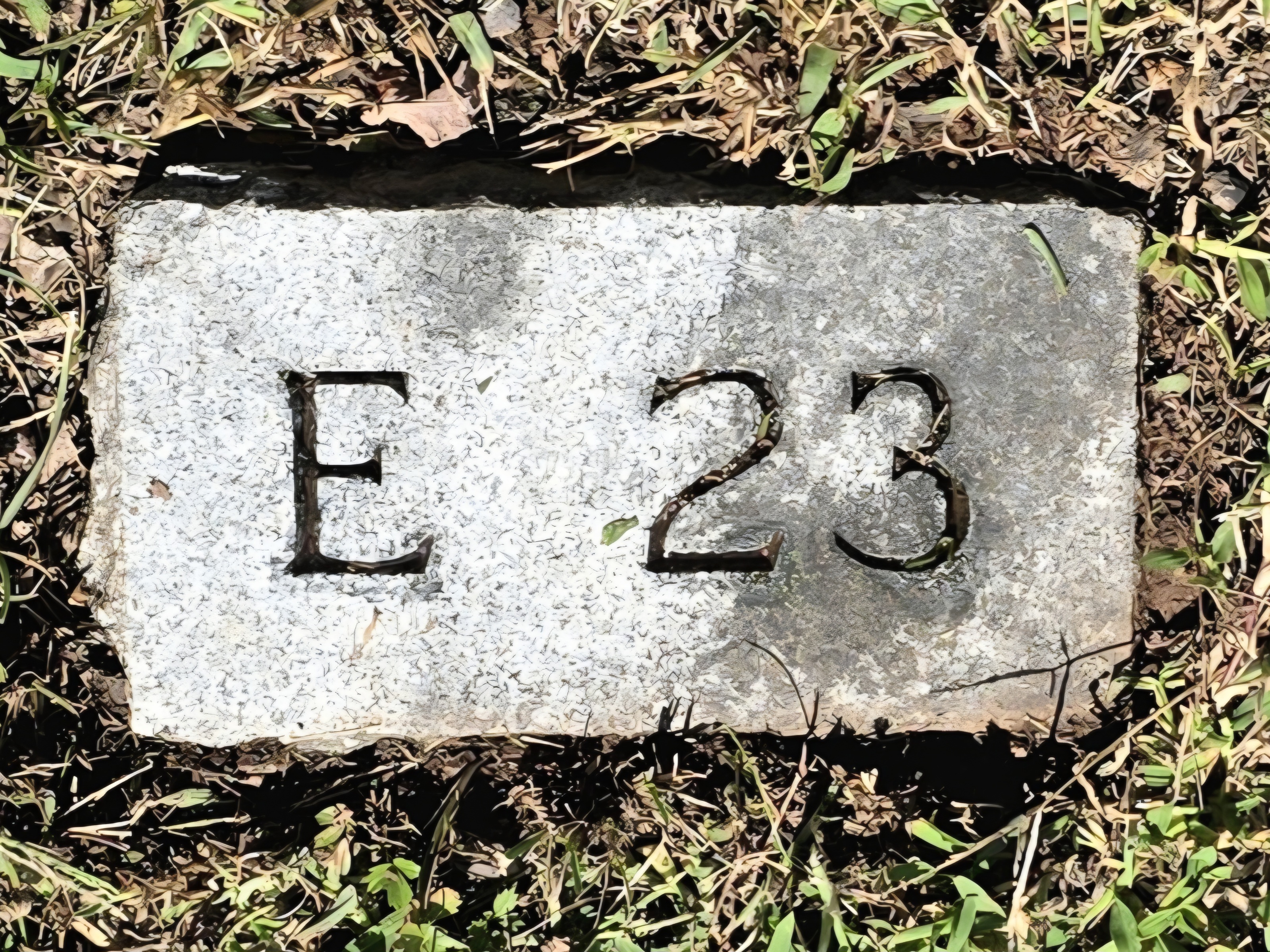
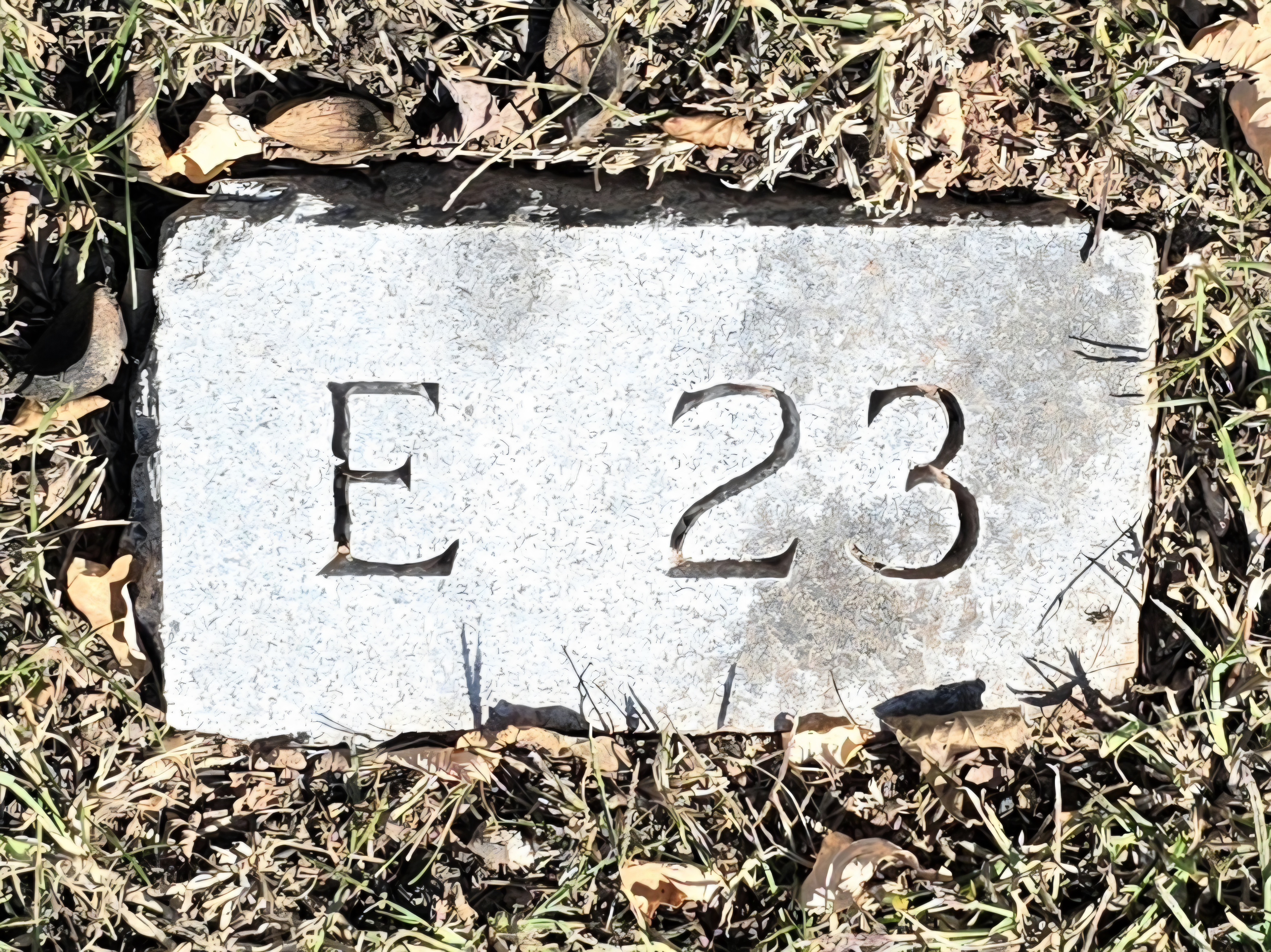
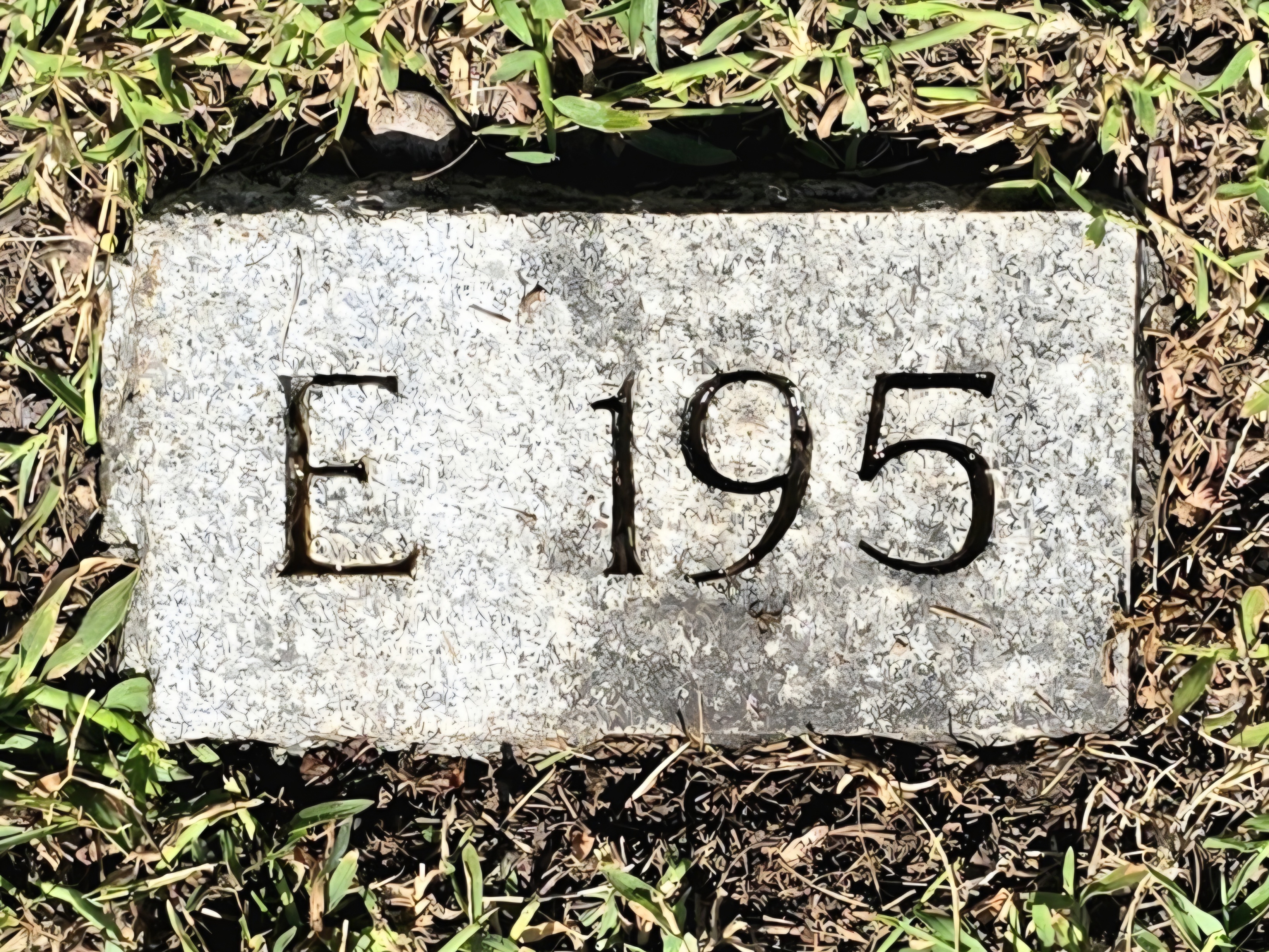
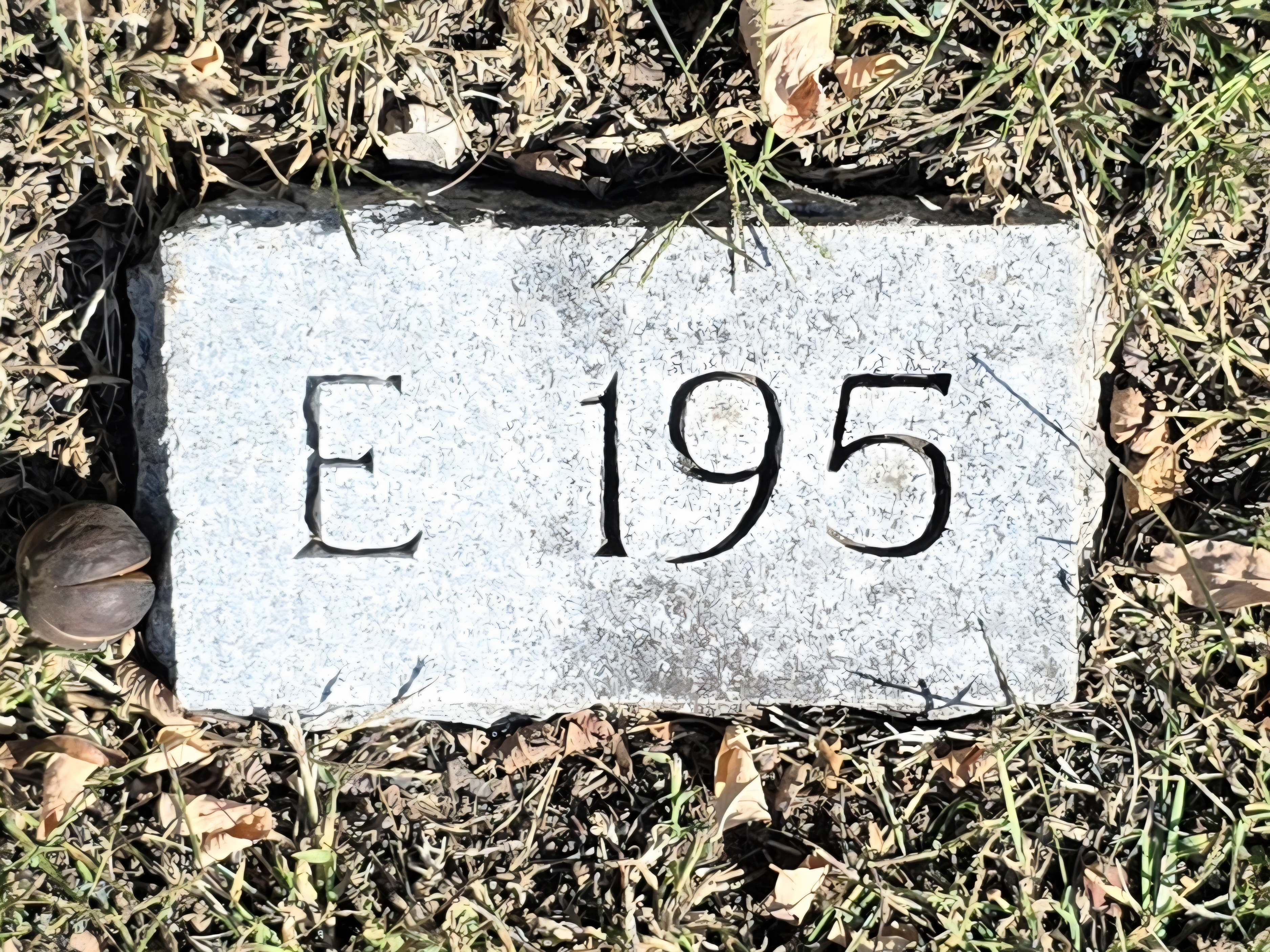
The letter ‘E’ followed by a number corresponds to specific entries on the commemorative stone, allowing each marked grave to be identified and referenced accurately.
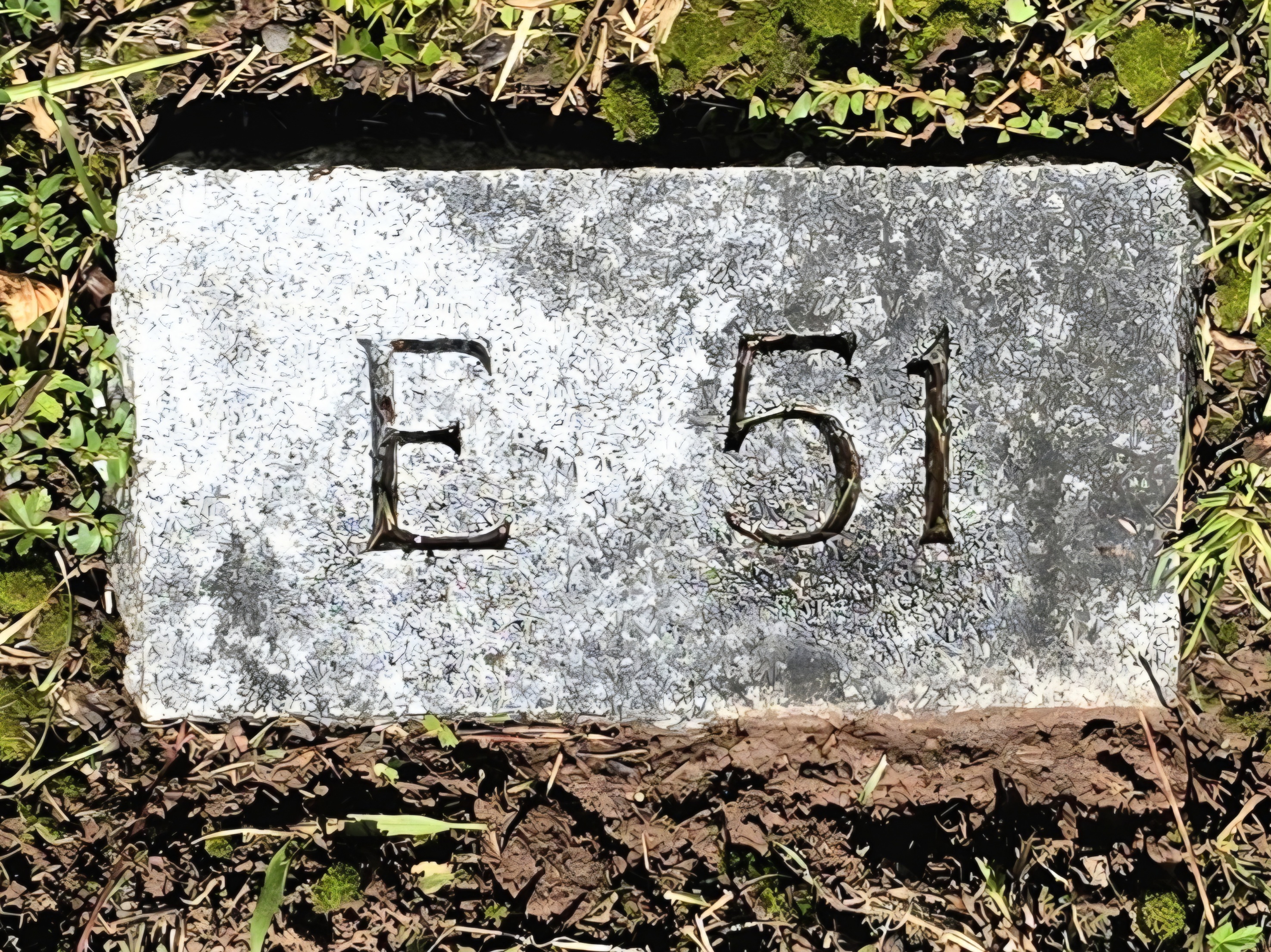
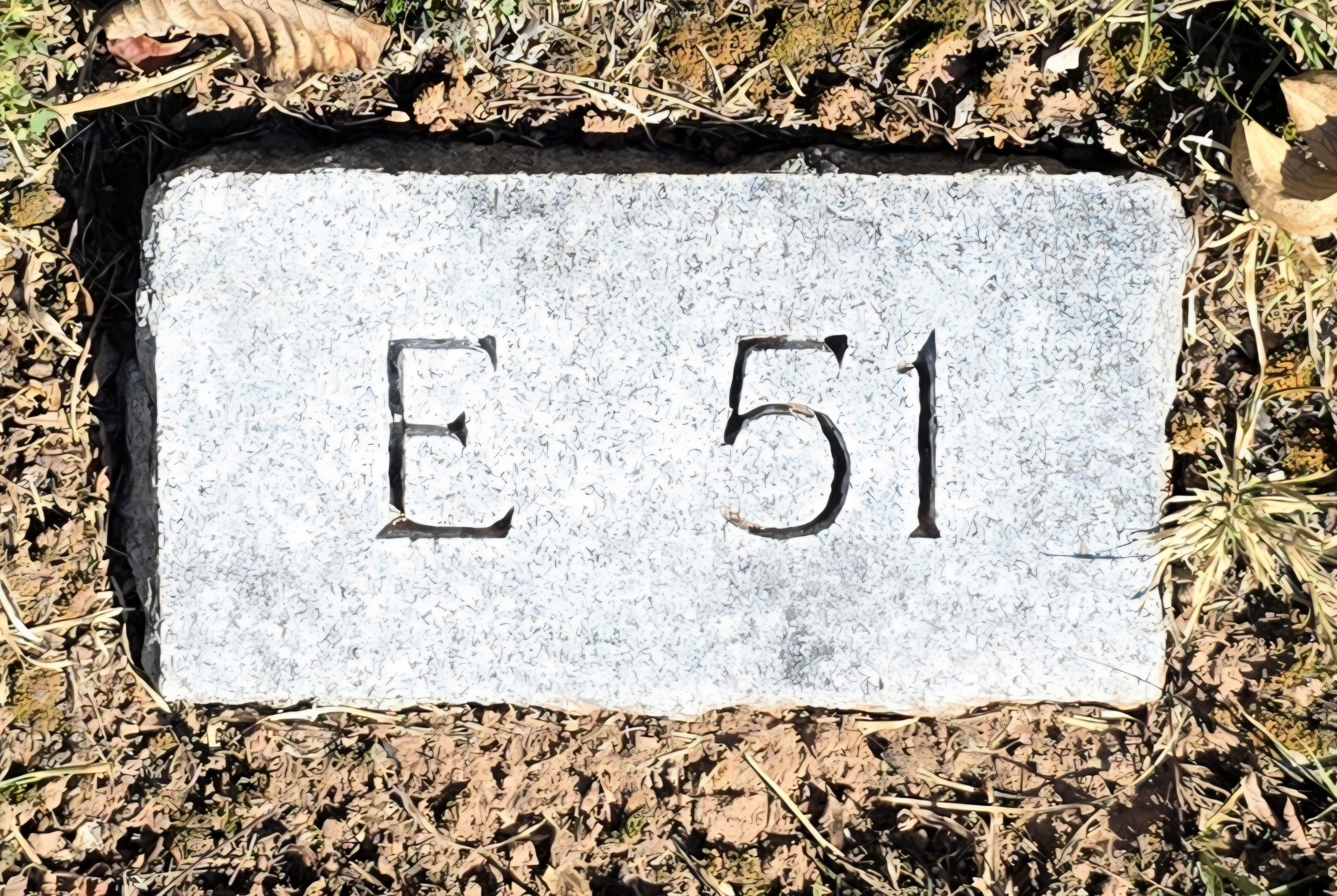
E51, Caspar Heydrick (1680-1761)
E206, Eva (Beyer) Heydrick (unknown-1742)
Caspar Heydrick was among the early Schwenkfelder emmigrants, arriving in Pennsylvania in 1733. In 1735, he and his brother George purchased 106 acres in what is now Lower Salford Township. Caspar married Eva Beyer, though records indicate the couple had no children. He spent his life in the community, witnessing the steady growth of the Schwenkfelder presence throughout the region. While few personal documents survive and details of their early lives in Europe remain obscure, it is believed that Caspar’s father was Christopher Heydrick of Harpersdorf, now known as Twardocice.
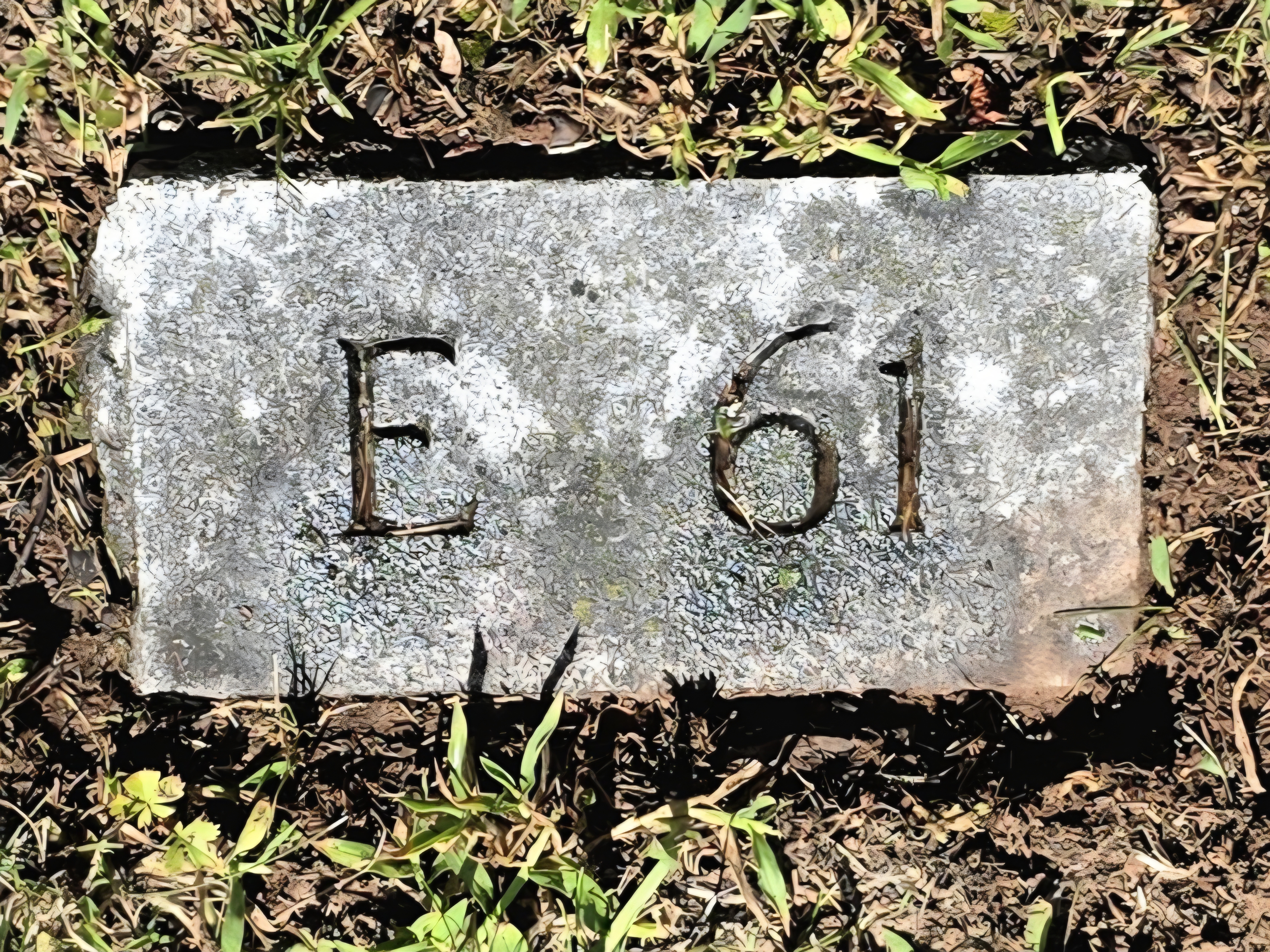
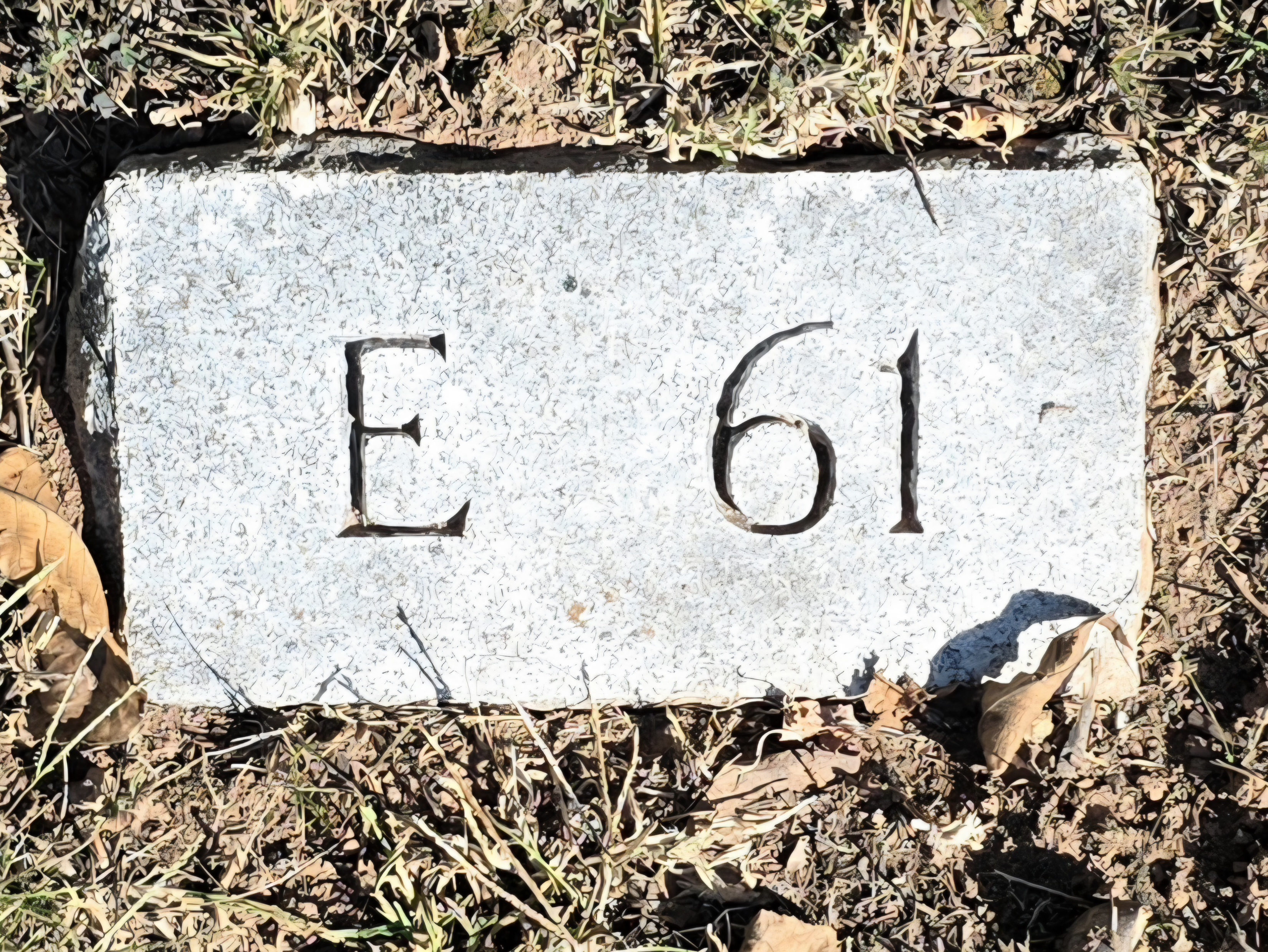
E61, George Heydrick ( -1765)
George Heydrick followed his brother Caspar to Pennsylvania as part of the early Schwenkfelder migration. He married Eve, whose maiden name is not documented; she outlived him, dying in 1776 and is buried at Washington Schwenkfelder Cemetery. Upon Caspar’s death in 1761, George inherited the property they had purchased together and managed it until his own death in 1765. With no children, the land eventually passed to a nephew.
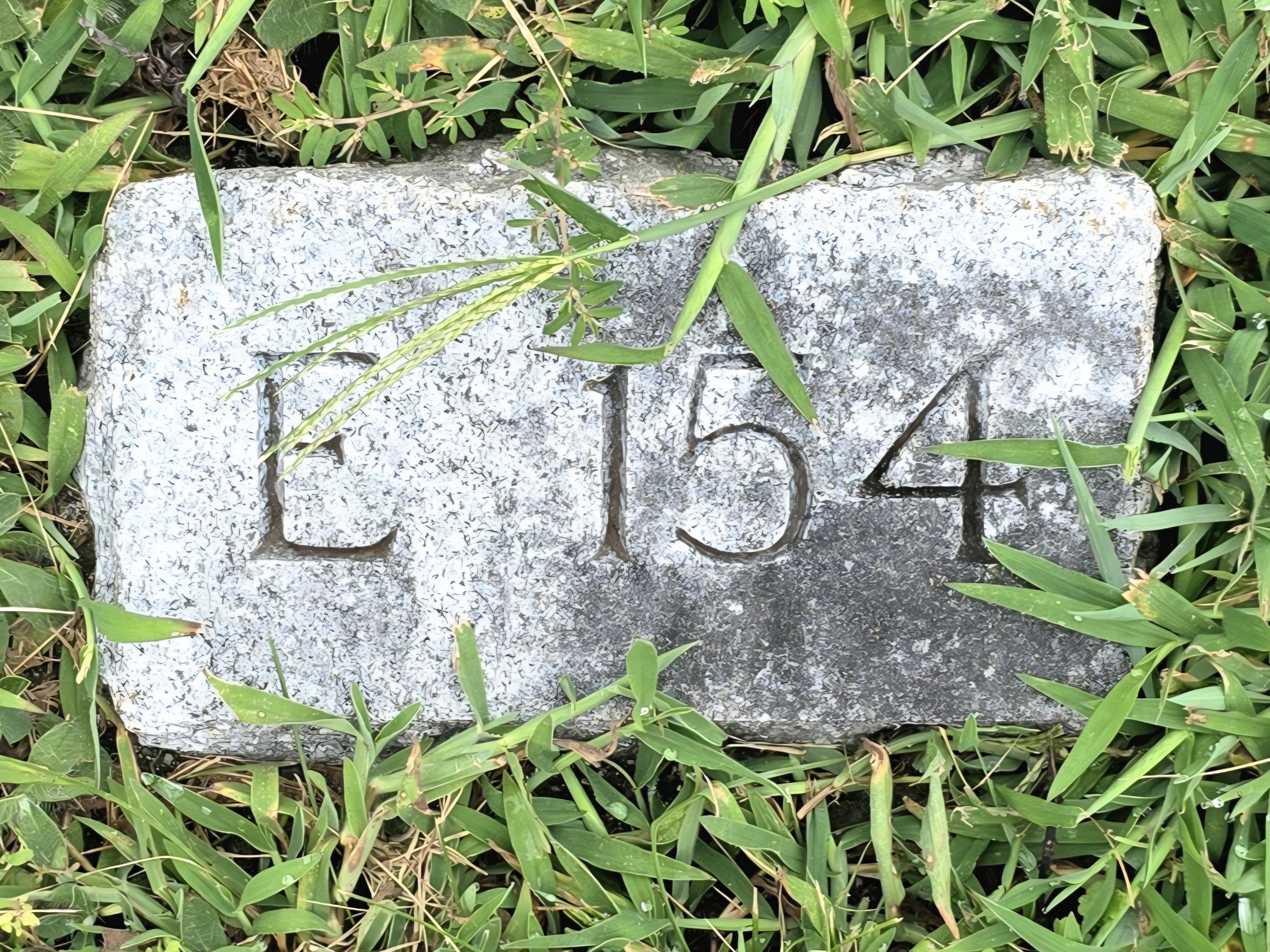
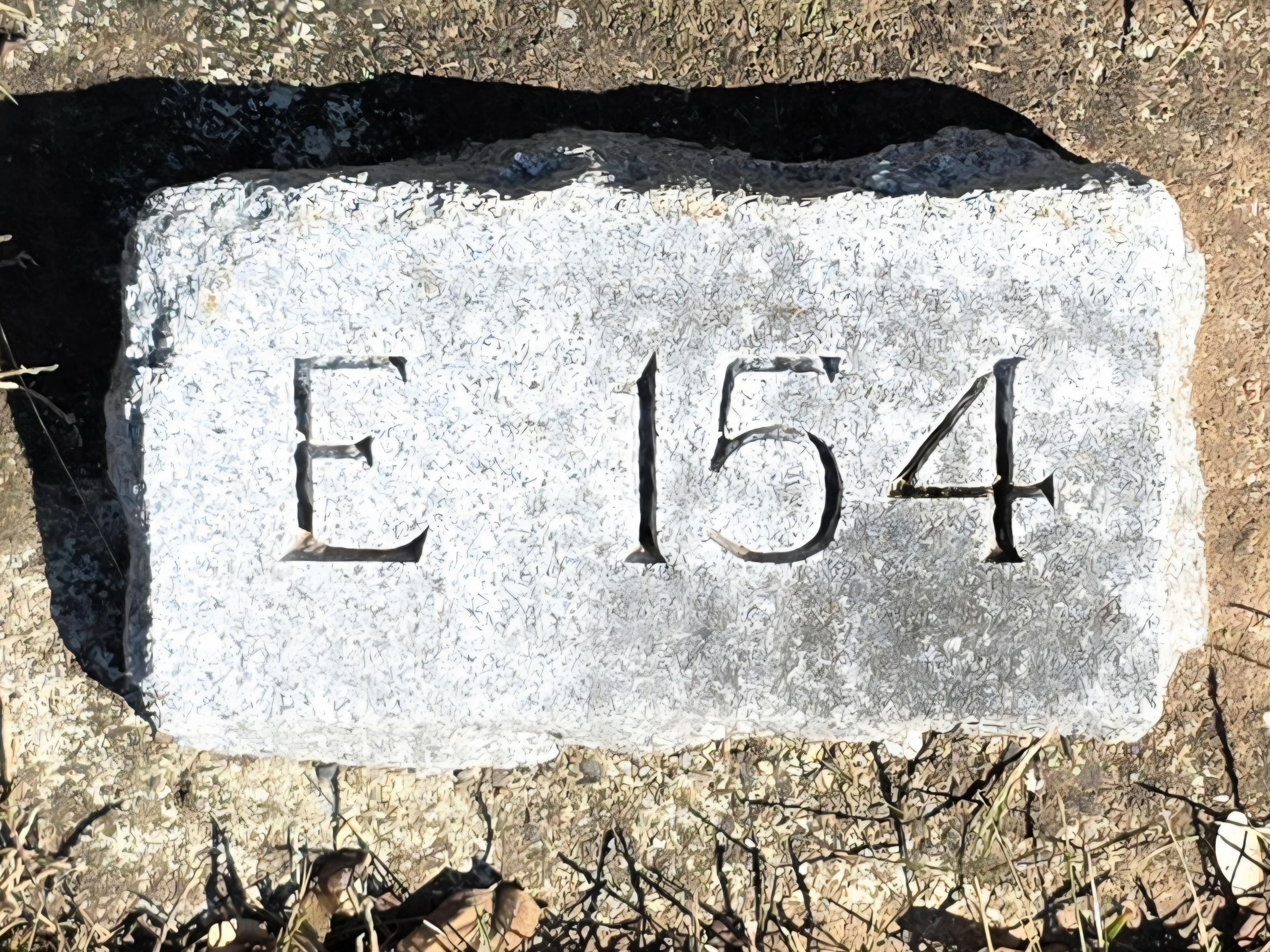
E154, Susanna (Seibt) Wiegner (unknown-1755)
E56, Christopher Wiegner (1712-1777)
E150, Anna (Schultz) Wiegner (1714-1789)
E31, George Anders Hoffman (1684-1765)
E110, Barbara (Seipt) Hoffman (unknown-1760)
E32, Balthasar Seipt Hoffman (1710-1754)
E28, Rev. Balthasar Hoffman (1687-1775)
E101, Ursula (Beier) Hoffman (1686-1767)
E104, Christopher Beier Hoffman (1727-1804)
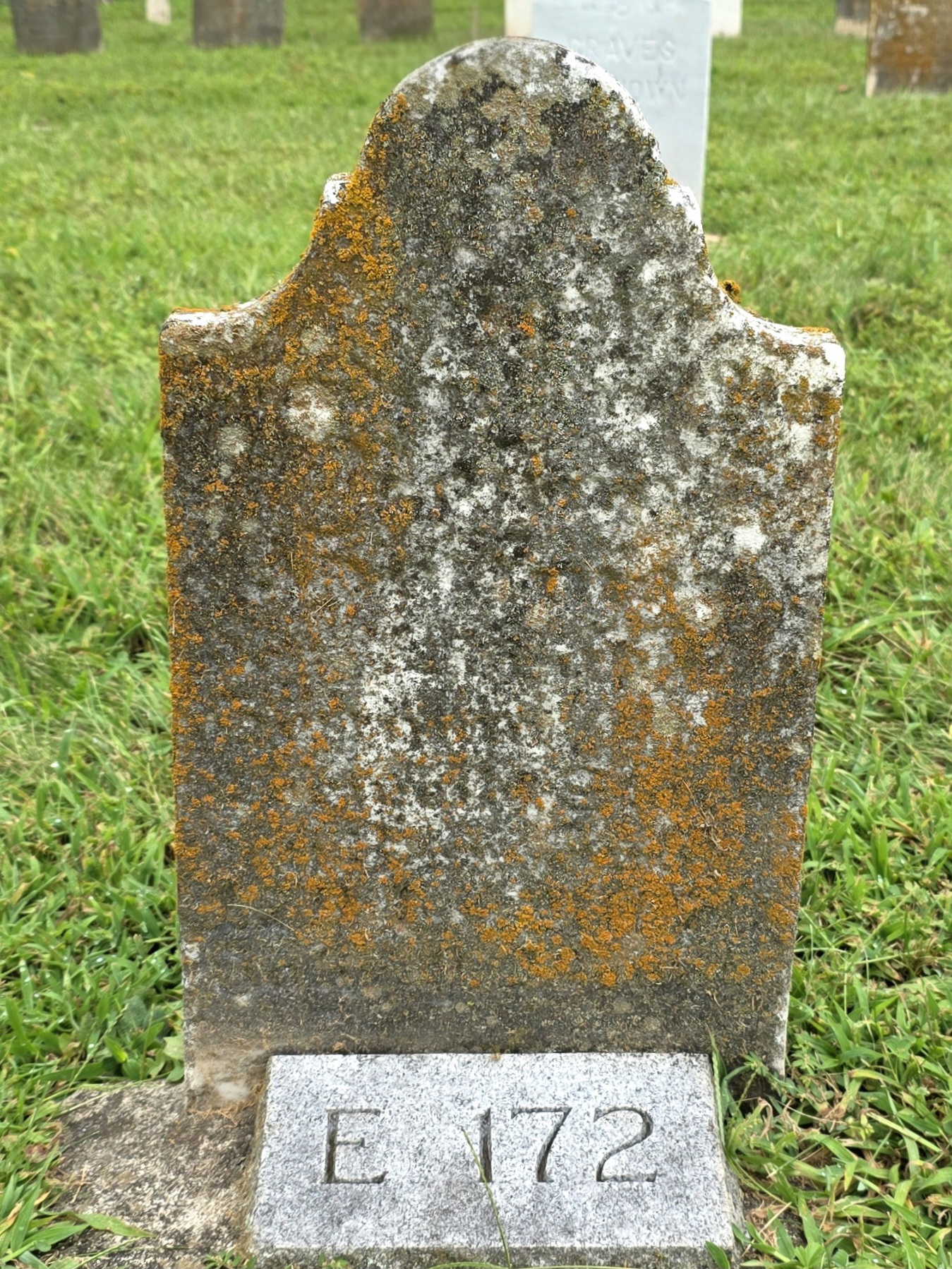
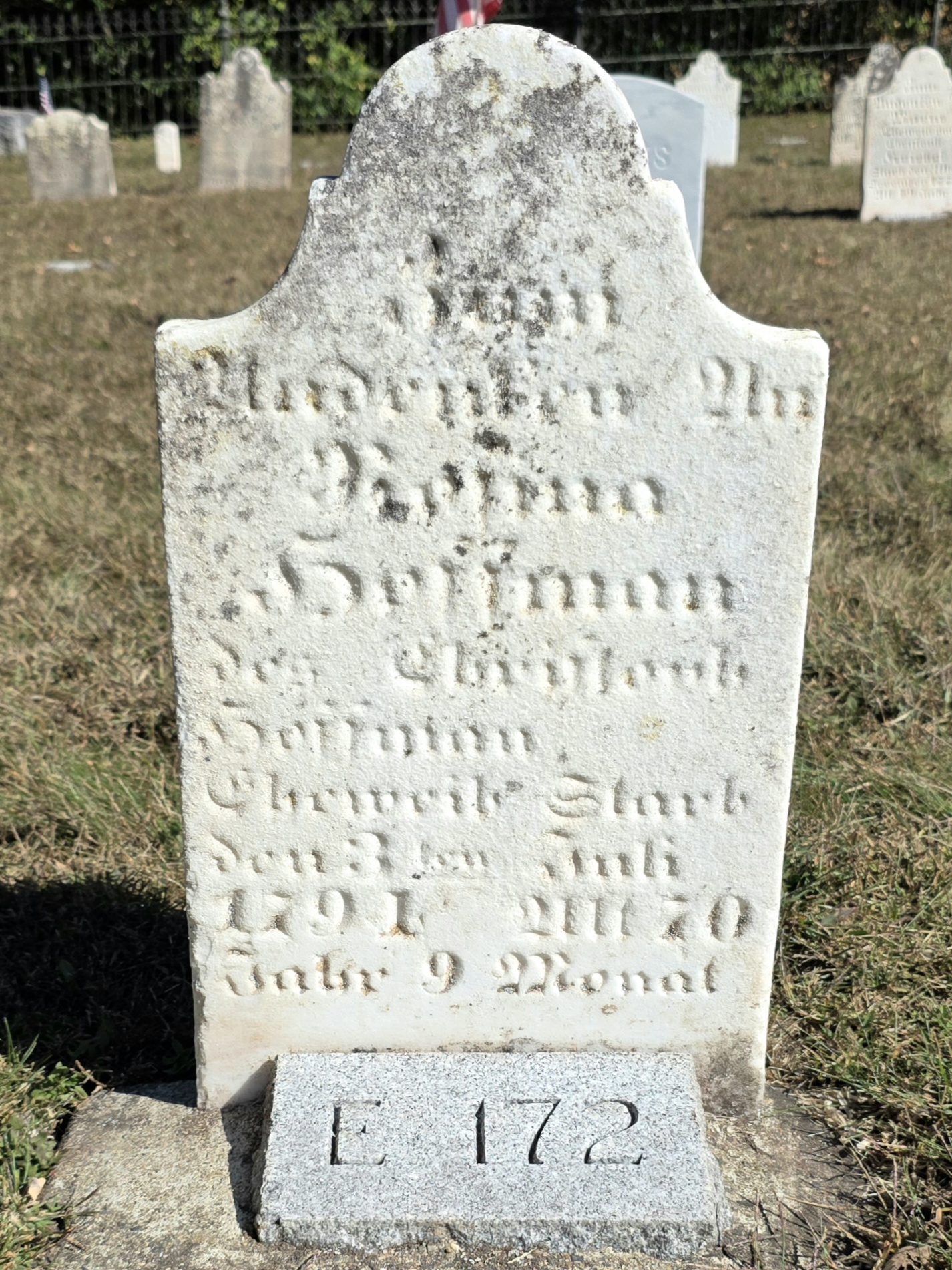
E172, Rosina (Dresher) Hoffman (1714-1794)
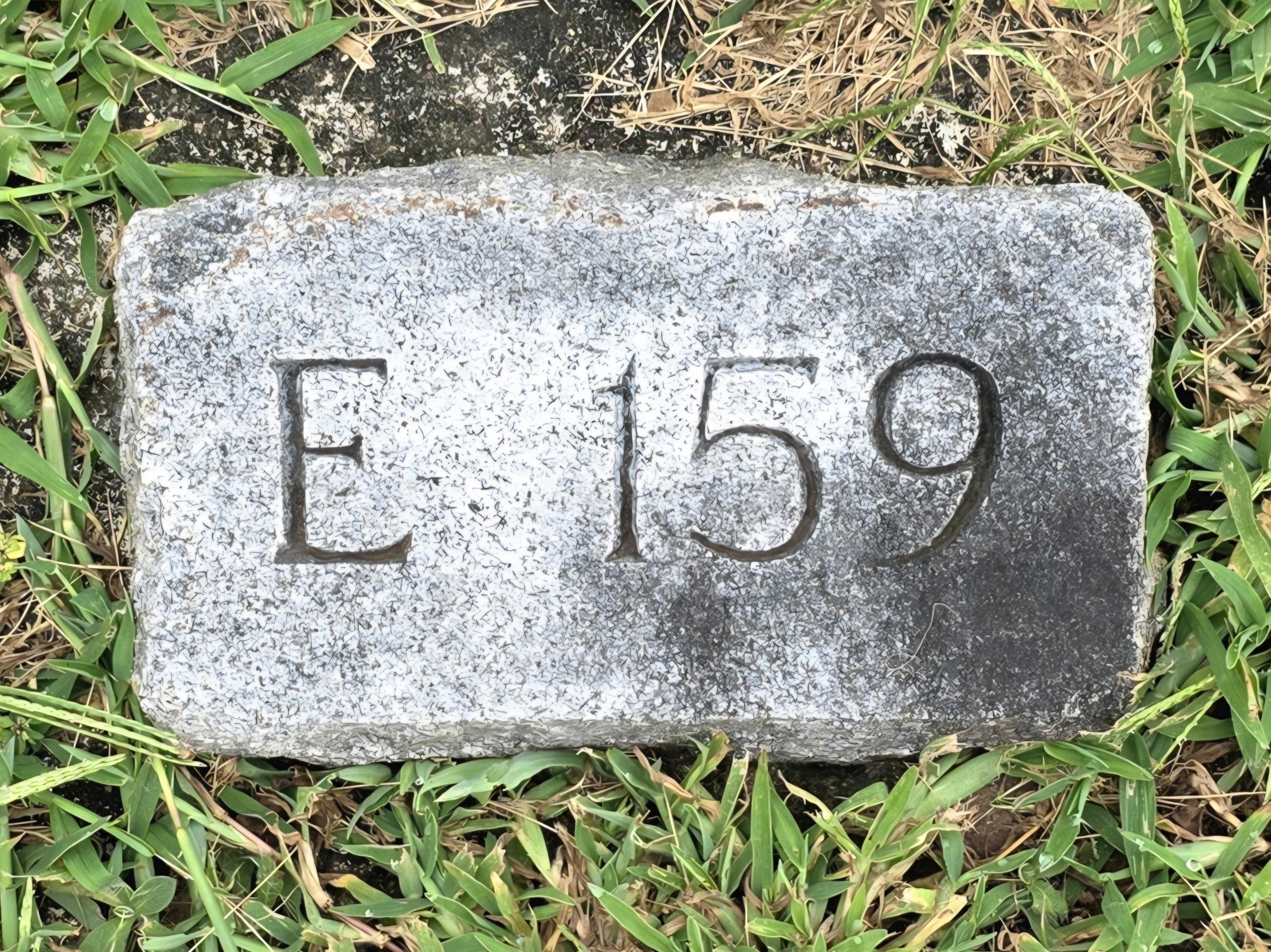
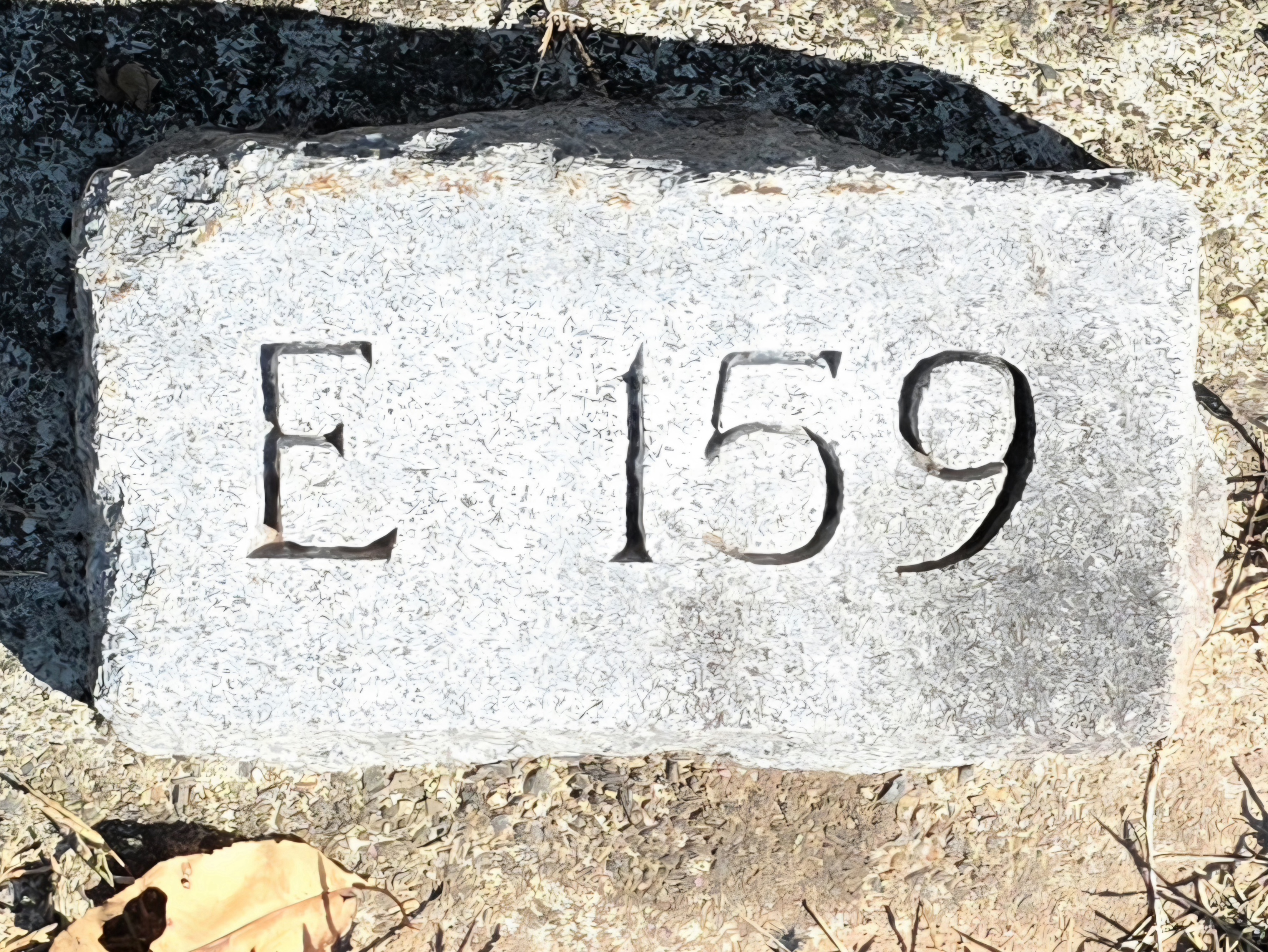
E159, Rosina Wiegner ( – 1800)
Susanna (Seibt) Wiegner arrived in Philadelphia in September 1734 aboard the St. Andrew, bringing with her six children—Christopher, Abraham, Susanna, George, Maria, and Rosina. The family had previously lived in Harpersdorf, Silesia. Tragically, it is believed that her husband, Christopher Wiegner, died during the voyage, leaving Susanna to guide her family in the New World. Her son Christopher later married Anna Schultz.
While Susanna worked to establish her family, her sister Barbara Seipt also emigrated and married George Anders Hoffman, son of Ursula (Anders) Hoffman. This union forever linked the Wiegner and Hoffman families. Ursula, the widow of Christopher Hoffman, who died in Saxony, is believed to have been buried at Pilgrim Cemetery in Philadelphia—a site likely reserved for immigrants who died shortly after arriving. Its precise location has been lost, but it was probably near present-day Washington Square, under South Schell Street and bordered by Spruce Street between Ninth and South Darien. Names of those interred at Pilgrim Cemetery have been inscribed on a monument at Yeakel Cemetery near Chestnut Hill.
Genealogical records indicate that George Anders Hoffman managed and owned several parcels of land in Pennsylvania. George and Barbara were the parents of Balthasar Seipt Hoffman. George’s younger brother, Rev. Balthasar Hoffman, married Ursula Beier and became a prominent figure in the Schwenkfelder community, serving as one of five spiritual leaders buried at Salford Schwenkfelder Cemetery.
Their son, Christopher Beier Hoffman, married Rosina Dresher. Christopher’s work as a minister, teacher, and bookbinder—including the preservation of hundreds of manuscripts, hymnals, and church records, helped safeguard the religious and cultural heritage of the Schwenkfelders. Christopher and Rosina left no children, so the Hoffman surname did not continue through him. Instead, the descendants of Balthasar Hoffman’s daughters carried the family’s presence forward in Lower Salford and beyond. Christopher’s beautifully veined gravestone remains one of the most striking markers in the cemetery.
Finally, Rosina Wiegner, Susanna’s youngest child, lived well into the post-Revolutionary period, ensuring that the Wiegner family maintained a presence and legacy in Pennsylvania long after the early hardships of immigration.
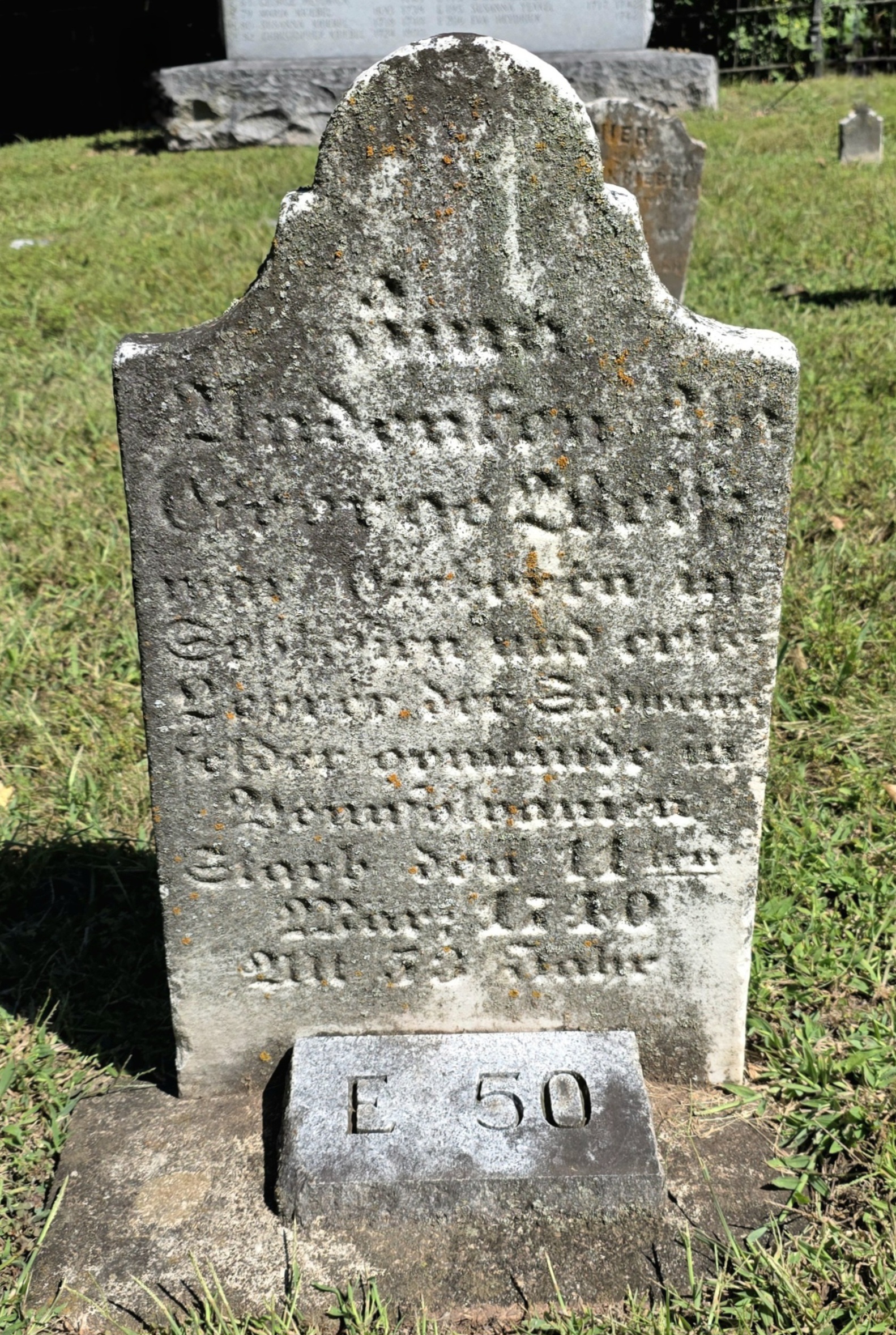
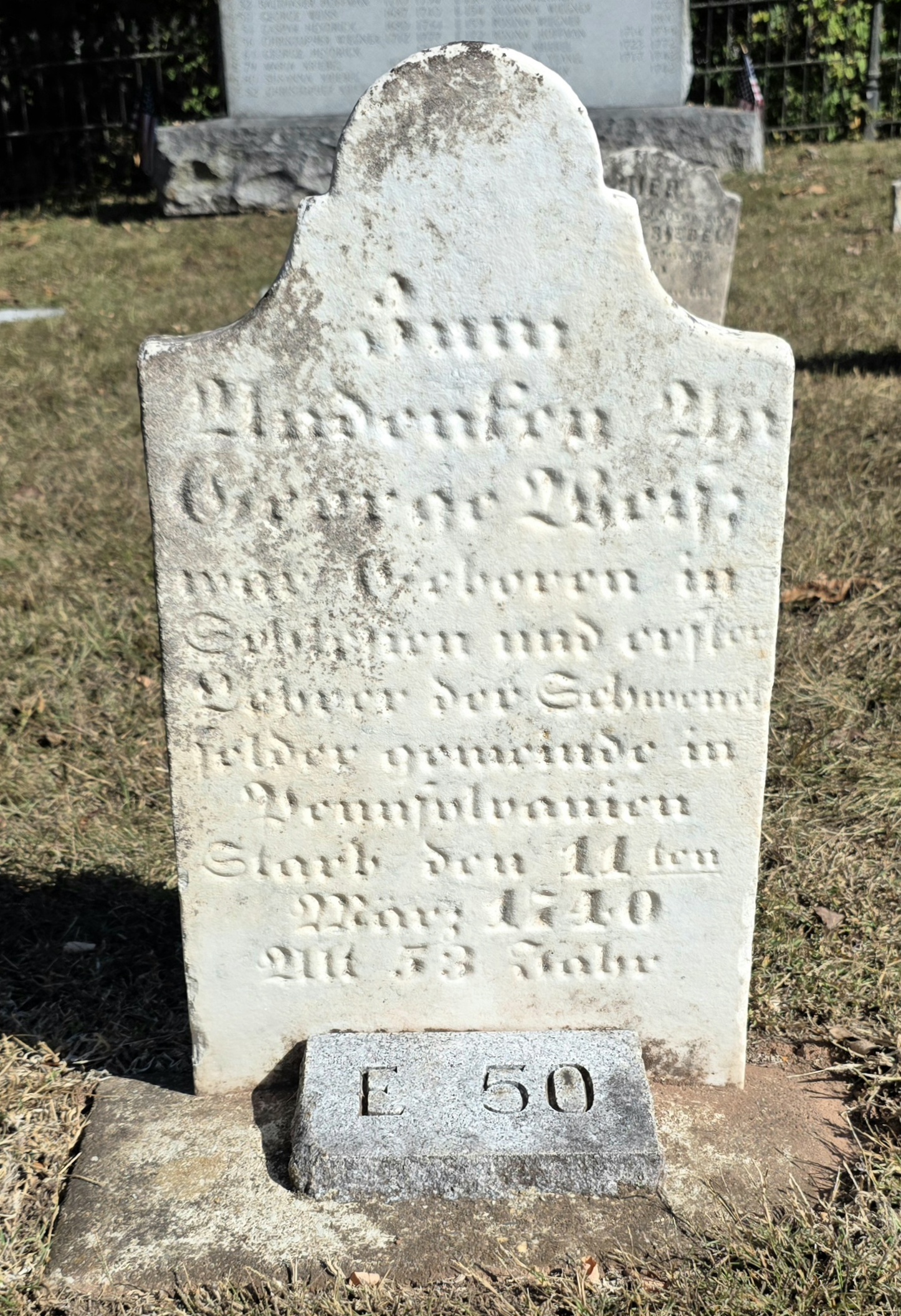
E50, Rev. George Weiss (1687-1740)
George Weiss arrived in Pennsylvania in 1735 and quickly became a central figure in the early Schwenkfelder community. He is said to have led the settlers’ first thanksgiving service and contributed to the compilation of early Schwenkfelder hymnals, helping preserve the faith and traditions they had carried from Europe. Under his guidance, the scattered families began building homes and practicing their religion in relative safety. Though his time in Pennsylvania was brief, Weiss left an enduring legacy as the spiritual father of the Schwenkfelders in America. His father is believed to have been Caspar Weiss, and his wife, Anna Weiss, is thought to have been buried at Pilgrim Cemetery.
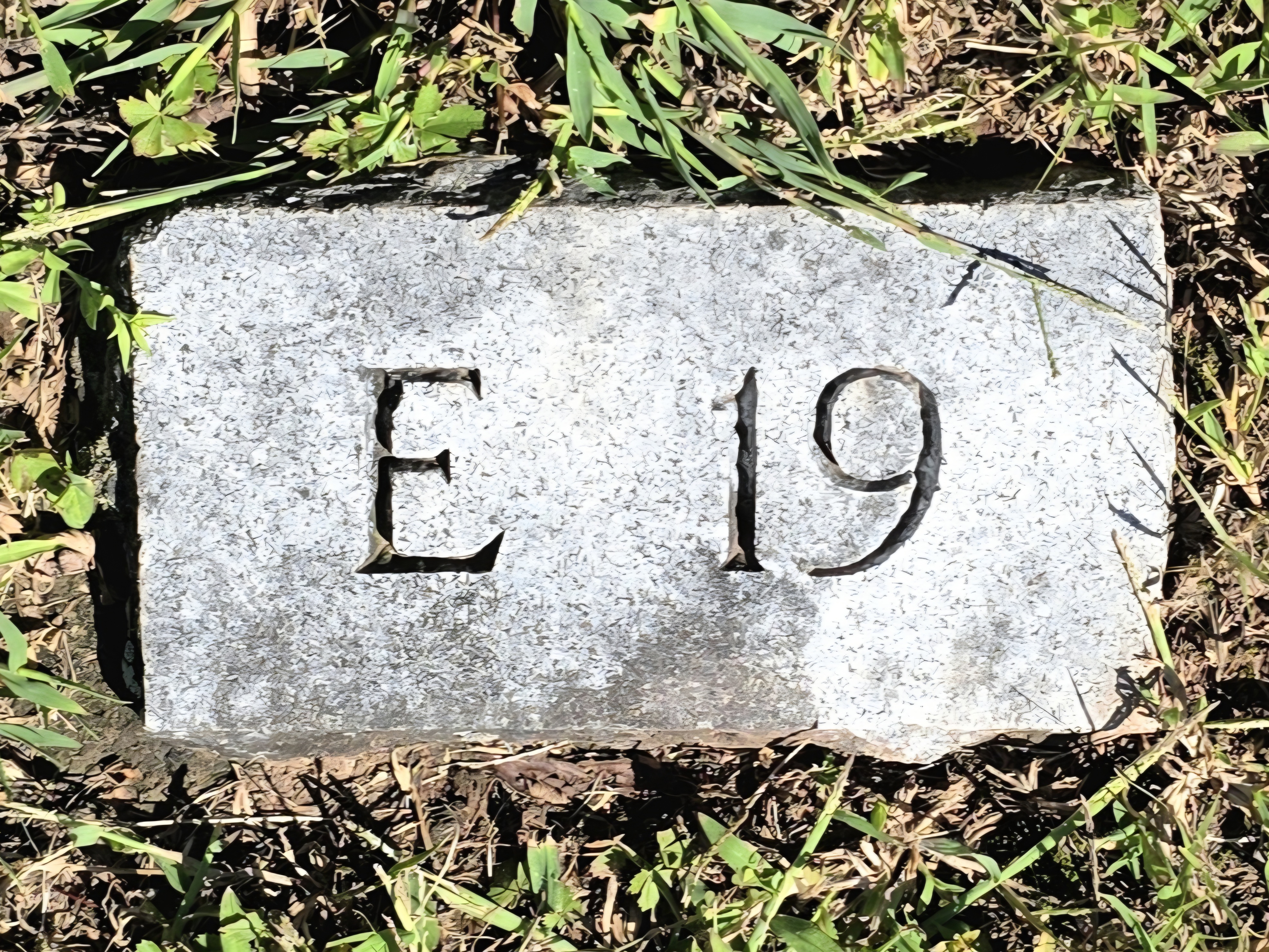
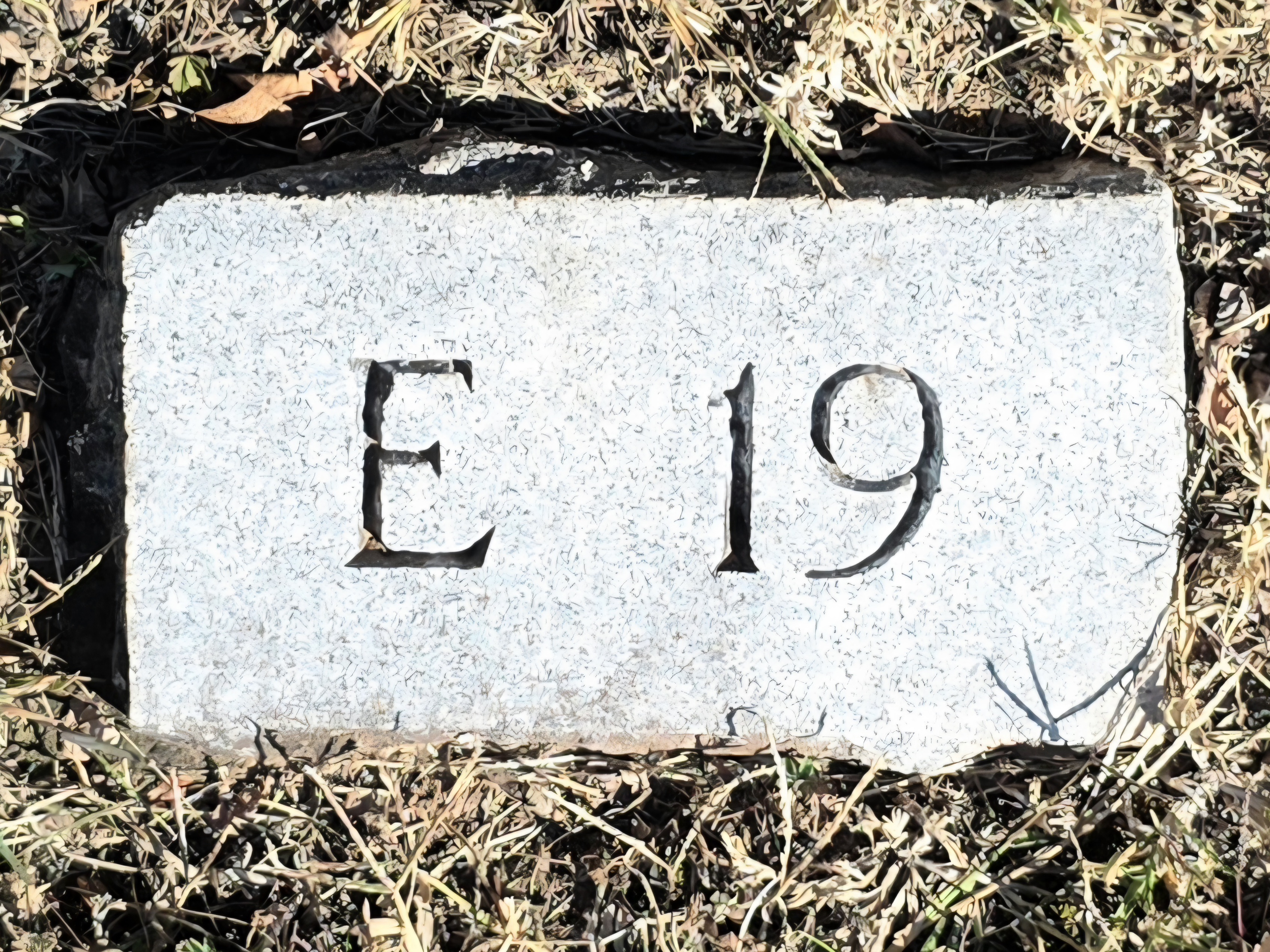
E19, Christoph(er) Kriebel (1688-1741)
E79, Maria (Heydrick) Kriebel (1693-1738)
E80, Susanna Kriebel (1718-1740)
E20, George Kriebel (1715-1798)
E90, Susanna (Yeakel) Kriebel (1714-1775)
E22, Balthaser Yeakel (unknown-1738)
E82, Rev. Christopher Kriebel (1724-1800)
E173, Maria (Dresher) Kriebel (1723-1772)
E84, Rosina Kriebel (1732-1750)
Christopher Kriebel was born in Lower Silesia, the son of farmer Caspar Kriebel and Anna Borman. Around 1714, he married Maria Heydrick, and together they began raising a family. Facing persecution as members of the Schwenkfelder community, they fled their home with five young children, undertaking a fifty-mile trek to Saxony. During the family’s eight years in exile, Maria gave birth to two more children, including an infant, Abraham, who tragically died during the voyage to Pennsylvania in 1734 and was buried at sea.
Upon arrival in Pennsylvania, Christopher purchased 150 acres in Lower Salford Township. Their daughter Susanna grew up during the family’s years of migration and early life in Pennsylvania but died young and unmarried. Their eldest son, George Heydrick Kriebel, married Susanna Yeakel, daughter of Balthaser Yeakel and Regina John. George became a respected landowner and played a key role in settling his father’s estate in 1750.
Another son, Rev. Christopher Kriebel, married Maria Dresher, daughter of George Dresher and Maria (Beyer) Dresher, both commemorated on the monument at Towamencin Schwenkfelder Cemetery. As one of the first Schwenkfelder ministers in Pennsylvania, Christopher carried forward the spiritual and practical traditions of the community and inherited the family farm after his siblings released their claims. Remnants of his original gravestone are still visible today, now flush with the numbered memorial.
Christopher and Maria’s youngest daughter, Rosina Kriebel, grew up in Pennsylvania but died at the age of 17, unmarried.
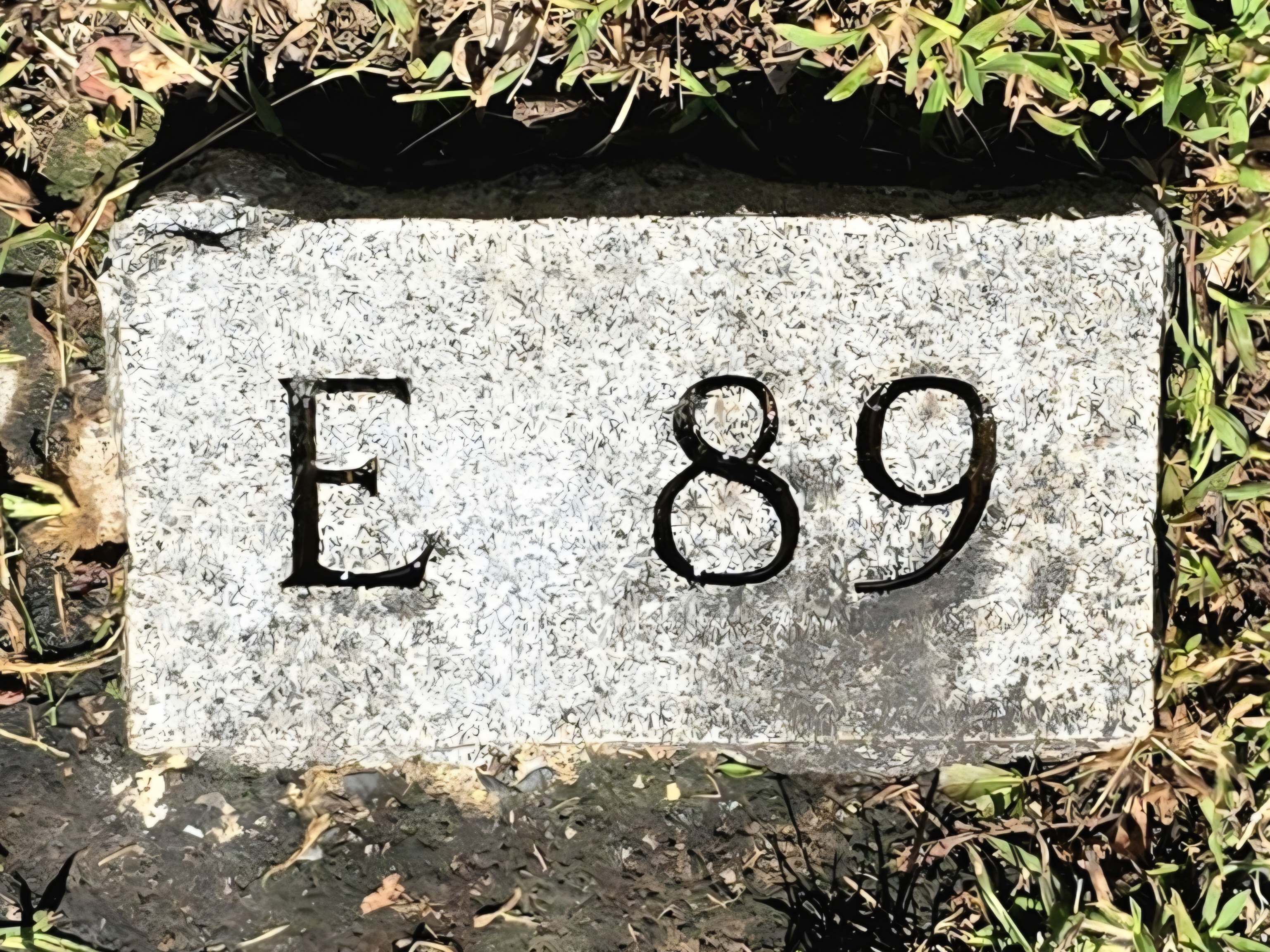
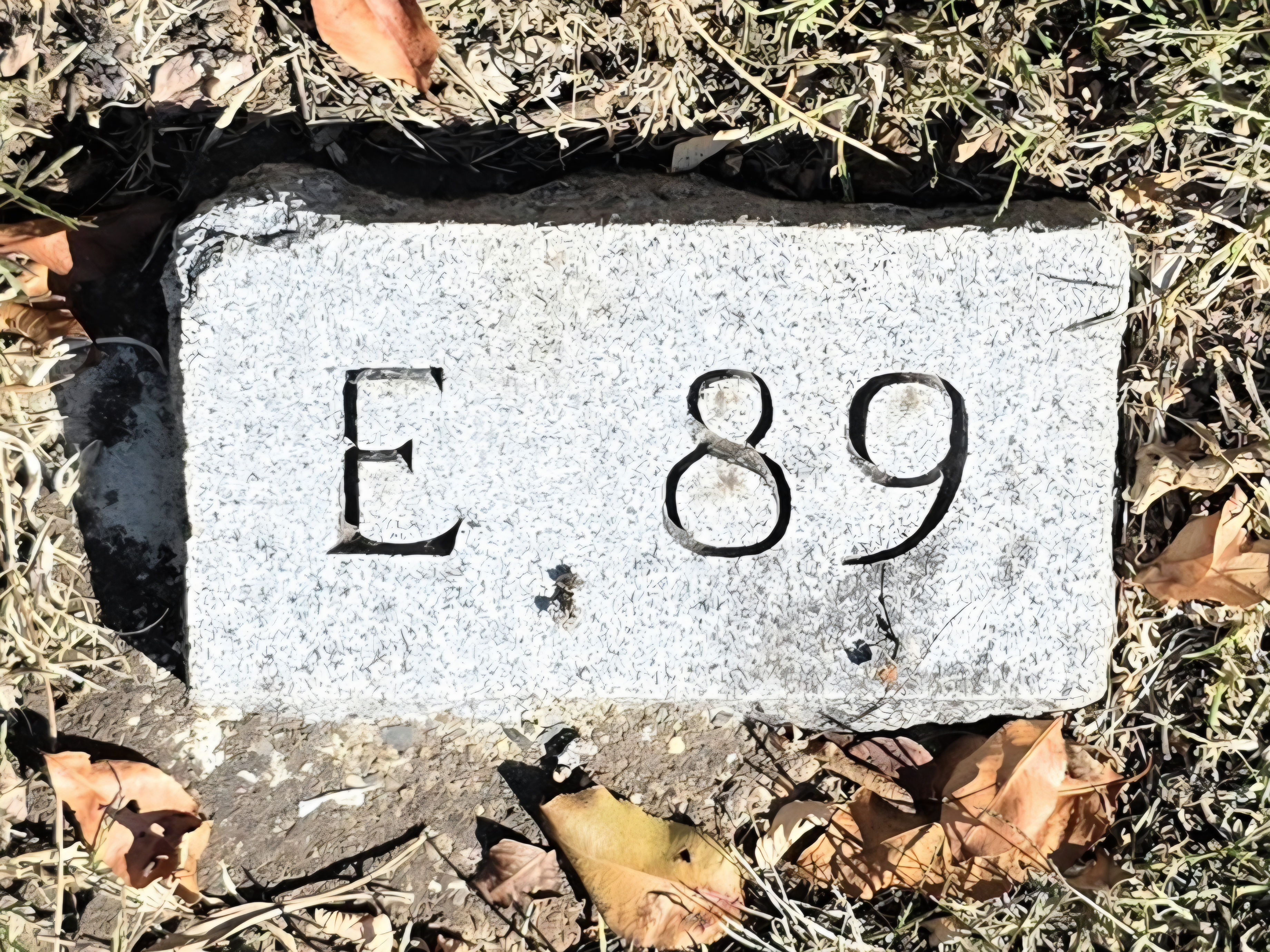
E89, Anna Yeakel (1712-1771)
E23, George John Yeakel (1717-1742)
E195, Susanna (Wagner) Yeakel (1717-1742)
Anna Yeakel and George John Yeakel were the children of Balthasar and Regina (John) Yeakel. George married Susana (Wagner) Yeakel, daughter of Melchior and Anna (Yeakel) Wagner. Susana journeyed to America with her mother, Anna, and at least two brothers, both of whom are buried at Methacton Mennonite Cemetery in Norristown. Her father, Melchior Wagner, had died in Gorlitz prior to the Schwenkfelder migration, leaving his family to continue the transatlantic journey without him. Through these connections, the Yeakel and Wagner families became closely intertwined, contributing to the growth and continuity of the Schwenkfelder community.
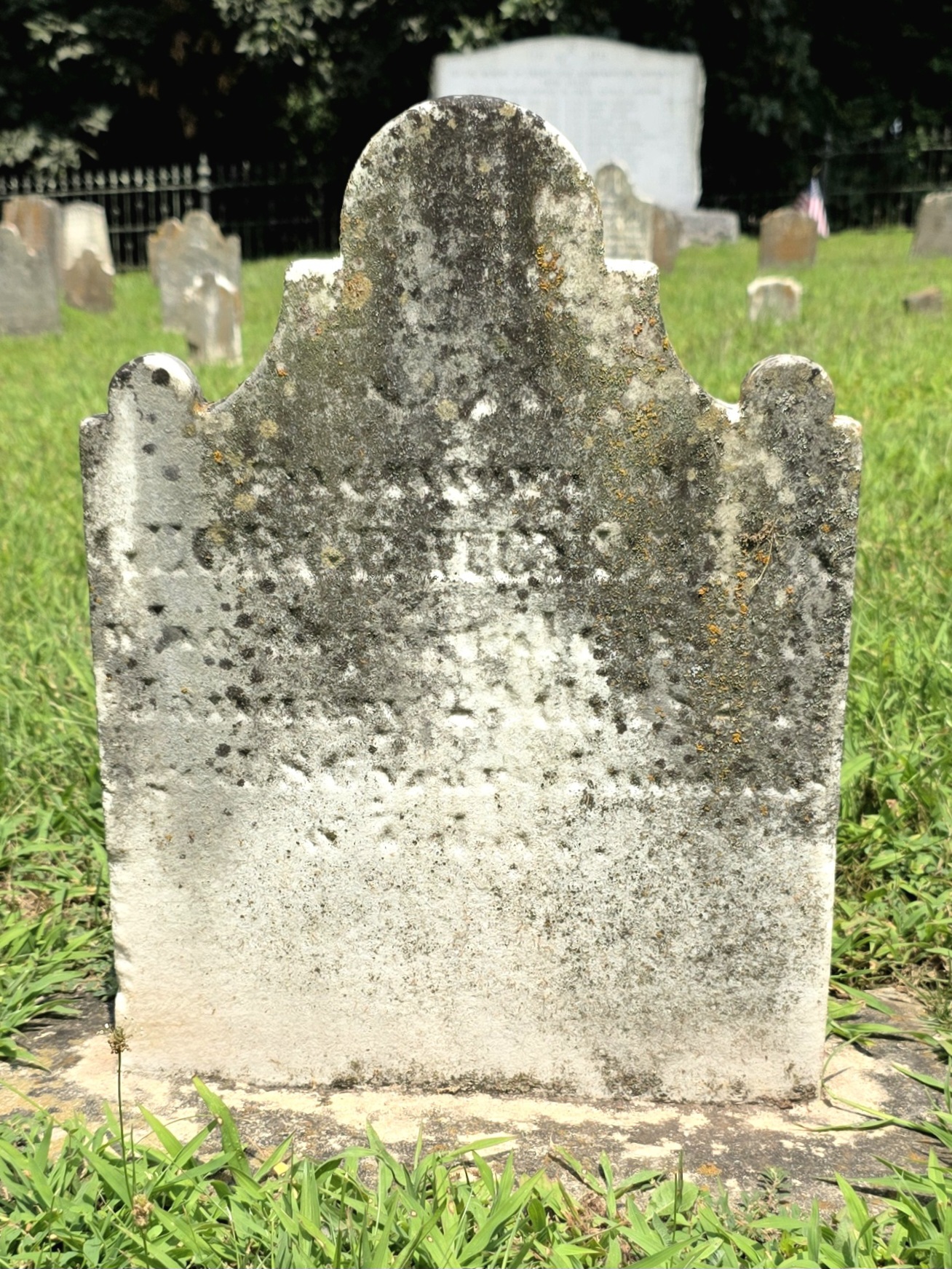
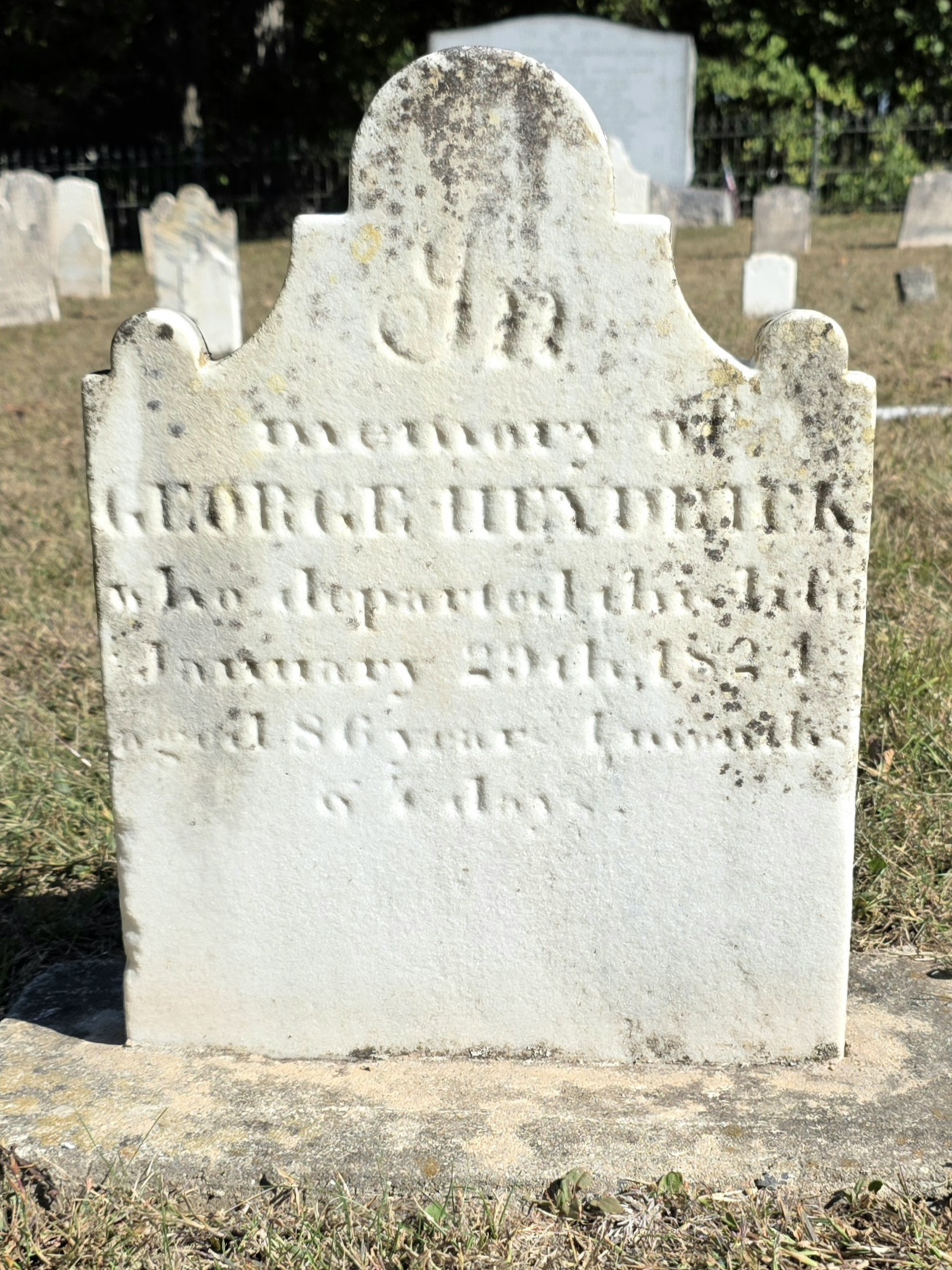
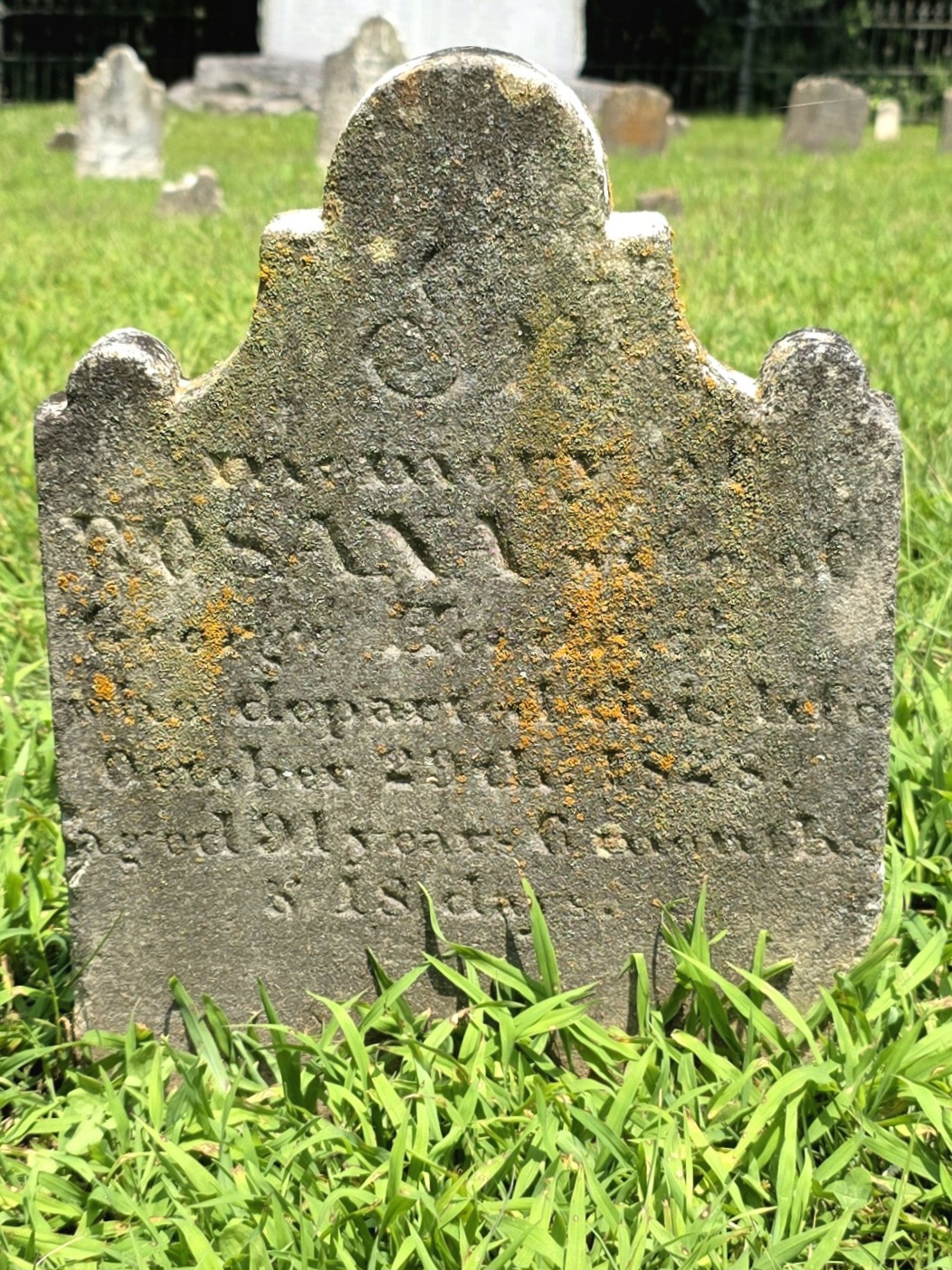
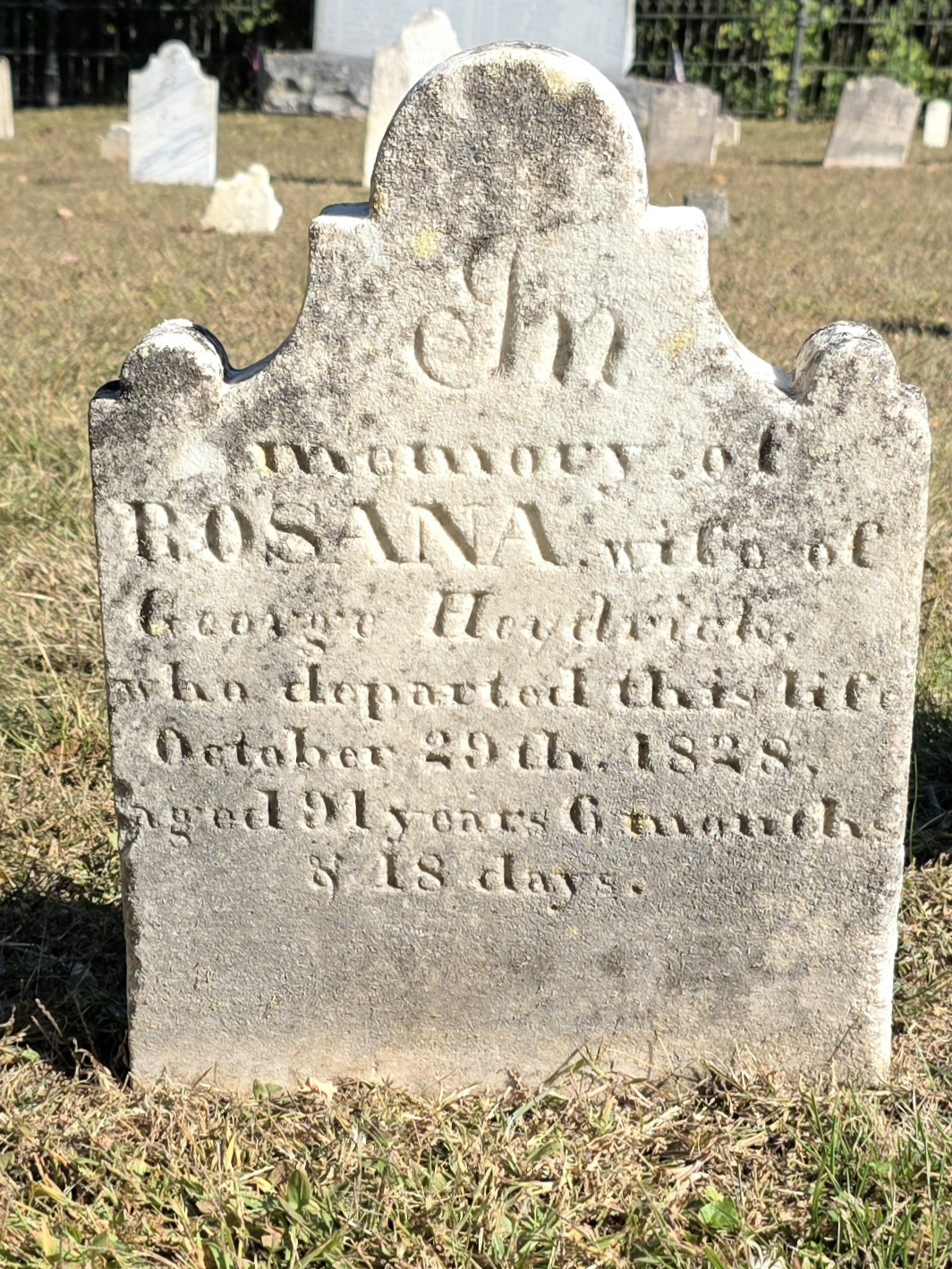
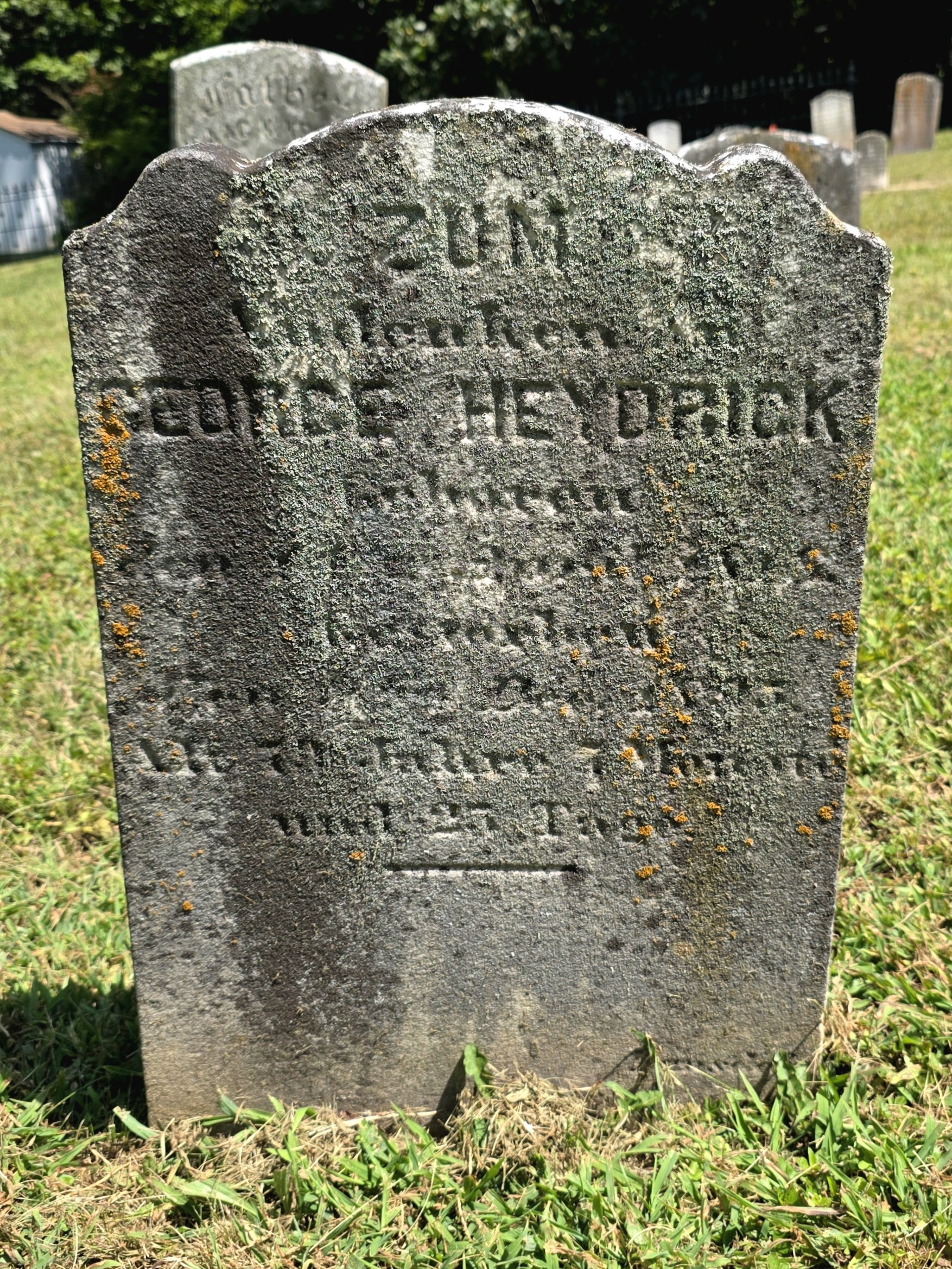
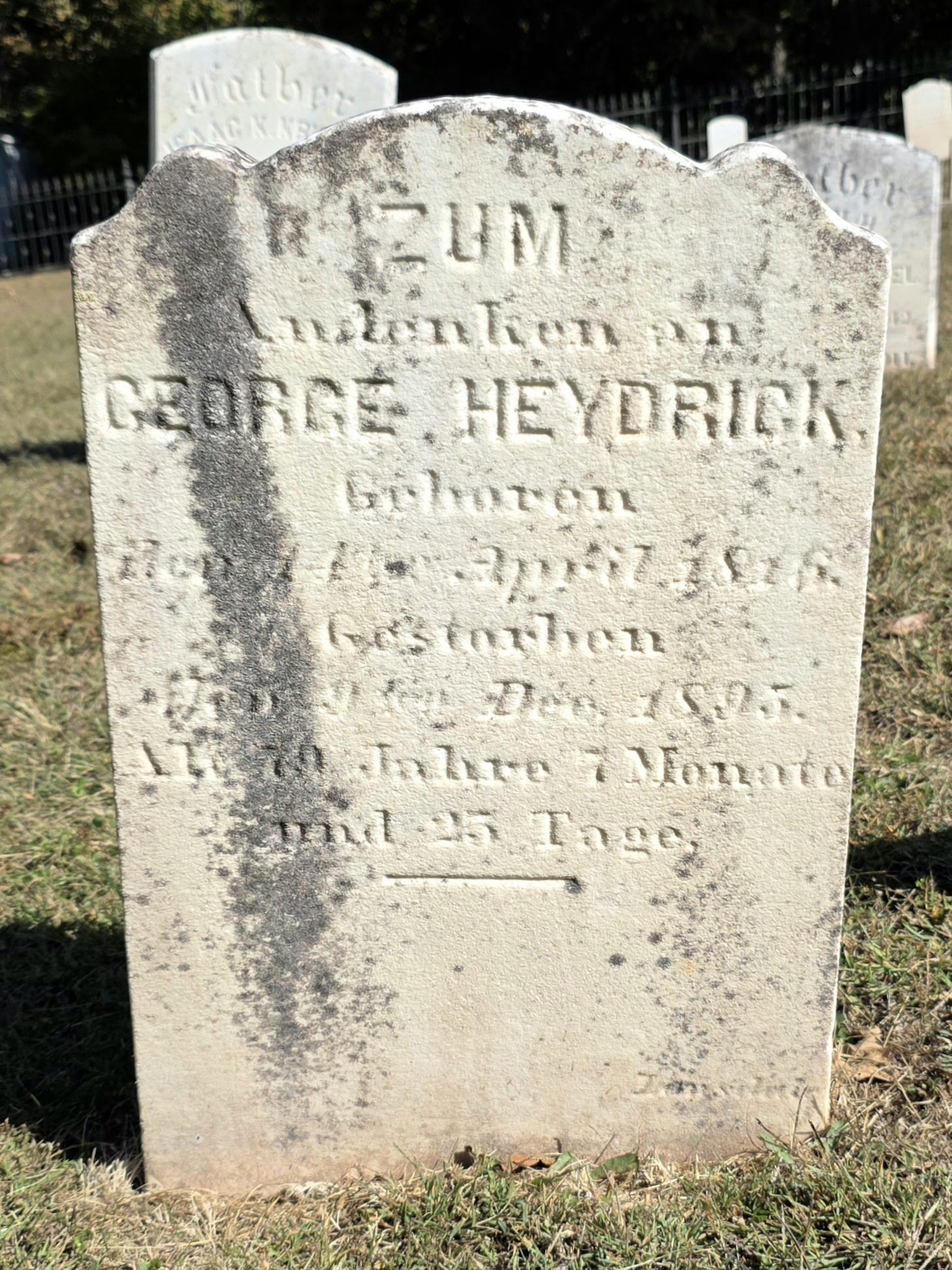
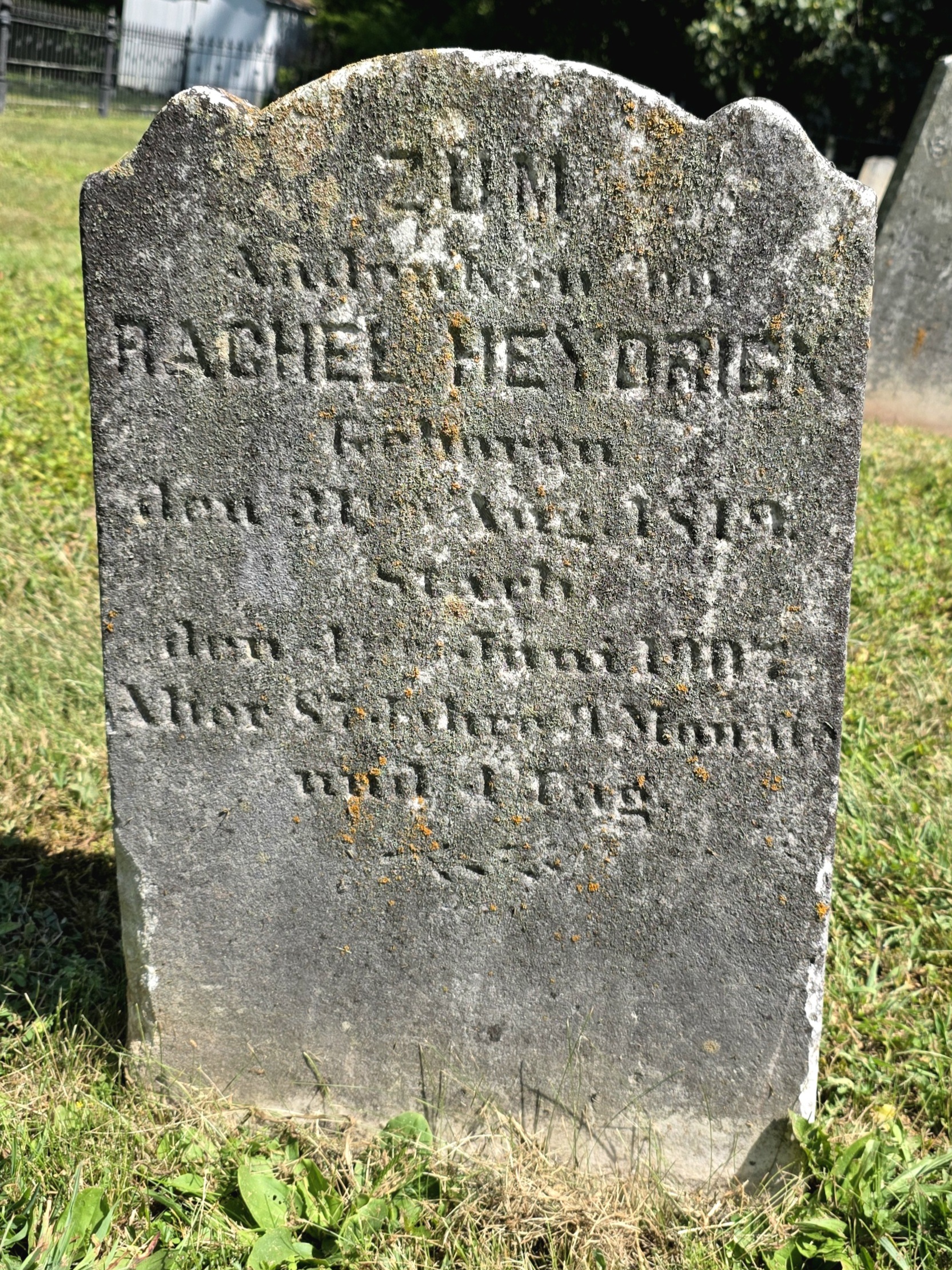
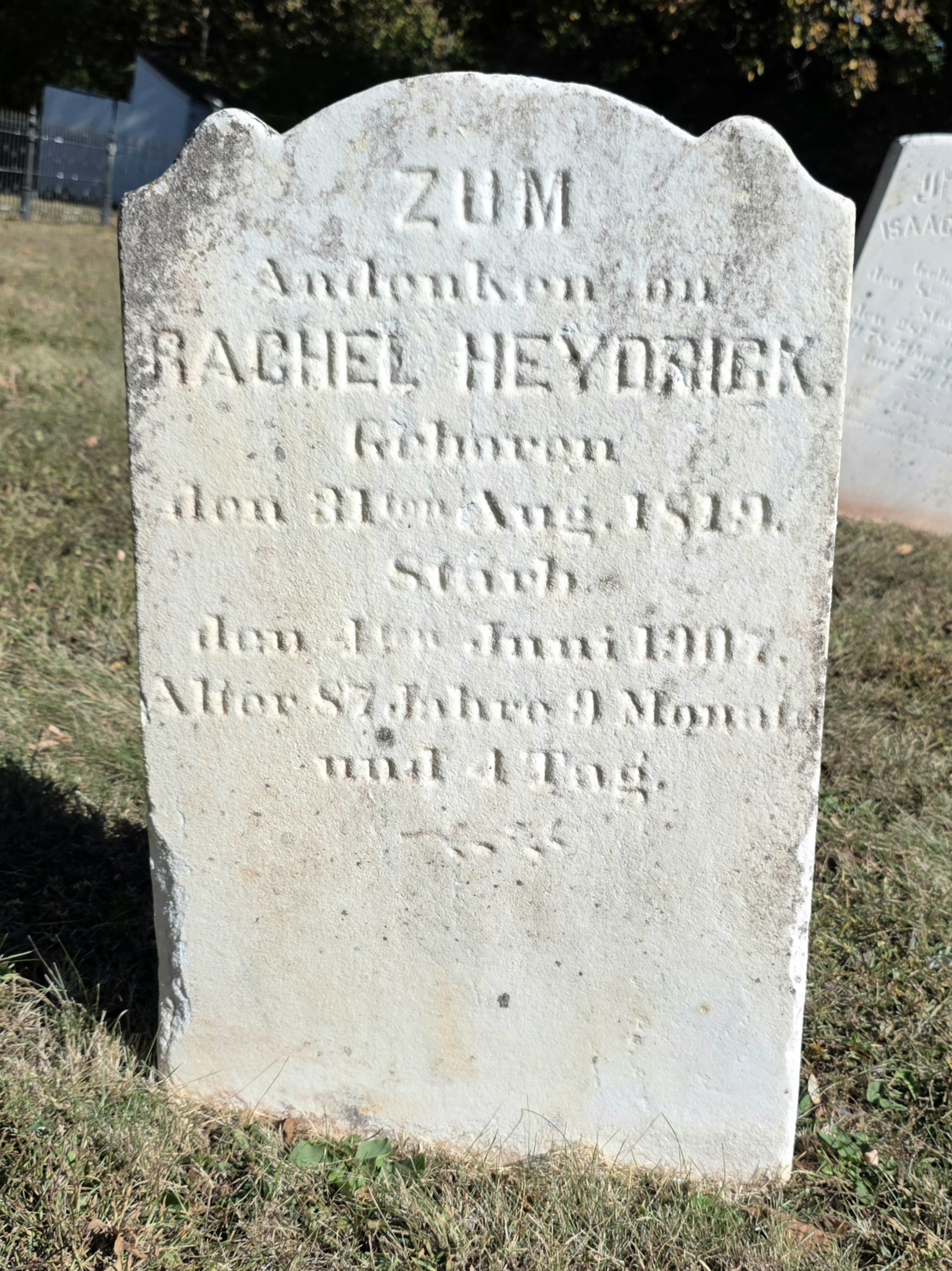
George Heydrick (unknown-1824)
Rosana Heydrick (unknown-1828)
George Heydrick (1816-1893)
Rachel Heydrick (1819-1907)
Later generations of the Heydrick family continued to play a visible role in the life of the Lower Salford Schwenkfelder community, and their presence is prominently memorialized at Salford Schwenkfelder Cemetery. In the second row of stones, more than a dozen markers sit side by side, each representing a direct descendant of this early family.
The Heydrick name extended across neighboring Schwenkfelder communities as well. Members of the family are recorded in cemeteries in Towamencin, Worcester, and Upper Hanover Townships, reflecting both the spread of the family and their continuing influence. Notable examples include Abraham Heydrick, a nephew of Caspar and George, buried at Towamencin Schwenkfelder Cemetery, along with other descendants who maintained farms and served in religious roles throughout the region. Together, these connections illustrate a network of families bound by faith, land, and shared heritage.
Over the years, Heydricks married into other prominent local families, including the Kriebels and Yeakels, further strengthening social and religious bonds within the community and ensuring that the family’s legacy endured across generations.
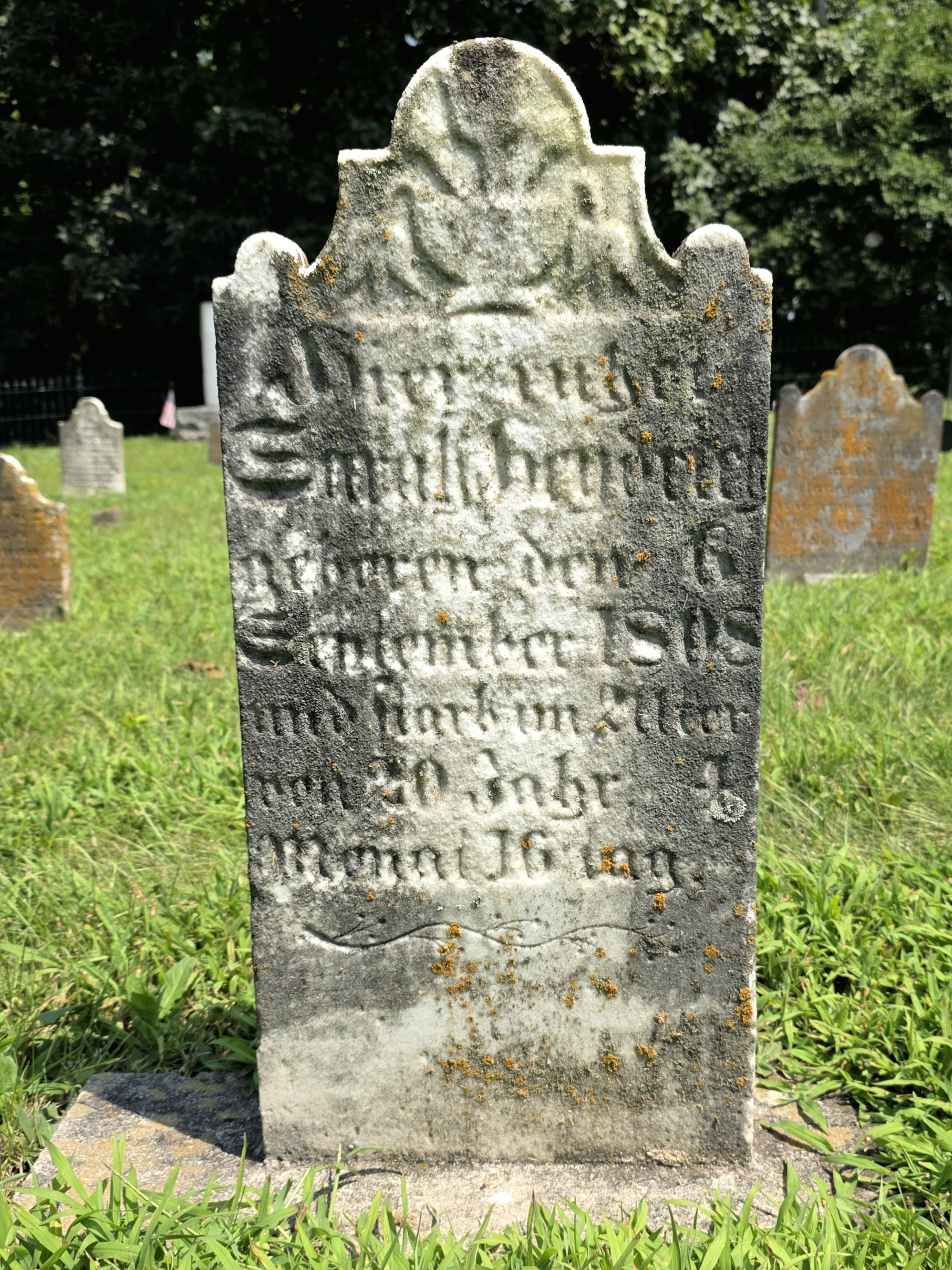
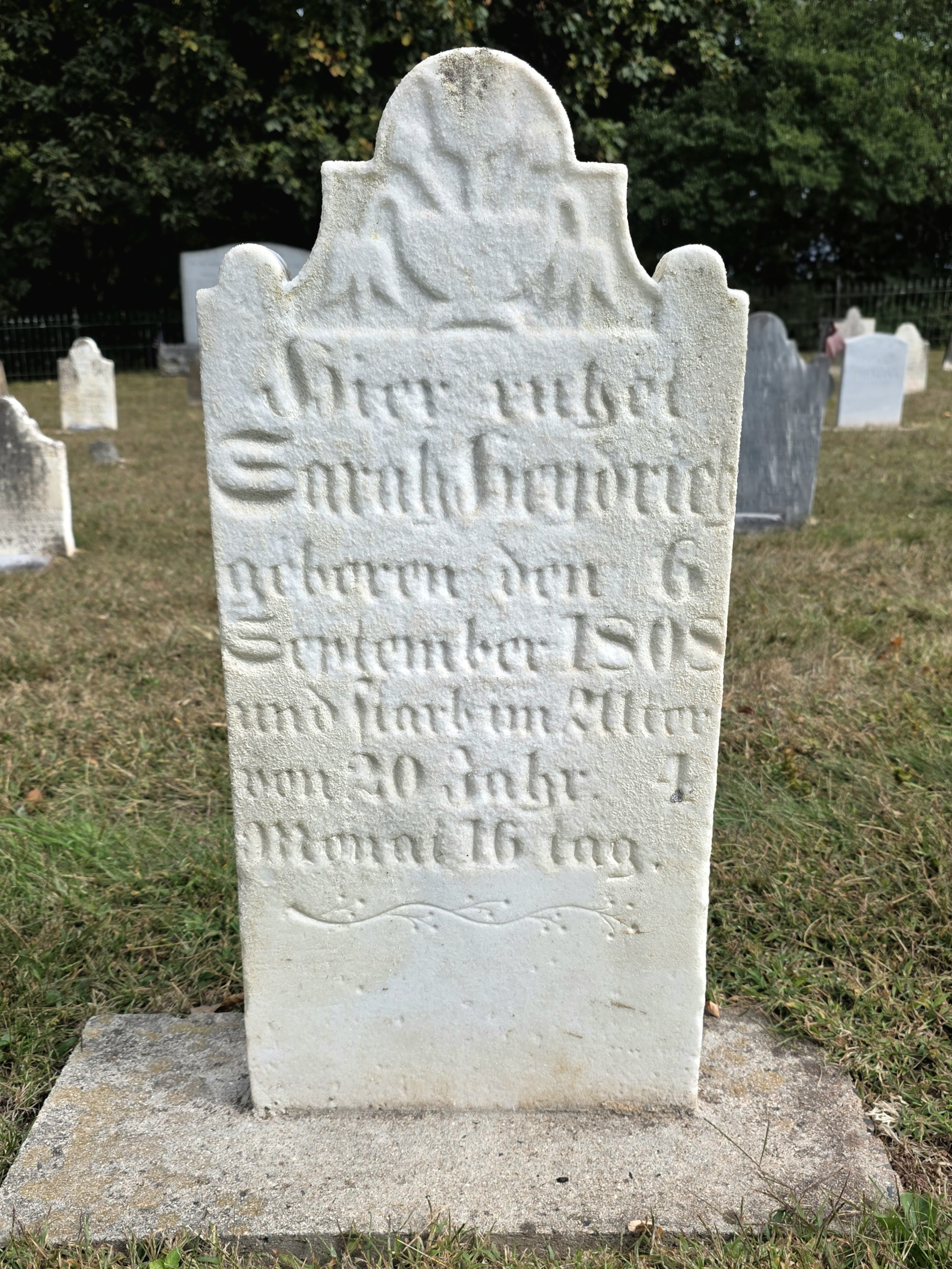
Sarah (Flew) Heydrick (1808-unknown)
Sarah (Flew) Heydrick is believed to have been the second wife of George Heydrick, as noted in the Genealogical Record of the Schwenkfelder Families. George was the son of Revolutionary War Captain Balthasar Heydrick and part of the extended Heydrick family of Lower Salford Township. Balthasar was among the few Schwenkfelder families to serve in the military. George is buried at Hocker’s Cemetery in Whitemarsh Township. Few documents detail Sarah’s life; her gravestone stands as the last tribute to her memory.
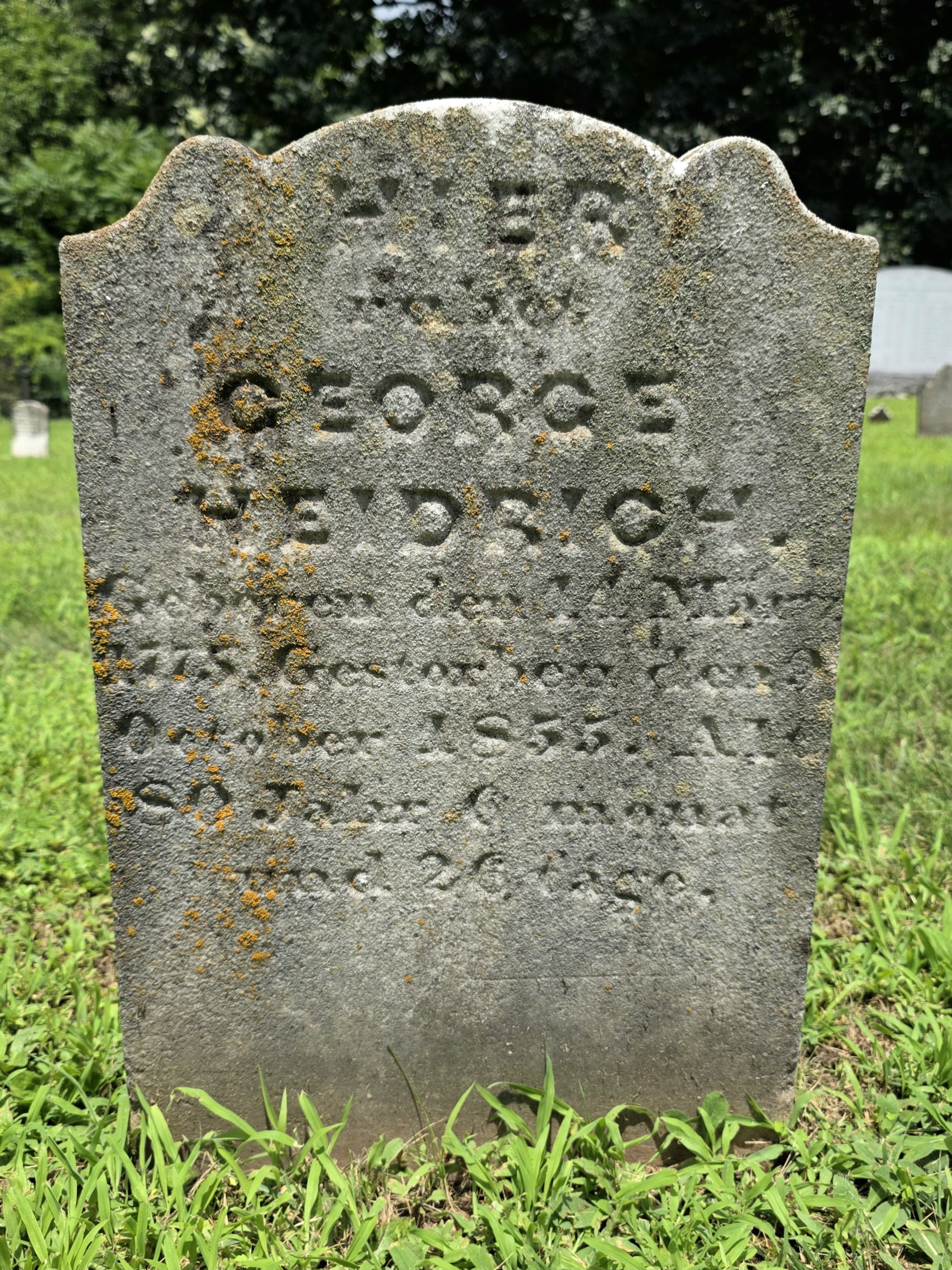
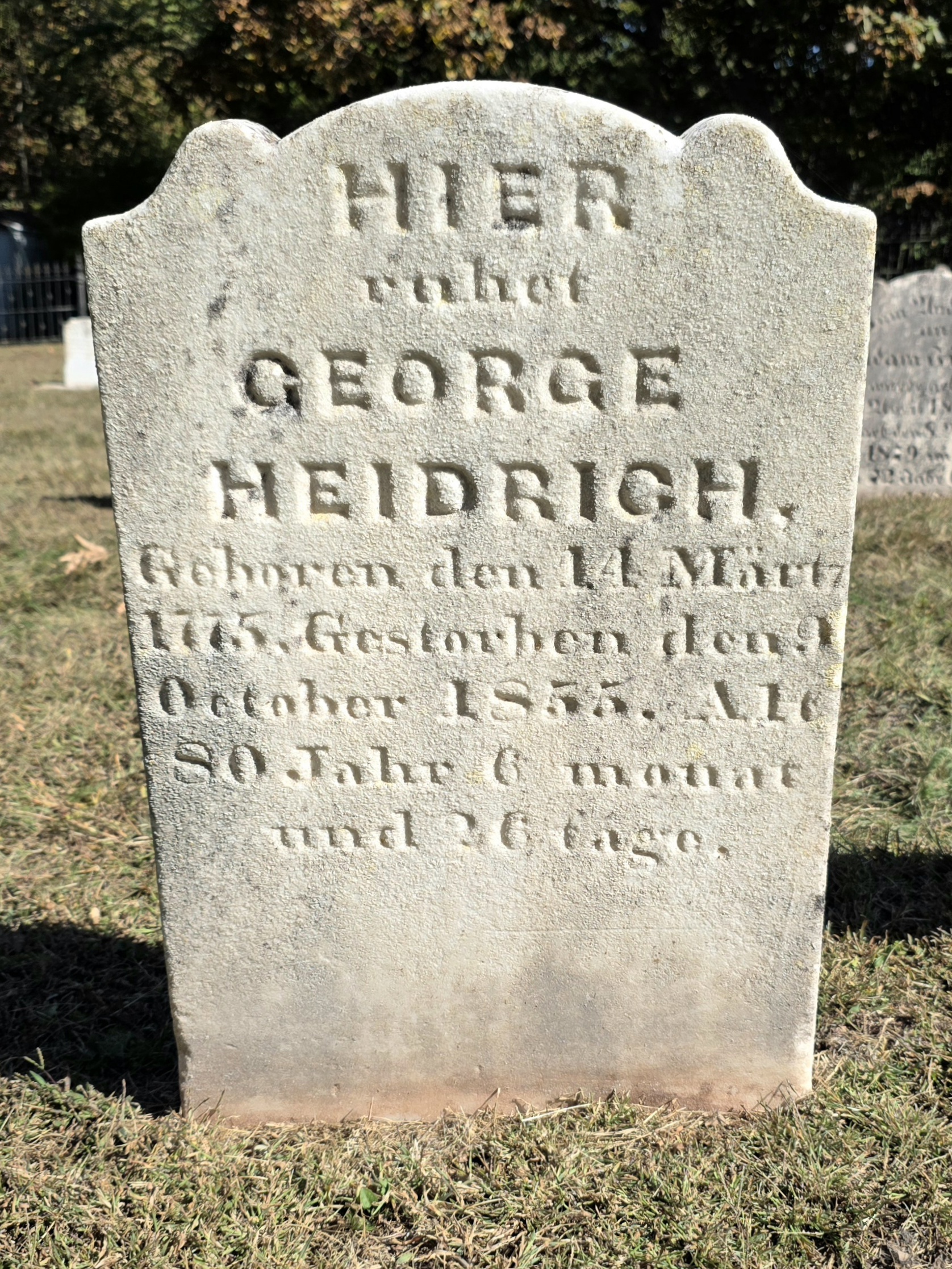
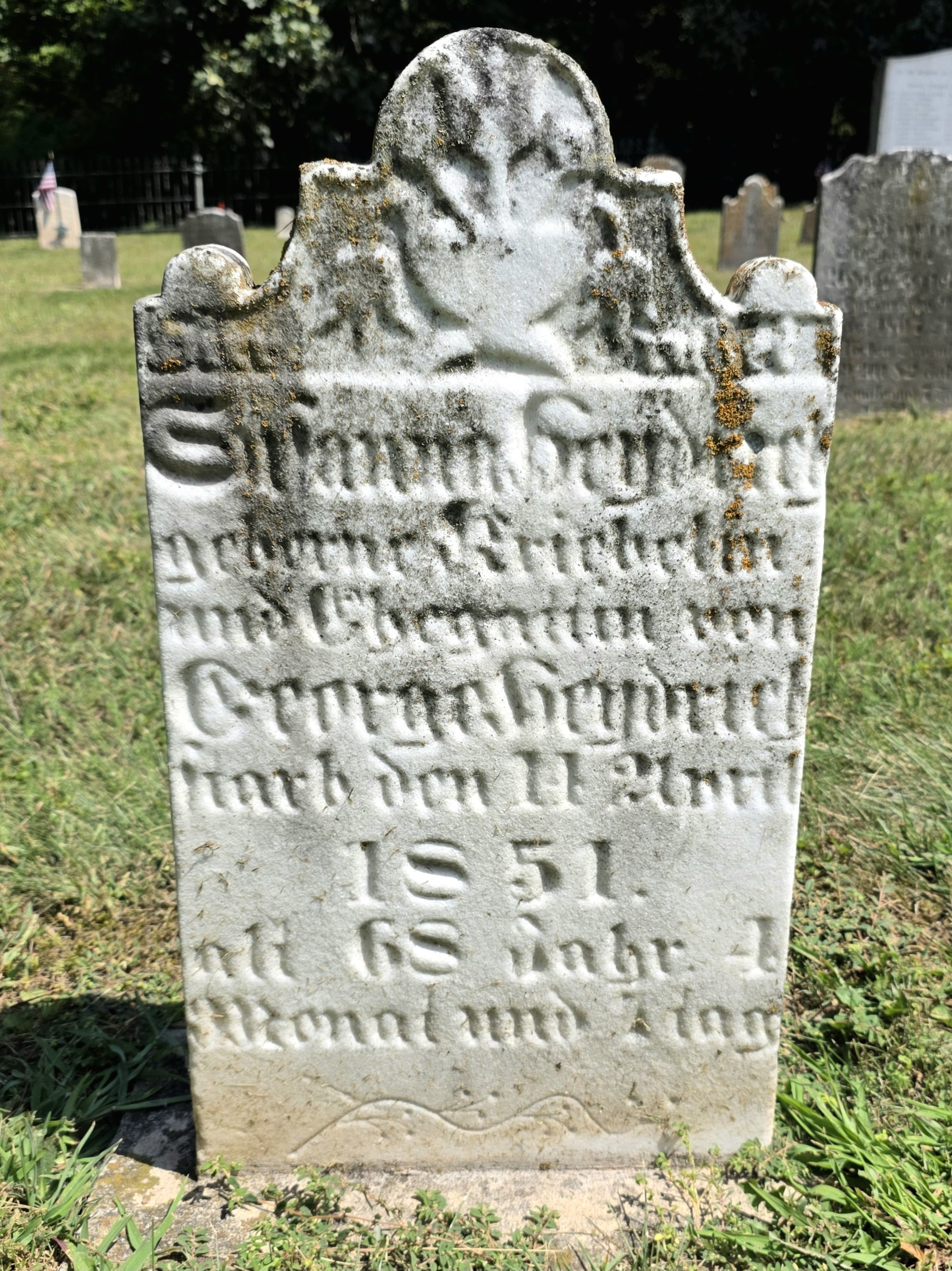
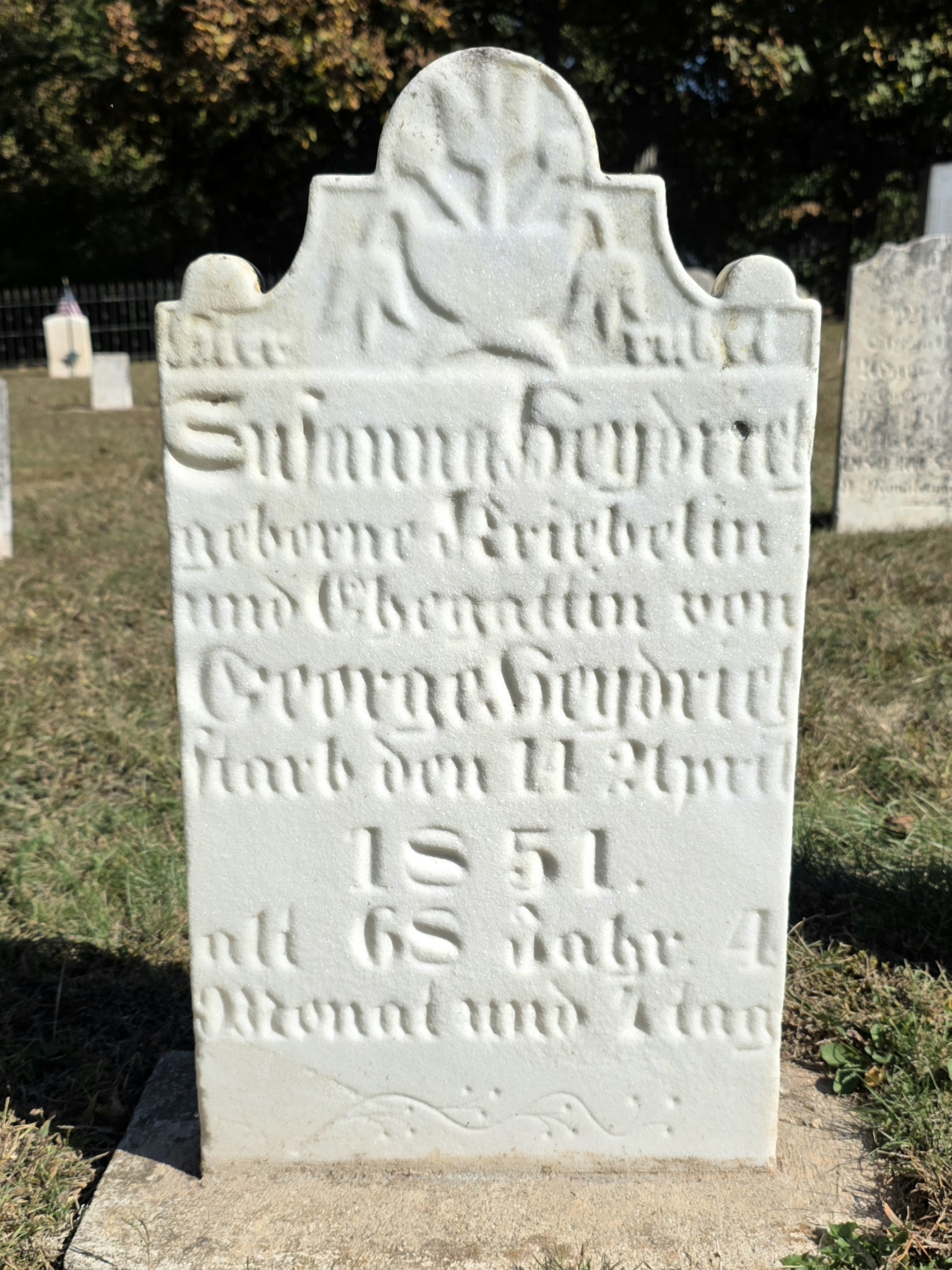
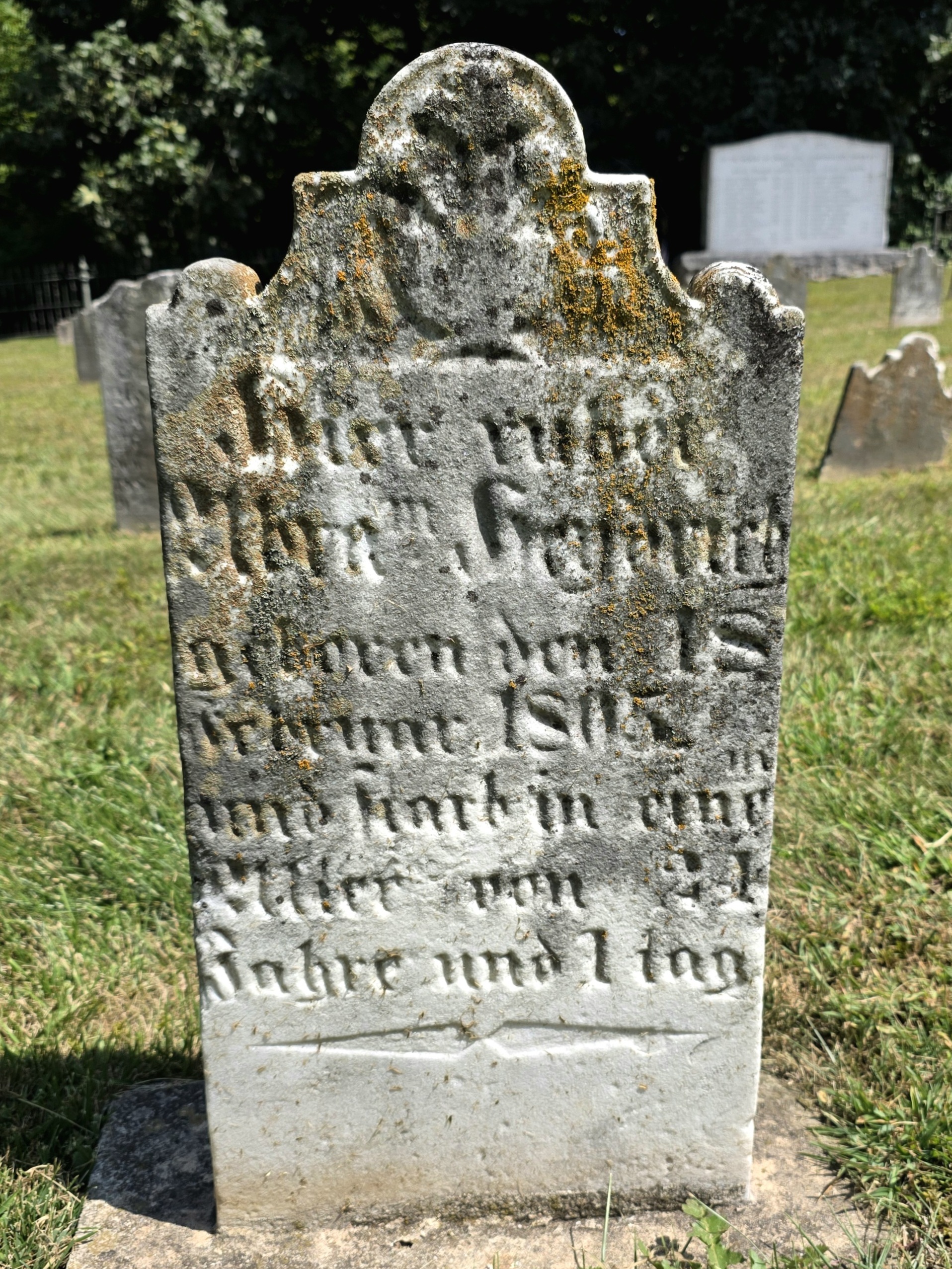
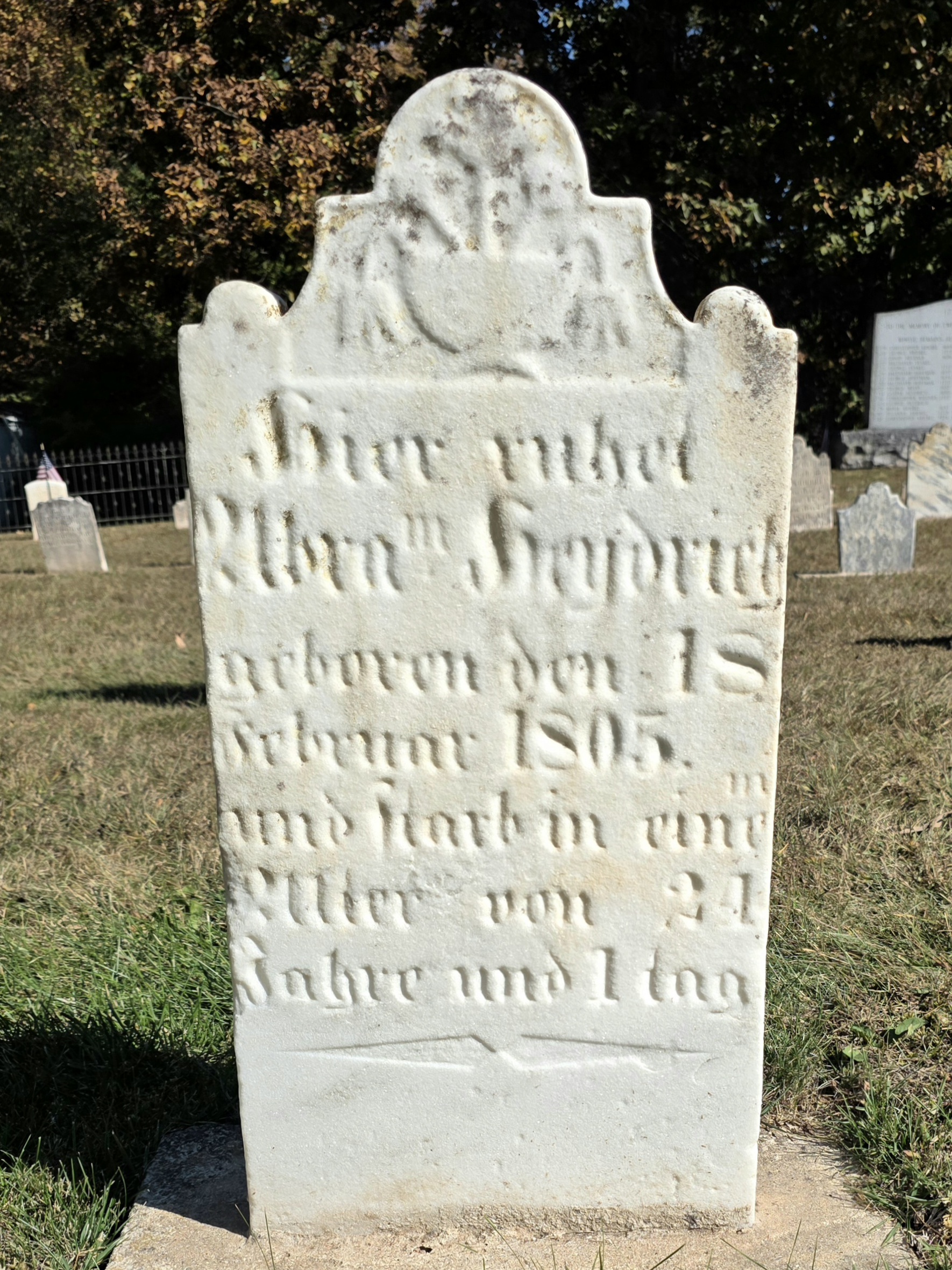

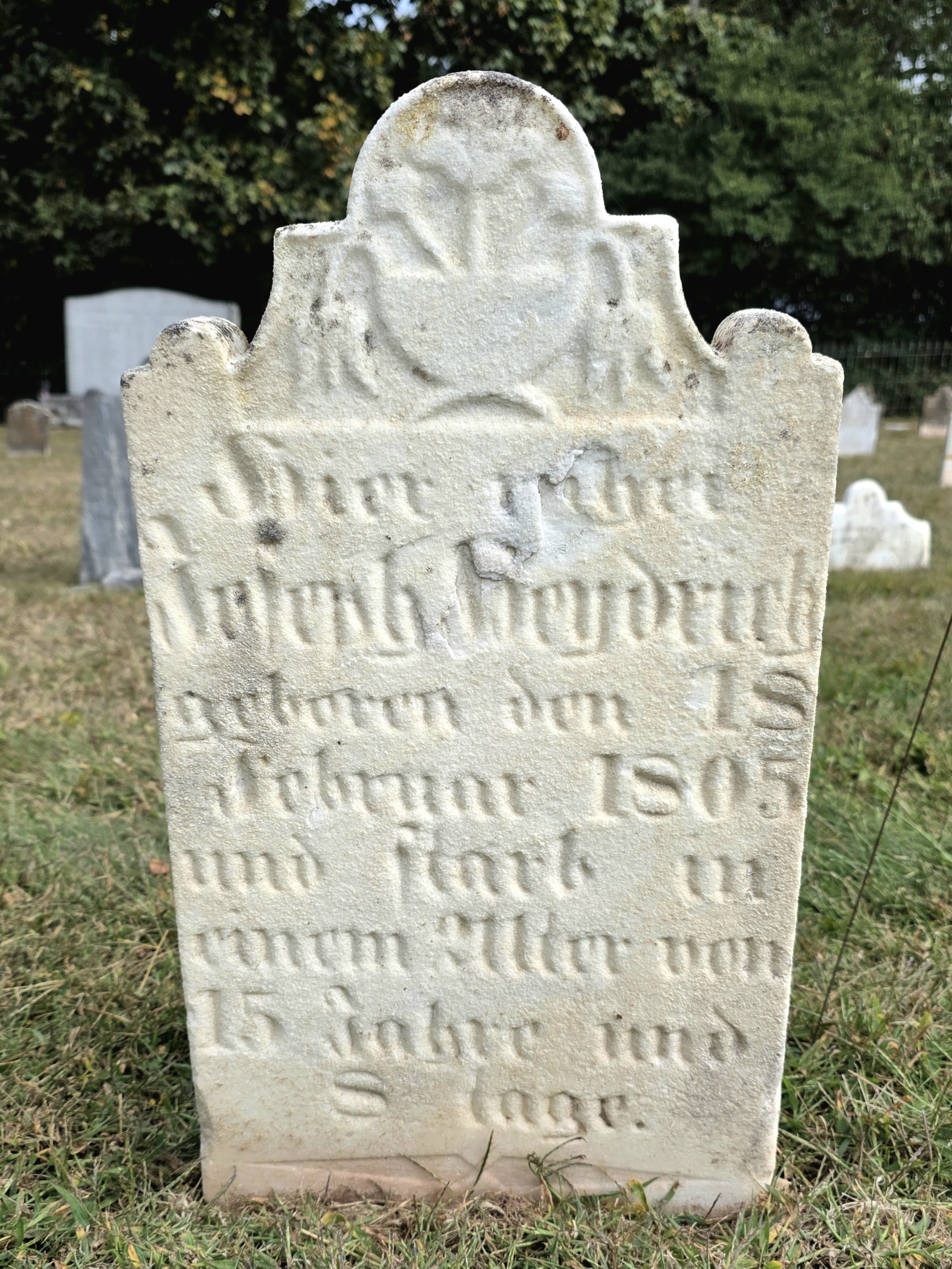
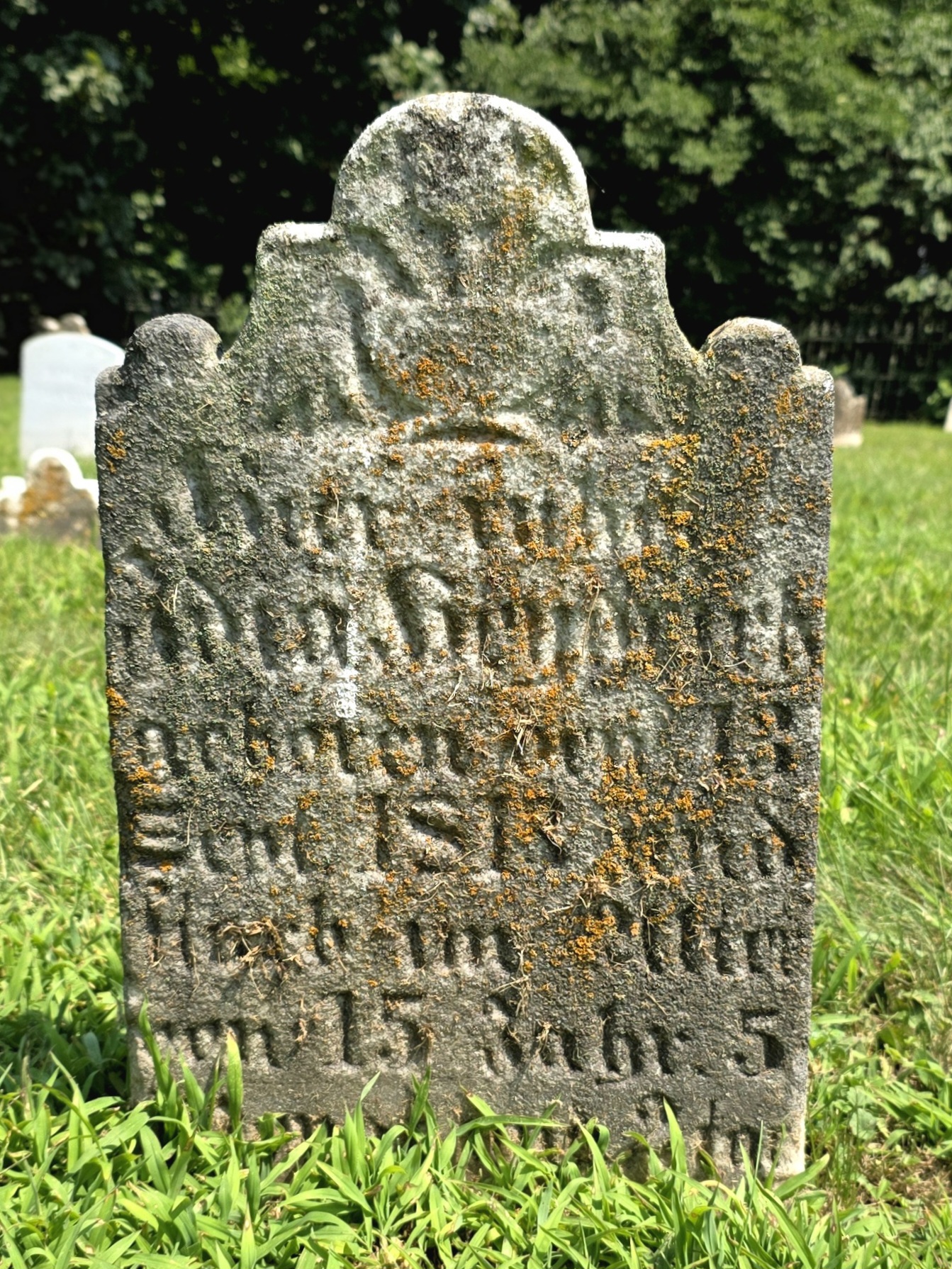
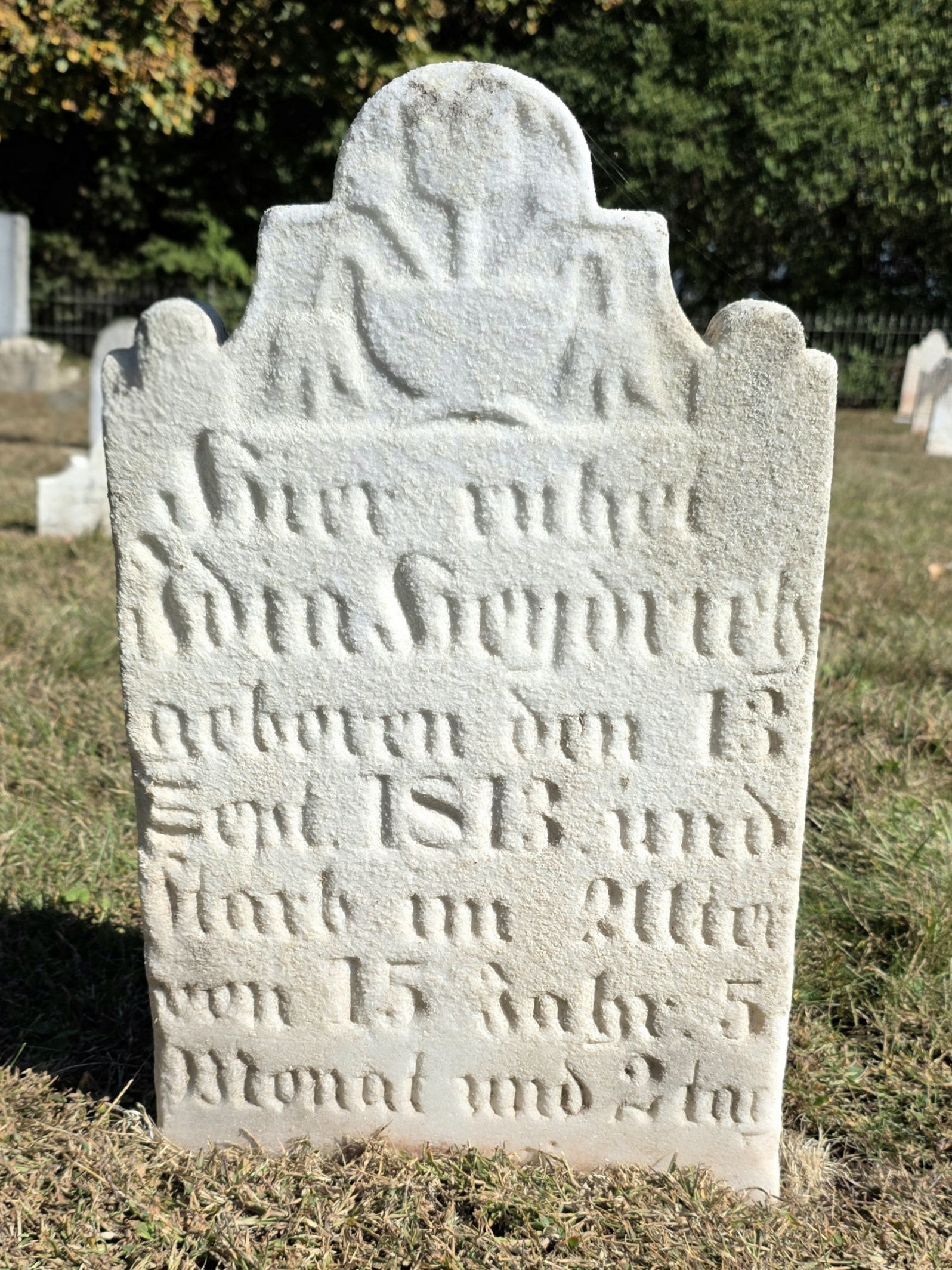
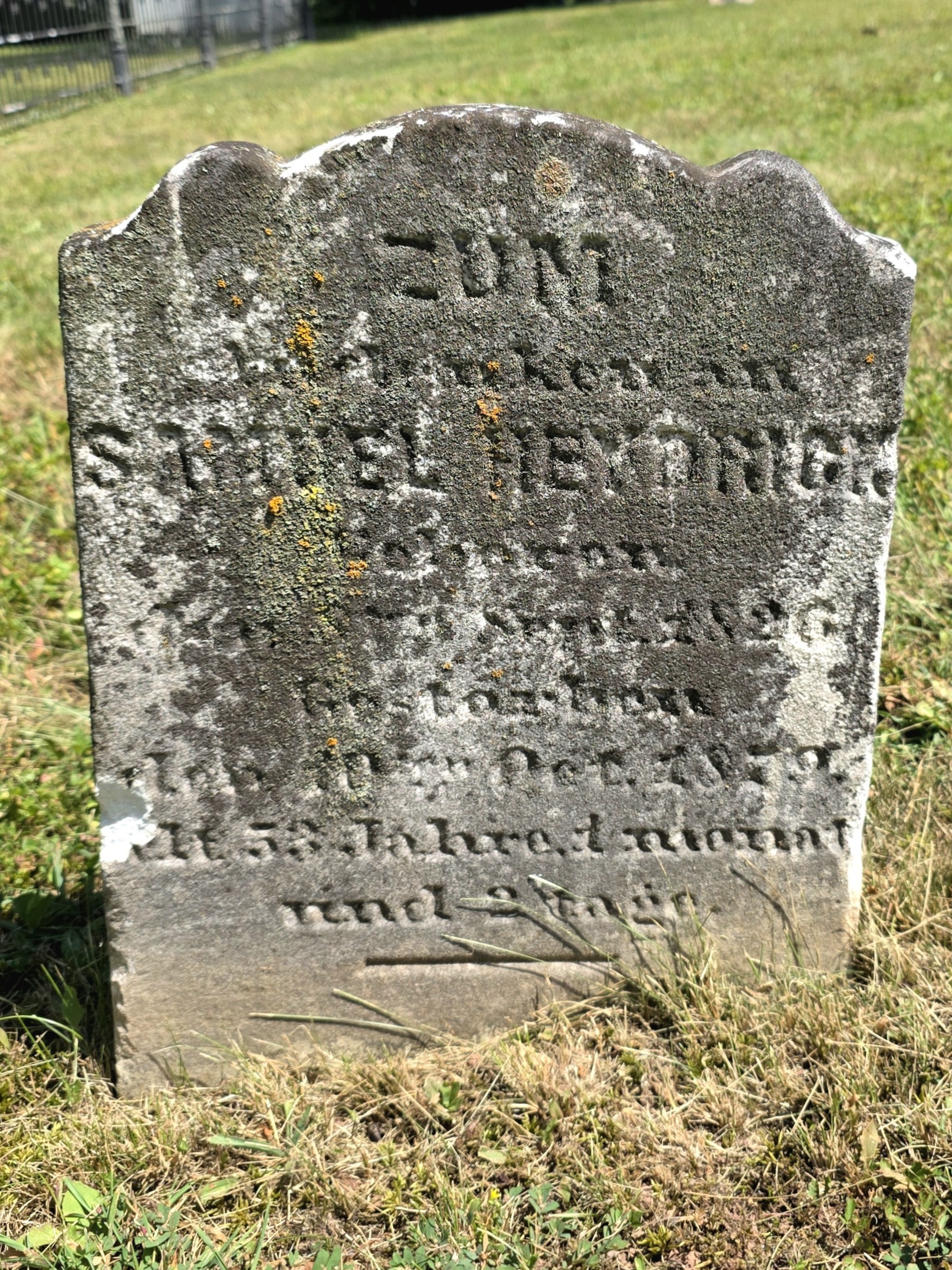
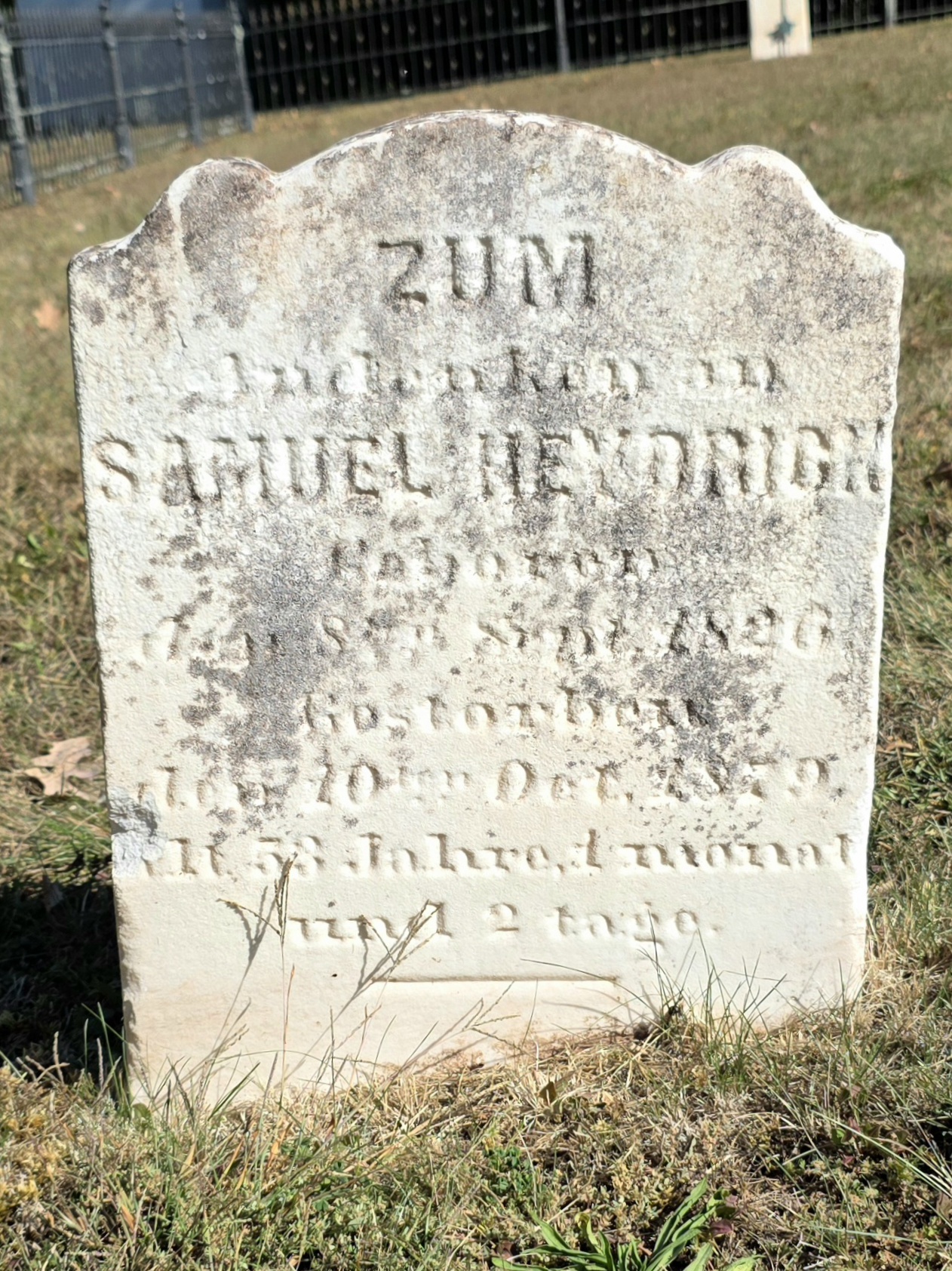

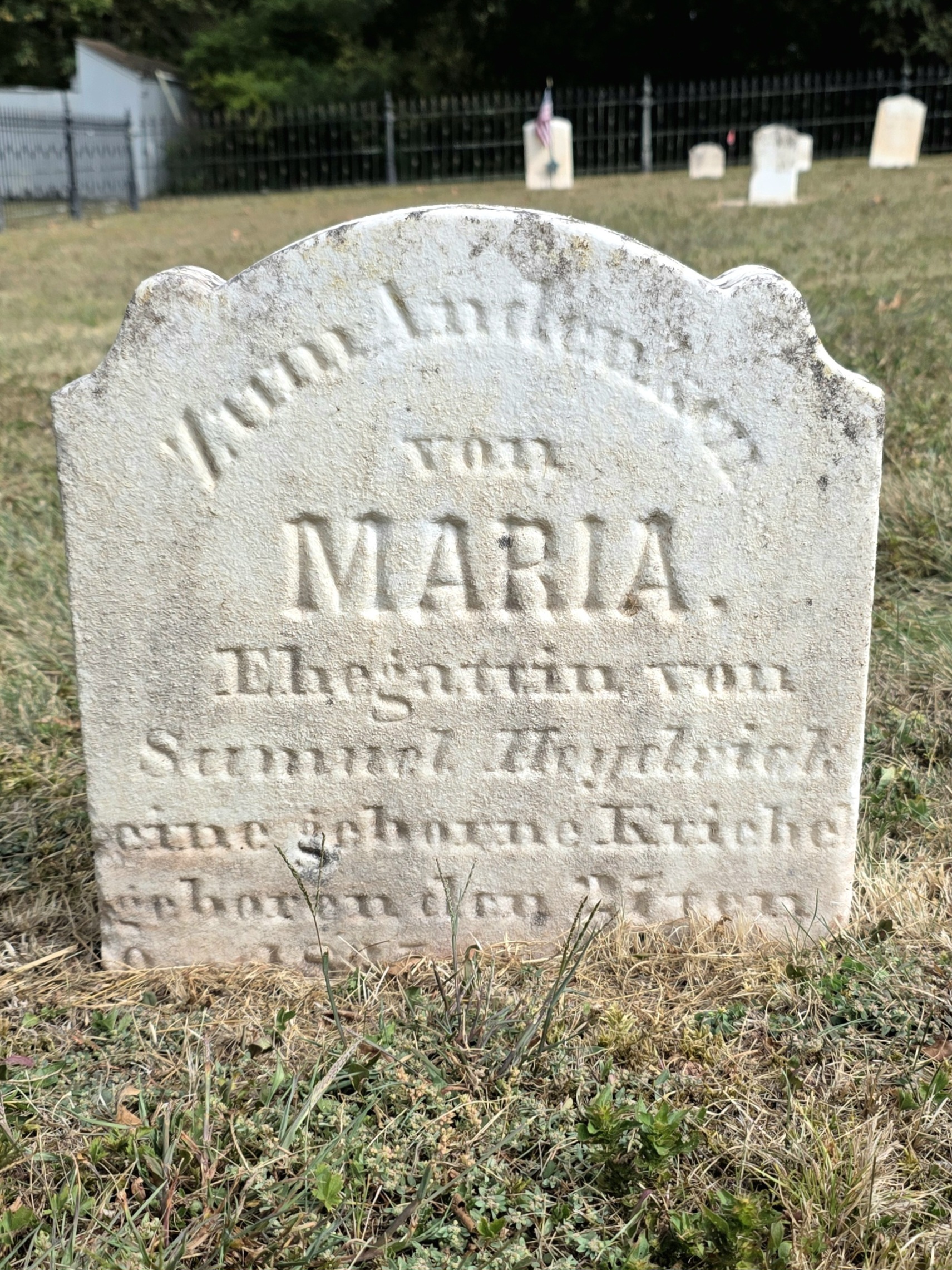
George Heydick (1775-1855)
Susanna Kriebel Heydrick (1782-1851)
Abraham Heydrick (1805-1829)
Joseph Heydrick (1805-1820)
Edith Heydrick (1813-1829)
Samuel K Heydrick (1826-1879)
Mary B Kriebel Heydrick (1835-1873)
George Heydrick and his wife Susanna Kriebel Heydrick lived in Lower Salford Township as descendants of the Heydrick family line established by early settler Caspar Heydrick. According to local genealogical accounts, George and Susanna raised a large family, with fifteen children recorded, and maintained both farm and faith in the township. Among their children were twin sons Abraham and Joseph, and a daughter, Edith, all of whom died young and are remembered in adjacent stones at Salford Schwenkfelder Cemetery.
Their son Samuel K. Heydrick married Mary “Maria” B. Kriebel Heydrick, further entwining two foundational Schwenkfelder families. Samuel inherited the family farm and, with Mary, raised several children who continued the Heydrick and Kriebel presence in the region. Later generations included locally documented descendants such as George Kriebel Heydrick, ensuring the family’s enduring influence within the community.
Other Heydricks
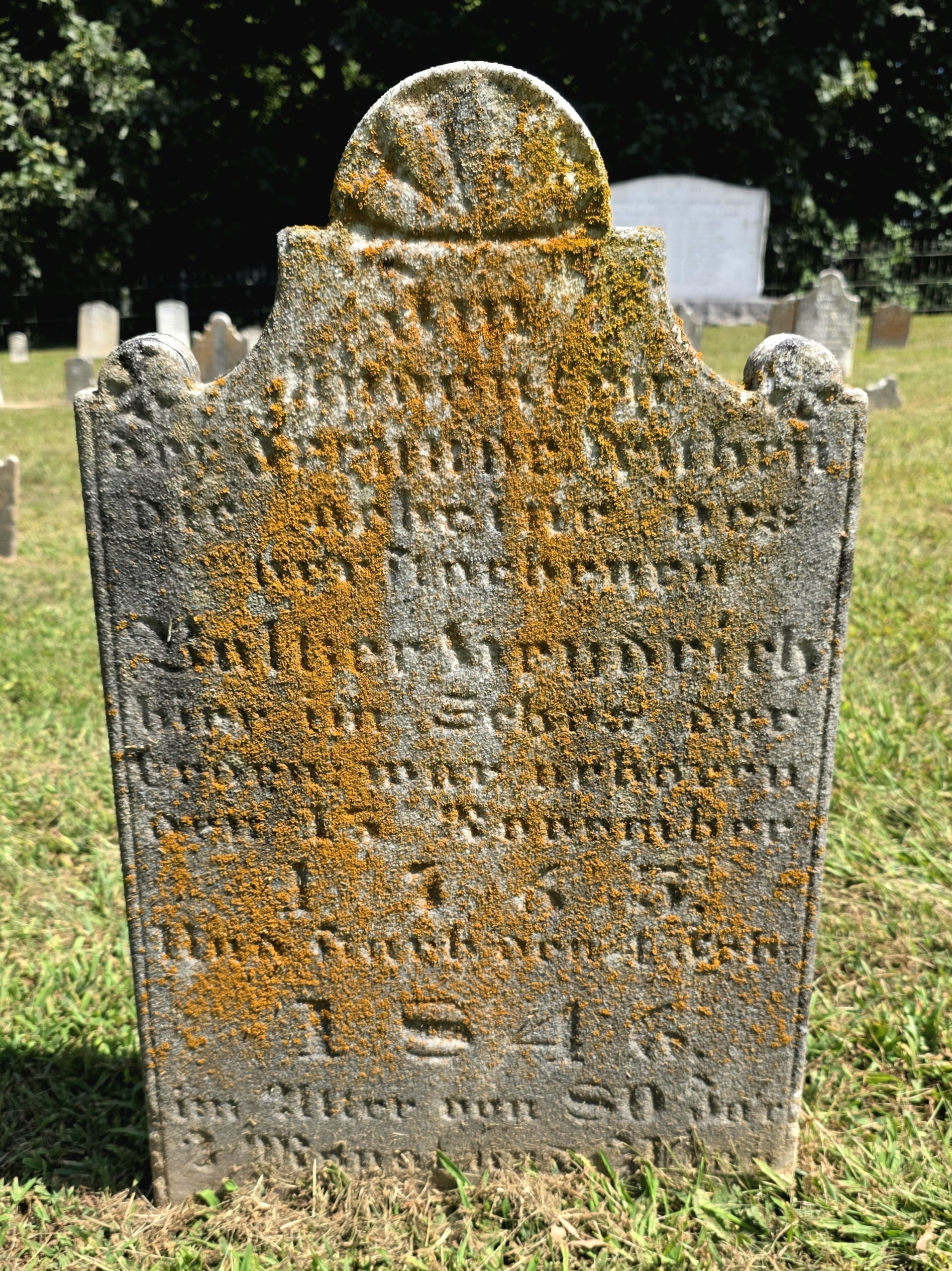
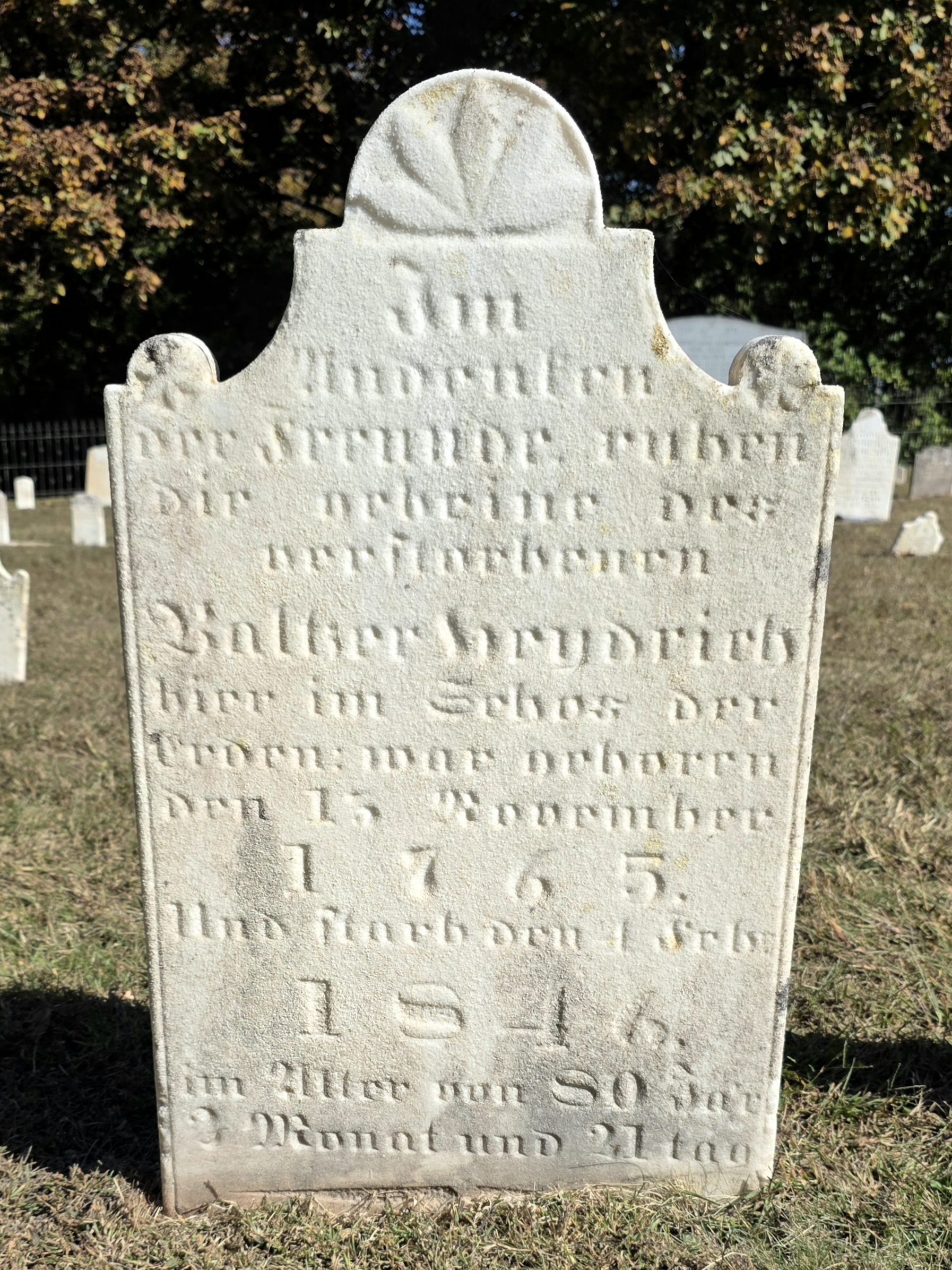
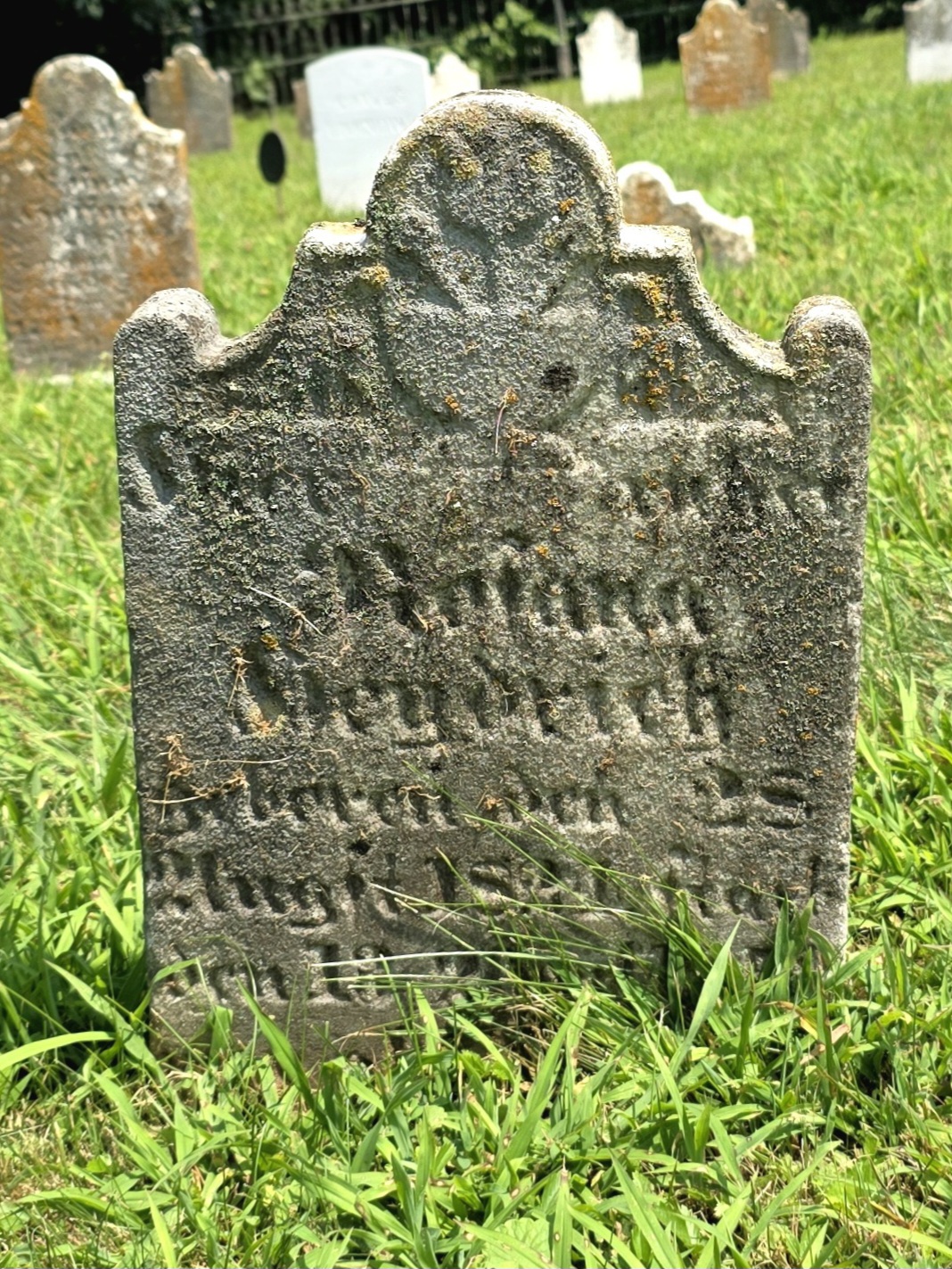

Baltzer Heydrick (1765-1846)
Rosanna Heydrick (1824-1853)
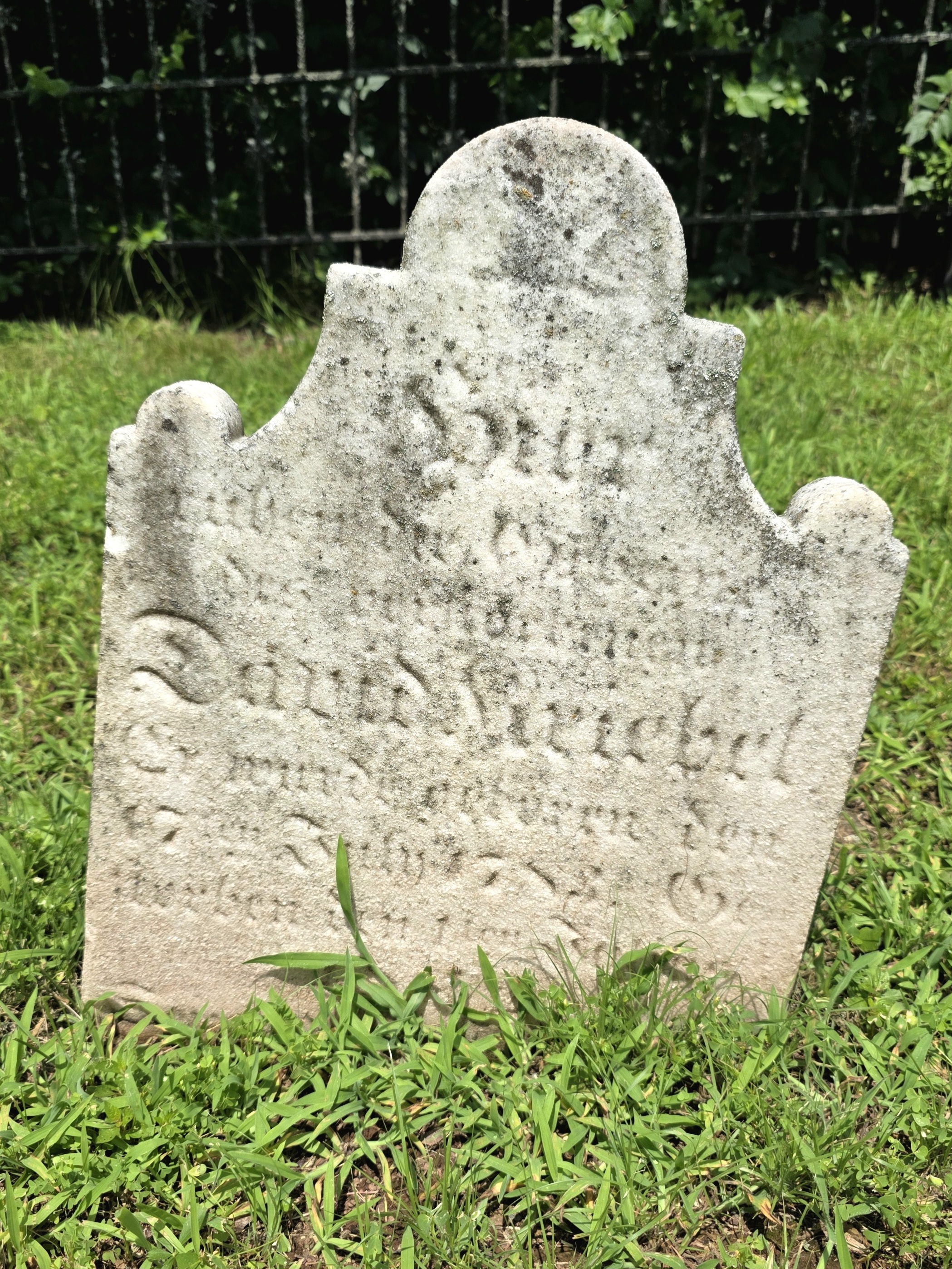
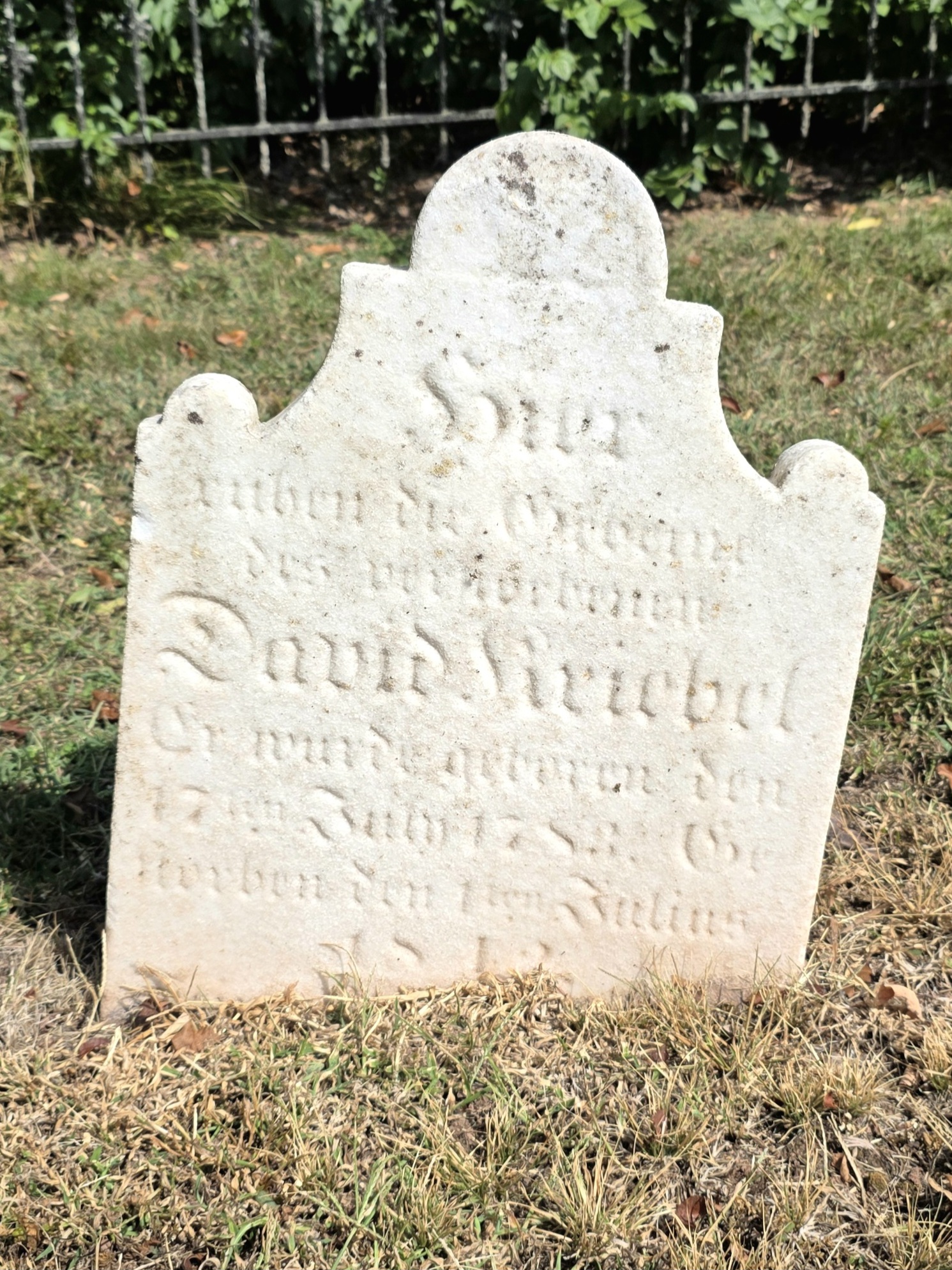
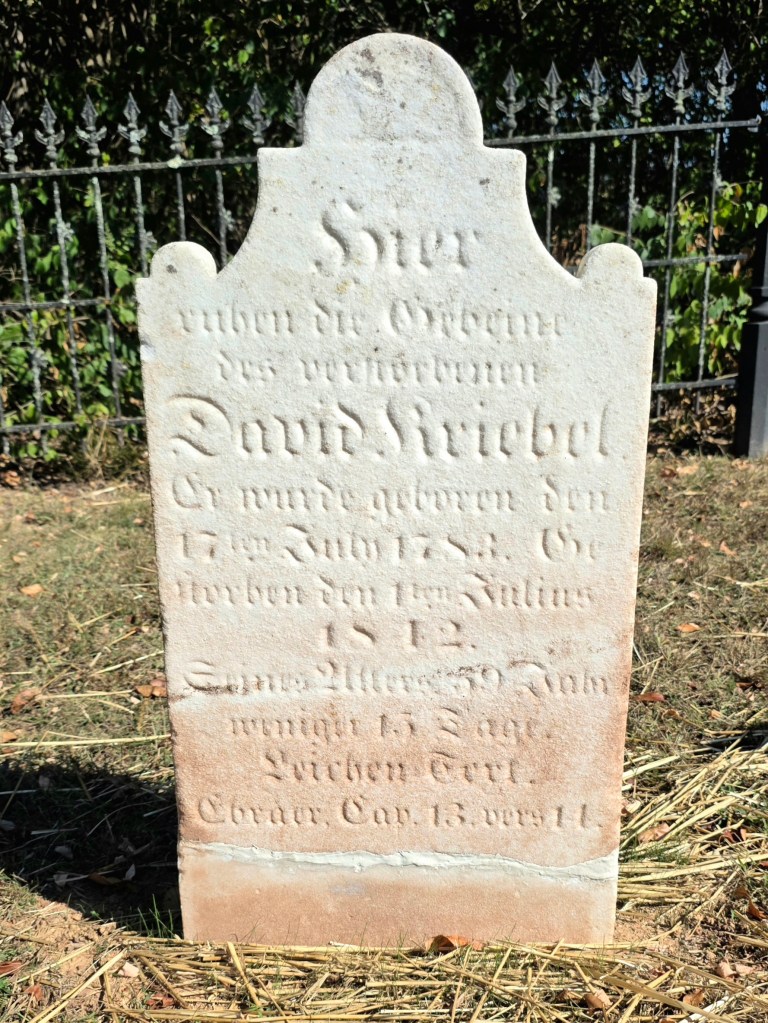
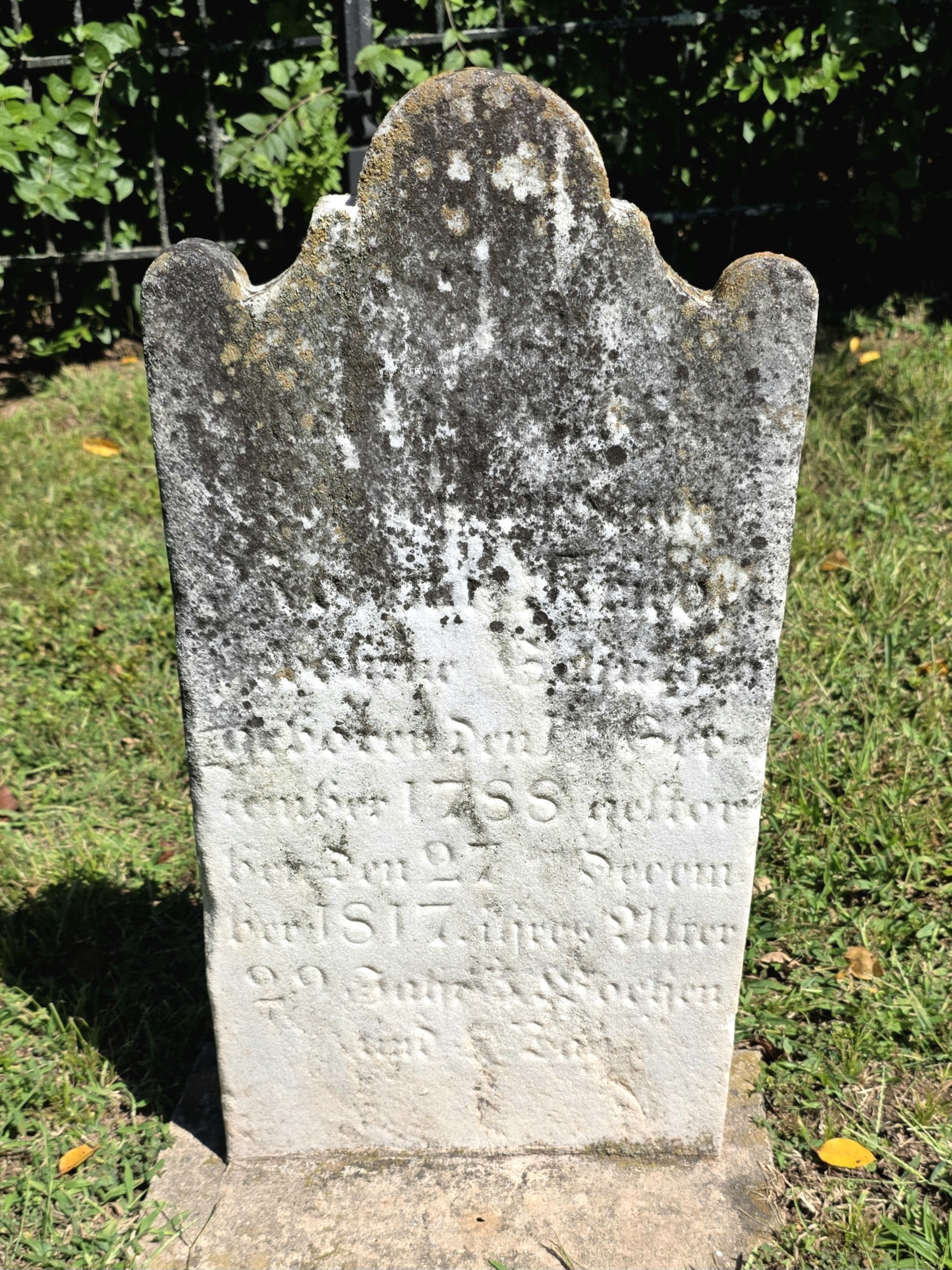
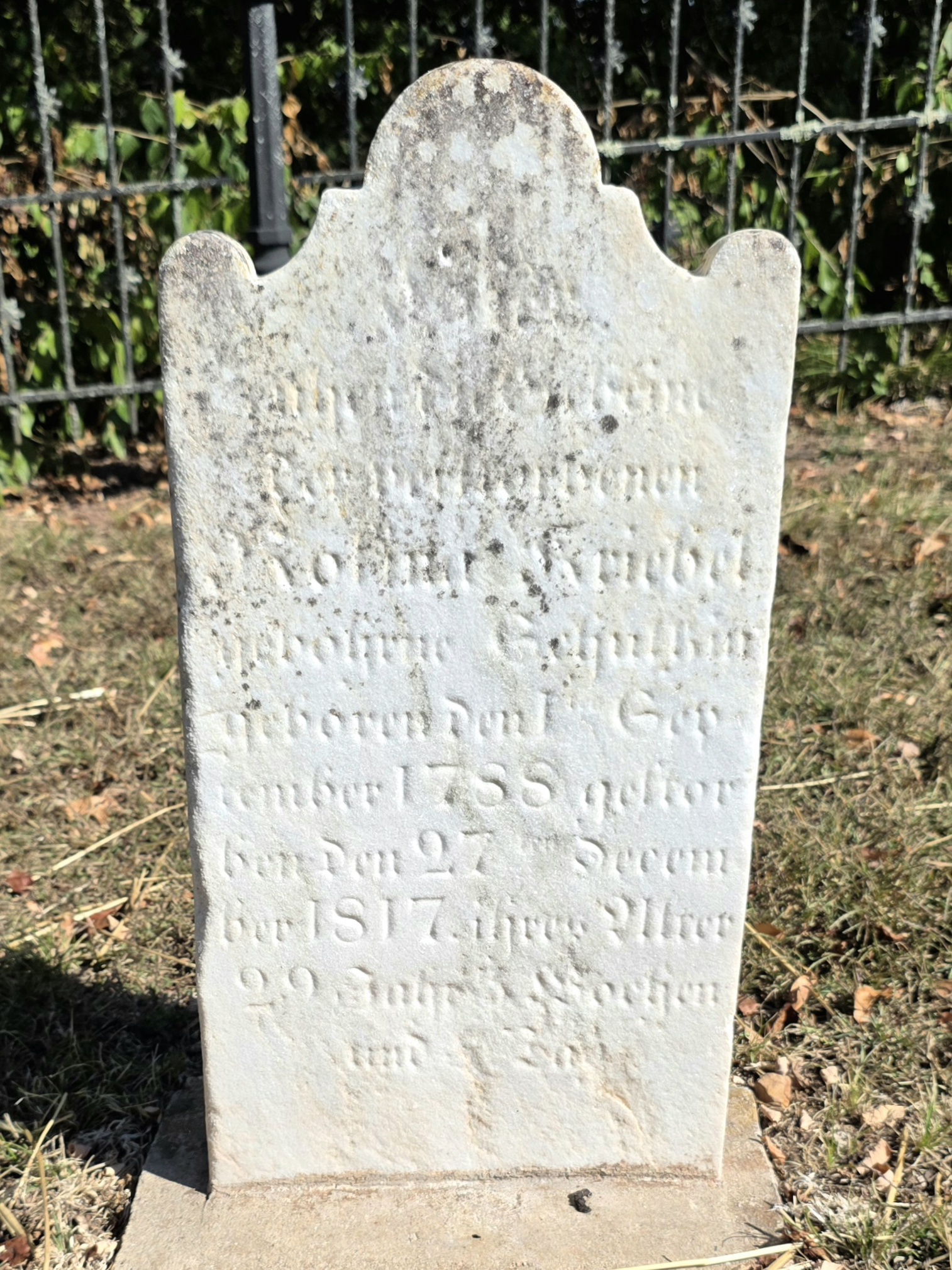
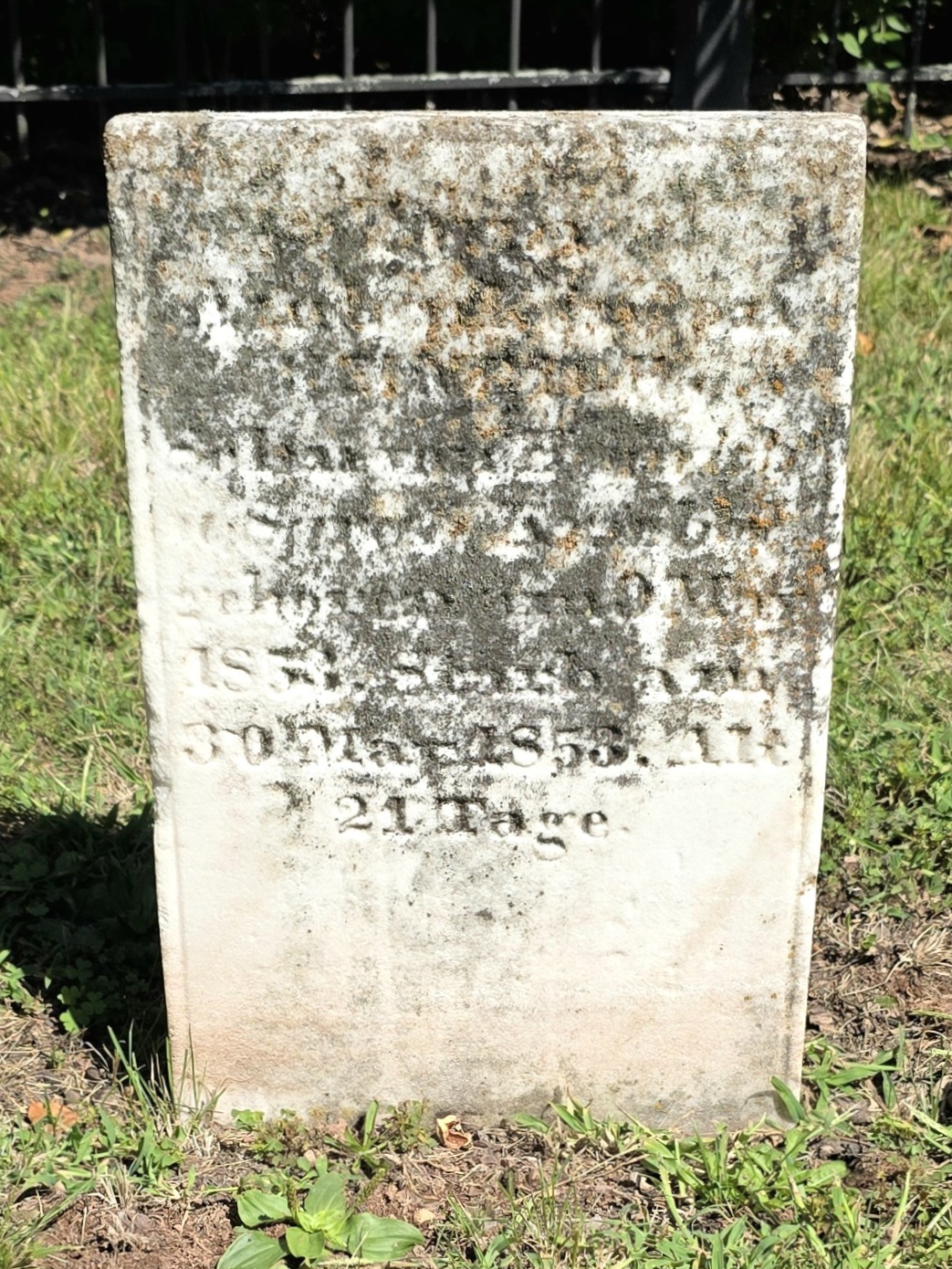
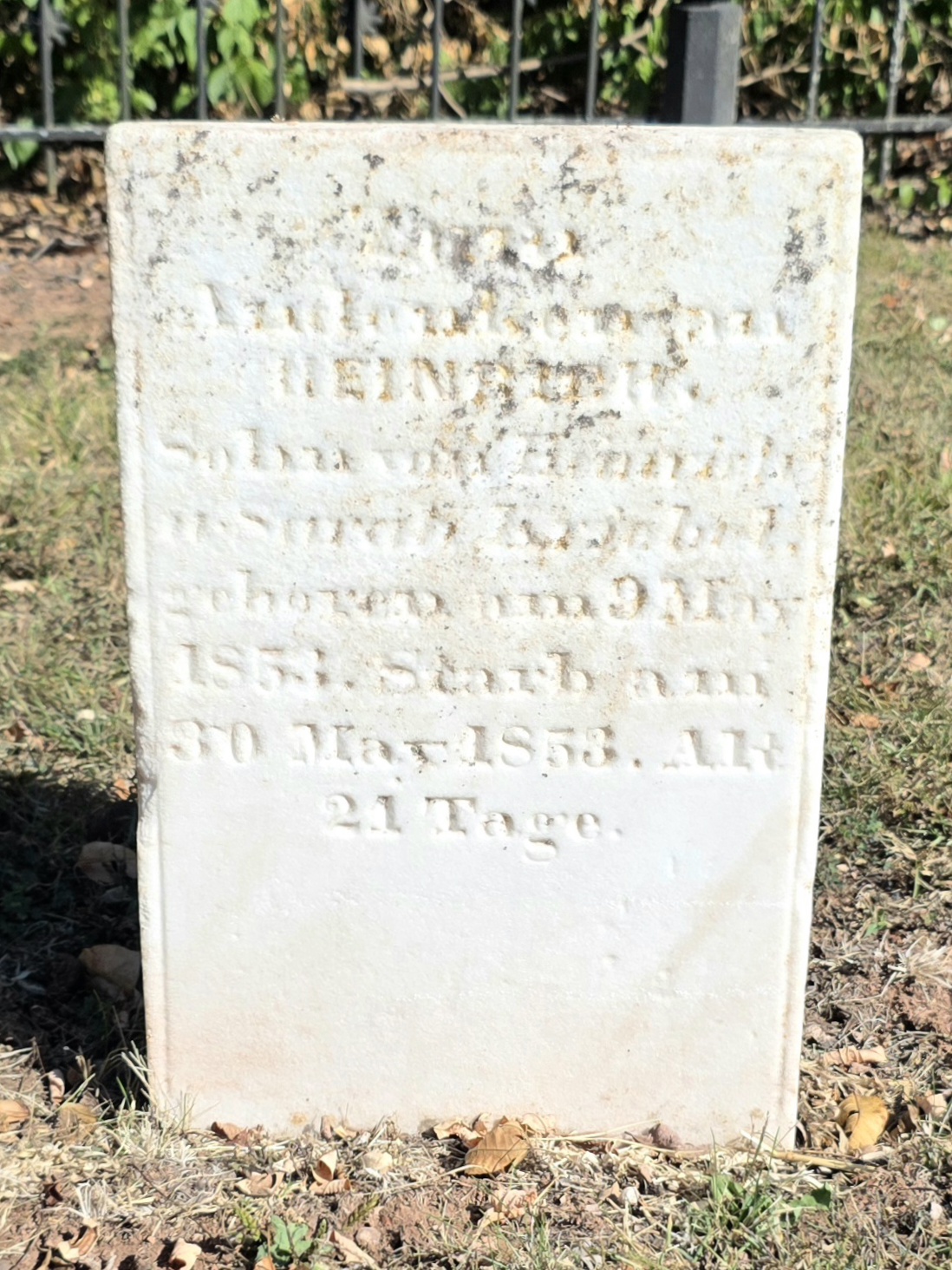
David Kriebel (1783-1842)
Rosina (Schultz) Kriebel (1788-1817)
Henry Kriebel (1853-1853)
David Kriebel rests in the back row of Salford Schwenkfelder Cemetery, buried alongside his first wife, Rosina (Schultz) Kriebel. His stone was one of two repaired during our preservation work, as the top had originally been leaning against the bottom.
David was the son of Andreas (also noted as Andrew) Kriebel—recognized as a DAR Revolutionary War Patriot—and Susanna (Yeakel) Kriebel, and the grandson of George Heydrick Kriebel and Susanna Kriebel (E90), all of whom are buried at Salford. Rosina was the daughter of David Schultz, a Private First Class from Berks County who served in the Revolutionary War under Captain John Miller, and Anna (Kriebel) Schultz. Her maternal grandparents, Maria Dresher Kriebel and Rev. Christopher Heydrick Kriebel, also rest at Salford.
David had at least two children with Rosina before her untimely death, and at least seven more with his second wife, Elizabeth (Alderfer) Kriebel. His infant grandson, Henrich “Henry” Kriebel, who lived only 21 days, rests nearby—a poignant reminder of the fragility and continuity of family life in the Schwenkfelder community.
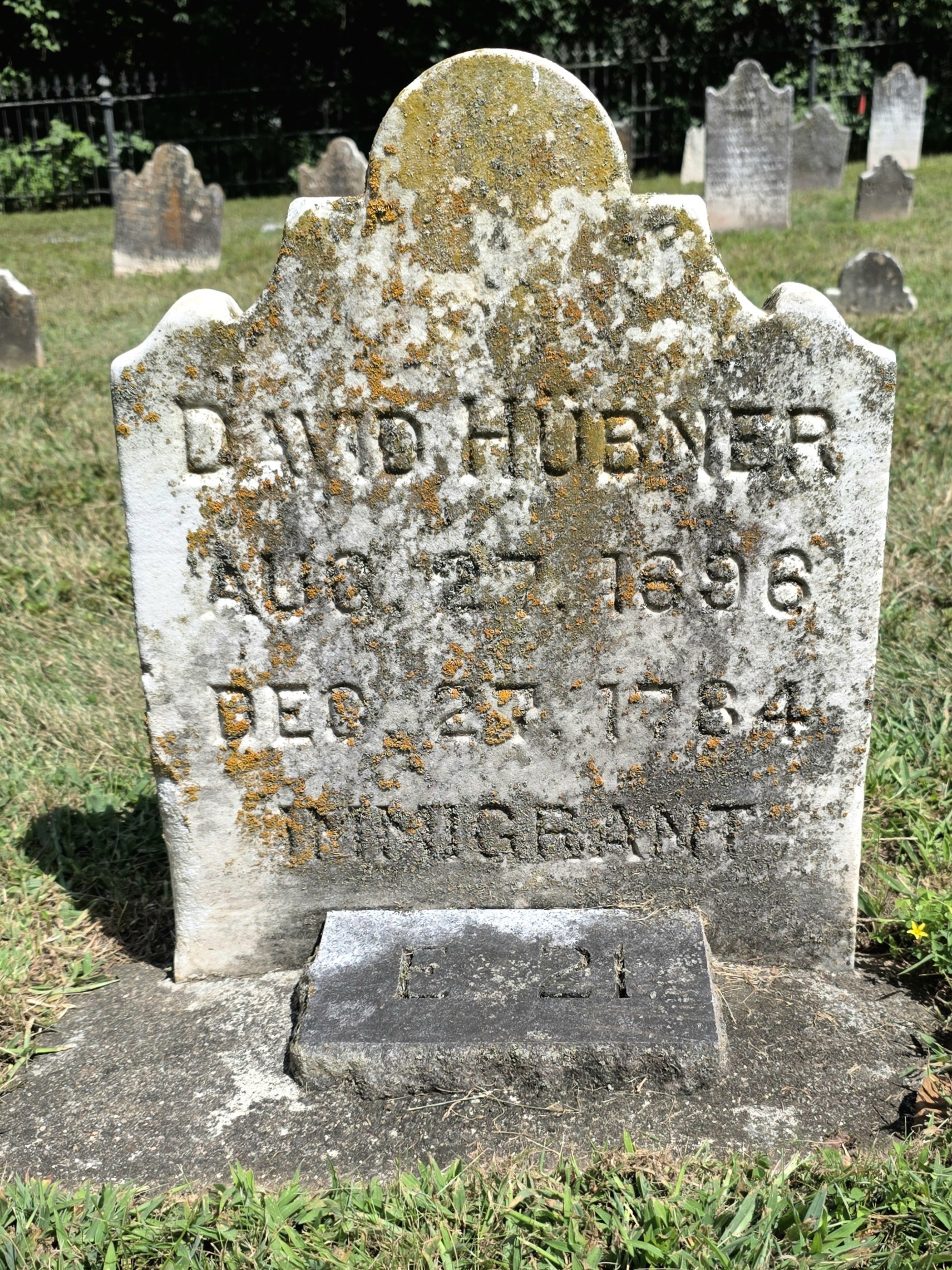
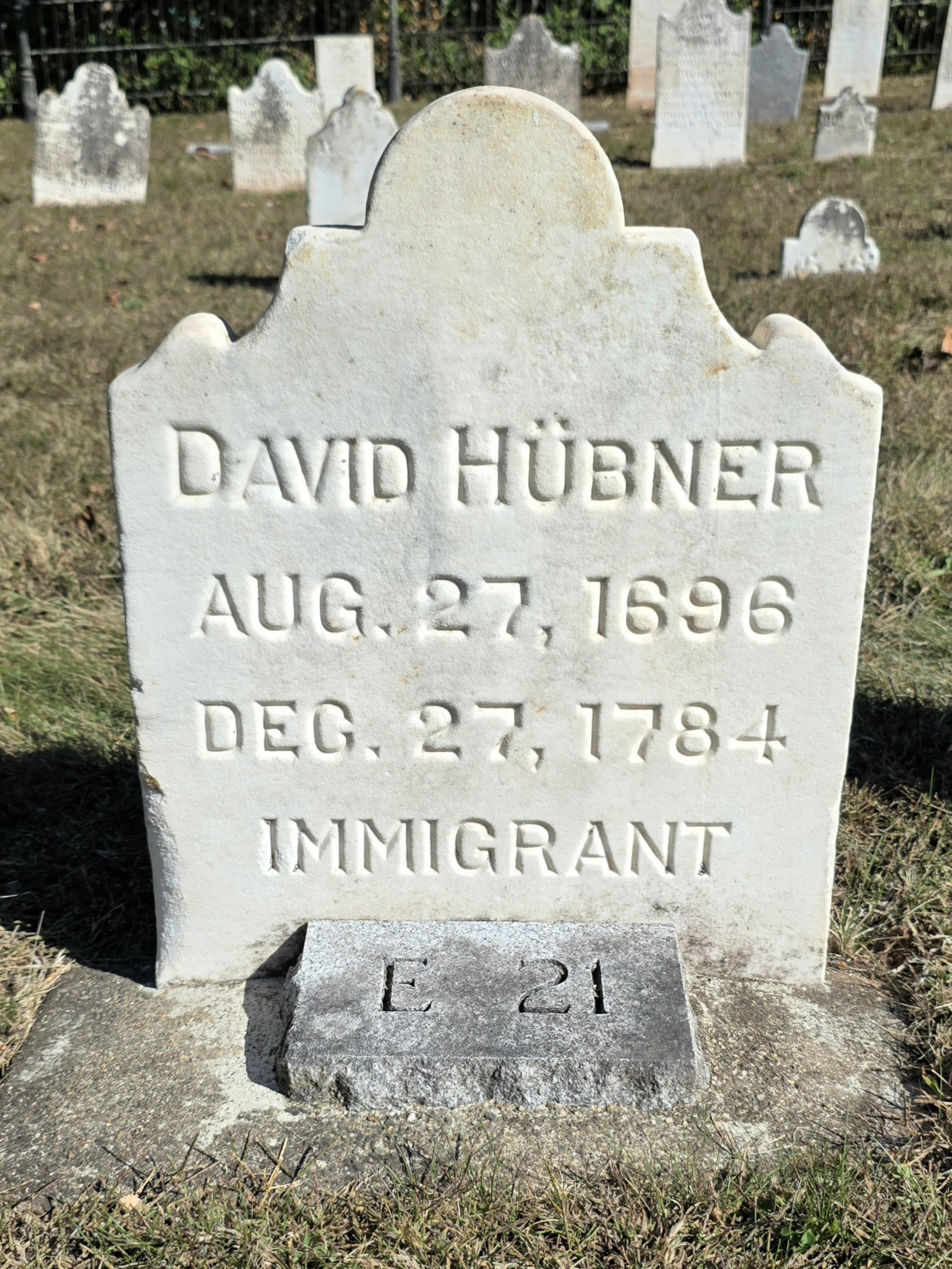
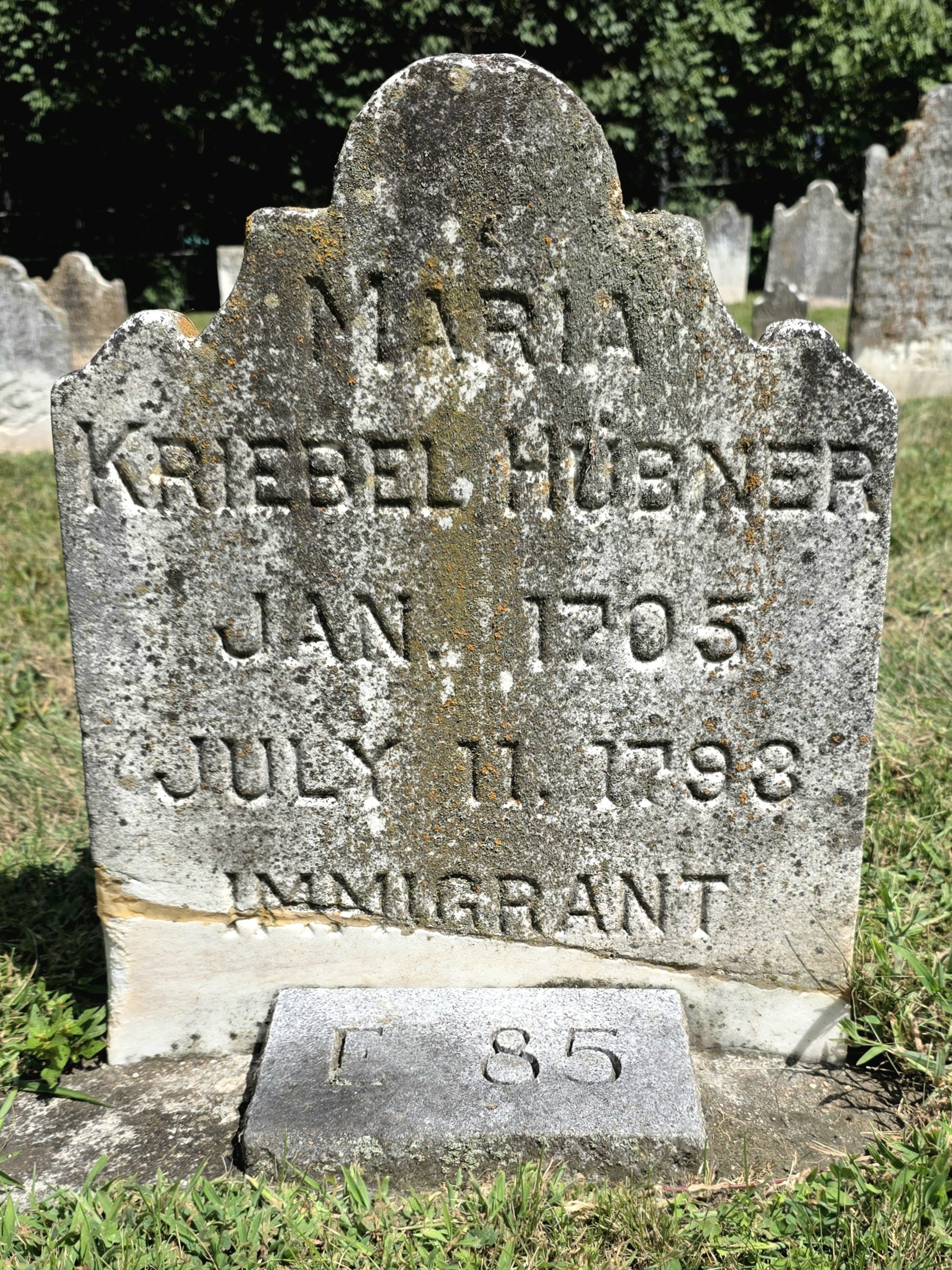
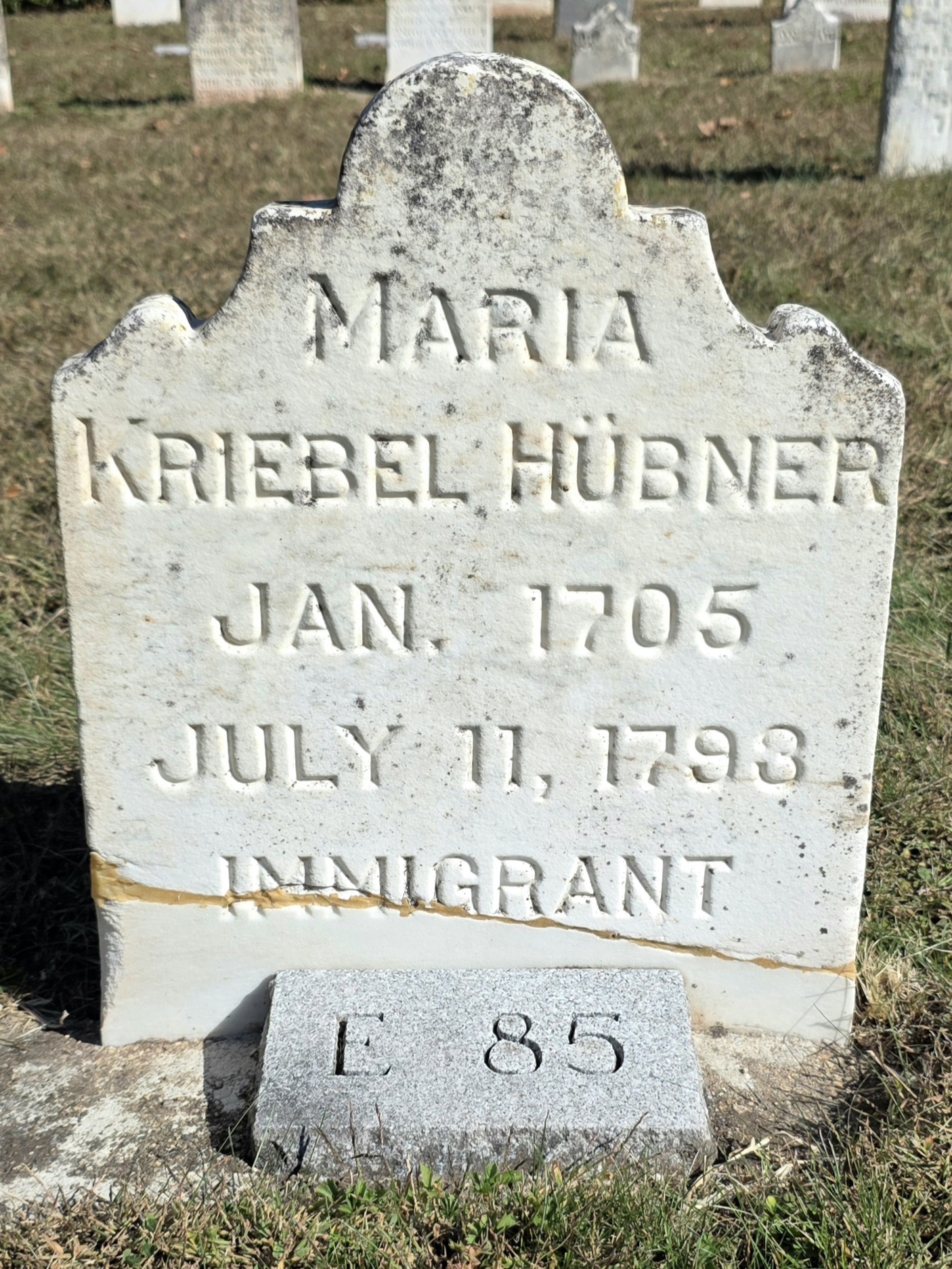
E21, David Hubner (1696-1784)
E85, Maria (Kriebel) Hubner (1705-1793)
Husband and wife David Hubner and Maria Kriebel, daughter of Balthasar Kriebel, were part of the first wave of Schwenkfelders to arrive in Pennsylvania. Like many later interred at Salford Schwenkfelder Cemetery, they traveled aboard the St. Andrew with their son Christopher, David’s brother Hans, and half-sister Maria (Wiegner) Hubner. Tragically, their youngest son, Balthasar, died during the voyage and was reportedly buried at sea. Upon arrival in Philadelphia, David was listed as sick, and Maria was expecting their daughter Susanna, who was born the following month. The family eventually settled in Worcester Township.
Descendants of David and Maria include Gerald Heebner, outgoing editor of The Schwenkfeldian, reflecting the enduring heritage of a family central to the Schwenkfelder community.
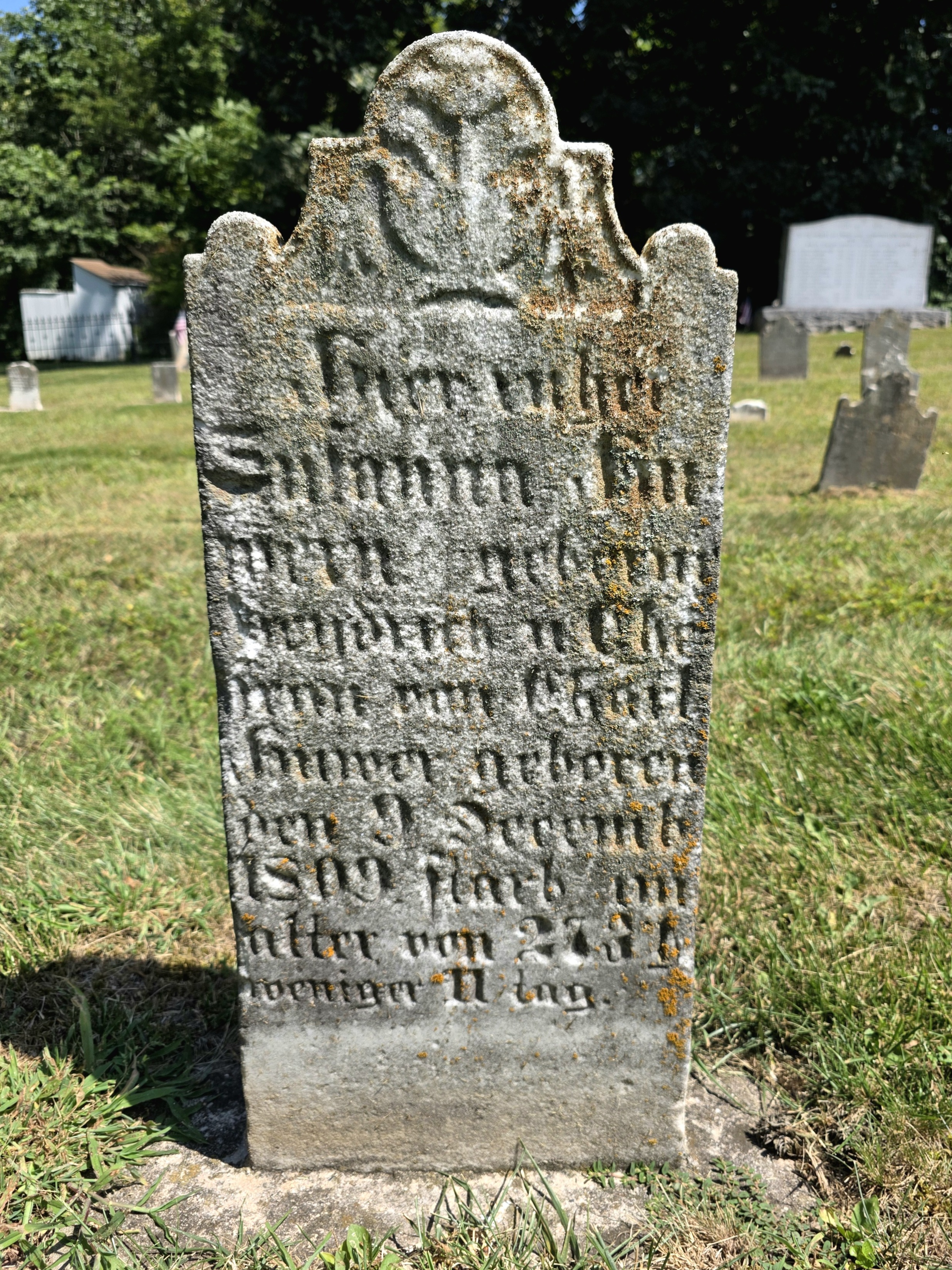
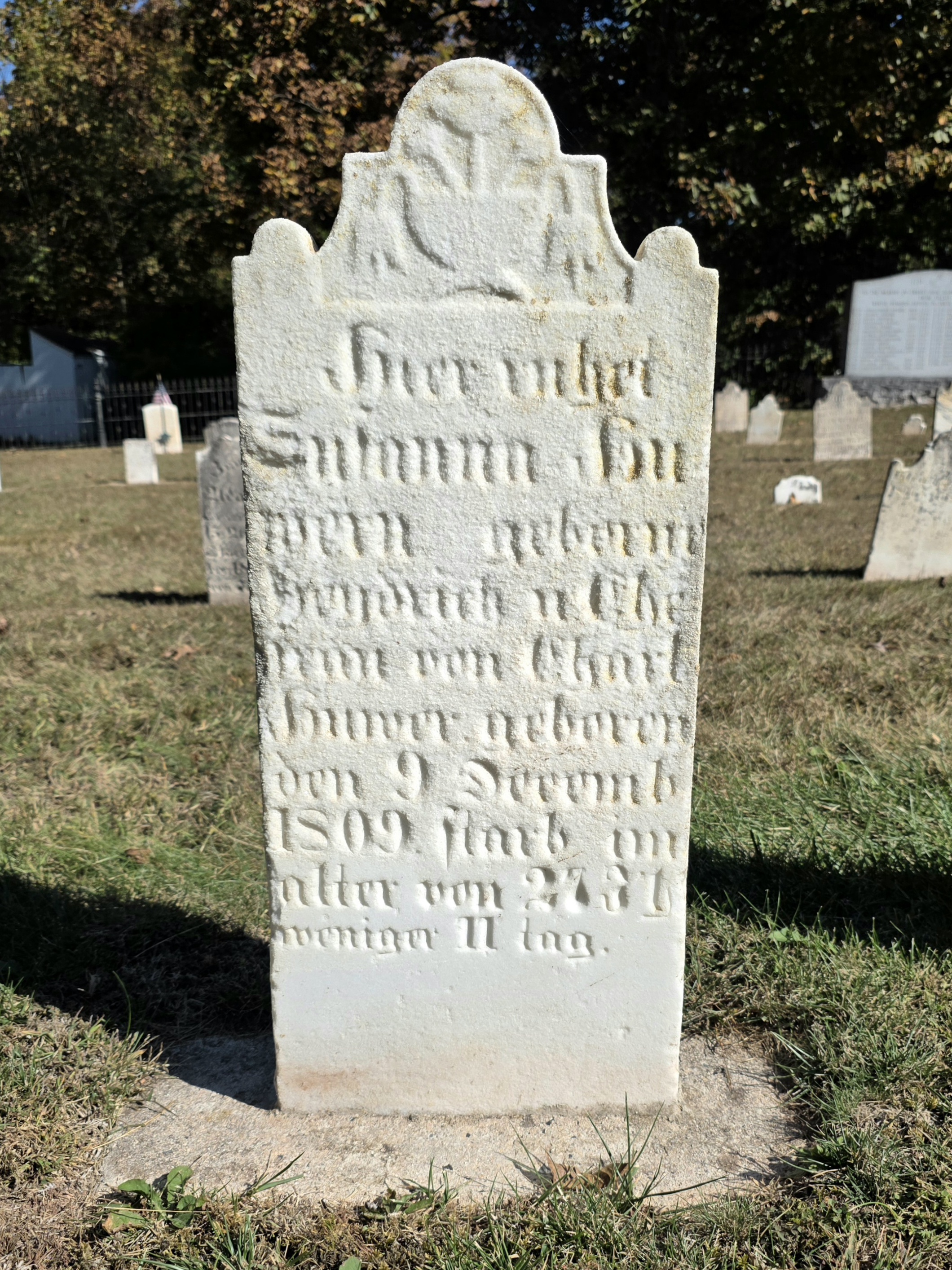
Susanna Huber (1809-unknown)
Susanna Huber is buried in the second row of Salford Schwenkfelder Cemetery, her gravestone situated between those of Abraham Heydrick and Susanna Heydrick. Though few records survive detailing her life, her burial location offers meaningful context: Salford was not a general community cemetery, and interment there typically reflected family ties, marital connections, or close association with the Schwenkfelder congregation. Her placement among long-established family lines strongly suggests that she was part of this tightly knit network.
Several rows back lie the graves of David and Maria Hubner, members of an earlier wave of Schwenkfelder immigrants. Given the common interchange of the surnames Huber, Hubner, and Heebner in Pennsylvania German records, it is reasonable to consider Susanna a likely descendant—or at least a close relative—of this couple, possibly a grandchild or great-grandchild.
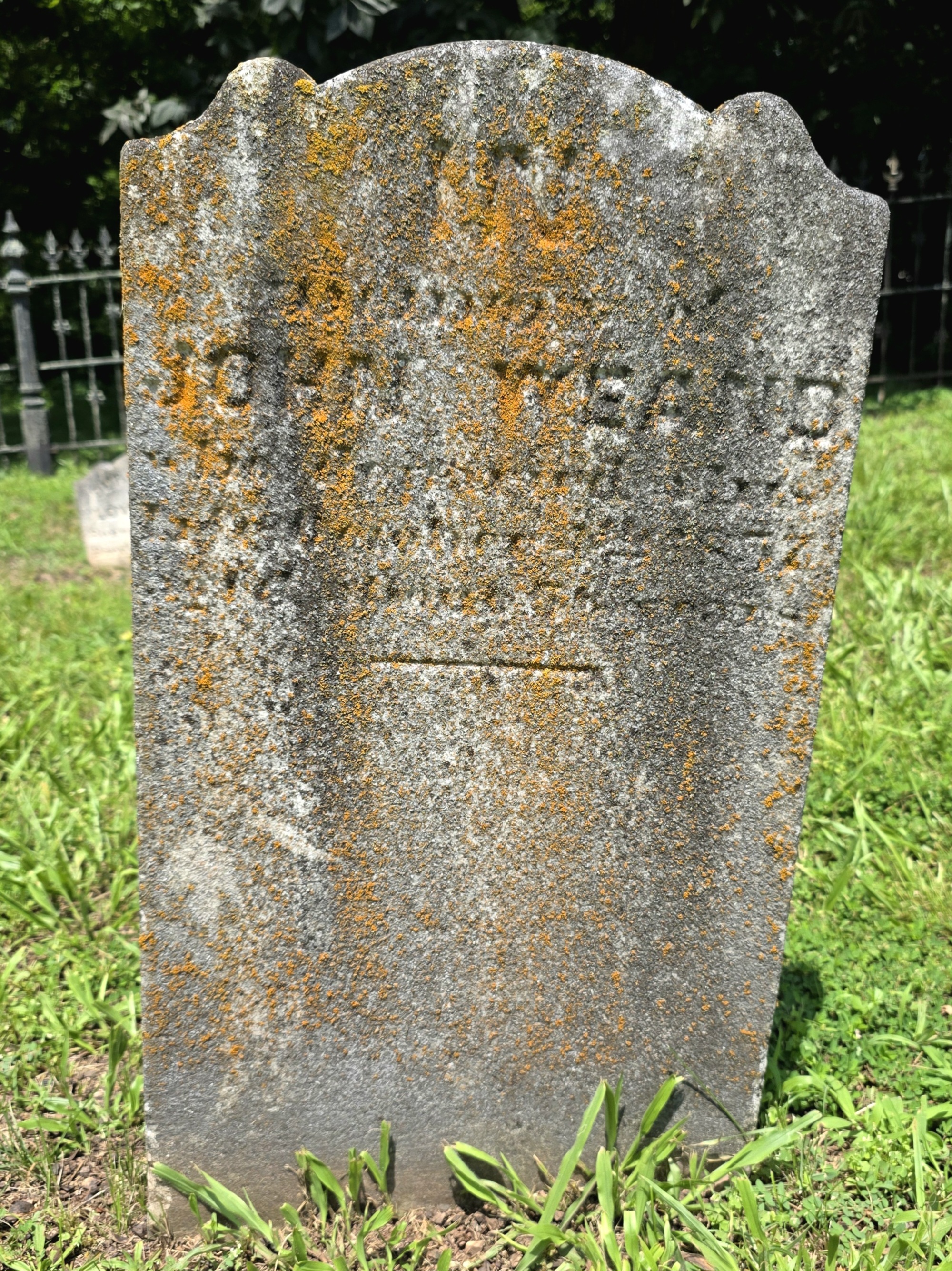
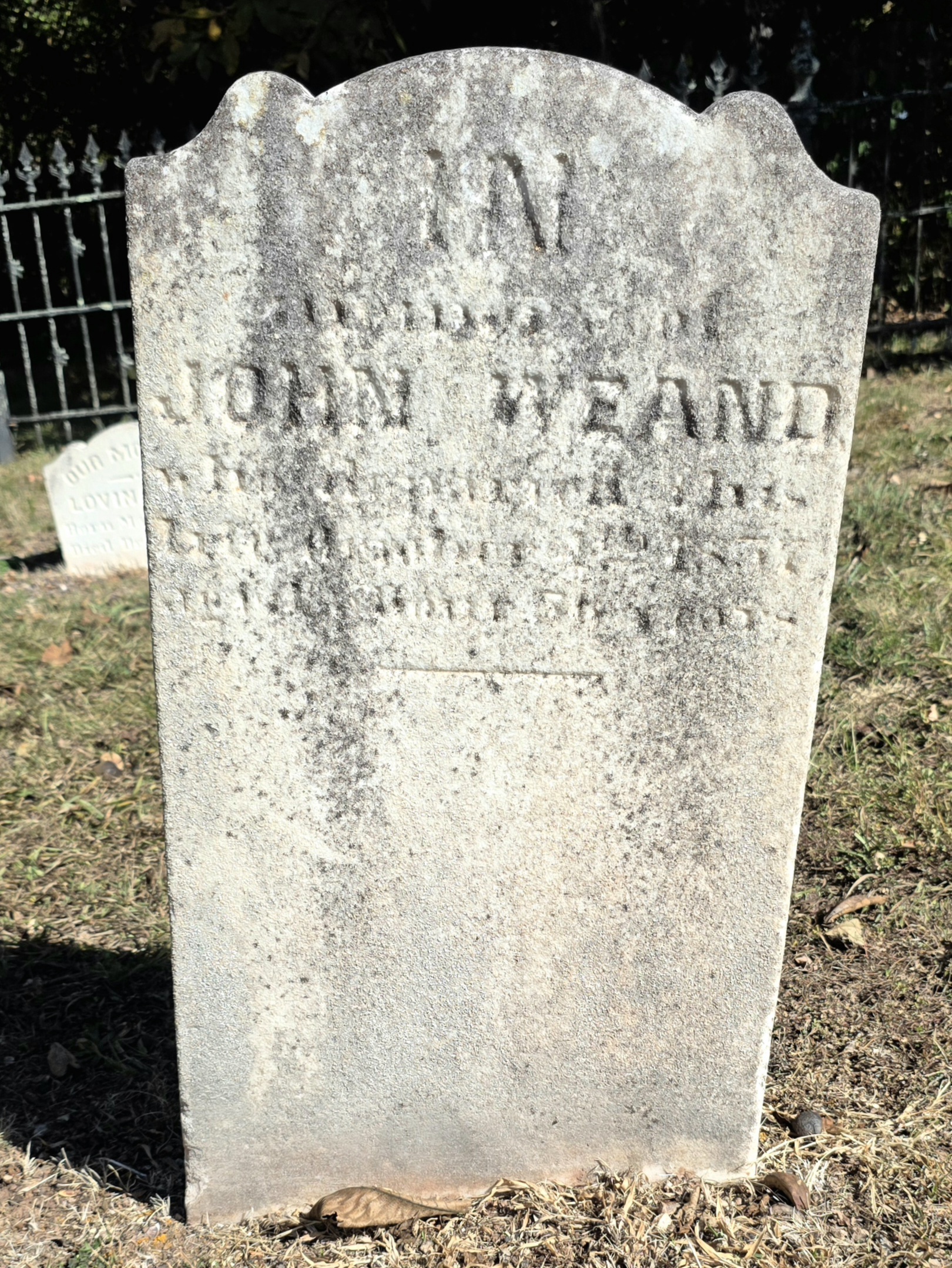
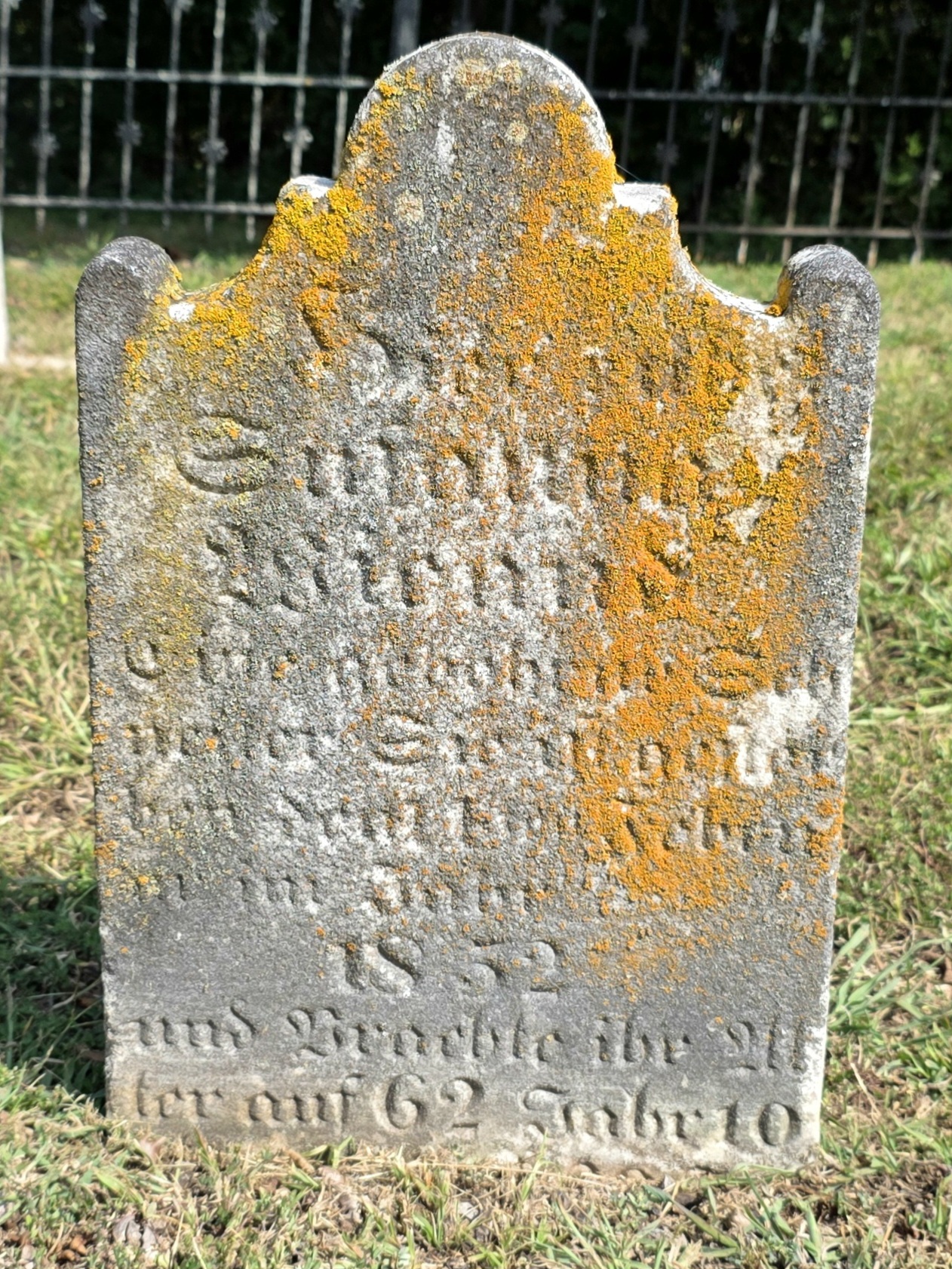
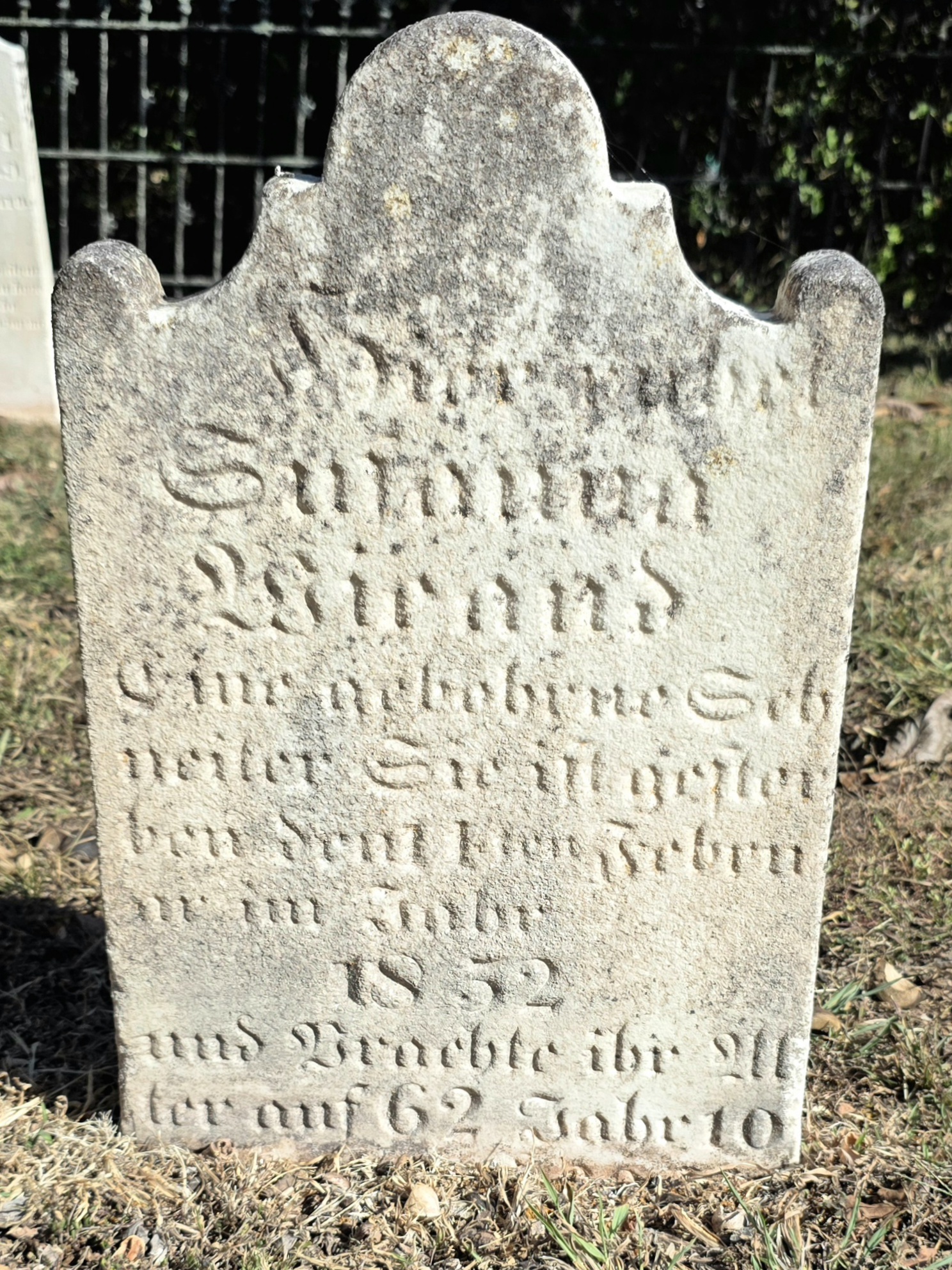
John Weand (unknown-1857)
Susanna Wieand (unknown-1852)
John Weand and his wife Susanna were part of a cluster of Weand families in Montgomery County during the late eighteenth and early nineteenth centuries. Records suggest that a John Weand, born around 1804, was the son of F. Wendel Wieand and Catharine Dotterer, growing up with several siblings who carried the Weand name throughout the region. While we do not yet have documentation directly tying this John to the gravestone at Salford Schwenkfelder Cemetery, it seems likely he belonged to this branch of the family. Sources indicate that John and Susanna made their home in Hatfield Township, farming the land and living a life rooted in community and faith. At Salford, John’s stone is inscribed “Weand,” while Susanna’s is inscribed “Wieand,” reflecting the spelling variations common at the time.
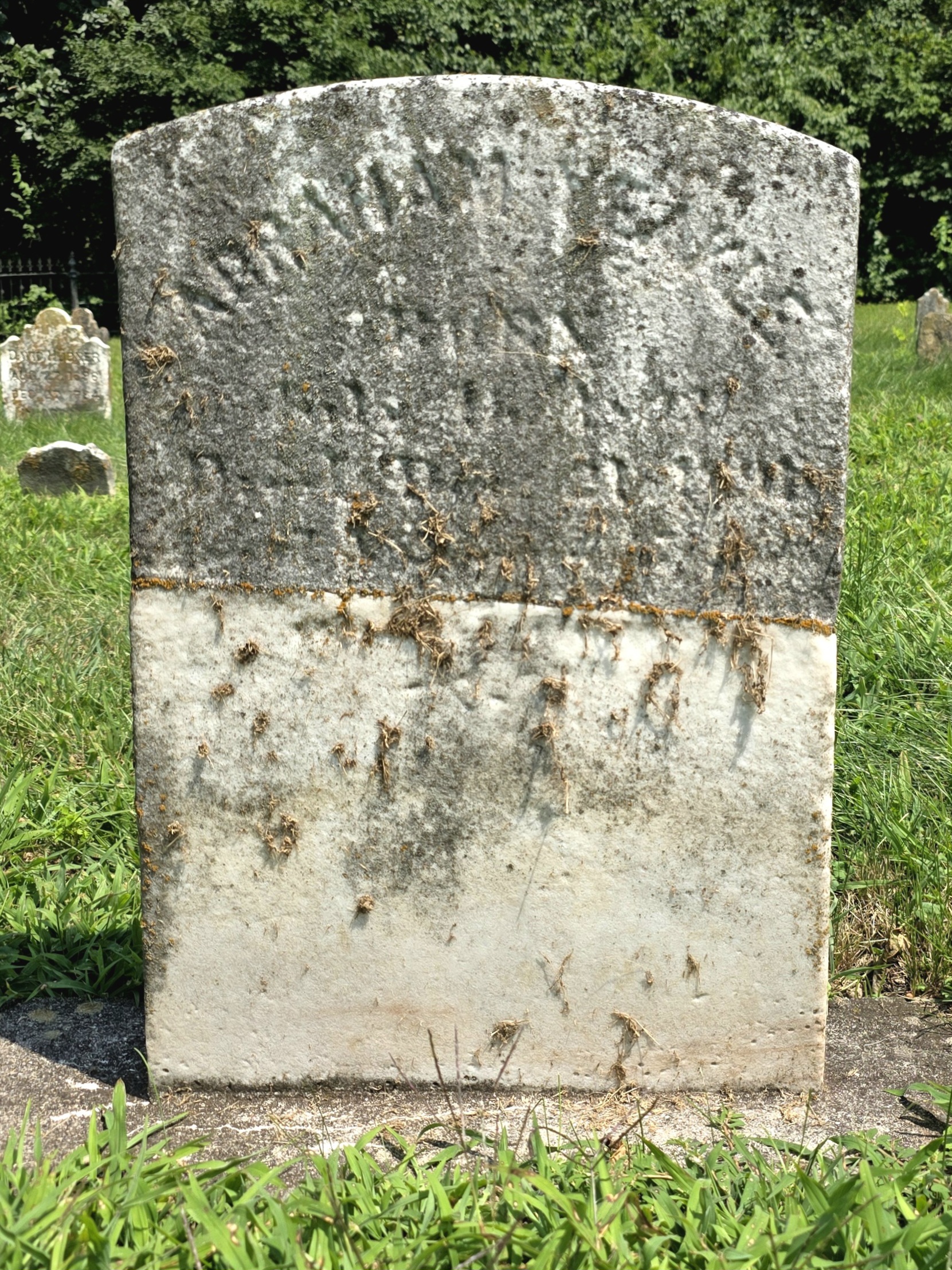
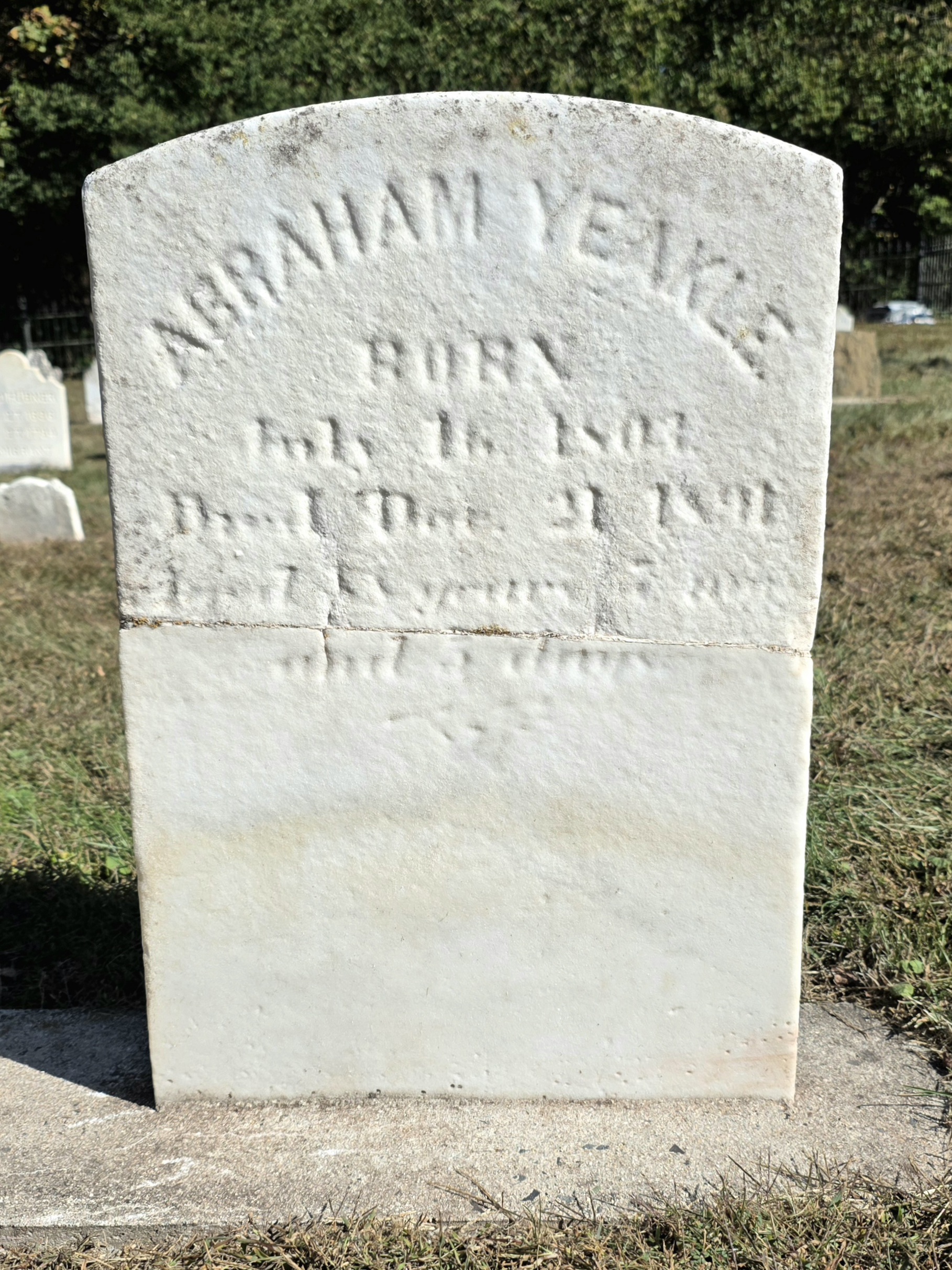
Abraham Heydrick Yeakel (1803-1891)
Abraham Heydrick Yeakel was born to Abraham Heebner Yeakel and Sarah (Heydrick) Yeakel. He faced the loss of his father at just nine years old, and later the deaths of his mother and sister, Abigail (Heydrick) Yeakel. His other sister, Susanna (Heydrick) Yeakel, survived well into the late 19th century. Abraham is not known to have had children.
His extended family was closely connected within the German‑Pennsylvania and Schwenkfelder communities. His mother, Sarah, was the daughter of Abraham Heydrick and Susanna (Yeakle) Heydrick, and sister to Christopher Heydrick, Susanna (Heydrick) Cress, Regina (Heydrick) Dowers, Abraham Heydrick, and Maria (Heydrick) Peters, reflecting the tightly interwoven relationships of these early families.
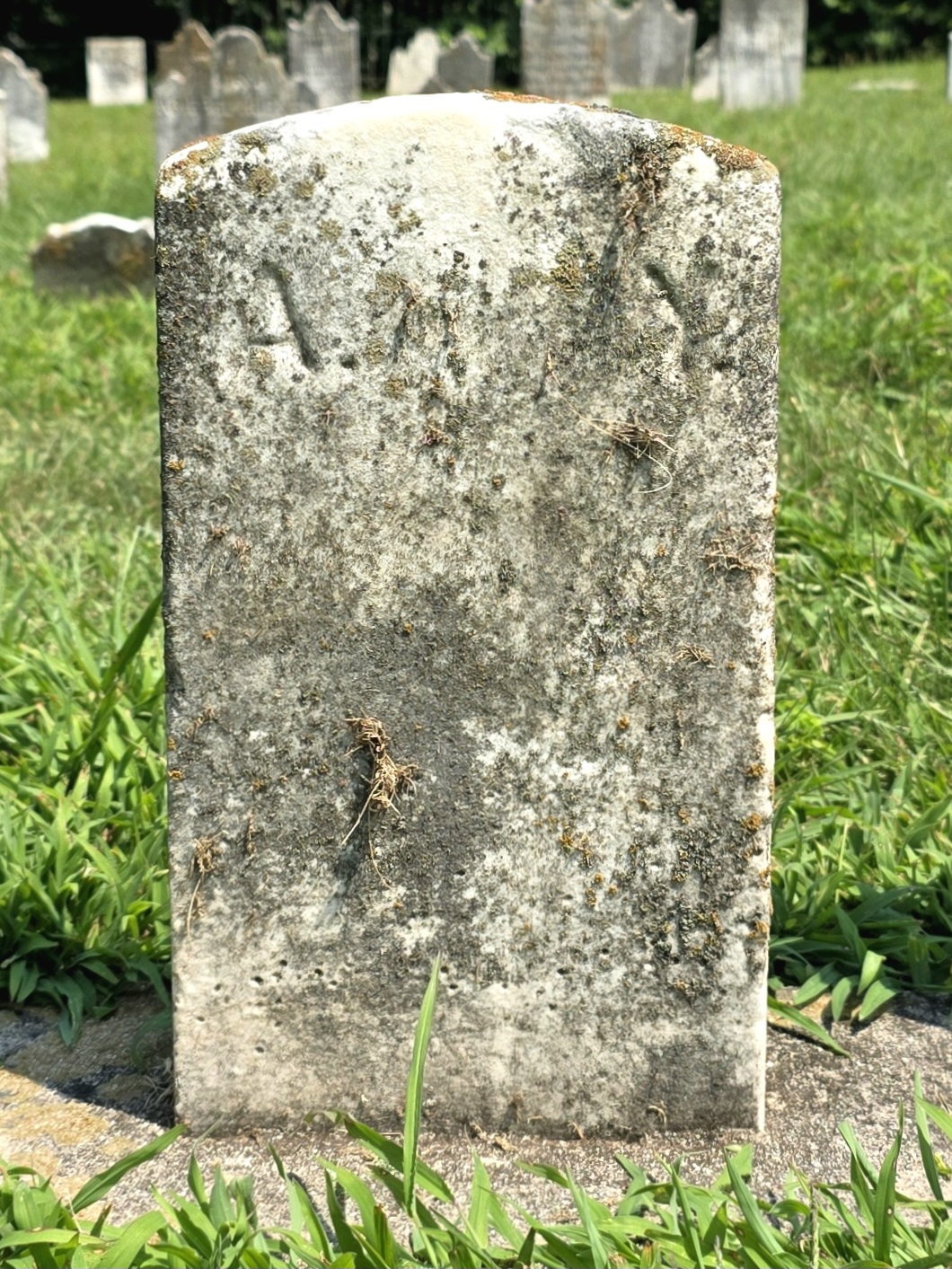
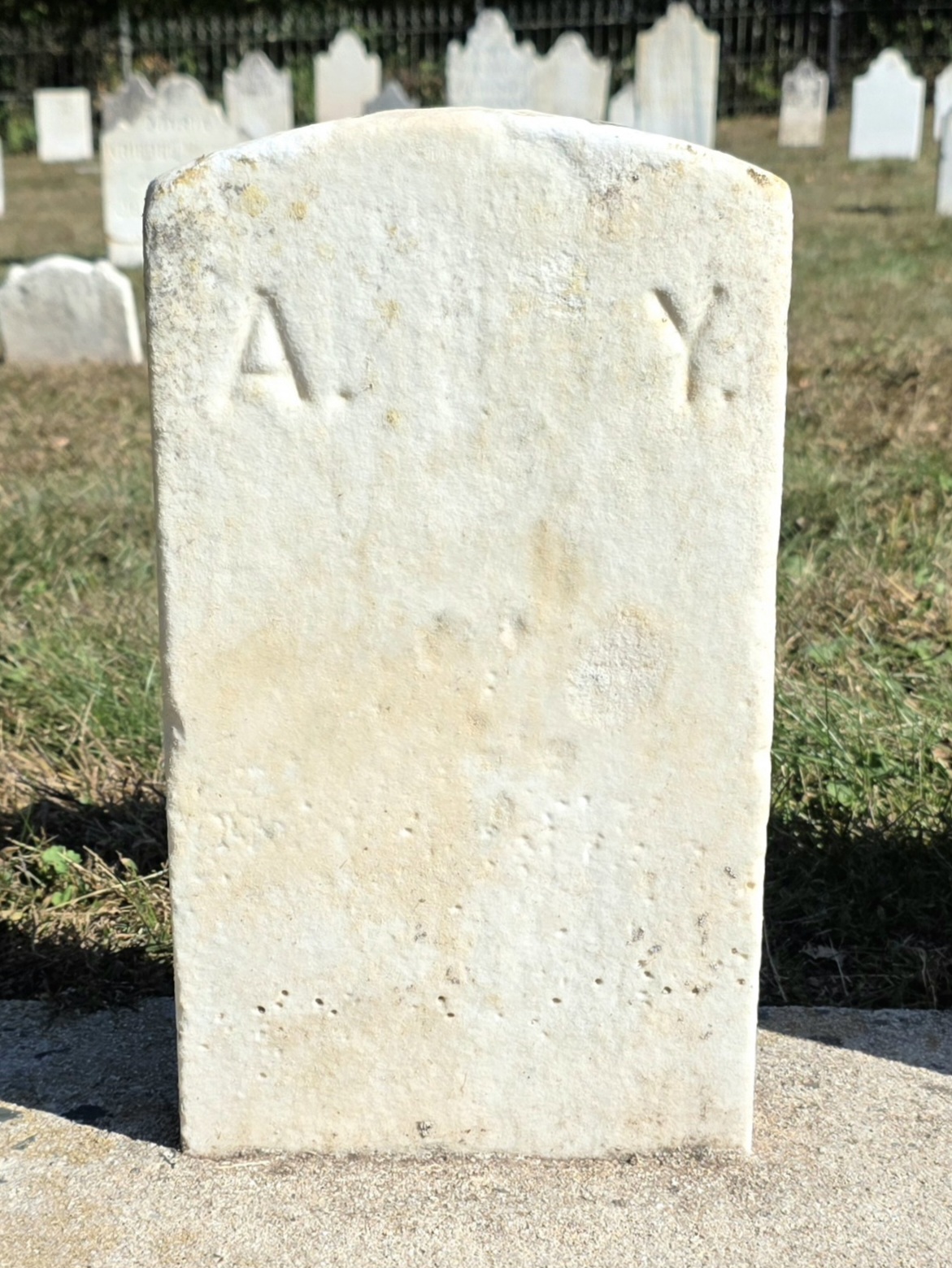
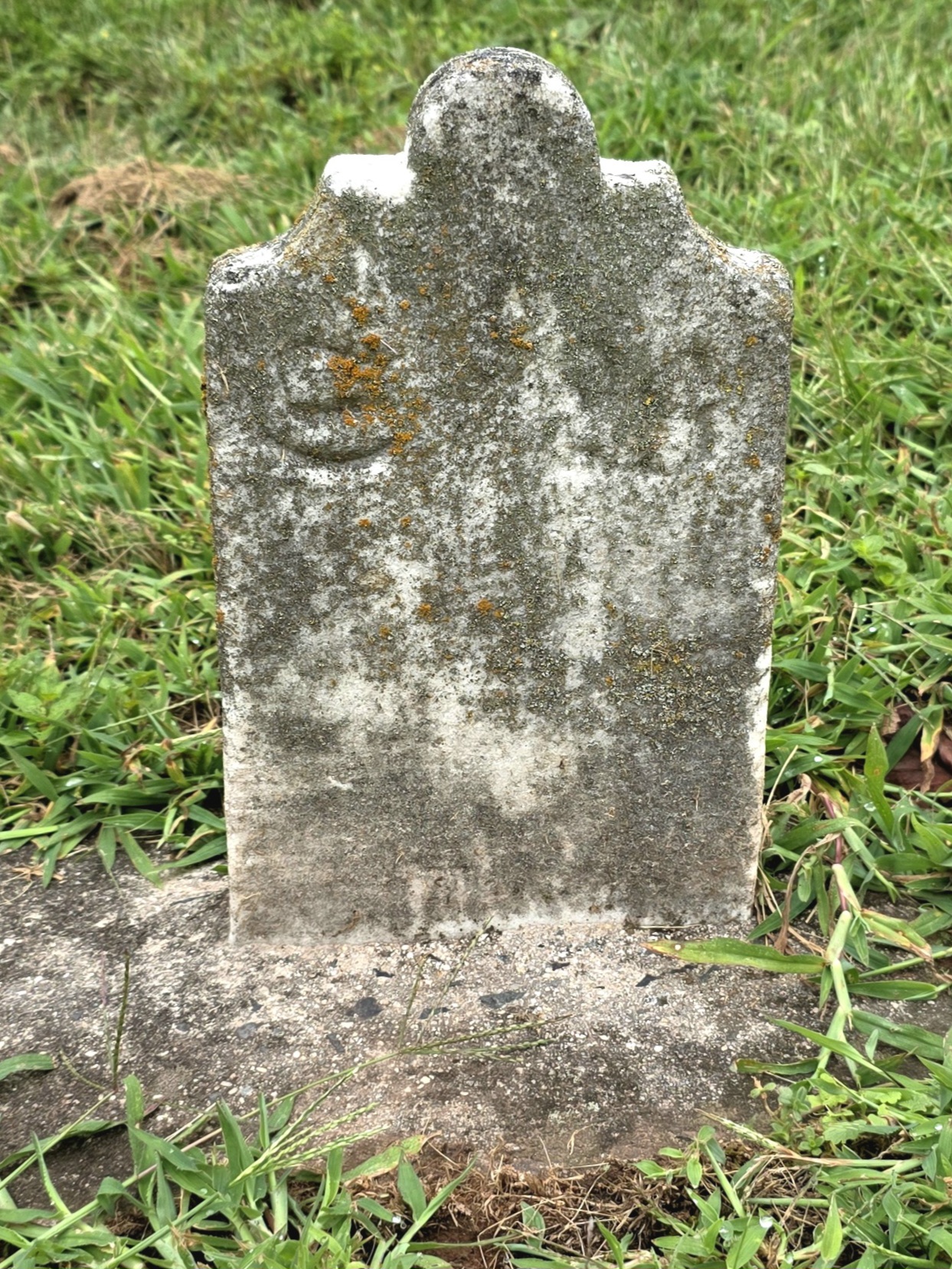
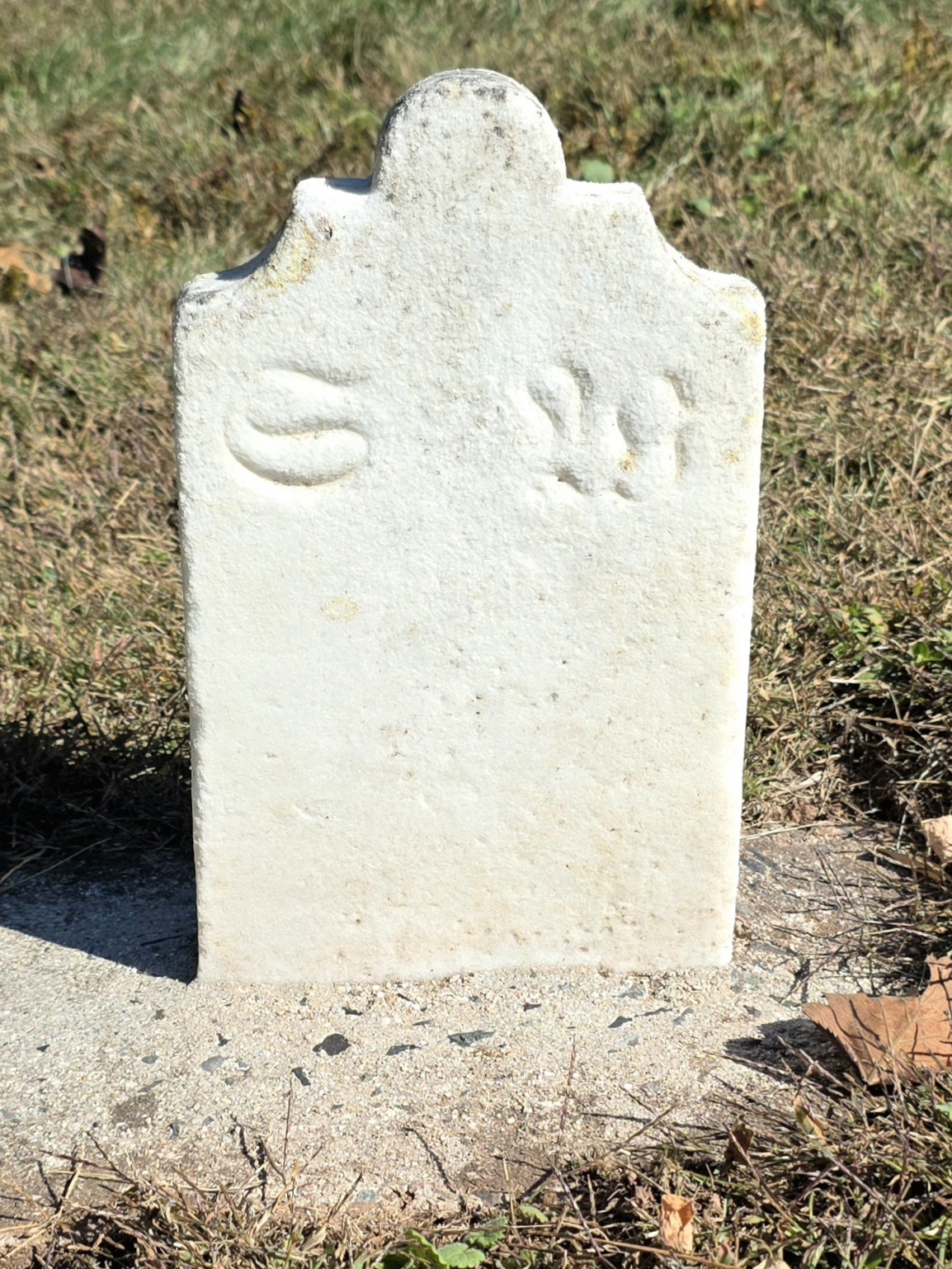
Abraham’s marker is accompanied by a smaller stone engraved simply with the initials “A.Y.” Both stones share a modern concrete base, erected to stabilize and preserve them. The identity of the individual commemorated by the smaller stone is unknown; without additional records, any identification would be purely speculative.
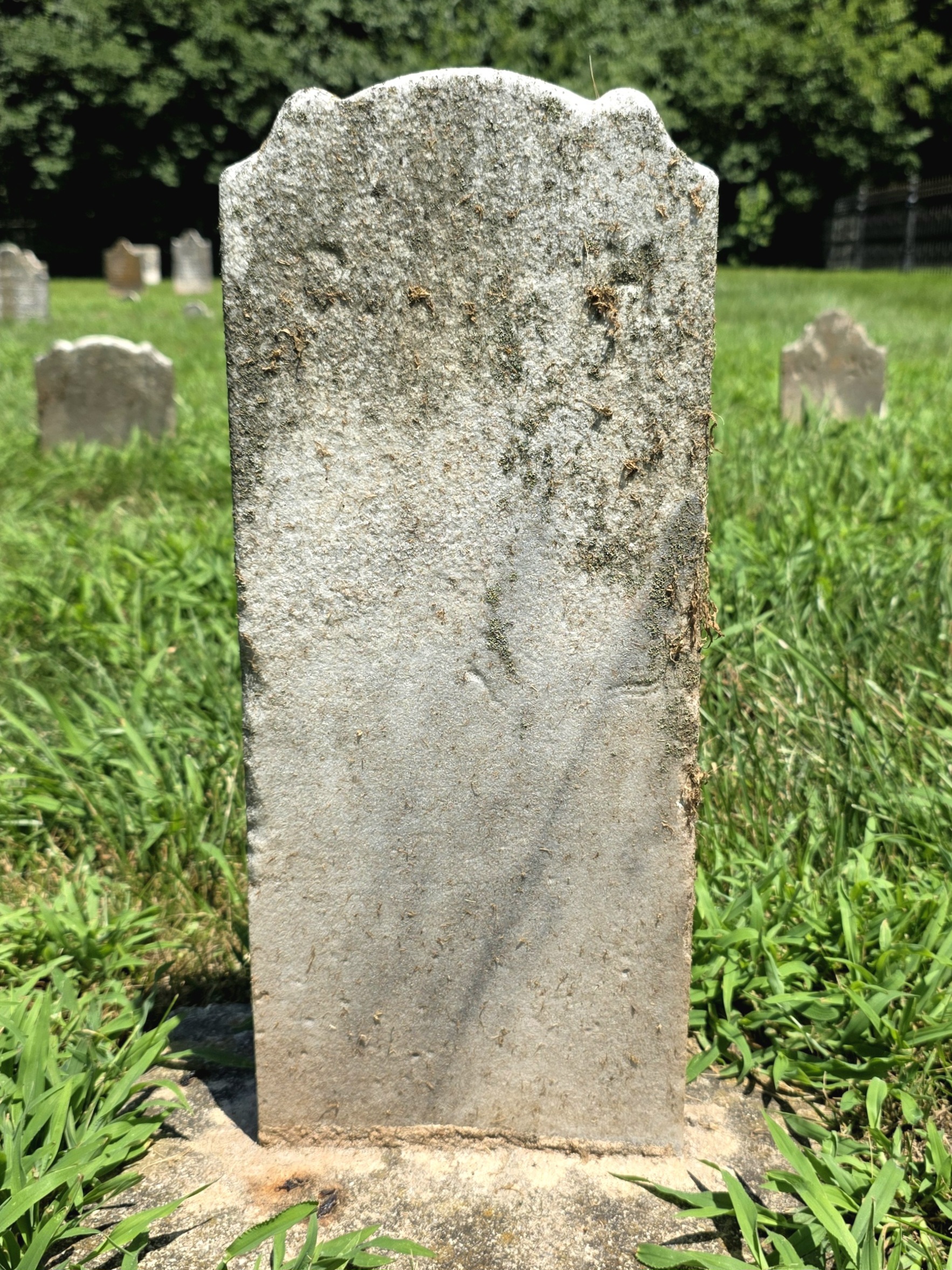
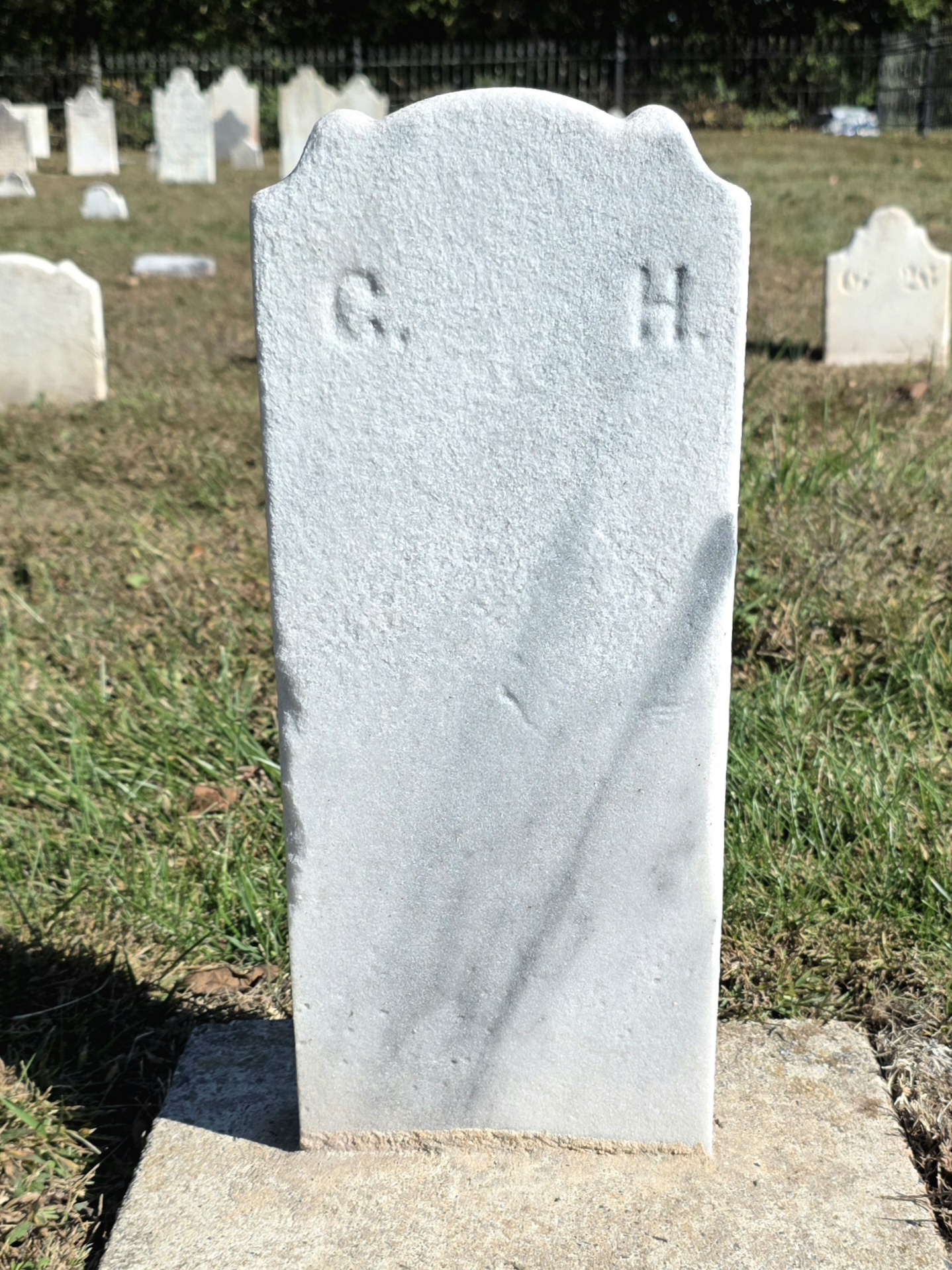
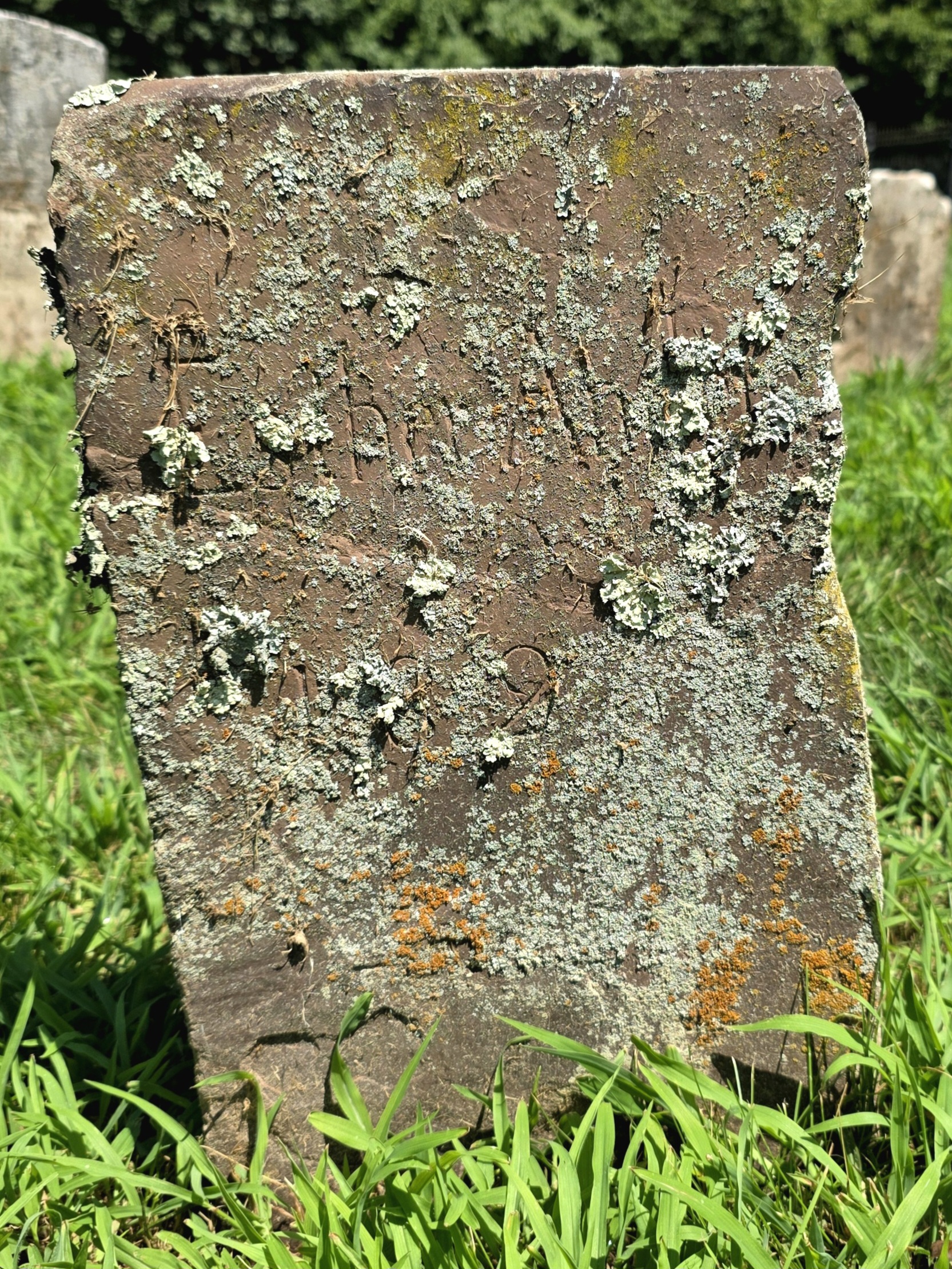
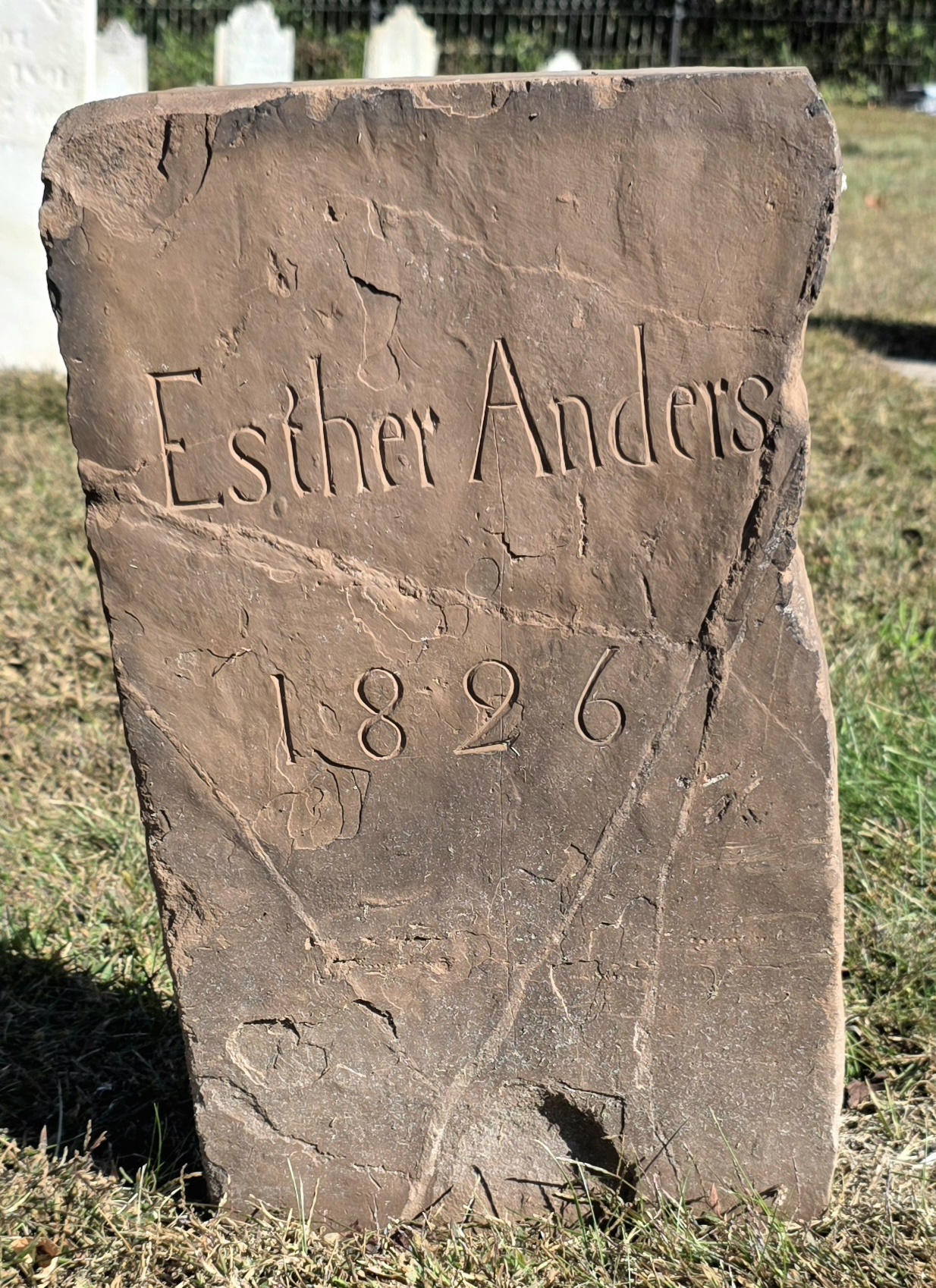
Abraham Diehl Anders (1759-1839)
Esther (Yeakel) Anders (1761-1826)
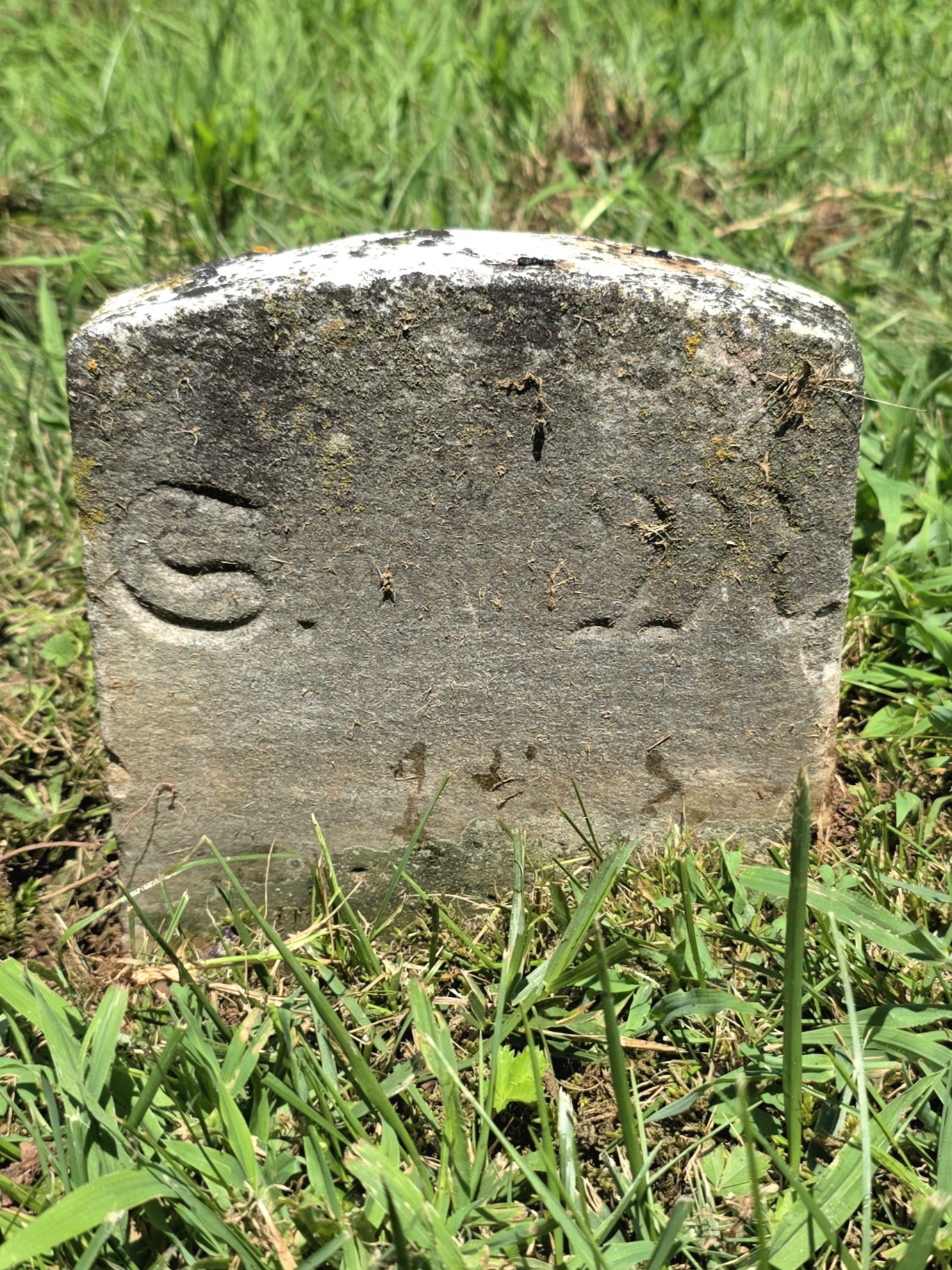
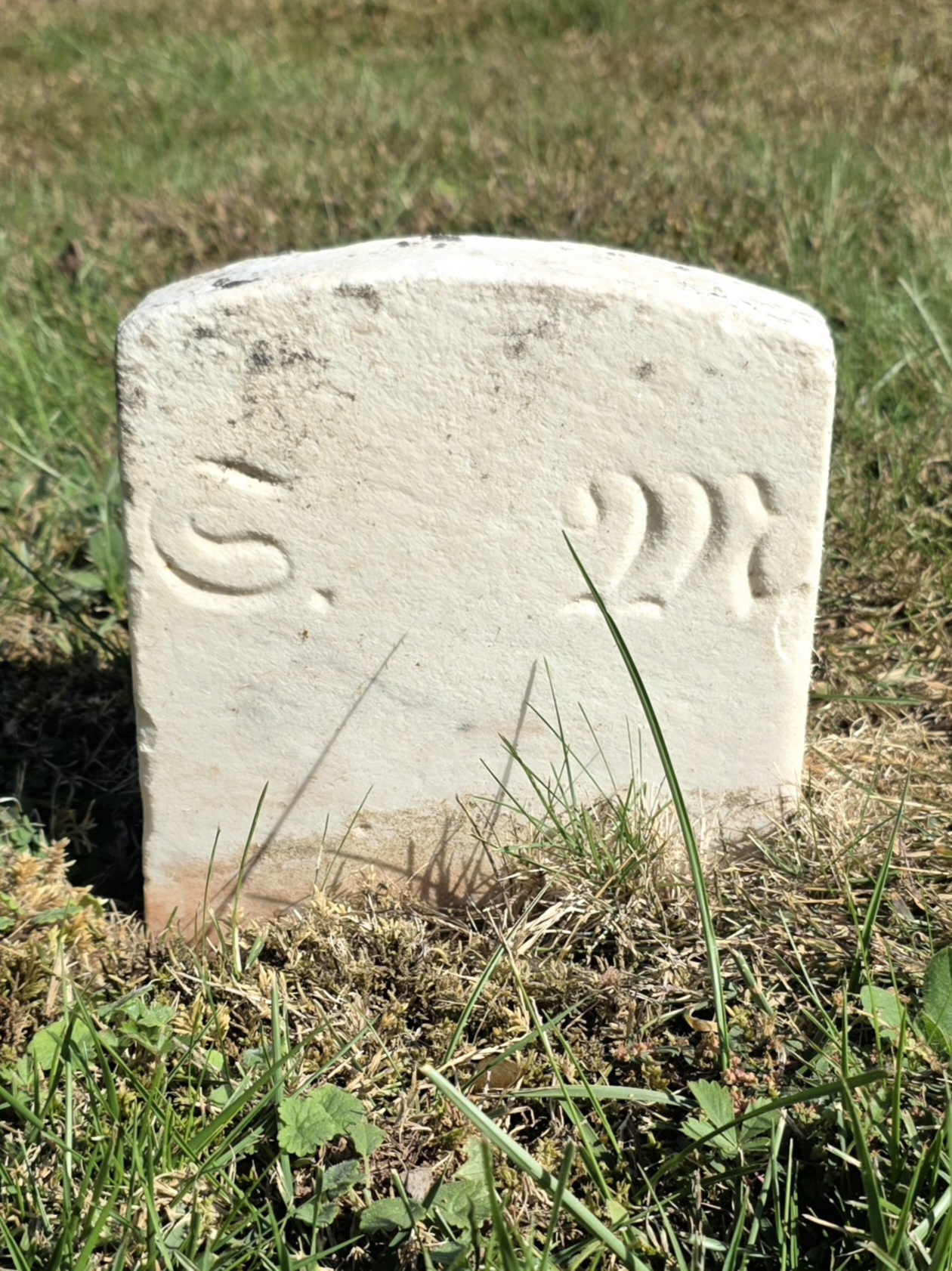
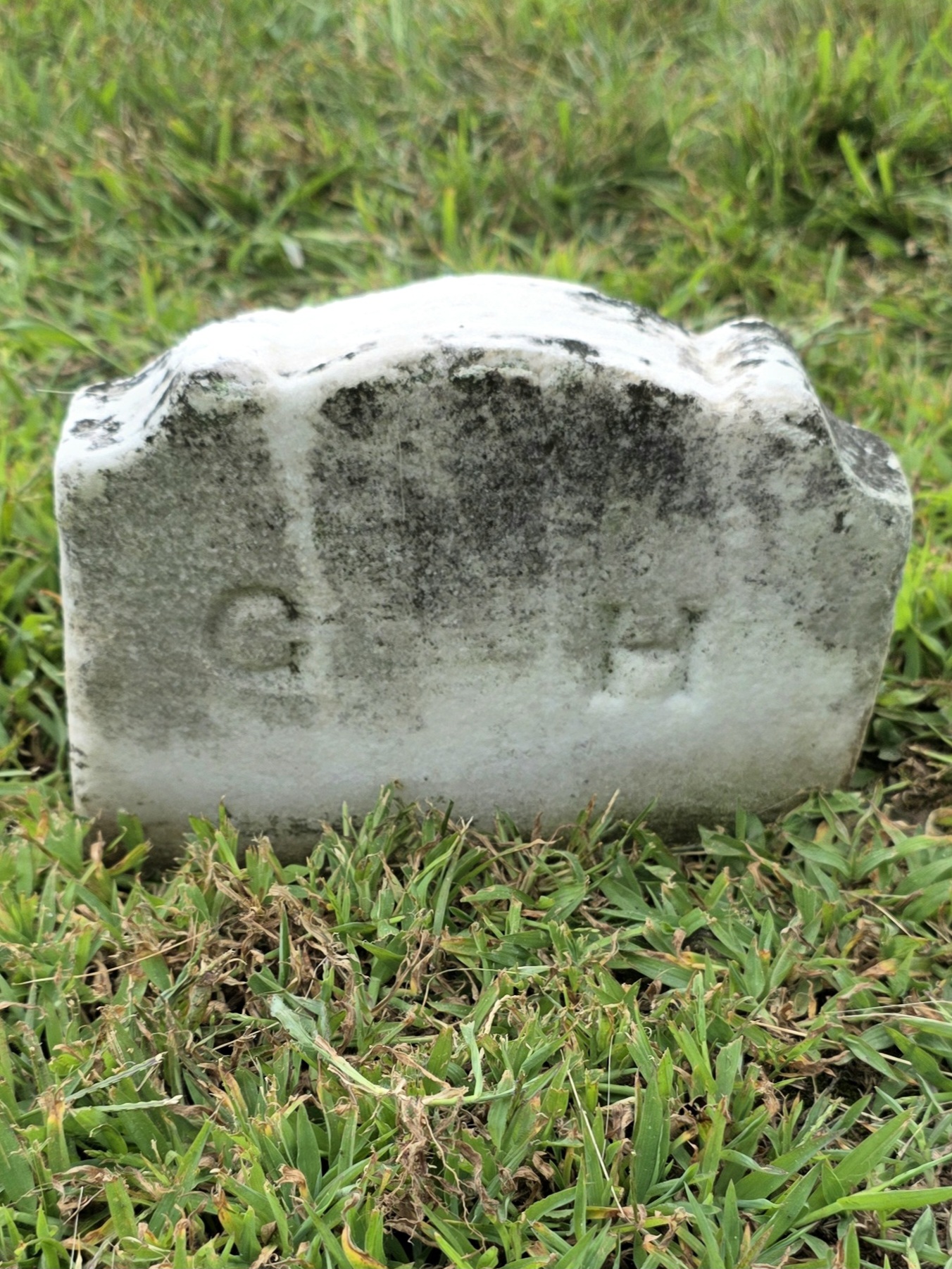
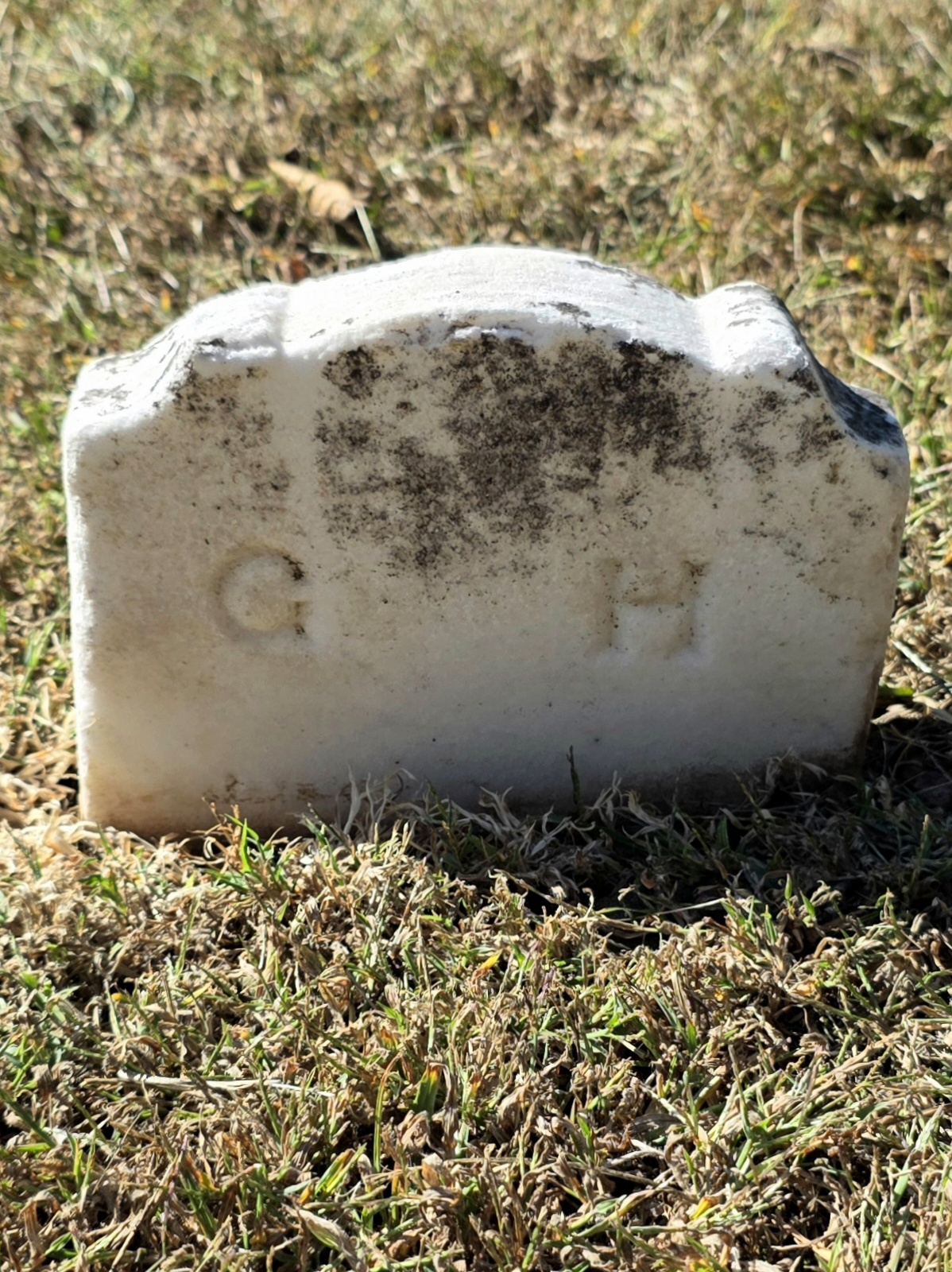
Abraham Anders was born to George Anders and Barbara (Diehl) Anders, members of a longstanding Schwenkfelder family. Among his siblings was Anna, who married into the Seipt family. His father, George, was an original Schwenkfelder immigrant and is buried at Towamencin Schwenkfelder Cemetery. In 1784, Abraham reportedly married Esther Yeakel, and they had one daughter, Catharine (Anders) Meschter, who carried both family lines into the nineteenth century. During the Revolutionary War, Abraham is said to have served the Continental Army by driving a wagon. An early map at the Schwenkfelder Heritage Center indicates that he is buried beside Esther, though the surviving gravestone is marked only “G.H.,” prompting speculation about the original marker.
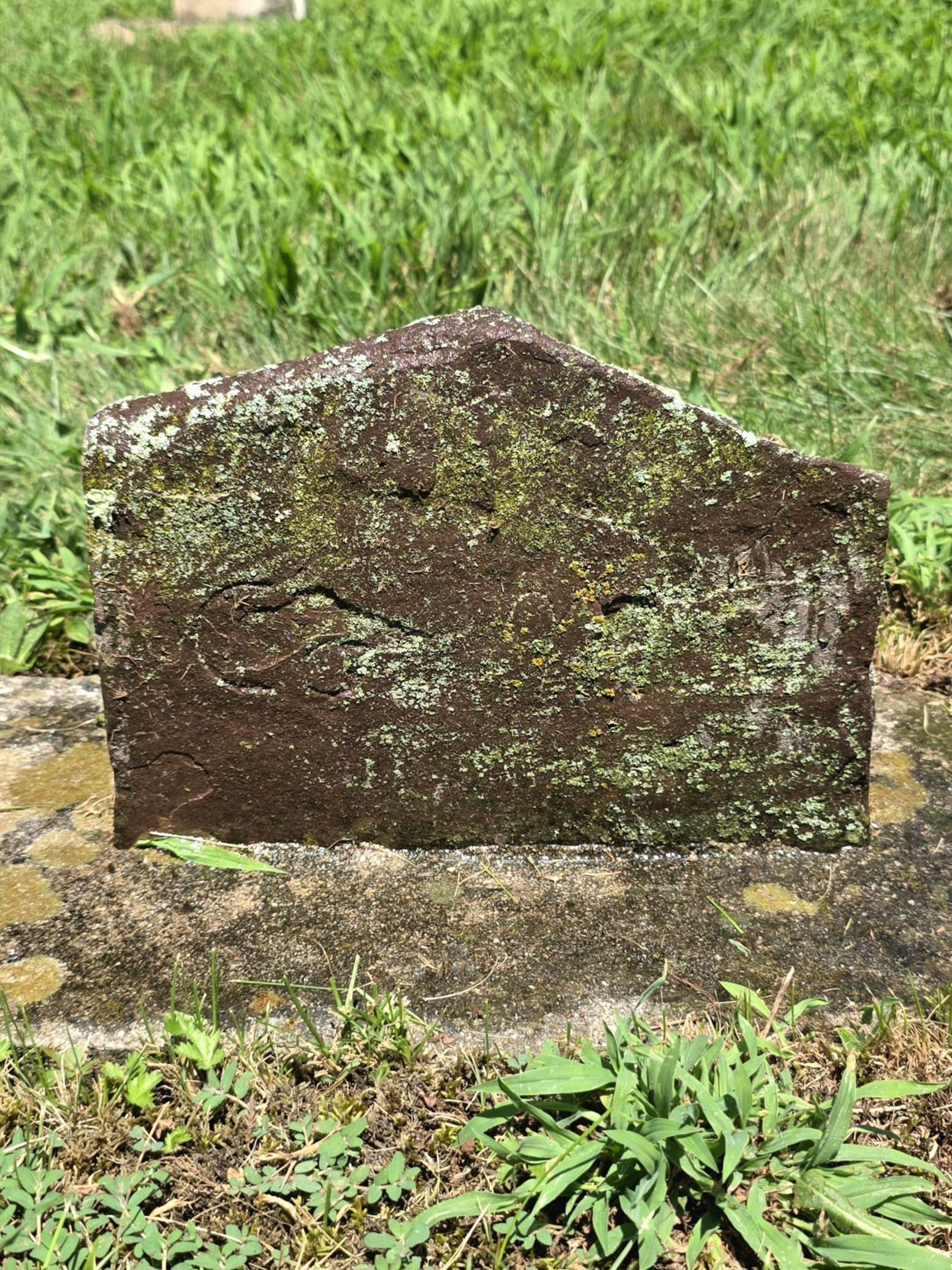
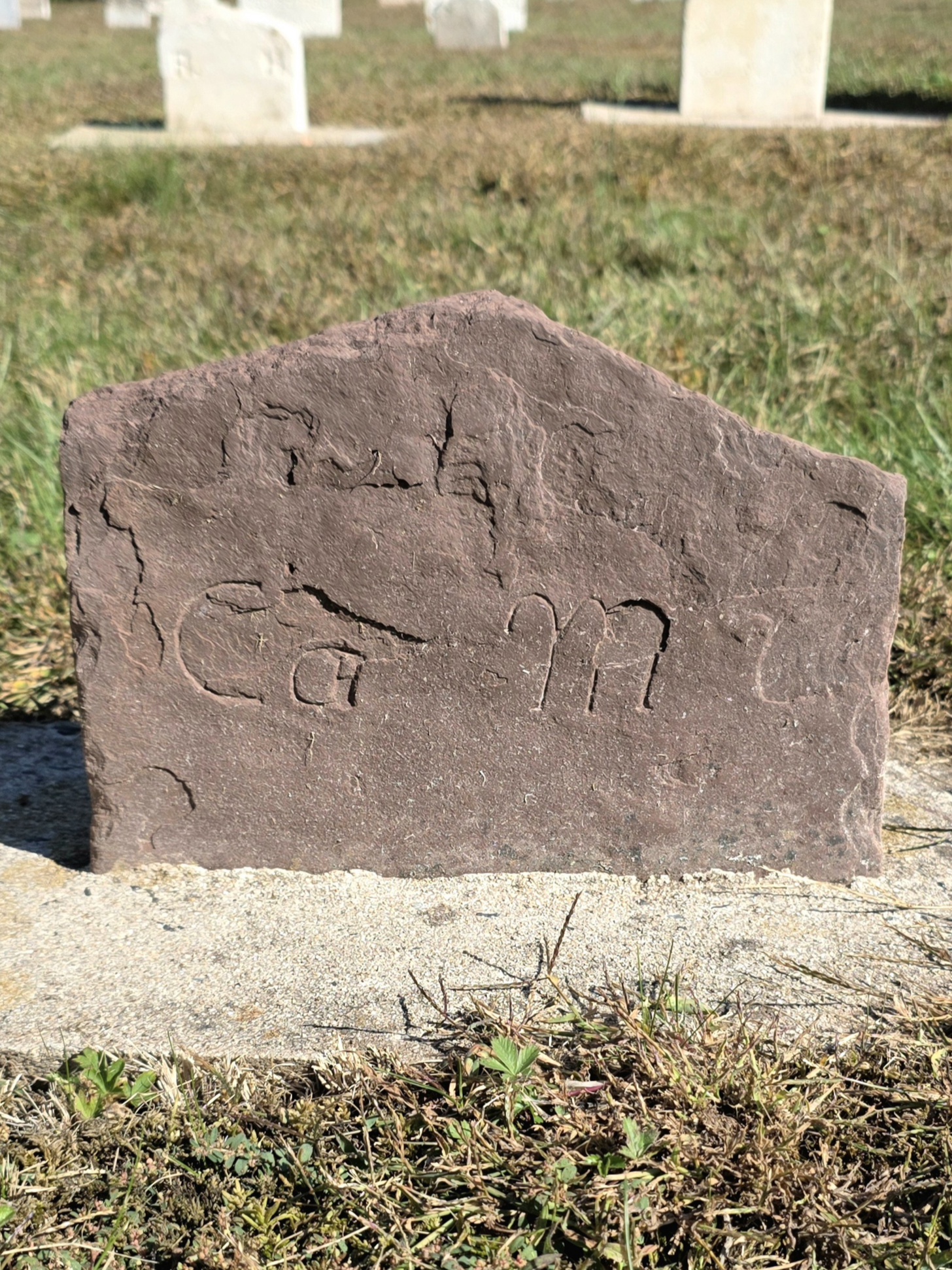
Esther Yeakel, along with her siblings Maria, Catharine, and Abraham, is believed to have been the child of Balthasar and Rosina (Heebner) Yeakel. Her deteriorating brownstone marker stands in the first row of the cemetery, closest to the iron fence near the meetinghouse.
Christopher Kriebel Meschter (1779-1853)
Catharine (Anders) Meschter (1785-1842)
Rev. George Meschter (1808-1887)
Sophia (Kriebel) Meschter (1809–1852)
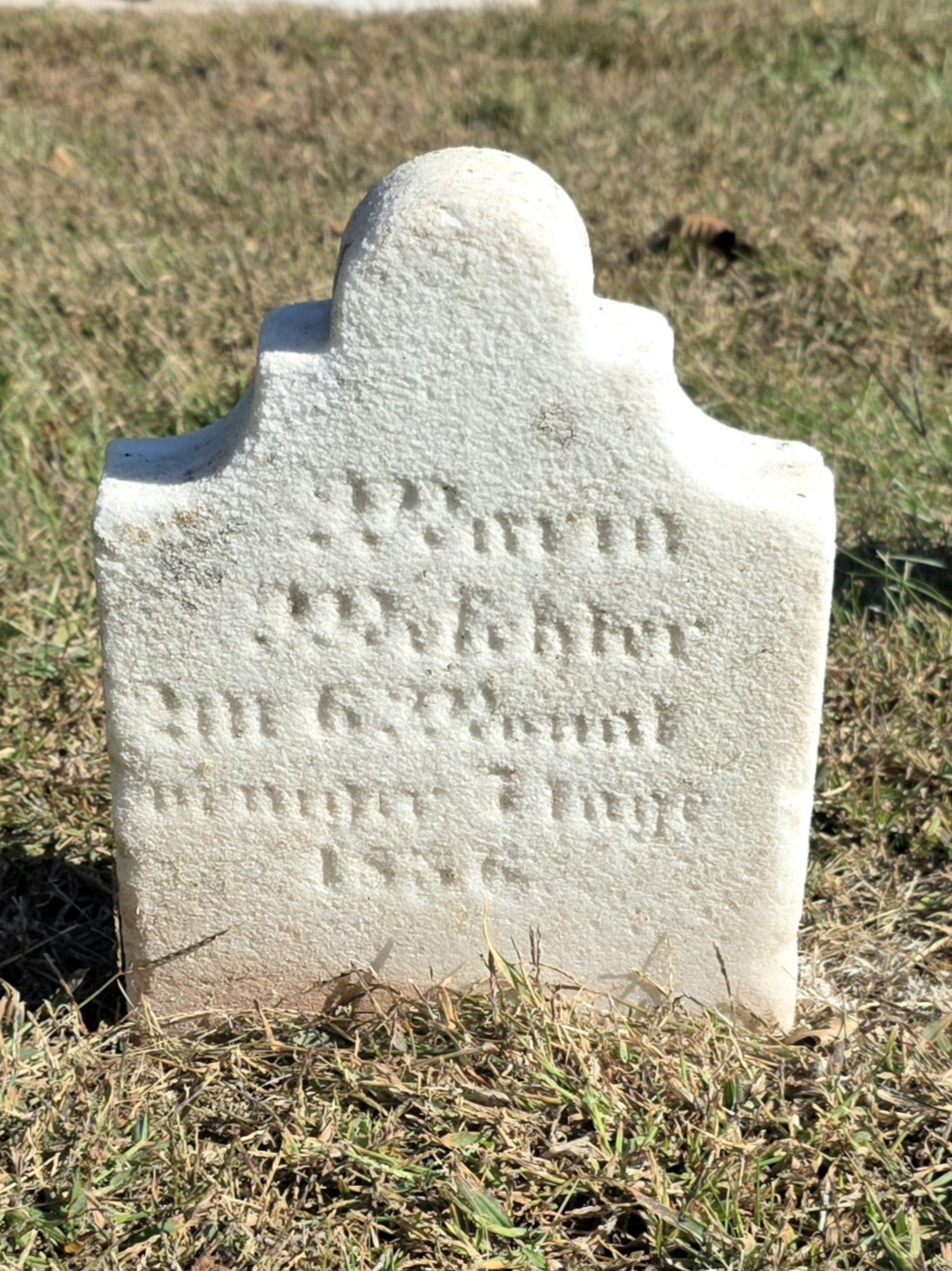
Maria Kriebel Meschter (1836-1836)
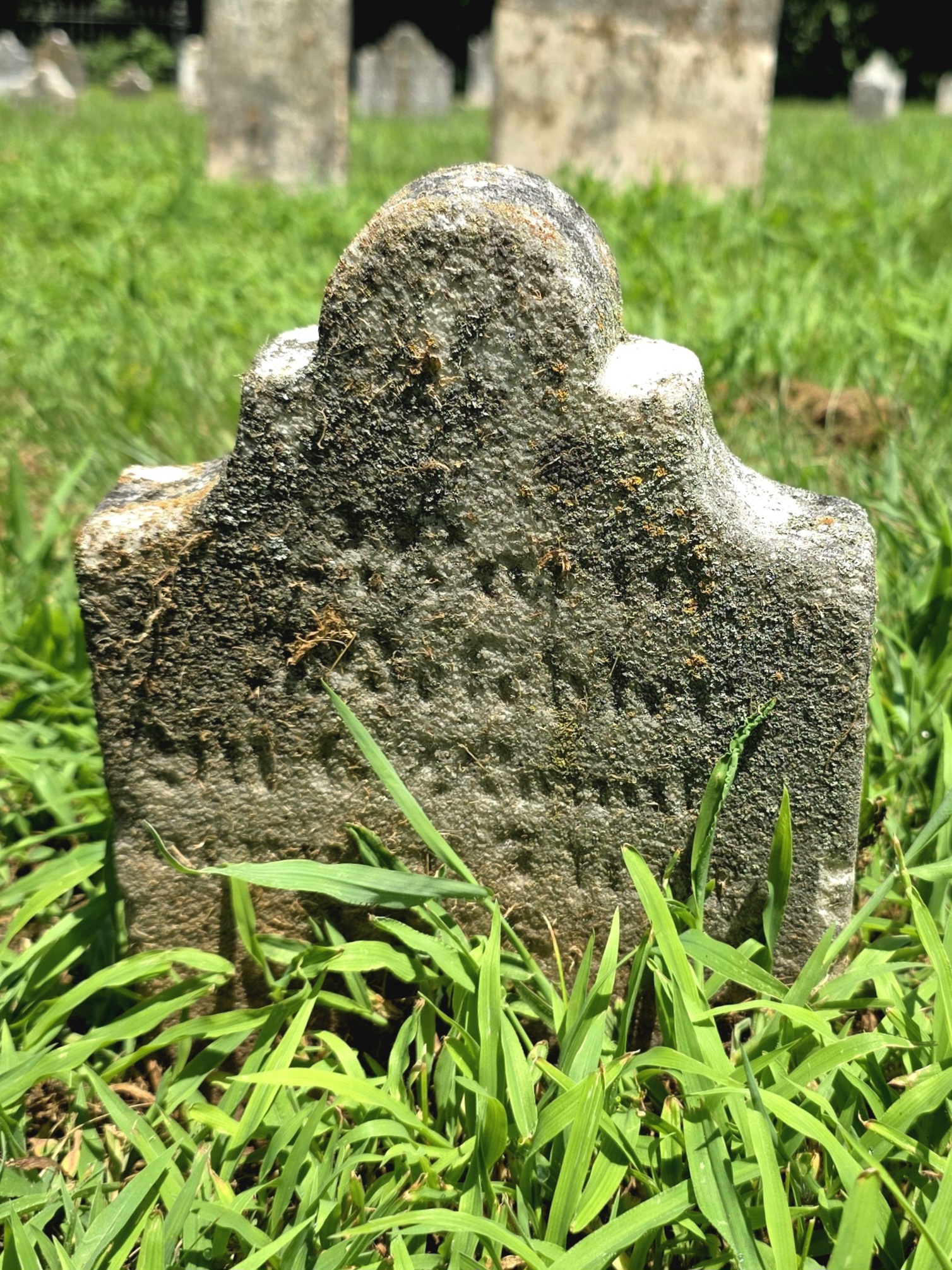
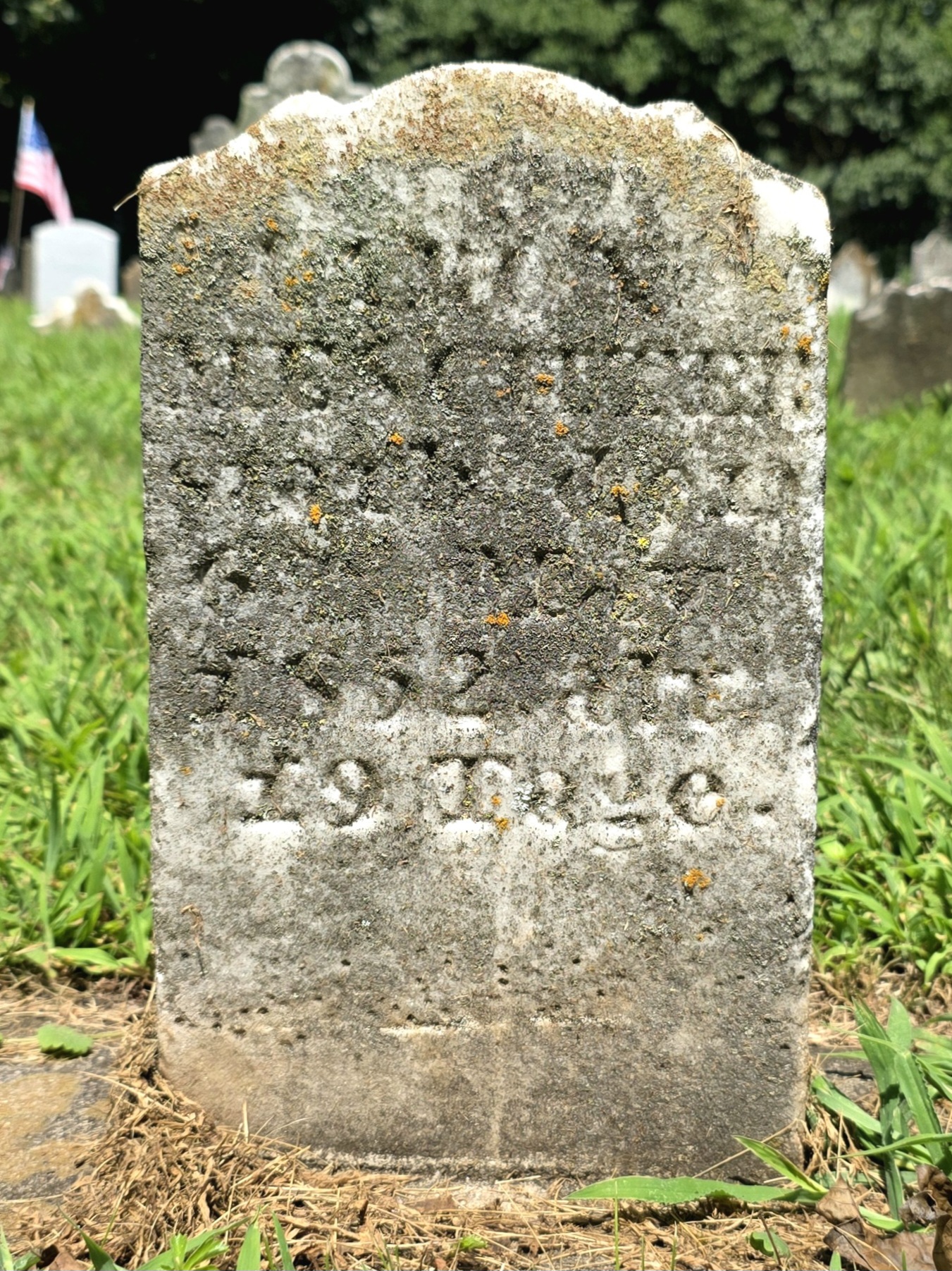
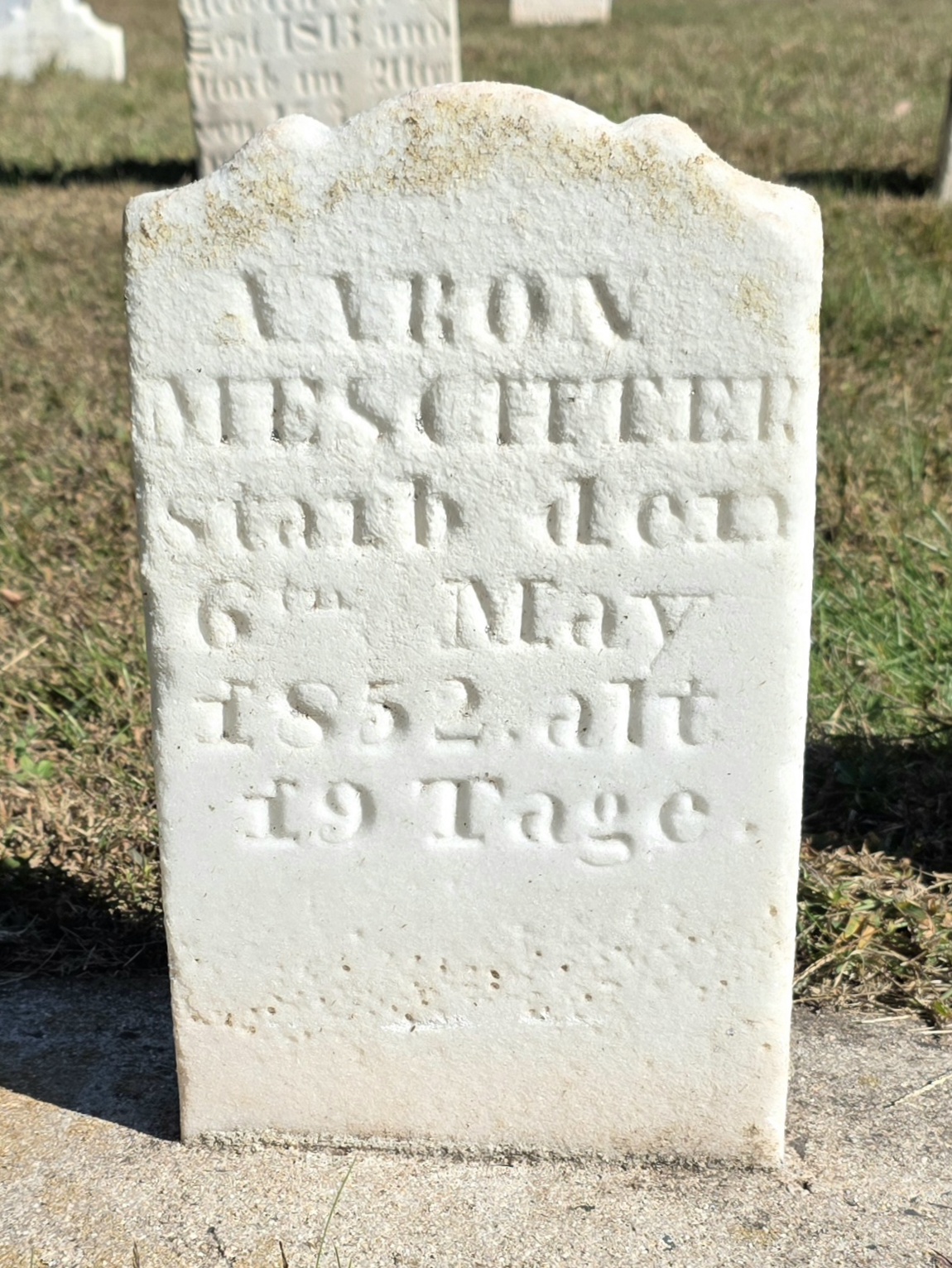
Aaron Meschter (1852-1852)
Christopher Kriebel Meschter was the son of Christopher Andres Meschter and Rosina Drescher Kriebel. He grew up with several siblings, including Regina, Catharine, David, Hannah, Maria, and Jeremiah. Christopher married Catharine Yeakel Anders, daughter of Abraham and Esther Anders, and together they had at least one son, Rev. George Anders Meschter, who would carry forward the family’s Schwenkfelder ministry and legacy. The gravestone attributed to Christopher bears only his initials, while Catharine’s marker has suffered considerable damage over time.
Rev. George Kriebel Meschter was born in Towamencin to Christopher and Catharine. Largely self-educated and skilled in mathematics, he inherited his father’s large farm before eventually moving to a smaller adjoining property. In 1845, he was elected a minister in the Schwenkfelder Church, a role he faithfully fulfilled until one year before his death in 1887. He married Sophia Kriebel, daughter of Andrew and Maria (Heebner) Kriebel, and together they raised at least eight children. Their family endured the tragedies of infant mortality common in the 19th century, including Maria Kriebel Meschter, who lived only four months, and Aaron Kriebel Meschter, who died shortly after birth. Their eldest son, George Kriebel Meschter, followed his father into ministry, continuing the Meschters’ spiritual leadership within the Schwenkfelder community. Other children included William Yeakel Meschter, Mary A. Meschter, Ada Meschter, Lillie A. Meschter, and Franklin T. Meschter.
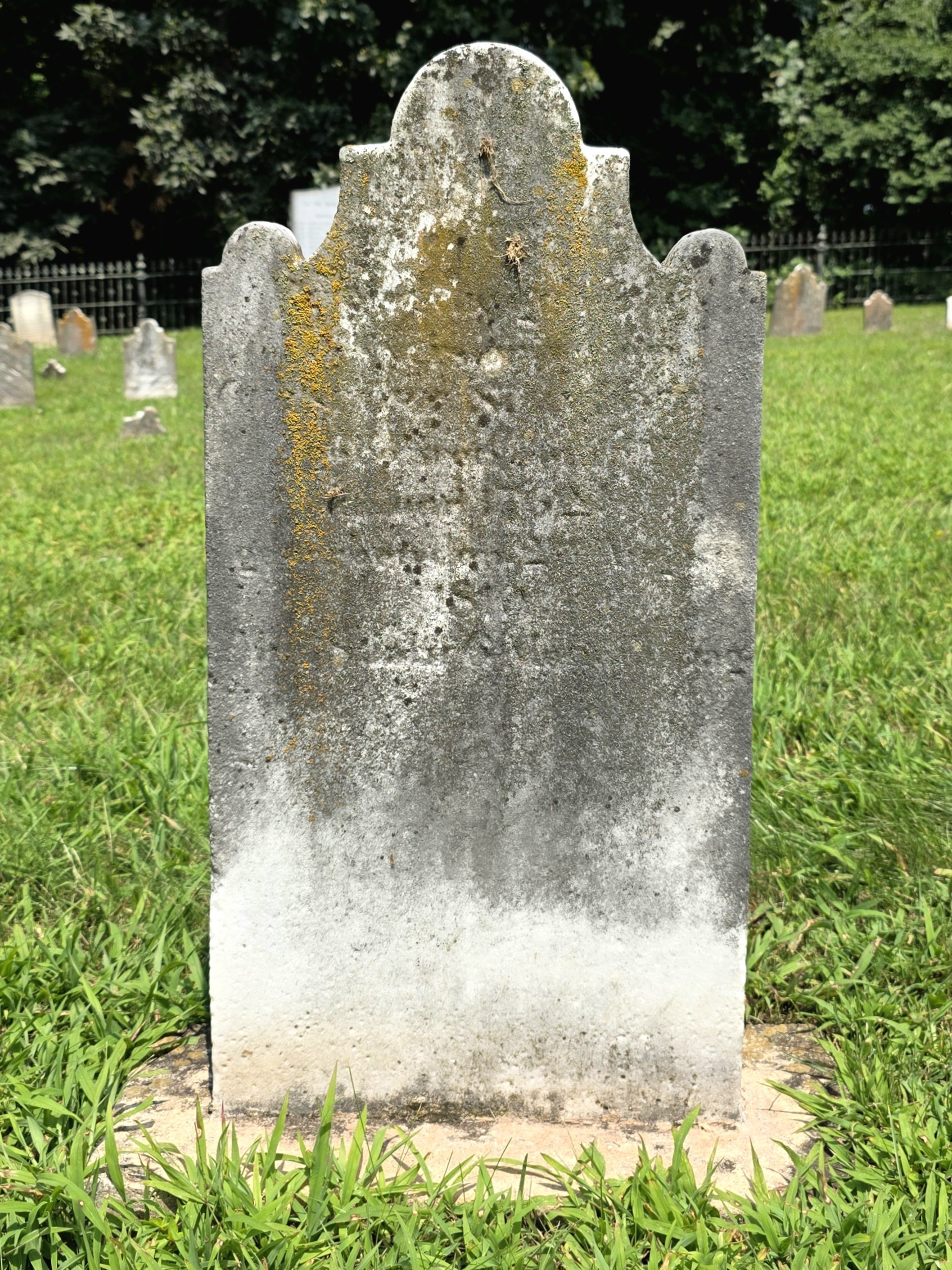
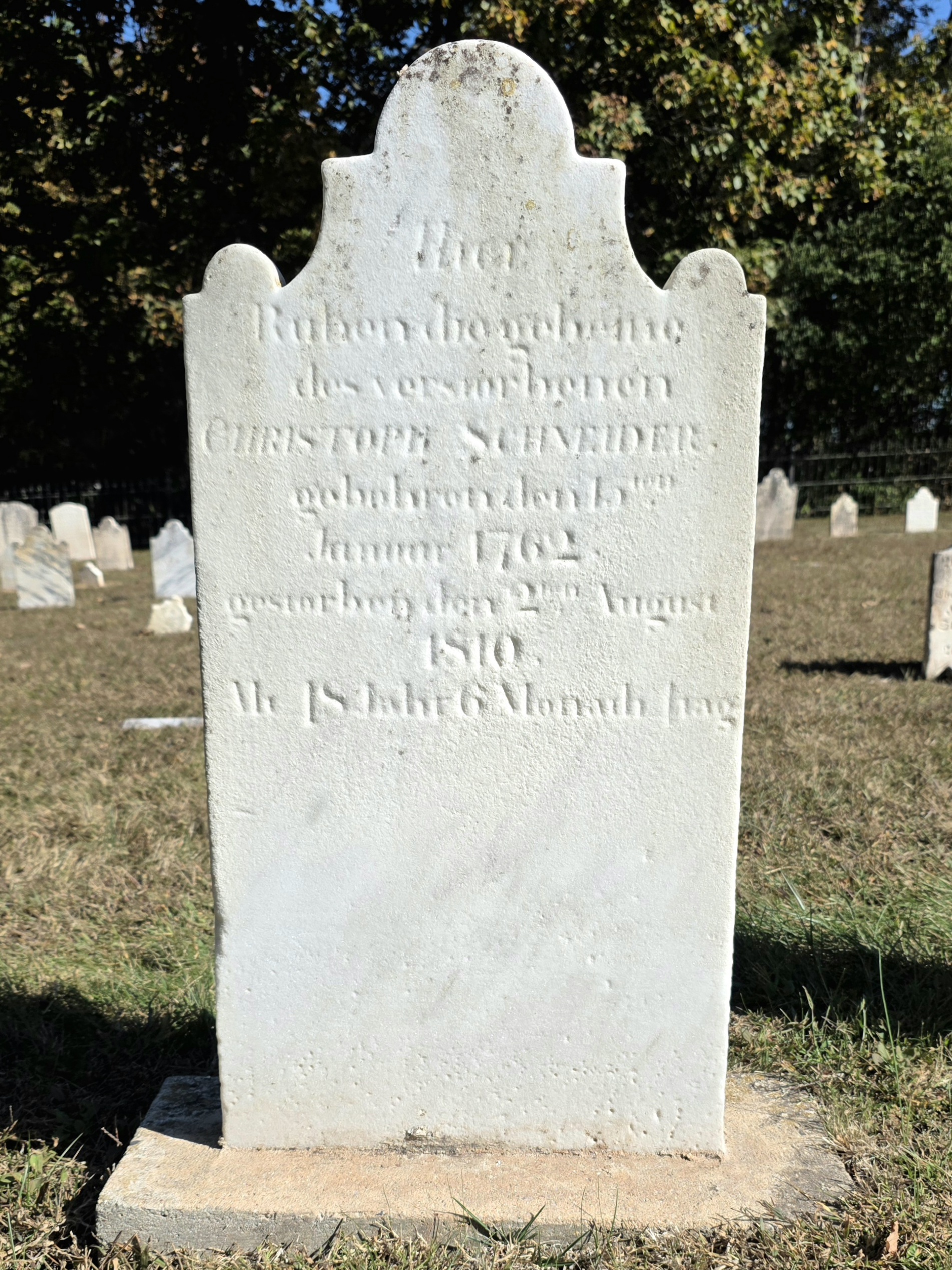
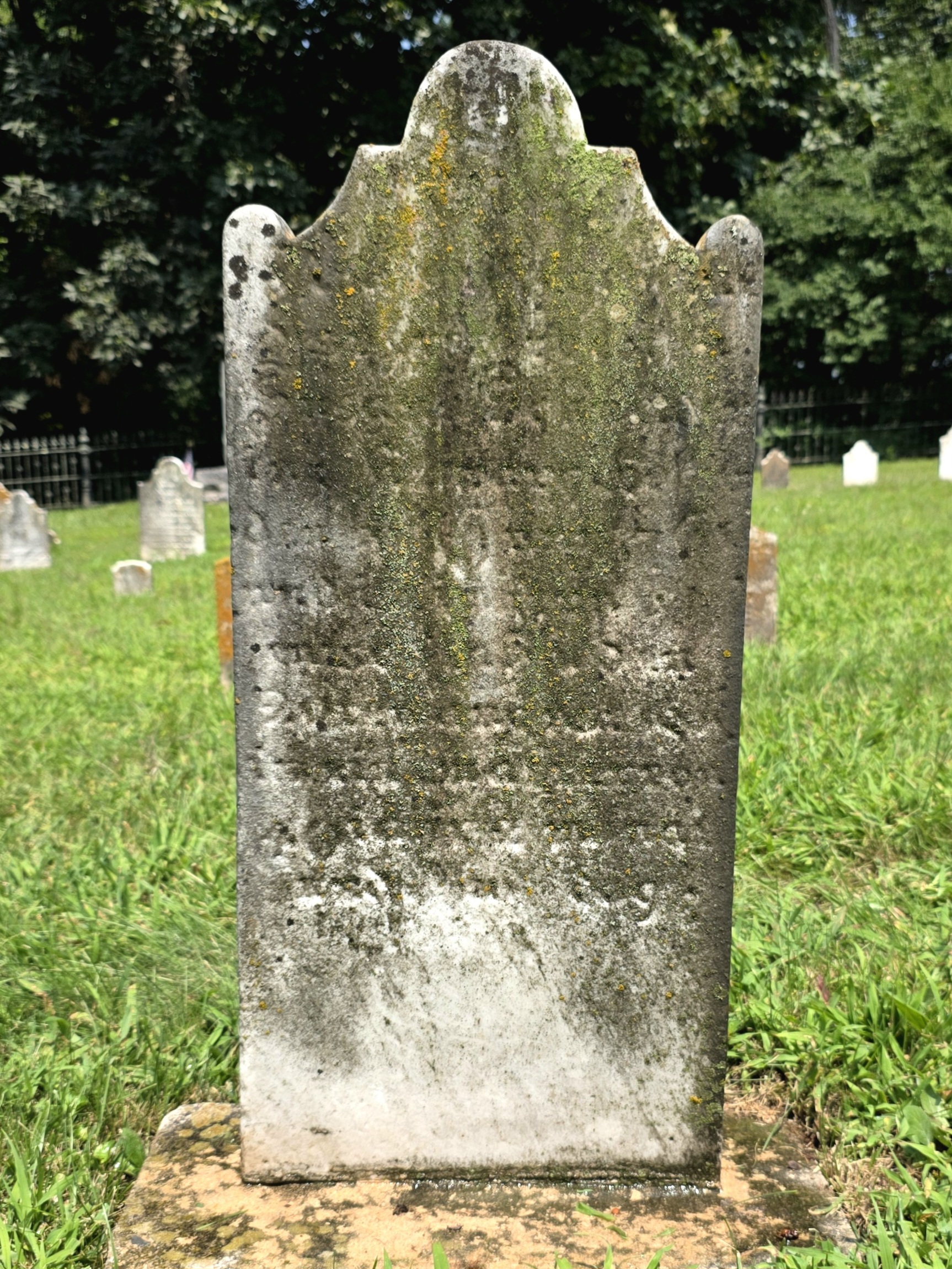
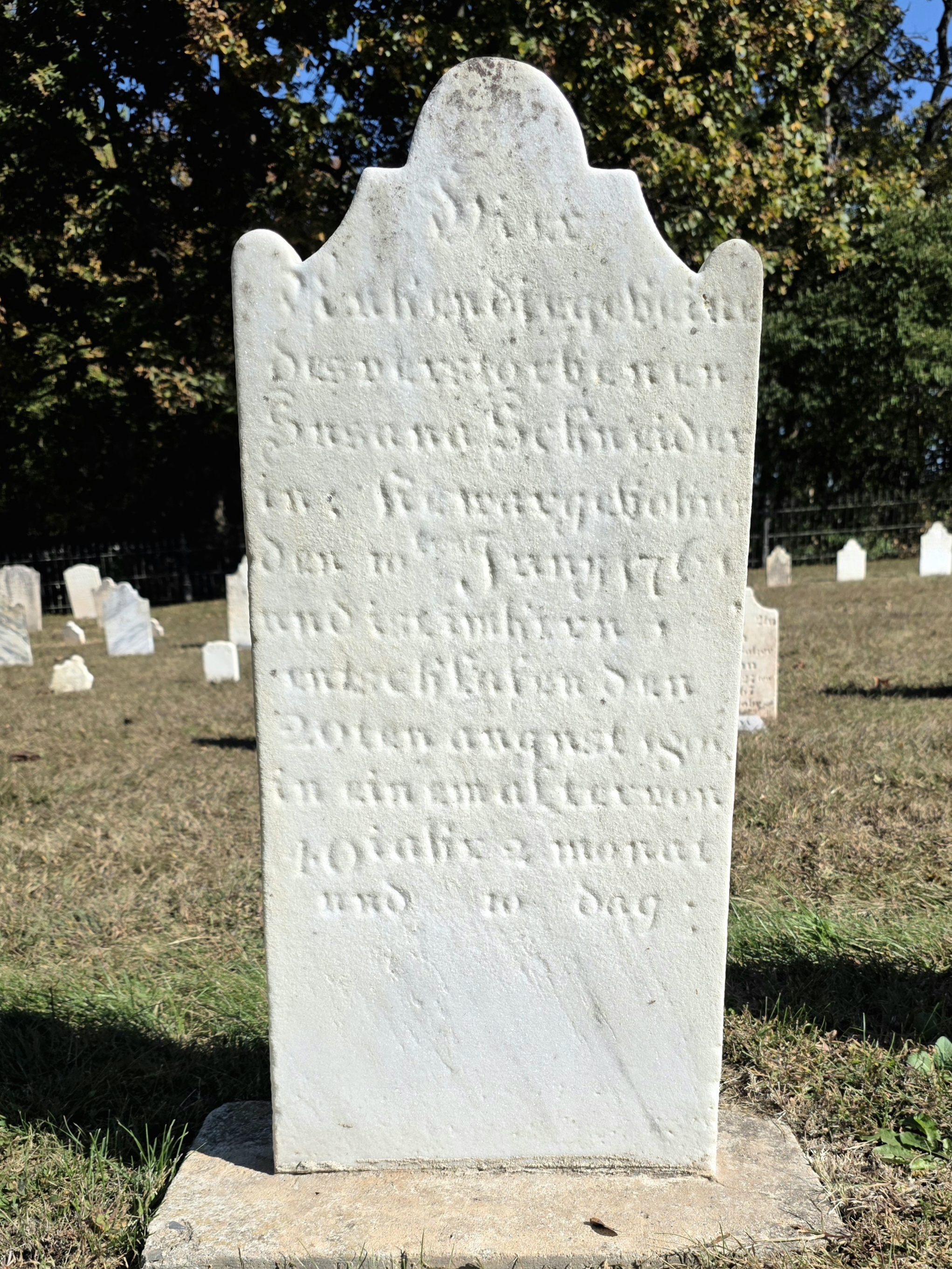
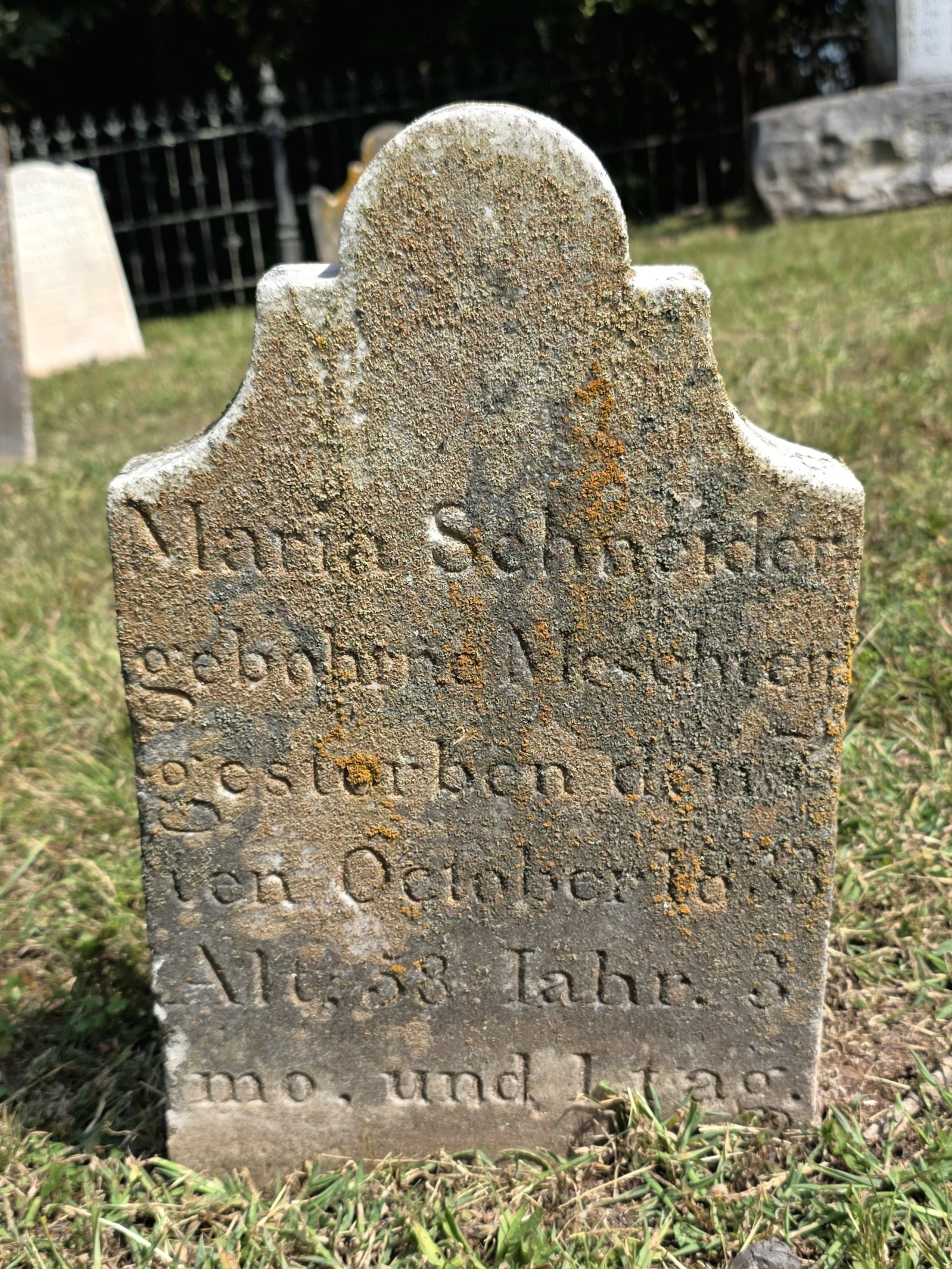
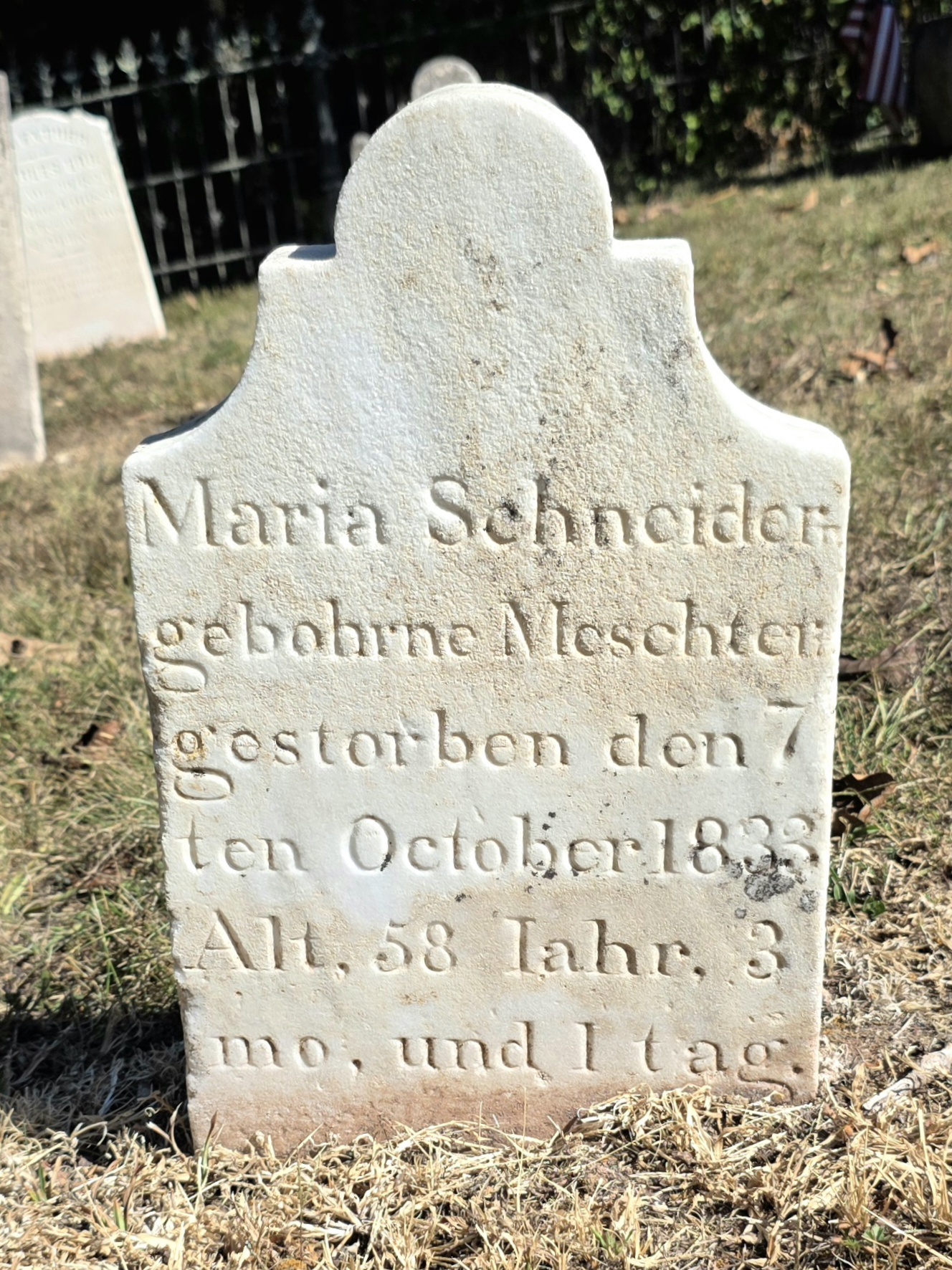
Christopher Schneider (1762-1810)
Susanna Schneider (1761-1801)
Maria Schneider (unknown-1833)
The Schneider name appears throughout the network of Pennsylvania German and Schwenkfelder families who settled in the Perkiomen region. Burial indexes document Schneiders in nearby Towamencin Schwenkfelder Cemetery, including Regina Schneider (1764–1825) and Rosina Schneider (1736–1804). At Salford Schwenkfelder Cemetery, the Schneider name is also present: in the second row lie Christopher and Susanna Schneider, while a few rows back rest George, Maria and Susanna Schneider. Variations in spelling and the fragmentary nature of early records mean that detailed genealogical connections await further research in primary sources, such as church registers and the Genealogical Record of the Schwenkfelder Families. Though full biographical details remain limited, the placement of these stones alongside other long-established Schwenkfelder families underscores the Schneiders’ enduring role in the region’s story of faith, family, and continuity.

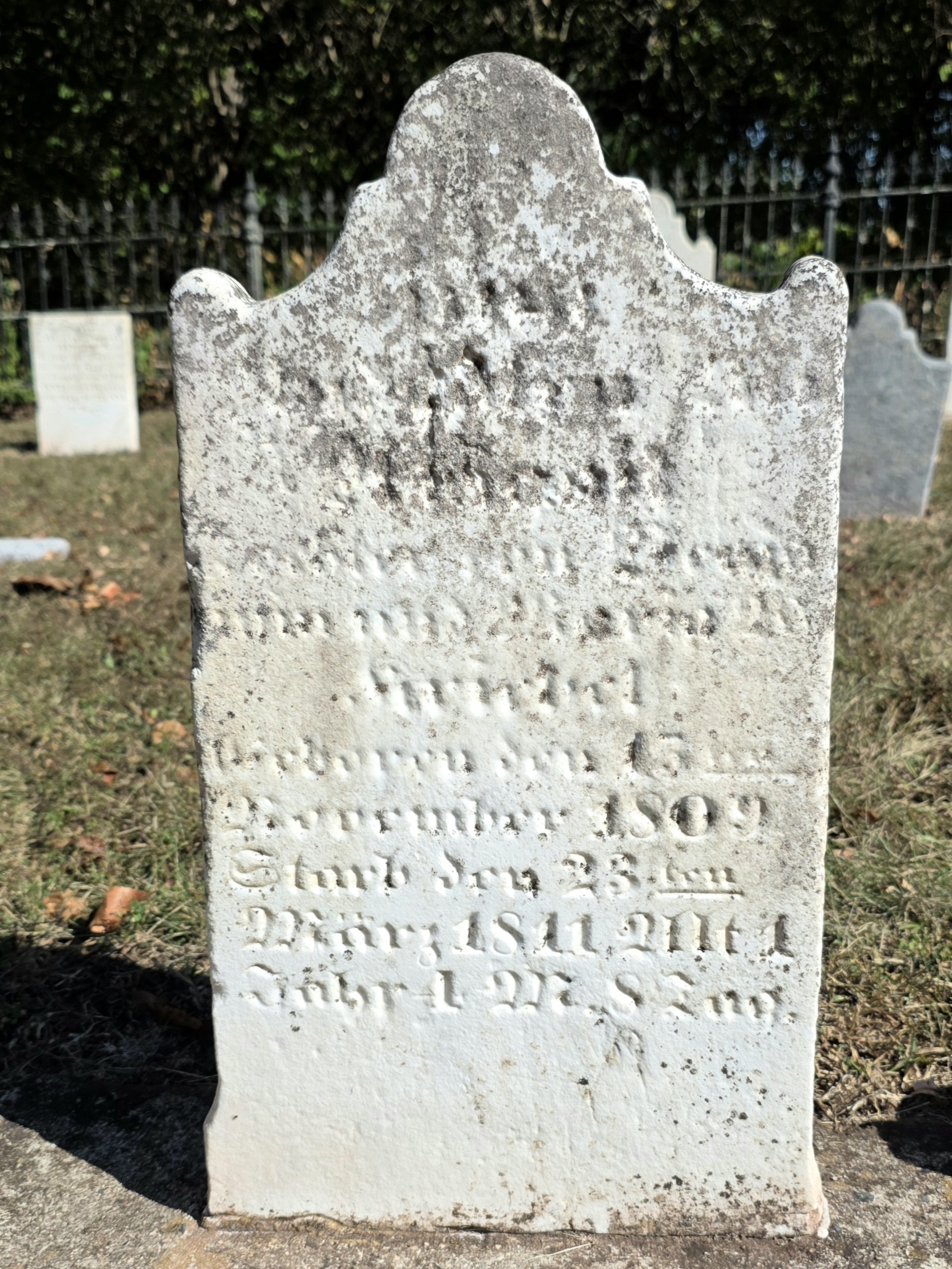
Abigail S. Kriebel (1809-1811)
Abigail Schultz Kriebel was the youngest child of Benjamin Yeakel Kriebel and Maria (Wagner) Schultz. Her older brother, Samuel Schultz Kriebel, had been born two years earlier, in 1807. Tragically, Abigail’s life was brief—she died just a month after her mother, a sorrowful reminder of the hardships faced by families in the early 19th century.

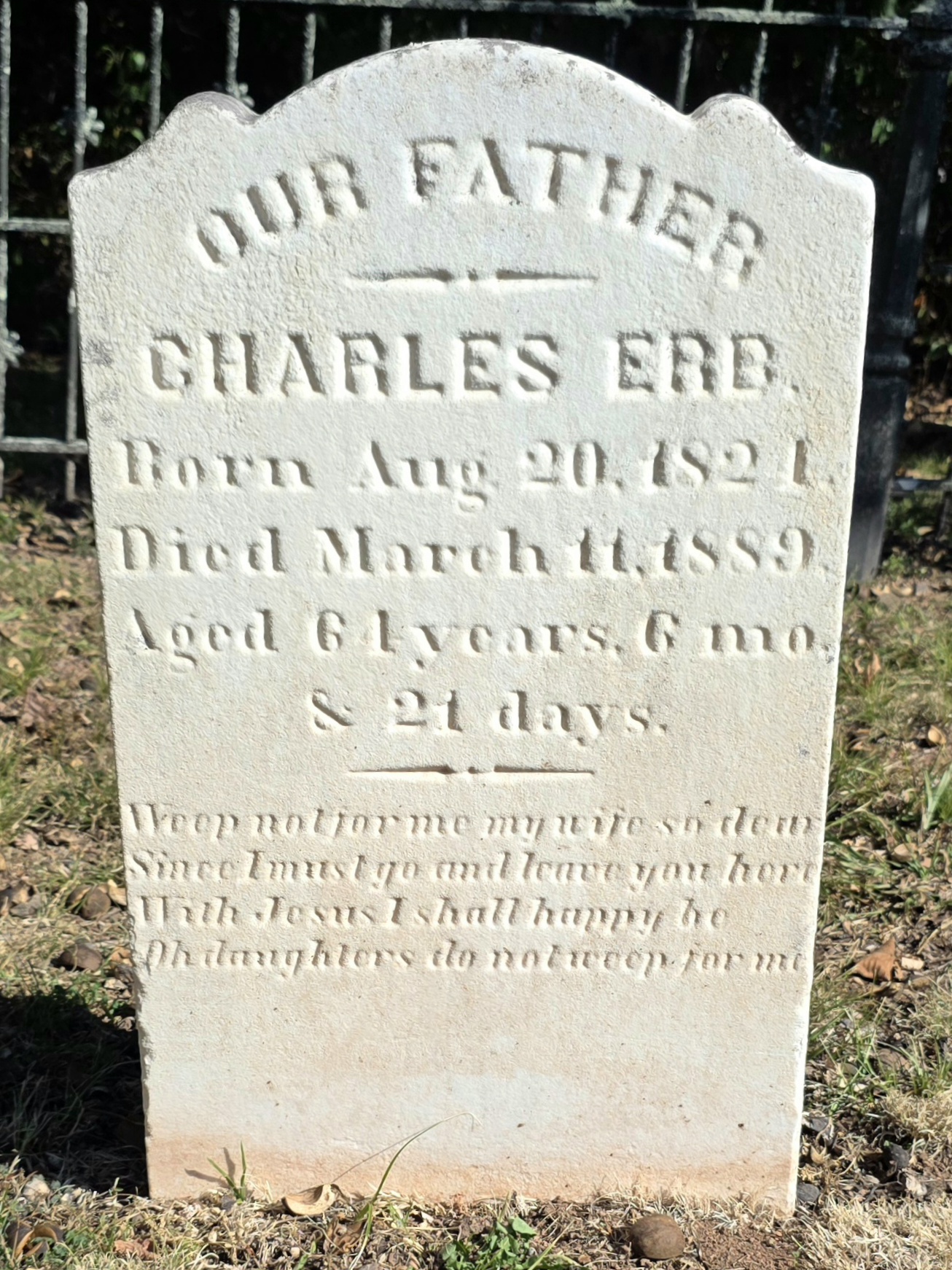

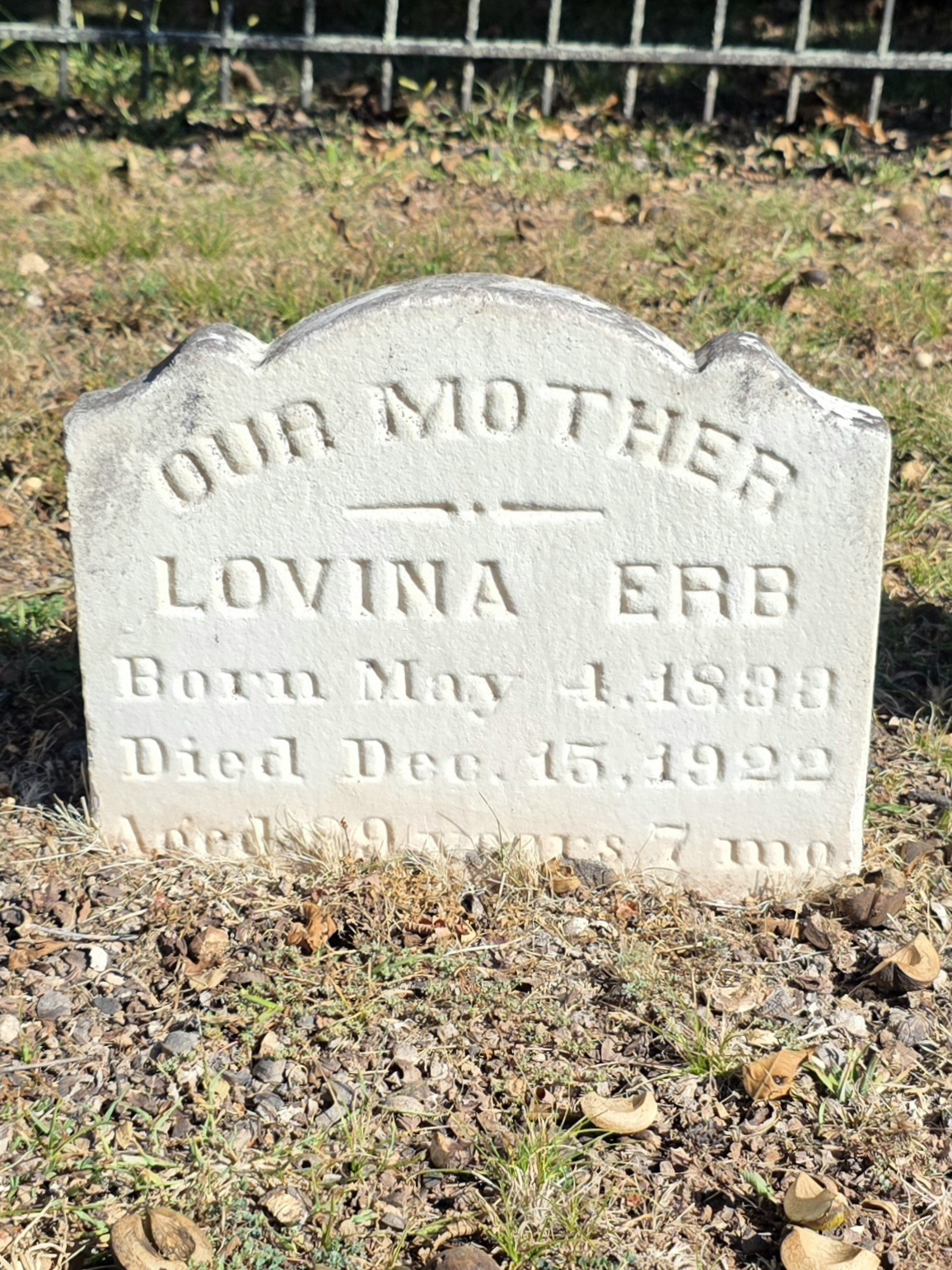
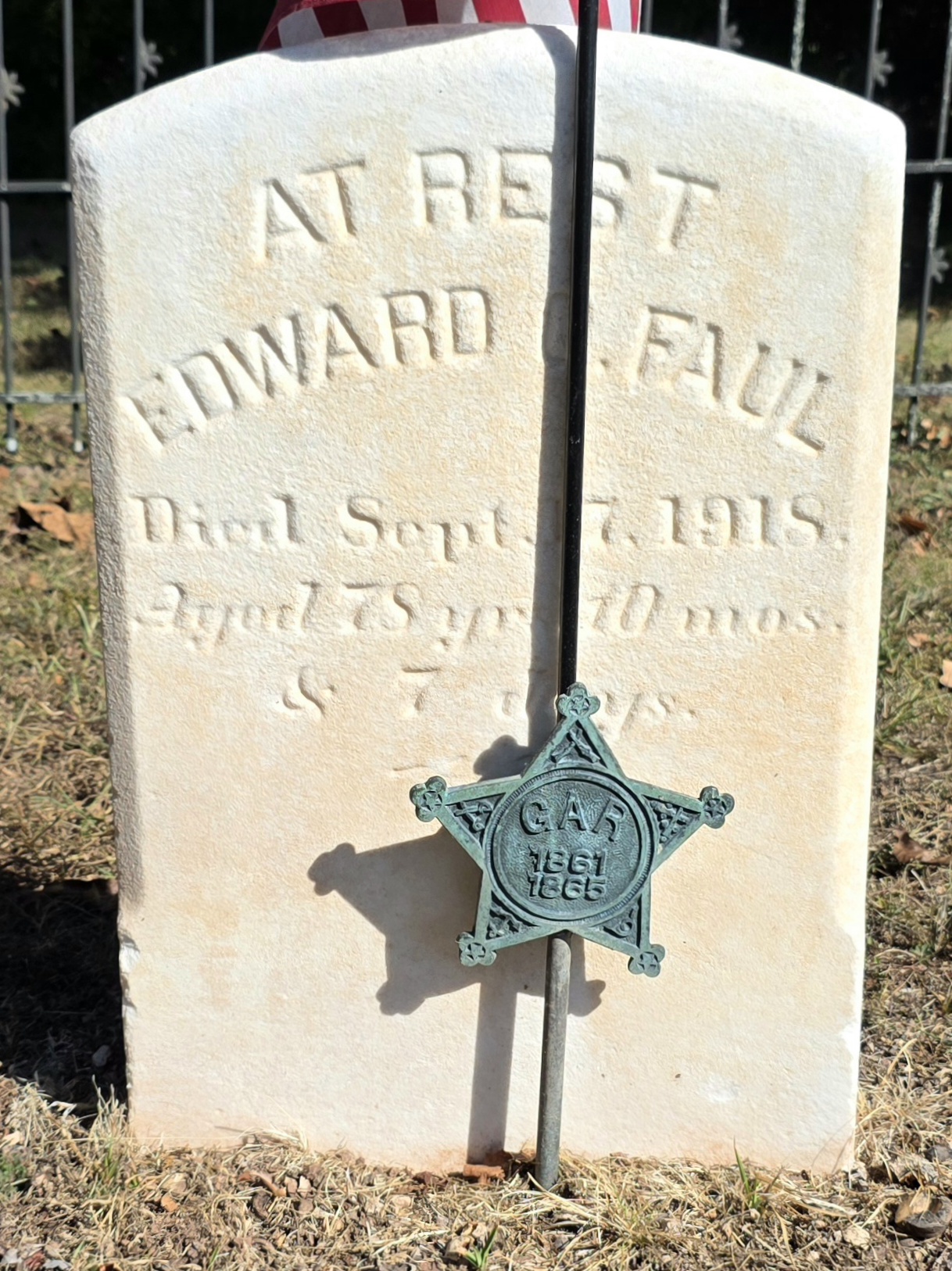
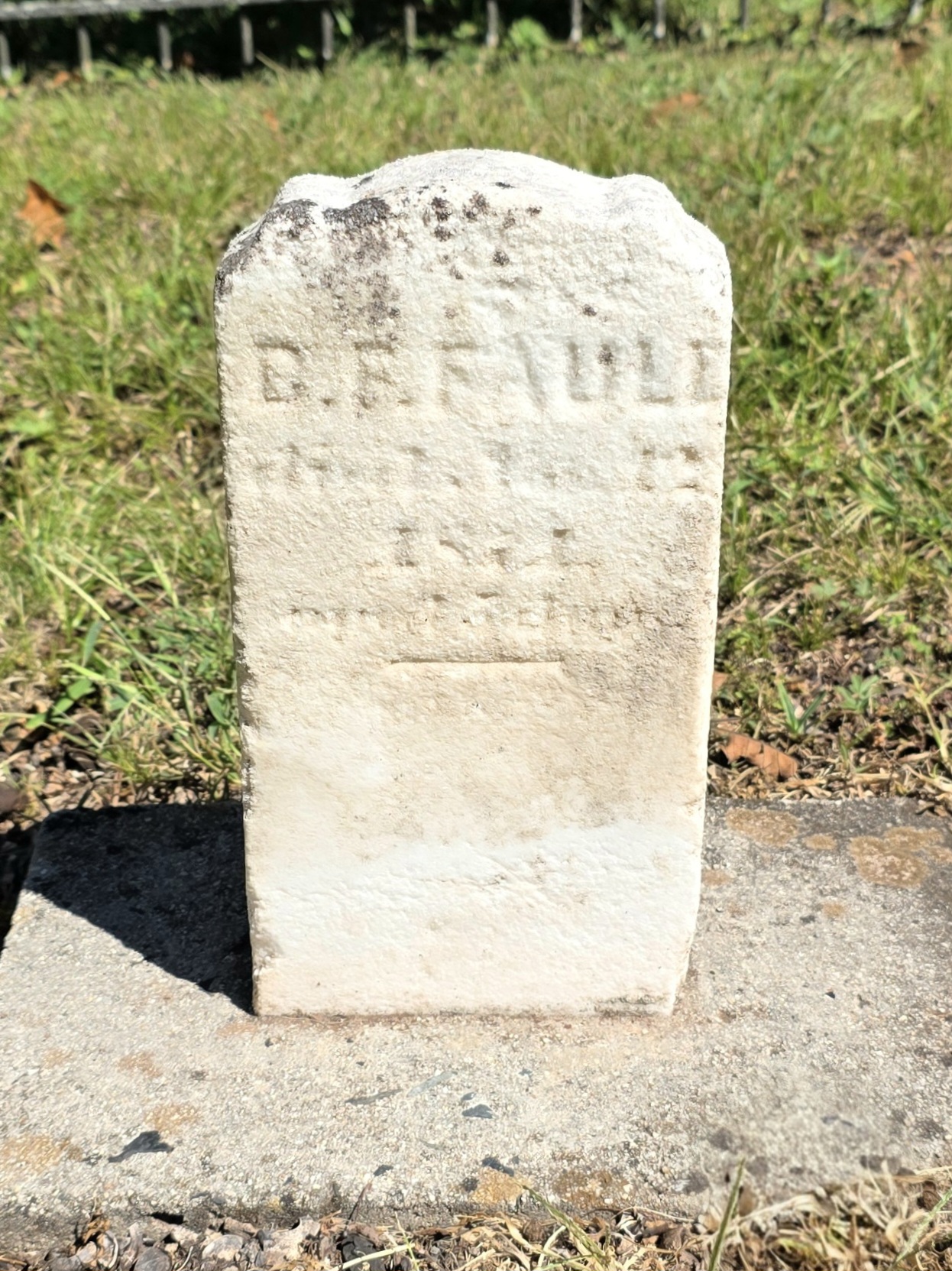
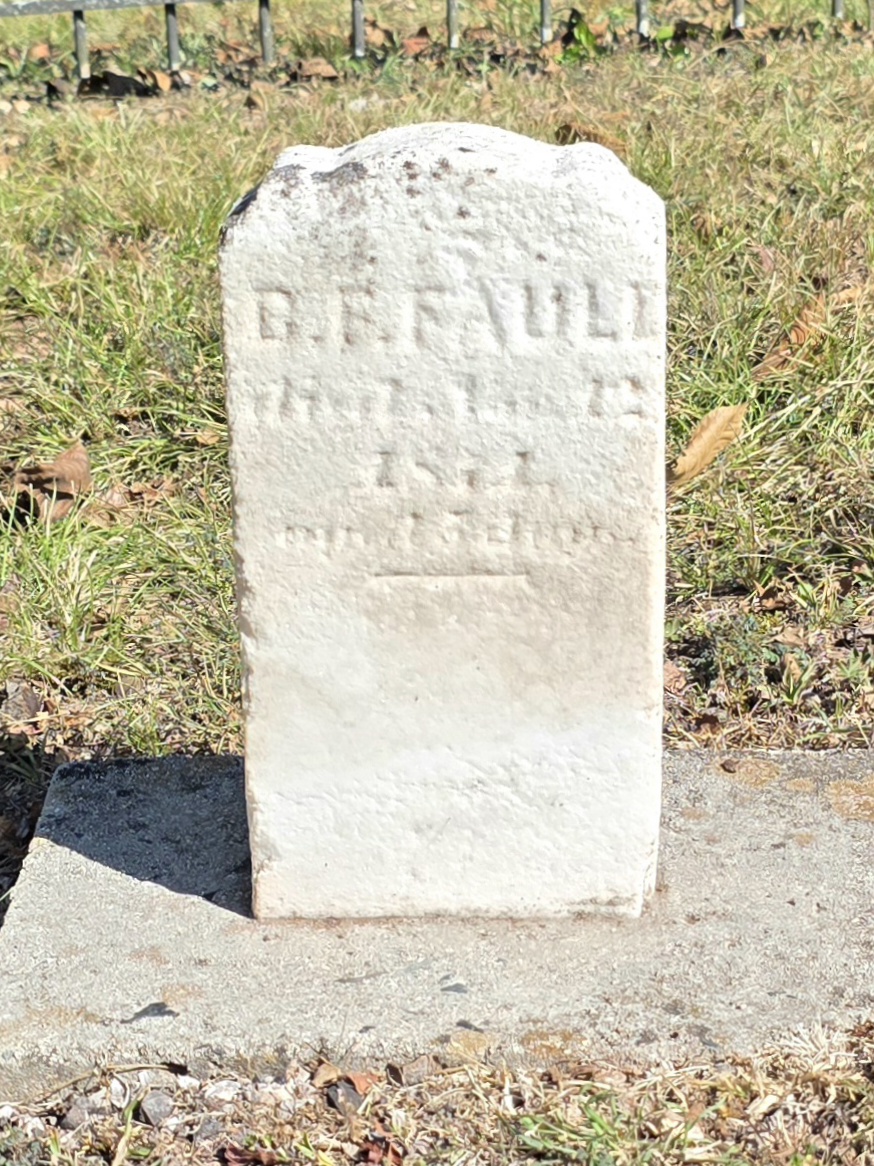
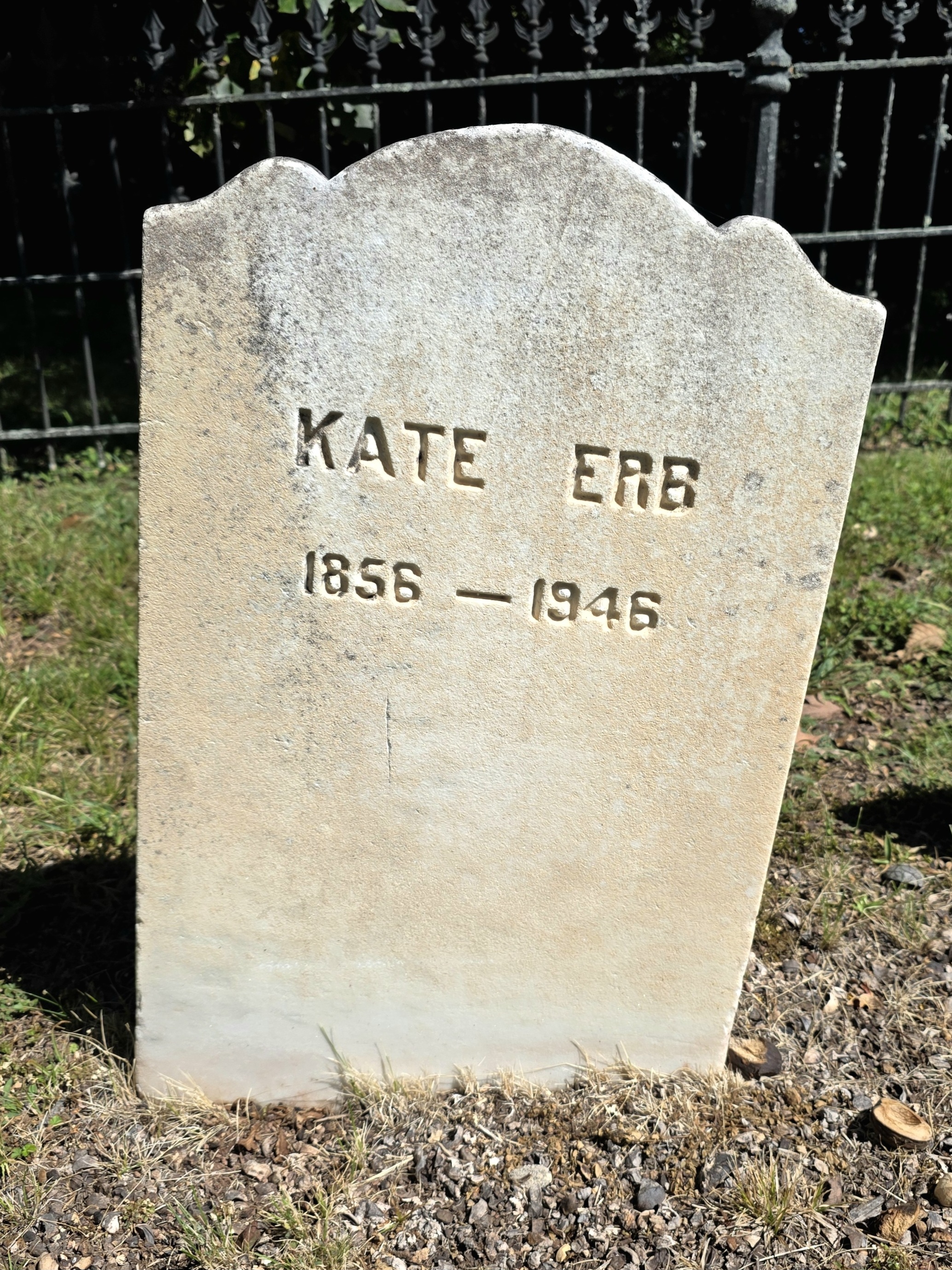
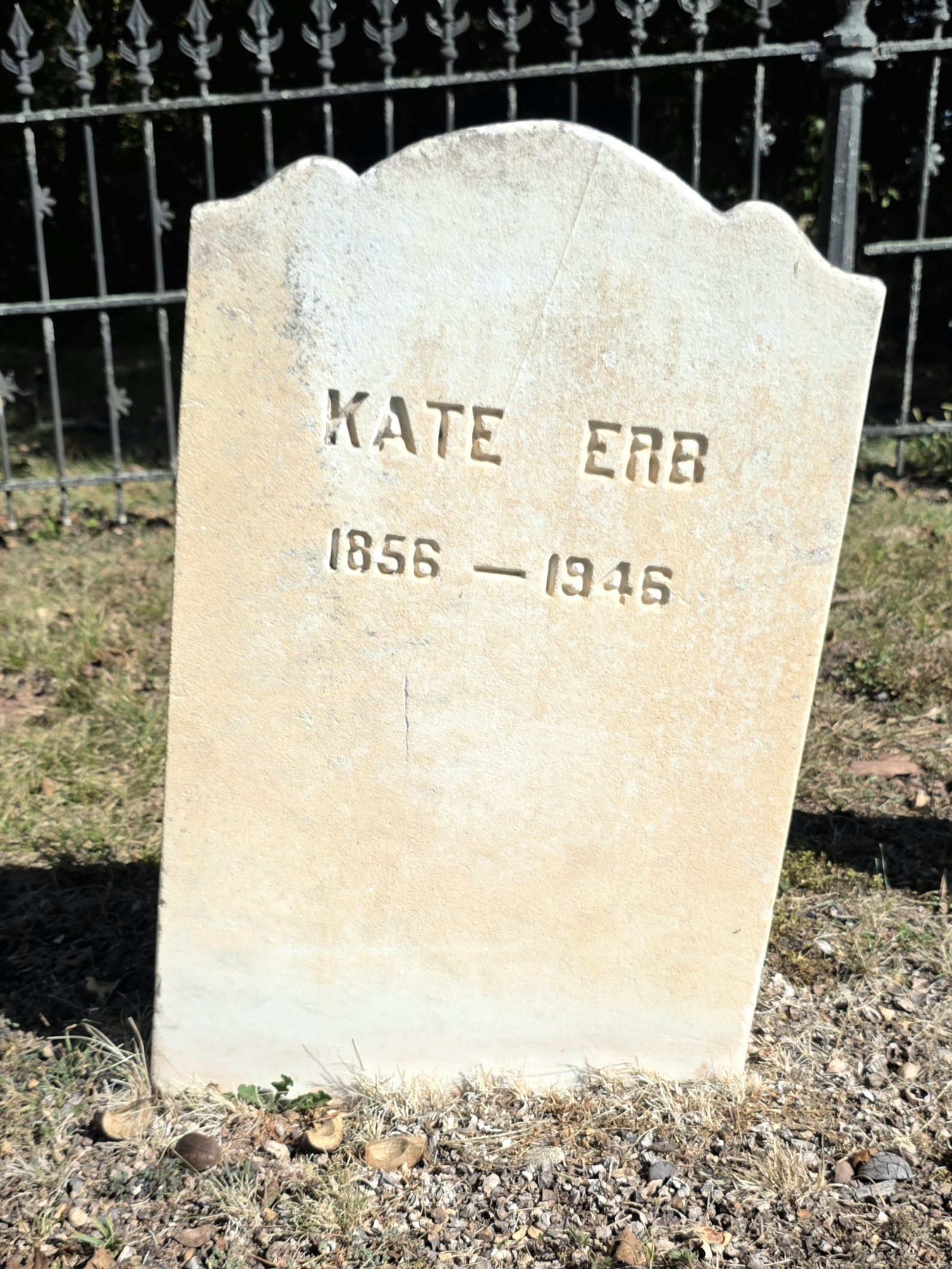
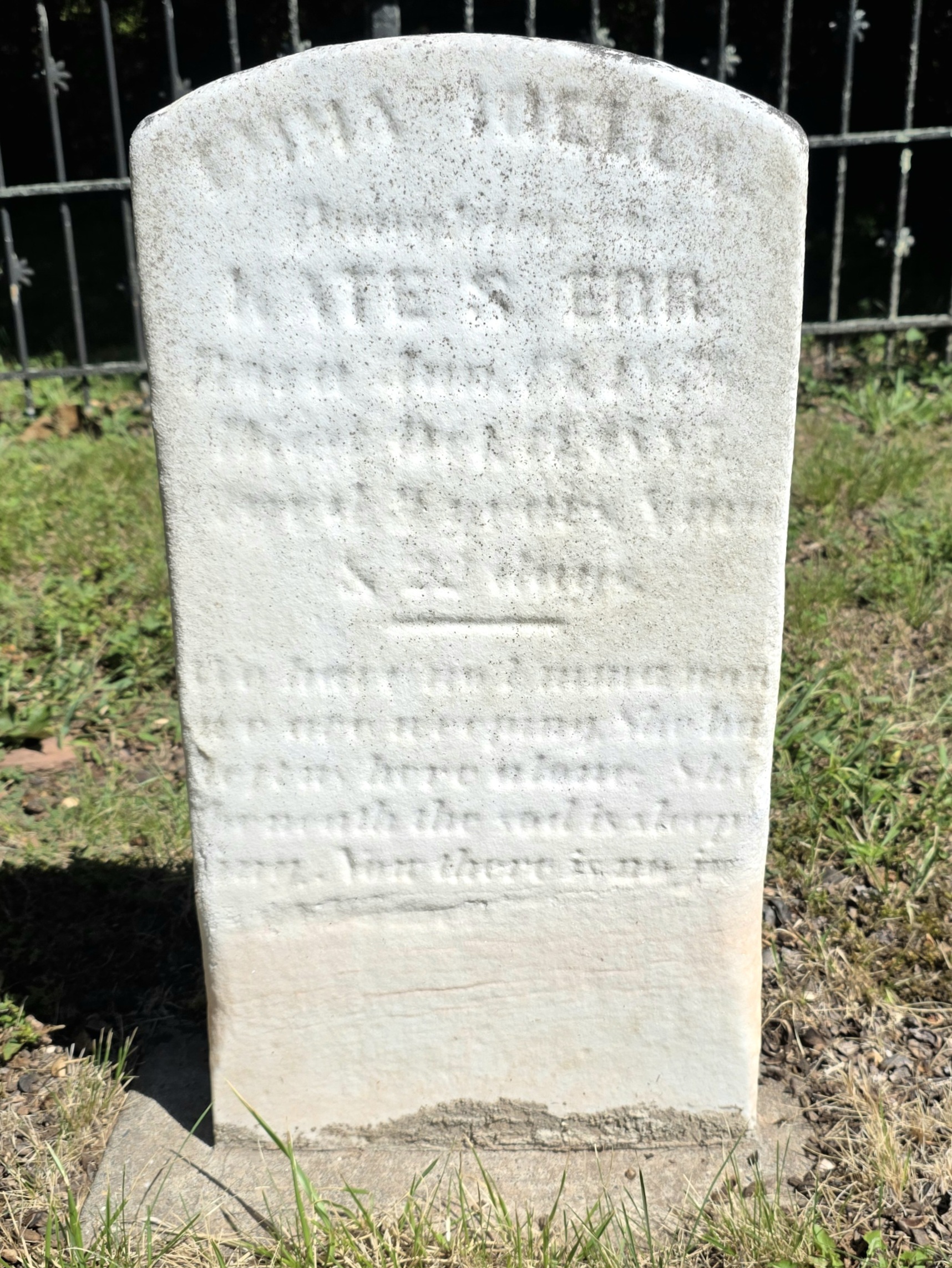
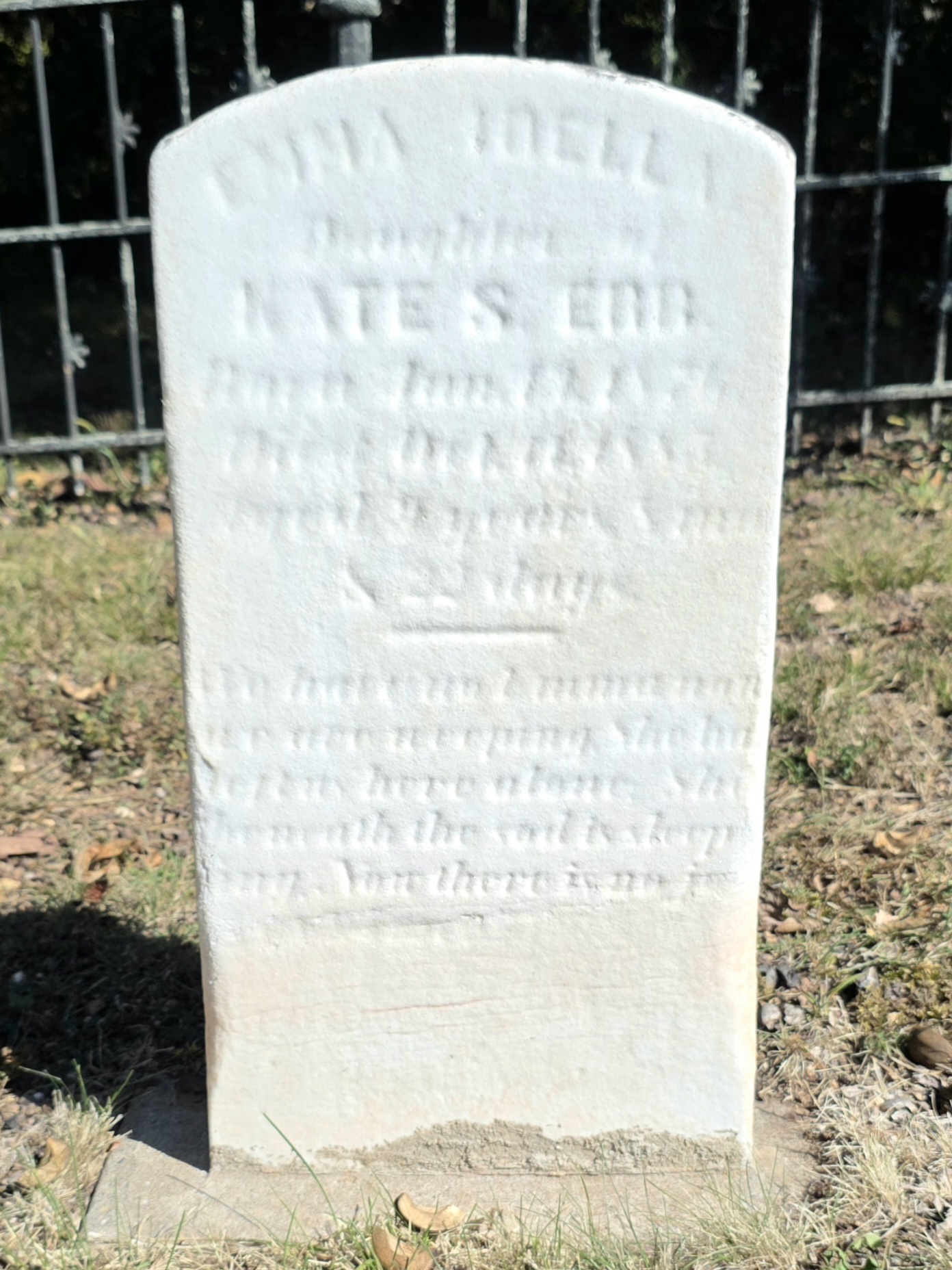
Charles R. Erb (1824–1889)
Lovina (Snyder) Erb (1833–1922)
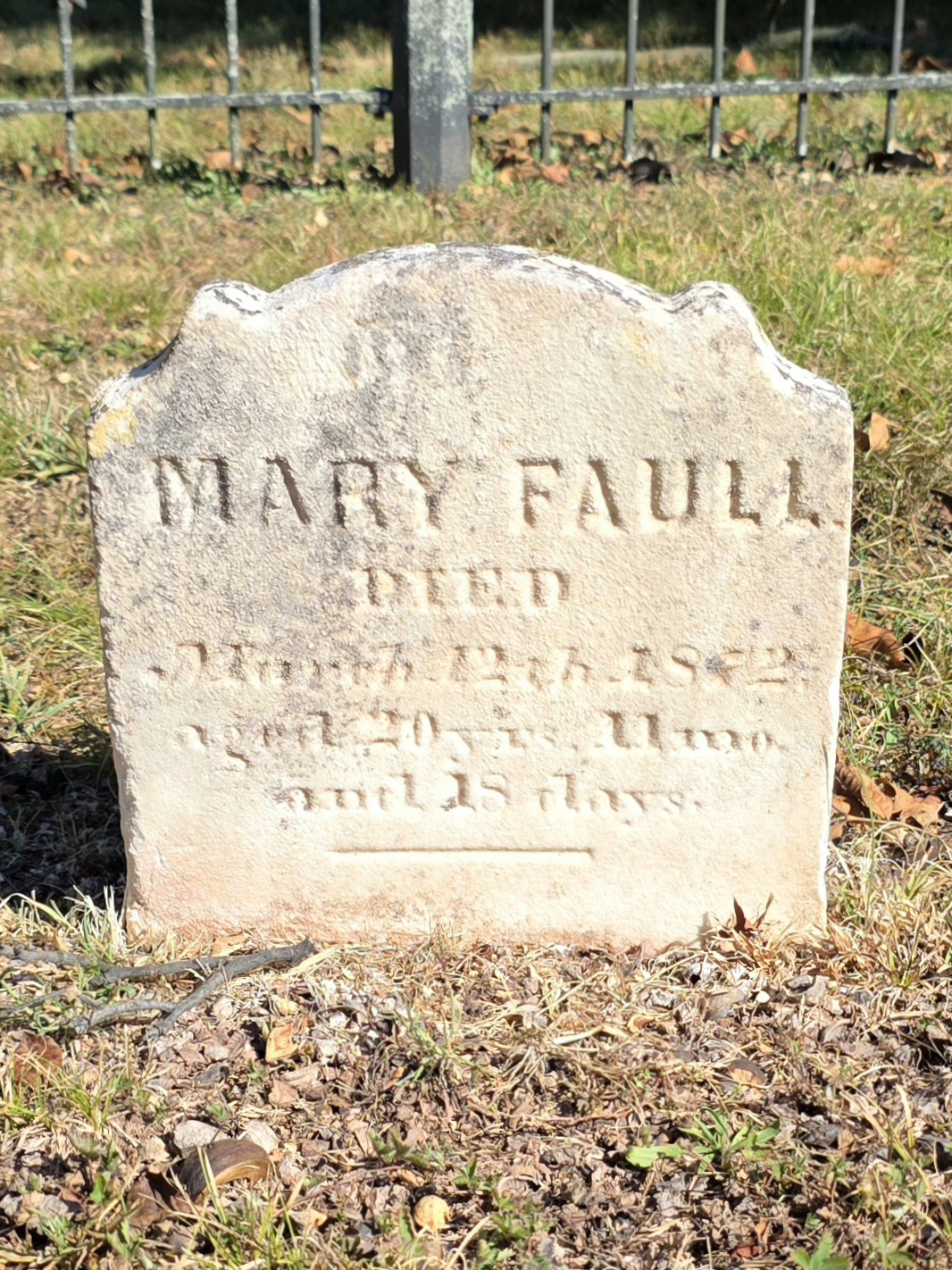
Mary (Erb) Faul (1851-1872)
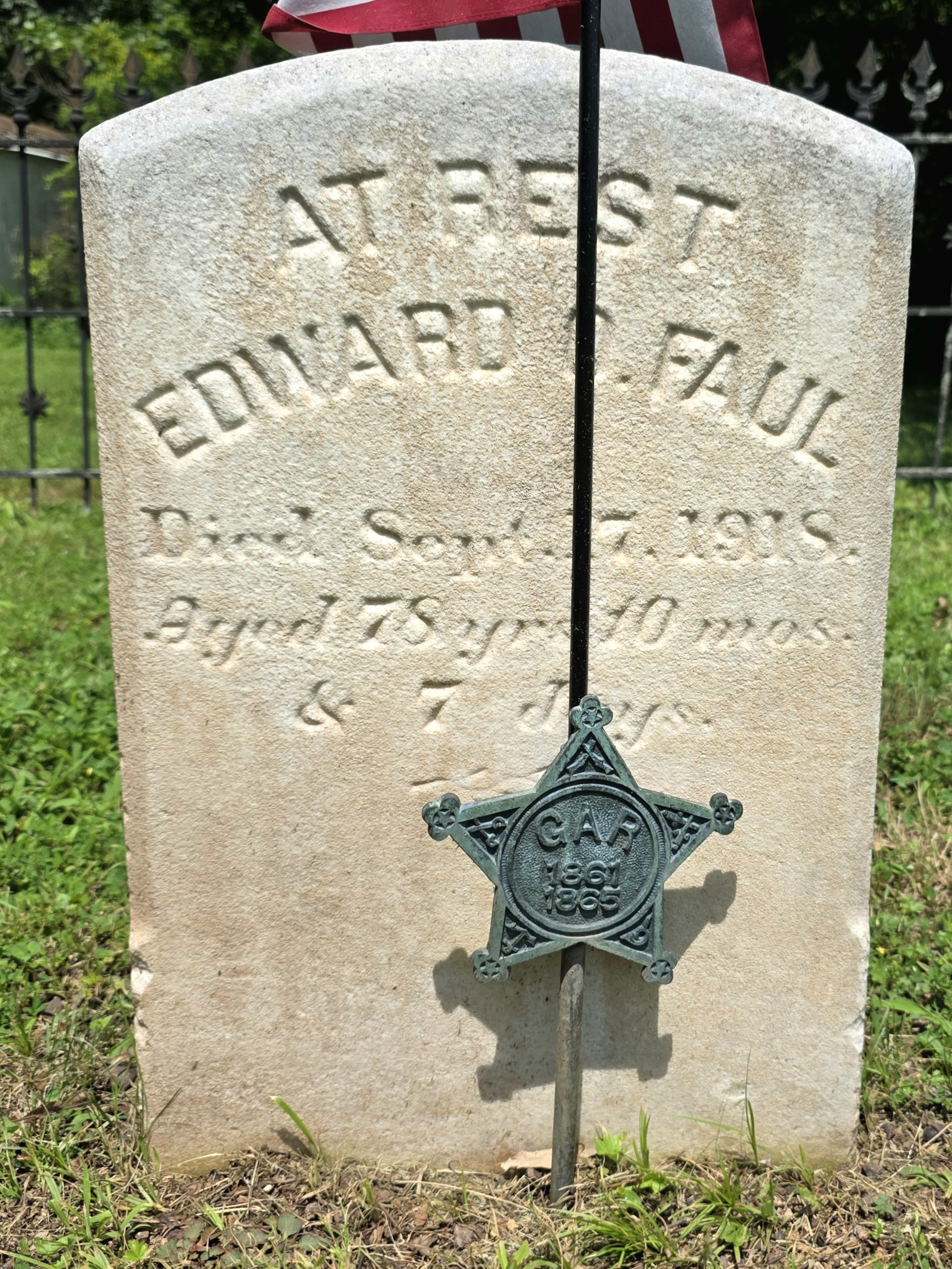
Edward O. Faul (1839-1918)
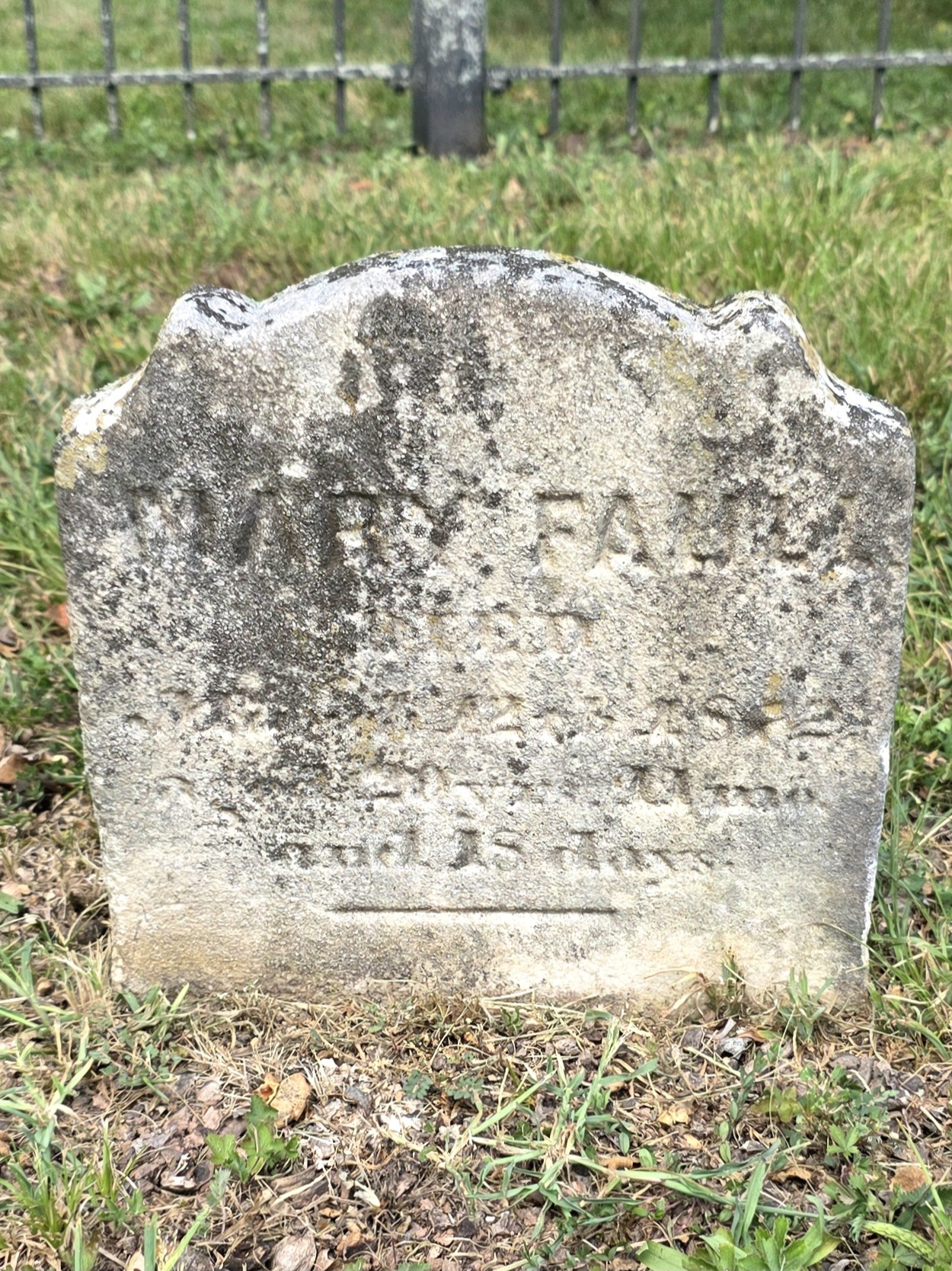
B.F. Faull (unknown)
Kate Erb (1856–1946)
Emma Idella Erb (unknown)
In the quiet back-left corner of the cemetery lies Charles Erb, son of John and Elizabeth Erb, and one of at least seven children. He married Lovina Snyder, a housekeeper who later died from chronic interstitial nephritis. Charles and Lovina had at least four children. Their daughter Kate Erb, a seamstress, appears single in most records, though a grave for Emma Idella Erb rests beside hers; some sources suggest Emma may have been her daughter. Kate’s 1946 marker is the newest in the cemetery, marking the most recent chapter in a lineage spanning nearly two centuries. Another daughter, Mary Erb, also a seamstress, married Edward O. Faul, a private in Company K of the 148th Pennsylvania Infantry during the Civil War. Mary and Edward’s daughter, Lizzie, died of tuberculosis in 1911. Records indicate Edward—sometimes listed as Edwin—married twice: first to Mary, who died very young, likely in childbirth in 1872, and later to Annie Faul. Edward and Mary are recorded as being buried at Towamencin Schwenkfelder Cemetery, though memorial stones for both also stand at Salford. Another Faul stone stands beside Mary; its connection is unclear but is included here for completeness.
The Erb family traces its lineage back to Christopher and Susanna Reinwald, original Schwenkfelder immigrants from Silesia. Their son, Christopher Reinwald (b. 1737), married Maria Meschter, and their daughter Elizabeth Reinwald married John Erb, making Charles part of a family whose roots extend to some of the earliest Schwenkfelder settlers in Montgomery County. This connection places the Erbs among a network of families—including Yeakel, Anders, and Meschter—whose lives and graves reflect nearly three centuries of faith, resilience, and continuity in the region.
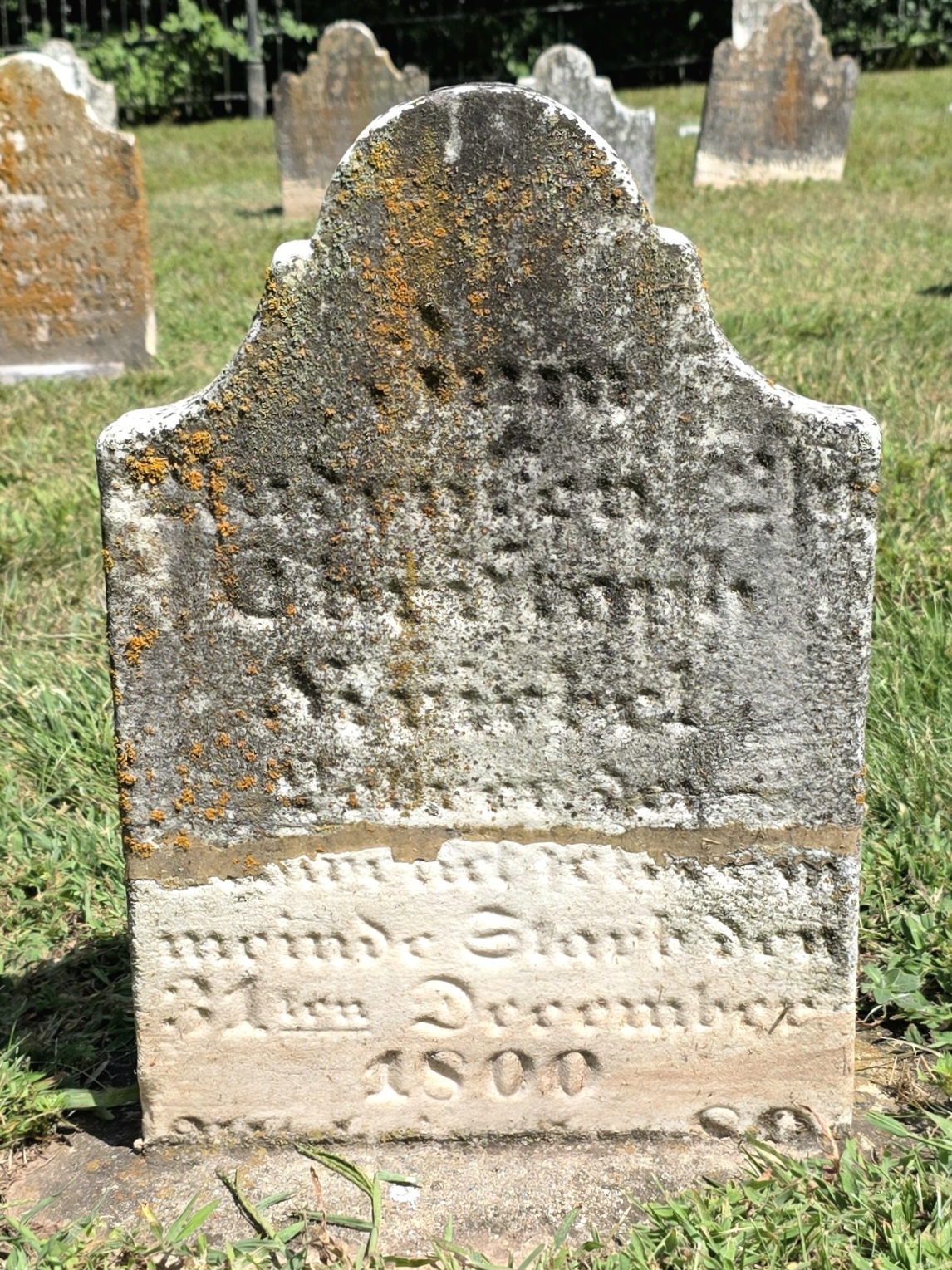
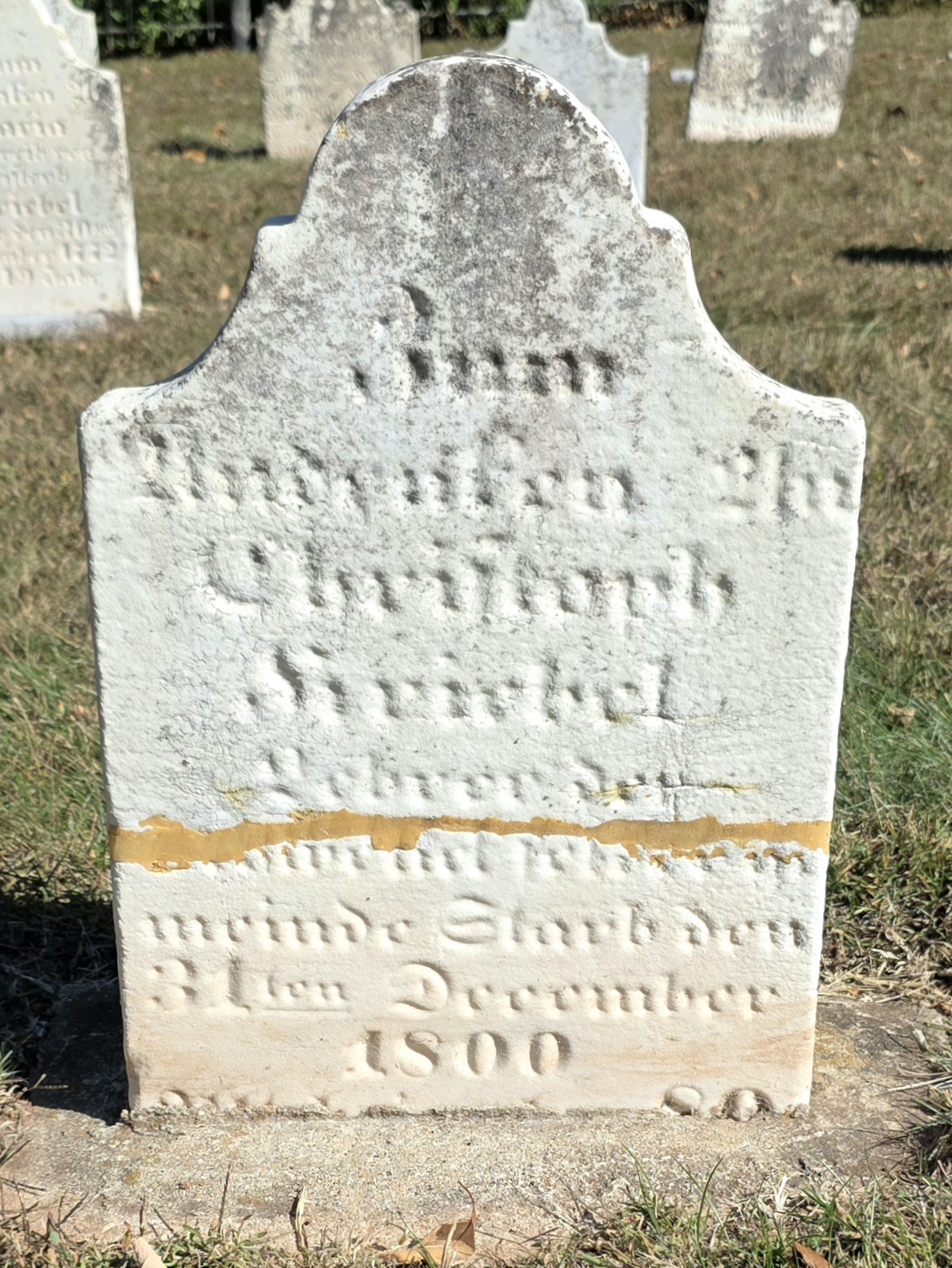
Christopher Kriebel (unknown-1800)
The Kriebel family stands as one of the foundational lineages of the Schwenkfelder community, and their presence at Salford Schwenkfelder Cemetery reflects generations of faith, resilience, and continuity. Across the rows, the gravestones form a visible record of the family’s enduring presence, telling the story of lives deeply rooted in the land and in community, intertwined with both joy and loss.
Rows of gravestones mark their enduring legacy, showing both the triumphs and hardships of early settler life. Parents, children and extended family members are memorialized side by side, reflecting a tightly knit family network that intertwined with other prominent Schwenkfelder families, including the Heydricks, Yeakels, and Dreschers. Today, these stones offer a tangible connection to the past, preserving the story of a family whose influence shaped Lower Salford for nearly three centuries.
Other Kriebels
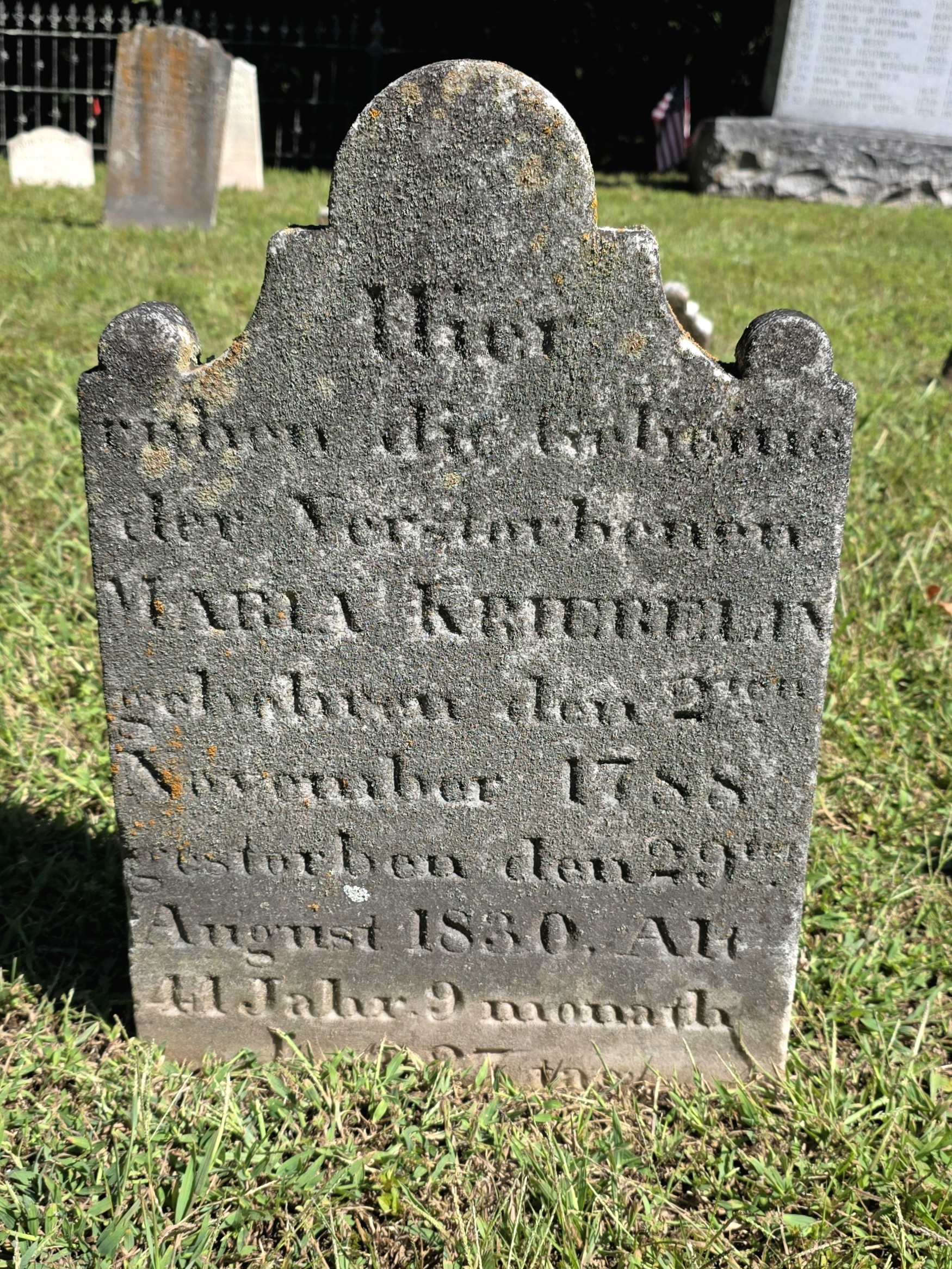
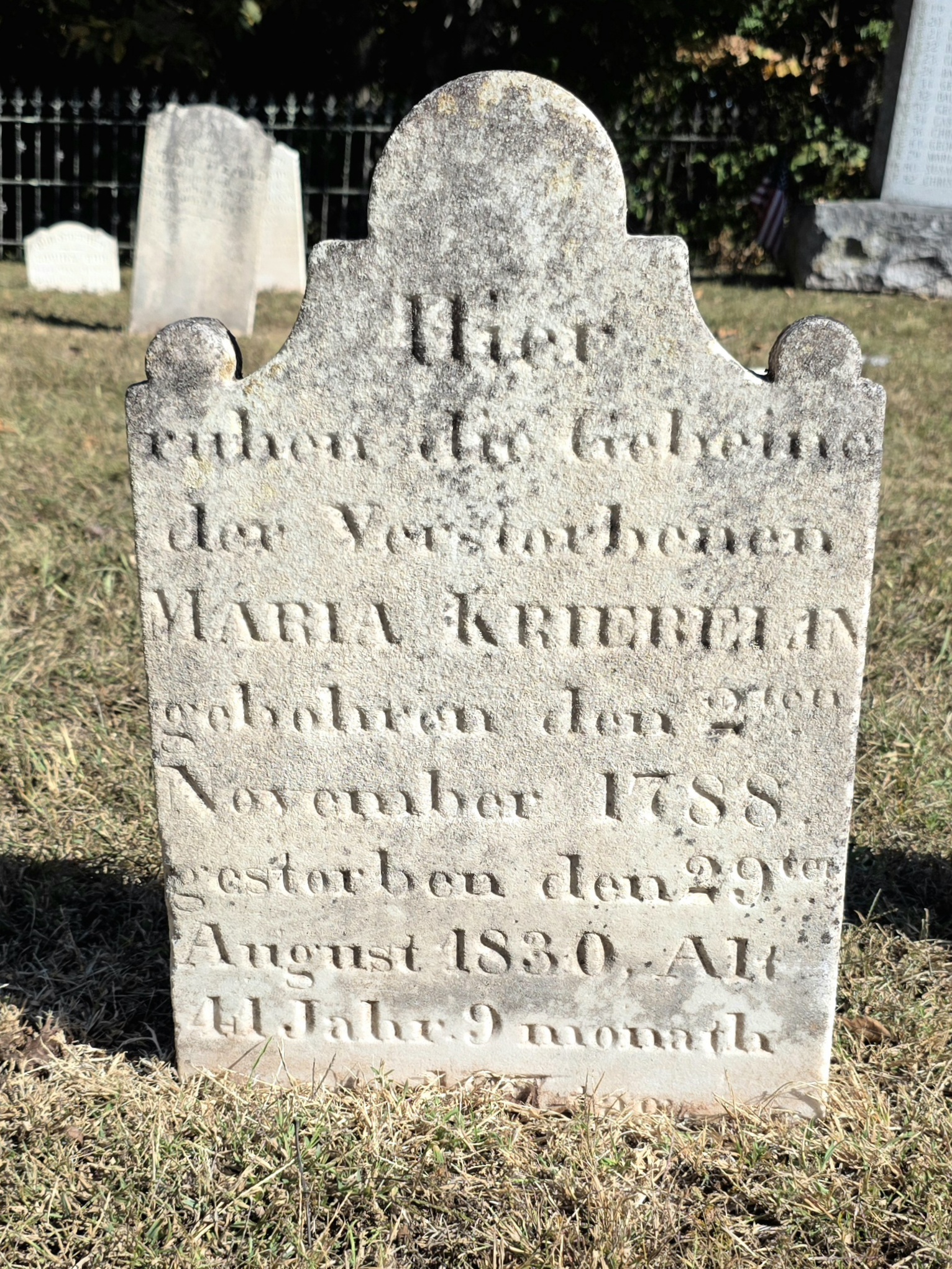
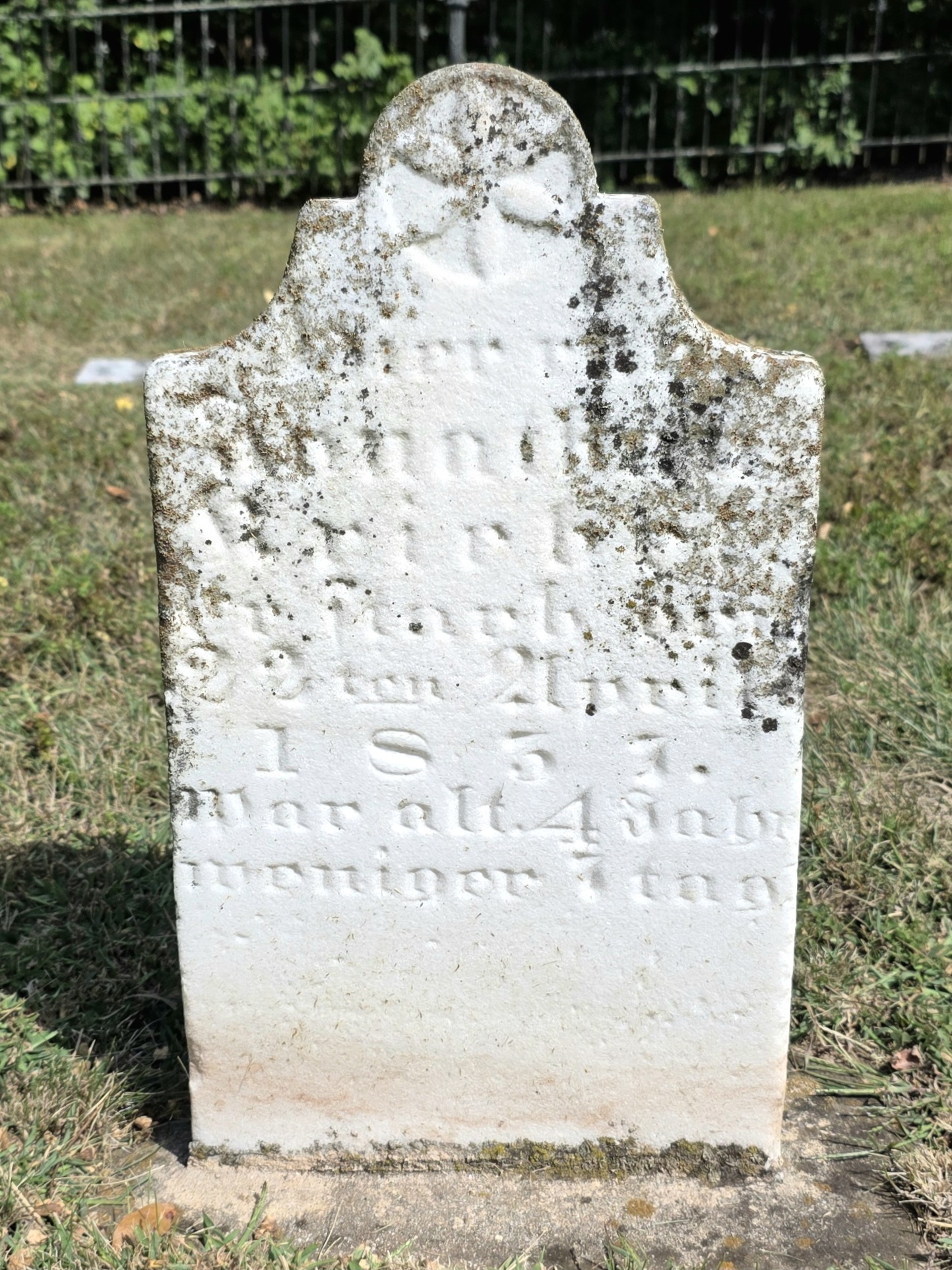

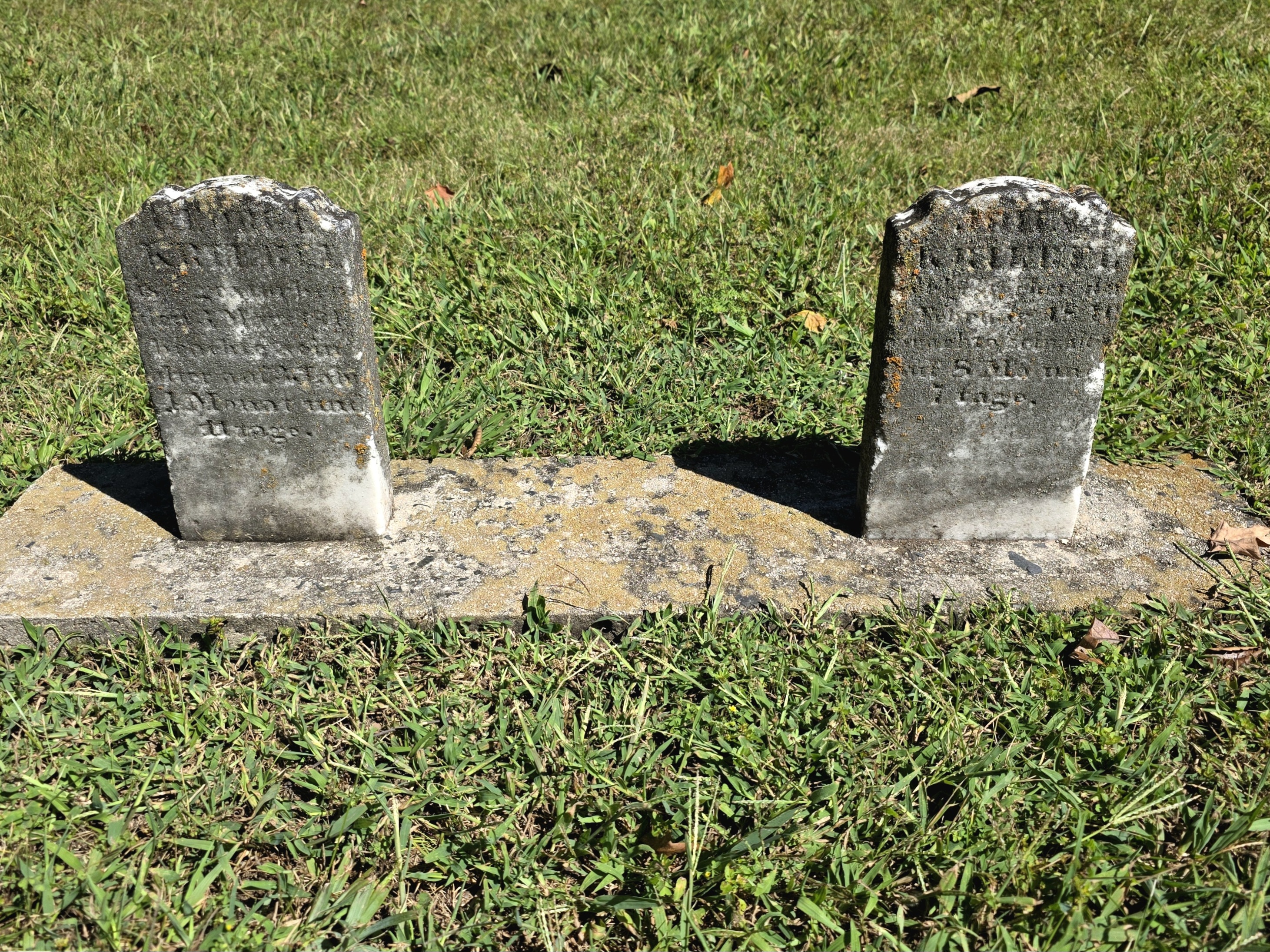
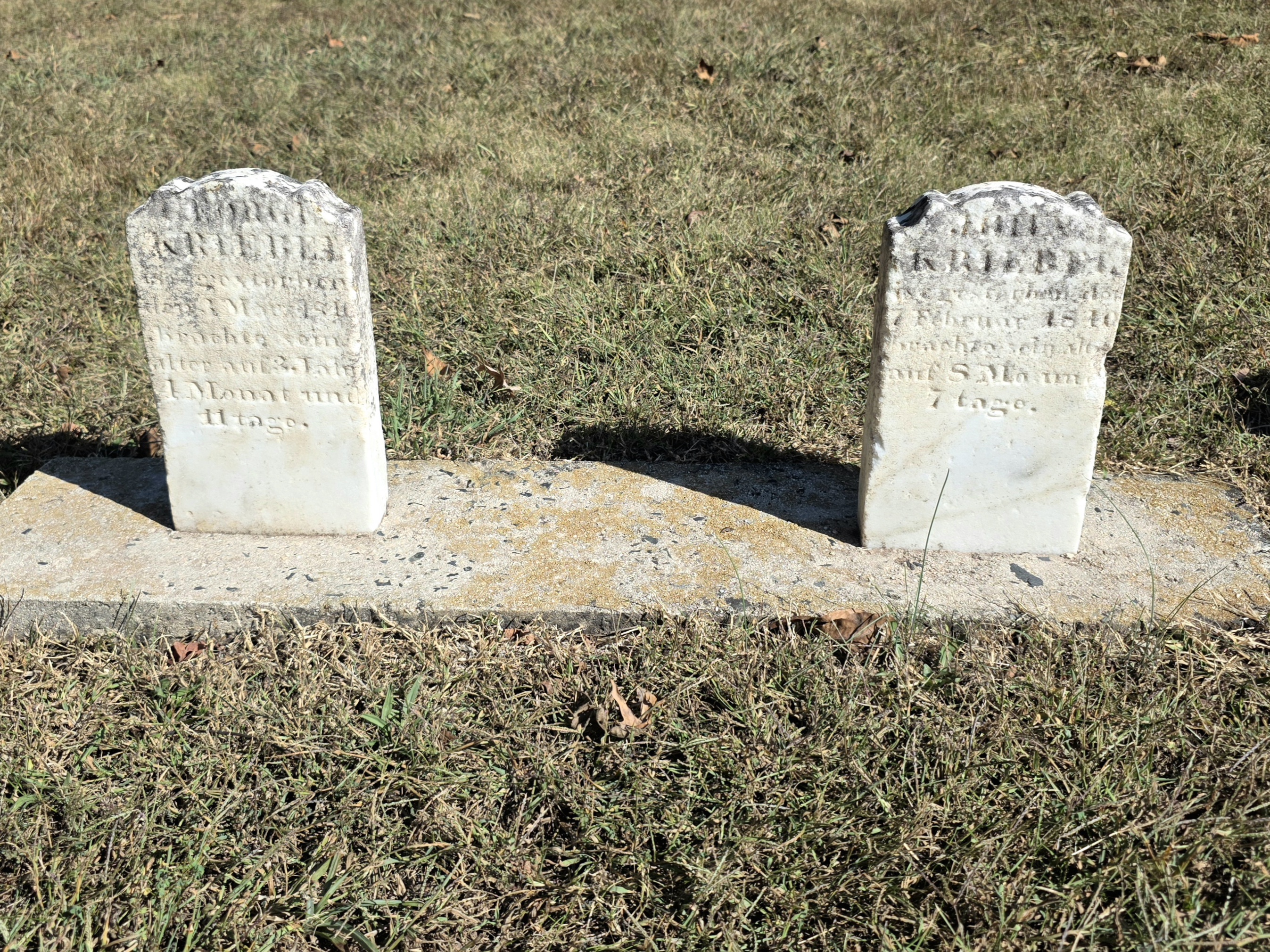
Maria Kriebel (1788-1830)
Jonathan Kriebel (1857-unknown)
George & John Kriebel (1840-unknown)
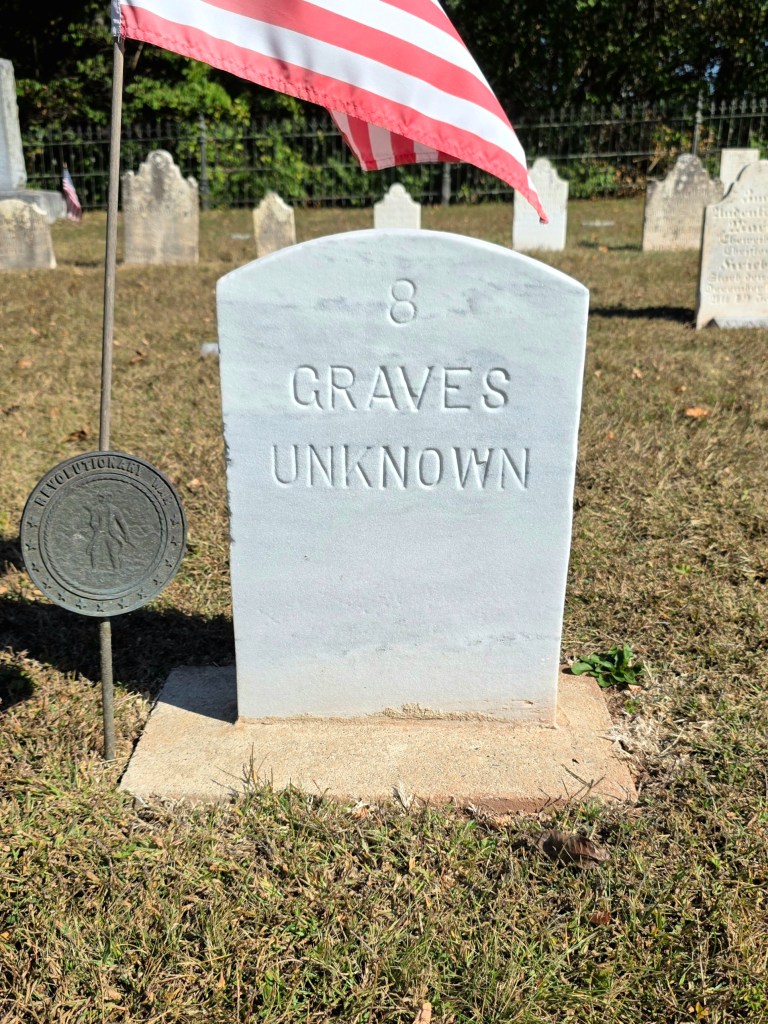
8 Graves Unknown
At the center of Salford Schwenkfelder Cemetery stands a stone marked “8 Graves Unknown,” accompanied by a Revolutionary War marker. These graves are believed to hold the remains of eight unidentified Continental Army soldiers who were stationed in or passed through Montgomery County during the American Revolution. Troop movements, temporary encampments, and battlefield casualties often resulted in burials without formal documentation, leaving many soldiers unrecorded by name.
Though their identities remain unknown, the stone serves as a poignant link to the Revolutionary era within the Schwenkfelder community. Its placement near marked family graves underscores the intersection of local religious, social, and military history—a reminder that even within this largely pacifist settlement, the struggle for independence touched daily life.
It is reasonable to infer that the marker was placed in the mid-20th century, likely between the 1930s and 1950s. The dedication may have coincided with the 1934 Schwenkfelder bicentennial or with later efforts by local veterans’ organizations and descendants to honor Revolutionary War dead.
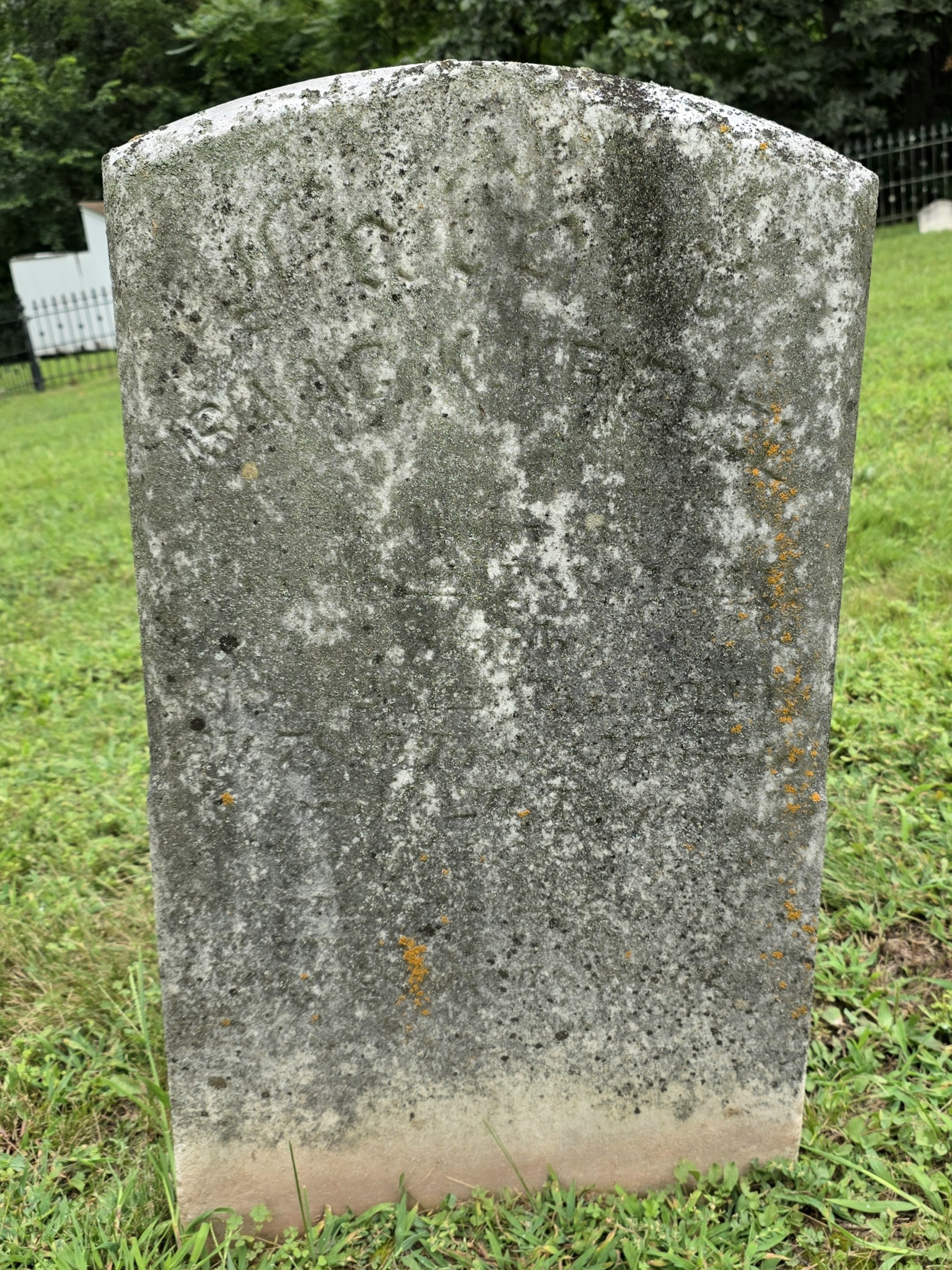
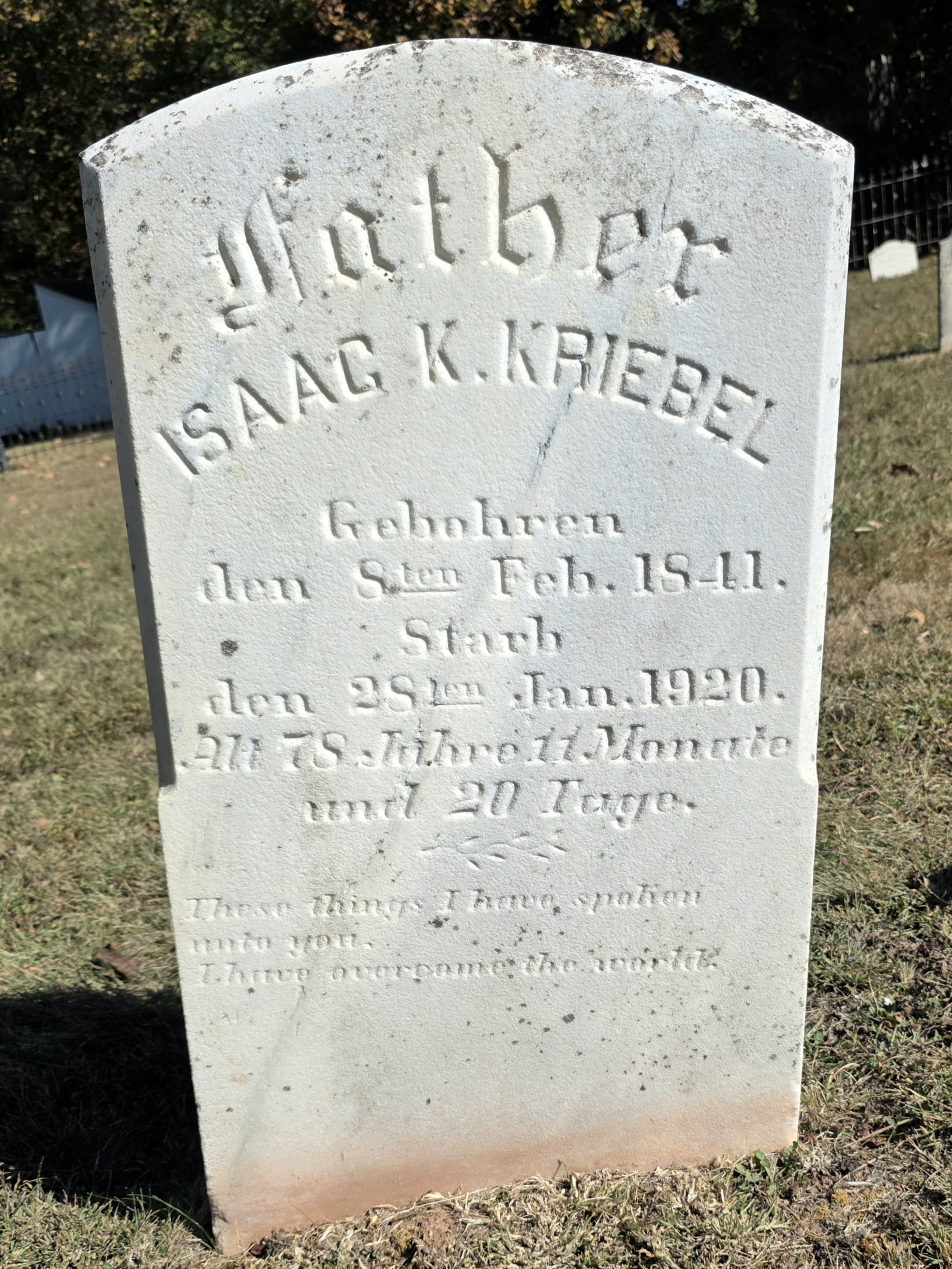
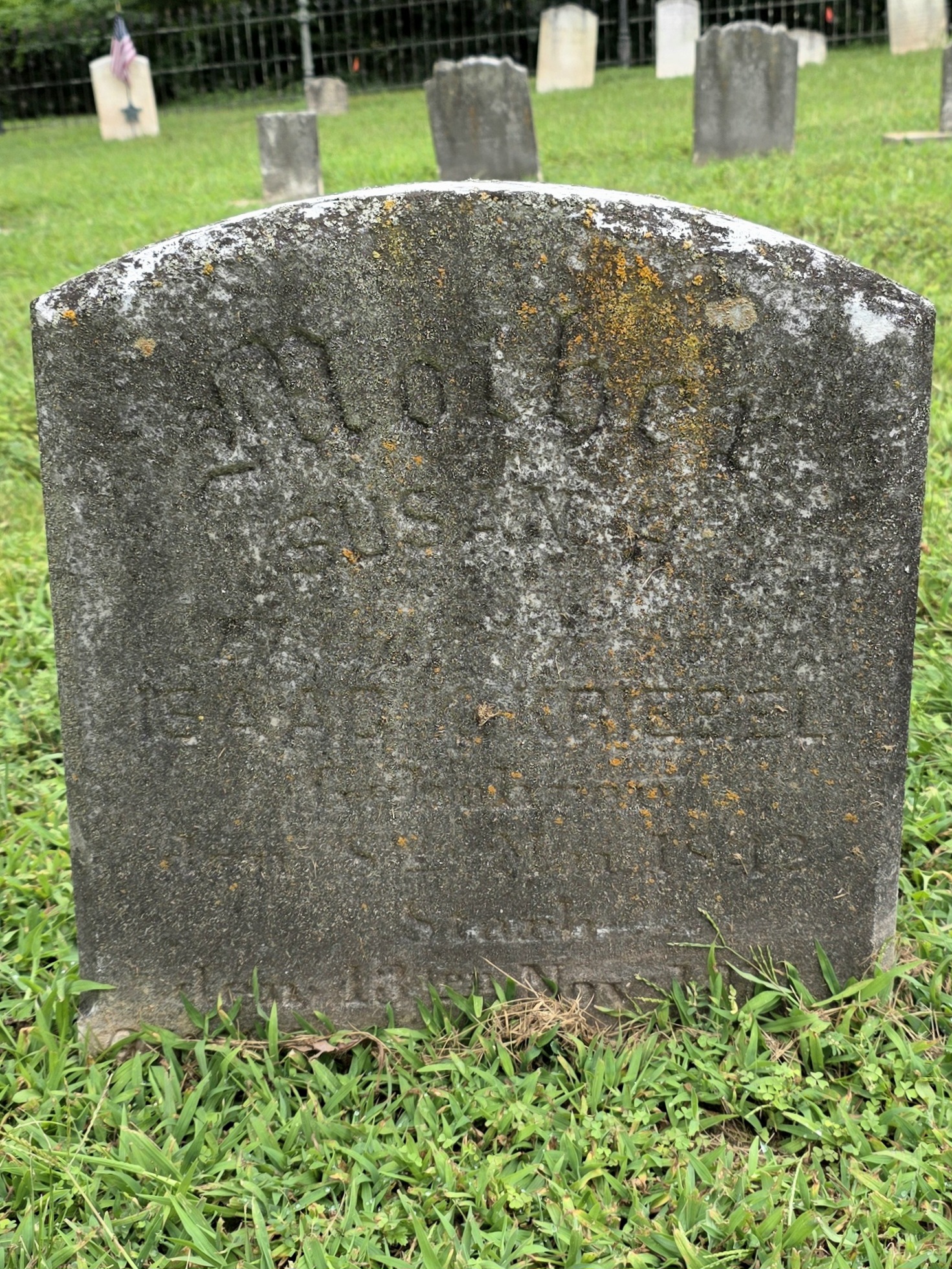
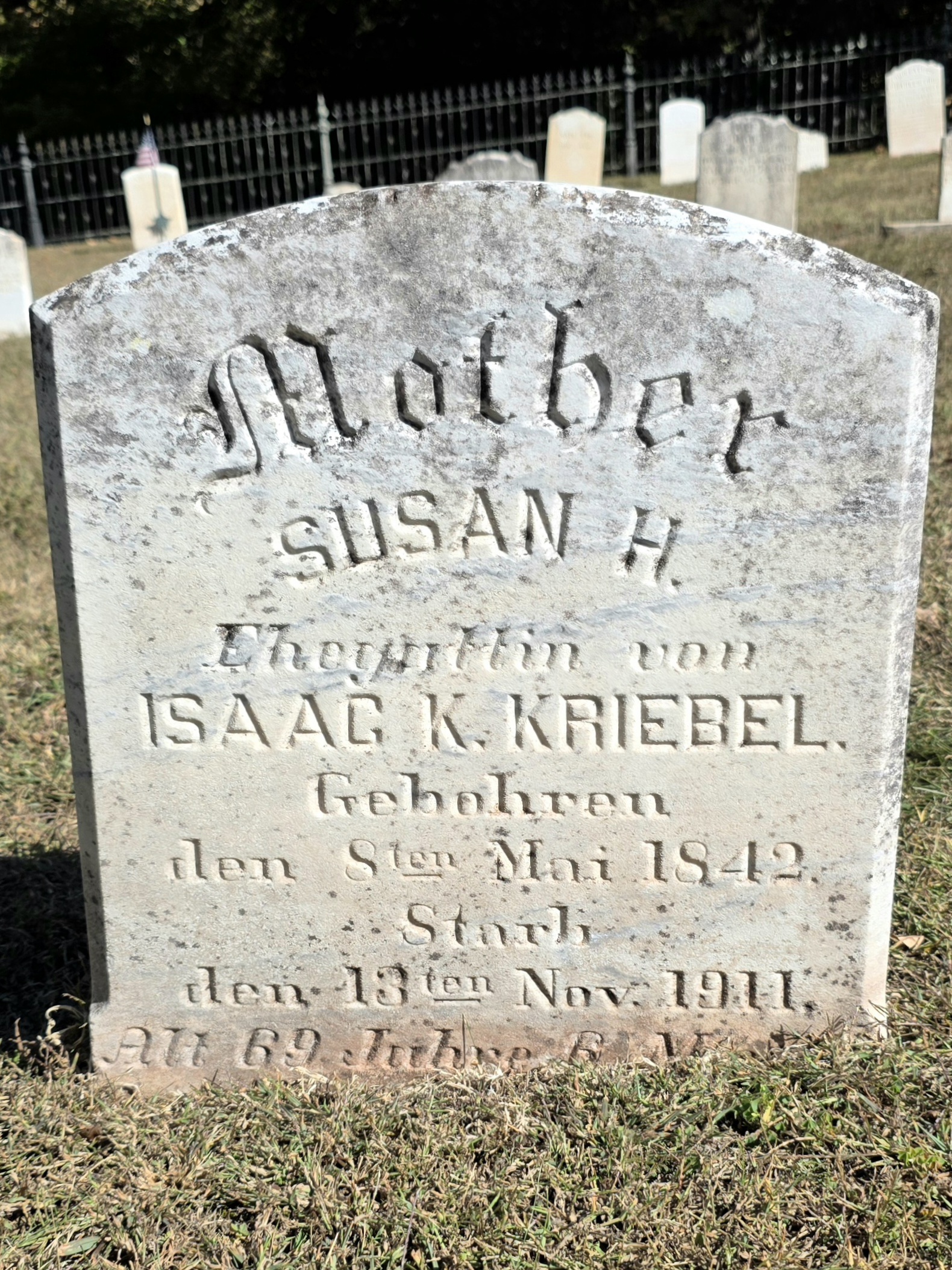
Isaac K. Kriebel (1841-1920)
Susan (Fisher) Kriebel (1842-1911)
Isaac K. Kriebel grew up among the Kriebel, Anders, and Seipt families in Lower Salford Township. Like many Schwenkfelders of his generation, he devoted much of his life to farming. In the mid-19th century, he married Susan Fisher Kriebel, and together they raised seven children.
The Kriebel farm, adjacent to Salford Schwenkfelder Cemetery, has remained in family ownership for seven generations. A 2013 article notes that the barn still stands on its original 1748 foundation. Samuel F. Kriebel, a great-grandson of Isaac and Susan, funded a new cast-iron fence for the cemetery, reportedly saying, “I owe the church a fence.” The restoration incorporated the original 1912 posts, sand-blasted and repaired to preserve their historical integrity. Samuel also supported the Kriebel Rural Entrepreneurship Gallery at the Schwenkfelder Library & Heritage Center, donating farm machinery and highlighting the region’s legacy of rural enterprise.
Today, the farm remains in Kriebel hands, a testament to the family’s enduring presence. Robert “Bob” Kriebel, , would often visit and watch our progress each week as we worked at the cemetery. We enjoyed his company, talking about his family, the land, and his passion for television shows across the decades.
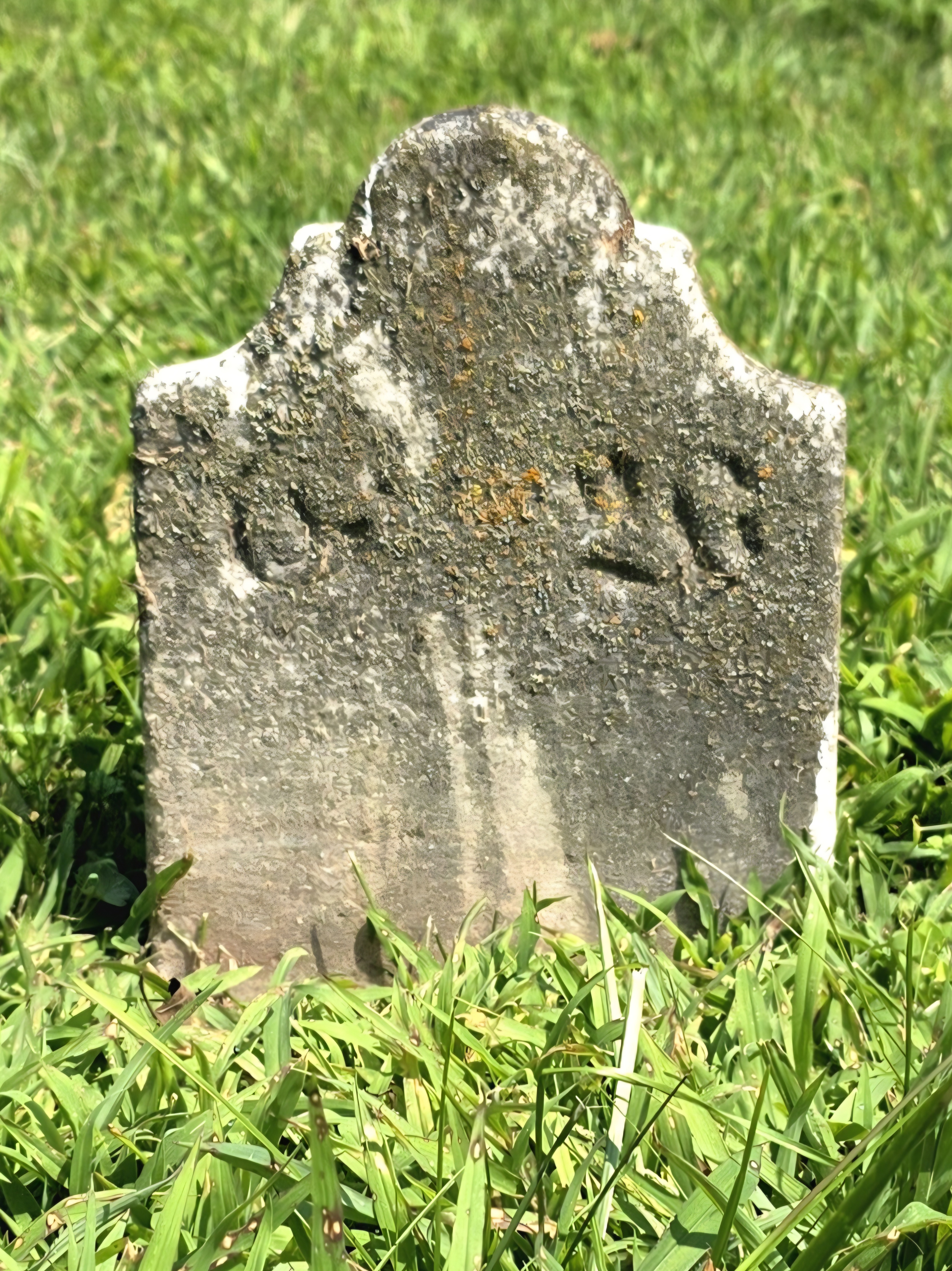
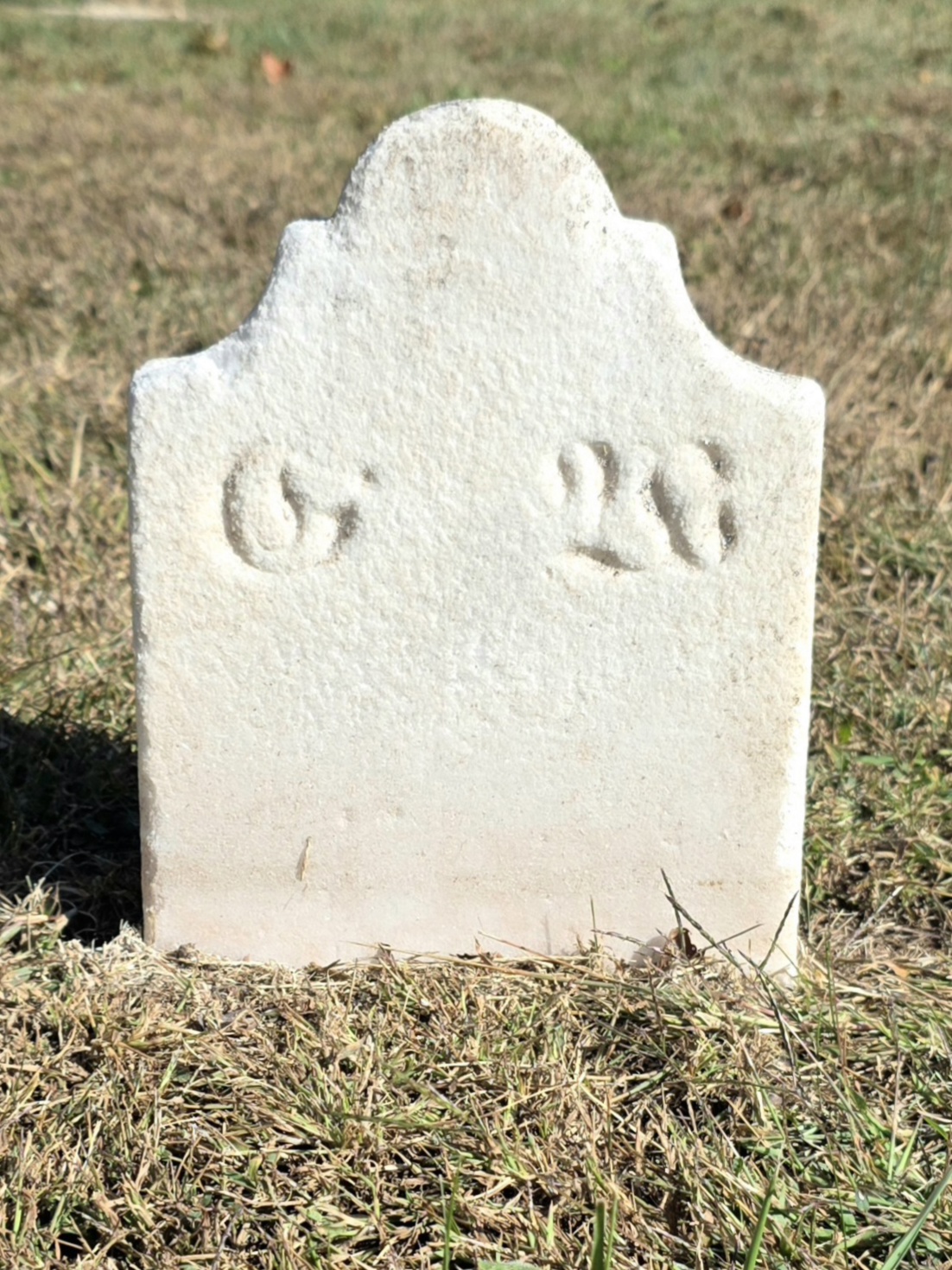
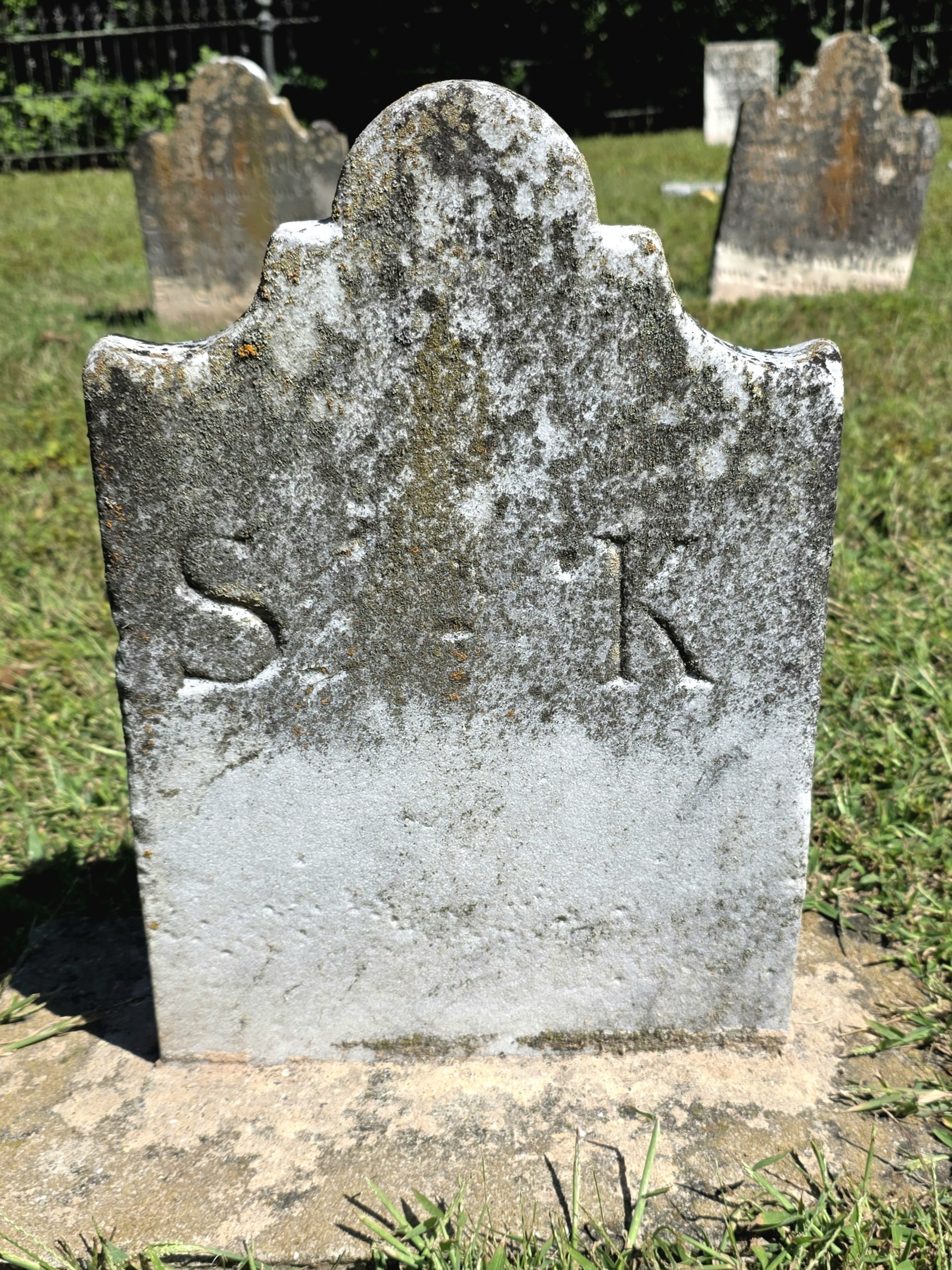
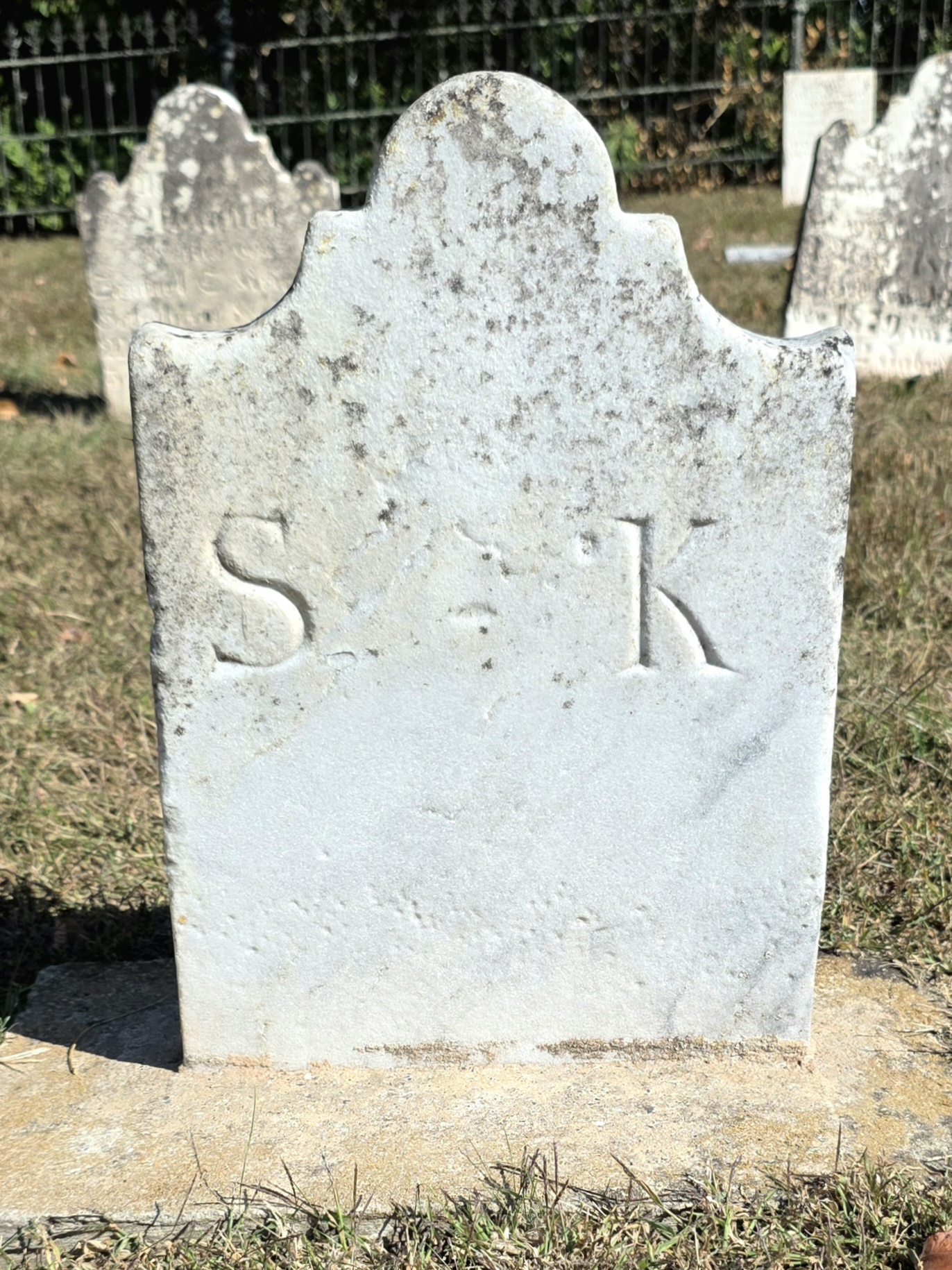
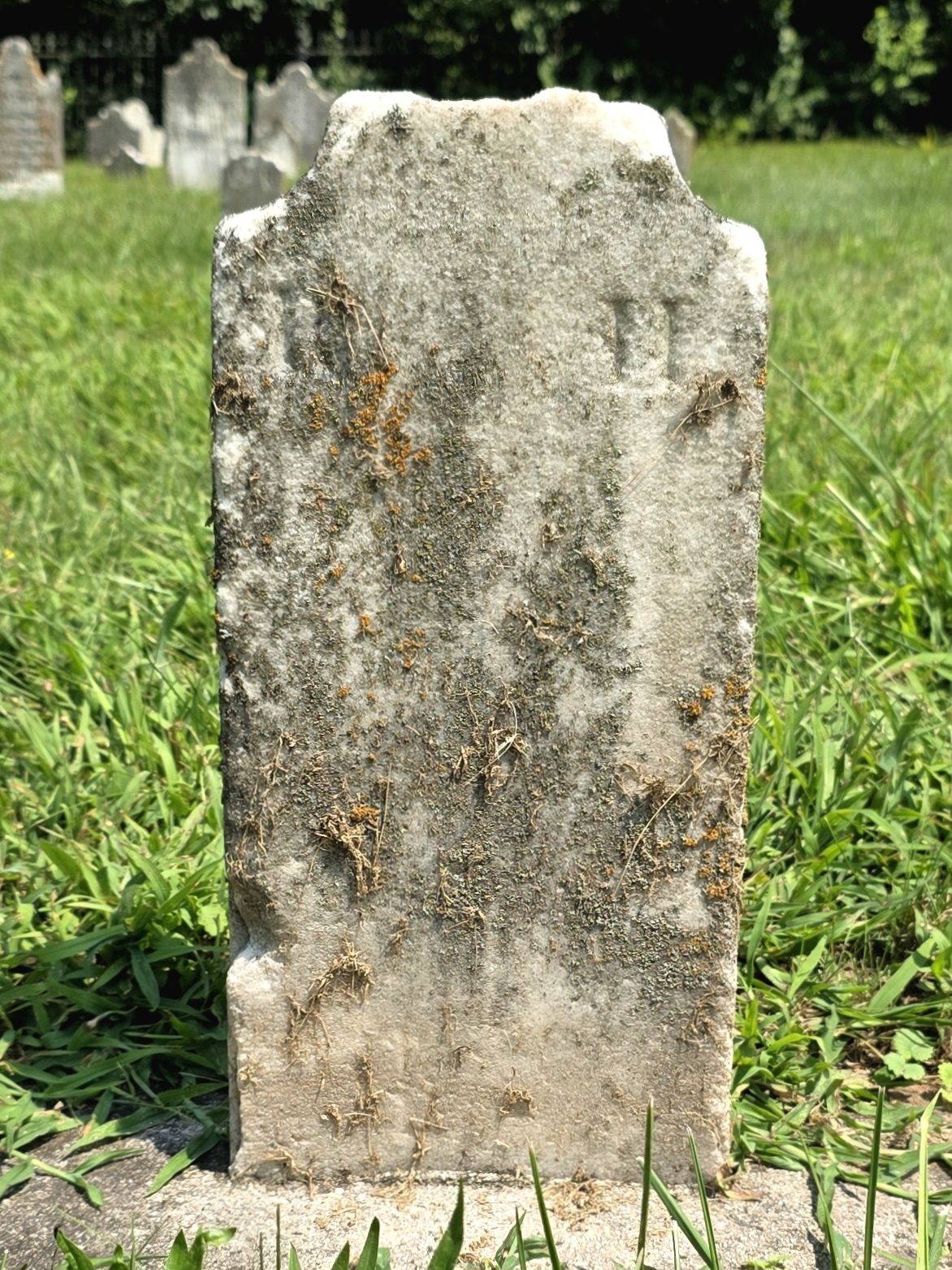
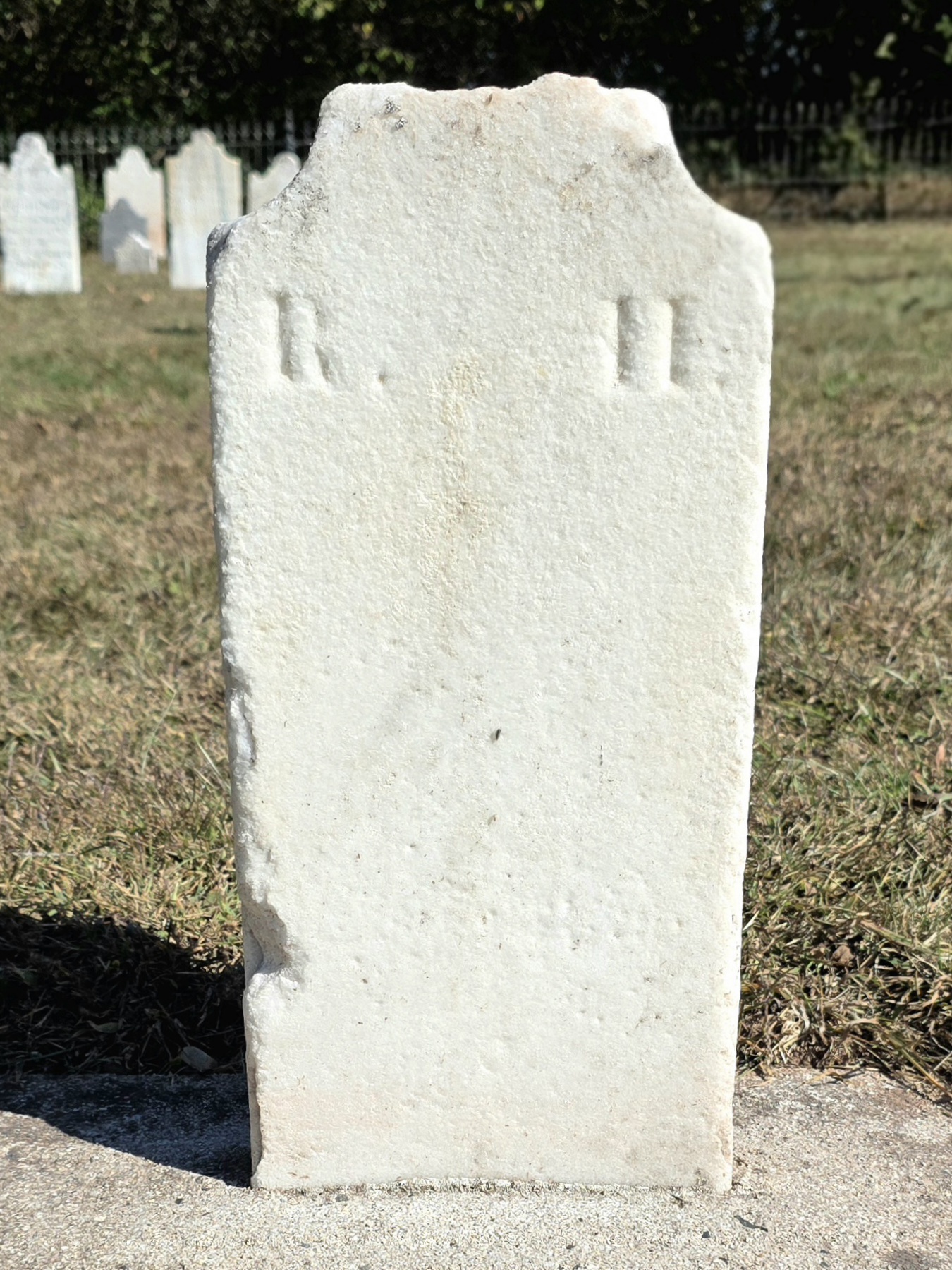
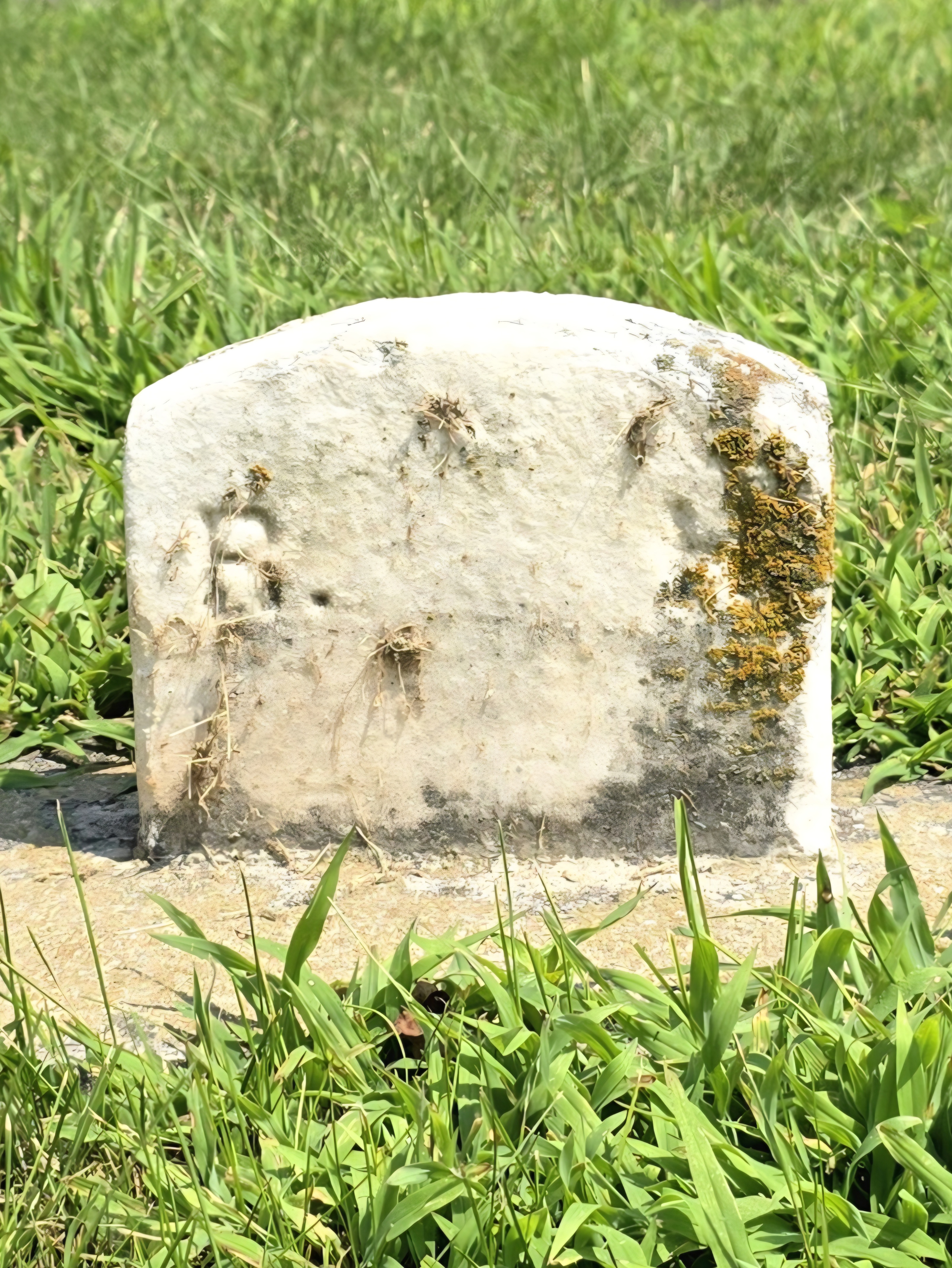
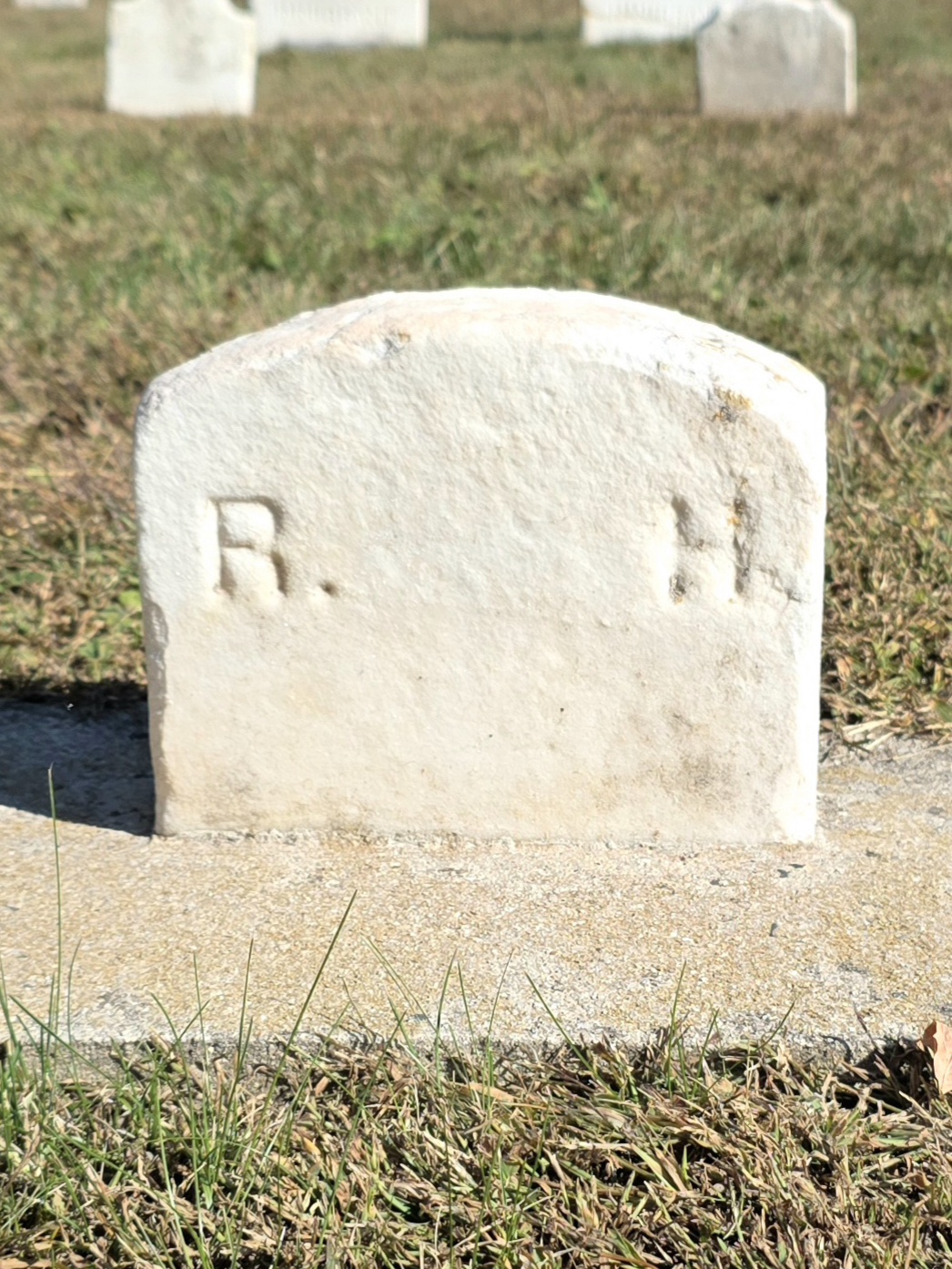
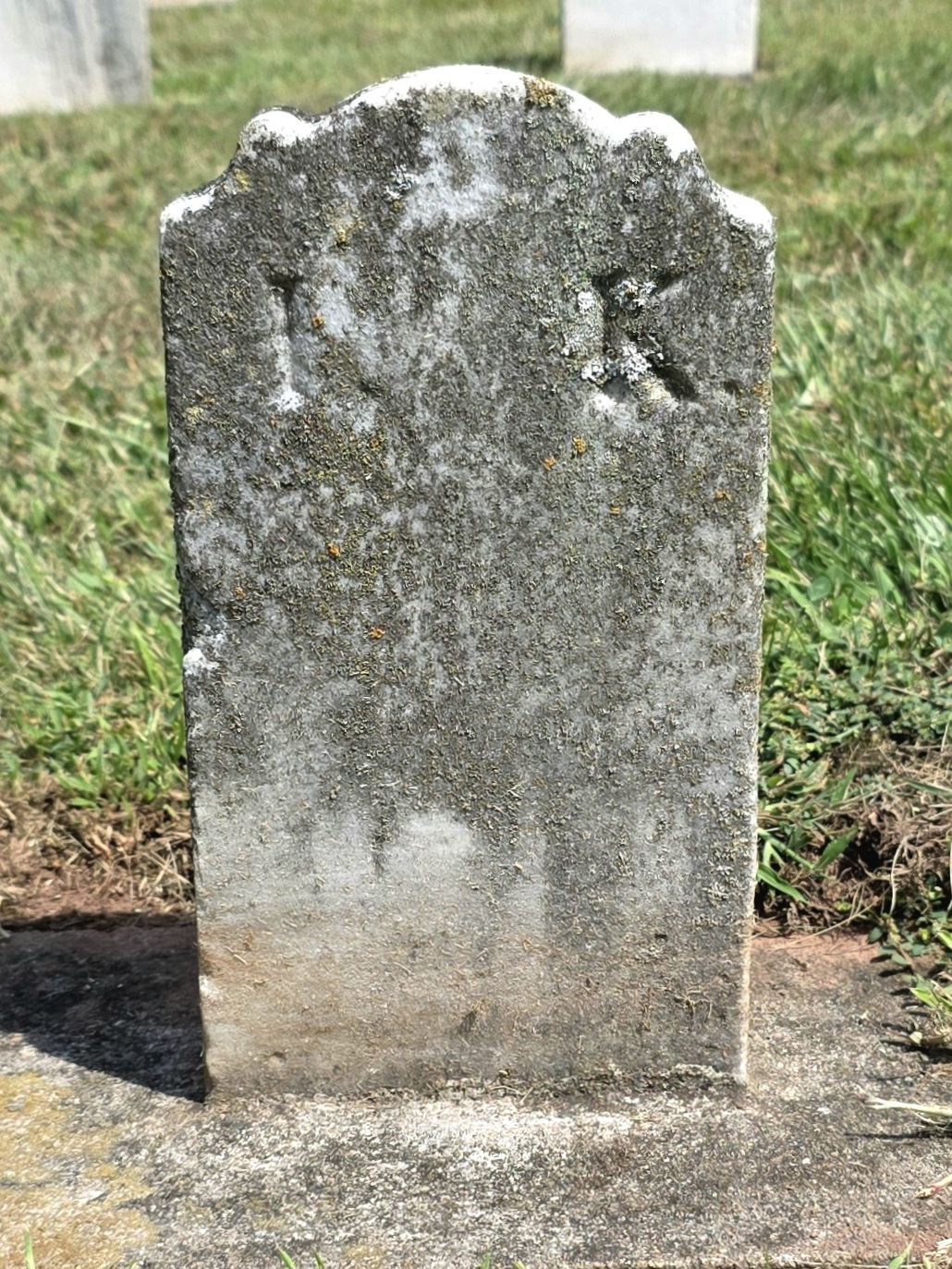
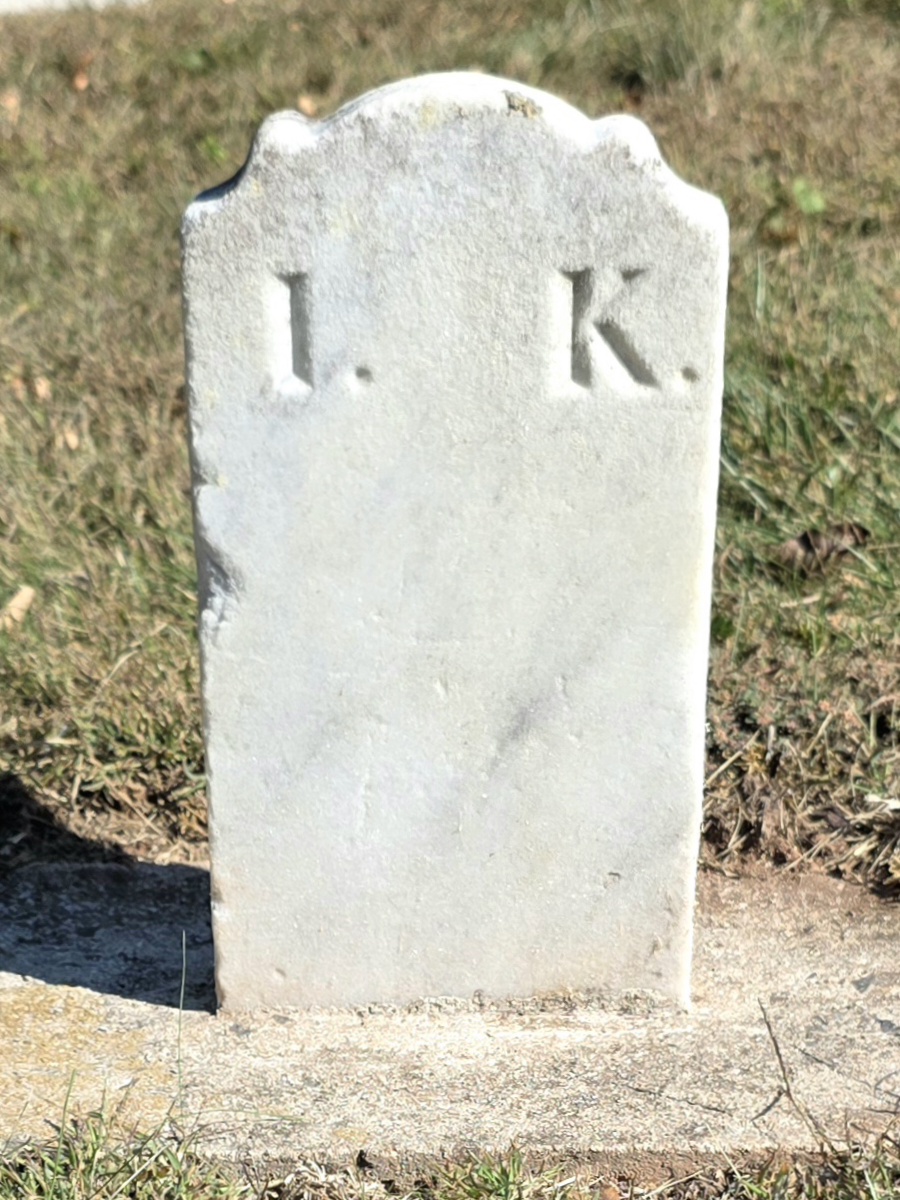
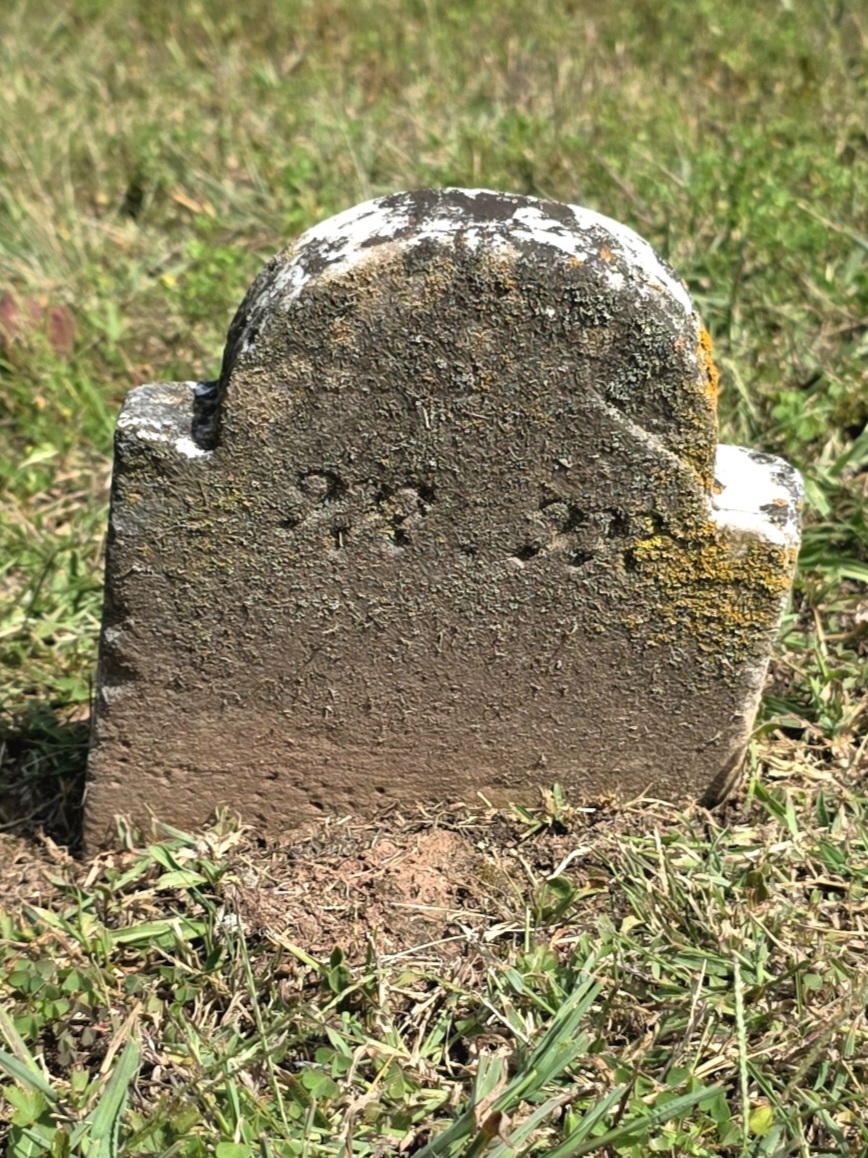
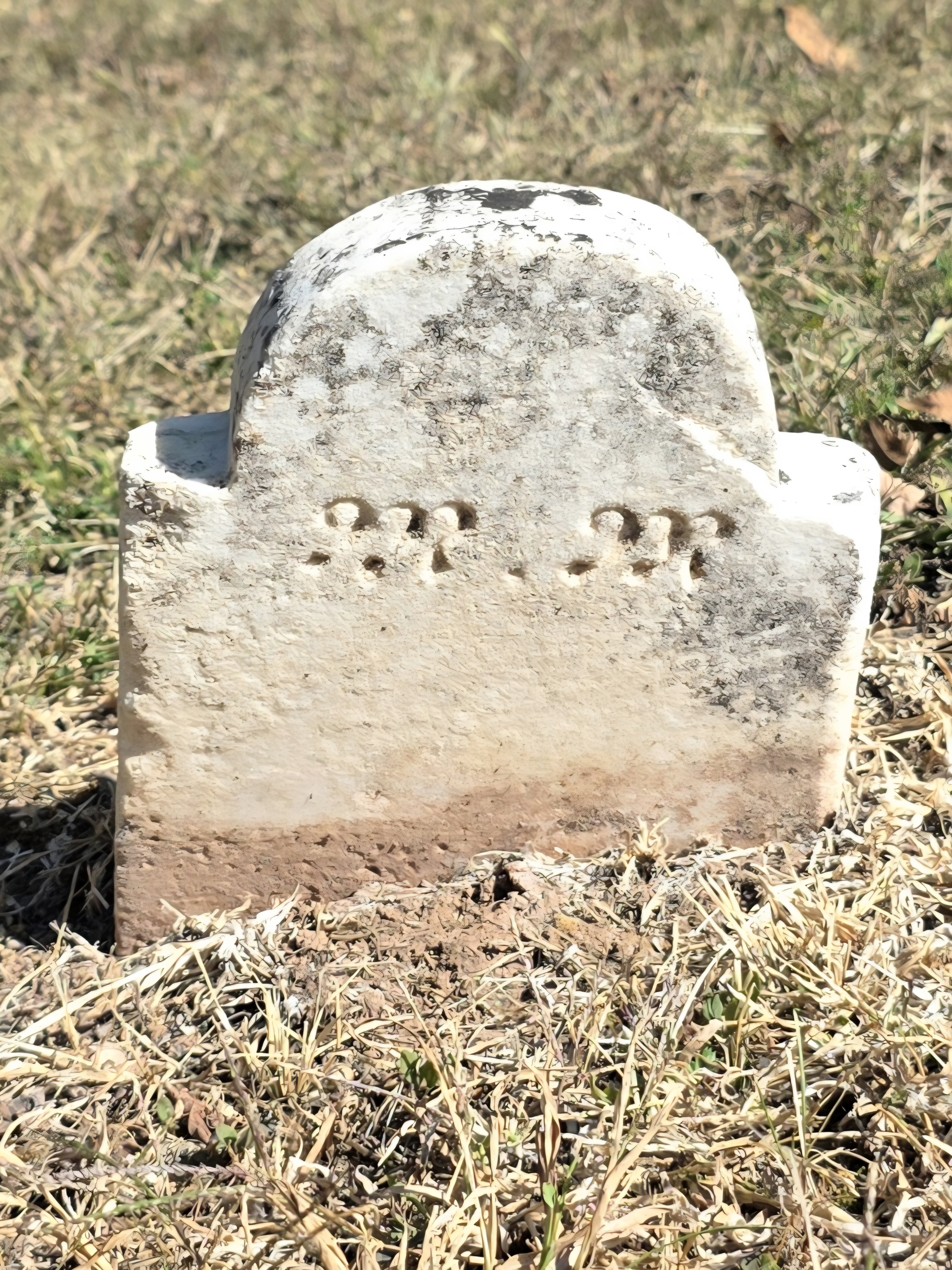
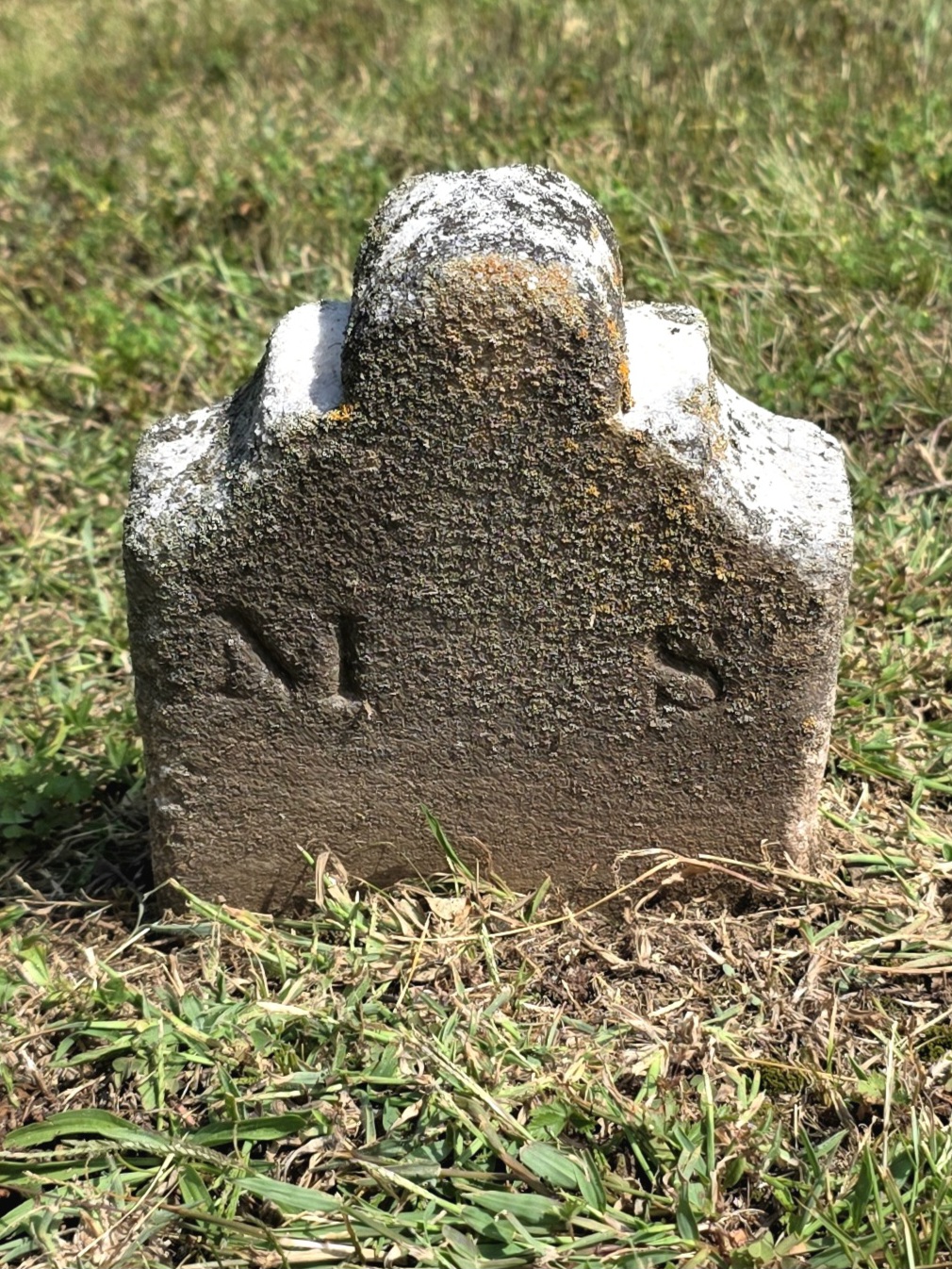
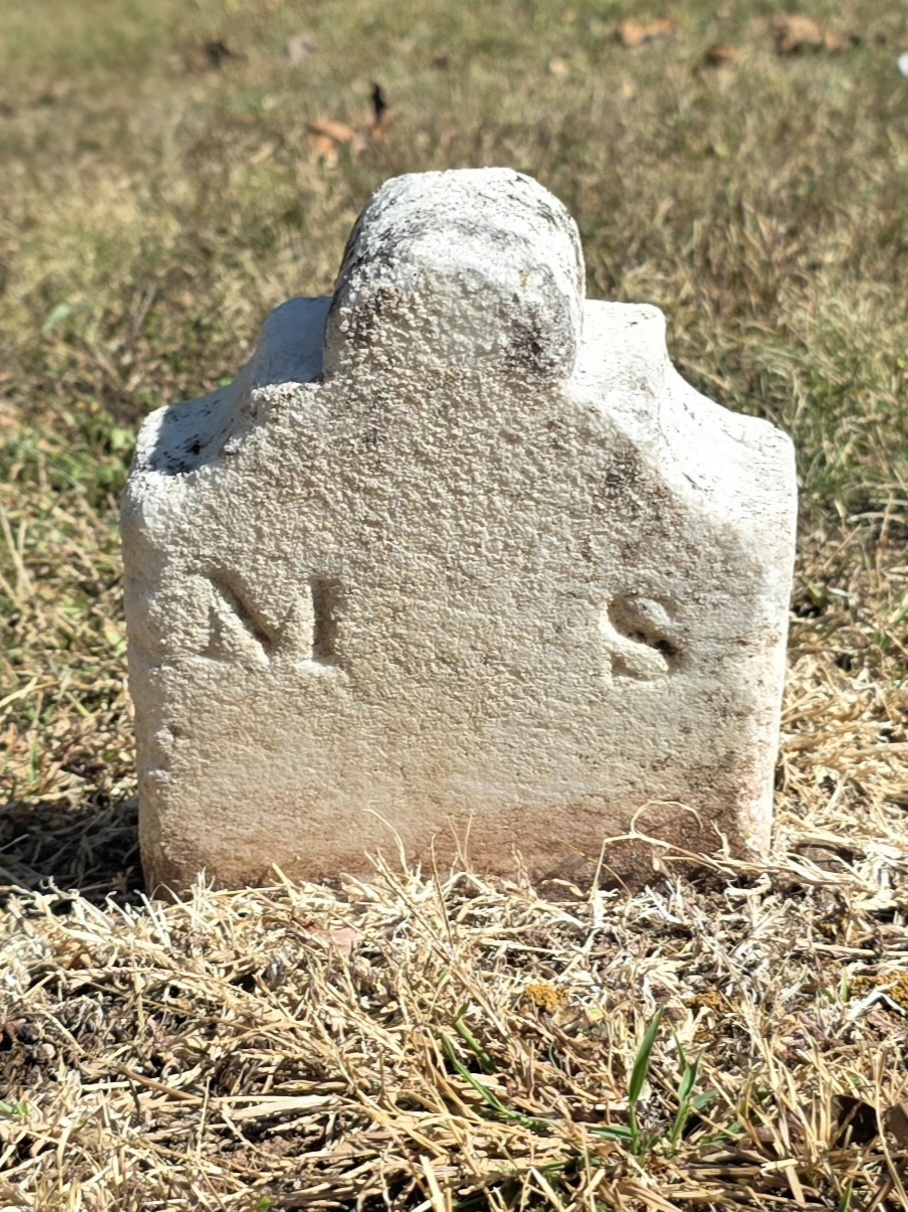
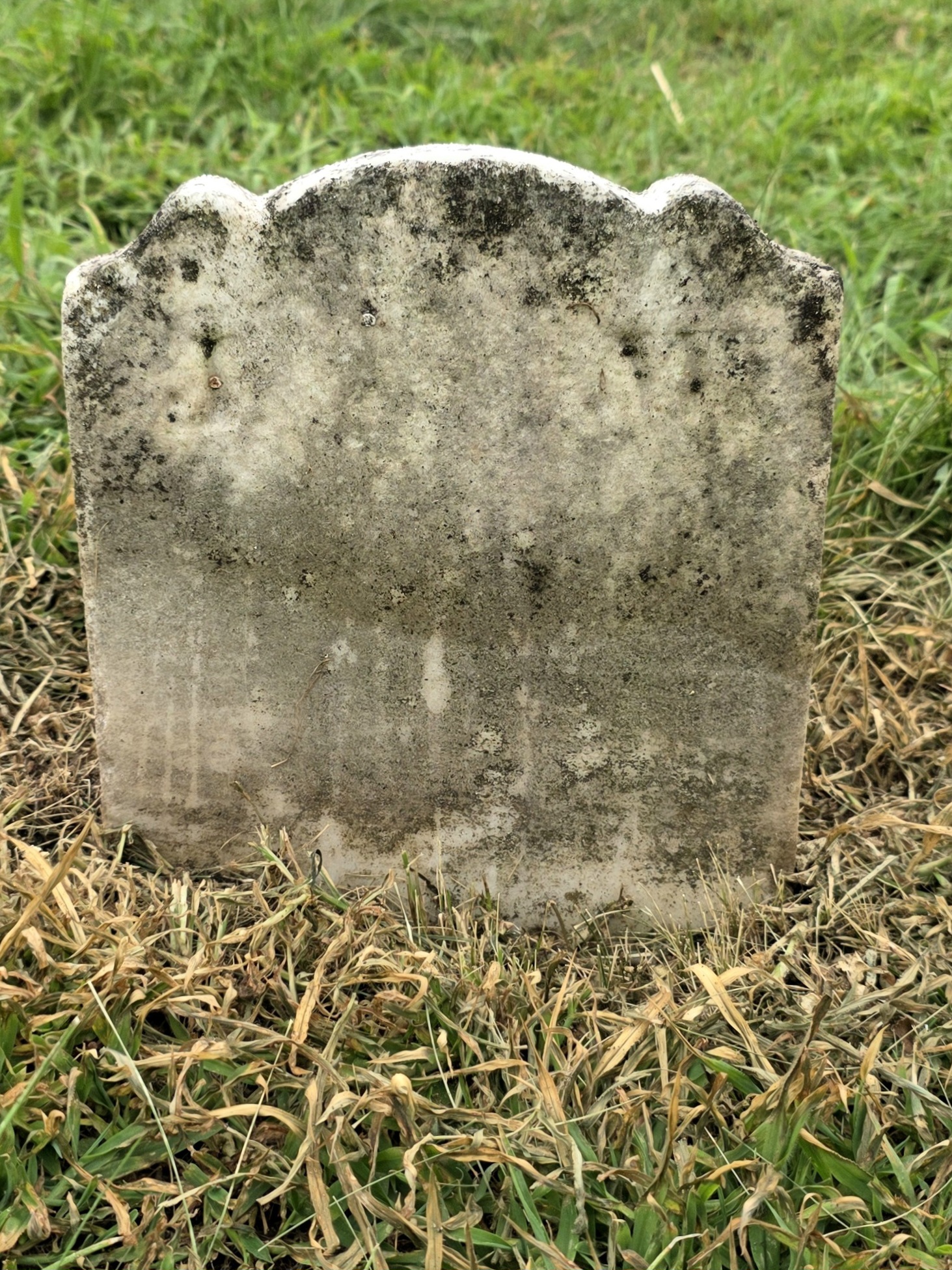
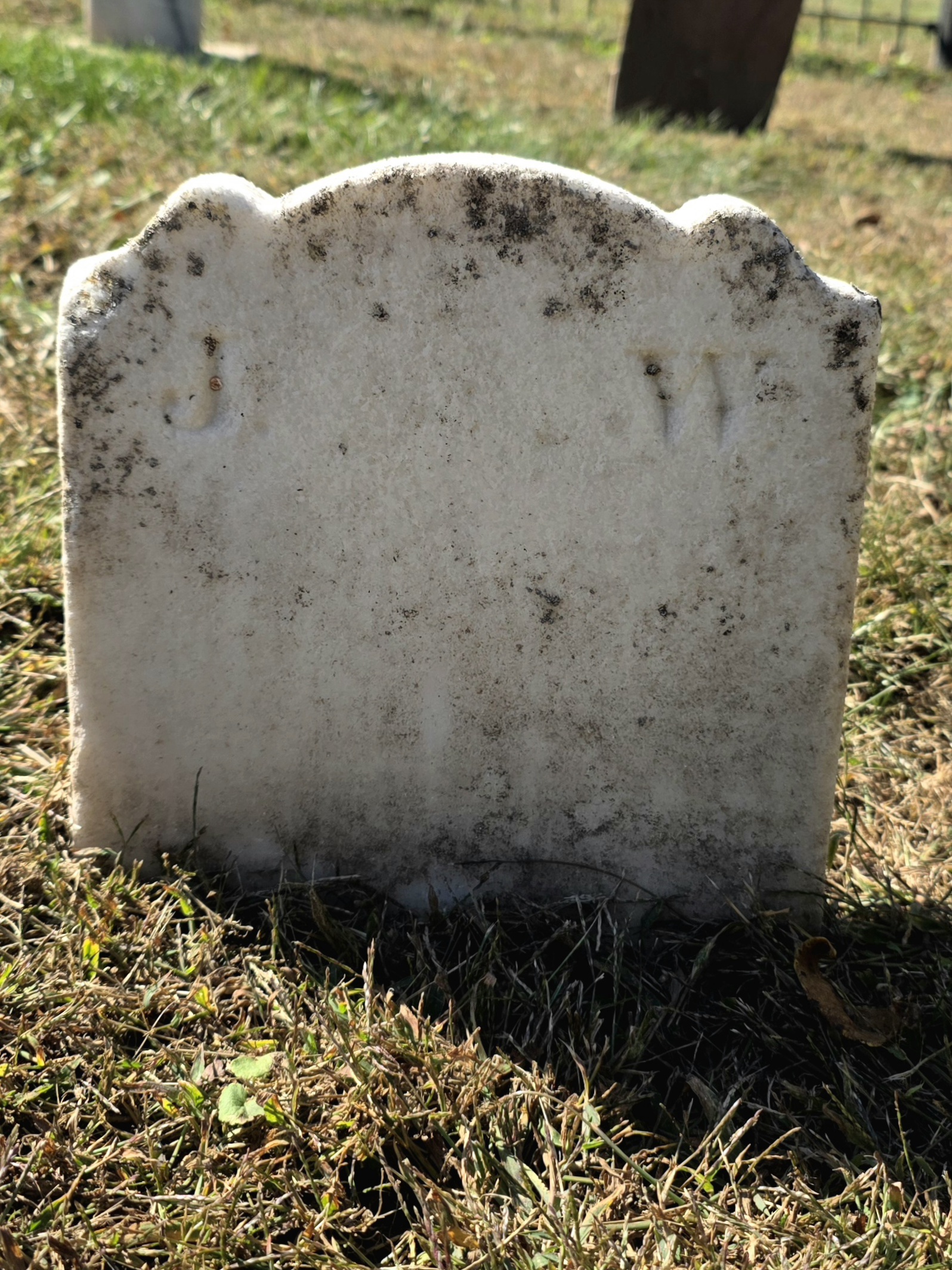
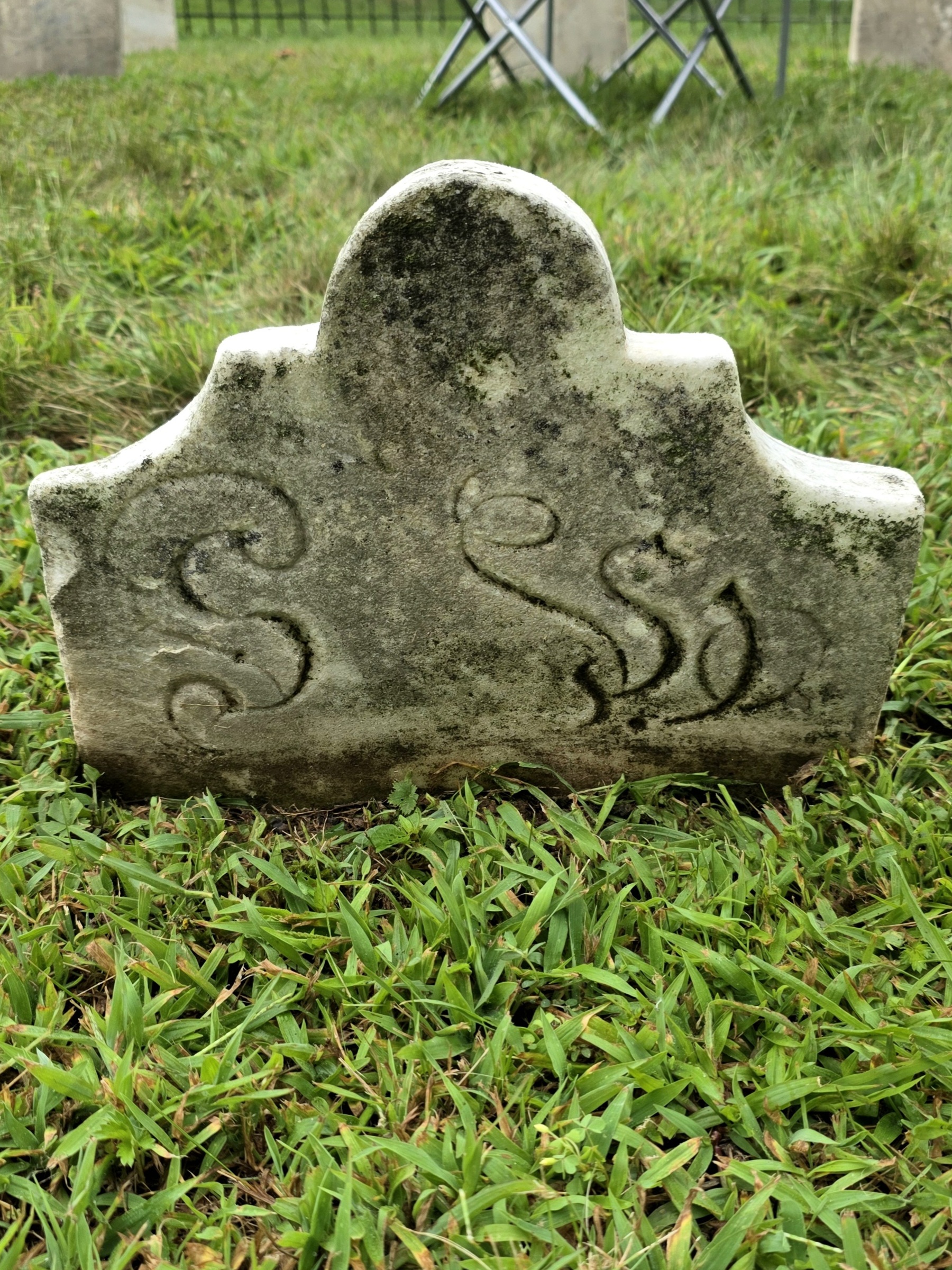
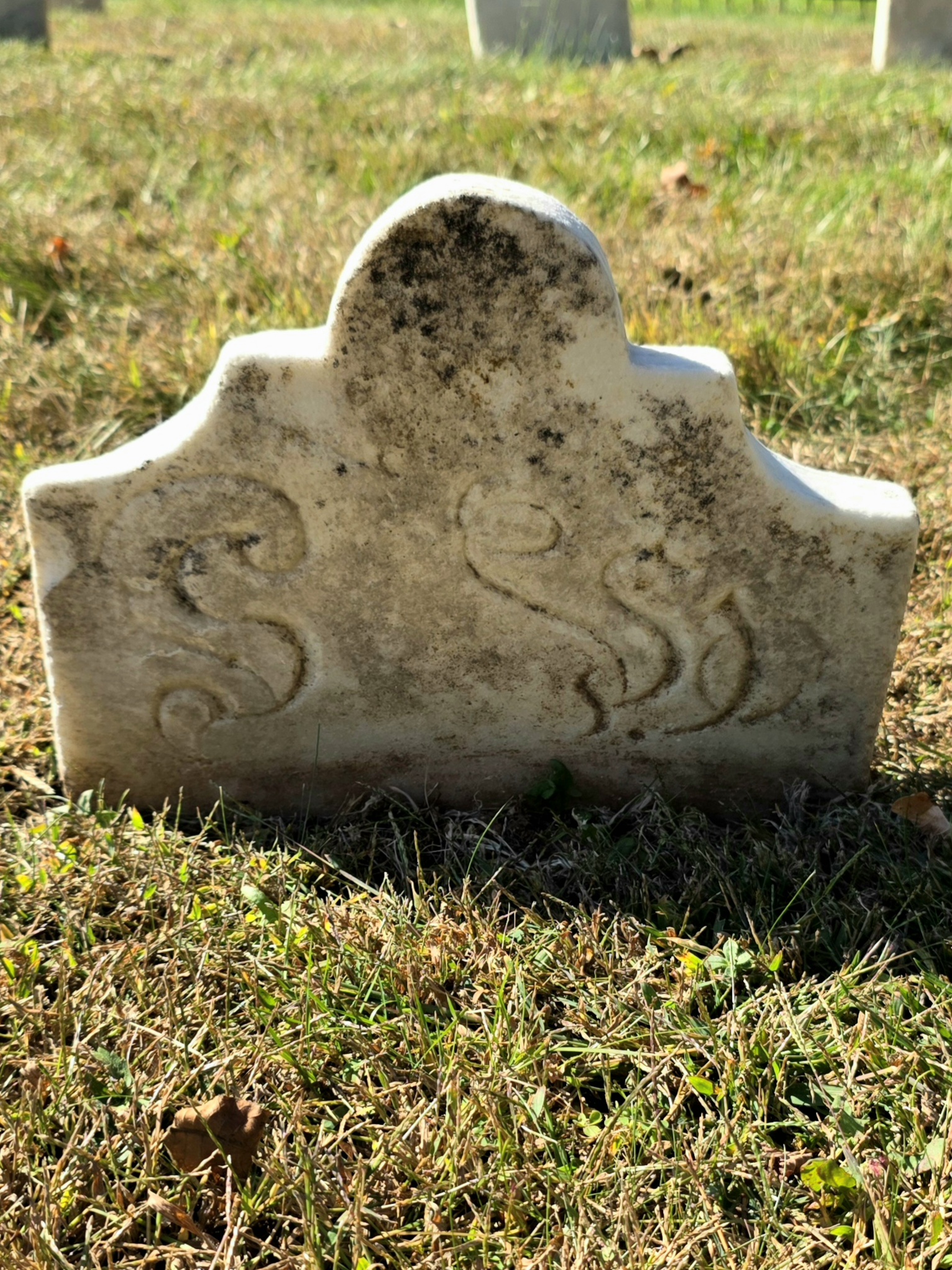
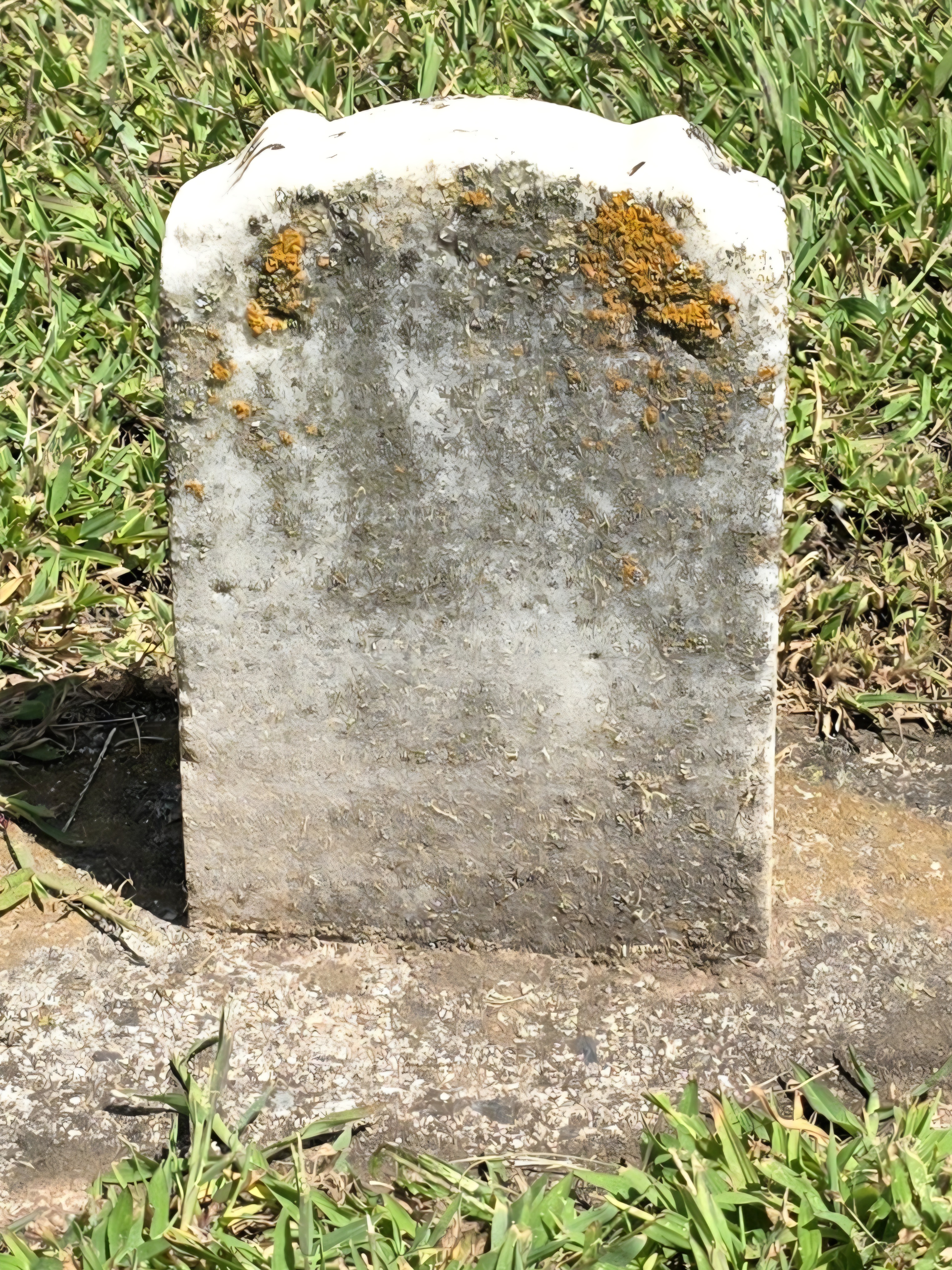
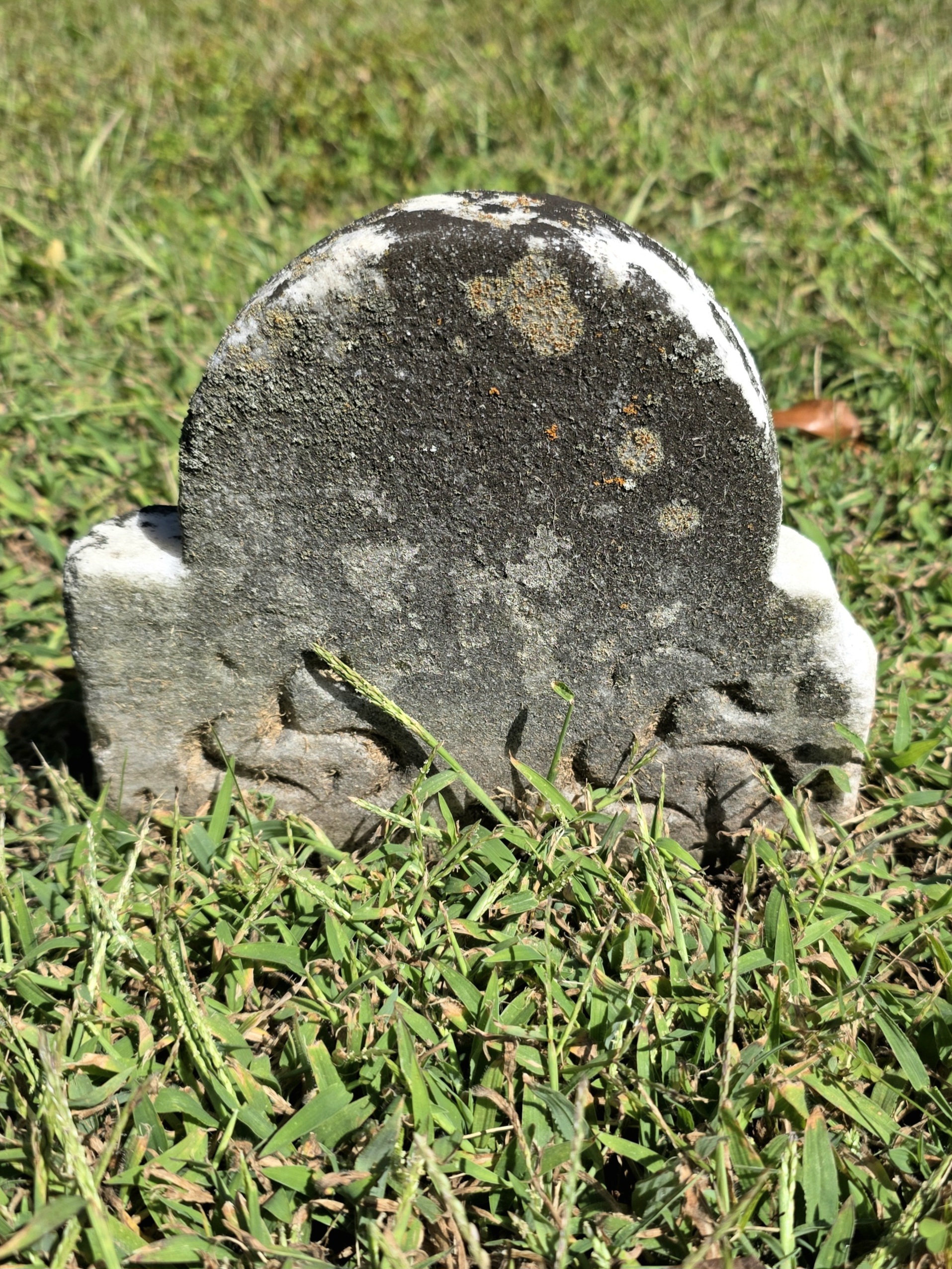
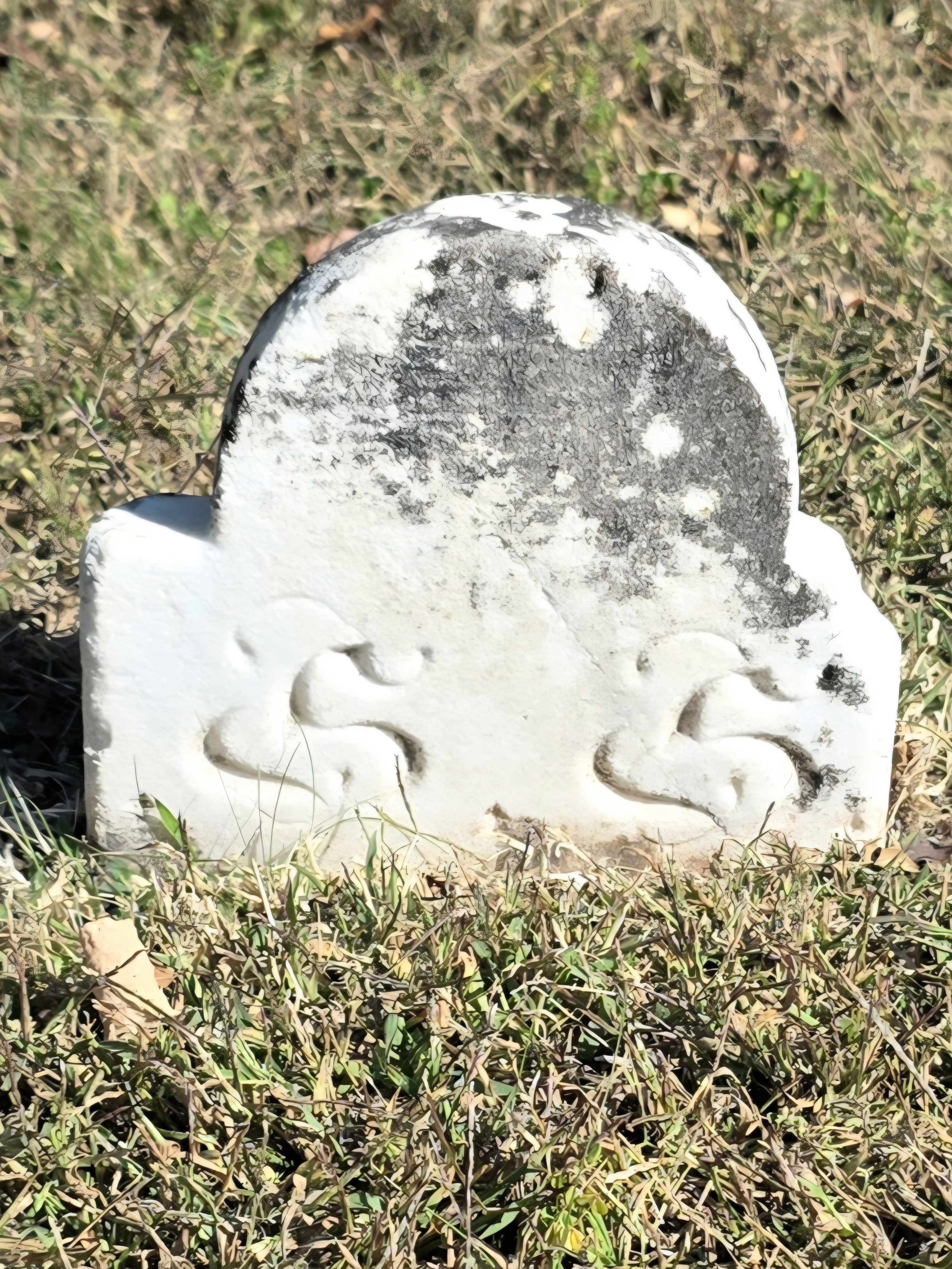
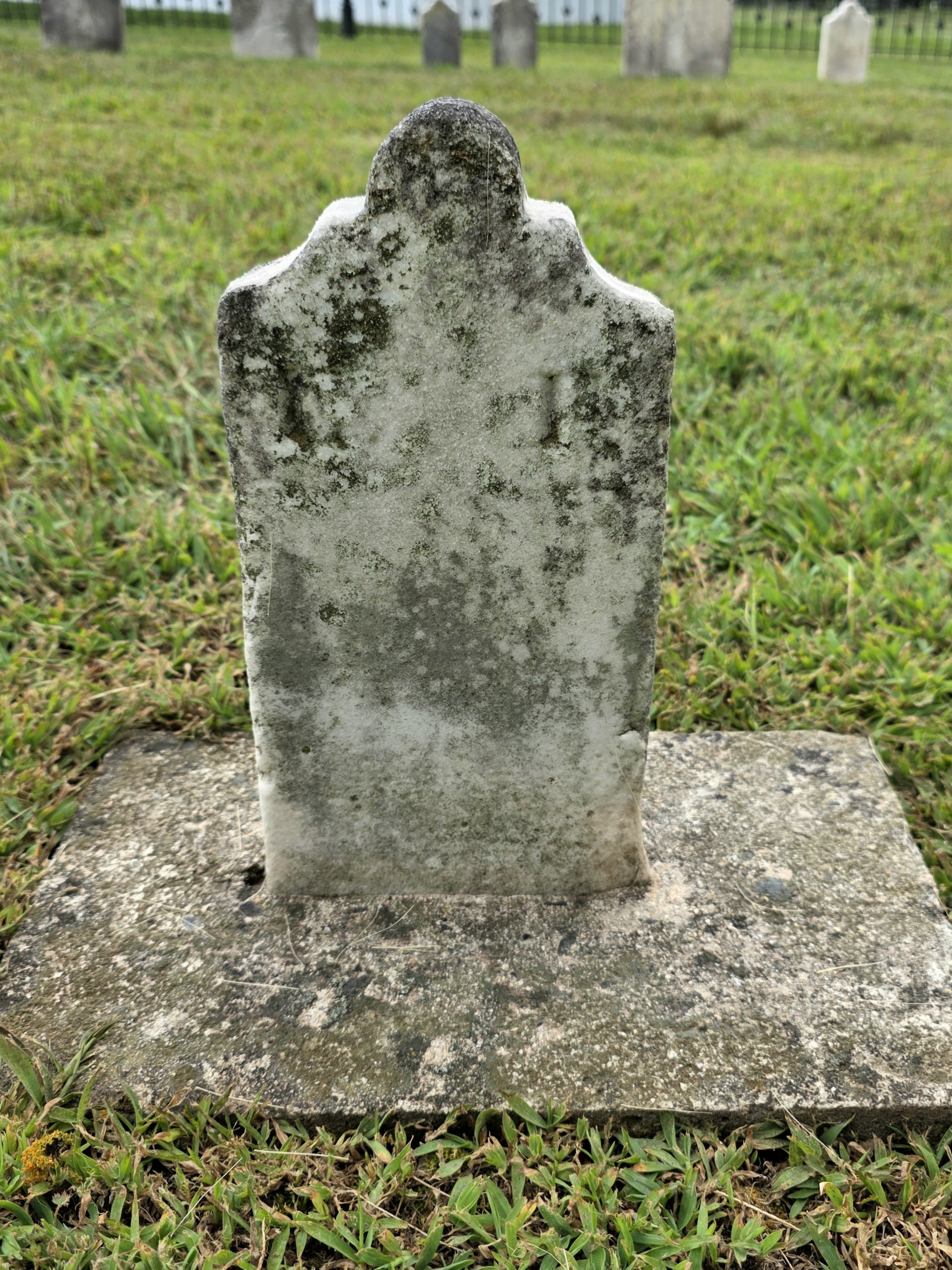
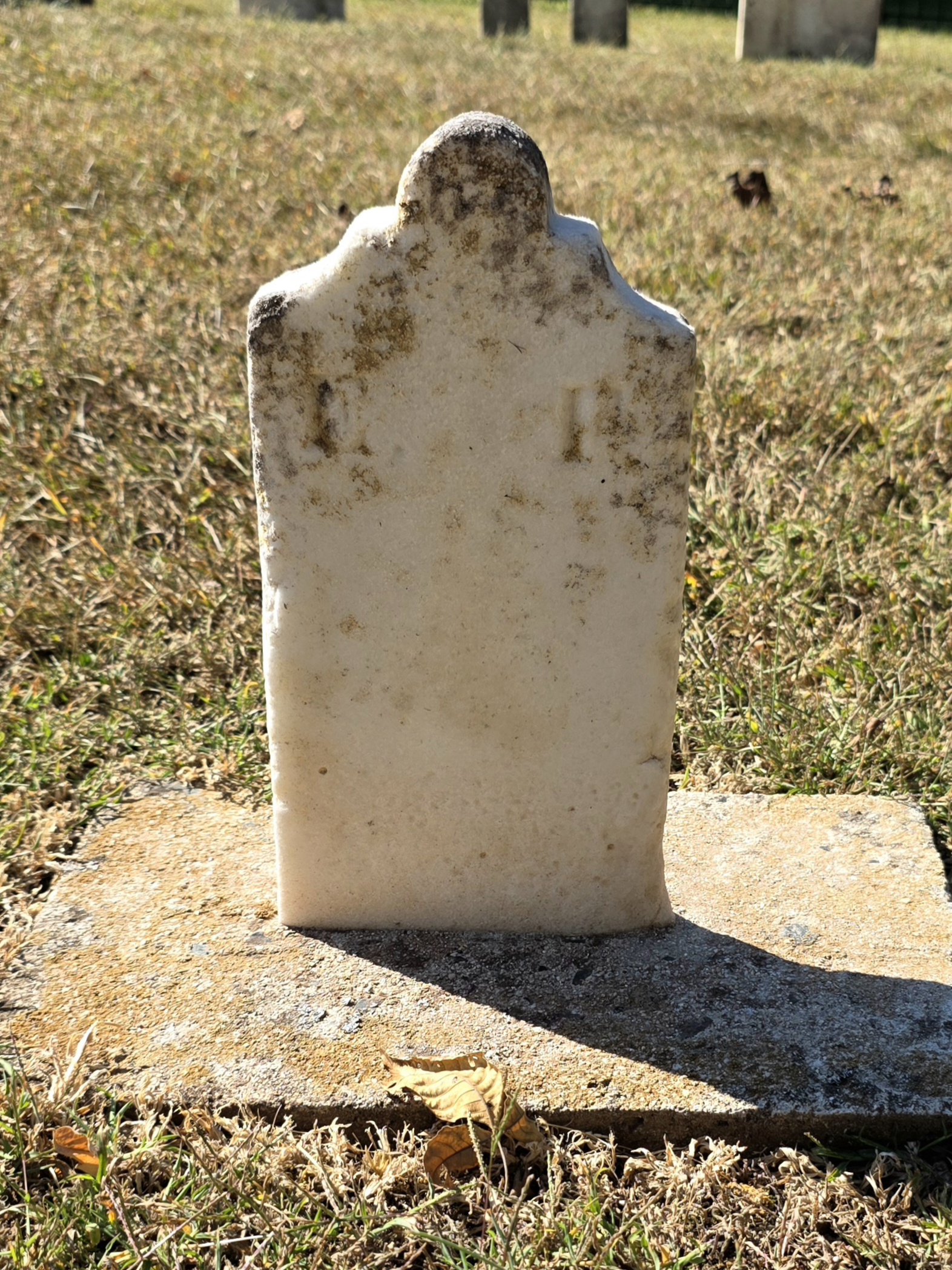
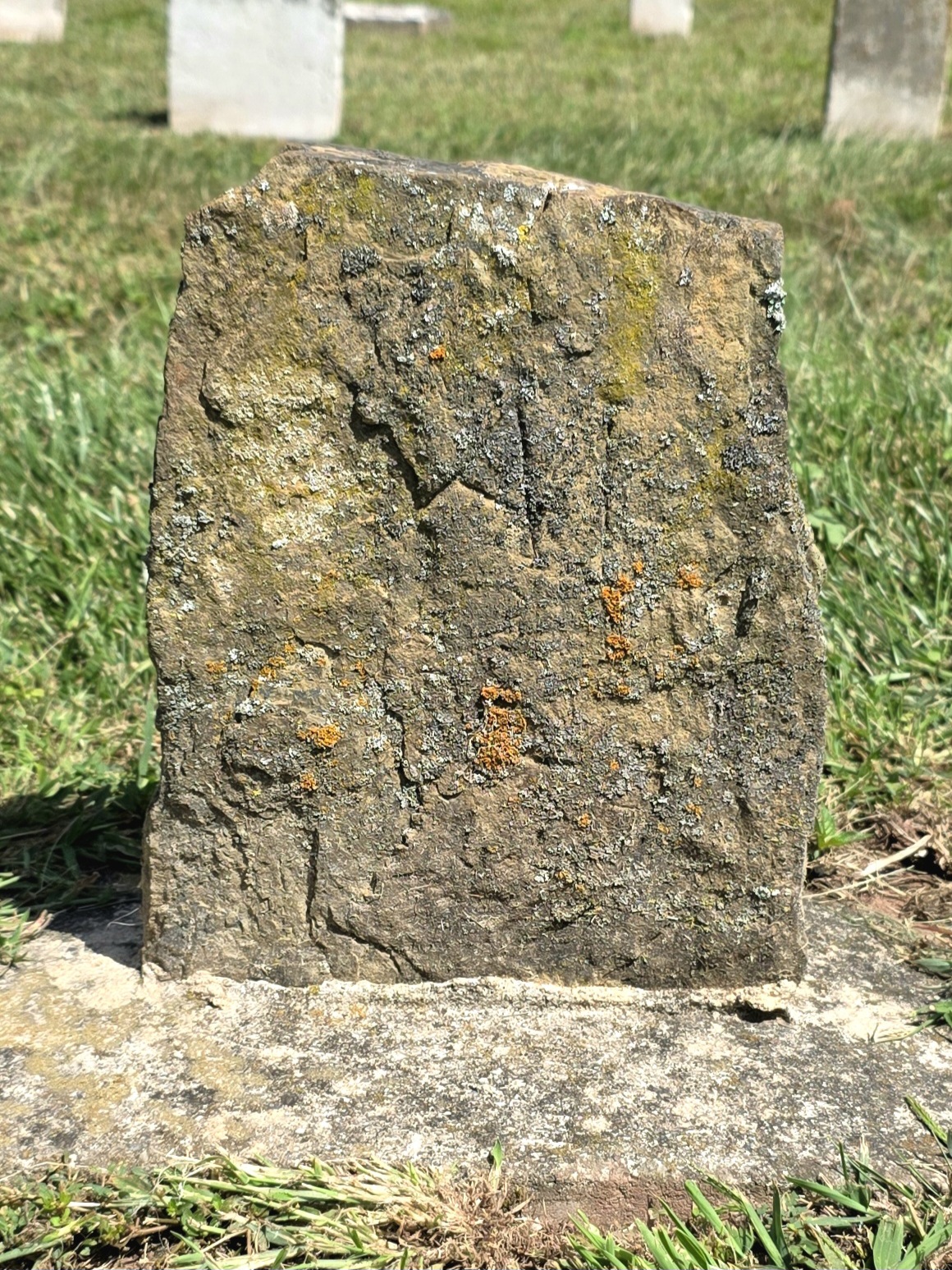
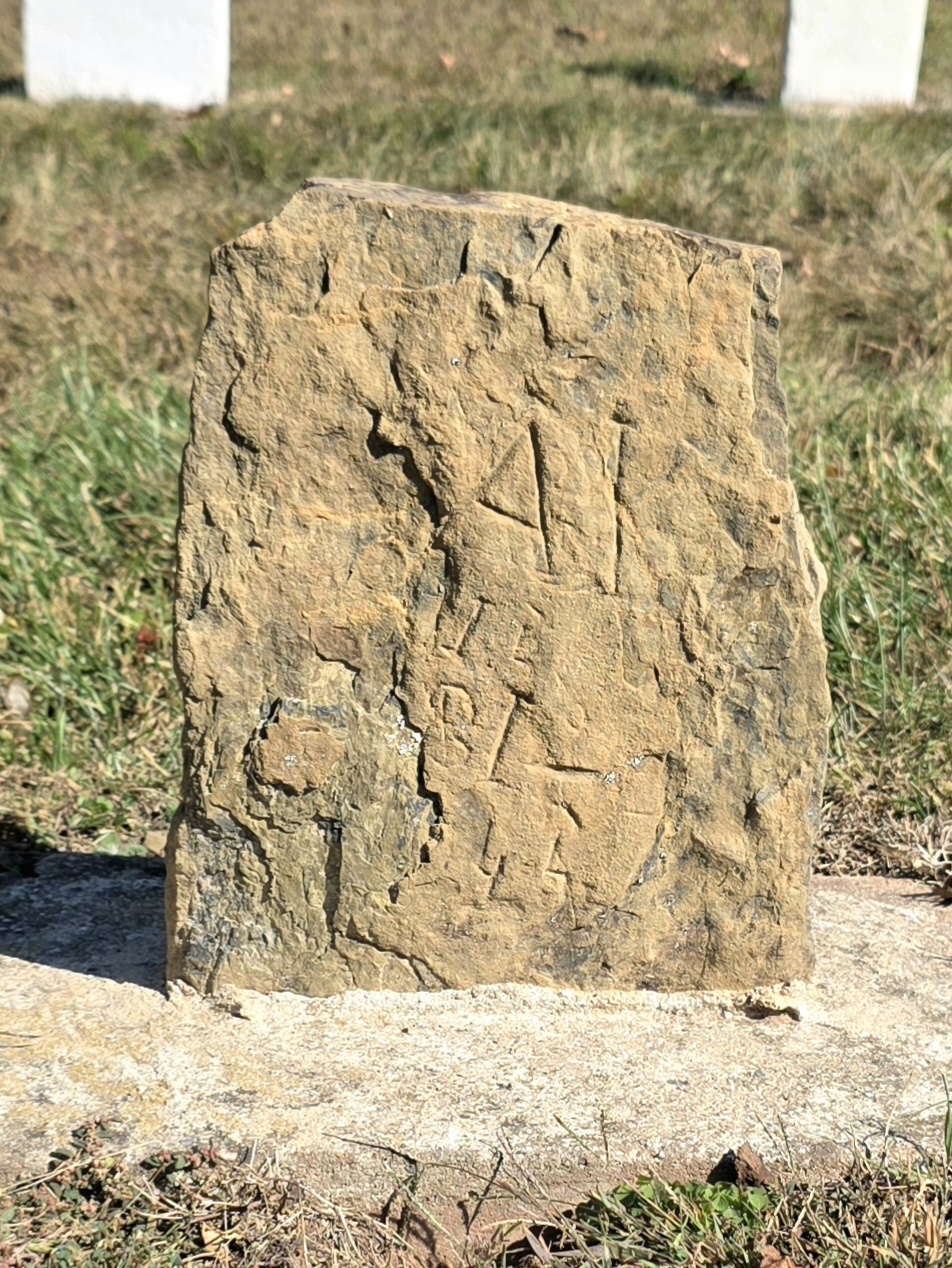
At Salford Schwenkfelder Cemetery, many markers bear only simple initials, a practice not unusual for the period. Their understated presence invites curiosity, yet the identities of those commemorated remain unknown. Any attempt to assign names would be speculation, a reminder of the many lives that quietly passed through history without leaving a fully recorded trace.


Lifelines Preservation Services is currently planning for our 2026 restoration projects and we are actively seeking new opportunities. If you represent a cemetery, burial ground, or family in need of preservation services, we would love to discuss how we can help restore and protect your heritage.
Please feel free to reach out to us at preservinglifelines@gmail.com to start a conversation about your needs.


 Keystone Wayfarer
Leave a reply to Annette Worley Cancel reply