
It’s hard to believe there are only three weeks left in the year. I swear the days seem to slip by faster as I get older, each one a gentle—and sometimes piercing—reminder that time waits for no one. This year asked me to say goodbye to companions who shaped the rhythm of my life—friends and family members whose laughter once filled rooms, and a beloved dog whose devotion was unwavering. Their absence has left hollow echoes in the spaces I move through, making life feel heavier.
Yet in the quiet between experiences, I’m learning that life isn’t about holding back time. It’s about leaning into it, savoring its fragile beauty, and remembering that every moment is a gift—full of wonder, possibility, and the chance to honor what matters most.
Over the past eleven months, Keystone Wayfarer has carried that spirit forward, exploring the legacies of extraordinary Pennsylvania women whose long-carved paths continue to shape the ones we walk today. There was the blues singer whose voice carried generations of stories, the investigative reporter who risked everything for the truth, and the suffrage sisters and legal champions who fought fiercely for justice and equality. There was also the baseball player, the local hero, and the muse—each marching boldly to the sound of their own horn, leaving a trail of inspiration. Celebrating their stories is a testament not only to their remarkable achievements but to the enduring power of hope, the fire of passion, and the quiet, unstoppable influence of women who dared to dream and inspire generations.
Our final tribute of the year is to Rebecca Lukens, a woman whose business acumen was extraordinary for her time. She stepped into the male-dominated world of iron and steel when she took over her family’s mill. Under her leadership, the operation didn’t merely survive—it thrived, eventually becoming the Lukens Steel Company, a cornerstone of American industry.
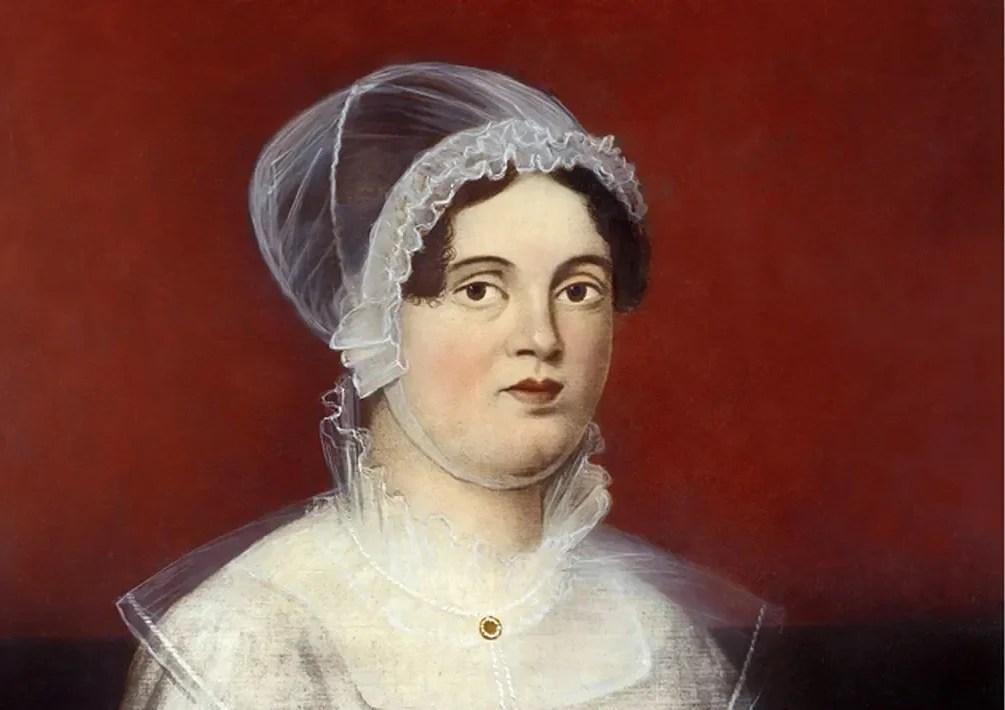
Rebecca Webb Pennock was born on January 6, 1794, the first child of Isaac and Martha Pennock. They were a well-established, devout Quaker family whose faith instilled in Rebecca a strong sense of discipline, community, and moral responsibility. Though the family had long been rooted in farming, holding substantial land granted by William Penn, Isaac saw an opportunity in the growing demand for iron. He became the first in the family to work with it, establishing the Federal Slitting Mill along Buck Run, just south of Coatesville. While some family members worried about leaving the security of the farm, this venture would lay the foundation for the business Rebecca would one day lead.
From an early age, Rebecca was immersed in the rhythm of industry, growing up alongside the hum of the mill. She often accompanied her father as he managed daily operations. She watched iron emerge from the charcoal-fired forges. Bars came first. Sheets followed. Then the narrow strips that would become wagon rims, barrel hoops, and nails.
Education was highly valued in the Pennock household. Rebecca attended Westtown School, one of the oldest Quaker academies in the United States. There, she studied literature, math, chemistry, and French. She later continued her education at the Wilmington Academy for Girls in Delaware, another Quaker institution that deepened the principles she had absorbed at home—lessons in honesty, discipline, and service that would guide her for a lifetime. This combination of rigorous schooling and hands-on experience in the family mill gave her the knowledge, skills, and confidence to navigate the challenges of leading a major industrial enterprise in a male-dominated world.
In 1810, Isaac and a partner purchased a sawmill along the Brandywine River—part of land once owned by Moses Coates, for whom nearby Coatesville would later be named. The property was quickly transformed into the Brandywine Iron Works and Nail Factory, becoming the heart of the family’s iron enterprise.
During a trip to Philadelphia with her father, Rebecca met Dr. Charles Lukens, a respected physician who maintained a busy medical practice in nearby Abington. Their shared faith and ambition drew them together, and they soon fell in love. They married in 1813. Soon after, Charles made the bold choice to leave his medical practice and join the Pennock family’s iron business. Isaac leased the Brandywine Iron Works to him for $420 a year, putting Charles in charge of the mill’s operations.
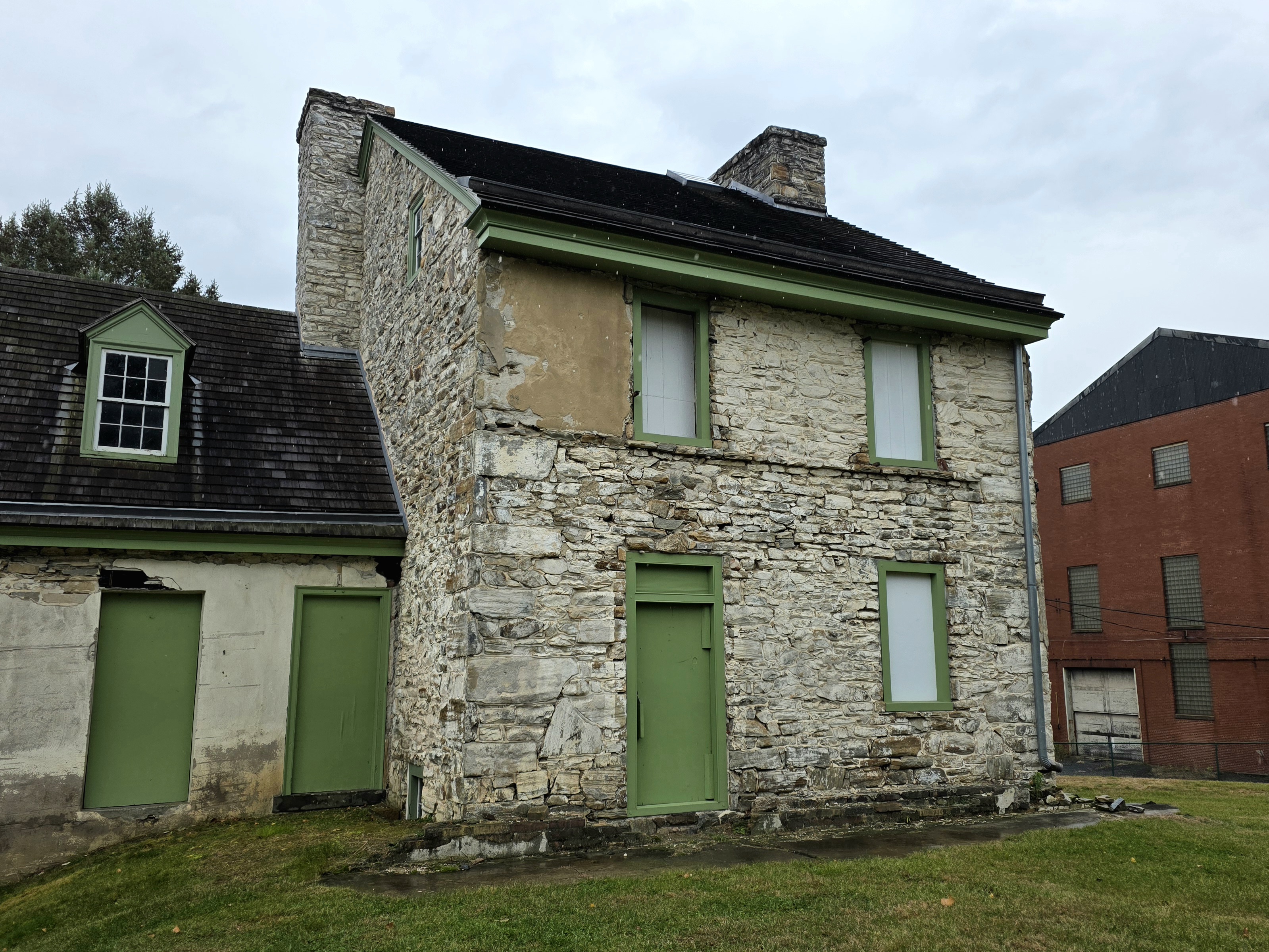
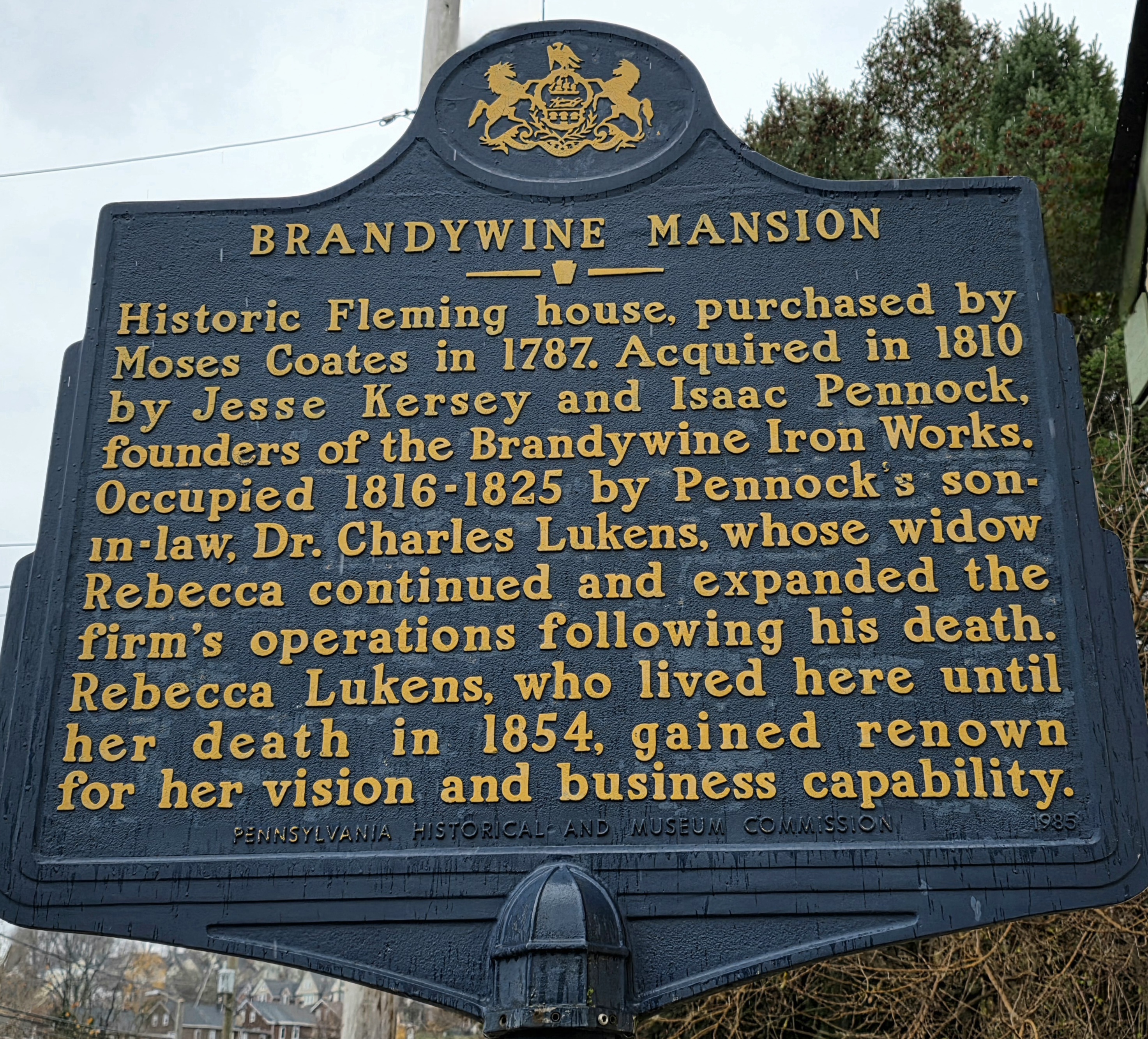
By 1816, Rebecca and Charles had moved into Brandywine Mansion, a historic home just outside Coatesville. There, Charles began shaping his vision for the mill, transforming it to produce iron boilerplate for steamships. By 1818, it became the first mill in the country to roll iron boilerplate, placing it at the forefront of American industry. In 1825, the mill was commissioned to supply material for the nation’s first iron-hulled steamship, the Codorus. But before the project could be completed, tragedy struck: Charles died unexpectedly, leaving Rebecca—just 30 years old—with a newborn and a business on the brink of collapse.
Despite enormous personal and financial challenges, Rebecca stepped into a role no woman had ever held in the U.S. iron industry. She drew on her intimate knowledge of the business to revive it, facing lawsuits, skepticism, and societal expectations that women should focus on home and family. Guided by her faith and integrity, she persisted. Even during the Panic of 1837, when many companies closed, she kept her workers employed by assigning repair work to sustain operations.
By the 1840s, the Brandywine Iron Works had become a hub of innovation, producing nails, wheels, barrel hoops, and blacksmith rods. Rebecca had not only rescued the mill from financial ruin but rebuilt and modernized it. By 1844, her personal worth had reached $60,000—roughly $1.7 million today—a remarkable achievement for any businessperson.
In 1847, Rebecca brought her son-in-law, Abraham Gibbons Jr., into the business to manage daily operations. Two years later, another son-in-law, Charles Huston, joined the mill. Abraham eventually left to found the Bank of Chester Valley, commemorating the Brandywine Iron Works by featuring it on the $10 banknote. In retirement, Rebecca reflected on her remarkable journey. She wrote an autobiography for her grandchildren and built Terracina, a large and beautifully appointed Victorian home, as a wedding gift for her daughter Isabella.
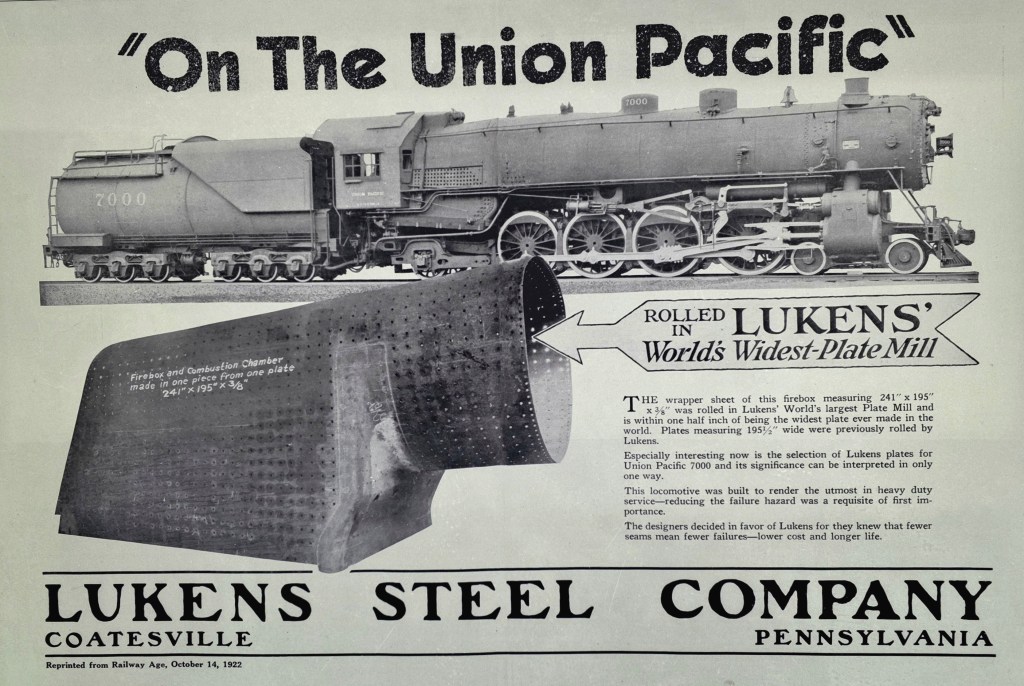
Rebecca Lukens passed away on December 10, 1854, and was laid to rest at Fallowfield Orthodox Friends Burying Ground in Ercildoun, just south of Coatesville. Her vision and leadership lived on, embodied in the mill she had built and the industry she had helped shape. The company continued to flourish, eventually incorporating in 1890 as the Lukens Iron and Steel Company. By 1993, it had remained independent for generations, ranking 395 on the FORTUNE 500 list and holding the distinction of the oldest continuously operating steel mill in the United States. Today, Lukens Steel operates under Cleveland‑Cliffs, one of North America’s largest integrated steel producers. Large furnaces—echoing those of Rebecca’s original mill and those of the modern plant—line the high street, their enduring presence a testament to her remarkable legacy, which has shaped American industry for more than two centuries.
Since her death, Rebecca’s achievements have been celebrated in many ways. During World War II, a Liberty ship bore her name, the SS Rebecca Lukens. In 1994, the Pennsylvania Legislature and the City of Coatesville honored her as “America’s first woman industrialist,” and in 2020, she was featured in the Smithsonian’s The Only One in the Room exhibit, recognizing women who broke barriers in male-dominated industries.
Rebecca Lukens is remembered as the first female CEO in the United States—a woman who, two centuries ago, transformed a struggling mill into a thriving enterprise. Her courage and vision set a precedent that reached far beyond Pennsylvania. Today, leaders such as Mary Barra of General Motors, Jane Fraser of Citigroup, and Karen Lynch of CVS Health continue along paths Rebecca helped forge. Her legacy lives not only in the steel she shaped, but in the doors she opened, the ceilings she cracked, and the generations of women who rise because she simply dared to lead.
Visit the National Iron & Steel Museum to explore the remarkable legacy of Rebecca and Charles Lukens. The museum is open Monday–Wednesday, Friday, and Saturday, from 10 a.m. to 4 p.m.
General admission includes a guided tour and access to a variety of historic exhibits, including the Visitor Center, the Lukens Executive Office Building with its former executive offices, and the Mill Motor House, which powered the rolling mill complex.
For more information, visit steelmuseum.org


 Keystone Wayfarer
Leave a reply to Travels With The Post Cancel reply