
Summertime as a kid meant packing up the car and heading to Lake Sunapee. My family would rent hillside cottages—nothing fancy, but to us, they felt like paradise. Those days were filled with swimming, shuffleboard, and long afternoons soaking up the sun.
I think it was at Sunapee when my brother first tried waterskiing—though it might have been a later trip to Lake Winnipesaukee. Either way, the scene is burned into my memory. The boat took off, yanking him clean out of his skis and sending him skyward like a cartoon character stepping on a rake. Then came Grampy’s moment: a full-on wardrobe malfunction. He lost his swim trunks mid-run, wobbling furiously while desperately trying to maintain his dignity. The laughter that day echoed across the water, and somehow, the story only gets funnier every time we retell it.
Even now, those summers feel like a lifetime ago, but they still make me smile. Beyond the memories, the lake itself is unforgettable. About eight miles long, Lake Sunapee is one of New Hampshire’s largest, nestled among the state’s rolling western mountains. These days, Steven Tyler has a place up there—which somehow proves how cool my family has always been. Just saying.
Part of Lake Sunapee lies within Mount Sunapee State Park, known for its scenic hiking trails. The popular Summit Trail climbs nearly 1,500 feet and can take over three hours to complete, depending on how often you pause to enjoy the view. At the top, the sparkling lake stretches below as the mountains roll into the distance. It’s a moment that makes every step worthwhile.
Places like Mount Sunapee remind me why state parks are treasures. Just as Yellowstone protects America’s natural wonders, Pennsylvania’s parks safeguard beauty, history, and the memories we make there. Evansburg State Park, just a short drive from my home in Schwenksville, is one of these gems.

Tucked between Norristown and Collegeville, Evansburg State Park spans 3,300 acres of woods, meadows, and trails—a peaceful escape from urban life. Named for the historic town of Evansburg, the park sits at the heart of the Skippack Creek Conservation Landscape. This roughly 10,200-acre area follows the creek for nearly seven miles, crossing Lower Providence, Skippack, Worcester, Towamencin, and Lower Salford Townships. Families and outdoor enthusiasts have long cherished the park for its mix of trees, wildflowers, and wildlife.
But this land holds a story that reaches far beyond the park we see today. Centuries before William Penn set foot here, the Unami people of the Lenni Lenape Nation called it home, living in harmony with the forests, streams, and meadows. When Penn later established Pennsylvania, he dreamed of a safe haven for Quakers—a place where faith, community, and opportunity could flourish alongside a growing colony open to all settlers.
The first European settlers to arrive were Mennonites, seeking freedom and a chance to build anew. They carved farms from the forest, harnessed the power of Skippack Creek to run mills, and opened small stores to support their neighbors. By 1714, the Skippack Pike linked the valley to Philadelphia’s bustling markets, allowing farms and mills to prosper while the surrounding land remained largely rural. Over the next decades, more German and Welsh settlers were drawn to the fertile soil and abundant resources. By 1756, roughly a third of the land along Skippack Creek had been cleared, and thriving communities had taken root.

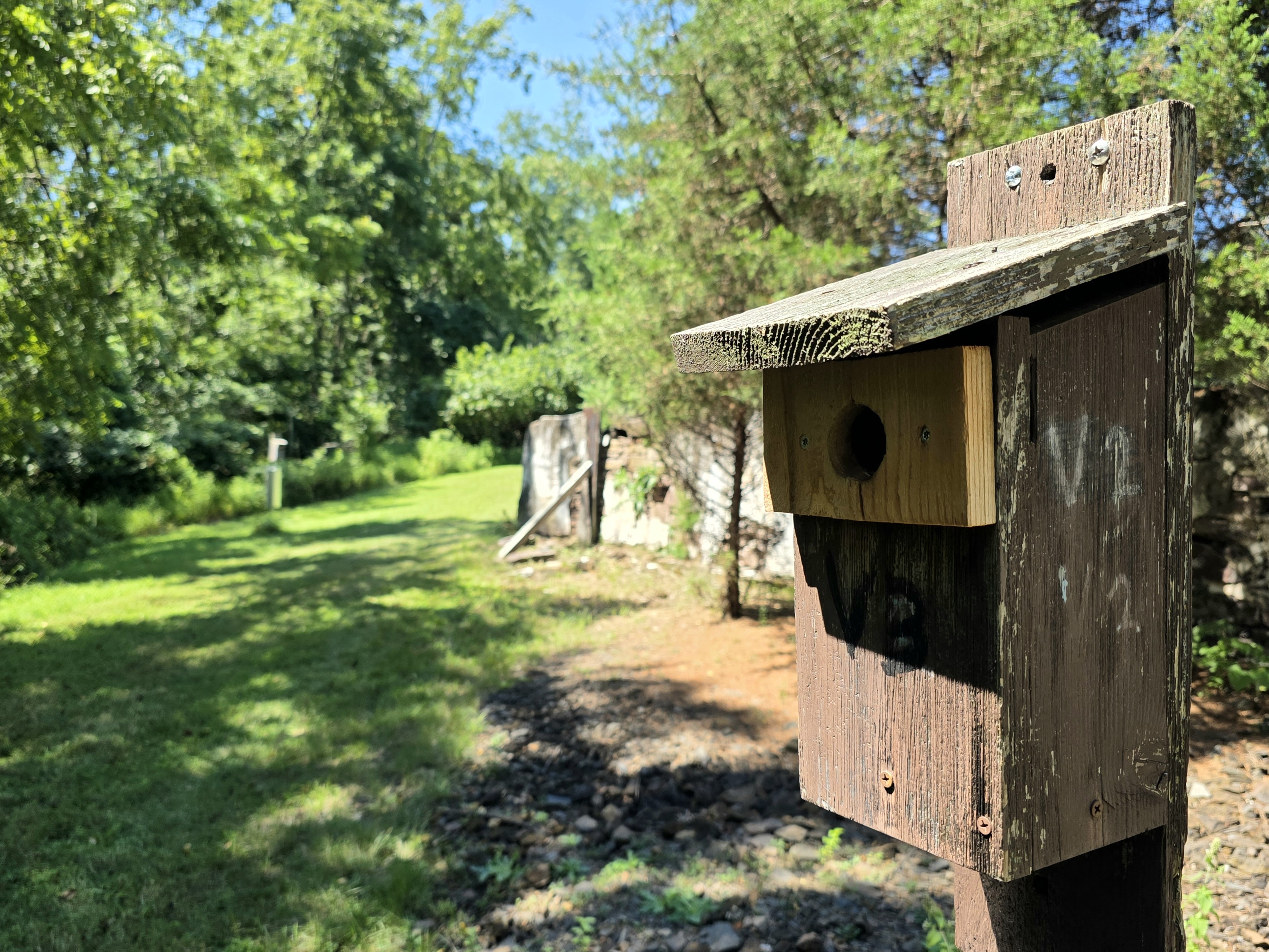
Evansburg became one of William Penn’s early planned settlements, founded on a spirit of religious cooperation. Plymouth Meeting served the Quaker population, while local Presbyterians traveled to Norriton for services. Built in 1698, the beautiful stone church along Germantown Pike still holds Sunday services. Evansburg also welcomed Anglicans, with St. James Episcopal Church established in 1721. Its current 1780s building recreates the original log church and even served briefly as one of America’s first public schoolhouses in 1838. Today, it functions as the St. James Community History Center.
Everyday life and industry grew alongside faith. The 1737 Glebe House—a self-sufficient farm built for Anglican priests—still stands nearby, alongside 19th-century homes and other historic landmarks. Local entrepreneurs, such as Stephen Rush, ran inns—one of which eventually became the Evansburg Inn and now Osteria Restaurant—demonstrating how the town balanced tradition with growth. The waterways were just as vital as the soil, powering mills that shaped the local economy, from small gristmills to Keyser’s Mill, now preserved as a historic site within the park.
Evansburg played its part in the Revolutionary War, too. In 1777, the nearby Battle of Germantown marked a turning point, and Evansburg was strategically important to both American and British forces. The Peter Wentz Farmstead, a beautifully preserved colonial-era farm that served as George Washington’s headquarters in the days leading up to the battle, provides a tangible connection to that pivotal moment.
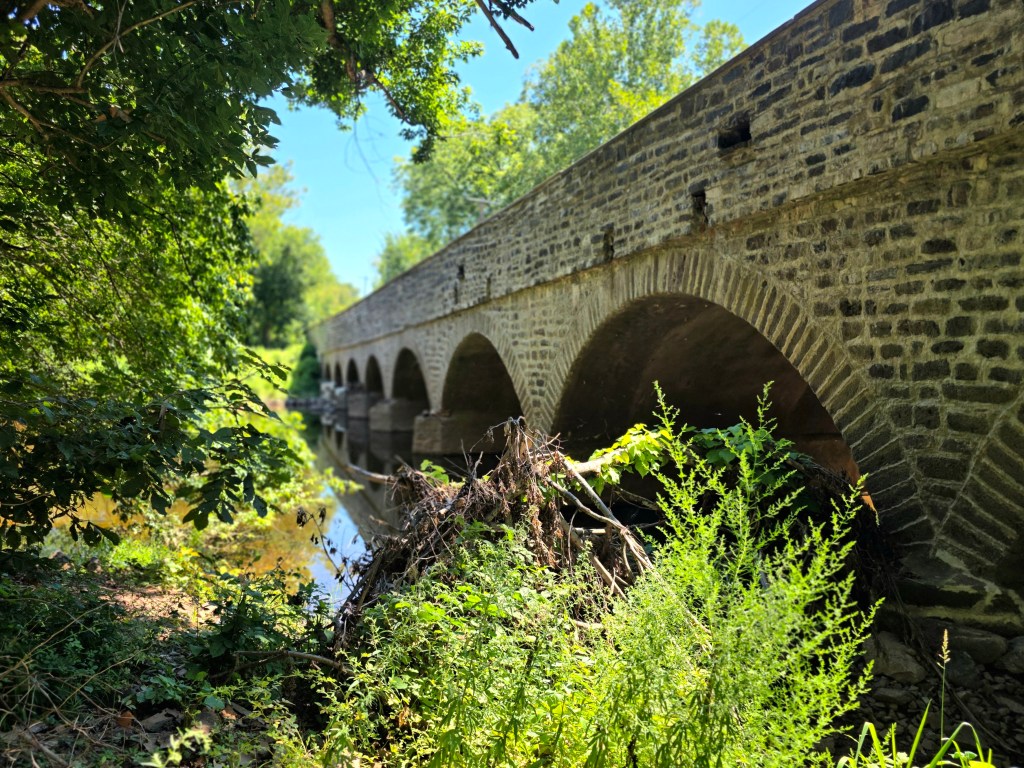
Infrastructure grew alongside the town, shaping Evansburg’s development. In 1792, an impressive eight-arch stone bridge was built over Skippack Creek along Germantown Pike. Remarkably, it is still in use today. The bridge is the oldest of its kind certified for heavy traffic and was added to the National Register of Historic Places in 1970. Evansburg officially became a township in 1804, and by the late 19th century, the arrival of the railroad connected the town to even wider markets, fueling its continued growth.
By the 1960s, urban development threatened Evansburg’s peaceful countryside. A proposed dam would have flooded thousands of acres, but community leaders, preservationists, and scientists fought back. Thanks to their efforts, the project was never built. State funding later made it possible to purchase the 3,349 acres that now make up Evansburg State Park, which officially opened on June 28, 1979.
So, how did Evansburg get its name? The answer traces back to Jonathan Evans, an 18th-century businessman and community leader. Born in 1737, he played a key role in shaping the town. Evans purchased large tracts of land when the area was still wilderness, helping settlers establish farms, roads, and local businesses. He also supported essential infrastructure—from mills to meeting places—ensuring the community could thrive. Naming the town Evansburg honored not just his landownership but his lasting impact on the region.
Walking through Evansburg today, you’re stepping into a story that stretches back over 300 years. From resilient settlers and early industry to careful preservation, the history of the area is woven into every trail, meadow, and historic site. Highlights include the Friedt Farmhouse, the Warren Z. Cole House, and Kuster Mill—each offering a glimpse into colonial and early American life.
Evansburg State Park stands as a treasured green space in Montgomery County, offering visitors a chance to explore, learn, and reflect amid the bustle of growing suburbs. Just watch out for poison ivy along the trails—I learned the hard way! Whether wandering through the woods, visiting historic farmhouses, or simply taking in the scenery, the park is a living reminder of the region’s rich heritage and the generations who worked to protect it. It brings me back to those lazy summer days at Lake Sunapee, where memories past and present linger long after you leave.
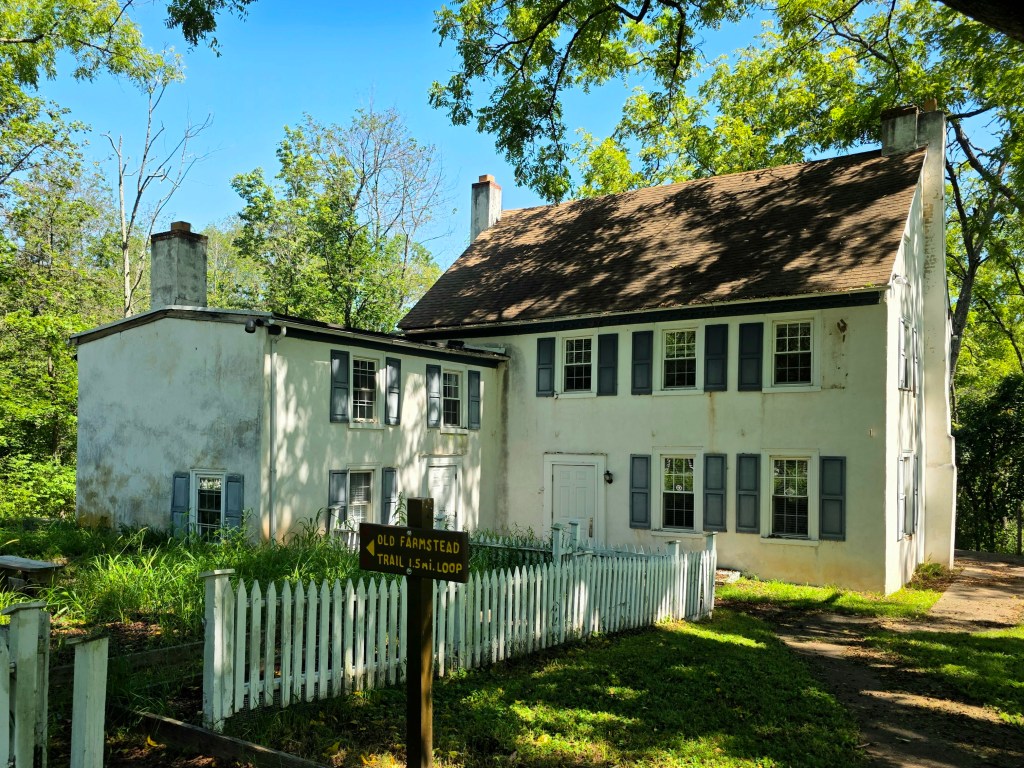
The Friedt Farmhouse, a historic Mennonite home now serving as the Visitor Center, was built in the early 1700s. It offers a fascinating glimpse into the lives of German Mennonite families who called it home for nearly 190 years. Outside, visitors can explore authentic features like a root cellar, a well, and herb and sensory gardens—carefully maintained to evoke the eighteenth-century atmosphere. It’s an ideal spot to connect with the area’s rich heritage and step back in time.

The Warren Z. Cole House—also known as Indenhofen Farm or the Kidder-De Haven House—is a brownstone home operated by the Skippack Historical Society that dates back to 1725. Standing two and a half stories tall, with four bays across and two bays deep, it showcases classic early Pennsylvania architecture, including gable-end chimneys and a steep shingled roof. The property also features a summer kitchen, bake oven, and a Swiss/German bank barn, offering visitors a vivid glimpse into colonial-era farm life. Recognizing its significance, the Warren Z. Cole House was added to the National Register of Historic Places in 1973.
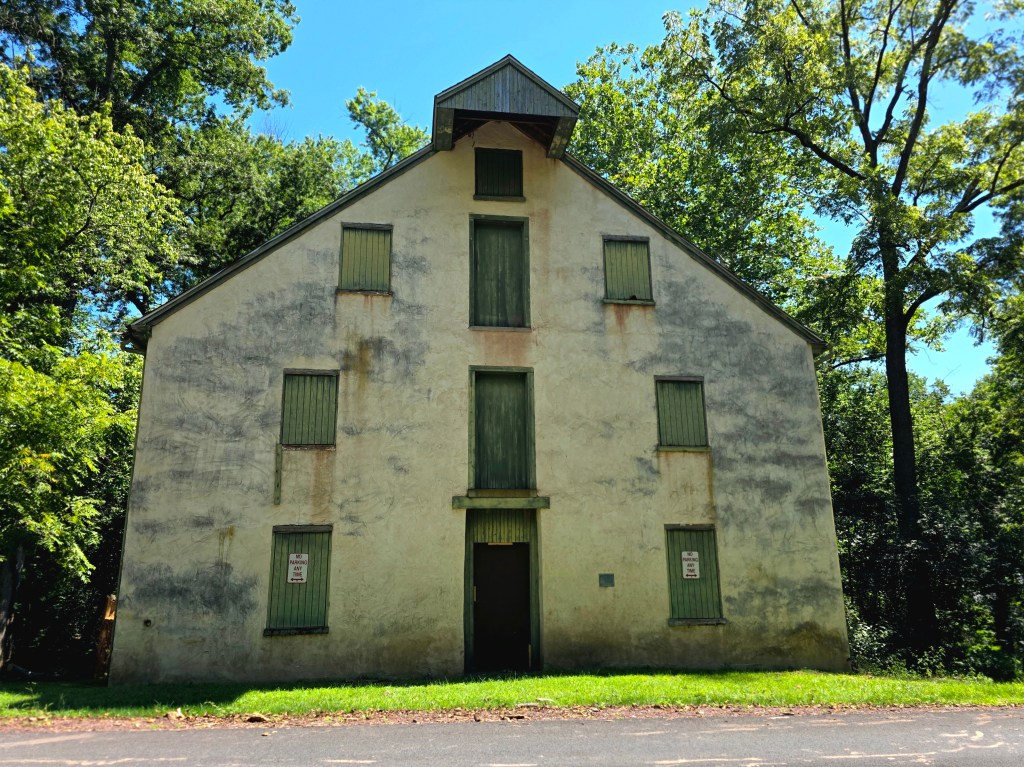
Kuster Mill—also known as Custer’s Fulling Mill or Skippack Creek Farm—is a historic fulling mill located along Skippack Creek. Added to the National Register of Historic Places in 1971 for its role in the region’s industrial history, the complex includes the original mill building, the mill race that powered it, a stone house, and a traditional Dutch bank barn, offering visitors a fascinating glimpse into early American milling and farm life.


 Keystone Wayfarer
Leave your thoughts