
History has a funny way of getting ahead of itself. One moment, progress is charging full steam ahead—a new law passes, a landmark decision is handed down, or an amendment promises lasting change. And then—bam—reality slams the brakes. Something unexpected, inconvenient, or downright tragic shows up, and all that momentum screeches to a halt.
Don’t worry—I’m not wading into today’s politics. That sizzling-hotdog of a conversational trainwreck clears a room faster than a fire alarm. What I’m talking about is something bigger: how quickly the tides of change can turn. Progress? It’s fragile.
Take April 14, 1865, for example. On that day, President Abraham Lincoln signed a bill creating the United States Secret Service. Tragically, just hours later, he was assassinated. Interestingly, the agency he’d just authorized wasn’t yet responsible for protecting the President—that role came years later. Back then, the Secret Service’s mission was to safeguard the economy by cracking down on rampant counterfeiting, which threatened to destabilize the country after the Civil War.
Over time, its mission grew. After President William McKinley’s assassination in 1901, Congress gave the Secret Service its now-famous duty: protecting the President. Two agents were stationed full-time at the White House—much to President Theodore Roosevelt’s amused tolerance.
Since then, the Secret Service has thwarted assassination attempts on Franklin D. Roosevelt (1933), Harry Truman (1950), Gerald Ford (1975), Ronald Reagan (1981), and most recently, Donald Trump (2024).
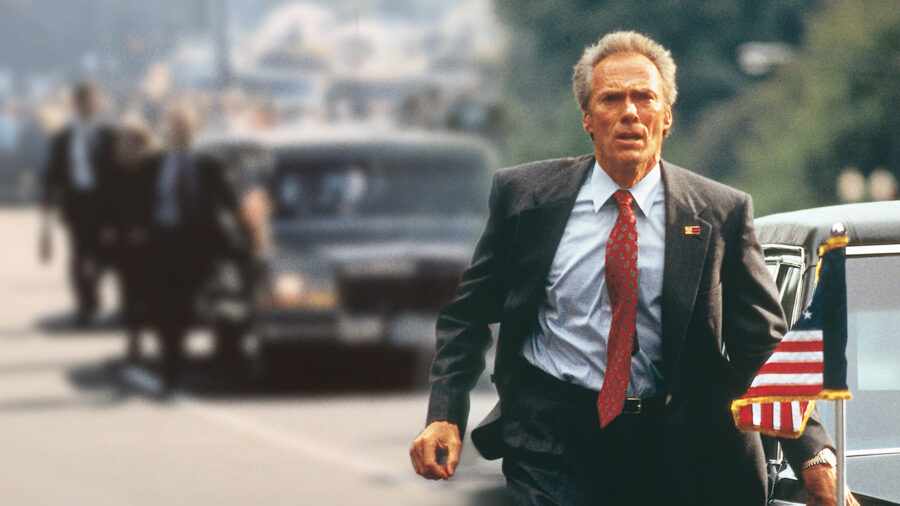
Today, more than 8,000 people serve in the U.S. Secret Service. They protect not just the President and Vice President, but also their families, former presidents, visiting foreign leaders, and others critical to national security.
But this story isn’t just about federal agents in suits and earpieces. It’s also about a former Harleysville resident—Walter A. Haman—and the home he built for boys in need of a second chance.
Walter grew up in Kensington, the son of a roofing and heating contractor who also managed the Kensington Athletic Association—a semi-pro baseball team and a local point of pride. From his father, Walter inherited calloused hands and discipline in his bones. It was as if he had one of those “front-row seats” Bob Uecker always joked about—witnessing firsthand how structure and community could shape lives.
Before joining the Secret Service, Walter sharpened his skills as a criminal investigator with the Pennsylvania State Police. That rigorous training gave him the calm precision and steady focus needed for high-pressure situations. Towering over six feet tall, he carried a quiet, watchful presence—part sentinel, part guardian—naturally built for the demands of the job.
During his six years with the Secret Service, Walter was close to the heart of American power. He served President Harry S. Truman and, according to various accounts, was present at the Yalta Conference in February 1945—a pivotal World War II summit between U.S. President Franklin D. Roosevelt, British Prime Minister Winston Churchill, and Soviet Premier Joseph Stalin. This conference shaped the post-war world and took place in the Crimean resort city of Yalta, then part of the Soviet Union.
It was earlier—while on assignment at the Cairo Conference in November 1943, also known as the Sextant Conference—that Walter made a life-changing decision. Surrounded by global leaders shaping a new world, he quietly resolved to leave the Secret Service and dedicate himself to missionary work—a calling that would profoundly shape the rest of his life.
So in 1947, after a distinguished law enforcement career, Walter resigned and began studying theology. His first sermon, delivered at the National Tabernacle in Washington, D.C., marked a shift—from crime detection to crime prevention, as he liked to say during his early evangelist travels.

Then, in 1954, Walter founded New Life Boys Ranch on 70 acres of lush farmland near Schwenksville. His mission was simple but bold: to share Christian values with boys who had lost their way. Soon after, the Ranch expanded by purchasing adjoining land once owned by Margaret Freeman, thanks to a financial gift from the McCreary Foundation.
New Life Boys Ranch was established as a nonprofit under the Pennsylvania Department of Welfare. At the time, it was the only home of its size in the country to receive partial government funding. The rest came from friends, churches, and local supporters who believed deeply in the mission.
At New Life, boys aged 10 to 14 found a structured, faith-based environment offering both accountability and hope. The average stay was about nine months. During the day, boys attended area schools and returned to the Ranch for chores, counseling, and devotional lessons. Early reports praised the Ranch’s practical, heart-centered approach, noting a recidivism rate as low as 25 percent.
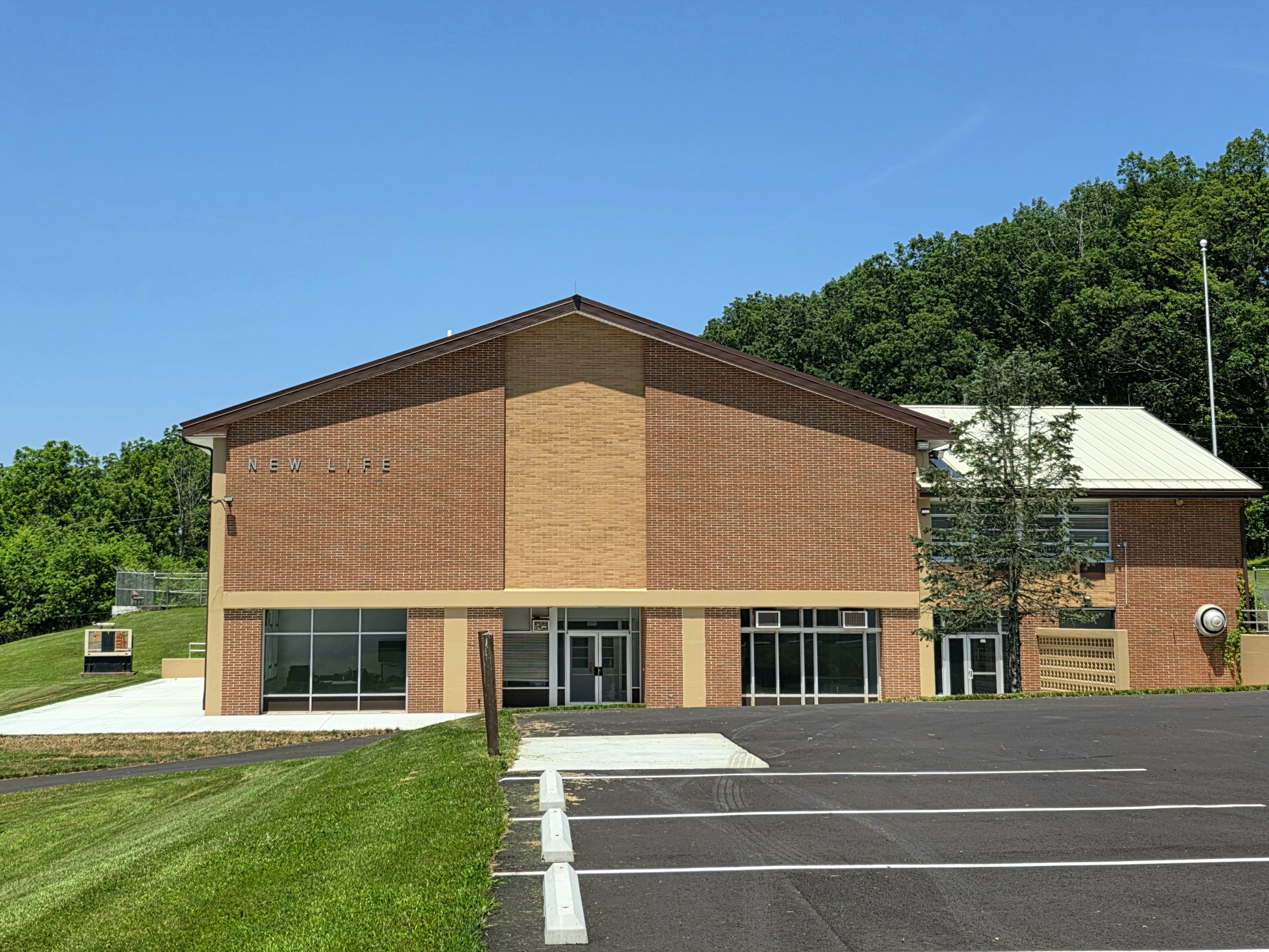

Most of the boys were court-appointed by juvenile judges and officially labeled “delinquent.” To Walter, they weren’t problem boys—they were boys with problems.
Although Walter passed away on March 5, 1968, his family carried on his vision, growing it into a multi-site network devoted to healing and purpose for youth and families.
In 1979, the organization became New Life Youth & Family Services, reflecting its expanding mission. Over the next decade, it launched foster care and placement services, introduced vocational training in carpentry, culinary arts, and other trades, and established a resource center focused on early intervention and community outreach.
The start of the 21st century brought more growth. New Life partnered with Renewal Center Inc., a coed adolescent rehab in Quakertown, providing education for youth in recovery. Its Truancy Prevention Program supported students struggling with chronic absences, while the Screening Assessment Project offered clinical evaluations for youth in detention or shelter care at critical turning points.
Then, on May 14, 2021—nearly seventy years after Walter laid the foundation—a new chapter quietly took root. Behind the maintenance shed, New Life dedicated a vegetable garden: a small patch of earth with a big purpose, reflecting the Ranch’s original spirit of hands-on work, moral guidance, and growth from the inside out.
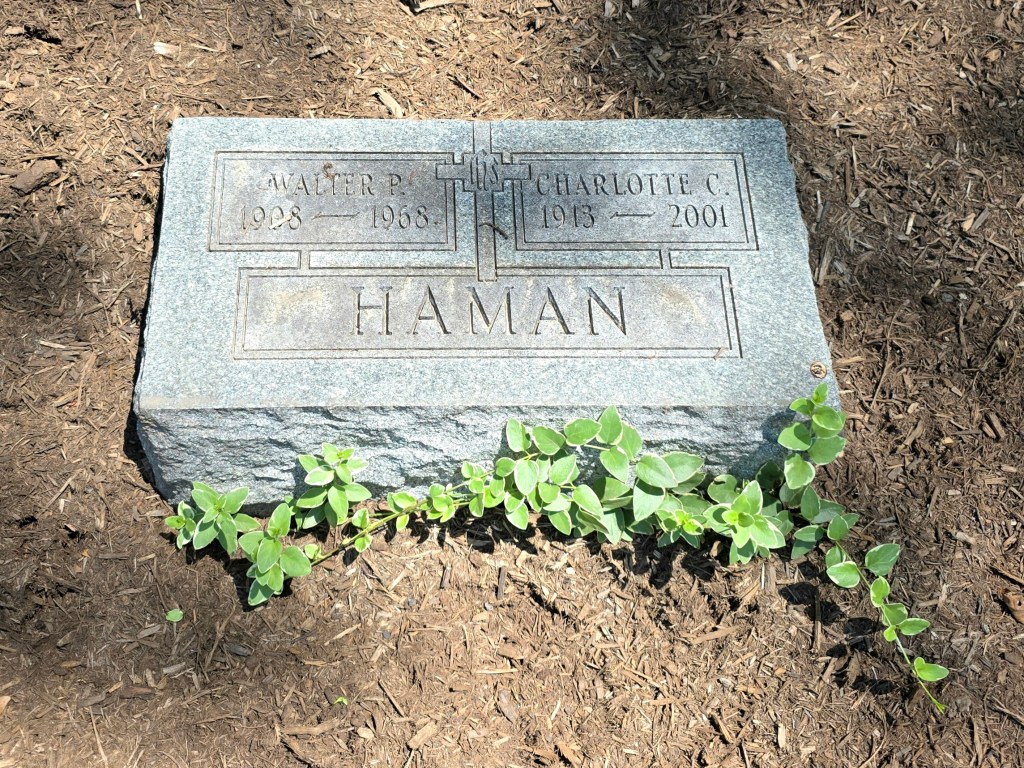
Today, the grounds on both sides of Freeman School Road lie still. The hum of once-robust rehabilitation has quieted. The voices, the prayers, the hard-won progress—all softened by time. Yet, the legacy of Walter’s vision endures. In a quiet, wooded corner of the former New Life campus, Walter and his wife, Charlotte, rest peacefully—their lives a lasting testament to service, faith, and second chances.
If you’re lucky, you might stumble upon a rare copy of Why I Left the White House: The Story of Walter Haman, Former U.S. Secret Service Presidential Bodyguard—a self-penned, 30-page biography. In it, Walter reflects on a life lived on the front lines of history, and the quiet, resolute path he chose to follow afterward.
On July 5, 1865, the United States Secret Service—often called the USSS or simply the Secret Service—officially began operations under the Department of the Treasury. Today, it operates under the Department of Homeland Security. The agency has two primary missions: investigating certain types of crimes and protecting national and world leaders.
Over the years, the nation has faced the tragic assassinations of four U.S. presidents while in office: Abraham Lincoln (1865), James A. Garfield (1881), William McKinley (1901), and John F. Kennedy (1963). Each of these heartbreaking events marked a painful turning point in American history.


 Keystone Wayfarer
Leave a reply to scrumptiously1c753e9b77 Cancel reply