The idea of six degrees of separation—sometimes called the “six handshake rule”—subtly shapes how I explore history each week. First imagined in a 1929 short story by Hungarian writer Frigyes Karinthy, it suggests that any two people on Earth are connected by no more than six social links. That concept has intrigued me for years. It’s more than a theory—it’s a lens through which I trace unexpected threads between people, places, and events that might otherwise seem worlds apart.
It’s that sense of connection that drives my work with Keystone Wayfarer, a platform where history becomes personal and patterns emerge through shared stories. This year, the site is highlighting the lives of remarkable women from Pennsylvania’s past—voices that helped shape the present and ground us in a common narrative.
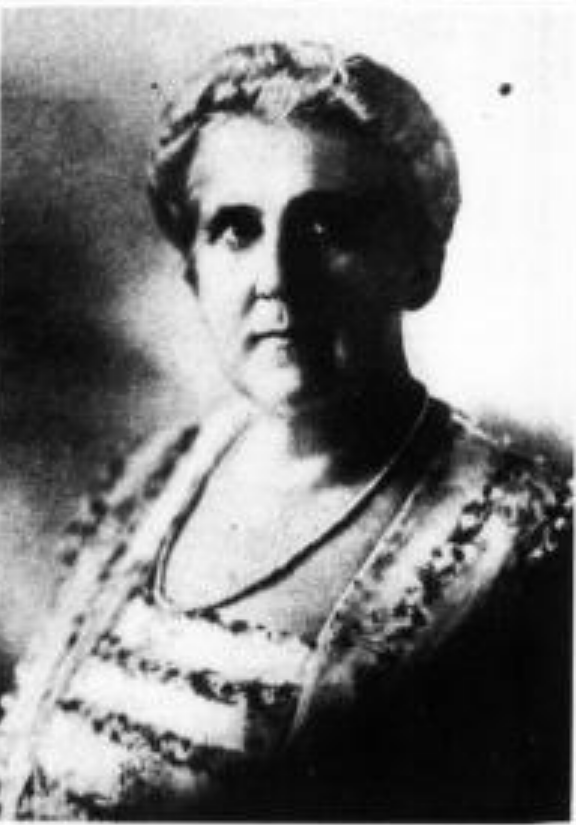
This month I write about Isabel Darlington, a woman whose quiet but powerful life reflects the resilience, courage, and interwoven history that define our collective past. Isabel wasn’t just a trailblazer in law—she shattered barriers in a world that told women to stay silent. When she became the first woman admitted to the bar in Chester County, it marked more than a personal milestone. It was a quietly defiant and brilliant act—one that cracked open the gates for generations of women to come.
Born in West Chester on June 22, 1865, Isabel came from the prominent Darlington family. Her father, Smedley Darlington—a Civil War veteran, congressman, banker, and investor—instilled in her a sense of purpose and persistence. The Darlingtons were wealthy, well-connected, and influential, providing Isabel with a vantage point that few women of her time had access to.

Education was central to Isabel’s life from the start. She studied at Darlington Seminary, the girls’ school her father founded in East Bradford Township, and graduated cum laude from Wellesley College in 1886. Afterward, she became her father’s private secretary in Washington, D.C., accompanying him on business trips across the western U.S., where he held substantial land interests.
At one point, the Darlington fortune reportedly reached nearly a million dollars. Then came the Panic of 1893. Triggered by the collapse of companies like the Philadelphia and Reading Railroad, the crash wiped out much of their wealth. For many, such a loss would have closed doors. For Isabel, it opened one. Instead of retreating, she forged a new path—into the male-dominated world of law.
By 1897, at age 32, Isabel became the first woman admitted to the Chester County bar. She began her legal career clerking for her brother-in-law, Congressman Thomas S. Butler, and eventually became a partner in his West Chester firm. Her practice spanned real estate, tax, and civil law. More importantly, it served as a platform for advocacy—ensuring Chester County residents were represented with fairness, dignity, and integrity.

One of her most significant cases came in 1906, when she managed the legal transfer for industrialist Pierre S. du Pont’s purchase of what would become Longwood Gardens.
Longwood Gardens has always felt like a place where history lingers quietly among its 1,100 acres of cultivated beauty. When I first wandered its paths, I had no idea how deep those roots ran—or that one woman had helped preserve them. The land’s story stretches back to 1700, when George Peirce bought the property from William Penn’s commissioners. It later served as a refuge for enslaved people fleeing north, aided by local Quaker communities. Du Pont purchased the land to save its historic trees from logging. Though he hadn’t yet envisioned a public garden, that’s exactly what it became. In 1921, he opened it to the public and later established the Longwood Foundation to ensure its preservation.
Isabel’s legal milestones extended well beyond Chester County. In 1902, she was admitted to practice before the Superior Court of Pennsylvania, and in 1907, before the state’s Supreme Court—becoming only the second woman to do so after Carrie Burnham Kilgore. In 1924, she broke new ground again as the nation’s first female bank receiver, appointed to manage Parkesburg National Bank—a role she held until 1926. And in 1941, she became the first woman elected president of the Chester County Bar Association.
She practiced law for fifty-three years—forty-five of them as Chester County’s only female attorney.



Isabel’s influence wasn’t confined to the legal field. She served on the boards of the Fire Creek Colliers Company and West Chester State Normal School, and was active in the Republican Party. She also led initiatives to support the poor, directed the Wentworth Home for elderly women, and served as vice president of the Chester County Historical Society. In 1938, she spearheaded the fundraising campaign to purchase and improve the building that would become the Chester County History Center.
Isabel never married, sharing the longtime family home—Faunbrook—with her sister and walking each day to her law office at 16 East Market Street until the age of 84. She passed away from heart failure on June 24, 1950, and was laid to rest in Oaklands Cemetery. After her death, her great-nephew, Thomas R. Butler, took over her legal practice.

As I researched Isabel’s life, I found myself wondering how many lives she touched—mentors, clients, neighbors, colleagues. How many young women, perhaps unknowingly, walk in her footsteps today? I like to believe that, in some small way, my own journey through Pennsylvania’s history is connected to hers. That’s the quiet power of the six degrees: we’re all threads in the same unfolding story, shaped by those who came before and influencing those yet to come.
Isabel Darlington’s legacy reminds us that pioneering isn’t always loud. Sometimes, it’s a matter of quiet resolve—a refusal to back down, even when you’re the only one in the room. Though she didn’t live to see full gender equality in the legal profession, her life’s work helped build the bridge. And I, for one, feel deeply grateful for every step she took.
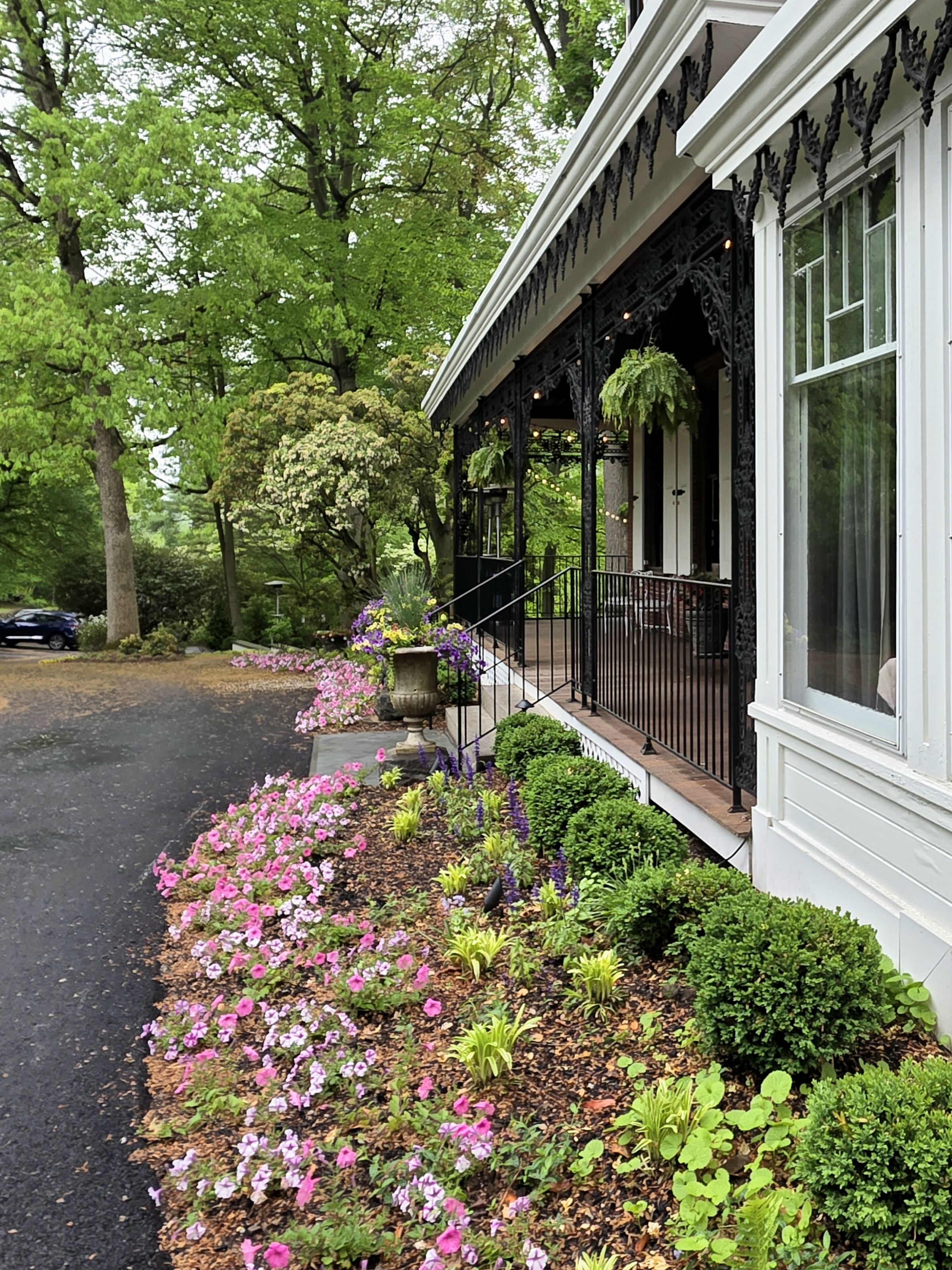
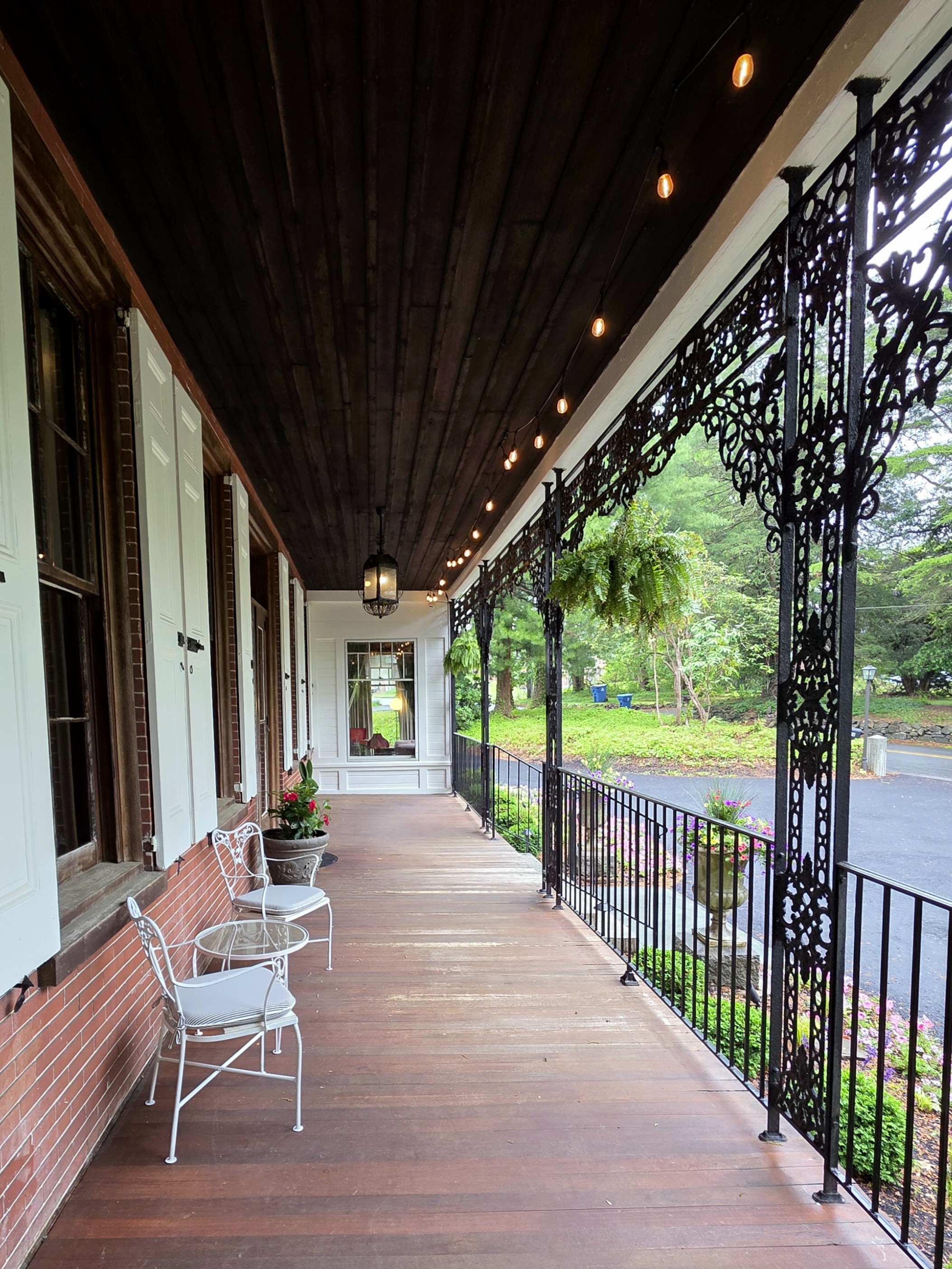
Faunbrook, the historic Darlington family home, stands at the corner of Rosedale and Bradford Avenues in West Chester. Built in 1860, the Victorian mansion was designed by noted local architect Samuel Sloan, who also created Philadelphia’s Kirkbride Insane Asylum. Once a symbol of the Darlington family’s prominence, the estate evolved over time, eventually becoming a popular bed and breakfast by the late twentieth century.
In 2008, Lori Zytkowicz purchased Faunbrook and dedicated herself to preserving its charm and historic character. Under her stewardship, it remained a beloved landmark until her passing in 2023 after a courageous battle with cancer. Following her death, the property fell into disrepair and financial distress, ultimately being sold at a Sheriff’s Sale.
The estate was acquired by Stephanie Olenik, owner of The Bookhouse Hotel in Kennett Square. With her vision and experience, the once-grand mansion was thoughtfully revived and reimagined as The Bookhouse at Faunbrook.
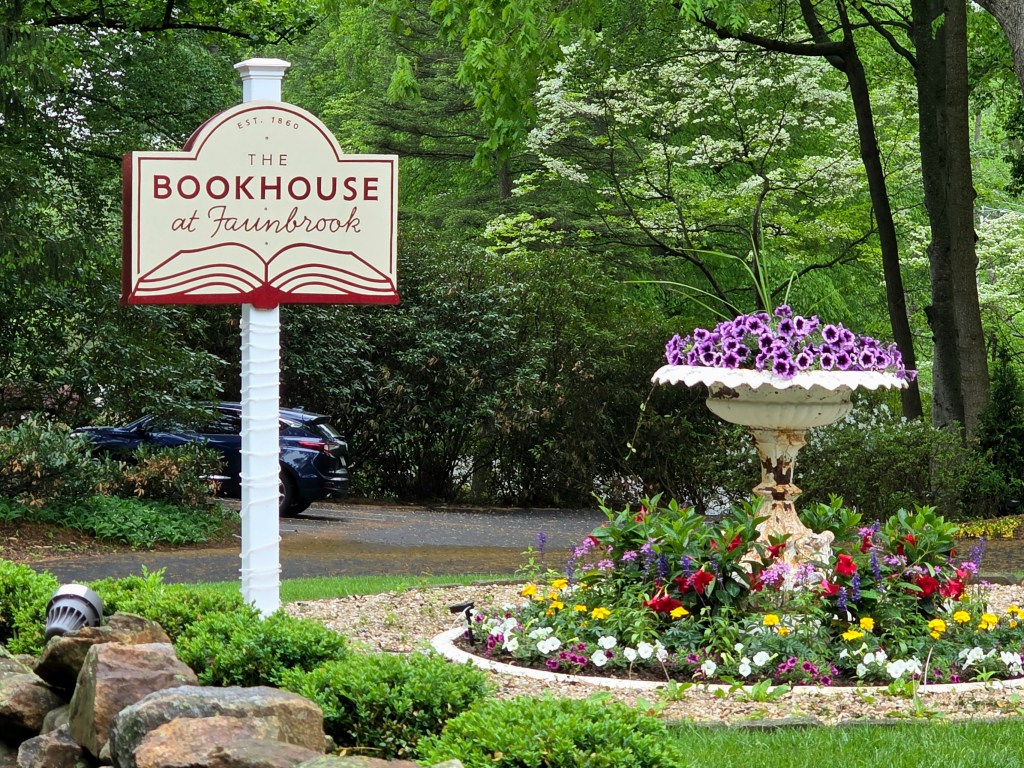
Each room in the newly restored hotel draws inspiration from literature and history: The Darlington Suite, honoring the home’s original owners; Daisy’s Room, inspired by The Great Gatsby; Jane’s Room, a tribute to Jane Austen; Alice’s Suite, evoking Alice’s Adventures in Wonderland; Burnett’s Studio, drawn from The Secret Garden by Frances Hodgson Burnett; Rose’s Room, influenced by Dickens’ Oliver Twist; and The Dreamer’s Quarters, named after Shakespeare’s A Midsummer Night’s Dream.
Each space is wrapped in shelves of curated books, offering guests a warm, immersive literary escape.
In addition to its accommodations, The Bookhouse hosts a quarterly book club. Members receive a copy of the featured title, themed gifts, discounted stays, Zoom sessions with authors, and access to the signature Darlington Book Ball. The hotel officially celebrated its grand opening on April 13, 2025. The Bookhouse at Faunbrook is located at 699 W. Rosedale Avenue, West Chester, PA 19382. For reservations, visit www.thebookhouseatfaunbrook.com or call 610-257-7008.


 Keystone Wayfarer
Leave a reply to crbnh Cancel reply