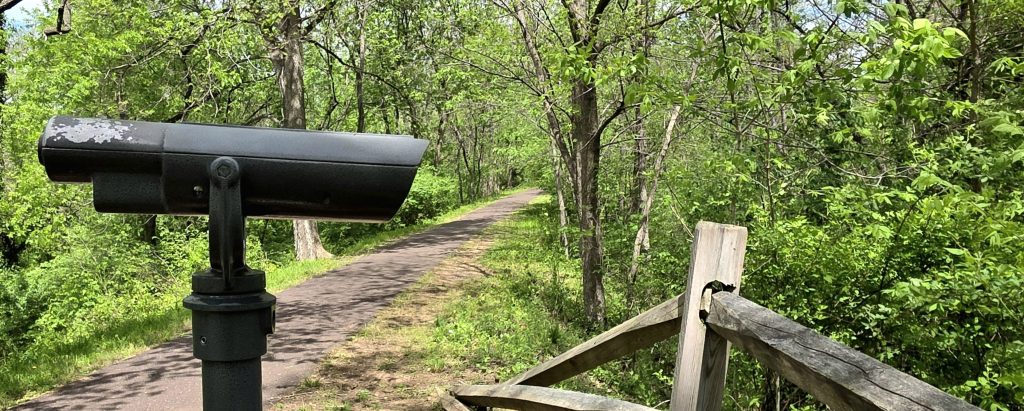
After months of gray skies and stillness, there’s nothing more healing than stepping outside and feeling the warmth of the sun on my skin again. I live for those quiet hours with my hands in the dirt—no noise, no screens, just the rhythm of the earth and my own breath. There’s something about that stillness that brings peace. You see, I believe there’s a quiet magic in watching something grow. The anticipation of tiny green shoots breaking through the soil, reaching for light with everything they’ve got. That kind of determination, that relentless motivation, humbles me.
Even more powerful is the idea that Mother Nature gives so freely—offering beauty, nourishment, and peace without asking for anything in return. That universal truth has never been lost on me. And lately, as I press my palms into the soil again, I keep thinking about a favorite local spot that embodies everything I love about the natural world: Black Rock Sanctuary.
It hasn’t always been this way. Nestled along the Schuylkill River, Black Rock was once a scarred stretch of land—an industrial dumping ground, hollowed and forgotten. But now? Now it breathes with life. Herons glide above restored wetlands. Frogs sing in vernal pools. Migratory birds pause on their long journeys. What was once barren has become a mosaic of meadows, woodlands, and wildflowers.
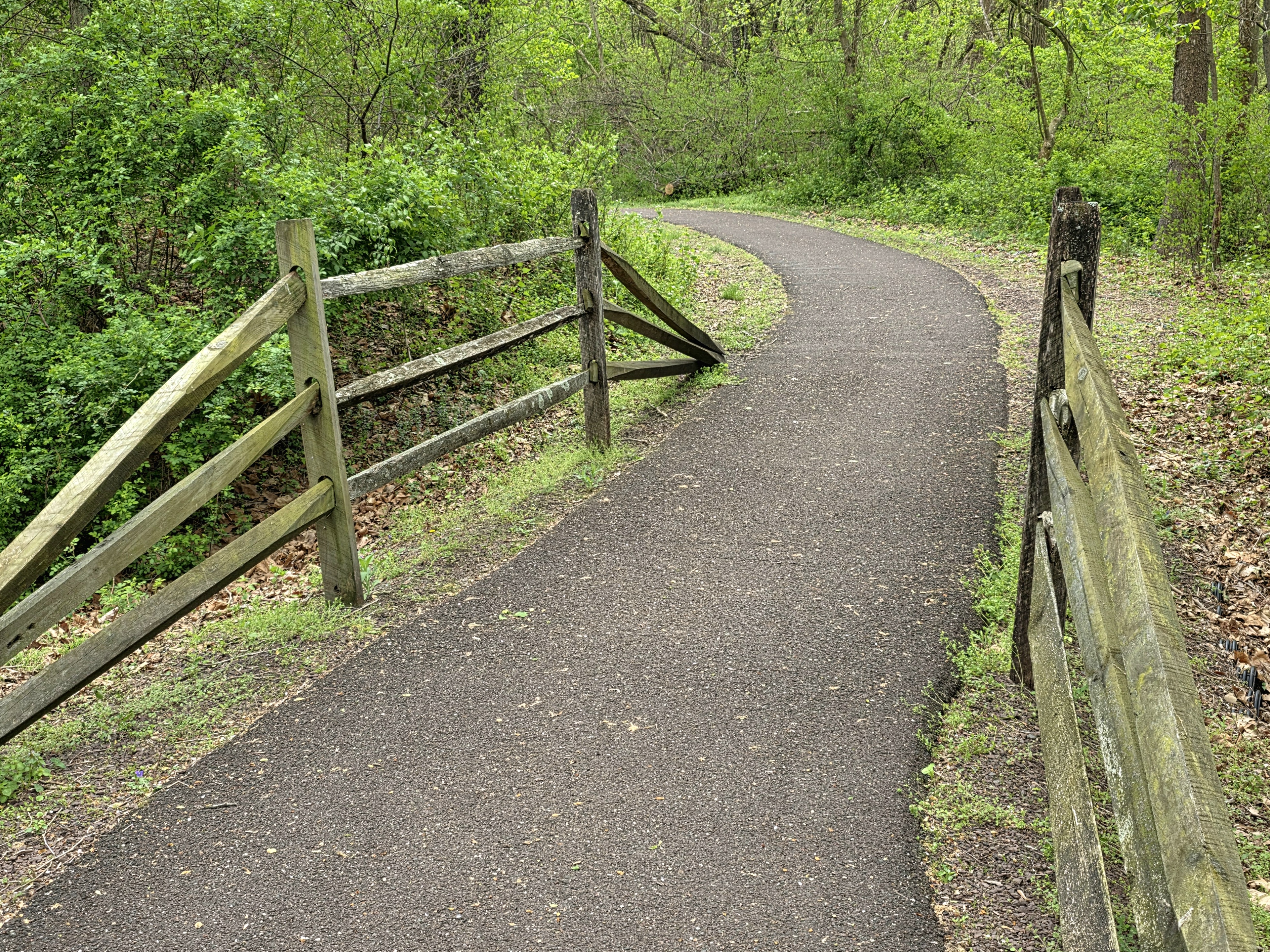

Most who walk its trails might never know the depth of its resurrection—but the land remembers. And in its revival, I see a mirror of my own. Proof that healing—both in nature and in ourselves—is always possible, even after the deepest wounds.
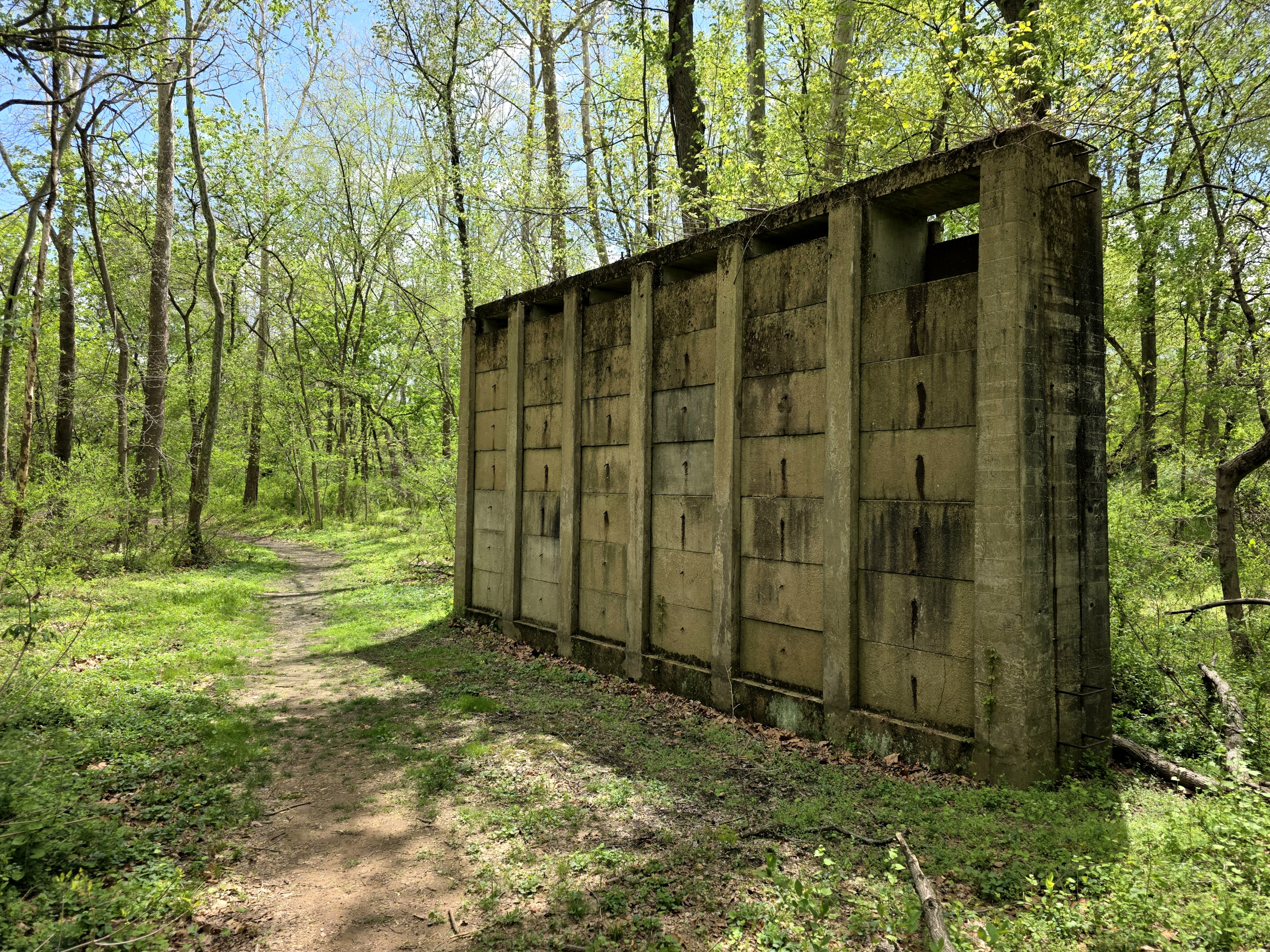
For years, the nearby Schuylkill River served as an industrial super highway, ferrying coal barges until the river itself was choked with silt. By 1928, the last barge passed through, marking the end of an era—but not the damage. In 1945, the state launched an ambitious dredging effort to remove the accumulated coal waste, relocating it to designated basins—including one at Black Rock.
The numbers are staggering: over 12,000 cubic yards of coal silt were removed from Black Rock alone. Later, the basin was mined for sand, gravel, and coal residue—until it was abandoned once again, a landscape depleted and lifeless.
But vision returned. And so did hope.


Chester County acquired the land from the Bureau of Mines with a dream: to restore it. To return something wild, resilient, and whole to the community. From that lifeless basin grew a sanctuary—not just in name, but in purpose.
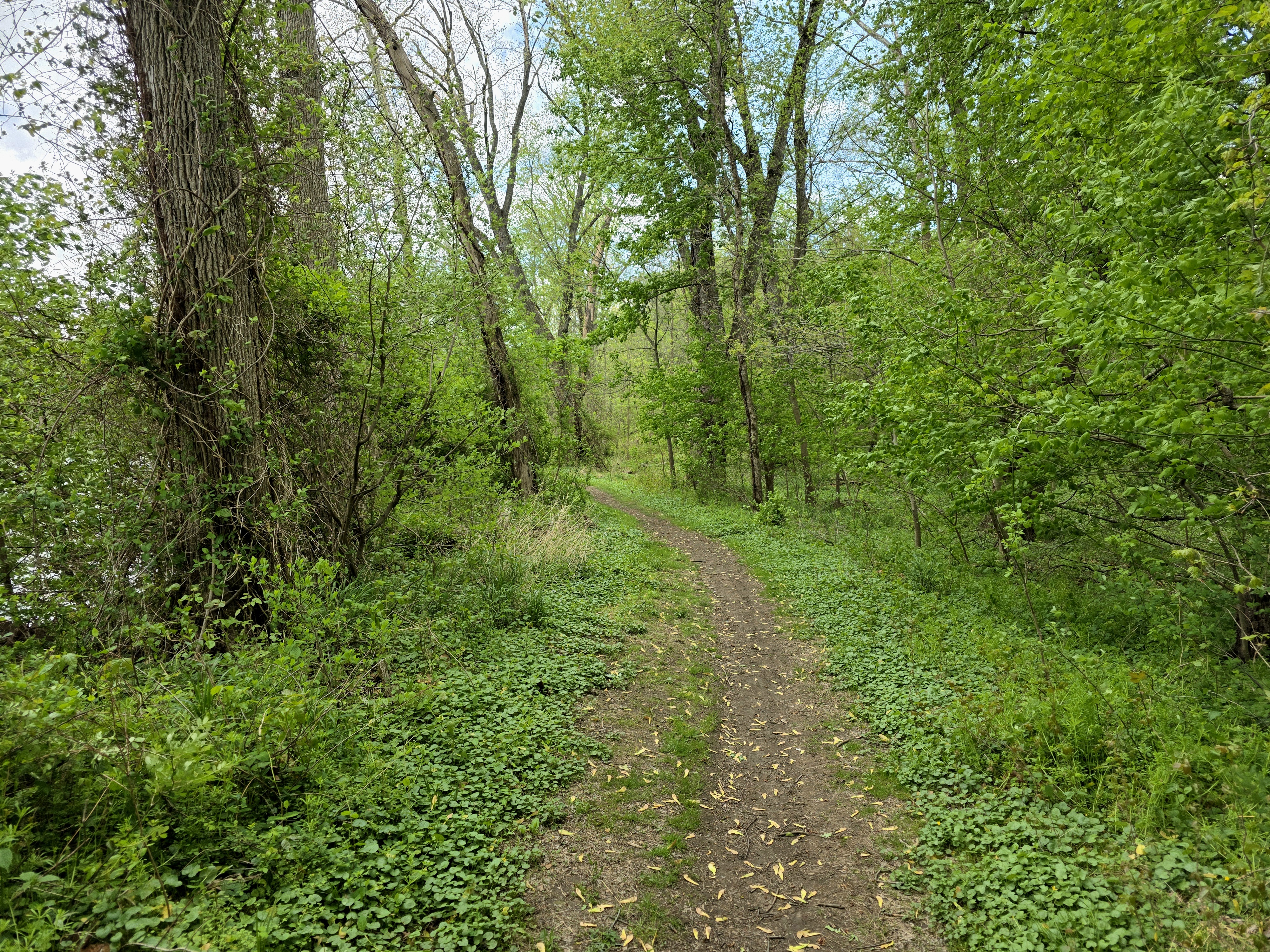
Walking there now, I can feel the echo of that transformation. I think of the countless hands that worked to undo the damage, of the vision it took to imagine something better, and the patience required to see it through. The wetlands have been restored. Native plants are thriving. And with this metamorphosis came people—strolling the trails, watching birds, learning, and reconnecting.
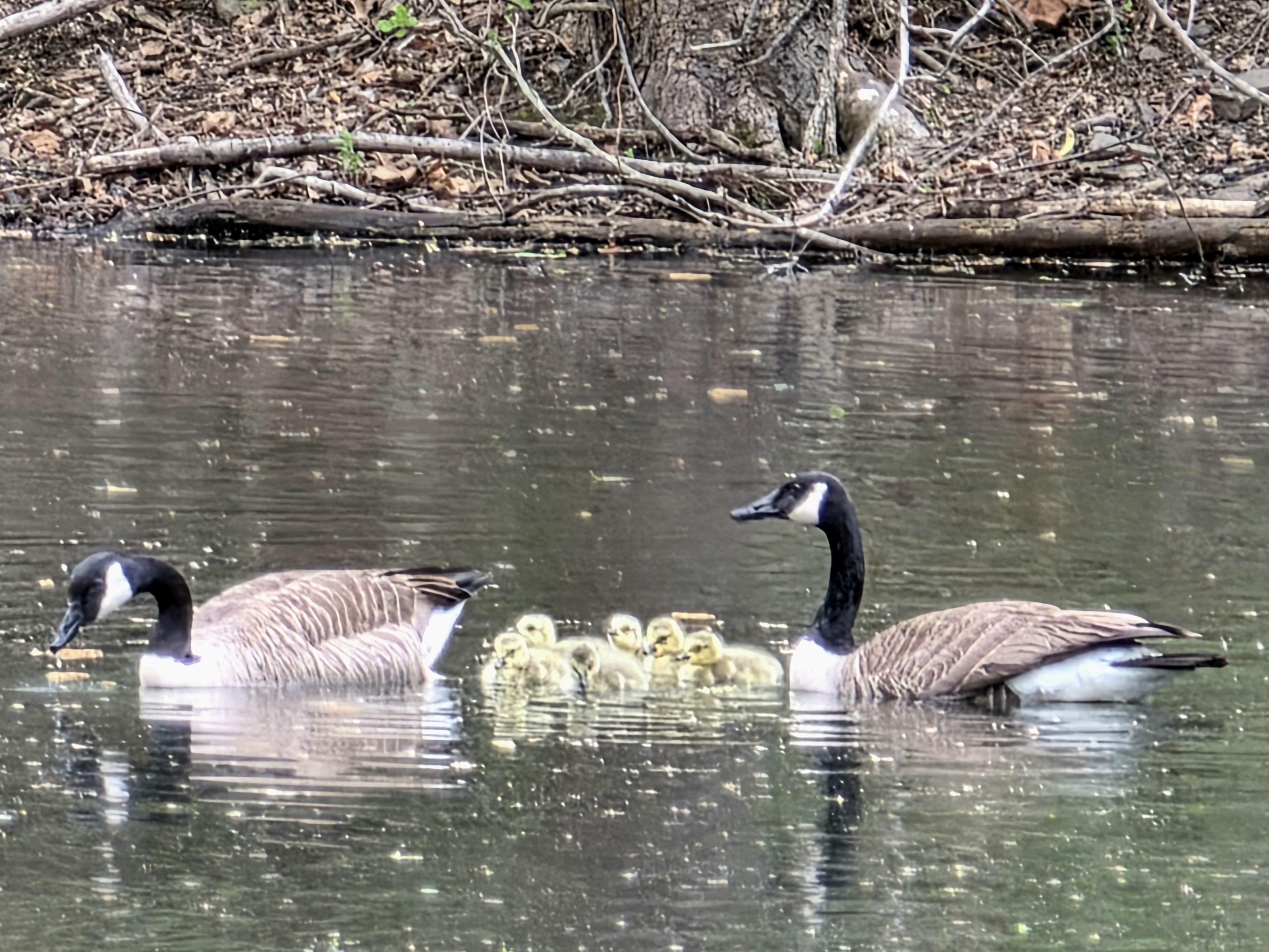
The impact of Black Rock’s transformation is both visible and measurable. Vernal pools now serve as seasonal breeding grounds for salamanders, turtles, and frogs. Bird counts have more than tripled. The variety of species has increased tenfold. Over ten acres of upland meadow habitat now support pollinators and strengthen the area’s ecological resilience—growth that’s tracked annually through the Plant Stewardship Index. Every season brings new life, and with it, the quiet awe of something sacred returning.
A favorite among visitors is the sanctuary’s one-acre pond—a peaceful spot for Largemouth Bass fishing or simply sitting still. It anchors a nearly mile-long interpretive trail loop where you can pause, breathe, and just be. And above it all, the sky offers its own show. As a designated bird sanctuary, sightings now include Baltimore orioles, Savannah sparrows, and even bald eagles—majestic reminders of what can return when we protect what matters.

Linked by the Phoenix Iron Canal Trail, the park connects to the broader Schuylkill River Trail, weaving together a story of ecology, community, and resilience. Just a few miles away lies Mill Grove, the Audubon Society’s first home in America—tying Black Rock to a much larger conservation legacy.
Today, the sanctuary receives support from the Pennsylvania Department of Conservation and Natural Resources and Chester County’s Open Space Program, ensuring its care for generations to come.
But beyond the science, the numbers, and the restoration, Black Rock Sanctuary is something more. It’s a place that invites you to slow down. To listen. To remember that healing is not only possible—it’s natural. Whether you’re walking the trails, scanning the treetops with binoculars, or simply soaking in the stillness, Black Rock stirs something deep inside you—especially when you know what it used to be.
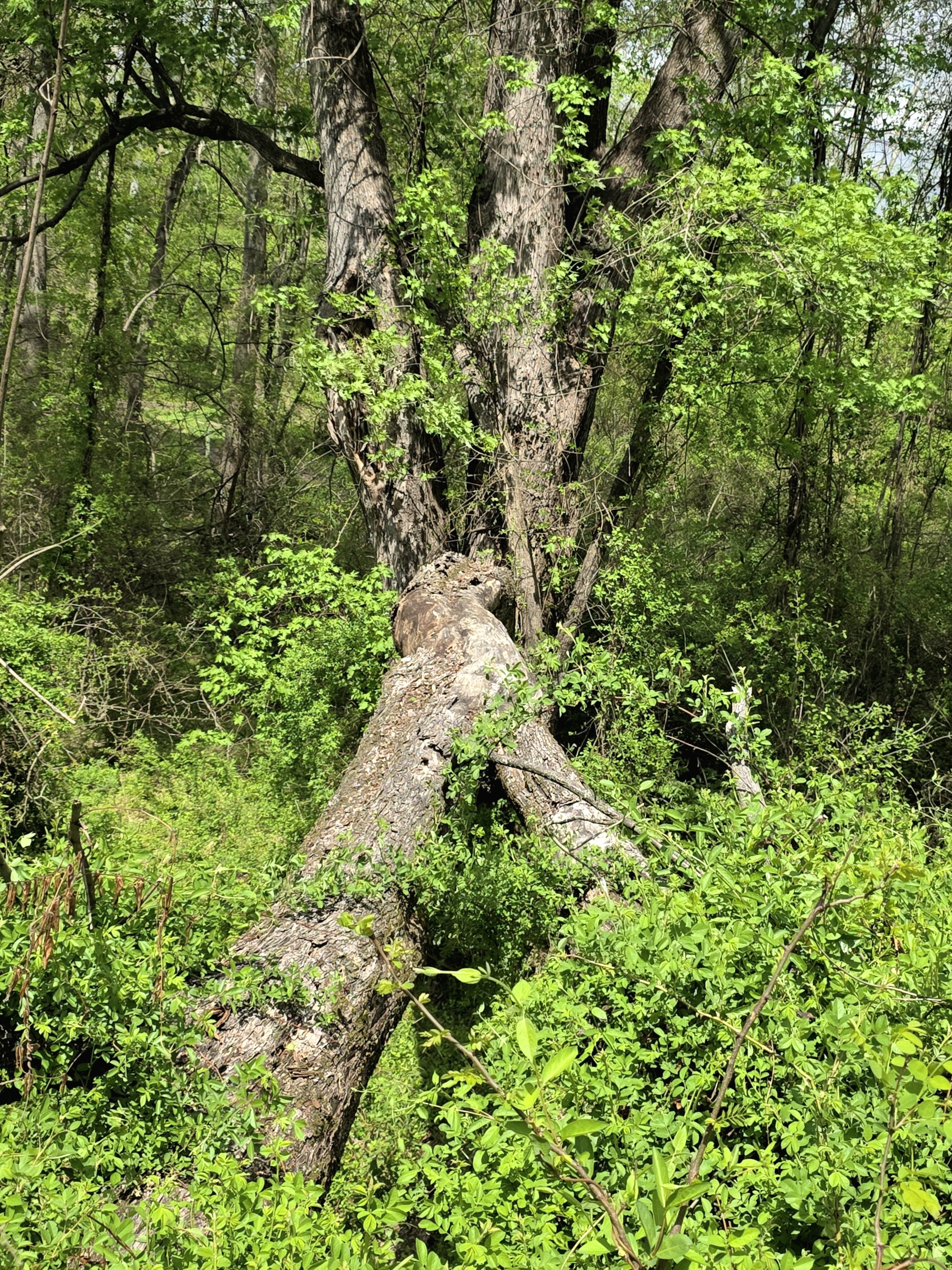

It reminds me of the life lessons my garden teaches me again and again: be patient, trust the timing, and keep showing up. Because sometimes, even the most broken places can bloom again.
Dedicated to my dad.


 Keystone Wayfarer
Leave a reply to Melissa Schwenk Weinstein Cancel reply