
Thanksgiving has long been a cornerstone of American culture, blending historical legacy with modern adaptations. While the 1621 Plymouth feast often dominates the holiday’s origin story, a lesser-known observance took place two years earlier when settlers at Berkeley Hundred in Virginia held a day of gratitude along the James River. This often forgotten chapter reminds us that Thanksgiving’s roots, much like the ways we celebrate it, are more diverse than we often imagine.
As Thanksgiving evolved into a national holiday, the way families connected across distances also shifted, particularly with advancements in transportation. Long before the rise of airplanes or modern highways, railroads were essential to societal connection. In the mid-19th century, railroads revolutionized travel, dramatically reducing journey times and replacing the days-long hardships of horse-and-buggy travel with faster, more reliable trains. For instance, a trip from Philadelphia to my adopted hometown of Schwenksville once meant navigating bumpy, often treacherous roads—a full day’s journey. With the arrival of rail service, that same trip became a matter of hours, regardless of weather.
Railroads not only redefined travel but symbolized America’s rapid transformation. Inspired by Britain’s success, railroads soon outpaced canal systems in speed and efficiency, reshaping commerce and community life. Government initiatives, including those by the U.S. Army Corps of Engineers, supported their growth, though not without controversy. Eminent domain often sparked disputes with landowners, reflecting the growing pains of a nation on the move.
Pennsylvania played a pivotal role in the railroad boom. The Pennsylvania Railroad Company, once the world’s largest corporation, set industry benchmarks, connecting cities like Philadelphia, New York, and Chicago. Locally, the Perkiomen Railroad transformed life along the Perkiomen Creek and adjoining waterways, linking small towns to larger markets and fostering widespread economic growth.
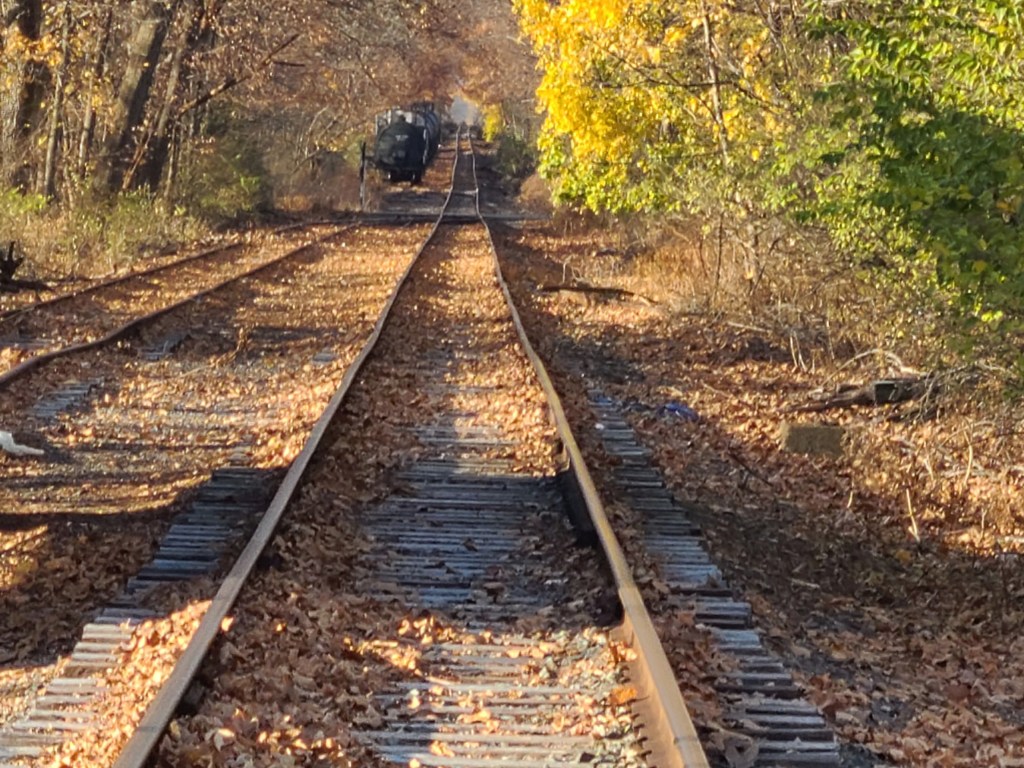
Incorporated in 1865 as the Norristown and Freemansburg Railroad Company, the line was renamed the Perkiomen Railroad Company shortly after. By 1869, towns along the nearly forty-mile route enjoyed passenger and freight services. By 1875, stops such as Schwenksville, Collegeville (formerly Freeland), Zieglerville, and Perkiomen Junction (now Oaks) were connected.
The railroad quickly became the crux of local life. Schwenksville and its neighboring towns thrived, supplying cobblestones for Philadelphia streets, fueling cigar and broom factories, and supporting the ice trade. Summer homes for prominent Philadelphians and businessmen, including saltwater taffy entrepreneur Joseph Fralinger, dotted the countryside. Even future governor Samuel Pennypacker regularly commuted via the railroad between his Schwenksville home, Pennypacker Mills, and the Court of Common Pleas in Philadelphia.
Steve Mallon, President of the Perkiomen Railroad Historical Society, sheds light on the railroad’s early days: “In 1875, passenger trains typically included three or four coaches, while freight trains carried eight or nine cars. Crews worked tirelessly—engineers, firemen shoveling coal, conductors, and brakemen manually setting brakes long before modern air brakes were invented.”
As technology advanced, so did the Perkiomen Railroad. “By 1945, the line became part of the Reading Railroad and was upgraded to handle heavier trains,” Mallon explains. “It saw a variety of locomotives, from early steam engines to second-generation diesels. There’s even a rumor that Marilyn Monroe once rode the Perkiomen, staying overnight in Pennsburg at the American House, later known as Hotel Harley.”

At its peak, eight passenger trains ran daily—four heading up the line and four returning. Passenger service thrived until the rise of automobiles and highways, which led to a steady decline in demand. In 1962, the last passenger train, a Iron Horse Ramble, made its final journey through Schwenksville. While nostalgic events like “Touch of Dutch Days” helped keep the line alive for a time, by 1976, Conrail had assumed control of much of the region’s rail infrastructure, marking the end of an era.
Today, echoes of the Perkiomen Railroad remain. Schwenksville’s former train station has been transformed into the bustling Snoozy’s Café, and the Perkiomen Trail—a favorite for bikers and walkers—traces much of the original rail line.
Next year marks the 135th anniversary of the Perkiomen Railroad’s first passenger train journey. To commemorate this milestone, Pennypacker Mills and the Perkiomen Railroad Historical Society are hosting All Aboard the Perkiomen Railroad, an exhibit celebrating the line’s impact on local communities. Located on the second floor of the historic Pennypacker mansion, the exhibit runs through January 12, 2025, and is included with free guided tours (suggested $2 donation).
Pennypacker Mills is open Tuesday through Saturday from 10:00 a.m. to 4:00 p.m., and Sunday from 1:00 p.m. to 4:00 p.m., with the last tour starting at 3:00 p.m. The mansion is closed on Mondays and holidays.
As we gather this Thanksgiving, with a record-breaking eighty million Americans expected to travel, the story of the Perkiomen Railroad reminds us how innovation has always brought families together. Whether by rail or highway, it’s the bonds of family, gratitude, and community that truly make the holiday special.
Perkiomen Railroad Historical Society, a 501(c)(3) organization, relies on grants and individual donations. Contributions can be sent to PO Box 113, Schwenksville, PA 19473.
Other Famous American Railways
Each railroad represents a unique chapter in the story of American ambition and innovation, with its own tale of triumphs, challenges, and lasting impact. Though many railroads have faded or merged, their legacies endure, serving as lasting reminders of the pivotal role they played in shaping the transportation networks, economy, and communities that define modern America.
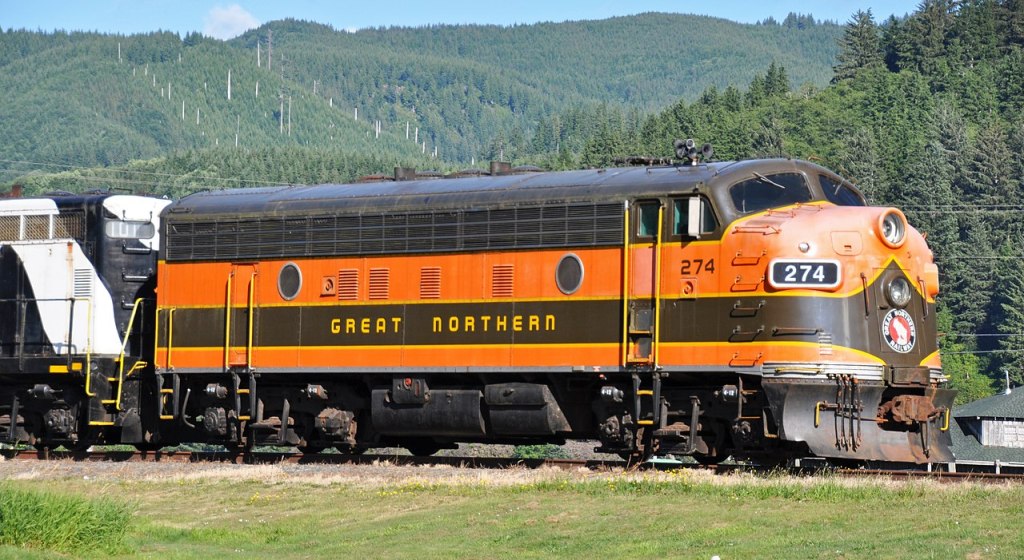
Founded in 1889 by James J. Hill, the Great Northern Railway became a model of private enterprise and innovation. Remarkably, it was the only transcontinental railroad built without government funding, relying instead on private investments and careful financial planning. Hill’s strategic leadership included navigating complex negotiations to access lands traditionally inhabited by Native American communities, enabling the railway’s expansion into the Pacific Northwest. By connecting these territories to broader markets, the Great Northern fostered settlement and economic growth, solidifying its place as a uniquely successful privately financed venture.

Completed in 1861, just before the outbreak of the Civil War, the Mobile & Ohio Railroad was the longest in the U.S. under a single corporate charter, spanning 500 miles. It served as a critical supply line for the Confederacy, transporting troops and materials, but sustained extensive damage during the war. Despite financial struggles in the Reconstruction era, the railroad adapted to changing economic conditions, enduring nearly eight decades of operation. Its eventual absorption into the Southern Railway in 1940 marked the end of an era, but its legacy of resilience and innovative rail transport shaped the development of the southern railroad network.
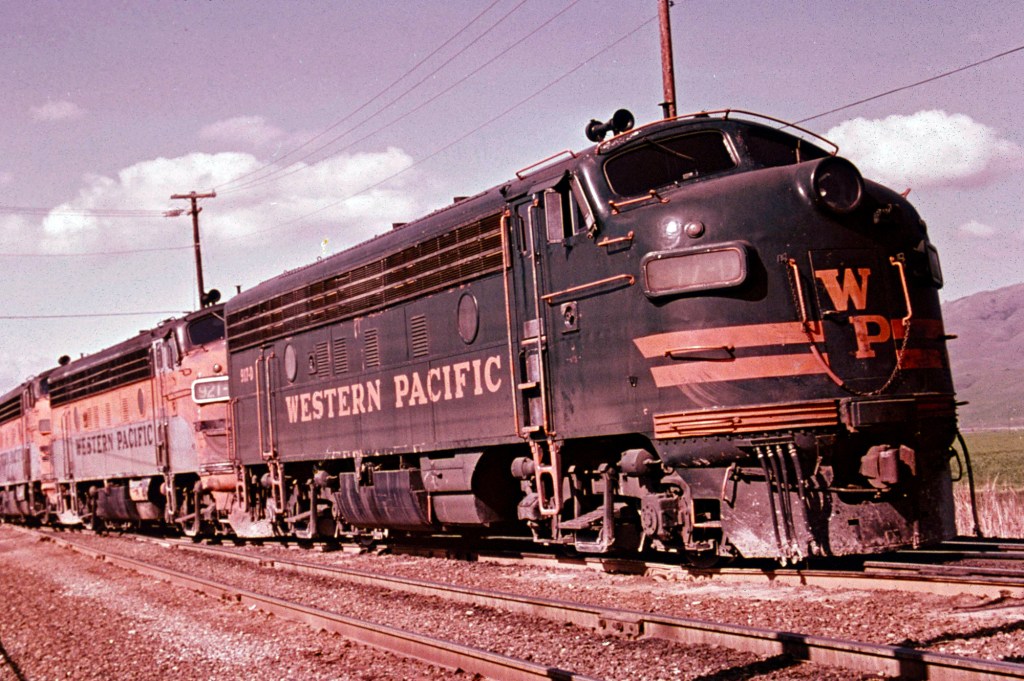
This name refers to two distinct railroads. The first, the Southern Pacific Railroad, ran from San Jose to Sacramento and was absorbed into the Central Pacific Railroad in 1870, becoming part of the transcontinental line. The second, founded in 1903, was the Western Pacific Railroad, renowned for its scenic routes, most notably the California Zephyr. This passenger service, celebrated for its focus on comfort and breathtaking landscapes, became a beloved feature of western travel, continuing to captivate travelers until its integration into larger networks in the mid-20th century.
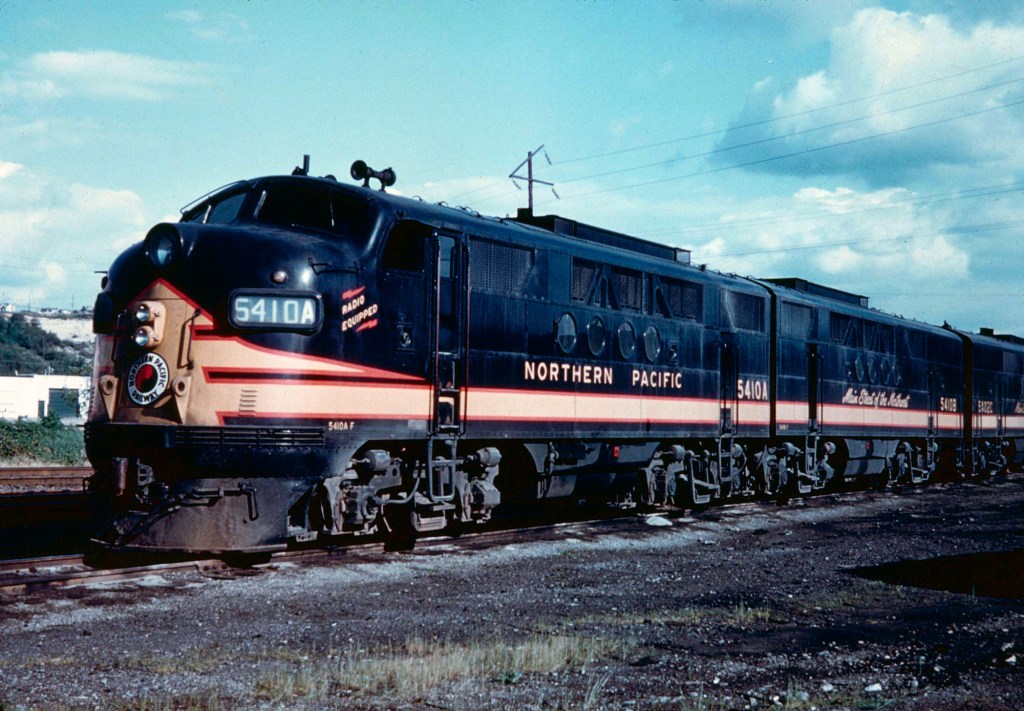
A federally chartered project, the Northern Pacific Railroad connected the Great Lakes to Puget Sound, overcoming challenges such as financial crises and labor unrest to achieve a monumental engineering feat. Completed in 1883, this line revolutionized trade and migration across the northern U.S., opening new opportunities for economic growth and settlement. Its later consolidation into Burlington Northern in 1970 marked the end of its independent operation but underscored its enduring legacy as a cornerstone of America’s transcontinental rail system.
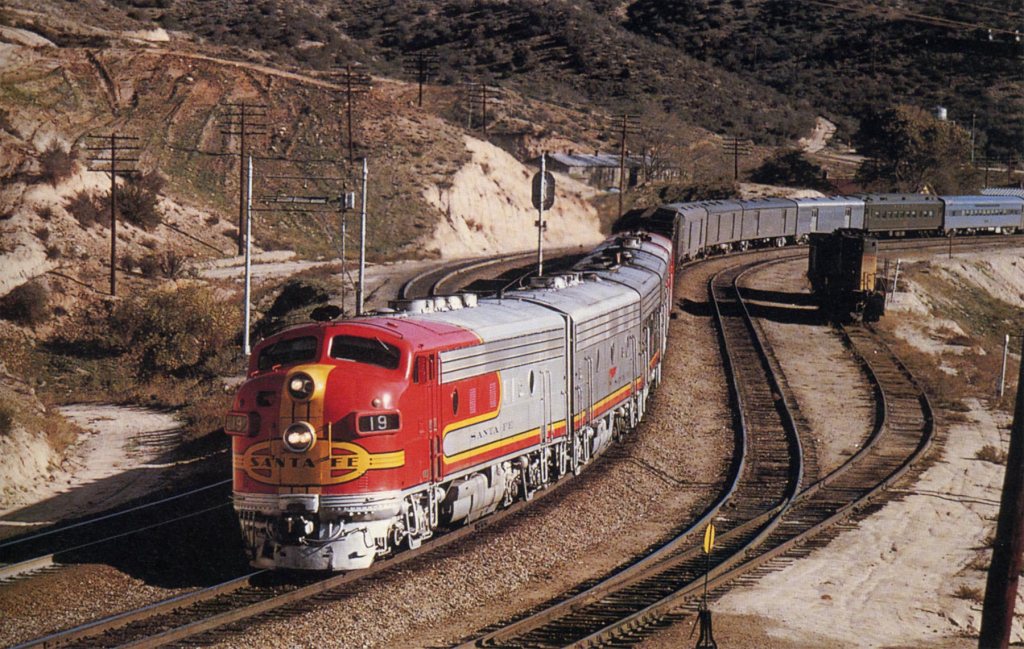
Chartered in 1859, the Santa Fe Railroad aimed to establish a direct connection to Santa Fe, New Mexico—a goal it never achieved due to challenging geography and competition. Instead, it built an extensive network across the Rockies, Midwest, and West Coast. Renowned for its luxury passenger services, including the iconic Super Chief, and its robust freight operations, Santa Fe became a vital link in the national economy. Today, its legacy lives on as a foundational component of the BNSF Railway, one of North America’s largest freight networks.

As the first operating railroad in Texas, the Buffalo Bayou, Brazos, and Colorado Railway sought to connect Houston with Austin and beyond. The Civil War disrupted its expansion due to resource shortages and damaged infrastructure, but in the post-war years, the line redirected westward, eventually linking Houston to El Paso. By pioneering rail transport in Texas, it facilitated economic growth, encouraged settlement, and laid the foundation for the state’s extensive rail network.

Established in 1865, the Southern Pacific Railroad built an expansive network connecting New Orleans to California, transforming the nation’s transportation landscape. Beyond railways, it played a pivotal role in advancing telecommunications by laying telegraph lines along its routes—an innovation that eventually led to the founding of Sprint. Despite facing financial challenges, its merger with Union Pacific solidified its legacy as a cornerstone of America’s transportation and communication infrastructure.

Chartered by the U.S. government, the Central Pacific Railroad played a crucial role in constructing the western leg of the transcontinental railroad. Its construction, carried out largely by Chinese laborers, overcame immense challenges such as the rugged Sierra Nevada mountain passes and harsh weather conditions. Completed in 1869, the Central Pacific symbolized the unification of East and West, accelerating economic growth, fostering national unity, and marking a transformative era in U.S. history.

Founded under the Pacific Railroad Act of 1862, the Union Pacific Railroad laid tracks from Omaha to Promontory Summit, where it met the Central Pacific Railroad, completing the first transcontinental line. Despite facing scandals such as the Crédit Mobilier and operational hurdles like labor shortages and difficult terrain, Union Pacific’s success marked a pivotal moment in American transportation, accelerating westward expansion and connecting the nation in ways that fueled economic growth and cultural unification.


 Keystone Wayfarer
Leave a reply to keystonewayfarer Cancel reply