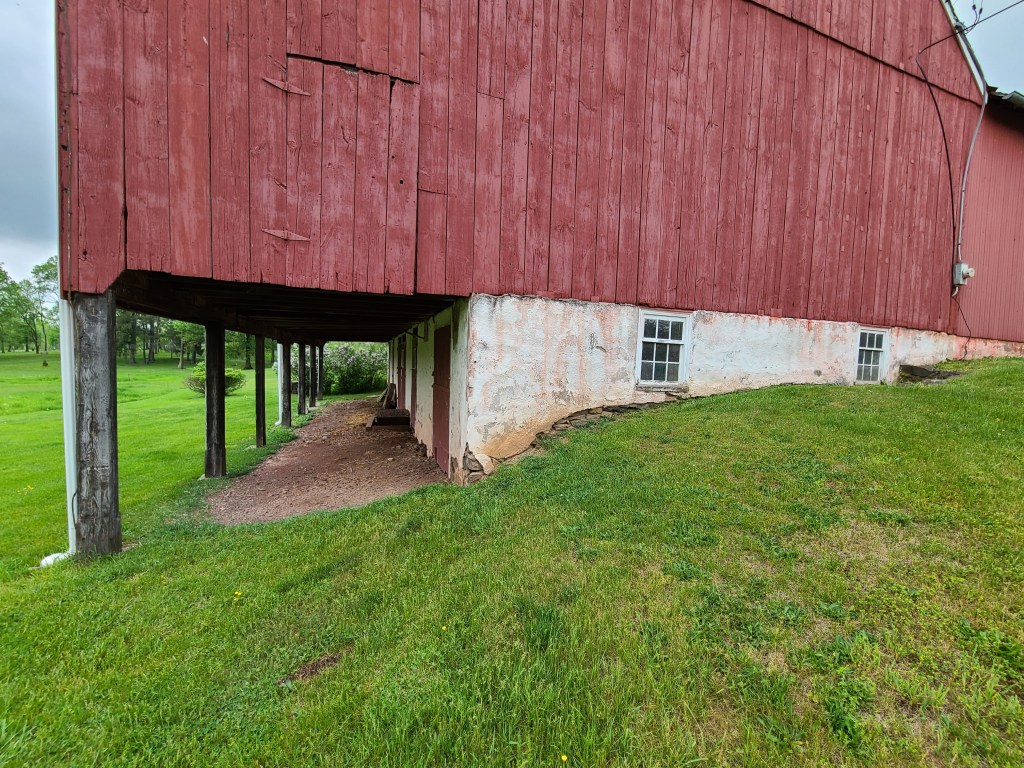
Autumn is truly the perfect time to get out and explore. With the vibrant color of changing leaves, comfortable temperatures, and the delight of pumpkin-flavored everything, it’s a wonderful opportunity to celebrate the beauty of life around us, no matter where you call home. This season, why not discover local treasures like Schwenksville’s own Pennypacker Mills.
Just a quick drive from my home, this serene Colonial Revival estate sits on over one hundred seventy acres of rolling farmland. Originally built by pioneer settler Hans Jost Hite in 1720, the family homestead was redesigned and enlarged in 1901 by Arthur Brockie. Located thirty-five miles northwest of Philadelphia, the mansion overlooks the Perkiomen Creek and was added to the National Register of Historic Places in 1976.
Pennypacker Mills has a rich and fascinating history. Sold to Peter Pennebacker in 1747, the home remained in the deeply-rooted Pennsylvania family for eight generations. It served as headquarters and a field hospital for George Washington and his Continental Army before and after the Battle of Germantown in 1777. Today, the fully furnished estate boasts an impressive collection of antiques and houses documents, manuscripts, and other collections from former Pennsylvania Governor Samuel W. Pennypacker.

Samuel Whitaker Pennypacker (1843–1916), Pennsylvania’s 23rd Governor, served from 1903 to 1907 and is often referred to as “the perfect Victorian” due to his values and leadership style. His tenure was marked by significant societal reforms, including the passage of the Child Labor Act of 1905, which established minimum age and work standards for children working in factories and mines. Pennypacker also founded the first statewide police force in the United States, modeled after the Royal Irish Constabulary, a move that set a precedent for modern law enforcement nationwide. In addition, he introduced voter registration legislation, reinforcing the integrity of the electoral process, shaping voting rights in Pennsylvania and the nation.
Beyond his political achievements, Pennypacker was a noted historian, genealogist, and author. His interests spanned German and Dutch heritage and Native American relationships to Pennsylvania history. His contributions significantly shaped the legislative landscape and enriched the historical discourse of the state.
Born in Phoenixville on April 9, 1843, Samuel was the son of Isaac Anderson Pennypacker and Anna Maria (Whitaker). His family lineage boasted a long history of public service and significant figures, including his great-great-great-grandfather Hendrick Pannebecker, a surveyor for William Penn, and prominent abolitionist Abraham op den Graeff.

Pennypacker’s education began at Grovemont Seminary and the West Philadelphia Institute, though it was interrupted by the American Civil War. In June 1863, he answered Governor Andrew Curtin’s call to defend Pennsylvania during the Gettysburg Campaign by enlisting as a private in Company F of the 26th Pennsylvania Emergency Regiment. He took part in the skirmish at Witmer Farm, where his regiment faced off against seasoned Confederate forces.
Pennypacker entered politics in 1902, winning the Republican nomination for governor after defeating Attorney General John P. Elkin. His campaign garnered support from veterans, agricultural interests, and influential Republican figures like former Governor James Beaver and U.S. Senator Boies Penrose. Endorsed by President Theodore Roosevelt, he was inaugurated on January 20, 1903, defeating Democratic challenger Robert Pattison by over one hundred forty thousand votes.
One of Governor Pennypacker’s most significant legacies was the dedication of Pennsylvania’s new Capitol building on October 4, 1906. Described by Pennypacker as “the most elaborate and complicated constructive work ever undertaken by the state,” the grand structure symbolizes Pennsylvania’s status as the Keystone State. Today, the Capitol stands as an enduring icon of Pennsylvania’s history and government.
In addition to overseeing the Capitol’s dedication, Pennypacker was an ardent conservationist. He appointed Joseph Trimble Rothrock (1839-1922) as the state’s first commissioner of forestry and prioritized environmental preservation. Under his administration, half a million acres of land were preserved, twelve thousand acres were designated for game land, and tree nurseries were established. He also authorized the creation of the State Museum to house Pennsylvania’s artistic, historical, and natural treasures.
After leaving office, Pennypacker continued his involvement in historical preservation and education. As president of the Historical Society of Pennsylvania, he authored numerous works, including Annals of Phoenixville and Its Vicinity, a comprehensive history of his hometown. His personal collection of over 10,000 Pennsylvania-related artifacts is a testament to his passion for the state’s history.
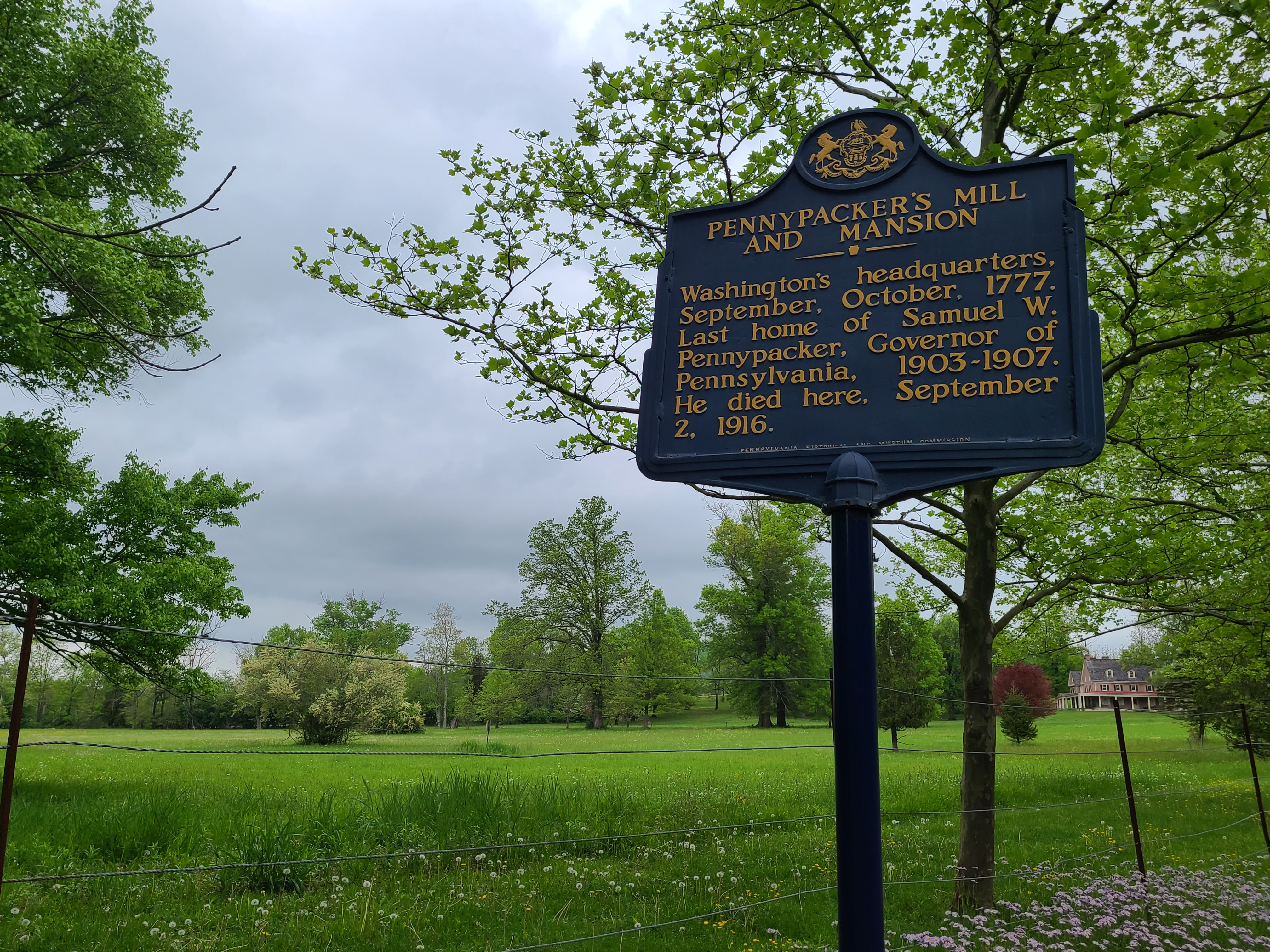
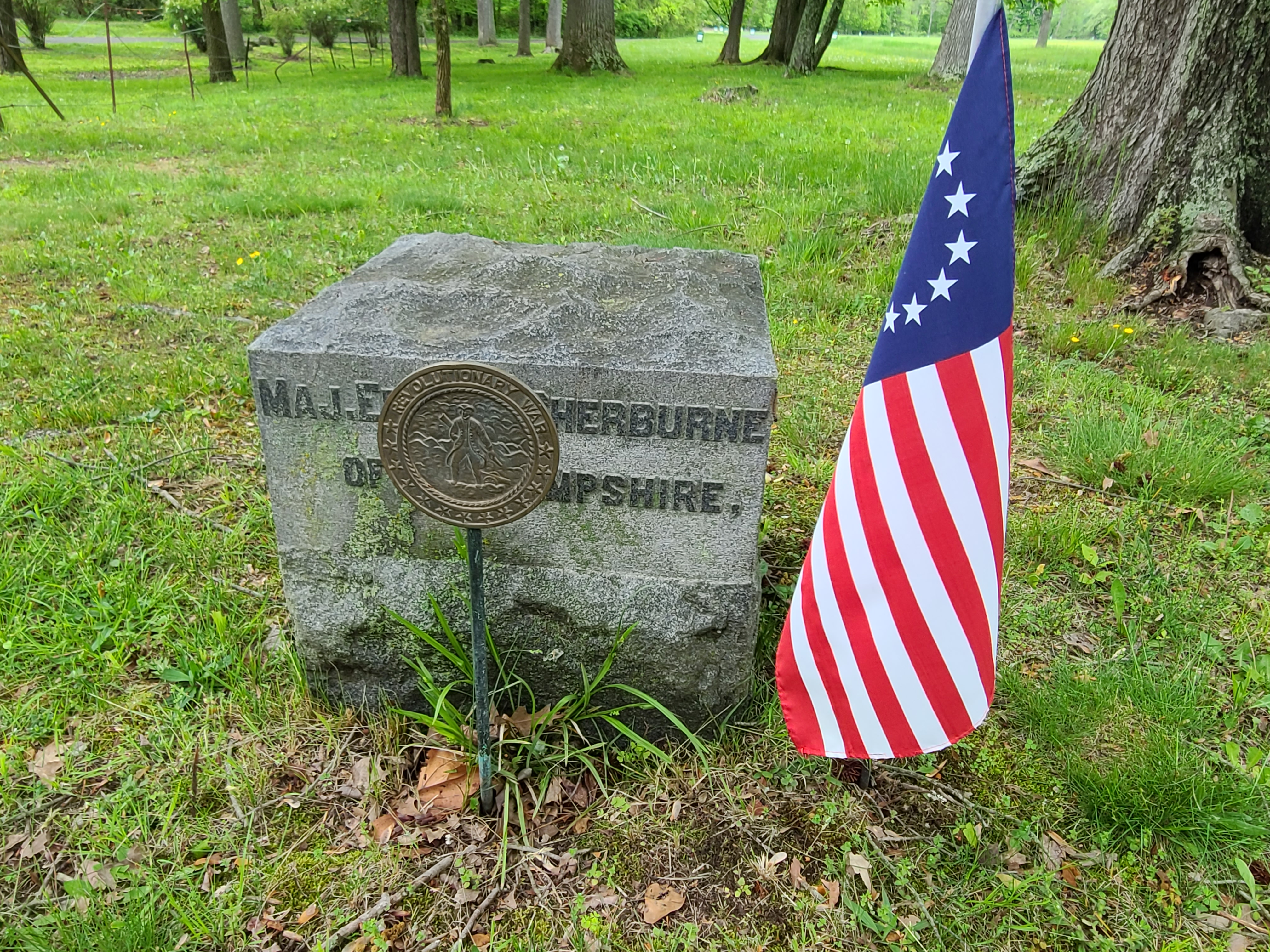
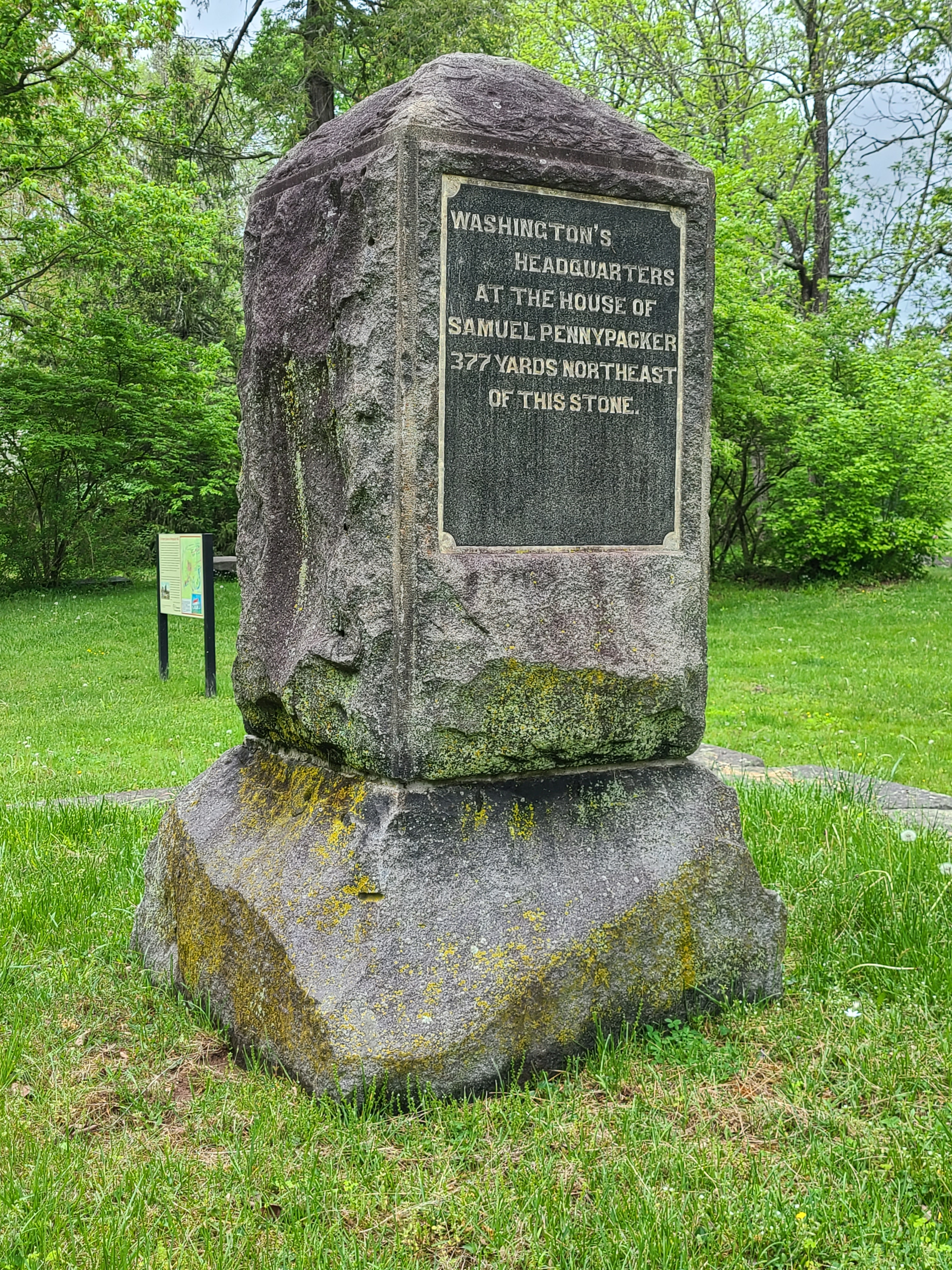
Samuel Pennypacker made Pennypacker Mills his summer residence during his term and lived there year-round until his death in 1916. He later donated the property to Montgomery County as a public park. His legacy is preserved in many ways, including the Samuel W. Pennypacker School in Philadelphia and Pennypacker Hall at Penn State University Park.
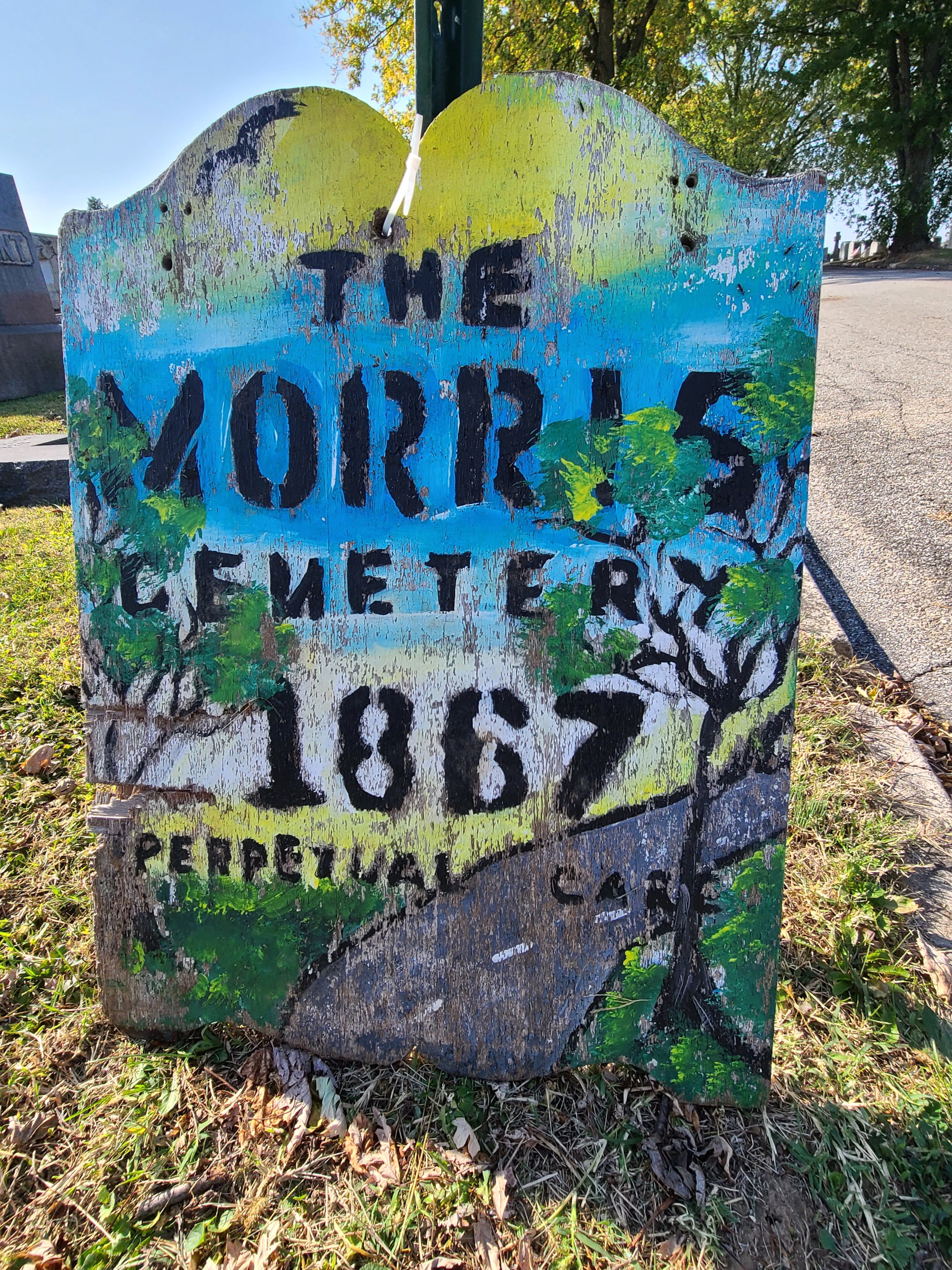
Samuel Whitaker Pennypacker died at his beloved Pennypacker Mills on September 2, 1916. He was laid to rest next to his wife Virginia Earle Broomall, in Morris Cemetery, Phoenixville.
Today, Pennypacker Mills hosts year-round special events and is open to the public for tours Tuesday through Saturday from 10:00 a.m. to 4:00 p.m., and Sunday from 1:00 to 4:00 p.m. Admission is free. Samuel Pennypacker was a lover of ghost stories and local lore. Two Halloween events remain this autumn at Pennypacker Mills. Visit their website here for more information.


 Keystone Wayfarer
Leave a reply to It’s a Blog Thing – Keystone Wayfarer Cancel reply