One of my favorite made-for-television movies is Storm of the Century. I’ve watched it numerous times, snuggled up next to my husband, our household film aficionado. This 1999 Stephen King screenplay, directed by Craig R. Baxley—who also appeared in several episodes of another favorite, Kolchak: The Night Stalker—explores the harrowing struggle of a small New England town trapped in the grip of a menacing blizzard.
What captivates me most about this small-screen gem is its powerful portrayal of resilience in the face of overwhelming odds. Over three episodes, the townspeople must confront not only the ferocity of nature but also a chilling supernatural force. The theme of unity against impending disaster resonates deeply, especially as we witness similar resilience in real-life storms today.
Recent hurricanes have wreaked havoc across the southern U.S., and the parallels with Storm of the Century are haunting. Just as the people of Little Tall Island faced a moment of reckoning, communities in the South are now grappling with the aftermath of Hurricane Helene, which claimed over two hundred lives, while recovery efforts from Hurricane Milton are just beginning. As I write this, Milton looms offshore. Category 5 Atlantic hurricanes represent the full fury of Mother Nature; only six percent of hurricanes have intensified to this status since 1924, with even fewer making landfall in the U.S.
Hurricanes, or tropical cyclones, are classified by wind strength using the Saffir-Simpson Hurricane Wind Scale. Developed by civil engineer Herbert Saffir and meteorologist Robert Simpson in 1971, Category 5 hurricanes are among the strongest storms on Earth, characterized by sustained wind speeds of at least one hundred thirty-seven knots or one hundred fifty-seven miles per hour. According to the United States National Hurricane Center, only forty-two Atlantic hurricanes have reached this intensity, with a handful—like Camille, Andrew, Irma, and now Milton—doing so more than once, underscoring their unpredictability.
Living in Montgomery County, Pennsylvania, we rarely experience the direct impact of hurricanes, but we’re not immune to their wrath. As of 2021, the state has endured over fifty tropical storms and hurricanes, with winds reaching as high as seventy-five miles per hour. Notable storms, like the Gale of 1878 and the infamous Hurricane Agnes of 1972, have left lasting scars on the state.

I was just four years old, living in Boston when Agnes struck, unleashing floods that devastated communities along the Susquehanna and Lackawanna Rivers. The storm caused catastrophic damage—destroying thousands of homes and claiming over one hundred twenty lives. It was Pennsylvania’s worst natural disaster, and the Schuylkill River’s record crest from Agnes still stands.
Agnes was the first named storm of the 1972 Atlantic hurricane season, forming from the interaction of a polar front and an upper trough over the Yucatán Peninsula. The storm wreaked havoc, damaging or destroying approximately 43,594 structures and leaving communities in disarray. Locally, relentless rainfall caused the Schuylkill River to reach unprecedented levels, with records that still stand fifty years later. In Pottstown, the river crested at thirty feet, inundating Brinton Lodge on Route 724, where I lead weekly haunted historic tours during the Halloween season. This surge shattered the previous record by nearly nine feet.
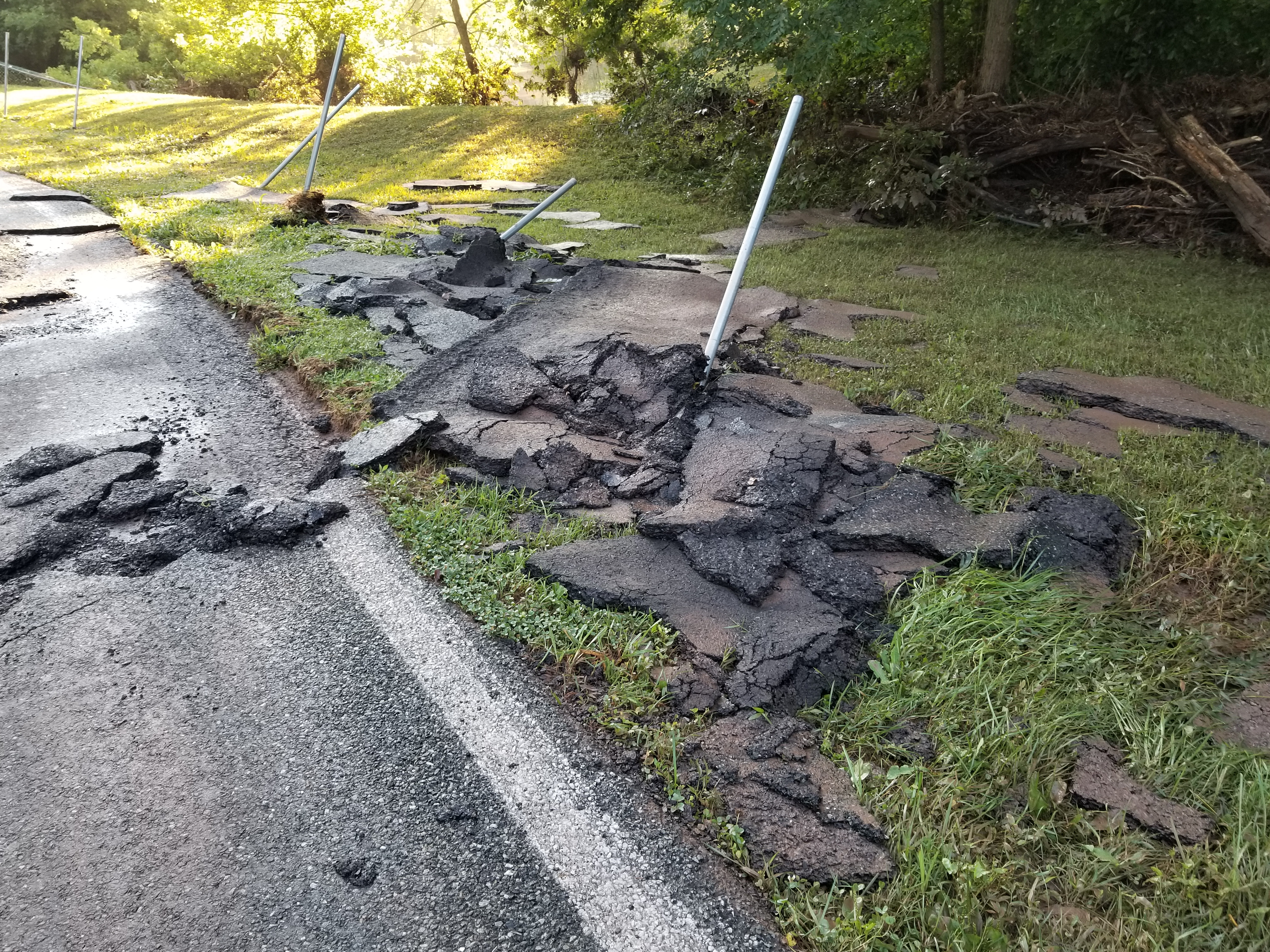
Recent storms, such as Hurricane Sandy in 2012, have also left a lasting mark on my community. I’ll never forget Sandy’s deluge on my birthday—twenty inches of rain fell across southern Pennsylvania, knocking out power for over a million people and shutting down schools for days. Similarly, Hurricane Ida brought devastation to Montgomery County, leaving cars upended and homes ripped from their foundations as the Perkiomen Creek surged. Montgomery County officials reported at least four deaths as a result of the storm. Witnessing these events firsthand was a sobering reminder of nature’s immense power and how quickly life can be turned upside down when disaster strikes.


The next time I rewatch Storm of the Century, I won’t be able to ignore how much more real the film’s themes feel now. Just like the people of Little Tall Island, we face moments when nature forces us to confront the unexpected, testing our resilience and unity. While we may not be battling a sinister supernatural force, the threat of disaster—whether from hurricanes or floods—makes the struggle for survival all too real, reminding us that we are at the mercy of forces beyond our control.
On a side note: Happy Anniversary to my favorite movie date. Your friendship and love over the past nine years have shaped me in countless ways, from our late-night movie marathons to our shared adventures. I cherish every moment we’ve spent together and look forward to the next year and many more to come.
Other Notable Storms
- Tropical Storm Hanna, September 6, 2008 – led to a possible EF1 tornado in Allentown.
- Hurricane Ike, September 14, 2008 – remnants caused 180,000 people to be without power as wind gusts surpassed seventy miles per hour, prompting a state-wide emergency.
- Hurricane Irene, August 28, 2011 – left five people dead in Pennsylvania. Then-Philadelphia Mayor Michael Nutter declared an emergency, the first since 1986, as the storm brought rain and wind gusts of up to fifty-four miles per hour at Philadelphia International Airport.
- Tropical Storm Lee, September 5, 2011 – remnants brought six to ten inches of rain to the state, with some areas receiving over fourteen inches. Five counties declared mandatory evacuations due to severe flooding.
- Tropical Storm Fay, July 9, 2020 – part of the storm caused what meteorologists call a “microburst,” leading to extensive surface damage along Sumneytown Pike and areas near Old Goshenhoppen Church.


Leave a Reply