
Autumn has always been my favorite season, especially Halloween, as it casts a special spell over the crisp air and haunted hayrides that wind through countless open fields. Each year, I eagerly explore a variety of eerie attractions, reveling in the creatively devilish mix of thrills and chills they offer. However, I’ve come to realize that many of these spooky locations harbor stories that extend far beyond their seasonal allure. My role as a tour guide at a historic home in Berks County—known for its own paranormal activity—has only deepened my understanding of these rich narratives, revealing profound stories that often lie beneath the surface of seemingly simple Halloween frights.
This week, my ongoing exploration of significant historical locations around my adopted hometown of Schwenksville led me to Pennhurst—a site with a tragic history that still stirs deep heartbreak, shame, and outrage. As October 31 approaches and Pennhurst once again becomes a popular destination for those seeking dark excursions, it’s crucial to reflect on its painful and controversial past.
Perched high on a hill in Spring City, just thirty-five miles west of Philadelphia, Pennhurst opened its doors in 1908. Initially designed to care for children with developmental or intellectual disabilities, it soon became infamous for widespread disease, abuse, and neglect. Over its century-long operation, the once-beautiful 1,400-acre campus housed more than ten thousand residents, with estimates suggesting that over half of them died there.
Originally known as the Eastern Pennsylvania State Institution for the Feeble-Minded and Epileptic and later as Pennhurst State School and Hospital, the facility was once considered a model institution. However, its later practices, including forced segregation and sterilization, drew national attention after a 1968 five-part report by Bill Baldini of WCAU-TV, an NBC affiliate, exposed its dire conditions. This coverage led to a landmark class-action lawsuit in 1984. Judge Raymond Broderick (1914-2000) ruled in favor of the plaintiffs, represented by Philadelphia-based civil rights attorney David Ferleger, finding that the state had violated the Equal Protection Clause of the Fourteenth Amendment. The case, Halderman v. Pennhurst State School and Hospital, marked the first U.S. court order mandating the closure of an institution based on an individual’s right to adequate care and education.
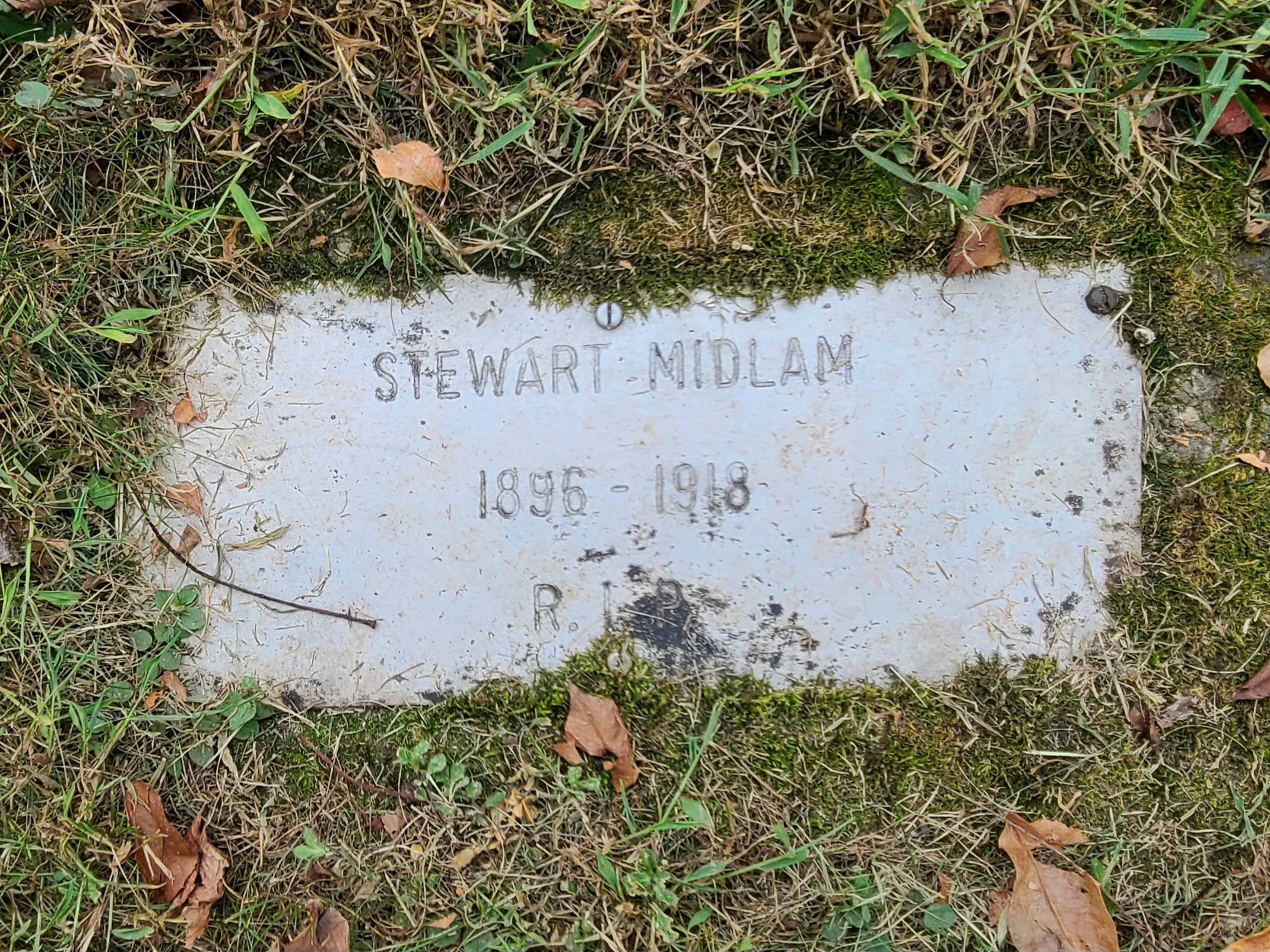
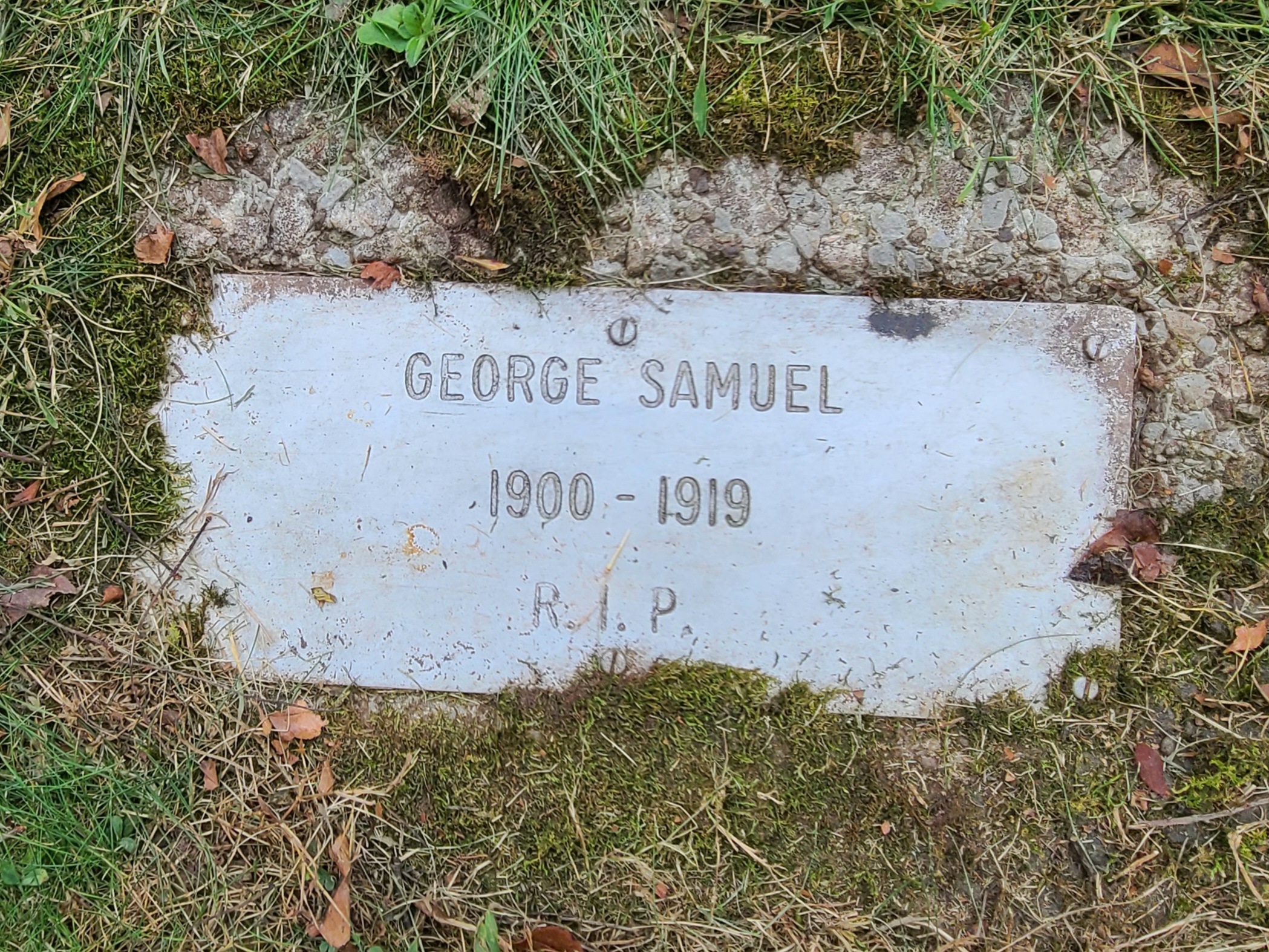
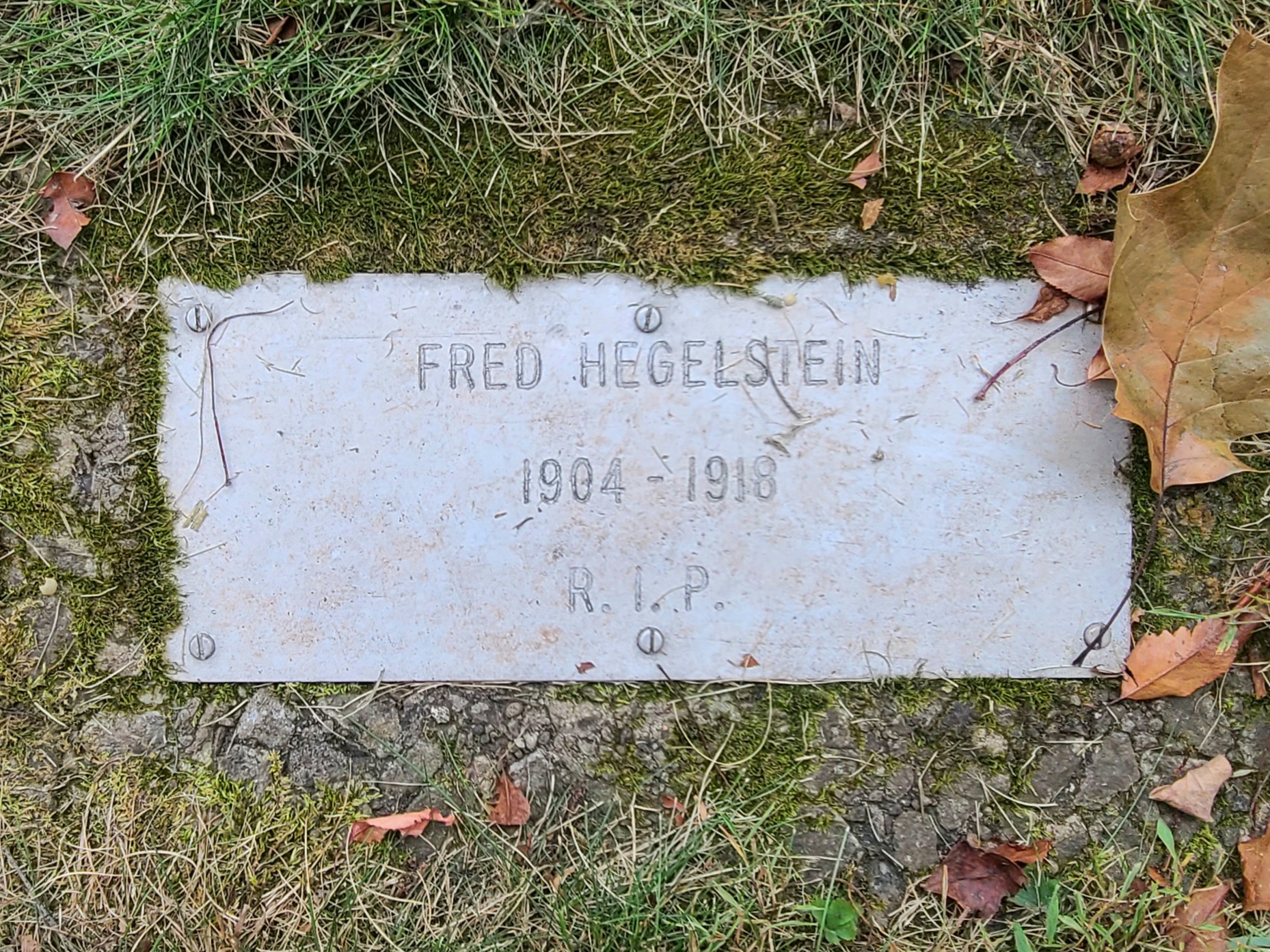
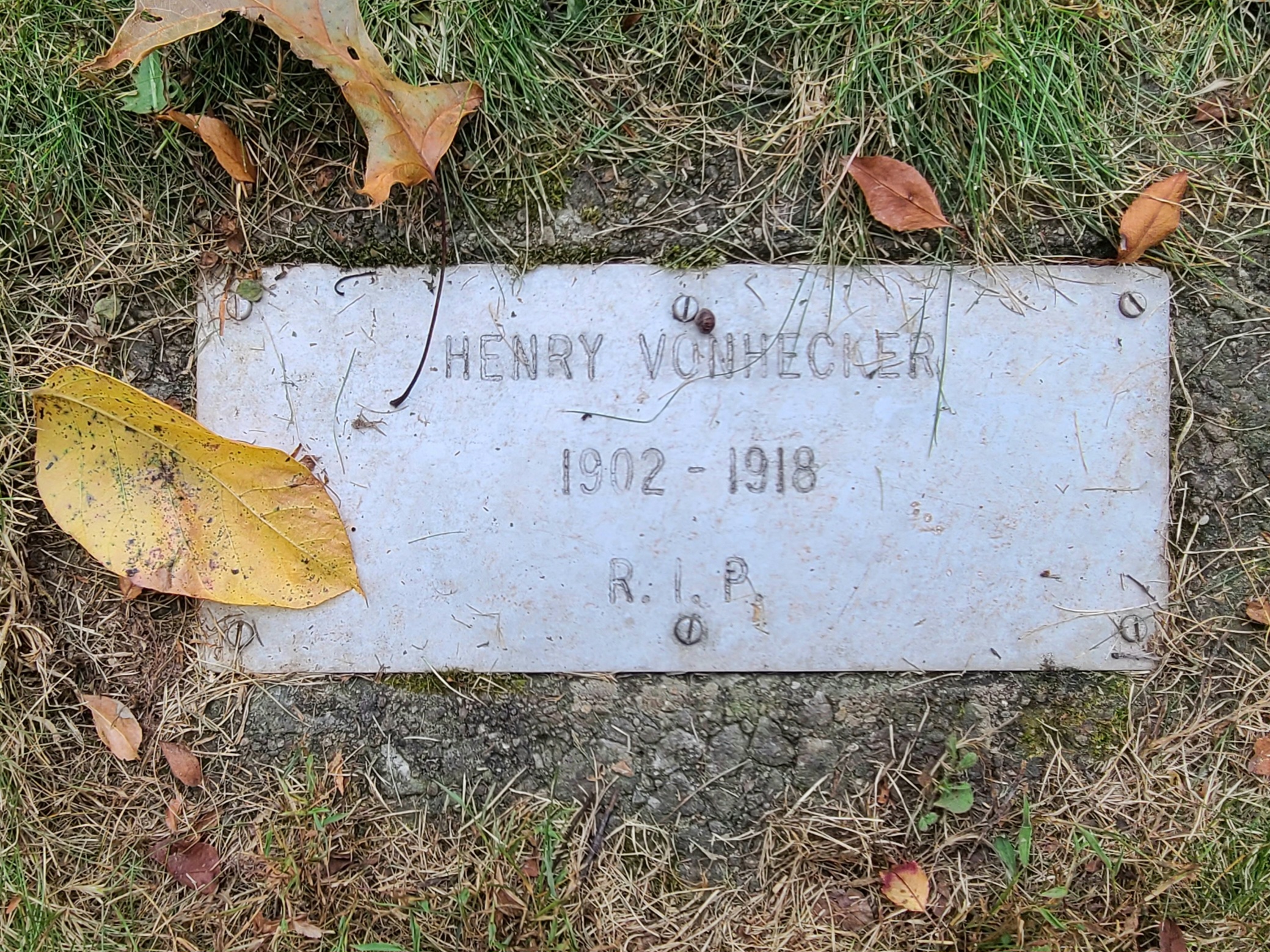
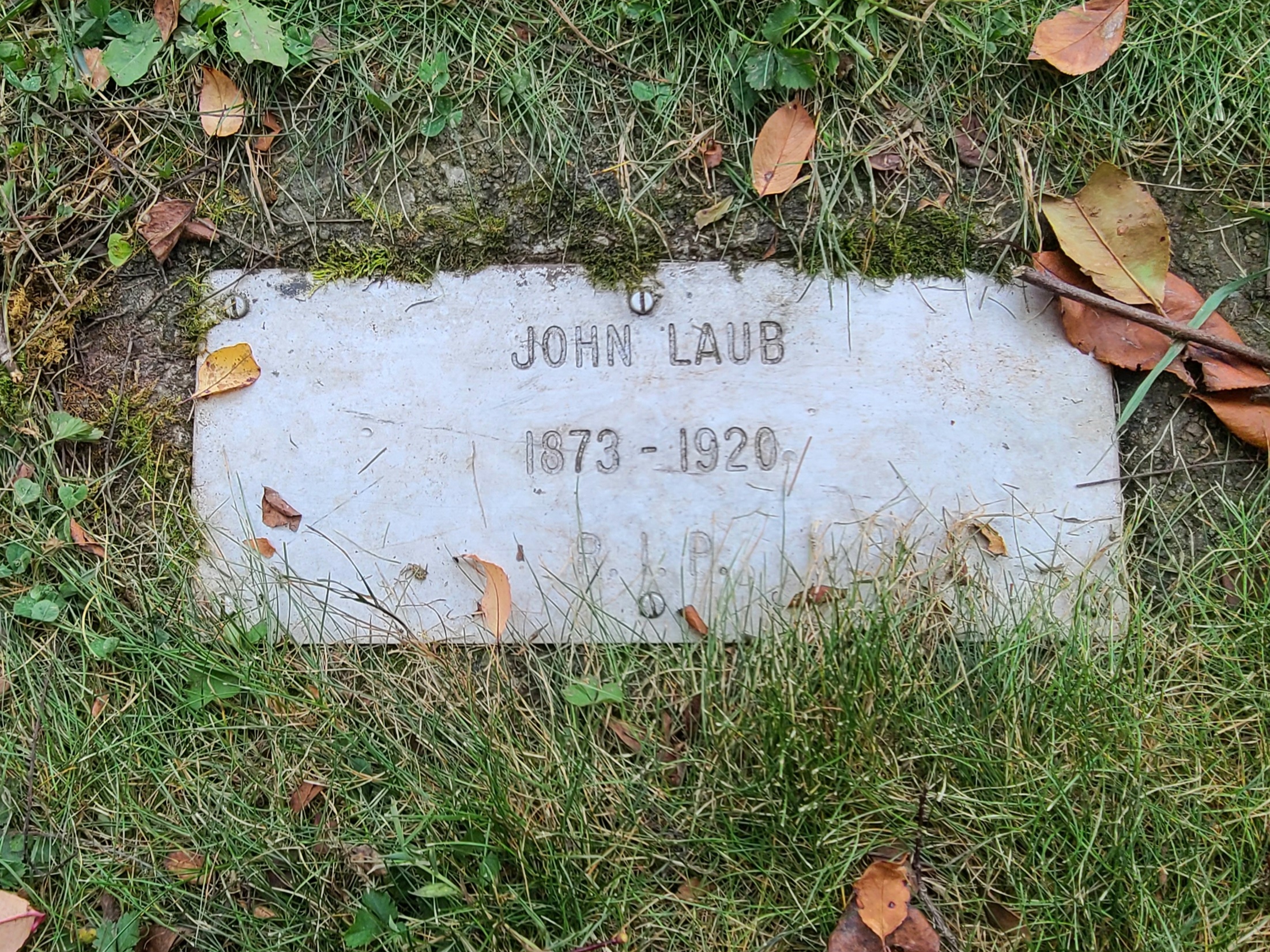
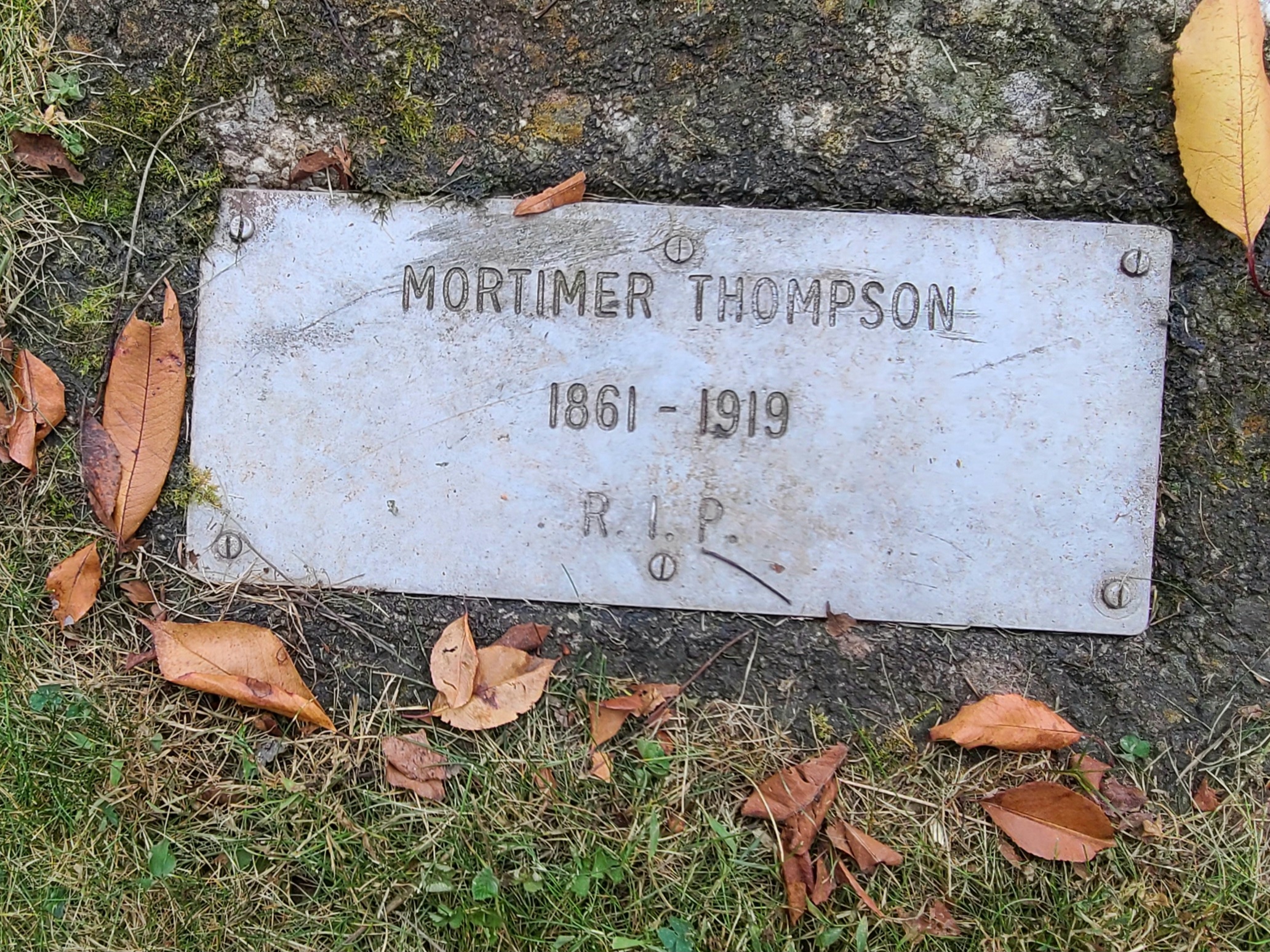
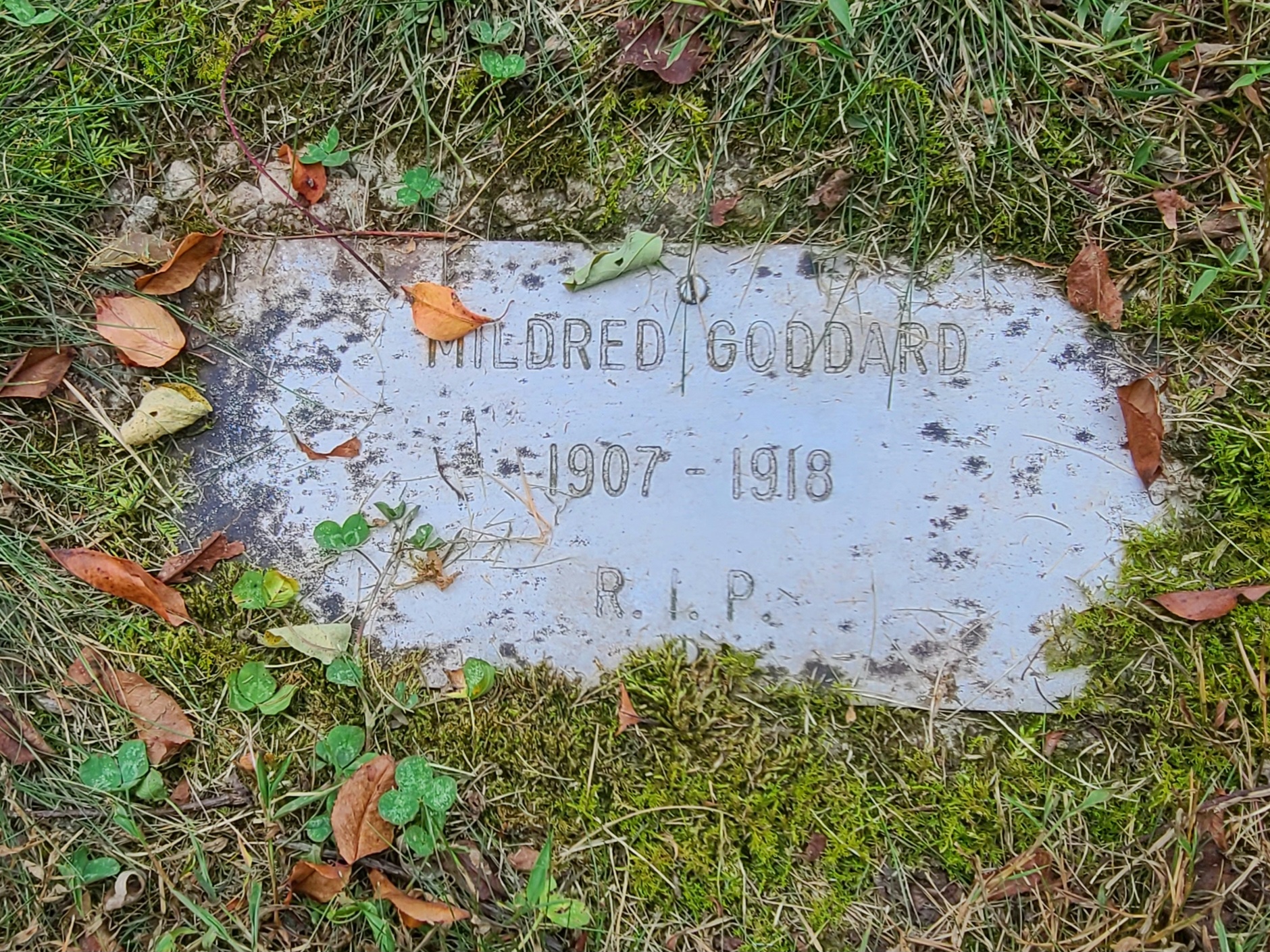
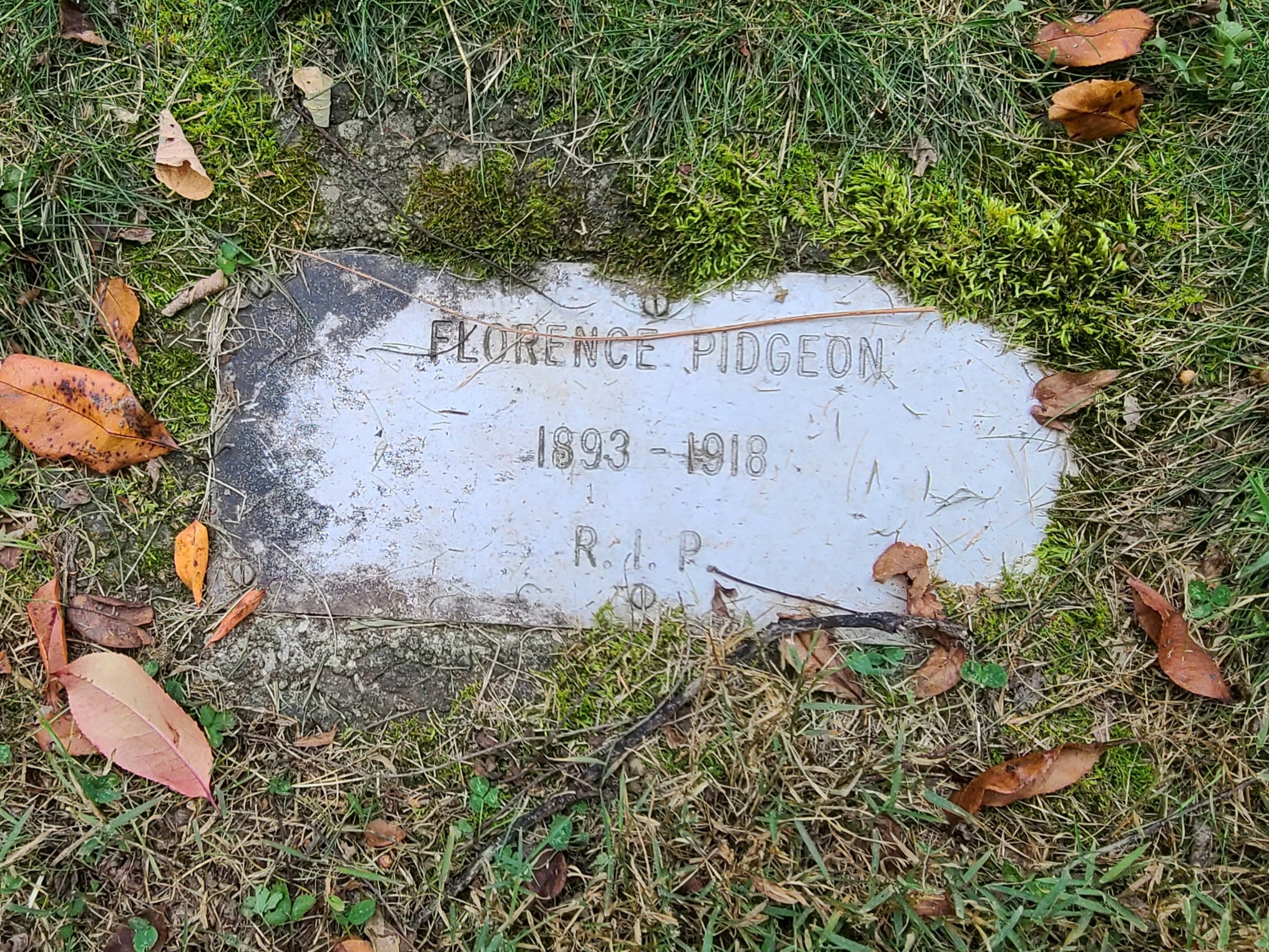
After its closure, Pennhurst was abandoned for decades, allowing nature to reclaim much of the grounds. Amidst this unusual blend of industrial decay and biological rebirth, a small cemetery on the margins of the expansive property serves as a poignant reminder of those who perished during the 1918 Spanish Influenza pandemic. This pandemic, caused by the H1N1 virus, claimed over fifty million lives worldwide, including more than 60,000 in Pennsylvania. Symptoms began like typical influenza but proved more severe: many patients exhibited alarming symptoms, with fingers, arms, and faces turning blue as the virus ravaged their lungs. Some succumbed to respiratory failure within hours, and autopsies later revealed lungs that were hard, red, and drenched in fluid. Records confirm that during this time, life expectancy in the United States dropped by twelve years.

The pandemic coincided with Pennhurst’s early years, during which its first buildings, designed by Phillip H. Johnson (1868-1933), were constructed. These two-story, terra-cotta brick “lower campus” buildings were initially labeled with letters and later assigned names. Connected by fire-proof tunnels, they facilitated the transportation of residents. By 1912, Pennhurst was already overcrowded, pressured to admit immigrants, orphans, and criminals.
Misguided beliefs drove institutions like Pennhurst to isolate individuals from society and prevent them from reproducing, attempting to “purify” the human gene pool. By 1970, there were two hundred ninety-three such facilities in the U.S., housing nearly 200,000 people. Despite the efforts of some dedicated staff, conditions remained horrific due to inadequate funding and society’s tendency to “hide away” those with disabilities. Records show that eighty percent of Pennhurst’s residents had IQs below thirty-five, with many having little or no verbal communication skills.
Many residents, such as Terri Lee Halderman–admitted at twelve and subjected to abuse over eleven years–experienced severe physical and emotional decline. Her story underscores the profound impact of Pennhurst’s systemic failures.
David Ferleger, a 1972 graduate of the University of Pennsylvania Law School, has built an extensive legal career. He has argued before the U.S. Supreme Court five times and served as a professor at both New York University School of Law and the University of Pennsylvania Law School. Ferleger has authored numerous publications in disability law and has contributed to organizations such as the National Institute of Mental Health and the National Disabilities Rights Network.
Today, Pennhurst LLC, in collaboration with Pennhurst Memorial Preservation Alliance, operates one of only three physical museums dedicated to disability history in the United States. The Pennhurst Museum, located on campus in the Mayflower Building, a former dormitory, houses the largest collection of artifacts related to Pennhurst. A traveling exhibit on permanent loan highlights the tragedies and triumphs experienced at the site. In 2008, twenty-one years after the campus closed, Pennhurst was designated an International Site of Conscience, marking its transformation from a place of suffering to a beacon of remembrance and education.
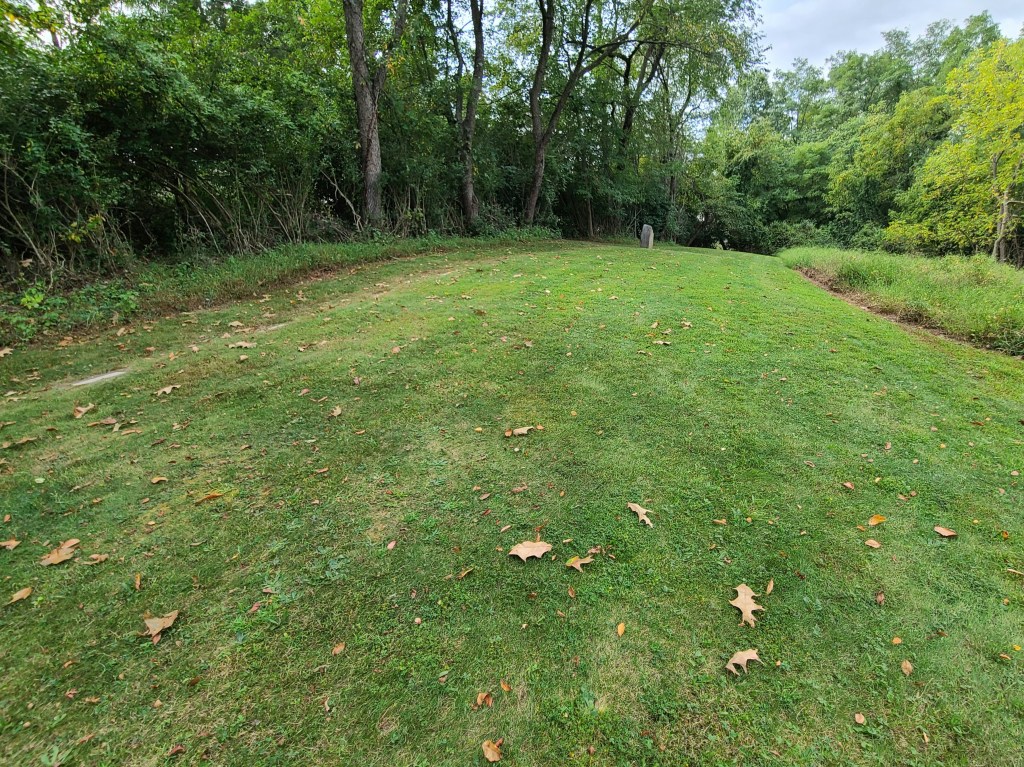
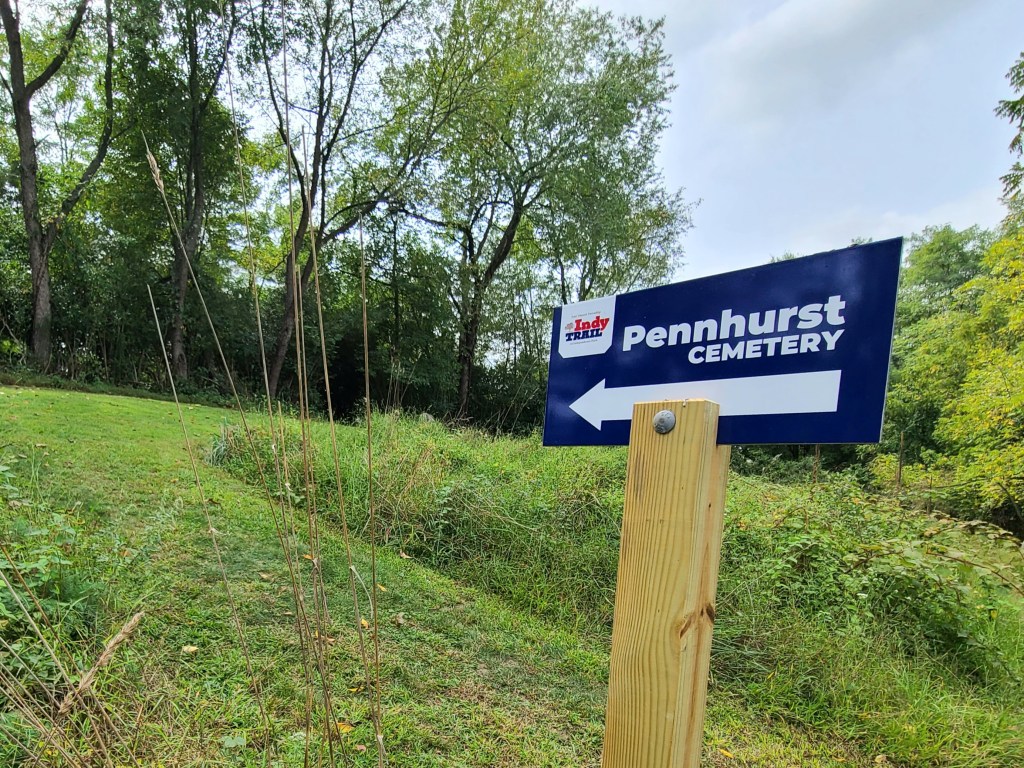
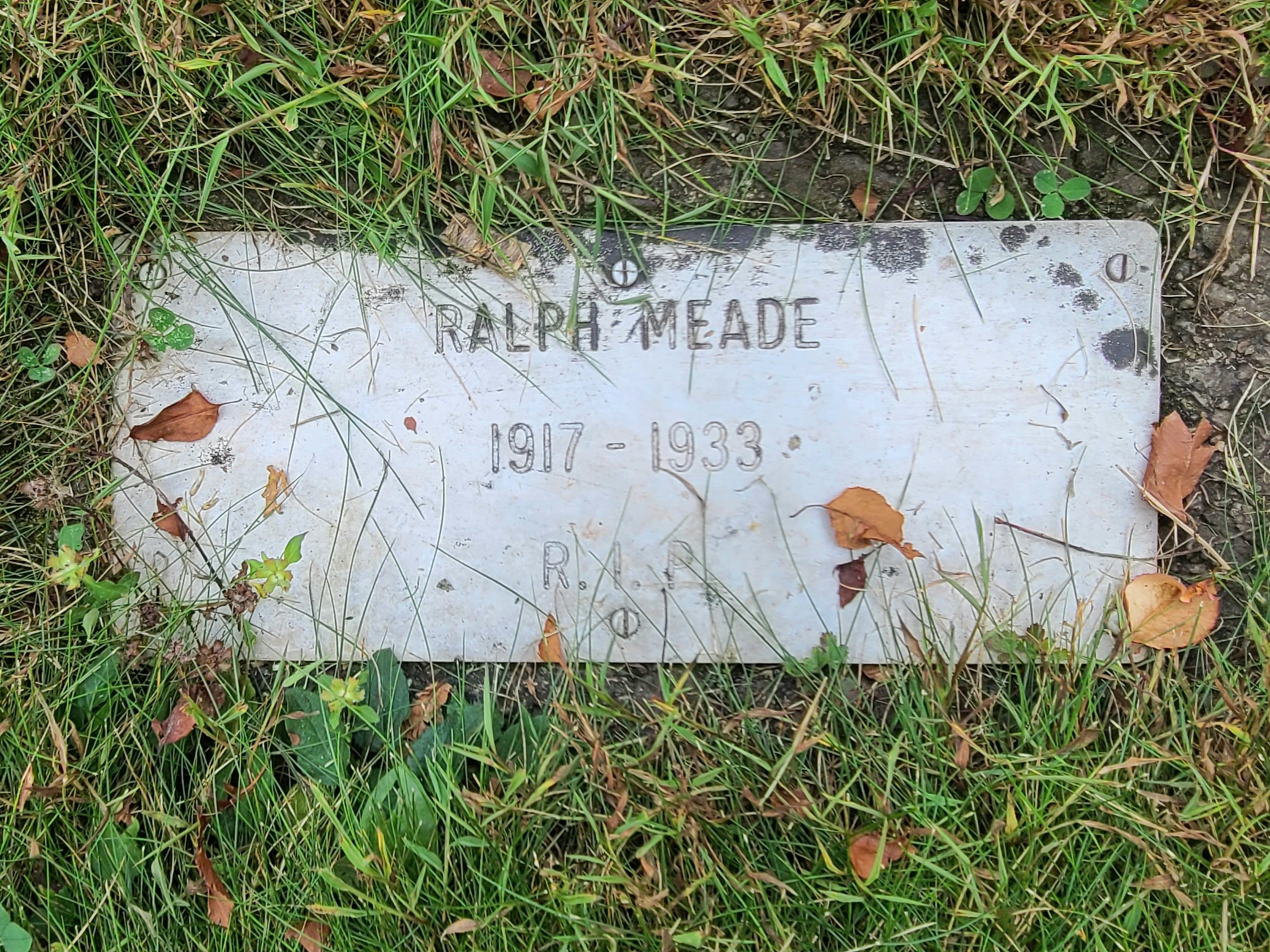
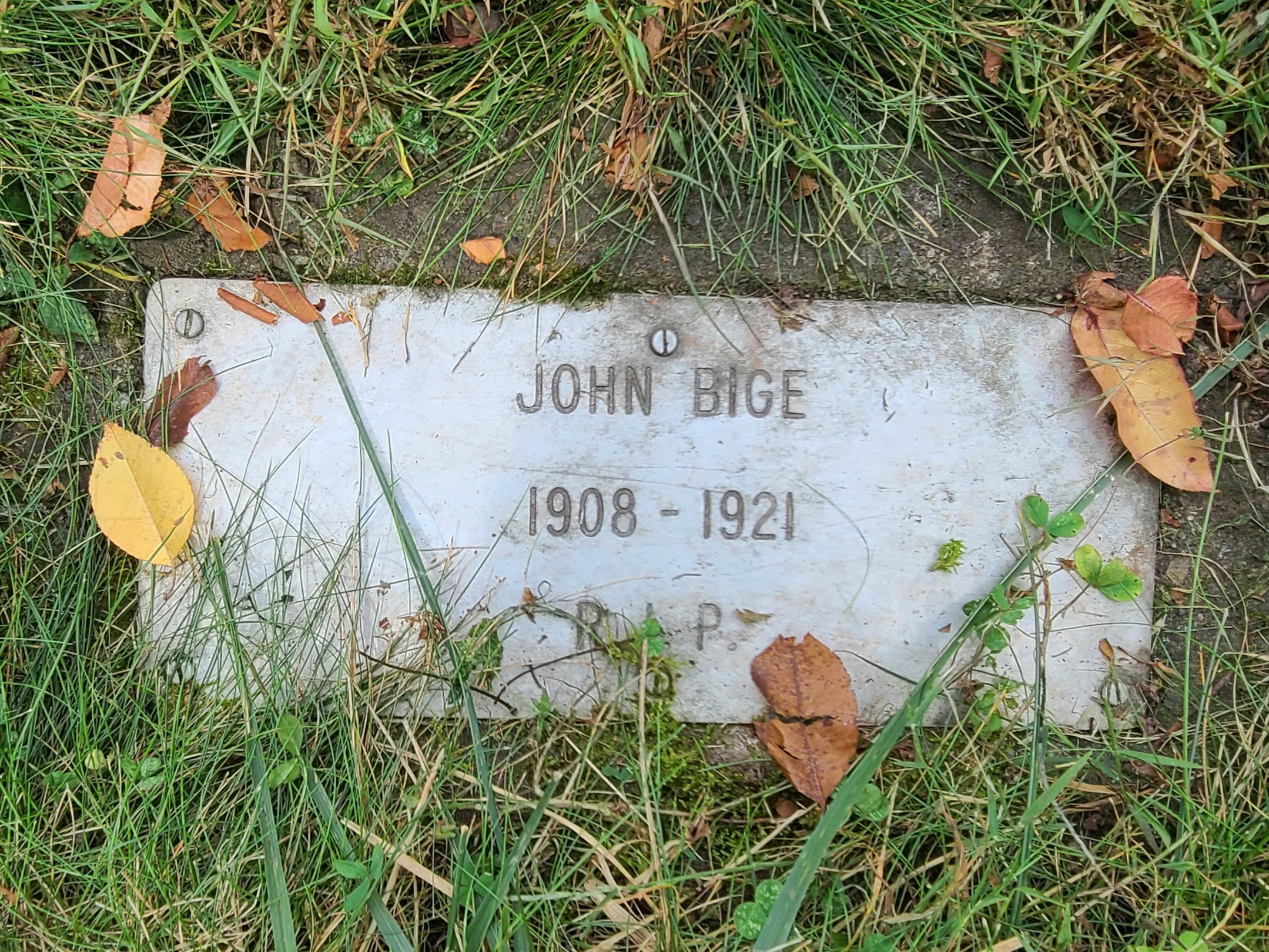
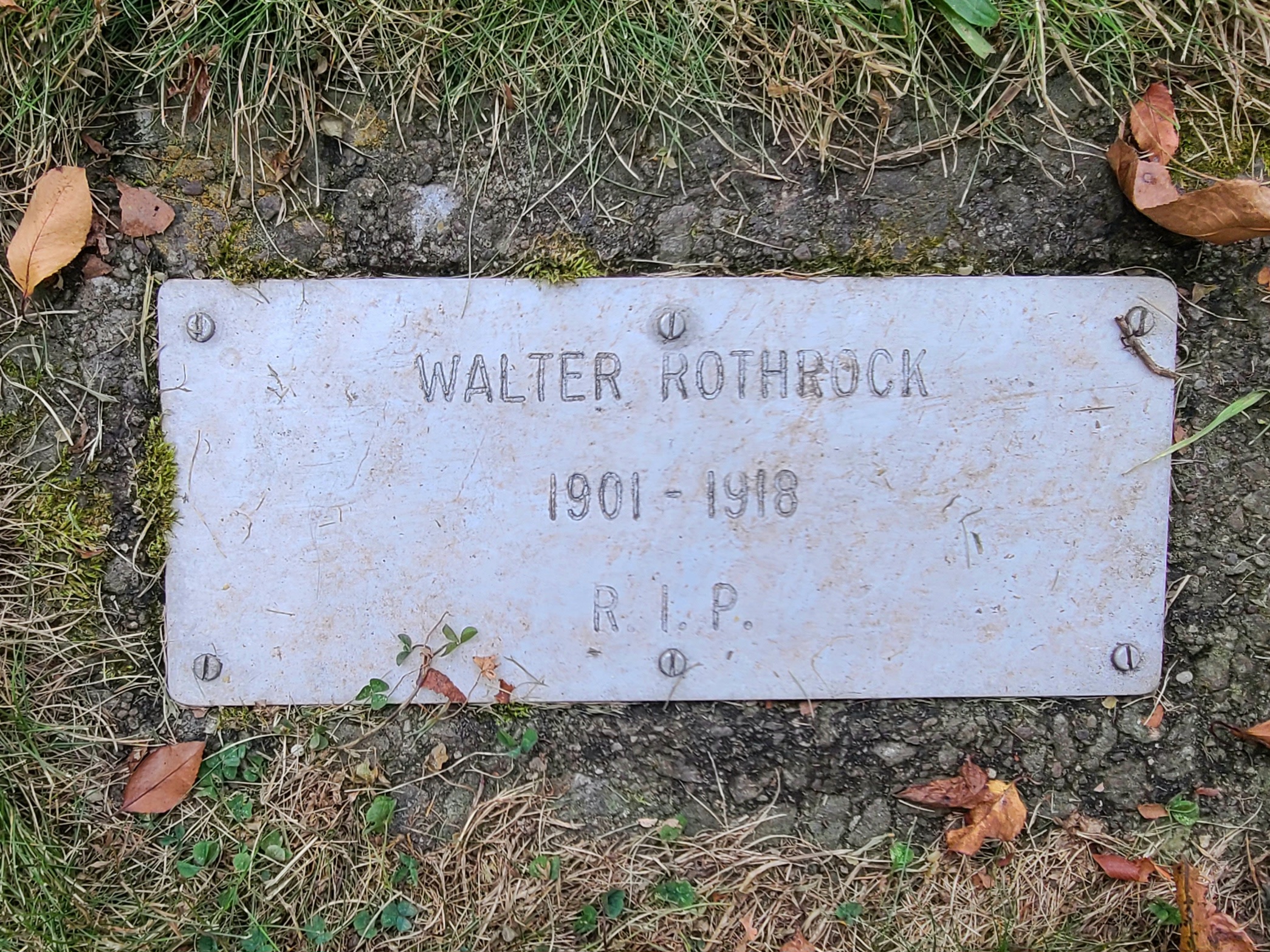
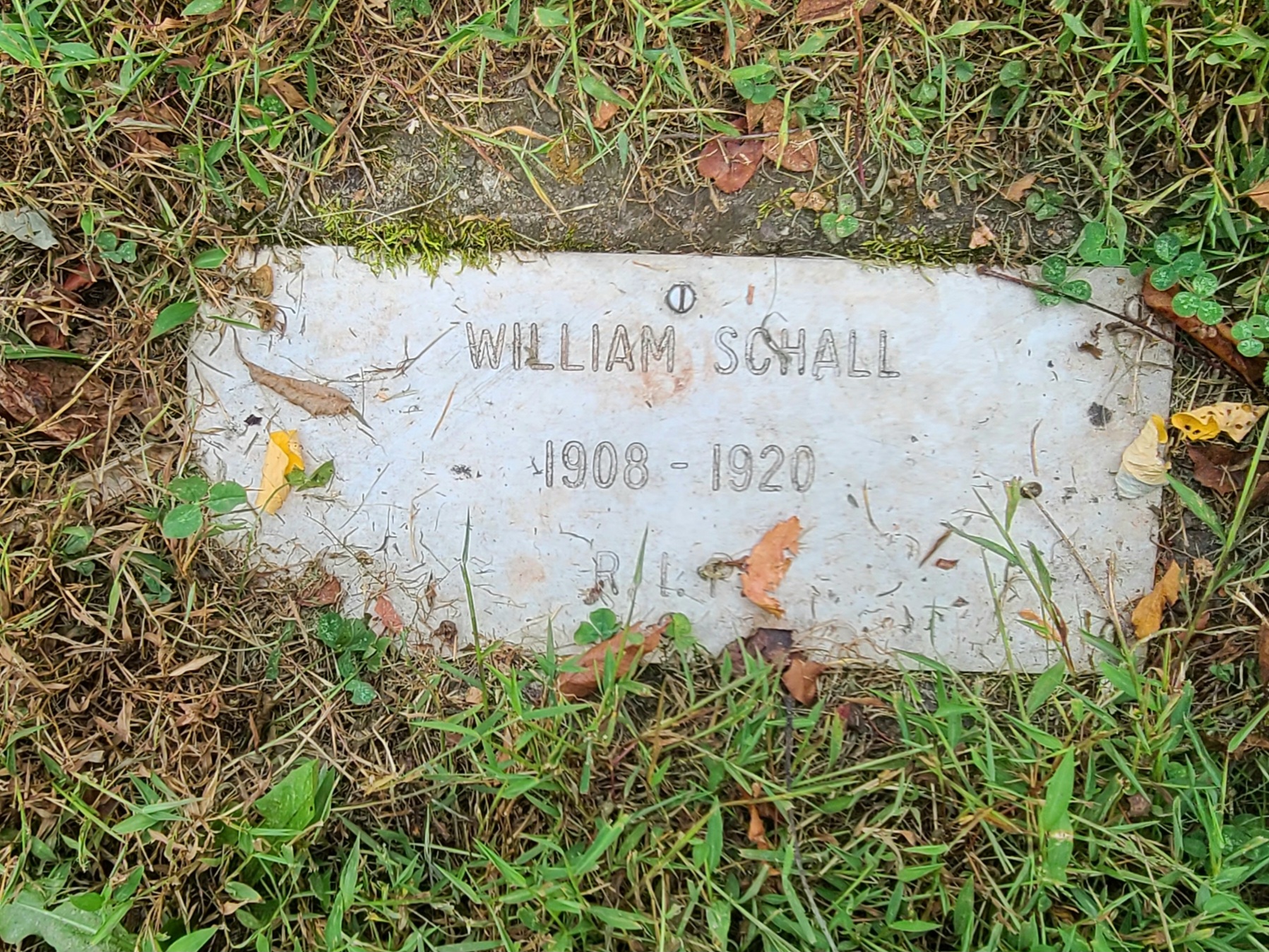
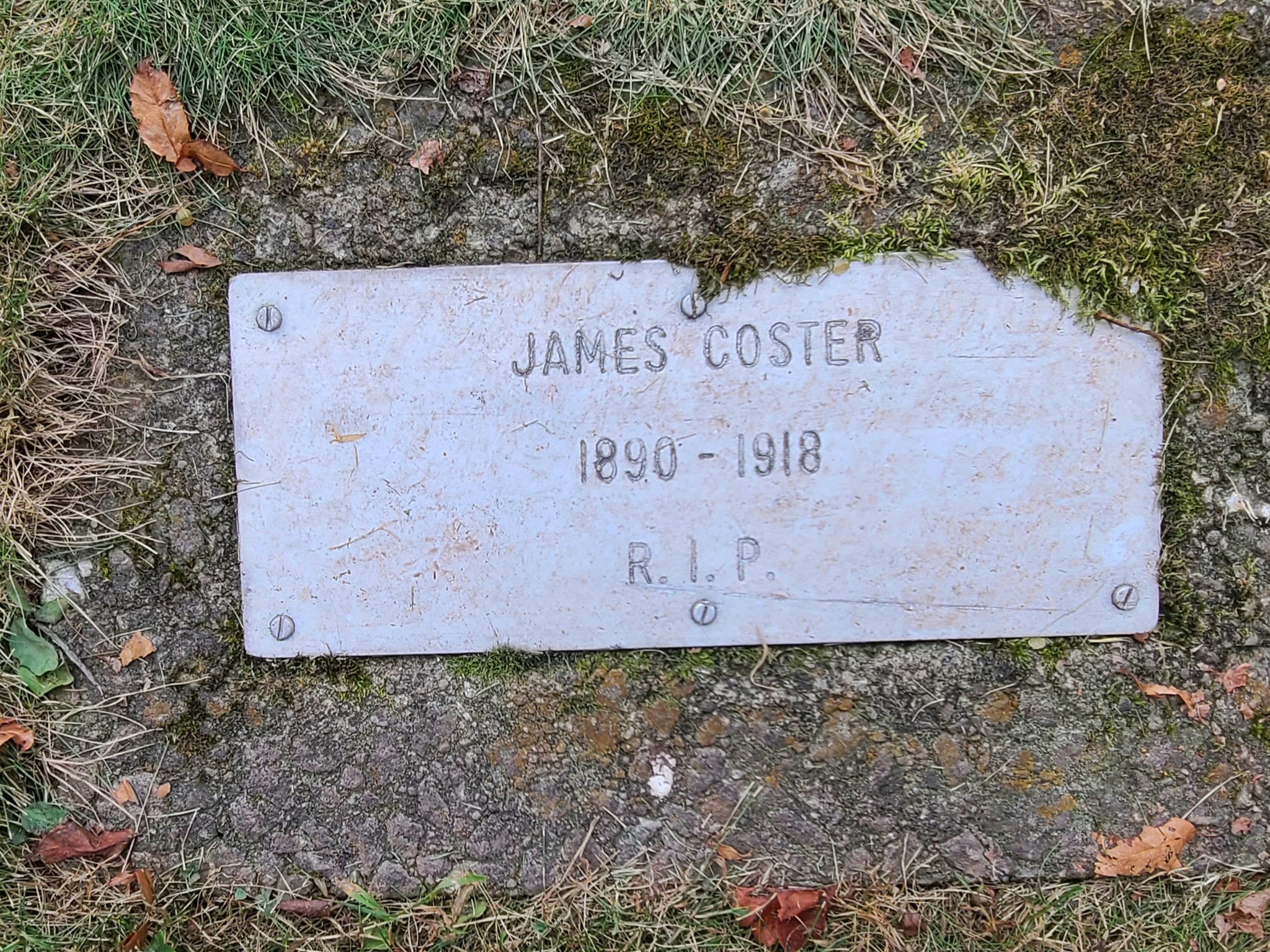
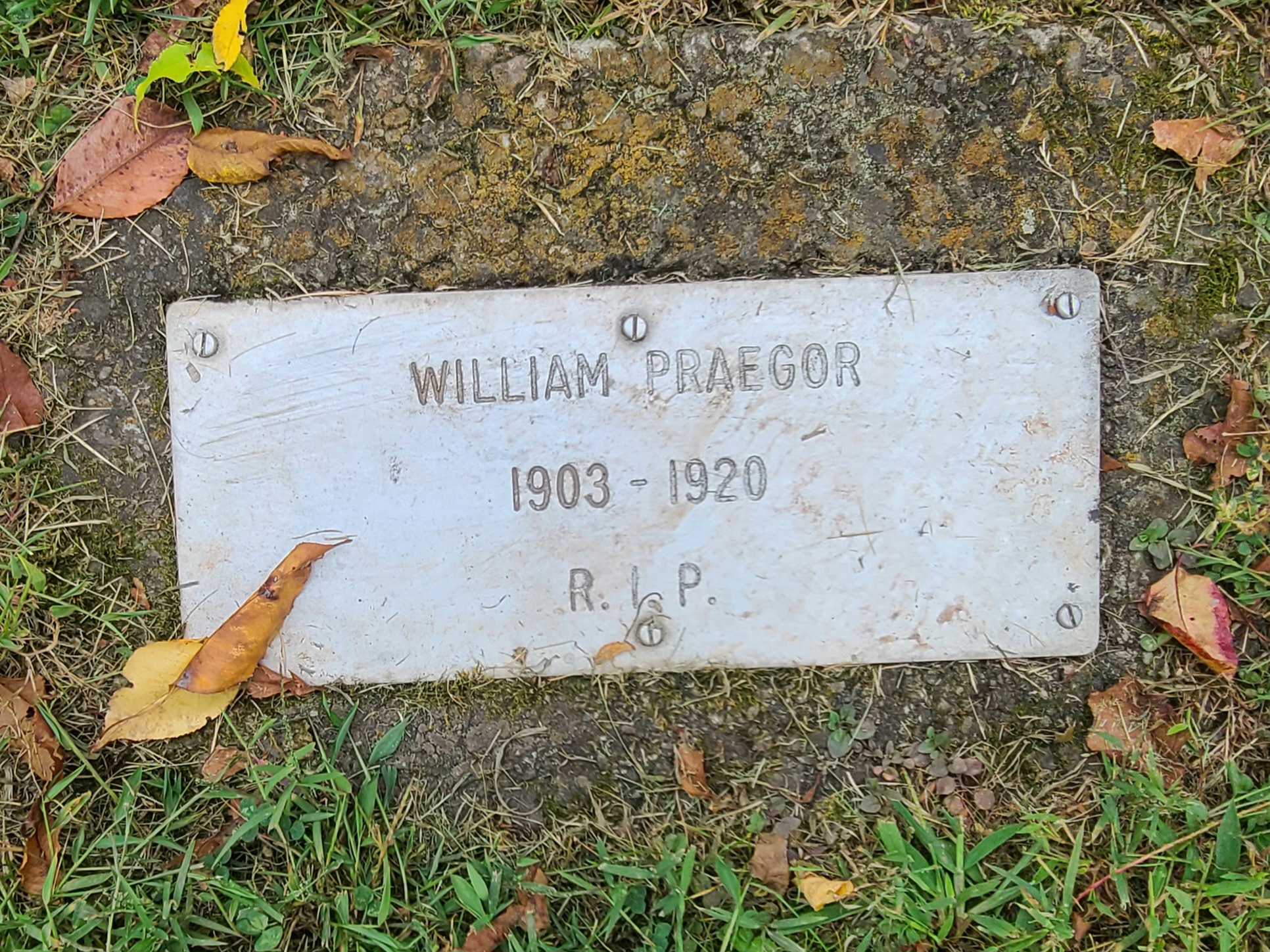
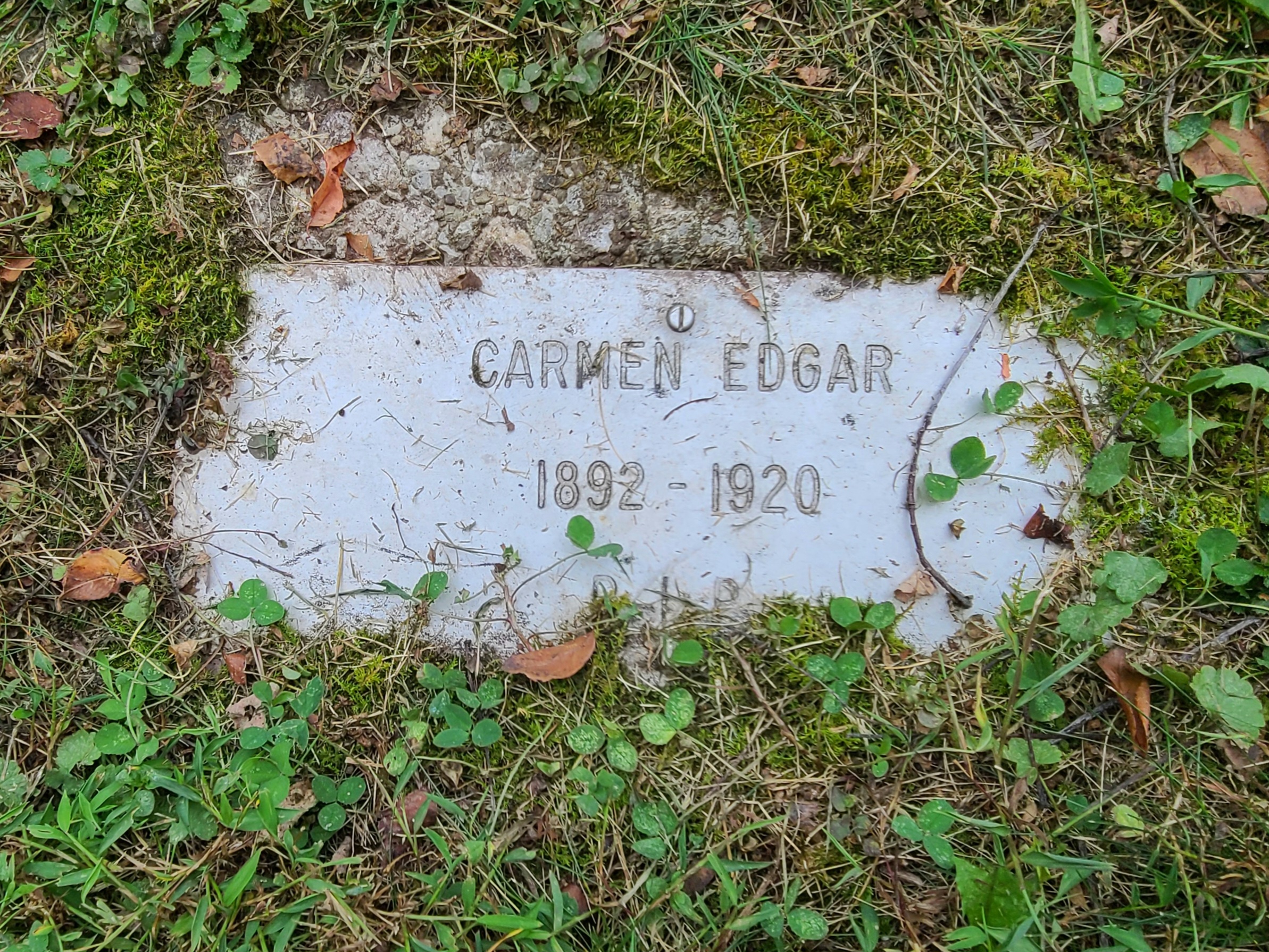
Pennhurst Cemetery, located on the East Vincent Independence Trail, opened in June of this year, provides a tranquil space for reflection. This small, meticulously manicured patch of grass holds roughly fifty simple flat markers, each commemorating a life. Unfortunately, several markers have been removed or stolen over the years, those names now lost to time.
This autumn, as you plan your hair-raising excursions, take a moment to remember the true story of Pennhurst and others like it. Reflect on the lives and the profound impact their stories have had on the community at large – forever changed but never forgotten.












 Keystone Wayfarer
Leave a reply to It’s a Blog Thing – Keystone Wayfarer Cancel reply