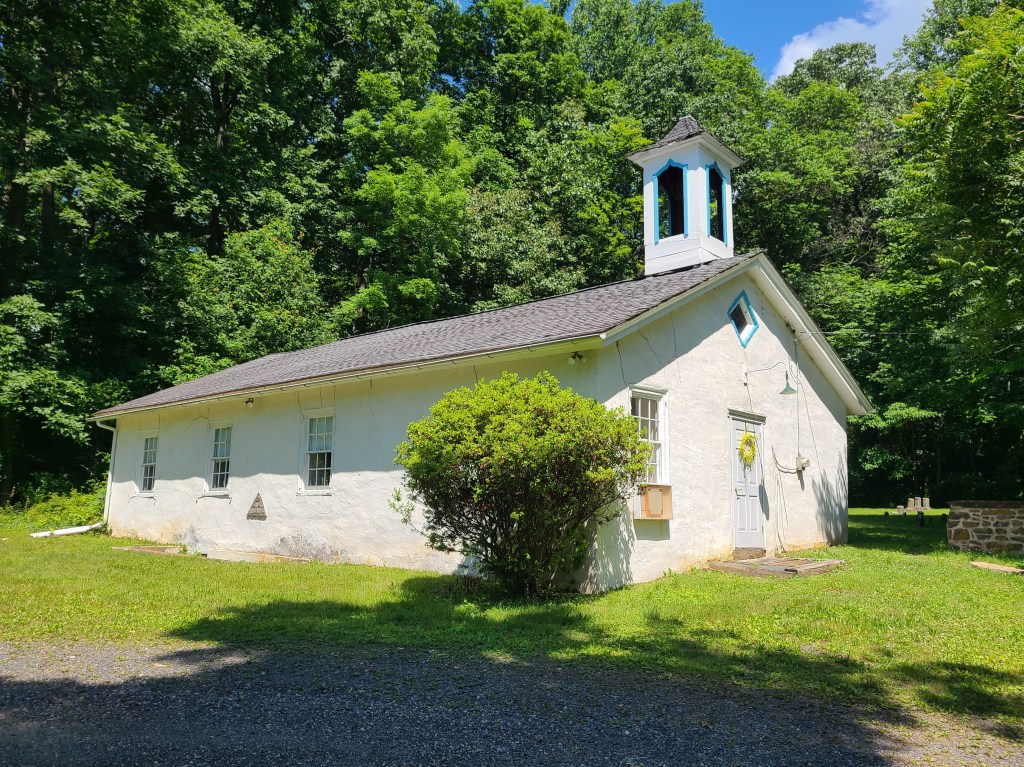
We are surrounded by stories—tales of events, places, and people that are told and retold daily. These narratives shape our legacies, histories, and communities. Some stories are grand, while others linger in subtext, explored by only a few. Occasionally, the curious latch onto a small fragment—a crumb, so to speak—and delve deeply into it. This is my story: my connection with Herstine Chapel.
The secrets held by this modest relic of early village life have largely faded with time. Though documentation is sparse, the remaining records merit a moment of reflection. In a 1910 account, local historian Edwin C. Jellett describes the chapel as “alone, surrounded by juniper, chestnut, and hickory trees, standing in an obscure clearing beside an infrequently used road, as silent as the graves which raise their mounds behind it.”
Herstine Chapel, also known as Herstein’s Meeting House, has quietly served Limerick, Schwenksville and the surrounding community for more than two centuries. Named after Johannes “John” Herstine, a German settler who arrived in Neiffer, a hamlet within Limerick Township, in 1773, the chapel’s deed was granted by Jacob and Magdalena Shoemaker, former owners of Sunrise Mill, to the original board of trustees: Christian Stearly, Abraham Bergey, John Shoemaker, and George Slonecker. This dedicated group oversaw the chapel’s construction, repair, and maintenance.
The modest sandstone building, believed to have served a small Mennonite community since the early 1800s, was expanded in 1917. It hosted congregations during the spring, summer, and autumn, with services suspended in winter. Area citizens recall that the chapel was also used as a Sunday School in the 1930s. As congregations grew and moved to larger facilities, the serene surroundings of Herstine Chapel were left behind. Since 2020, the chapel has seen little use but remains cared for by a small group of devoted local residents.
Behind the chapel lies another gem: a burial ground adorned with several dozen simple sandstone slabs. The older stones, weathered and worn, bear quaint German script from the 18th and 19th centuries, while others are marble or granite with modern English inscriptions. A 1914 account notes that there were once one hundred fifty graves here, some marked with simple field stones. Legend suggests some may belong to Continental soldiers who fell during General Washington’s campaign, adding another poignant historical layer to the site.
For the past seven weeks, my good friend Rick and I have worked to restore many of these sacred markers. Our journey, enriched by genealogical research, has unveiled family connections and deepened our appreciation for this quiet historical site. By preserving Herstine’s memorial grounds, we’re not just maintaining physical stones; we’re reviving the stories and memories of those who came before us. Our efforts ensure their legacy endures, illuminated once more for future generations.
To date, we have cleaned over thirty stones.
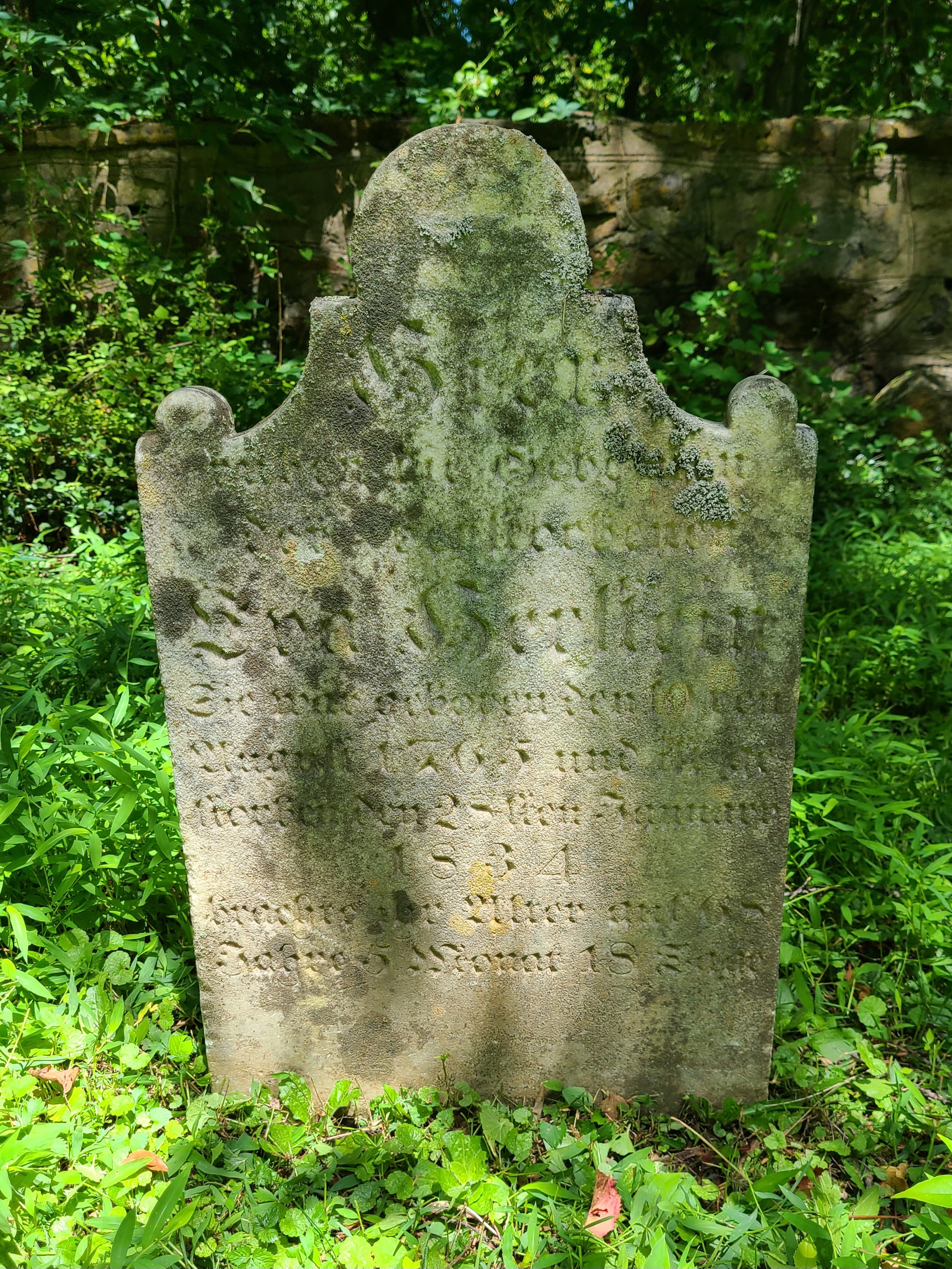
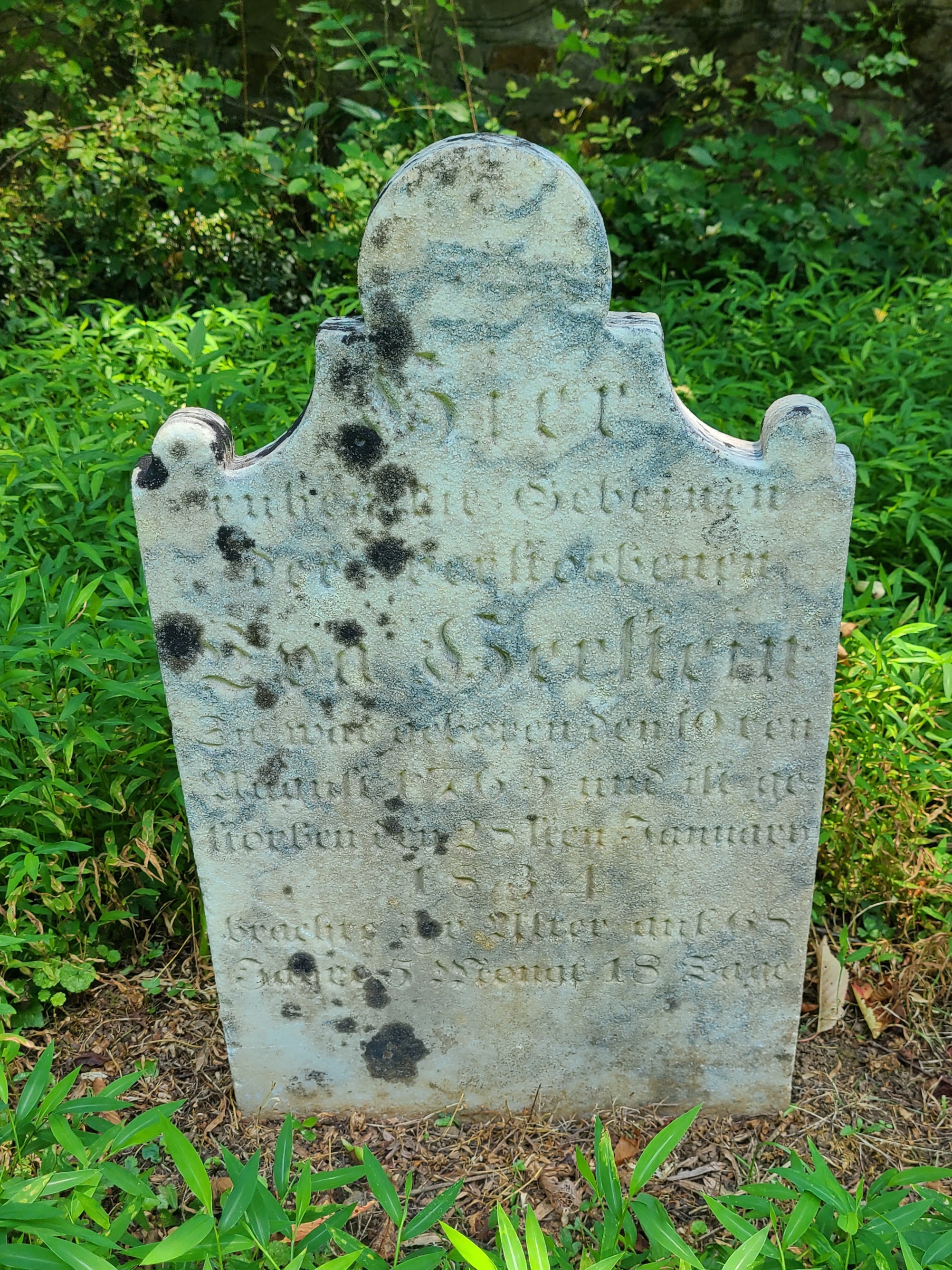
Eva’s stone is one of the first markers visible upon entering the grounds. The old-world-style tablet is German inscribed. Eva’s husband, Johannes “John” Herstein (1754-1829), children Abraham Herstein (1794-1825) and Maria Reiff Herstein Berge (1804-1844), and her husband David Halteman Berge (1802-1829), are said to also rest at Herstine Chapel. It is believed that Johannes’ first wife, Catherine Bieri/Beary (1757-1789), may be buried here, according to some records.
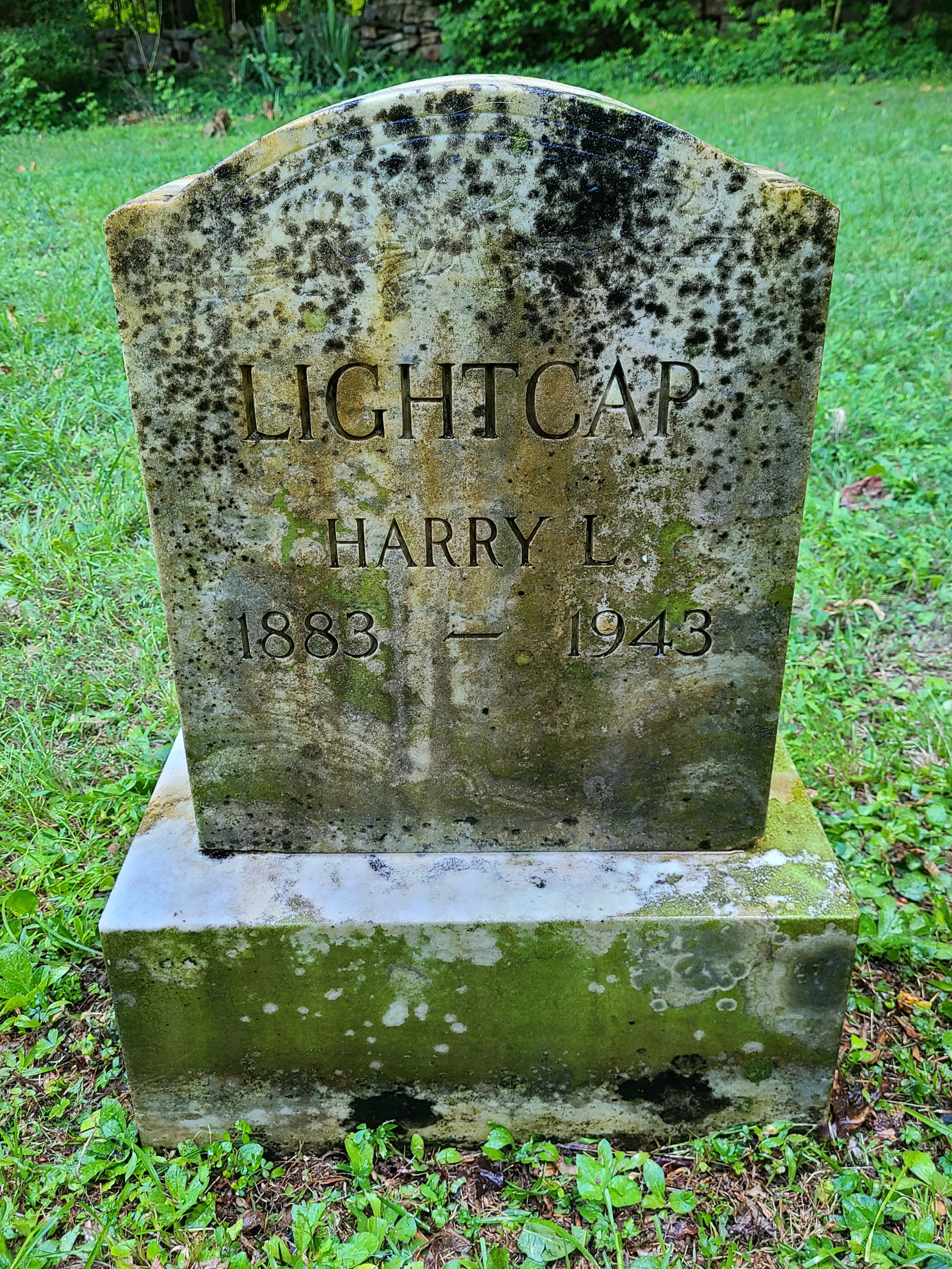
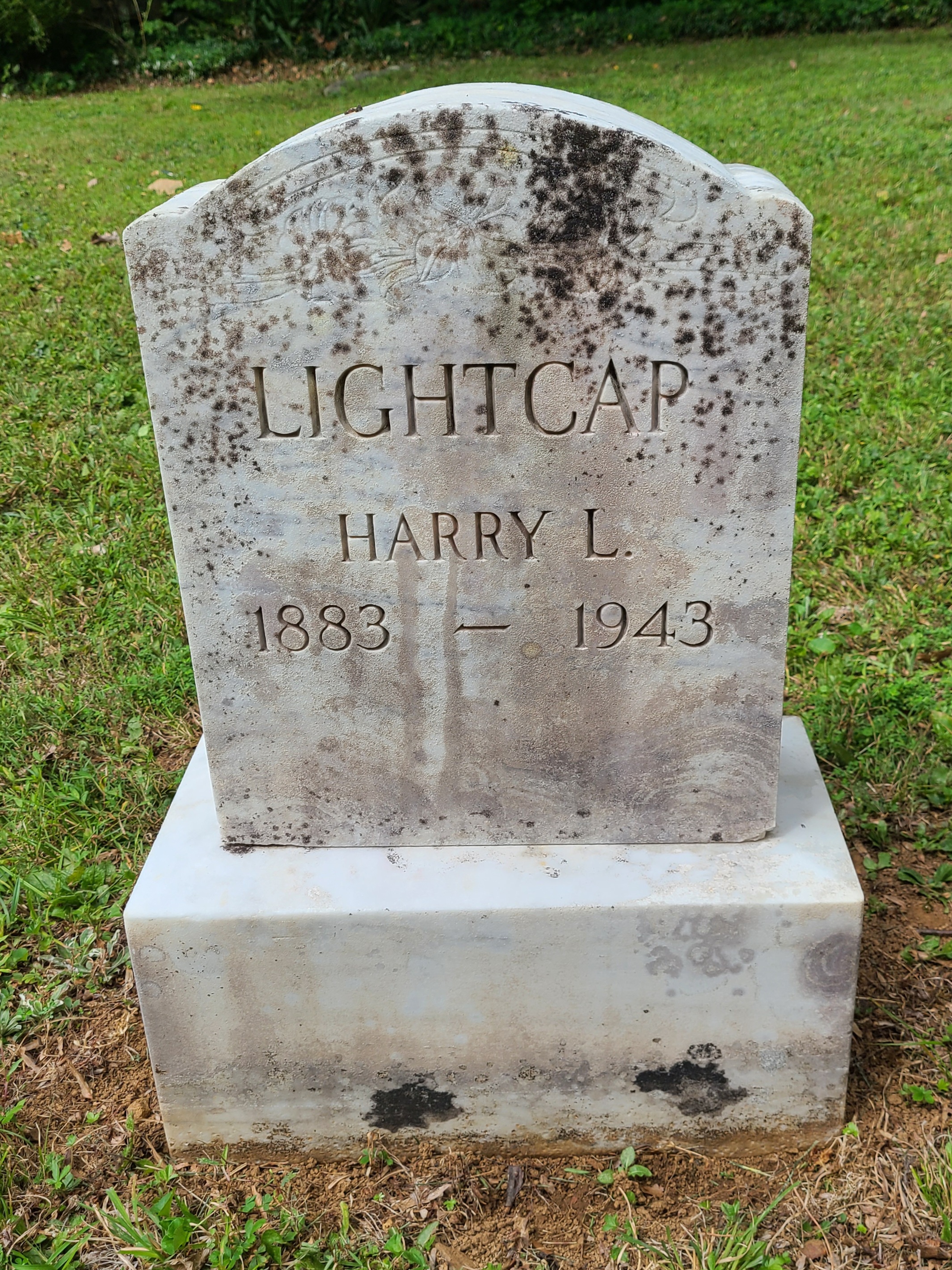
Harry’s ogee-shaped stone, featuring English inscriptions, is the most modern marker among those cleaned during our initial visit. Tragically, Harry passed away from traumatic injuries sustained while working as a laborer at Wilson Quarry in Sanatoga. He is buried at Herstine Chapel alongside his parents, Ephraim Lightcap (1853-1937) and Emeline Leister Lightcap (1854-1924), as well as several of his siblings.
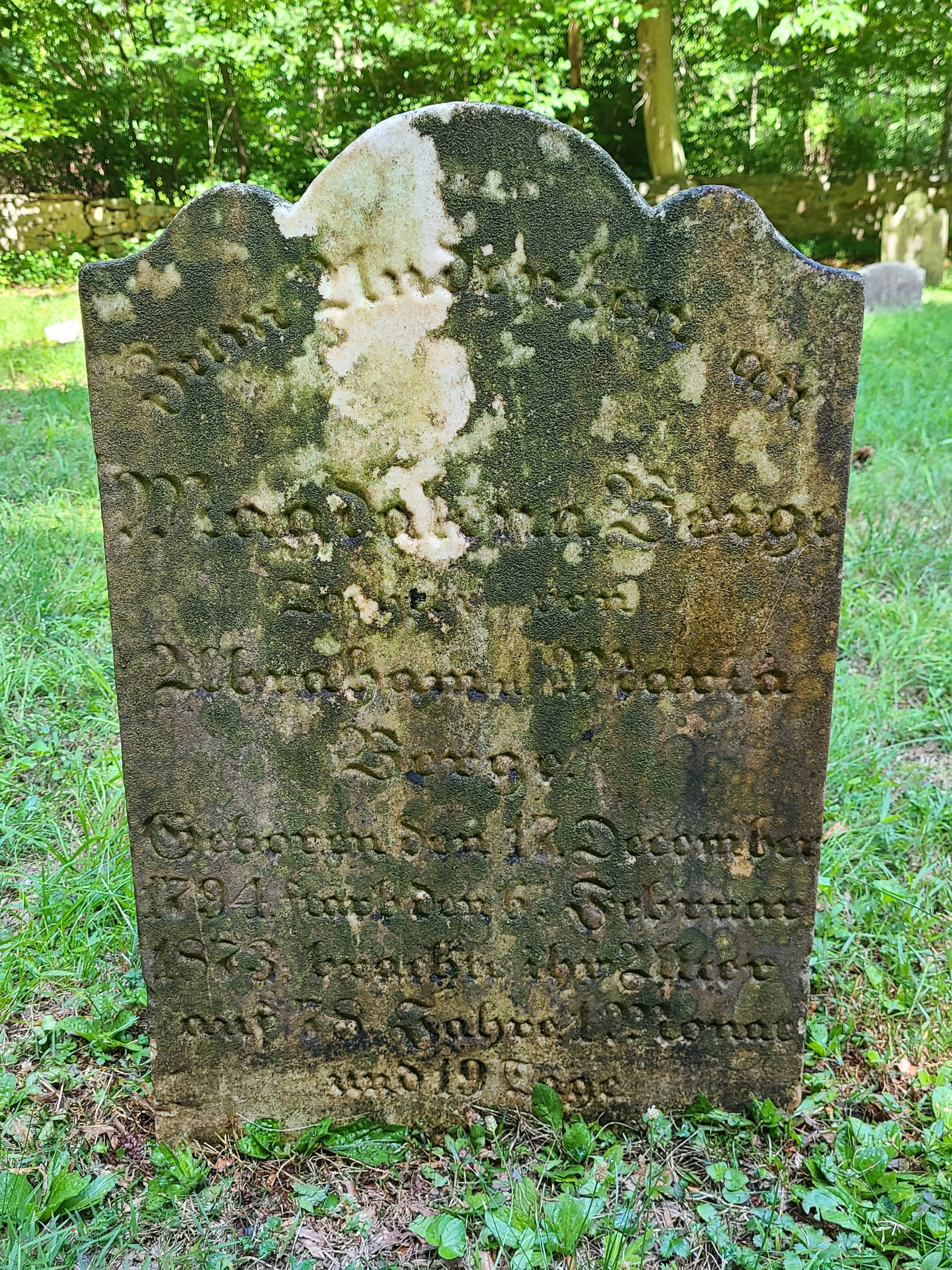
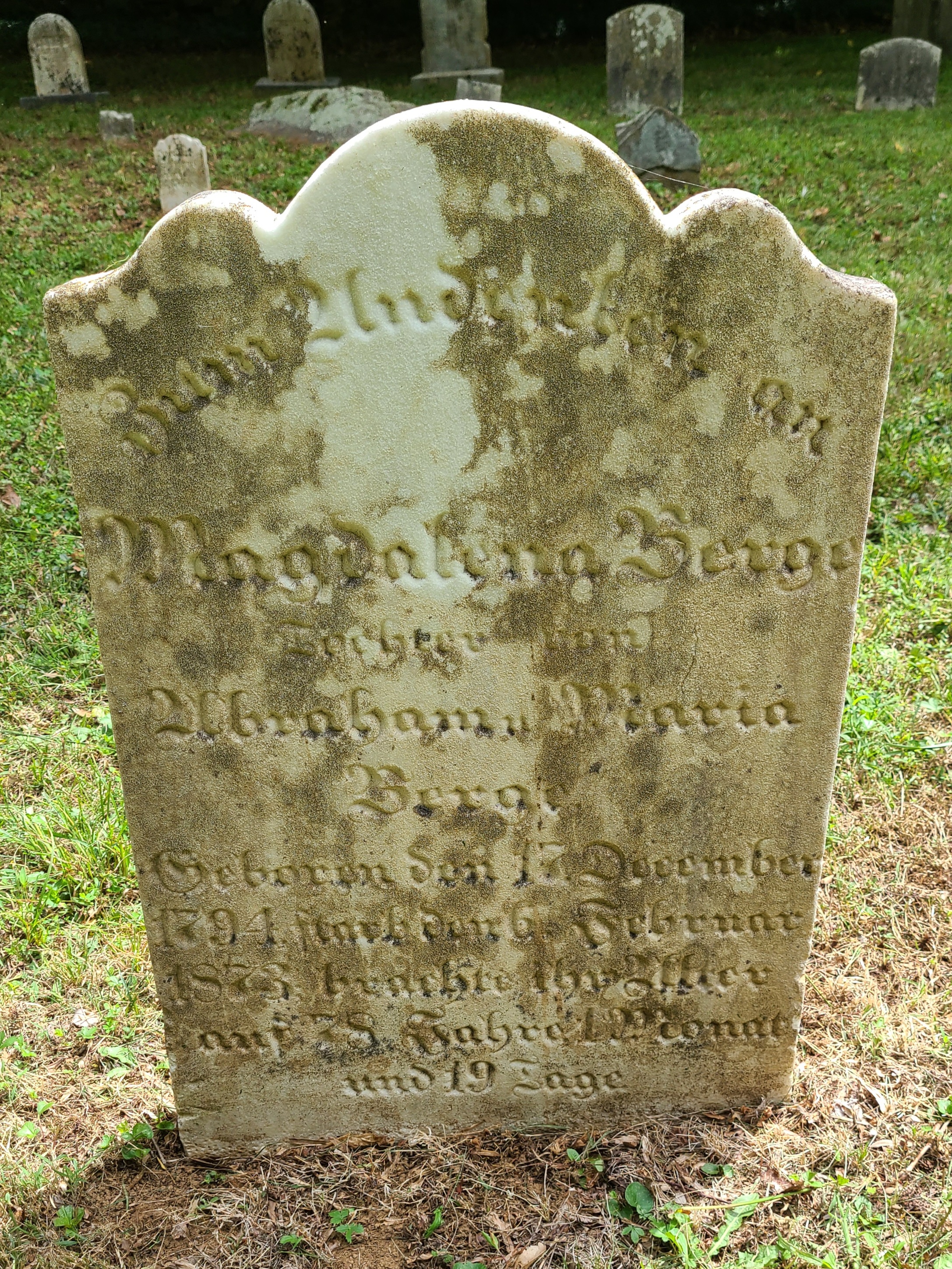
Magdalena’s beautiful headstone, a distinctive three-lobed design, is centrally positioned in the burial ground and features German inscription. As with many other families interred here, Magdalena’s parents and several of her siblings are also laid to rest at Herstine Chapel.


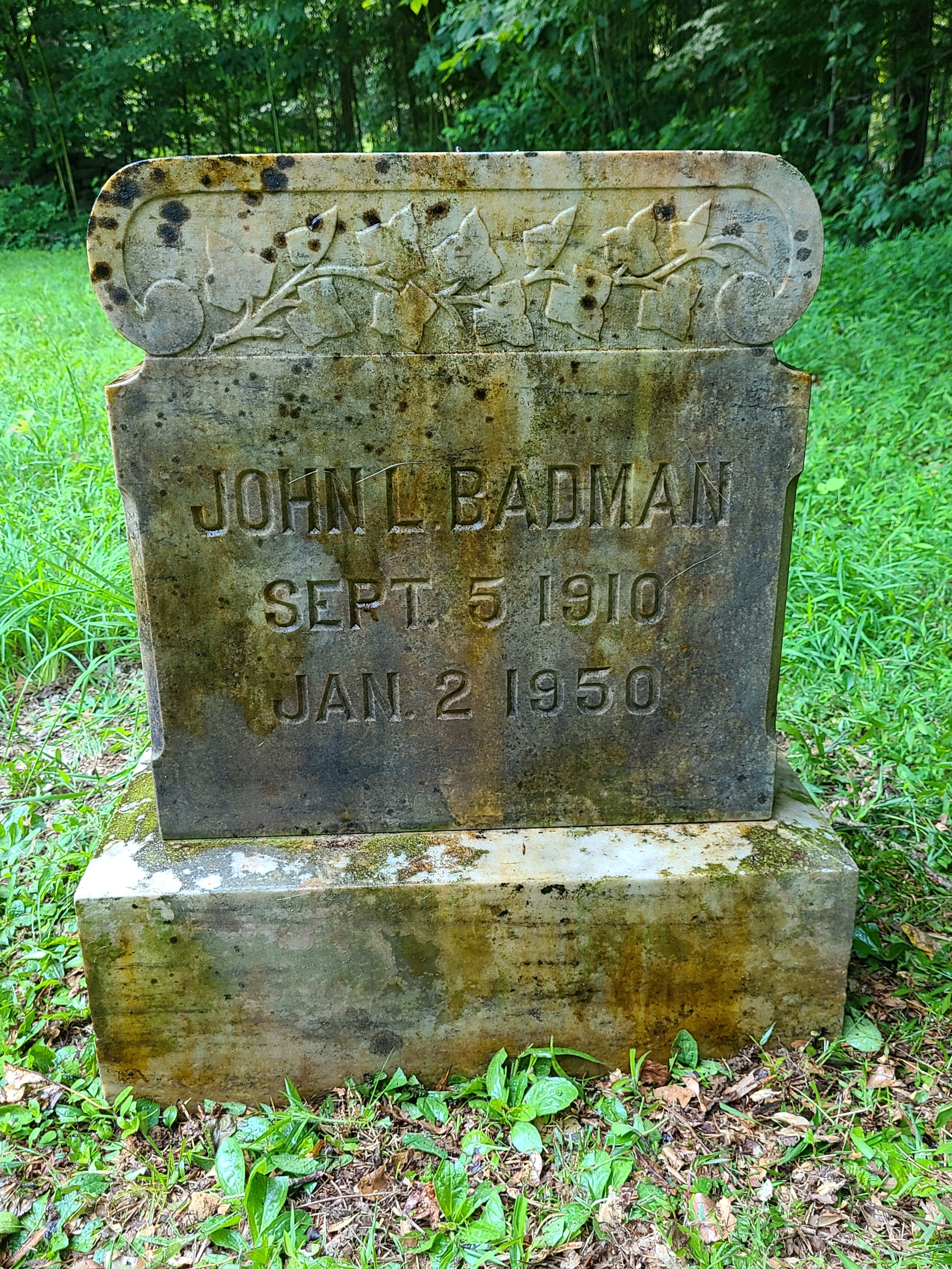
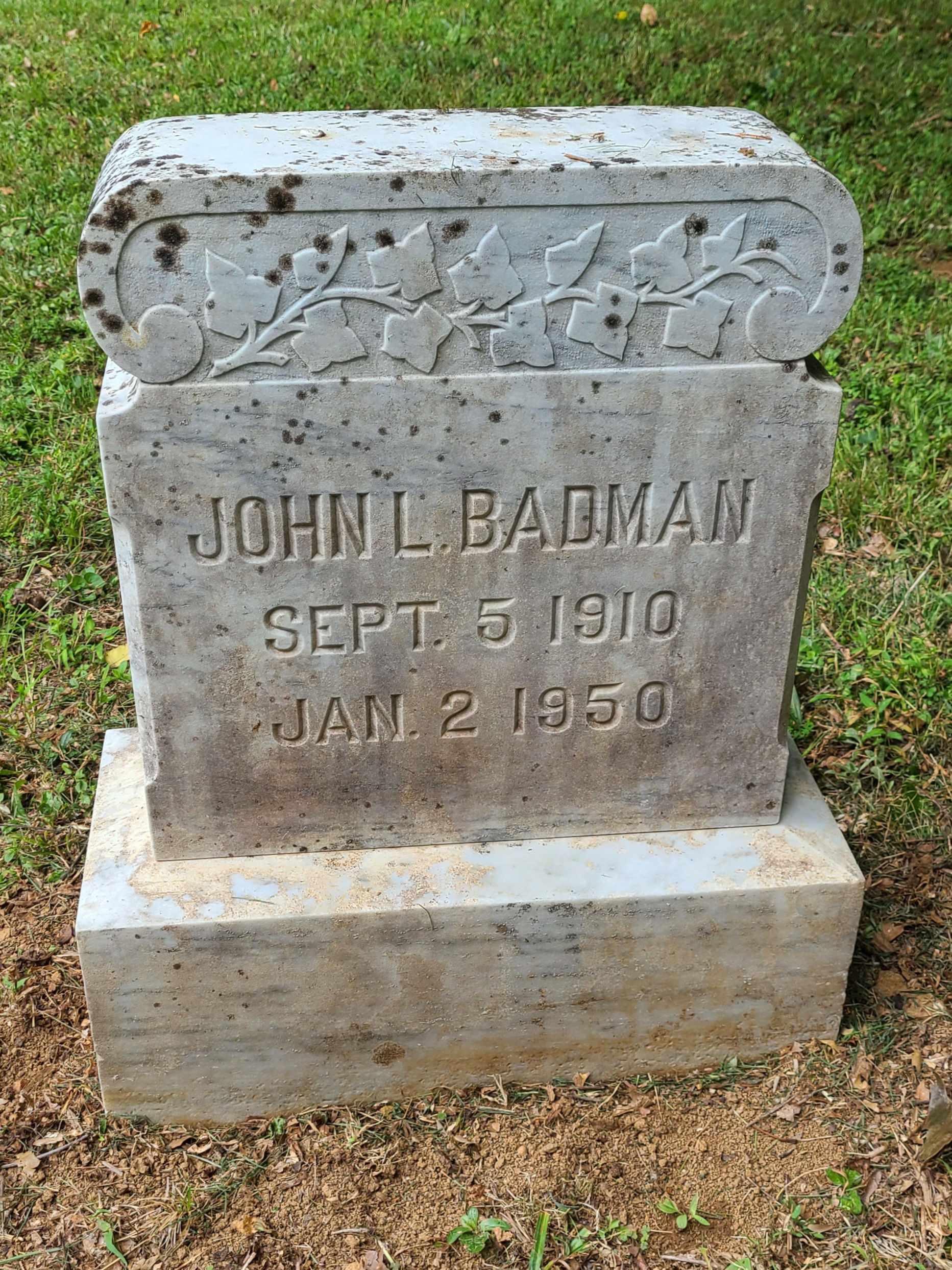
The Badman family is buried side-by-side with nearly identical ogee-shaped markers. We cleaned John Badman’s headstone during our second visit to Herstine Chapel and his family’s stones during our third. John, an auto mechanic, suffered a skull fracture when his work truck collided with a stalled coal truck on Ridge Road. He remained in a coma for a week before passing away at the age of thirty-nine. His father, David C. Badman (1854-1824), a farmer, died of a stroke at seventy. His mother, Maggie Lightcap Badman (1871-1930), a housewife, succumbed to complications of diabetes. His younger sister, Jennie Badman (1906-1934), is reported to have died from a series of health issues.
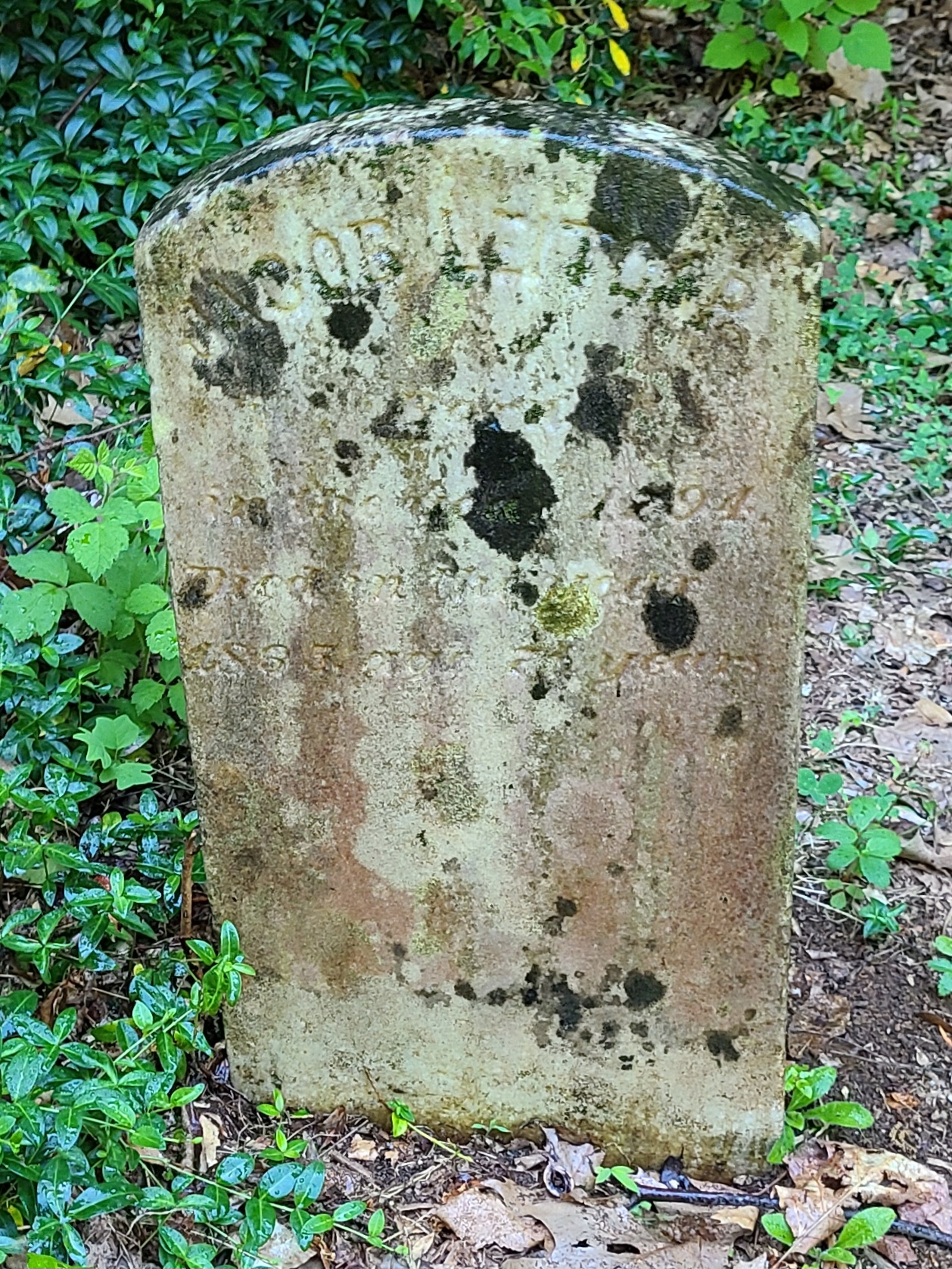
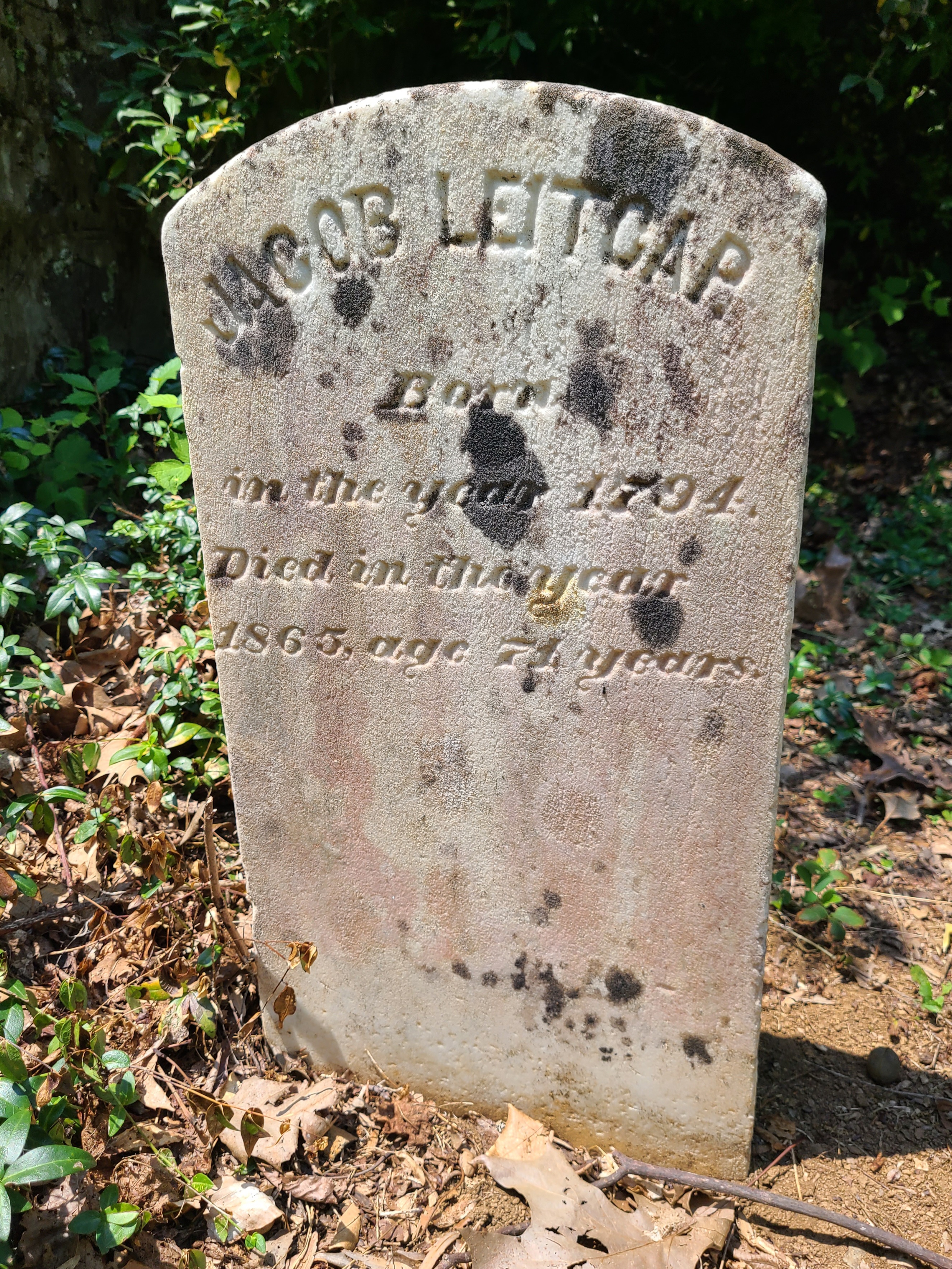
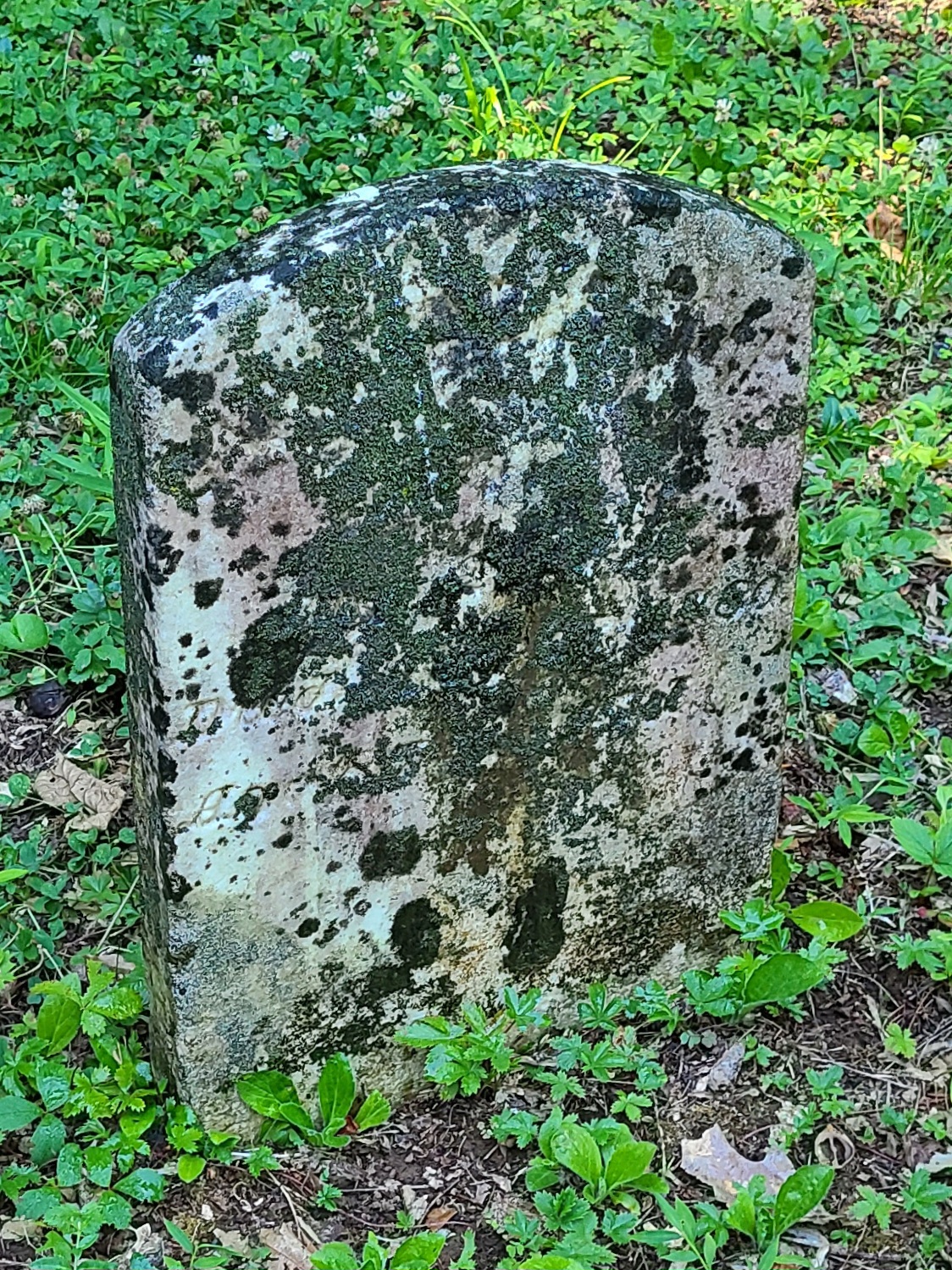
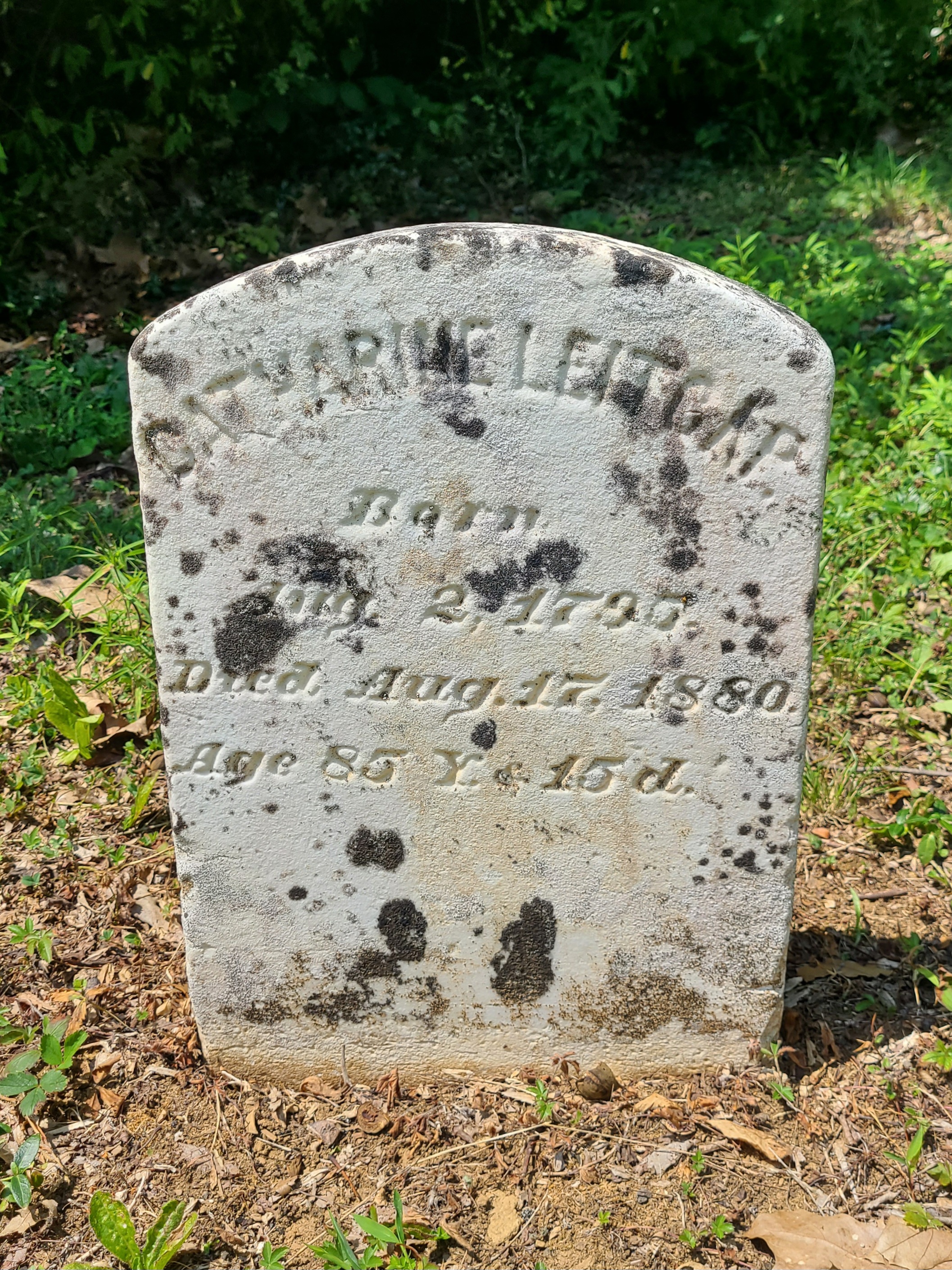
Jacob and Catharine’s cambered or arc tablet stones are located side-by-side just beyond the backside of the chapel. Both stones, inscribed in English, represent a family with various spellings of their surname. Their son, Augustus Lightcap (1832-1908), married twice. His first wife, Elizabeth Heffelfinger Lightcap (1827-1864), and his second wife, Elizabeth Mary Mundhart Lightcap (1835-1917), are both interred at Herstine Chapel. It is believed Elizabeth Heffelfinger Lightcap passed away due to complications following the birth of daughter Elizabeth Rose.
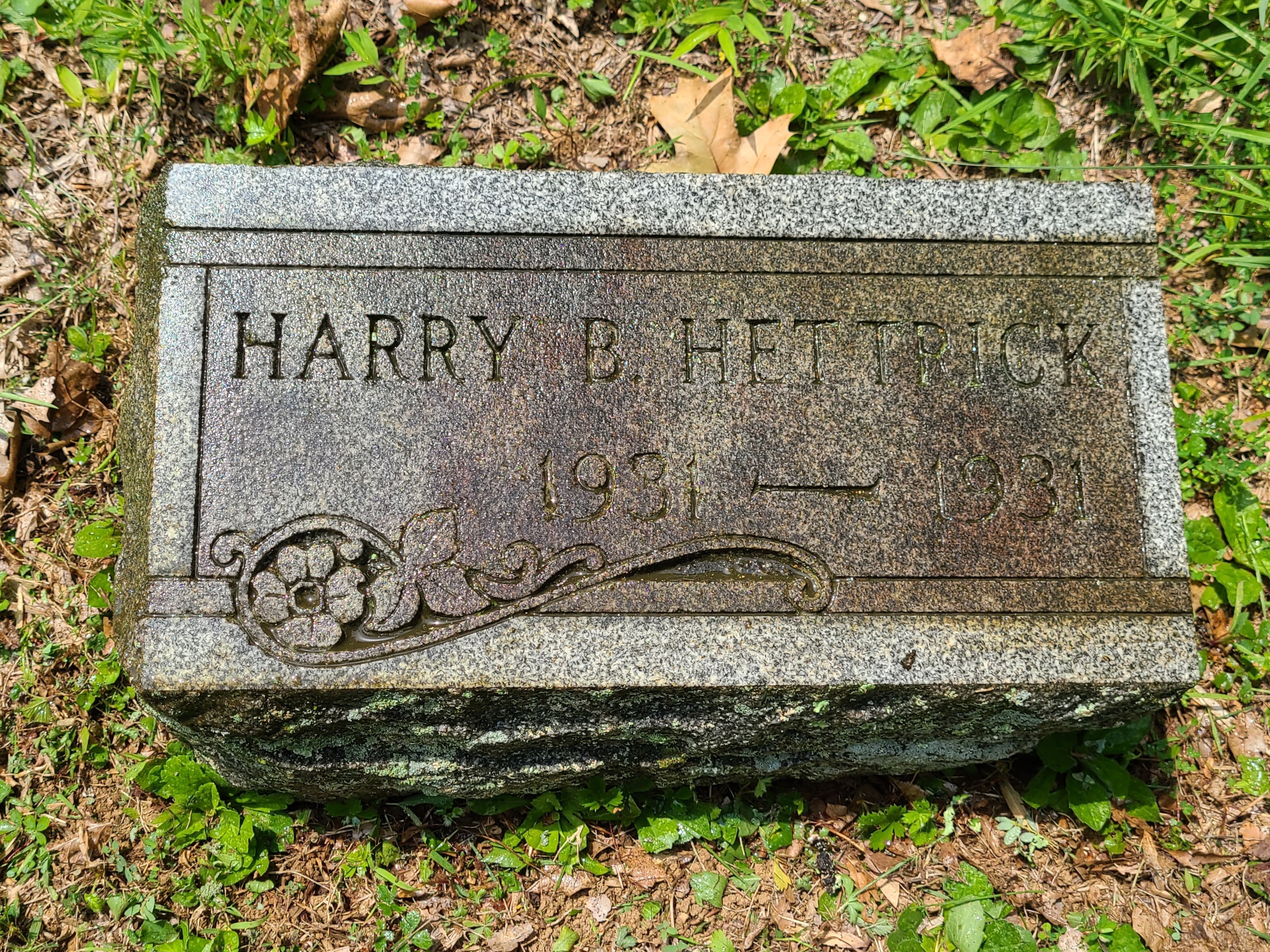
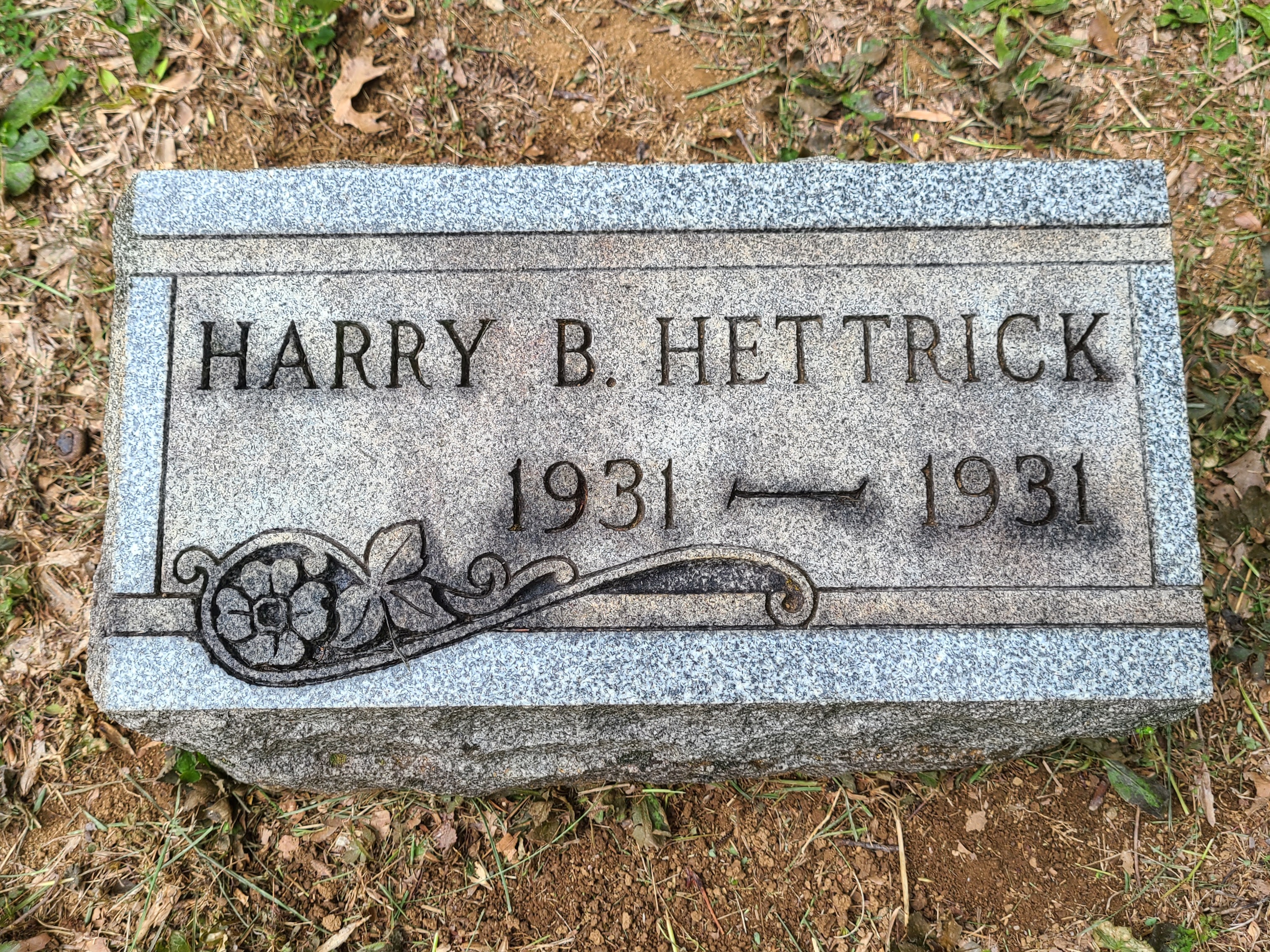
We cleaned this infant’s stone on our third visit. Harry Hettrick, born to Raymond Hettrick (1892-1947) and his wife Ella Badman Hettrick (1896-1962), tragically lived only a few hours. His modern, low-rise granite stone now rests alongside the graves of his mother’s relatives at Herstine Chapel.
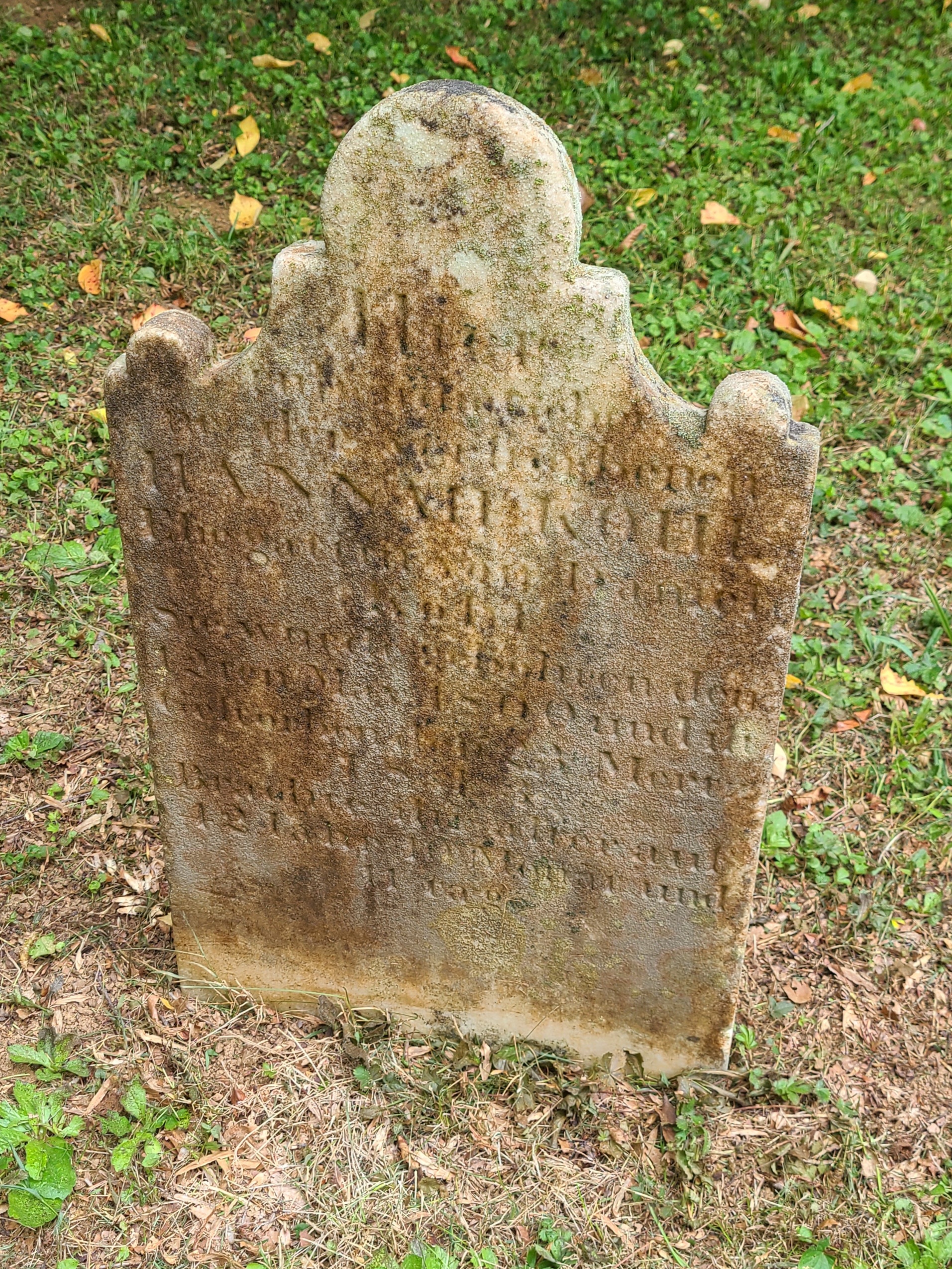
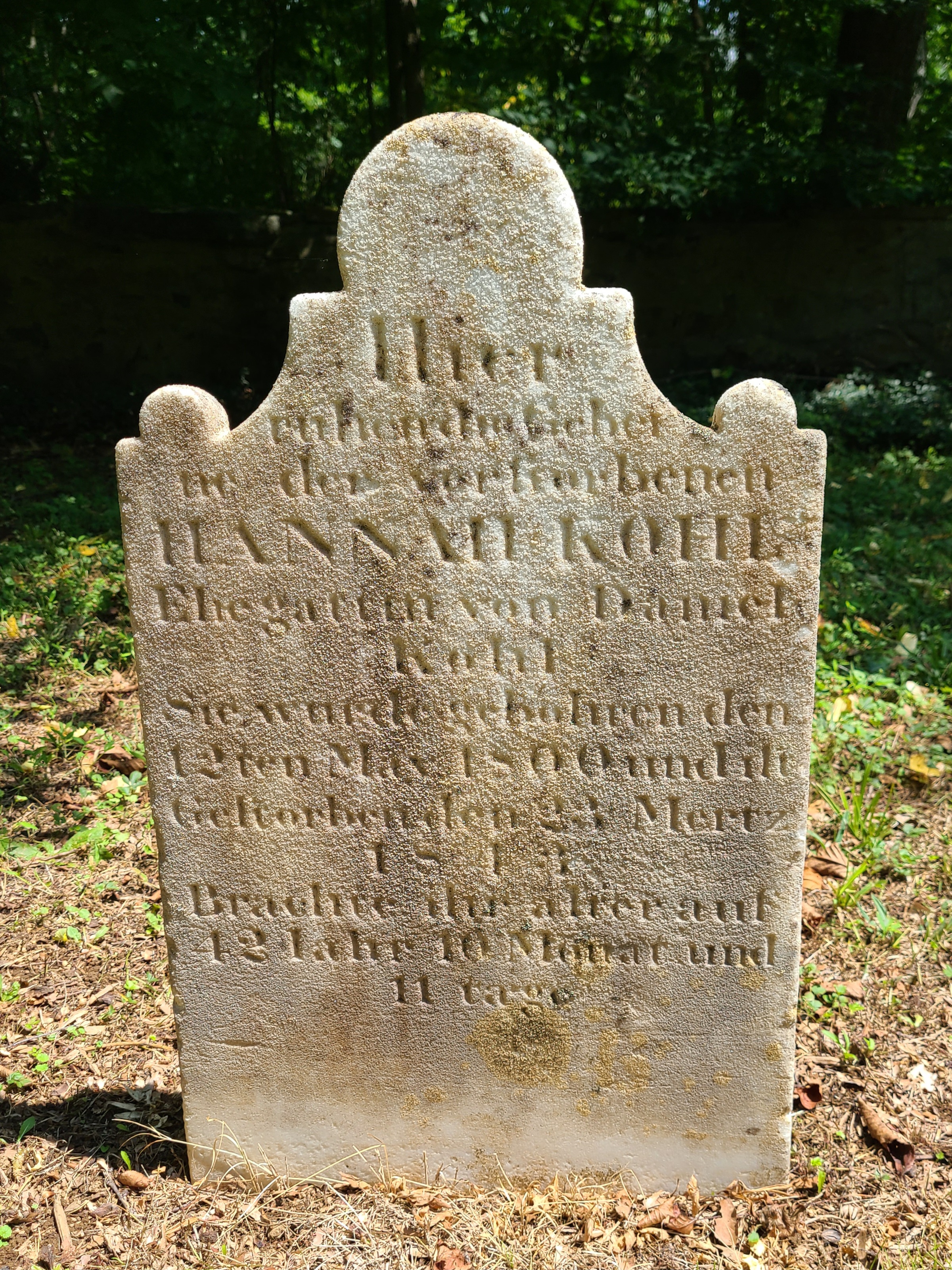
During our most recent visit, we cleaned another old-world-style table stone. This is the gravestone of Hannah Bergey Kohl, who is interred next to her husband, Daniel Kohl (1795-1857). Many of Hannah’s relatives are also buried at Herstine Chapel, including her parents, Abraham Bergey (1765-1843) and Maria Halteman Bergey (1773-1854), four of her siblings, and her sister-in-law. Her son, Pvt. John Bergey Kohl, served in the Union Army during the Civil War from 1862 to 1864 as a member of Company H, 119th Regiment, also known as the Gray Reserves, and was discharged on a surgeon’s certificate.
Herstine Chapel relies on donations to maintain its building and grounds for future generations. To make a tax-deductible contribution, please make your check payable to Herstine Chapel and mail to 268 Game Farm Road, Schwenksville, PA 19473.
Interested in hiring Lifelines Preservation Services for your family? Send email to preservinglifelines@gmail.com. We service select areas of Bucks and Montgomery County.


 Keystone Wayfarer
Leave a reply to Eleanor Lundy Cancel reply