
Summertime offers endless opportunities for exploration. Whenever the opportunity arises, I like to jump in my air-conditioned car and drive aimlessly. These leisurely journeys often unveil a treasure trove of local attractions, including blooming flowers, bustling yard sales, intriguing people-watching spots, and iconic landmarks like Sunrise Mill.
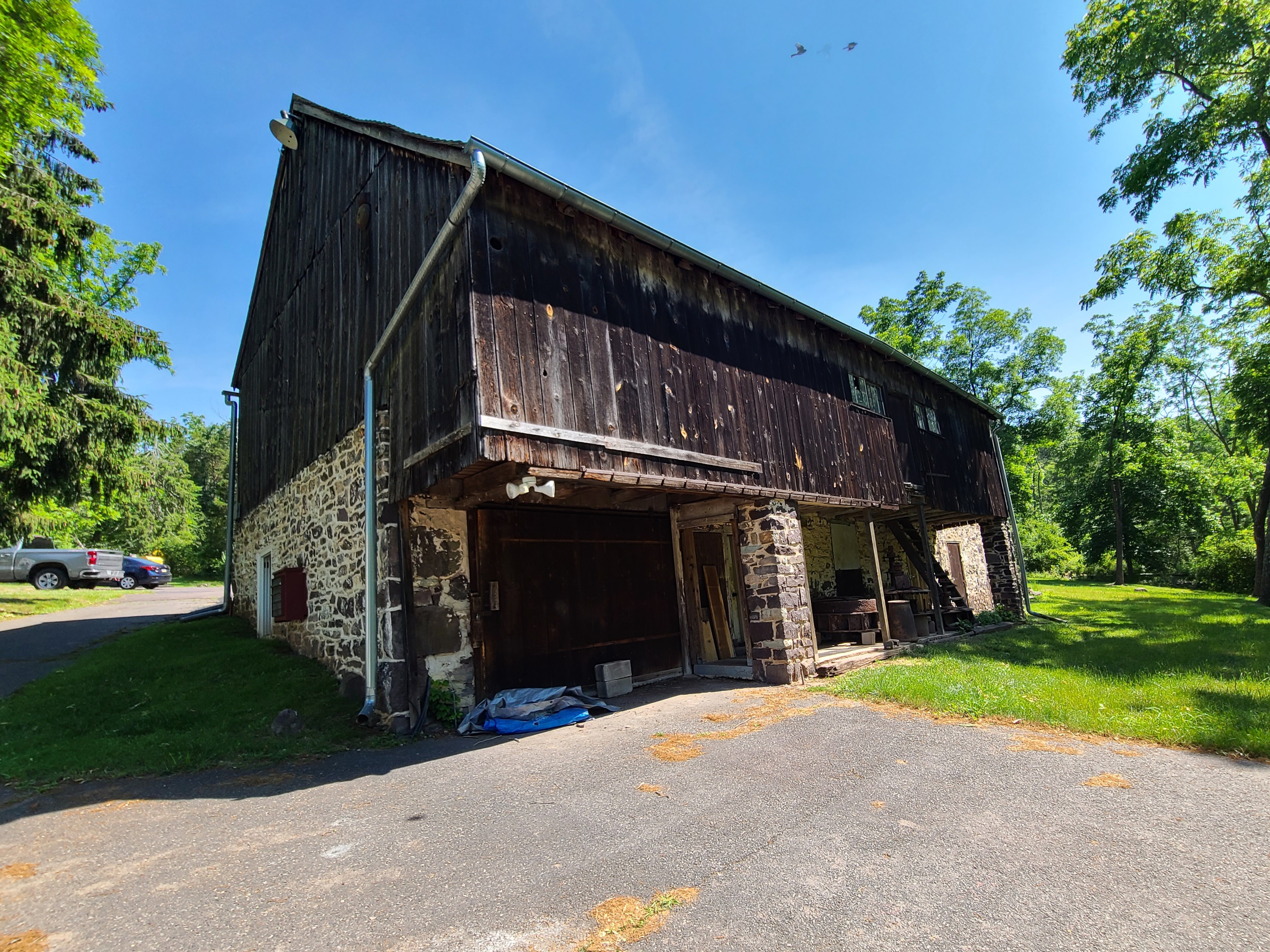
Located just three miles west of Schwenksville on Neiffer Road, Sunrise Mill is a hidden gem nestled along the picturesque Swamp Creek. Spanning over two hundred acres, this historic site straddles Upper Frederick, Lower Frederick, and Limerick Townships. Its complex features a sawmill, gristmill, house, barn, dam, and stone arch bridge, each contributing to its profound historical significance.
The gristmill, originally constructed in 1767 by Michael Krause and Yost Bitting, underwent multiple expansions before its final enlargement in 1870. To meet the area’s growing demand for lumber, a sawmill was added. A prominent Swiss bank barn, erected in 1795 by Jacob and Mary Shoemaker, still proudly displays their initials above the bay door. The house, added circa 1828, offers scenic views of the Swamp Creek valley and serene hemlock groves. Downstream stands the 1845 stone arch bridge, once crucial to Old Neiffer Road, enhancing connectivity through the property.
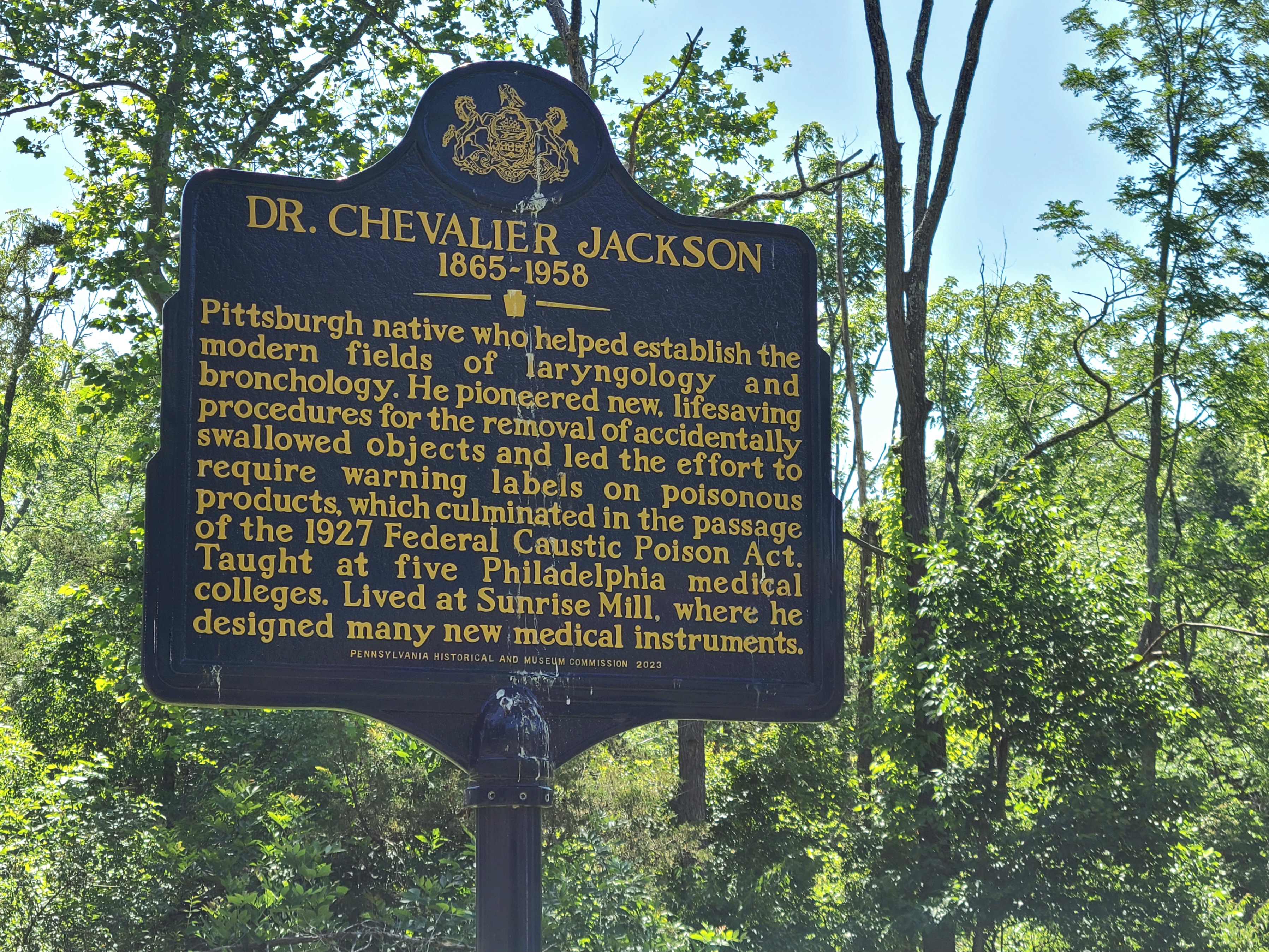
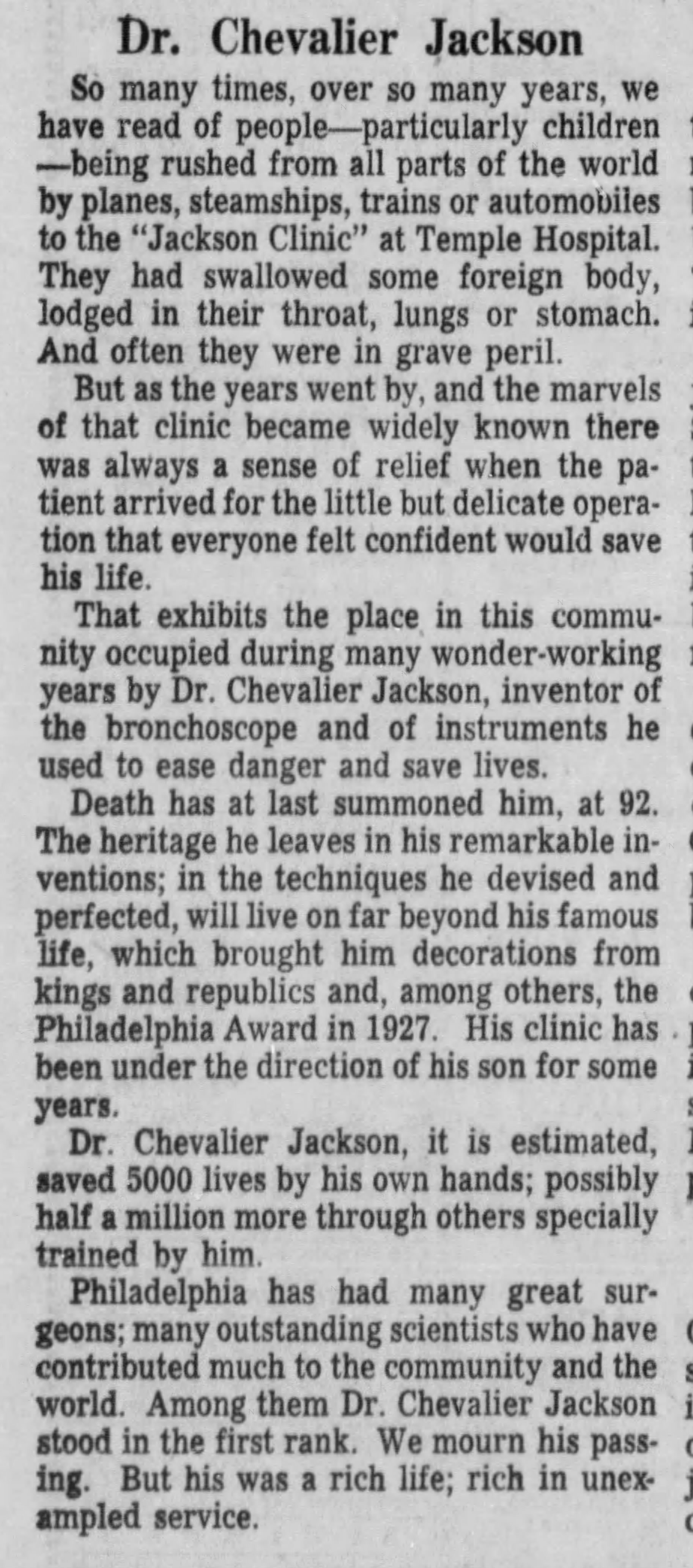
In 1918, Pittsburgh-born physician Dr. Chevalier Quixote Jackson, celebrated for pioneering laryngology and endoscopy, acquired Sunrise Mill as a retreat from Philadelphia’s urban environment due to his tuberculosis. For over four decades, Dr. Jackson, later a distinguished Temple University professor, and his family called the mill their home, commuting to the city via car and train. The esteemed scientist lived there until his death in 1958 at the age of 93.
His notable scientific achievements, including inventing the bronchoscope — a pivotal tool for removing foreign objects from throats, windpipes, and lungs — revolutionized medical practice. He also championed public health reforms, influencing the Federal Caustic Poison Act of 1927, which mandated proper labeling for household substances.
Before its acquisition by Montgomery County in 1971, Sunrise Mill passed through sixteen owners, including Samuel Hartranft, father of Union Army General and Pennsylvania Governor John Frederick Hartranft. While initial efforts to restore the complex for public access began, progress stalled, leaving the site closed today. Designated on the National Register of Historic Places in 1977, Sunrise Mills stands as a testament to meticulous craftsmanship and awaits further restoration to reveal its storied past.
Dr. Jackson’s legacy lives on at Philadelphia’s Mutter Museum through The Jackson Collection, showcasing over two thousand items from his illustrious seventy-five year career. He rests in a family mausoleum at West Laurel Hill Cemetery in Bala Cynwyd, alongside his wife Alice Bennett Jackson (1876-1957), son Dr. Chevalier L. Jackson (1900-1961) and his wife Hilda Brown Cowling Jackson (1907-1967), sister-in-law Josephine Wylmhust White (1874-1954), and mother-in-law Susan Bennett Anderson White (1851-1937). Those intrigued by his enduring influence can explore his autobiography, The Life of Chevalier Jackson, for deeper insights into his pioneering work.






 Keystone Wayfarer
Leave your thoughts