
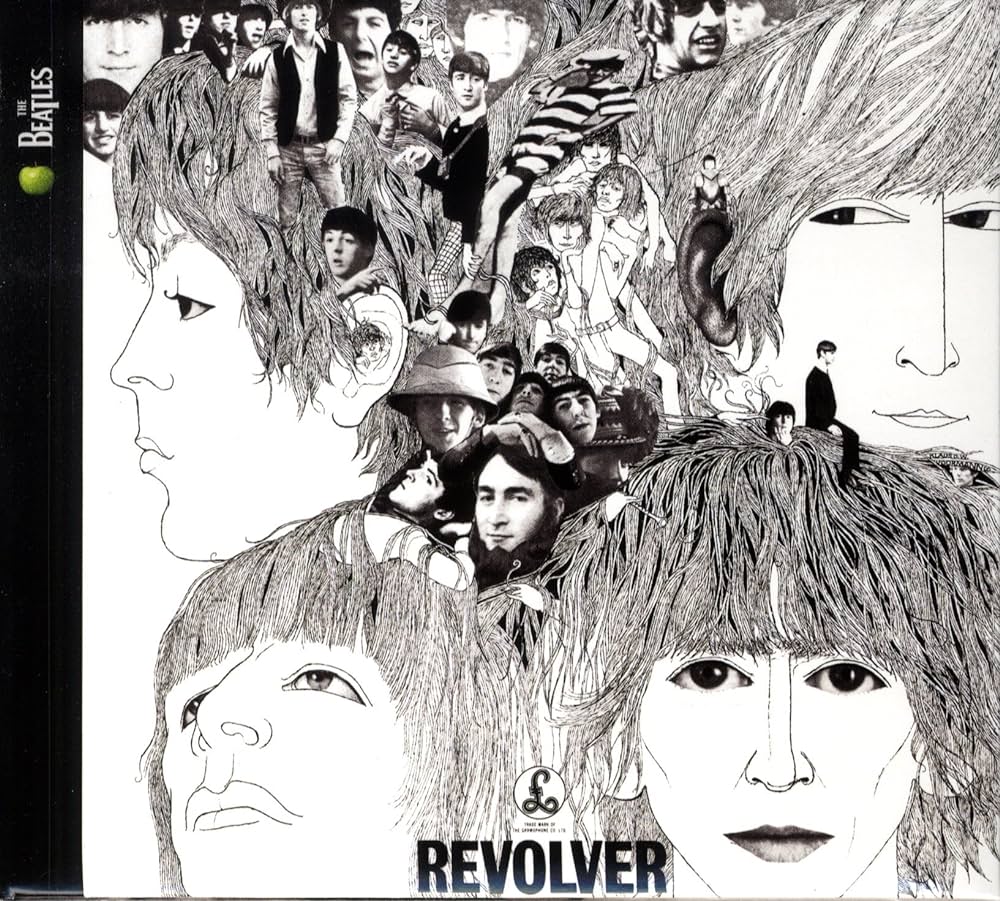
“Let me tell you how it will be. There’s one for you, nineteen for me.” These iconic lines from George Harrison’s classic “Taxman” resonate with the frustration many feel towards taxation. The song, featured on The Beatles’ 1966 album Revolver, served as a musical protest against the exorbitant tax rates imposed by the British Labour Party. Astonishingly, The Fab Four were asked to surrender a staggering ninety percent of their earnings to the British treasury.
Today, April 15, is a dreaded day for many Americans. But how much do we truly know about the history of our income tax?
In the early years of our country, there was no federal income tax, as there was no federal government to establish one. Instead, the early colonists bore the brunt of heavy taxation by Great Britain. Despite their objections, which echoed the mantra of “no taxation without representation,” the taxes persisted, leading to protests like the infamous Boston Tea Party.
At the conclusion of the Revolutionary War, the newly adopted Articles of Confederation followed by the United States Constitution granted the federal government the authority to levy tax on its citizens. Initially, states were tasked with collecting and remitting taxes to the federal government, primarily through excise taxes imposed on specific goods or services.
It was the onset of the Civil War in 1861 that brought about a pressing need for revenue to fund the Union effort. President Abraham Lincoln turned to taxation as a solution. The Revenue Act of 1861, drafted by Senator William P. Fessenden of Maine, introduced the nation’s first income tax – a flat three percent rate on individuals earning over eight hundred dollars annually. However, this proved ineffective. It was replaced with a more comprehensive bill a year later.
The subsequent legislation, The Revenue Act of 1862, established the Office of the Commissioner of Internal Revenue, laying the foundation for what would evolve into the Internal Revenue Service (IRS). Legal challenges to the government’s taxing authority ensued.
Two cases brought to the Supreme Court challenged the government’s taxing authority; winning unanimously in the 1880 Springer v. United States case but losing in a 5-4 decision in 1895’s Pollock v. Farmer’s Loan & Trust Company. The court ruled the case violated Article I, Section 9, of the Constitution. After Pollack, it took Congress and thirty-six states to make income tax legal.
One month prior to the inauguration of President Woodrow Wilson, the Sixteenth Amendment was ratified, and federal income tax became a permanent fixture. The landmark legislation ushered in a significant shift in the nation’s fiscal landscape; no longer reliant solely on tariffs, the federal government now drew vast revenues from individual incomes, collected at the source.
Over the years, federal tax rates have fluctuated, responding to economic and wartime needs. The tax code has expanded exponentially, evolving from a single-page document in 1913 to a complex system comprising thousands of sections today. Estimates note that the U.S. tax code has been amended or revised over four thousand times.
April 15, designated as tax day, has not always been the filing deadline. Initially set for March 1, it was shifted to March 15 in 1918 before settling on April 15 in 1955; delayed if the day conflicts with a public holiday or weekend.
The modern British invasion kicked into full gear with the arrival of The Beatles at New York’s John F. Kennedy airport in early February 1964. They would make their first national appearance on The Ed Sullivan show. In addition to “Taxman,” Revolver included the songs “Yellow Submarine,” “Good Day Sunshine,” and one of my favorites, “Eleanor Rigby.”
Fun fact: Mom’s favorite Beatle is George Harrison.




 Keystone Wayfarer
Leave a reply to jackleit57 Cancel reply