
In my youth, I participated in numerous Memorial Day parades. The solemn annual procession would wind its way through our town, pausing at consecrated stops where the haunting melody of “Taps” echoed through the air. Those twenty-four simple notes spoke volumes when words failed, stirring within me a profound sense of reverence for those who made the ultimate sacrifice for the cause of freedom.
Originally known as Decoration Day, Memorial Day traces its roots back to the aftermath of the Civil War – a conflict that claimed more lives than any other in American history. It began as a commemoration of the war’s end, a time for communities to decorate the final resting places of their fallen soldiers. As America found itself entering World War I, that tradition evolved to honor all military personnel who died in service.
In 1968, Congress passed the Uniform Monday Holiday Act, establishing Memorial Day as the last Monday in May – a symbolic gesture that shifted earlier observation days and finally marked it as an official federal holiday.
Here in Pennsylvania, the legacy of war veterans is etched in just about every cemetery and burial ground. Yesterday, as the country celebrated another Memorial Day, American flags were once again placed upon stone markers, honoring those who rest beneath. Over the past two months, I have embarked on a journey through many sacred locations, seeking out the personal stories of those who served and paying tribute to all those who lie nearby.
Saint James Perkiomen Church Cemetery – Evansburg PA




Pvt. Edwin C. Custer (1836-1925) was a valiant Union Army soldier who served during the American Civil War. Initially enlisting in the 4th Pennsylvania Volunteer Infantry at the outbreak of the conflict, he served in the unit until 1861. He continued his service by joining Company H of the 13th Pennsylvania Volunteer Cavalry and served on the front lines until he was captured by Confederate forces. For nearly two years, he languished as a prisoner of war. He was liberated in early 1865 and received an honorary discharge on June 16, 1865.
Capt. James Bean (1758-1837) served in the Army during the Revolutionary War. His commitment saw him engaged in service for the entirety of the conflict.
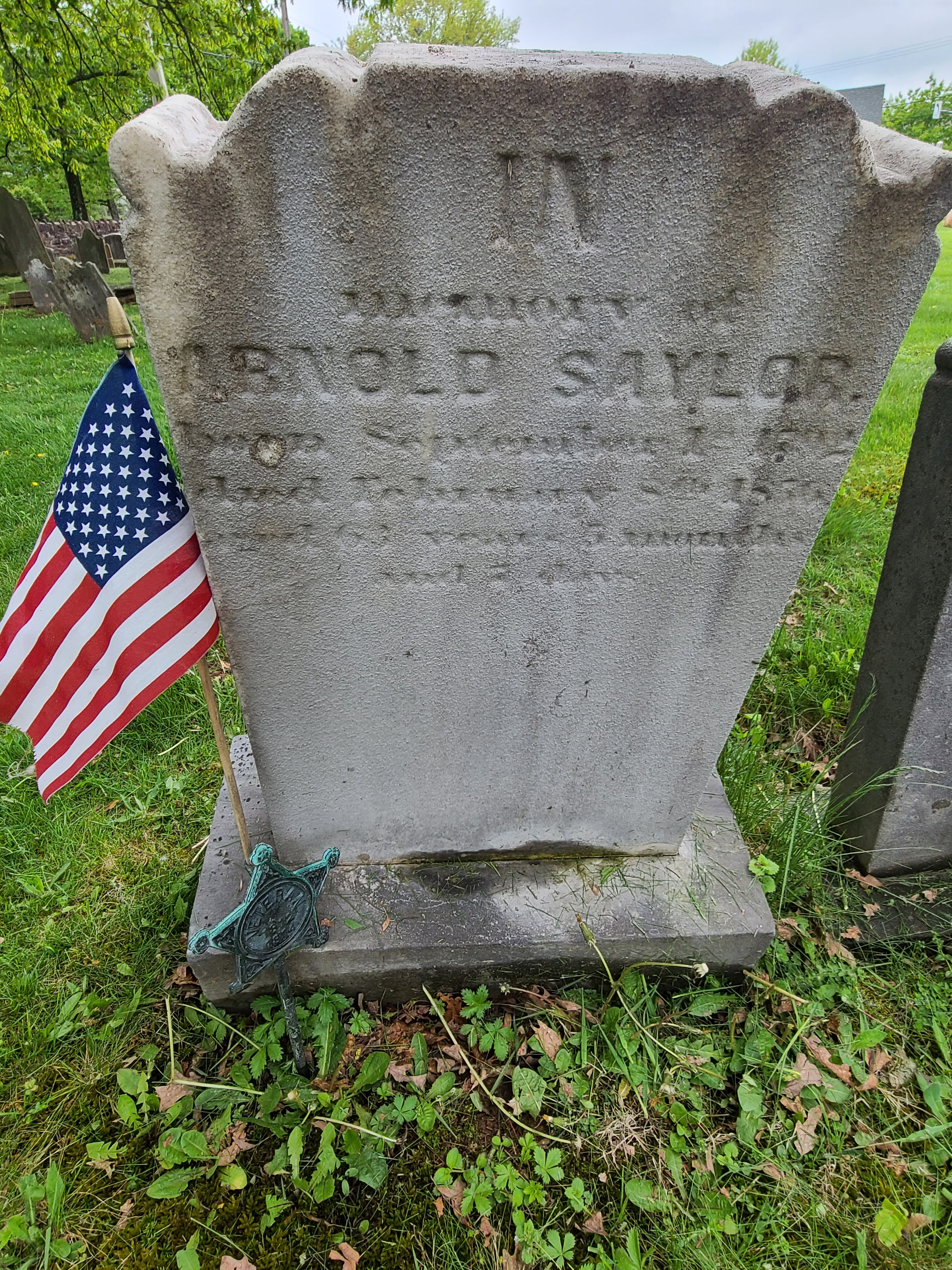
Pvt. Arnold Saylor (1792-1856) served under Capt. George Schwenk in the 2nd Regiment of Riflemen, a unit activated in 1814 during the War of 1812.
John C.D. Harding (1890-1937) served the US Army during World War I with distinction, receiving a citation for meritorious service.
SSGT James Walsh (unknown-1951) served as a member of the 34th Infantry Regiment during World War II. He was part of the first American division to see combat in the war. Stationed at Oahu, he and his comrades remained steadfast until the conclusion of the conflict.
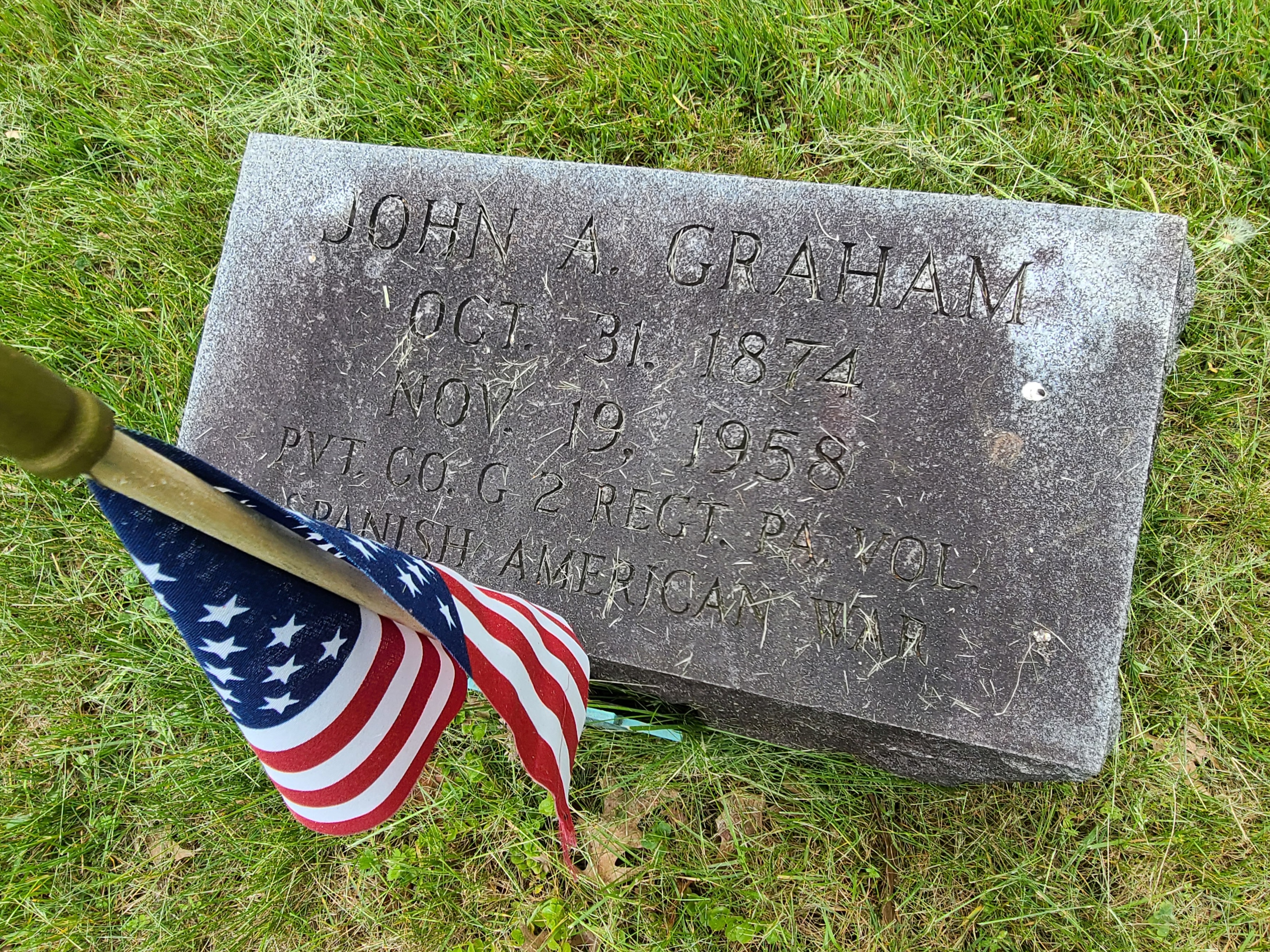
Pvt. John A. Graham (1874-1958) served honorably in Company G of the 2nd Regiment during the Spanish American War.
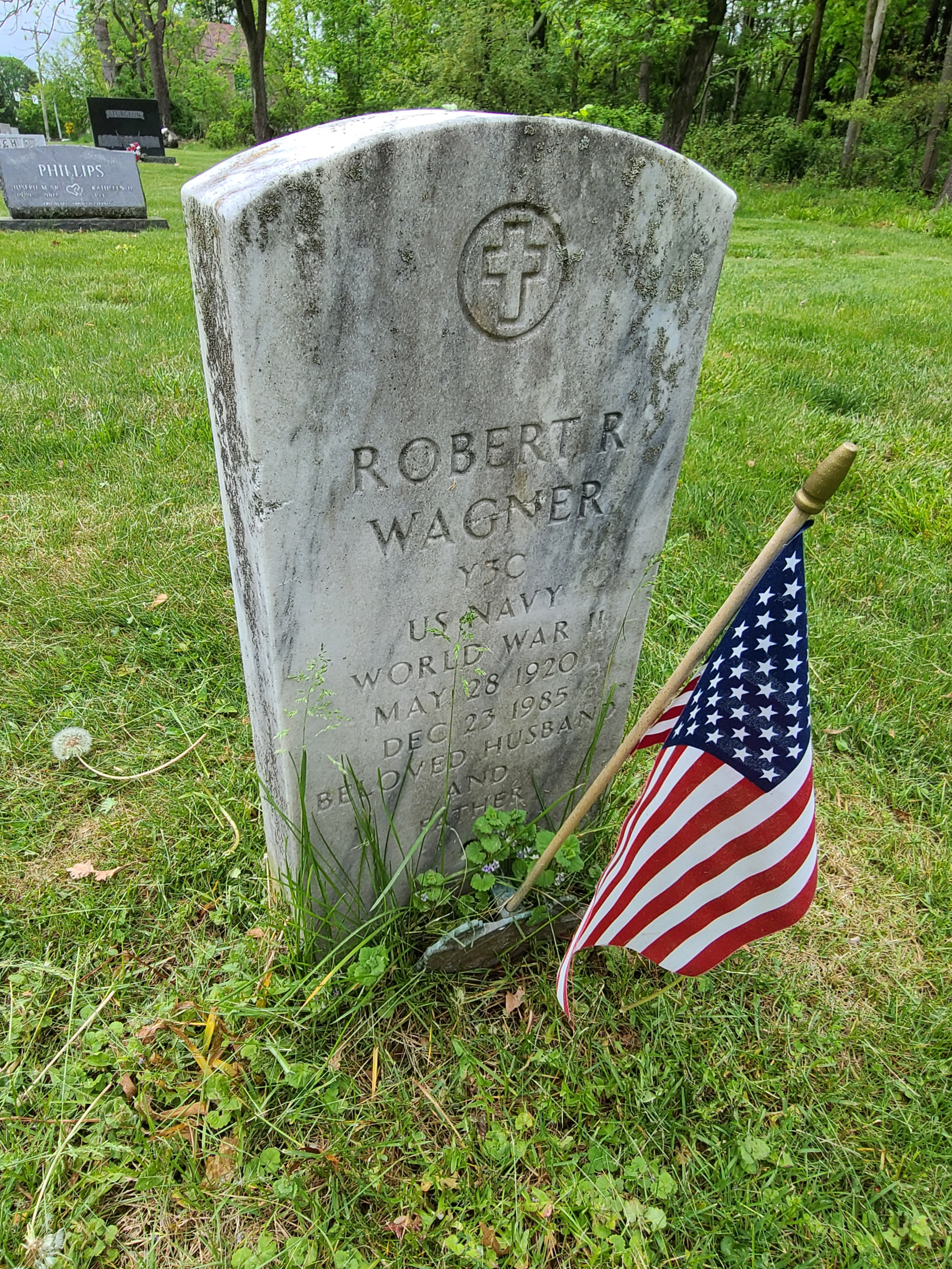
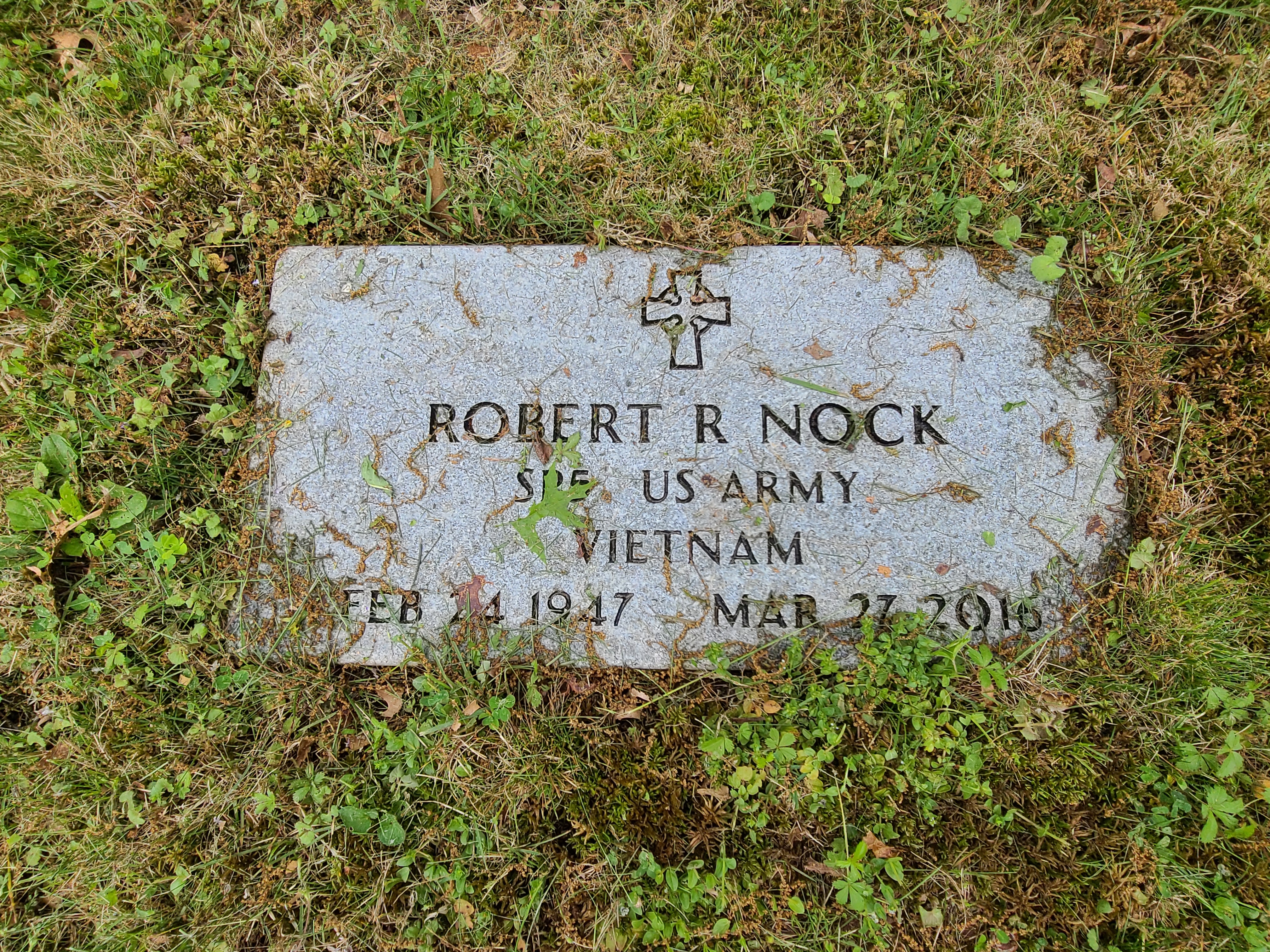
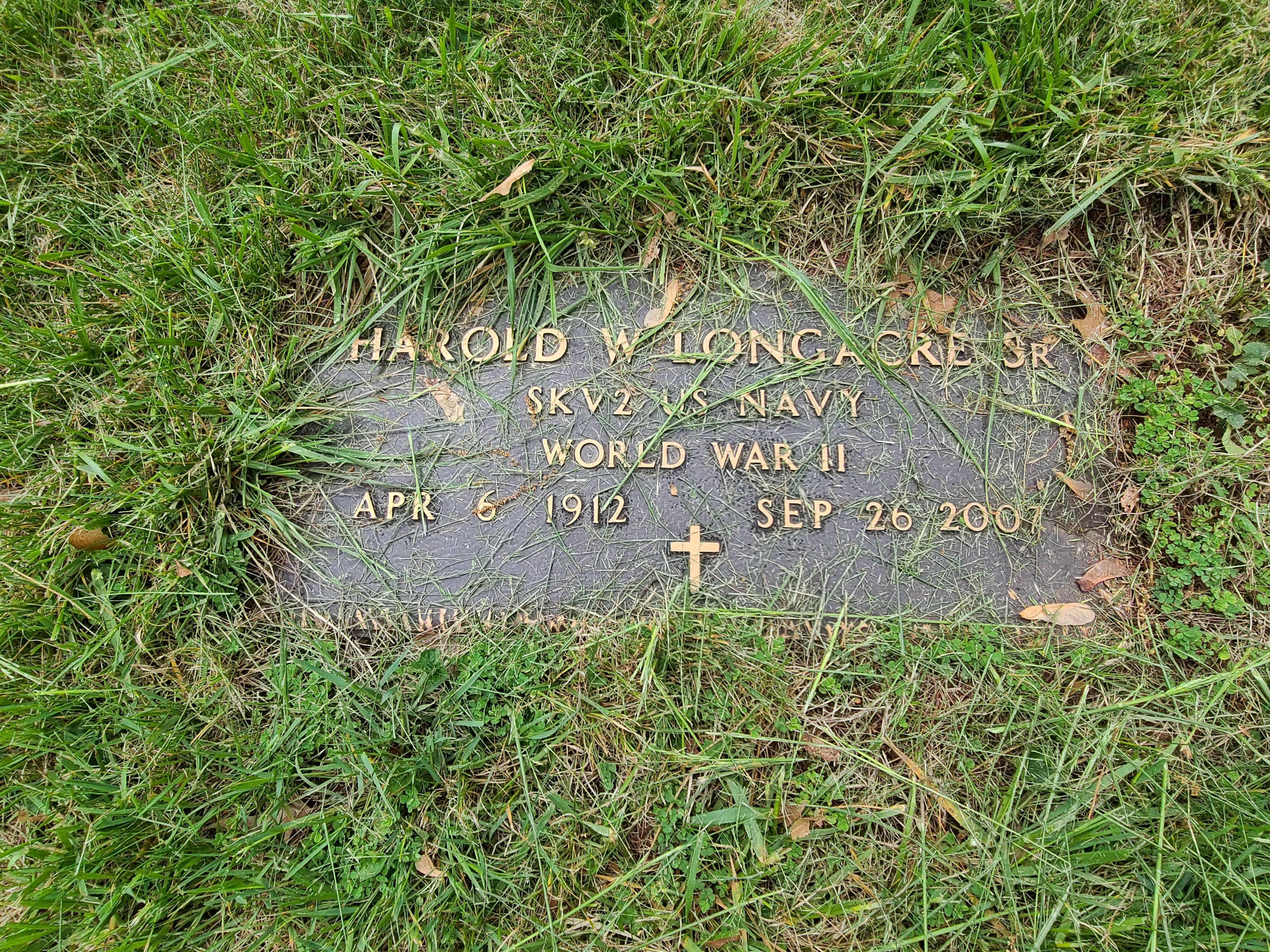
Robert R. Wagner (1920-1985), Navy-WWII / George W. Nock II (1916-1988), Army-Vietnam War / Harold W. Longacre Sr. (1912-2007), Navy-WWII / Robert A. Lang (1927-2022), Navy-WWII
St. Timothy’s Episcopal Church – Roxborough PA




Lt. Orlando Henderson Petty (1874-1932) is a recipient of the Medal of Honor for his fearless efforts in the Medical Corps while serving with the 5th Regiment of the US Marines in France during World War I. He was also awarded the Distinguished Service Cross and Silver Star. A graduate of Thomas Jefferson University’s medical school, he later became a respected instructor.
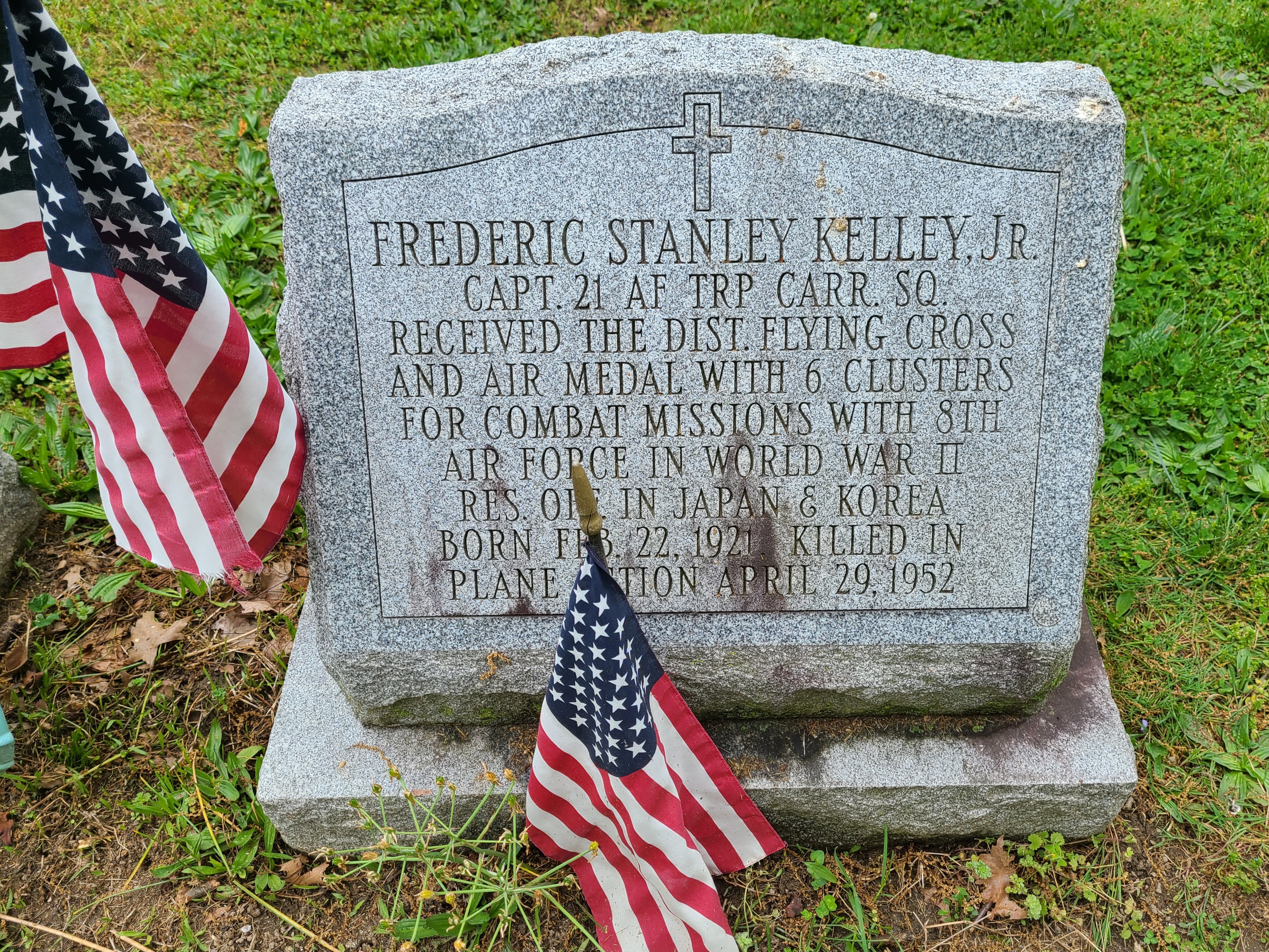
Capt. Frederic Stanley Kelley Jr. (1921-1952) served with distinction as a crew member of C-47A Skytrain transport with the 21st Troop Carrier Squadron, nicknamed “Kyushu Gypsies.” He was part of the 403rd Troop Carrier Wing (Provisional) during World War II. On April 29, 1952, his aircraft crashed into the sea; all eight on board perished.
Pvt. Edward T. Peters (1931-2003) served honorably in the US Army during the Korean War. For his bravery and sacrifice, he was awarded the Purple Heart.
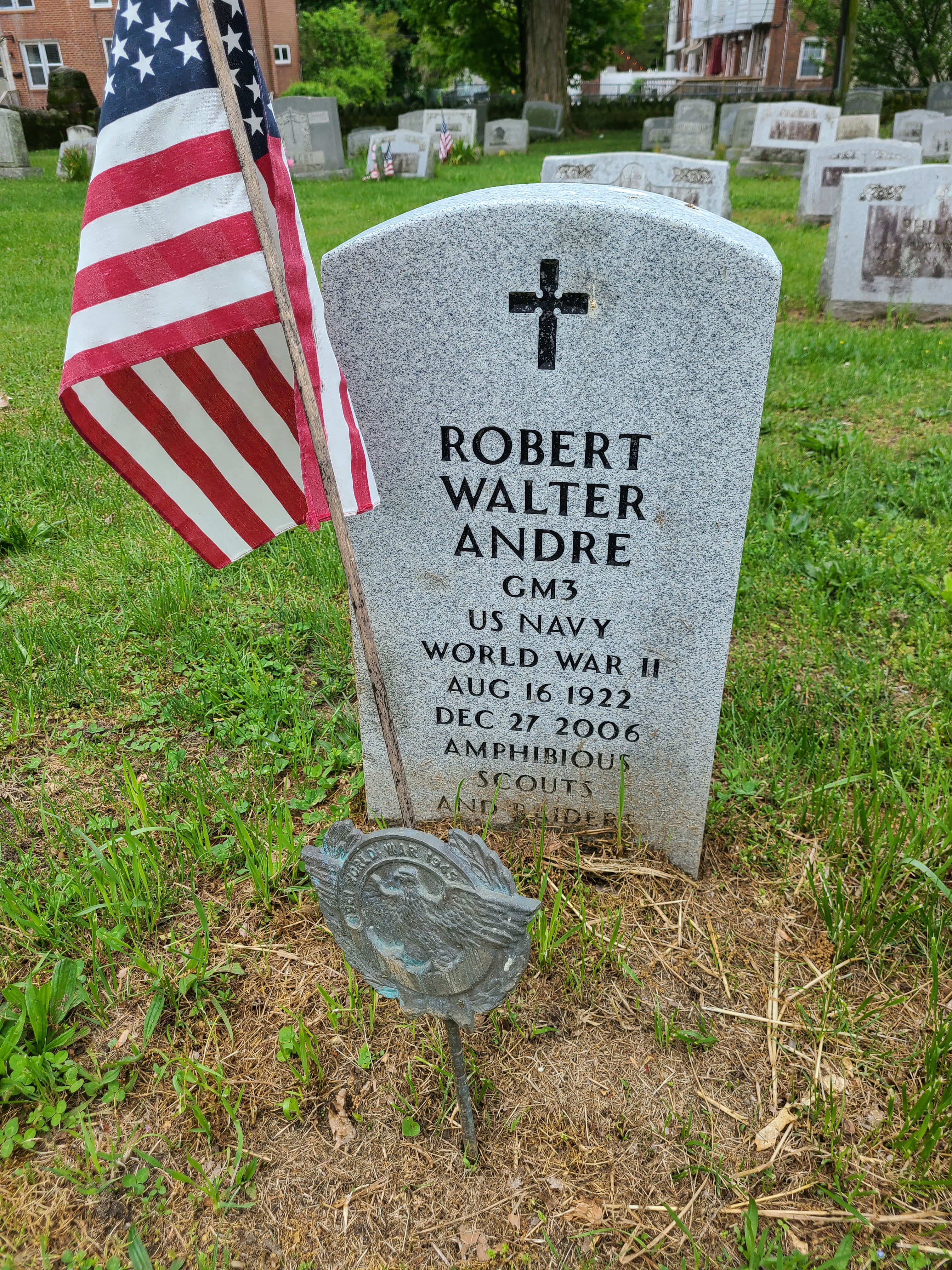
Robert W. Andre (1922-2006) served as a Gunner’s Mate during World War II. He was a member of the distinguished Amphibious Scouts and Raiders unit, which played a crucial role in studying and assessing prospective landing beaches for wartime operations.
Col. Paul Kalck Brown (1909-1985), Army-WWII / Leon Jumbelic (1903-1987), Army-WWII / George Lowery (1928-1990), Air Force-WWII / Sgt. John P. Augburger (1919-2009), Army-WWII
Shenkel United Church of Christ – North Coventry Township PA


David Pearson (1829- 1904) served the Union Army during the Civil War as a member of Company D of the 175th Pennsylvania Volunteers.
John Smith (1829-1916) as a member of Company C of the 175th Pennsylvania Volunteers, he served in the Union Army during the Civil War.
Pvt. George C. Fries (1839-1908) is a veteran of the Civil War, serving as a member of Company G of the 175th Pennsylvania Volunteers. His trade outside of war a farmer.
Pvt. Solomon S. Shaner (1844-1925) served in the Union Army during the Civil War as a member of the 32nd Pennsylvania Volunteer Infantry Regiment. The regiment was a vital component of the 2nd Brigade of the Pennsylvania Reserves division.
Elsie Shaner Feather (1885-1972) dedicated herself to serving her country as a registered nurse in the US Army Nurse Corps during World War I. The branch, one of six special medical corps, comprised solely registered nurses that provided essential medical care to wounded and supporting military operations.
Pvt. Russell Frey Feather (1894-1953) served his country during World War I as a member of Headquarters Company of the 316th Infantry Regiment, a part of the 79th Infantry Division of the American Expeditionary Forces. His wife, Elsie Shaner Feather, was a member of USANC.
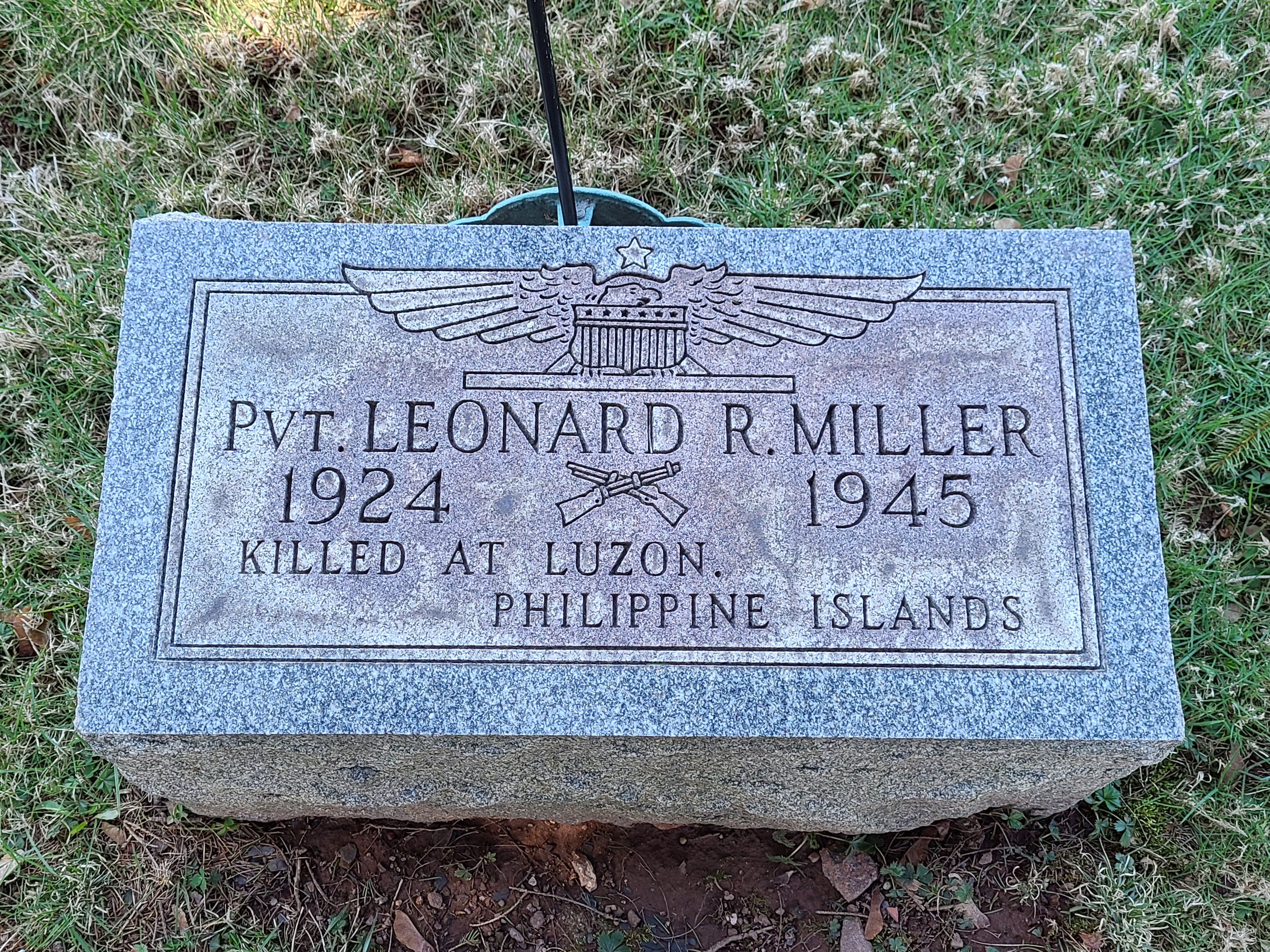
Pvt. Leonard Russell Miller (1934-1945) bravely gave his life during the Battle of Luzon in the Philippines, a pivotal engagement of World War II. Serving with the 43rd Infantry Division, he stood among many heroes who fought one of the most significant conflicts in history.
Christ Evangelical Congregational Church Cemetery, Schwenksville PA
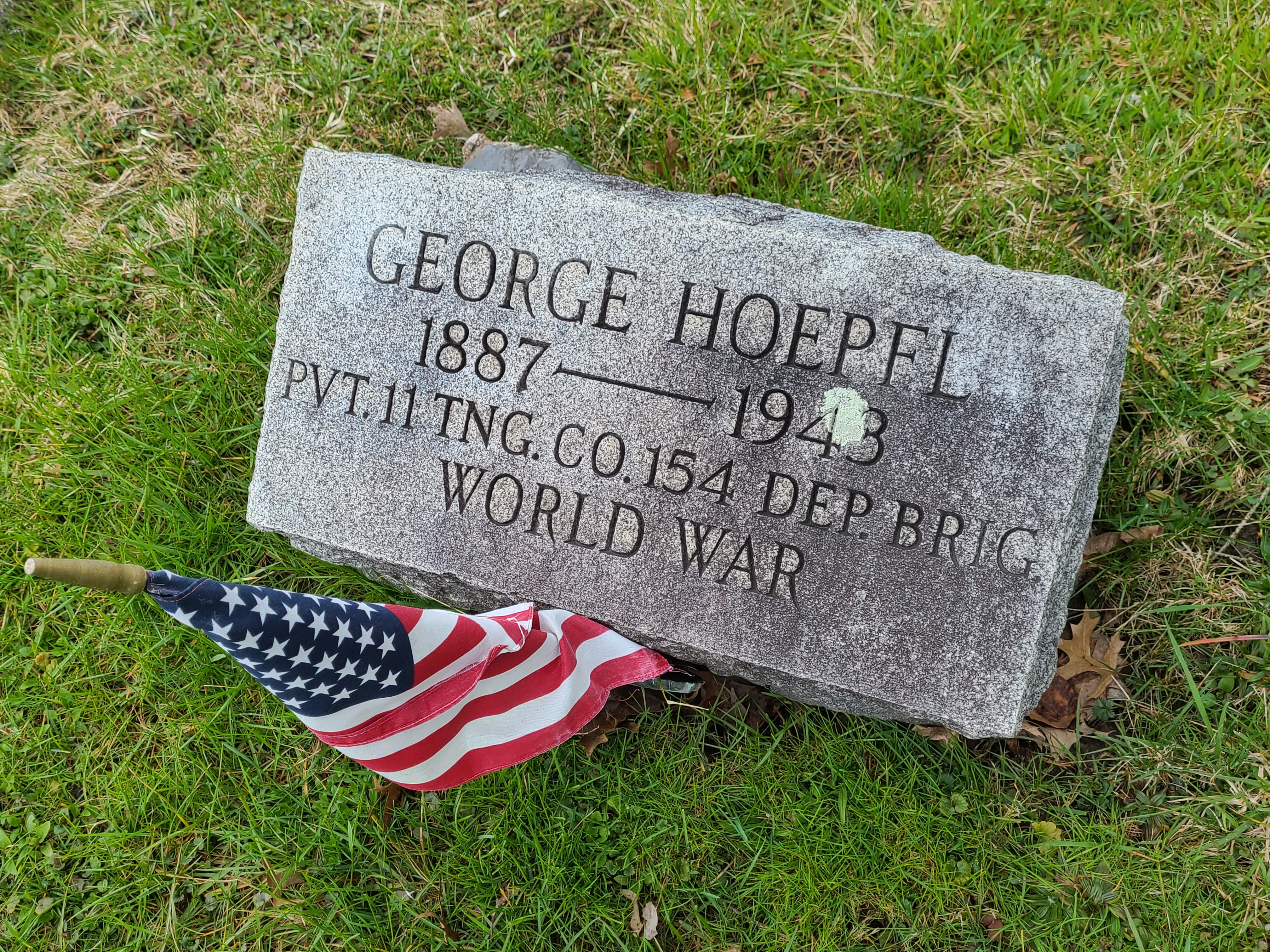




Pvt George Haberer Hoepfl (1887-1943), Army-WWI served as a member of the 154th Depot Brigade at what was then Camp Meade (now Fort Meade). In his role, he assisted in receiving and organizing recruits before deploying to the front line in France.
Dean Harold Myers (1949-2002) served in the Army during the Vietnam War and received a Purple Heart for wounds sustained in hostile action on March 8, 1970. Myers spent over a year in recovery. Despite this, he graduated with a degree in civil engineering from Penn State University and relocated to northern Virginia. Tragically, he was one of the ten victims of the DC Beltway Sniper, killed while pumping gas near his office.
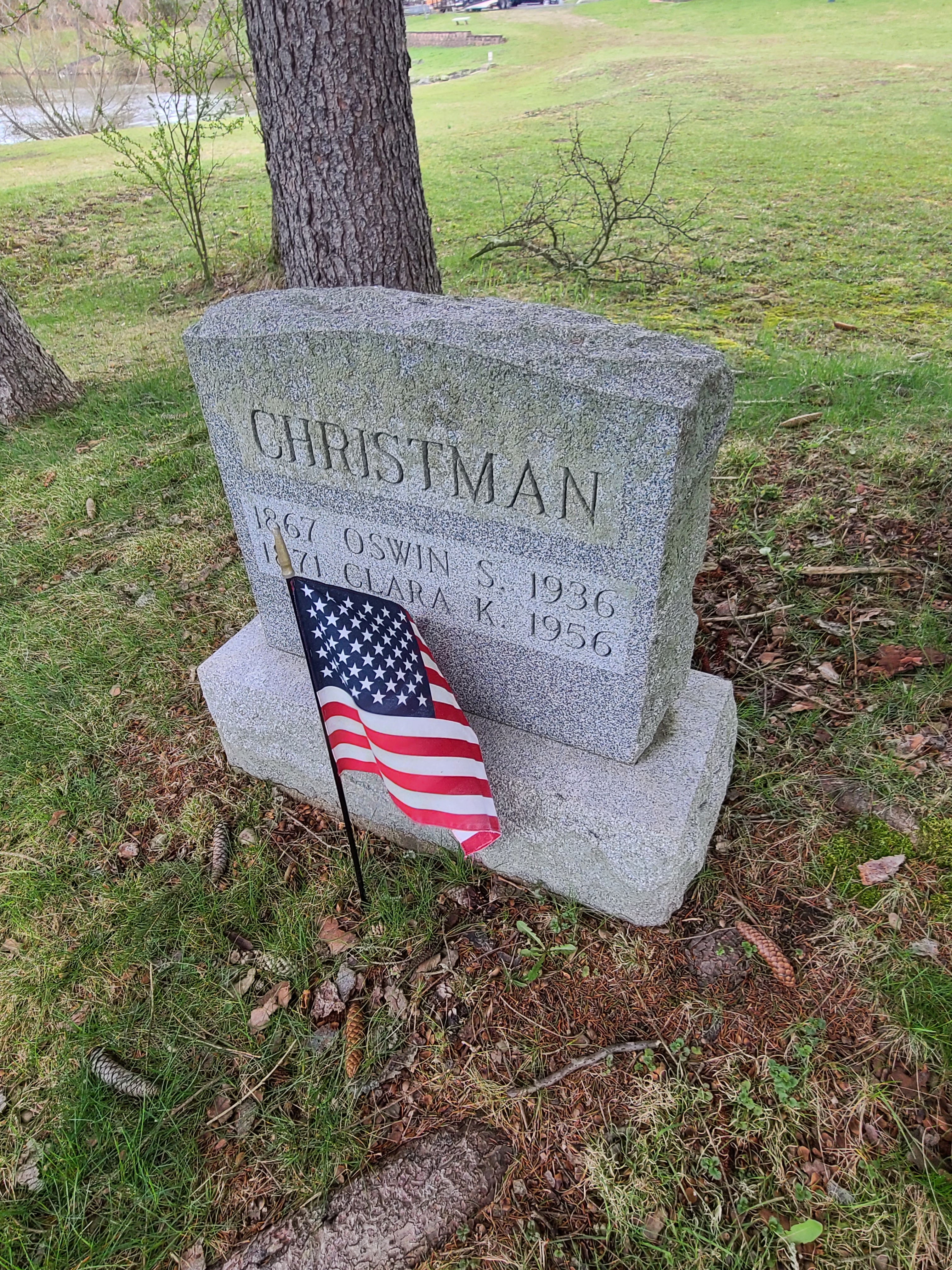
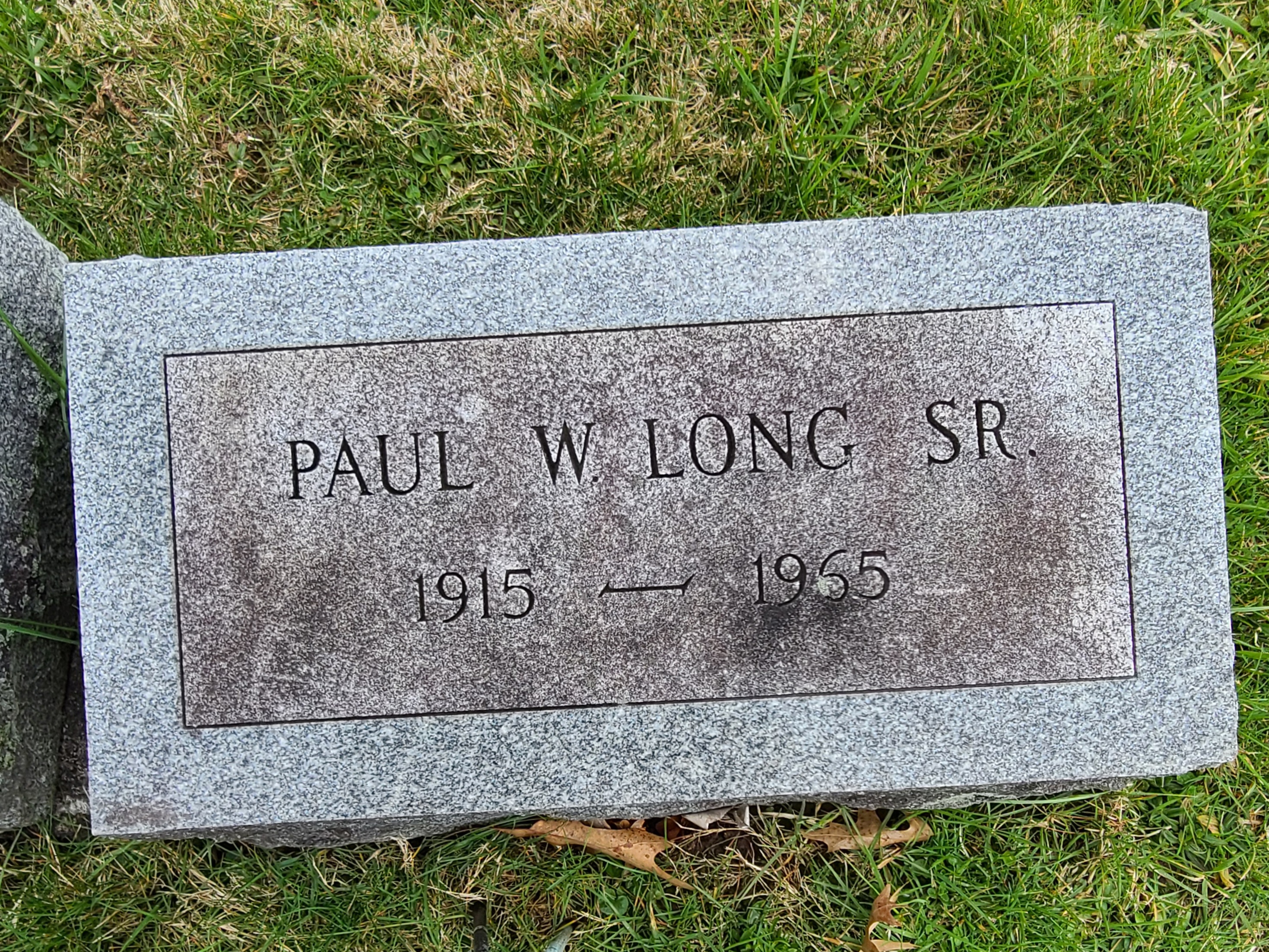
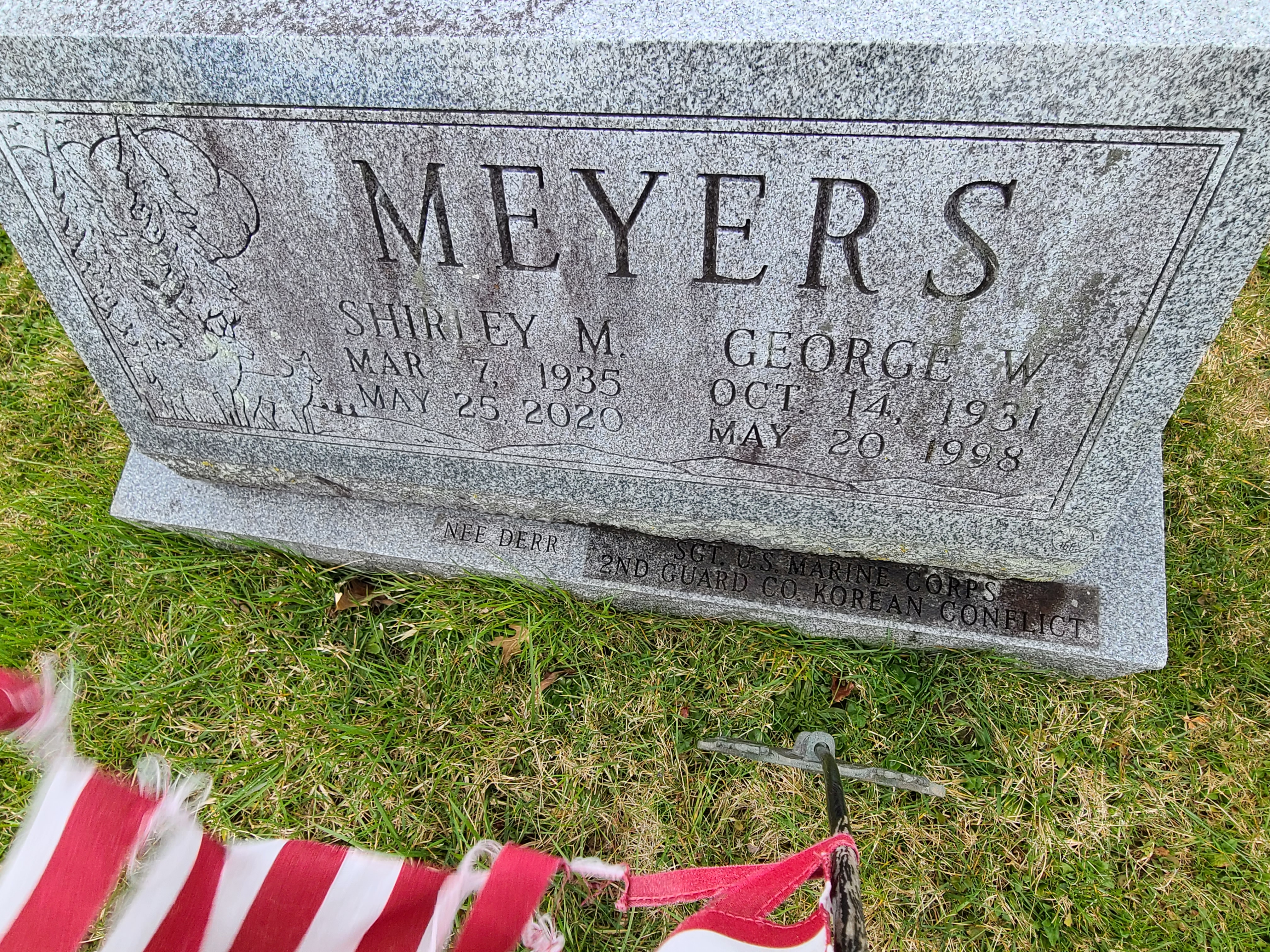
Oswin K. Schwenk (1852-1938) / Oswin Smith Christman (1867-1936) / Pvt. Robert L. Smith (1892-1958), Army-WWI / Paul W. Long Sr. (1915-1965), Army-WWII / Ens. Donald D. Kroninger (1925-1983), Navy-WWII & Korean War / Sgt. George W. Meyers (1931-1998), Marines-Korean War
Augustus Lutheran Church Cemetery, Trappe PA



Benedict Garber (1732-1817), Army-Revolutionary War served in the Revolutionary War after immigrating to America as a boy from Alsace, Germany. He bravely fought as a member of Captain Jacob Peterman’s 4th Company, 6th Battalion.
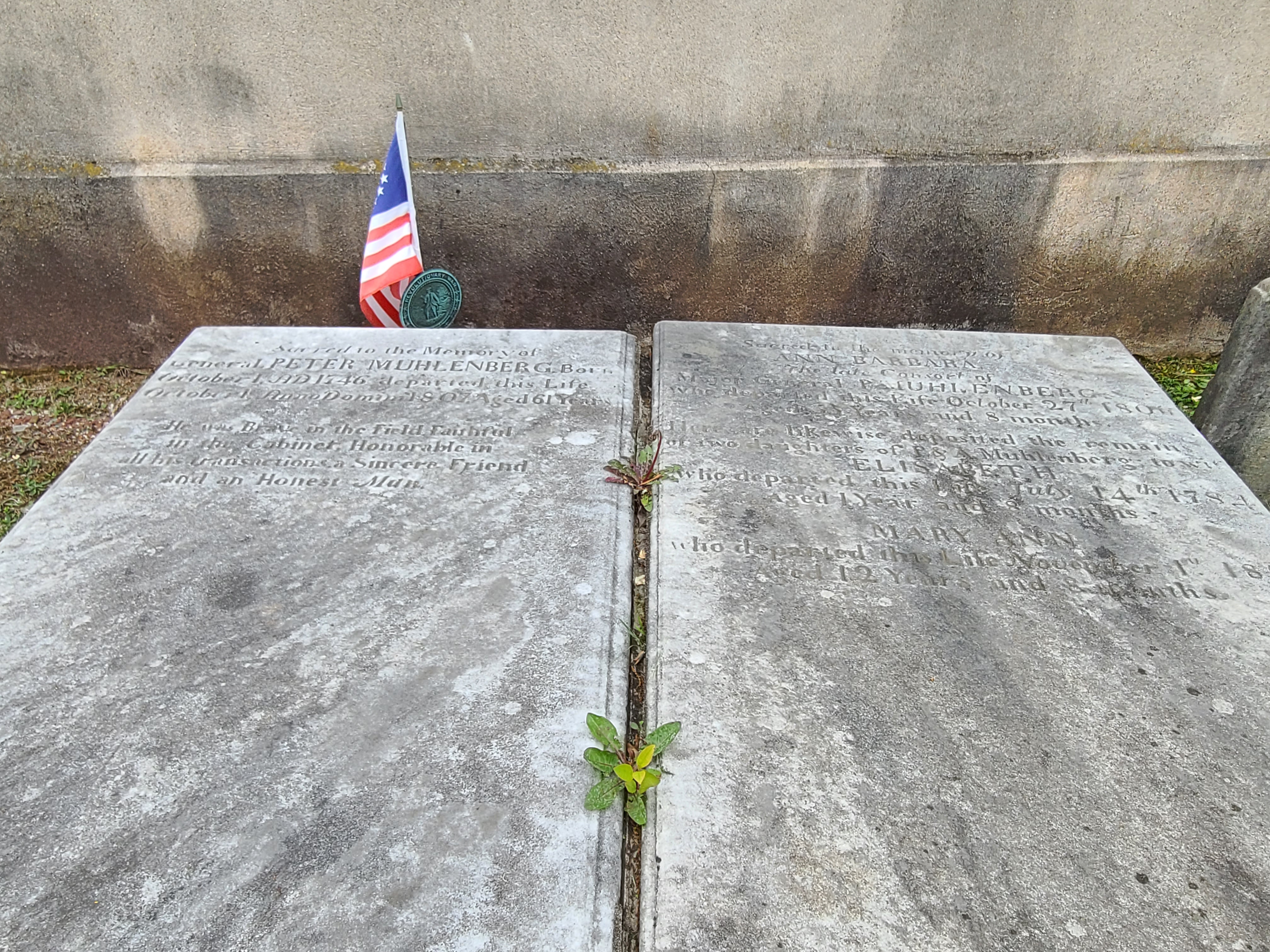
John Peter Gabriel Muhlenberg (1746-1807), Army-Revolutionary War served as Commander of the 8th Continental Army Regiment at the personal request of General George Washington. He distinguished himself in numerous battles, including Brandywine, Germantown, Monmouth, and Yorktown. Transitioning to politics after the war, he served three separate terms as a congressman before a brief tenure as a senator. Dedicated to public service, he assumed the role of Collector of Customs until his death.
Pvt James Warren Essig (1840-1862), Army-Civil War an active member of the 129th Pennsylvania Volunteer Infantry that served the Union Army. He died at twenty-two of typhoid fever.
Samuel C. Daug (1891-1933), Army-WWI committed to service in the Medical Corps stationed at Camp Hancock, a vital training camp for the Pennsylvania National Guard. Tragically, he was struck by a train on the Reading Railroad. His death was ruled accidental when he was found near the Linfield-Limerick station.
Henry Fox (unknown-1820), Army-Revolutionary War / Johannes Wagenseiler (1737-1799), Army-Revolutionary War / Lewis T. Miller (1746-1826), Army-Revolutionary War / Pvt. Valentine V. Bolig (1749-1813), Army-Revolutionary War / Charles Yost (1846-1907), Army-Civil War
Keeleys Church Cemetery, Schwenksville PA







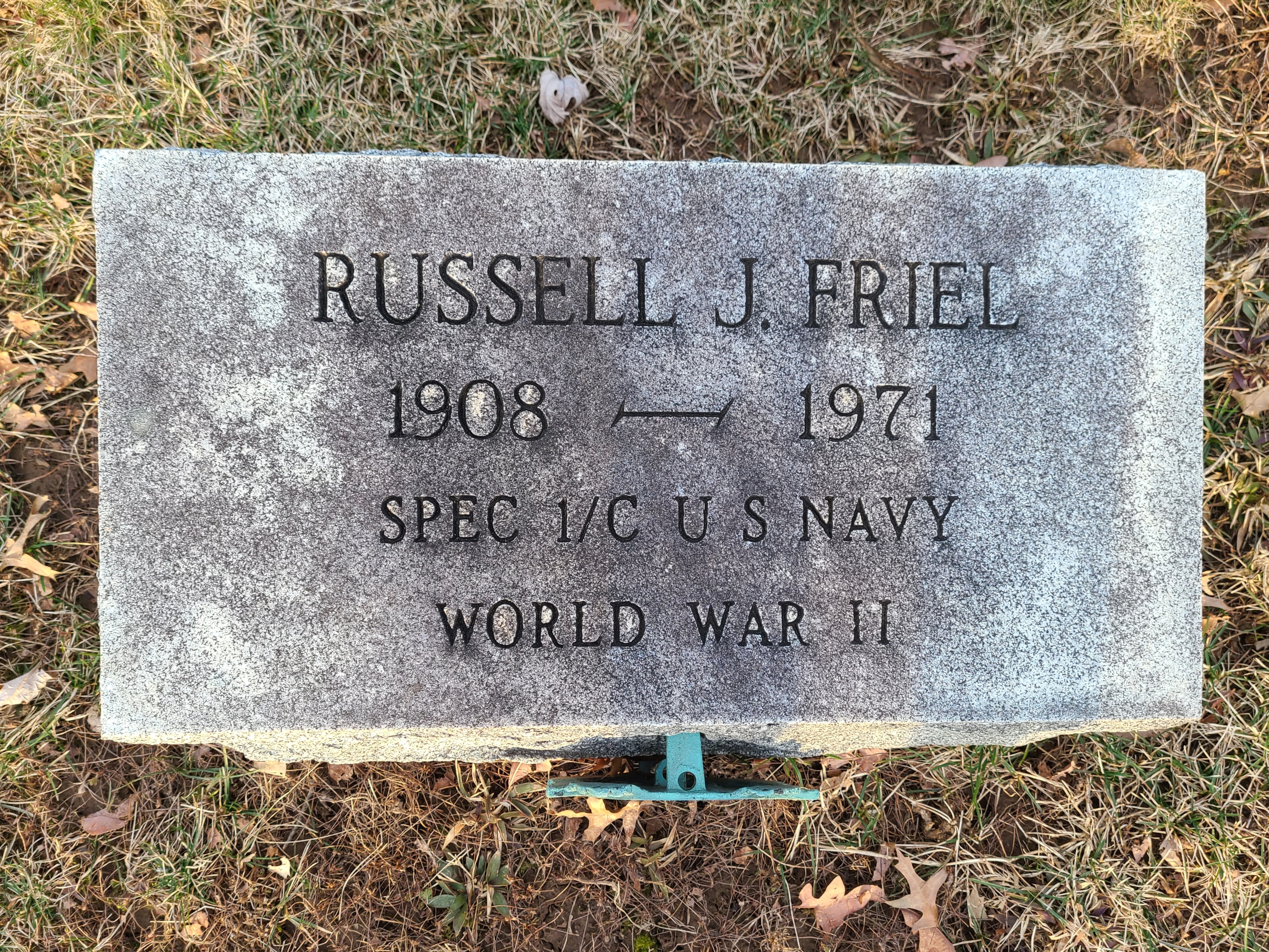
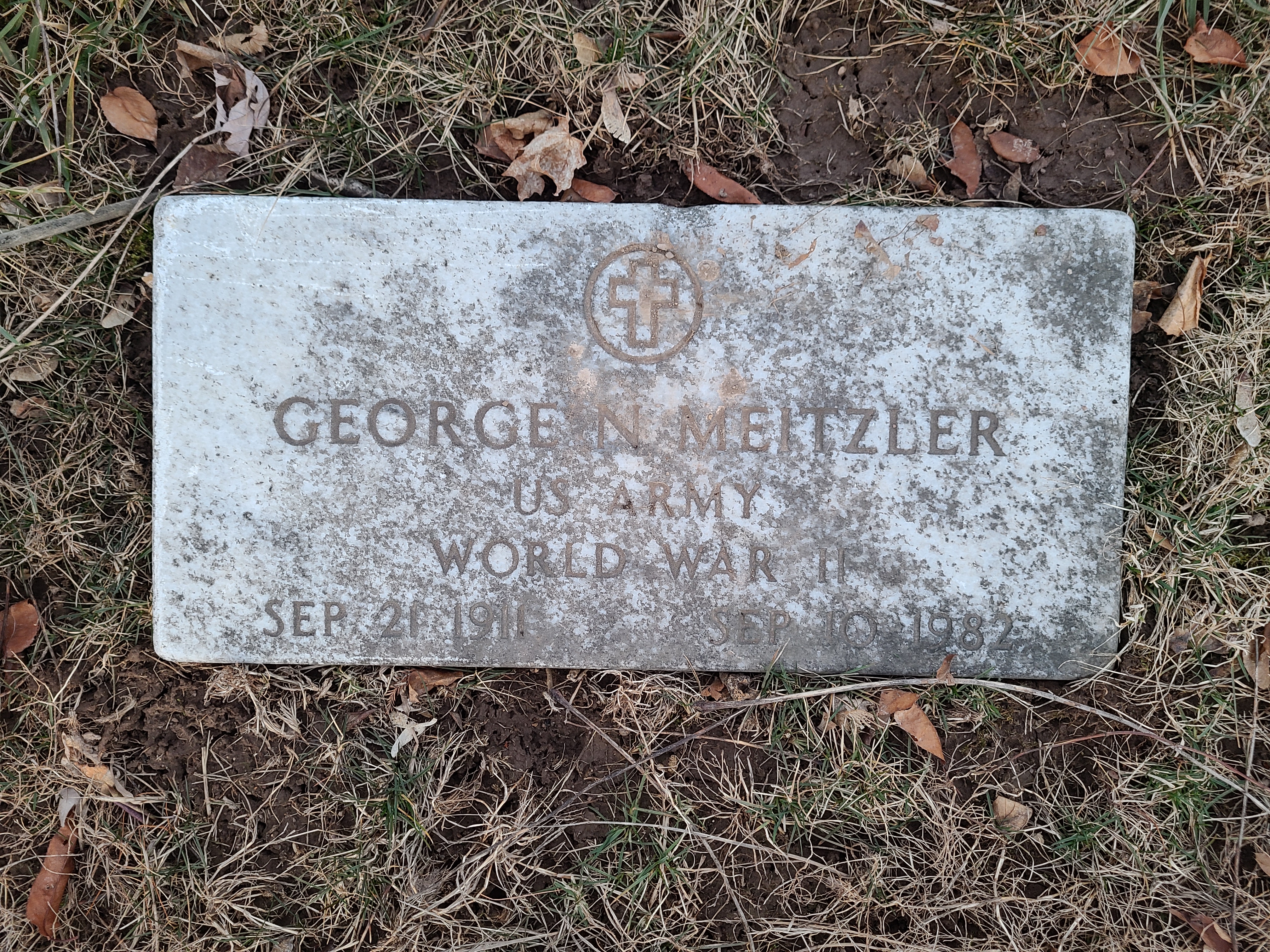
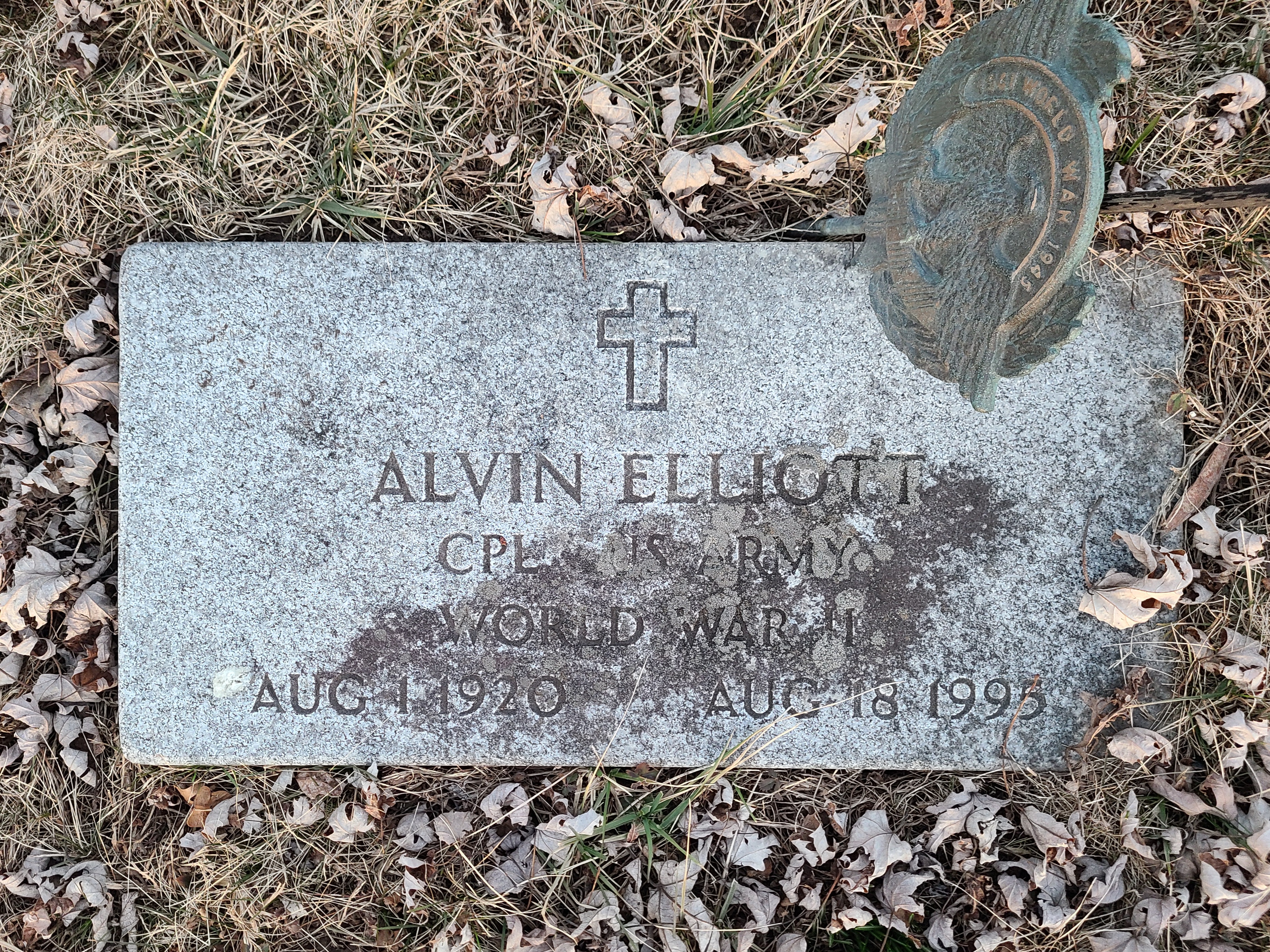
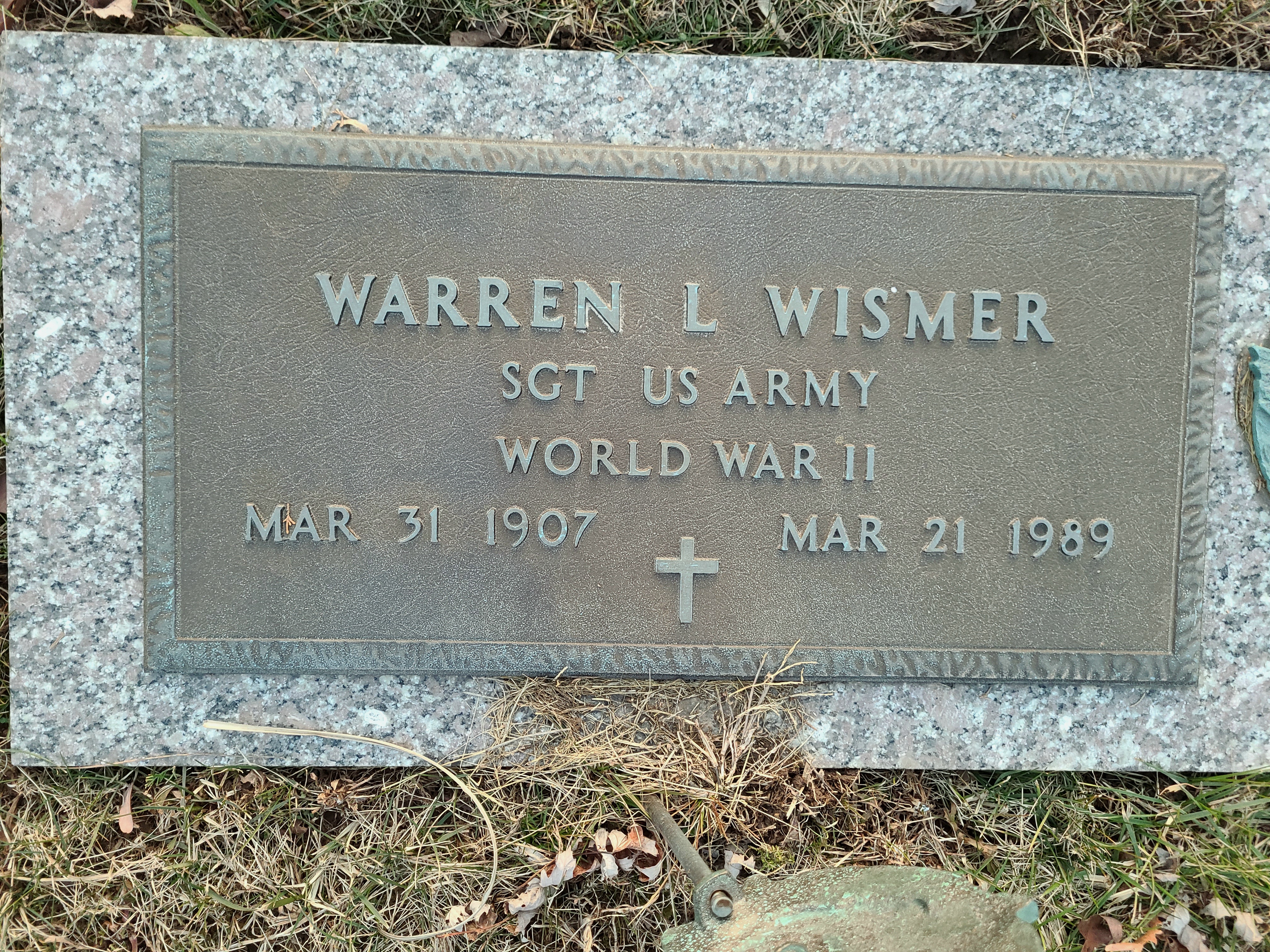
Carl Stottmeister (1834-0911), Army-Civil War a dedicated soldier in Company A of the 12th Regiment Pennsylvania Cavalry. He and his wife Louisa and daughter Bertha lived in my house.
Jacob H. Umstead (1842-1918), Army-Civil War served as a member of the 51st Pennsylvania Volunteer Infantry.
William Frederick Ludwig Sr. (1846-1921), Army-Civil War fought as a member of the 75th Regiment Pennsylvania Infantry. He was wounded in The First Battle of Bull Run and later fought at The Battle of Gettysburg.
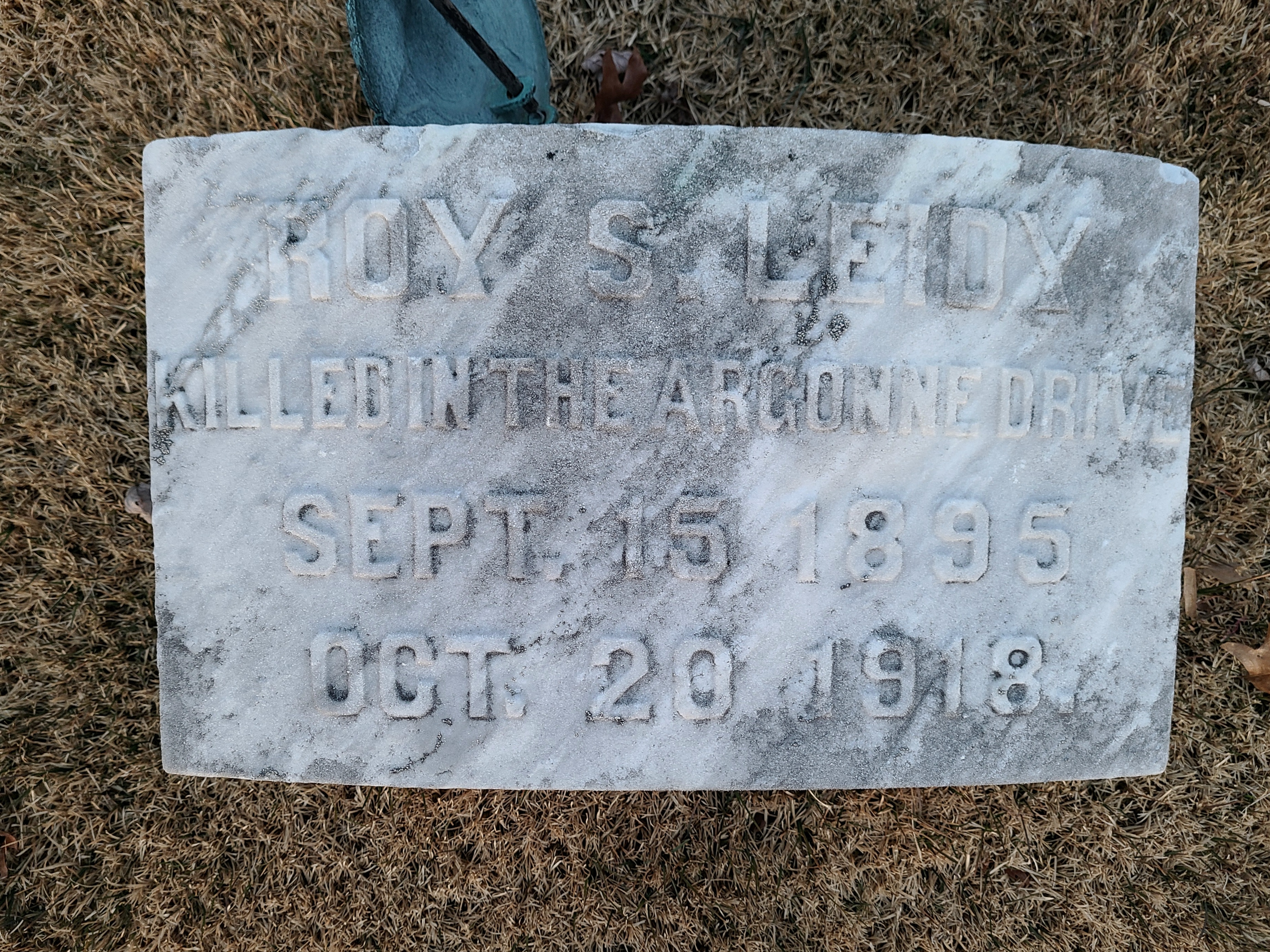
Roy S. Leidy (1895-1918), Army-WWI was killed in battle during the Meuse-Argonne Campaign, one of the largest offensives in American military history.
John F. Hammond (1916-1972), Army-WWII was a dedicated soldier who served with distinction in the 391st Bomb Squadron. His exceptional bravery and skill were recognized with the Distinguished Flying Cross and Air Medal with three oak leaf clusters.
Pvt. Francis A. Cressman (1919-1942), Army-WWII was a Military Police officer with the 1319th Service Unit.
Charles W. Medinger (1920-1964), Army-WWII served as a member of the 247th Engineer General Service Regiment. Before his death, he served as a member of the Gilbertsville and Schwenksville Fire Companies.
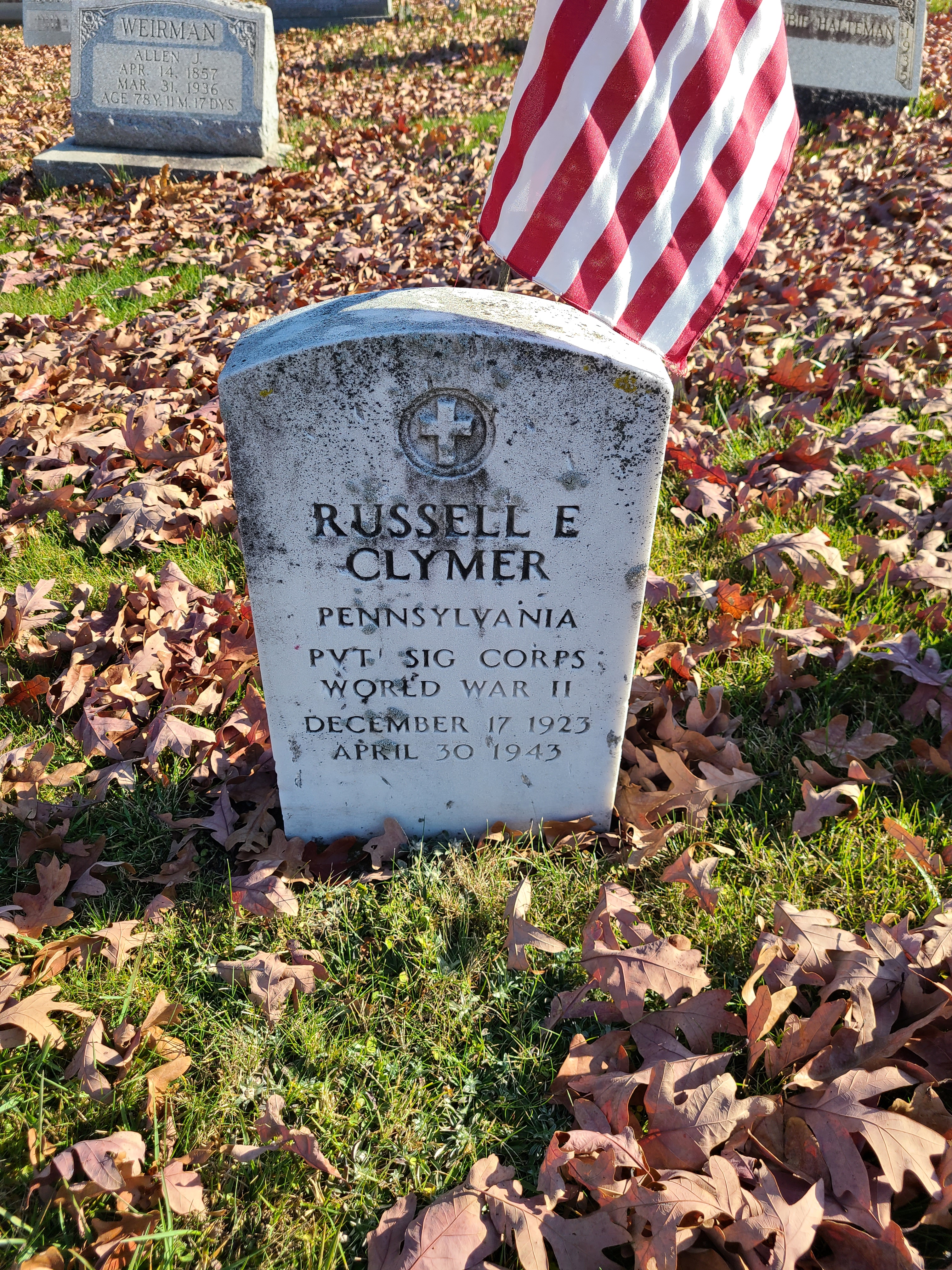
Pvt. Russel E. Clymer (1923-1943), Army-WWII was exemplified for bravery and sacrifice as a member of the Signal Corps. His valor was recognized with the award of the Silver Star. He gave his life in the line of duty.
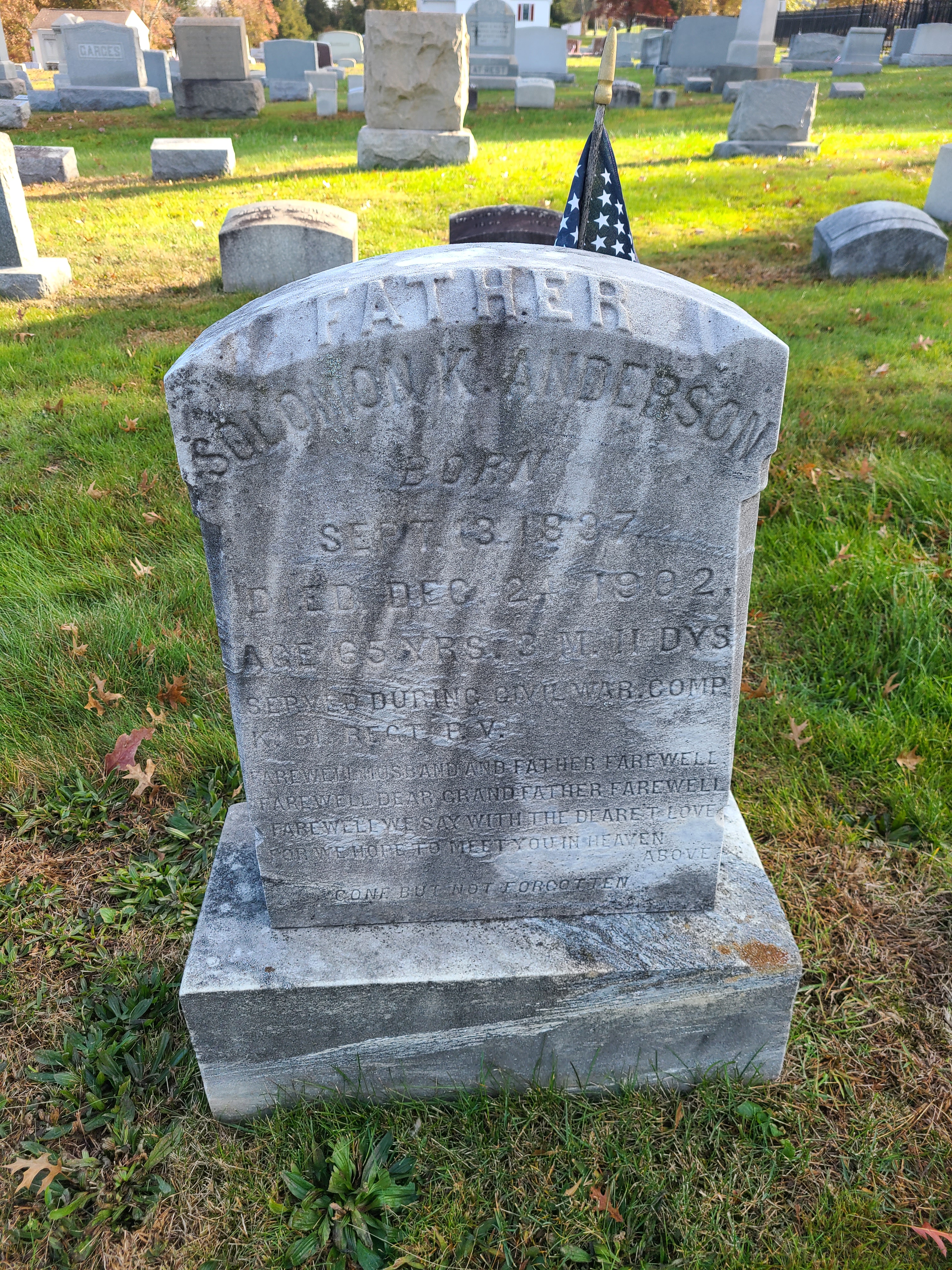
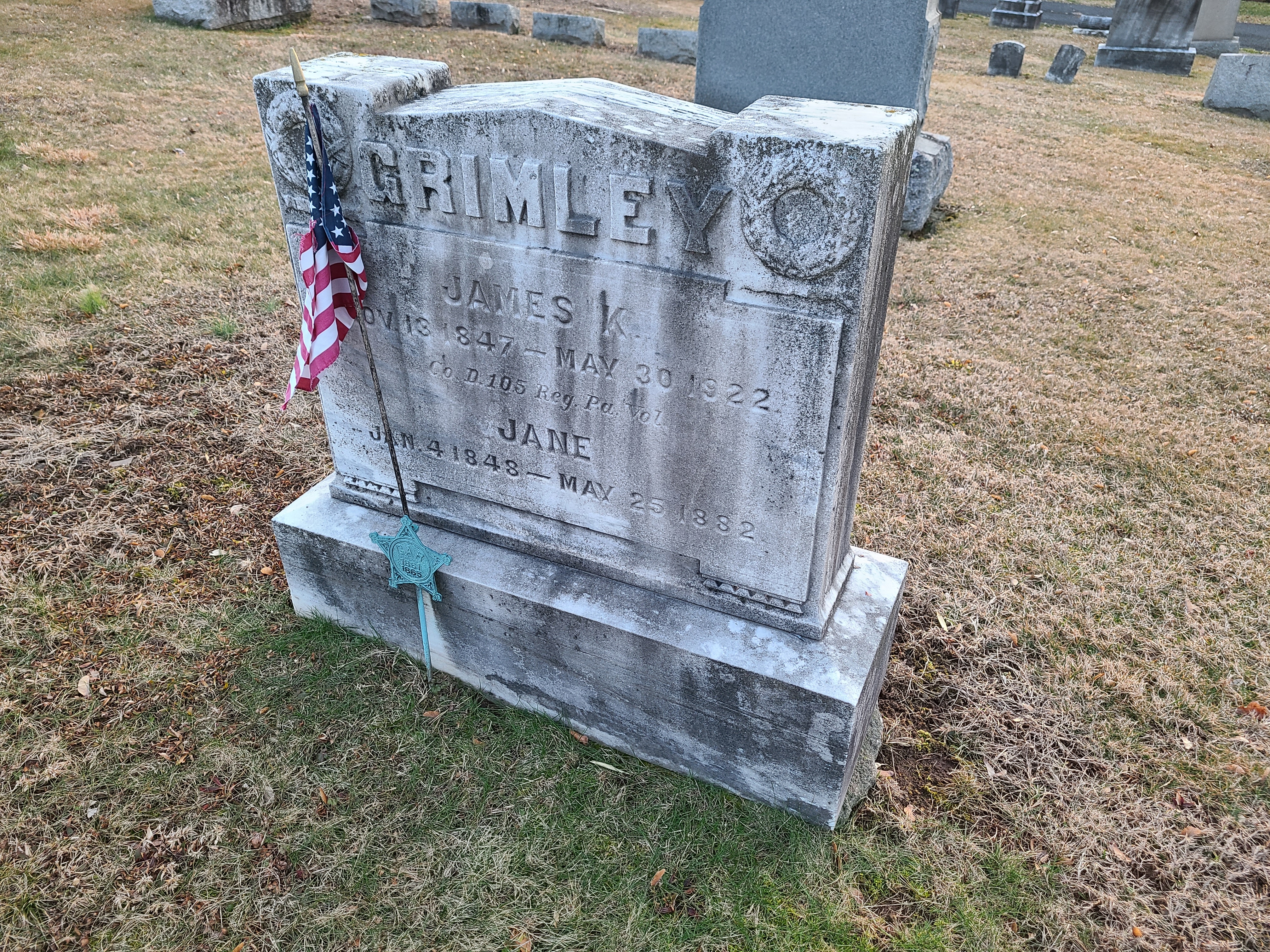
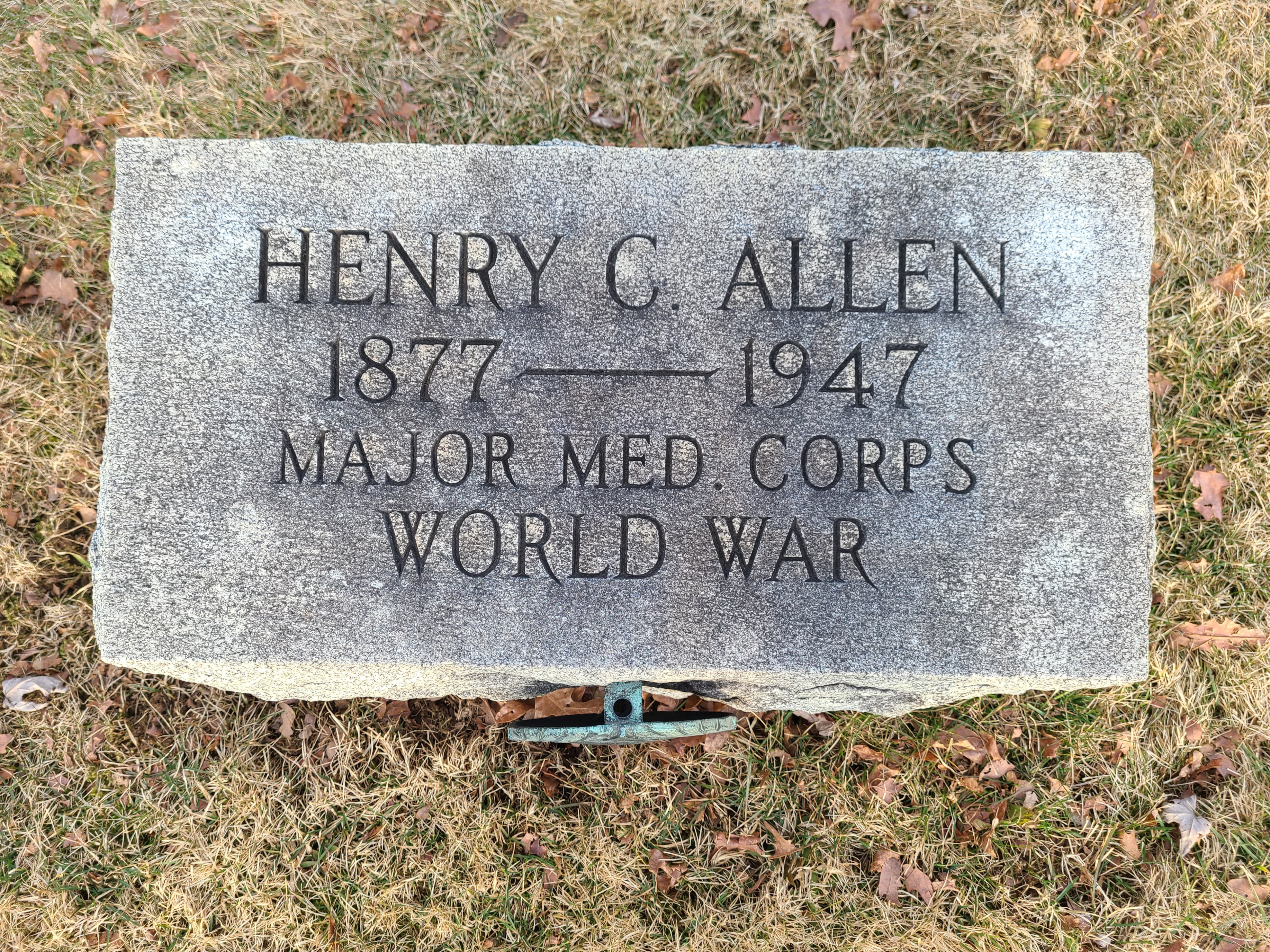
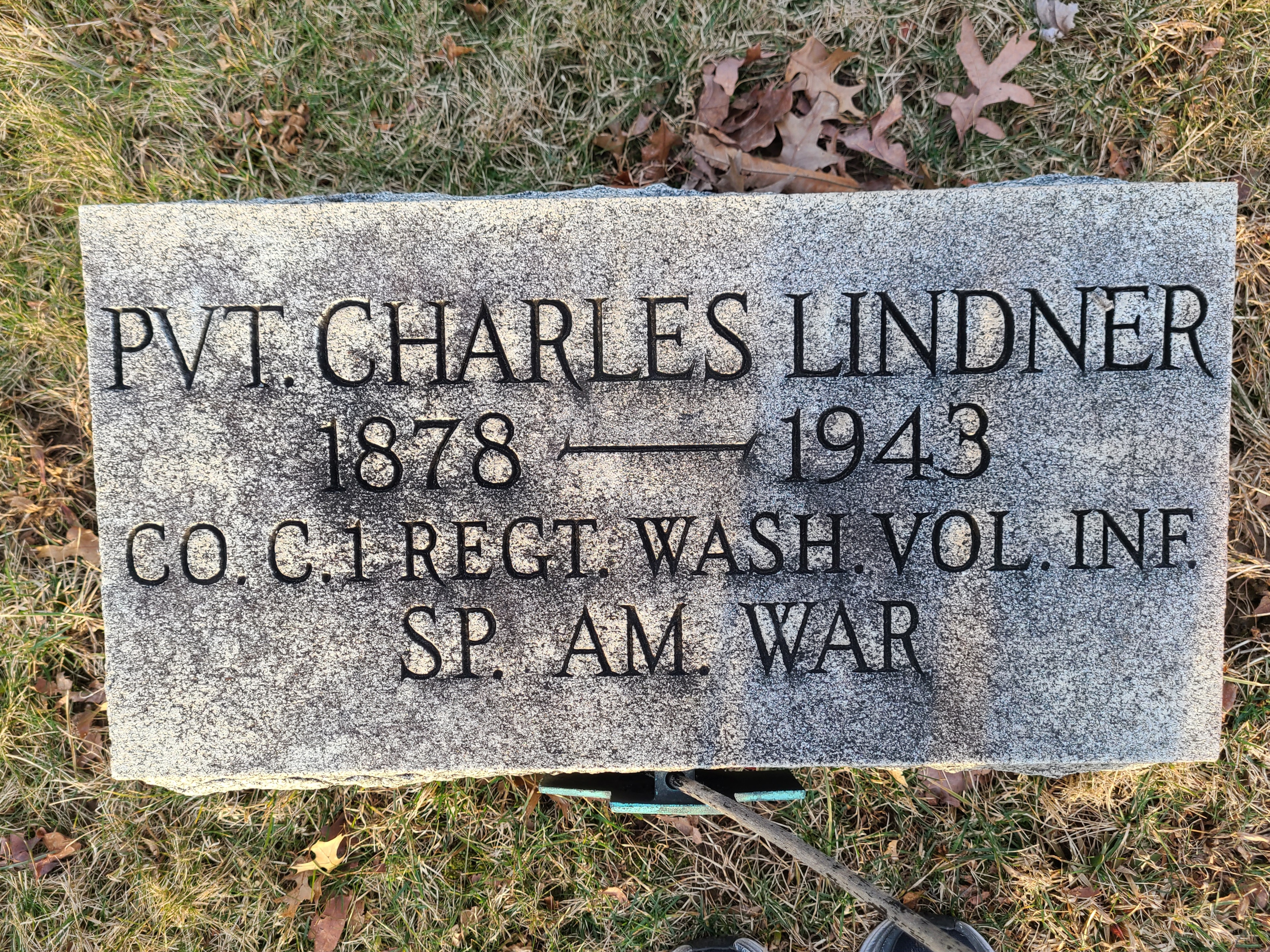
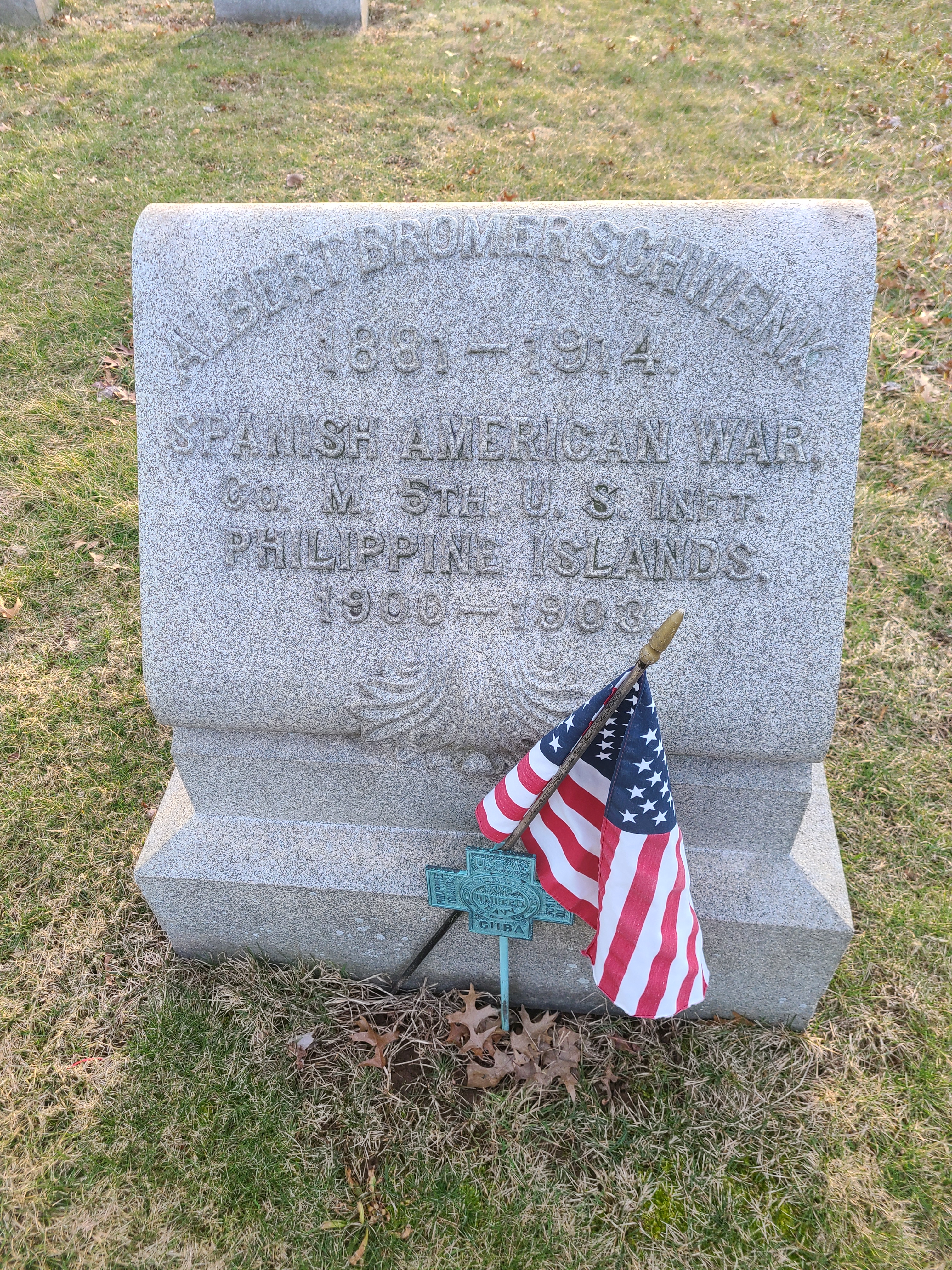
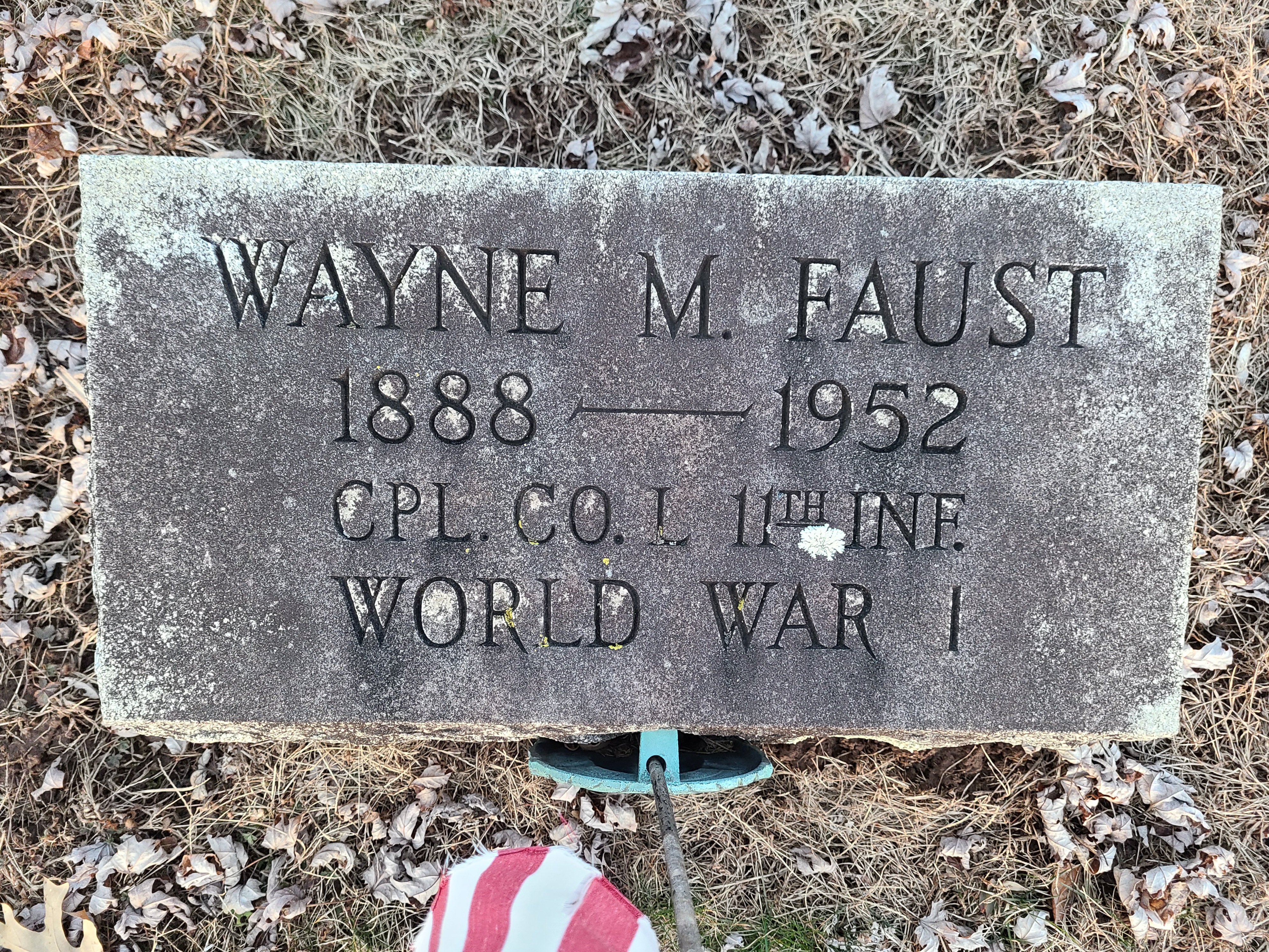
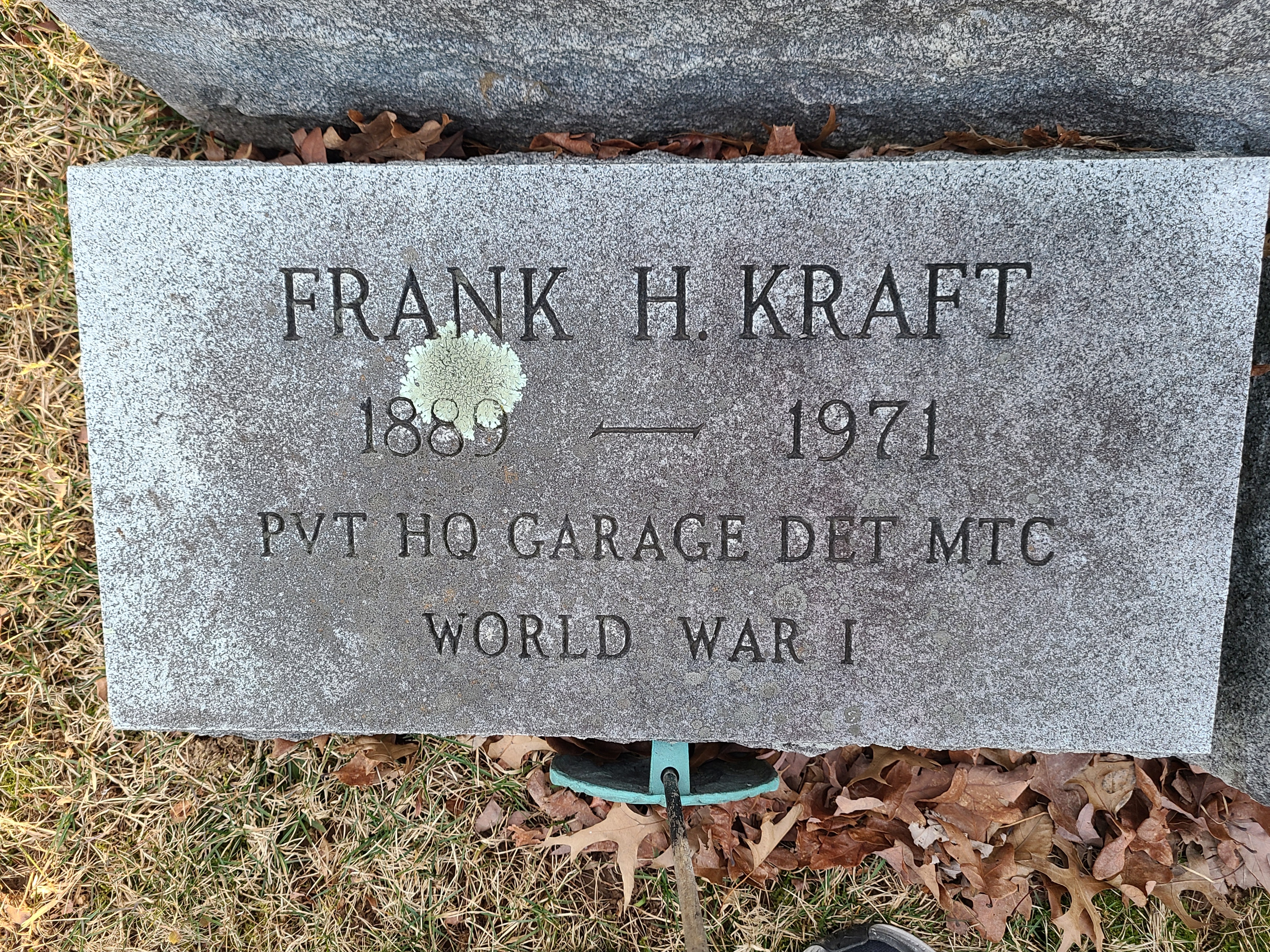
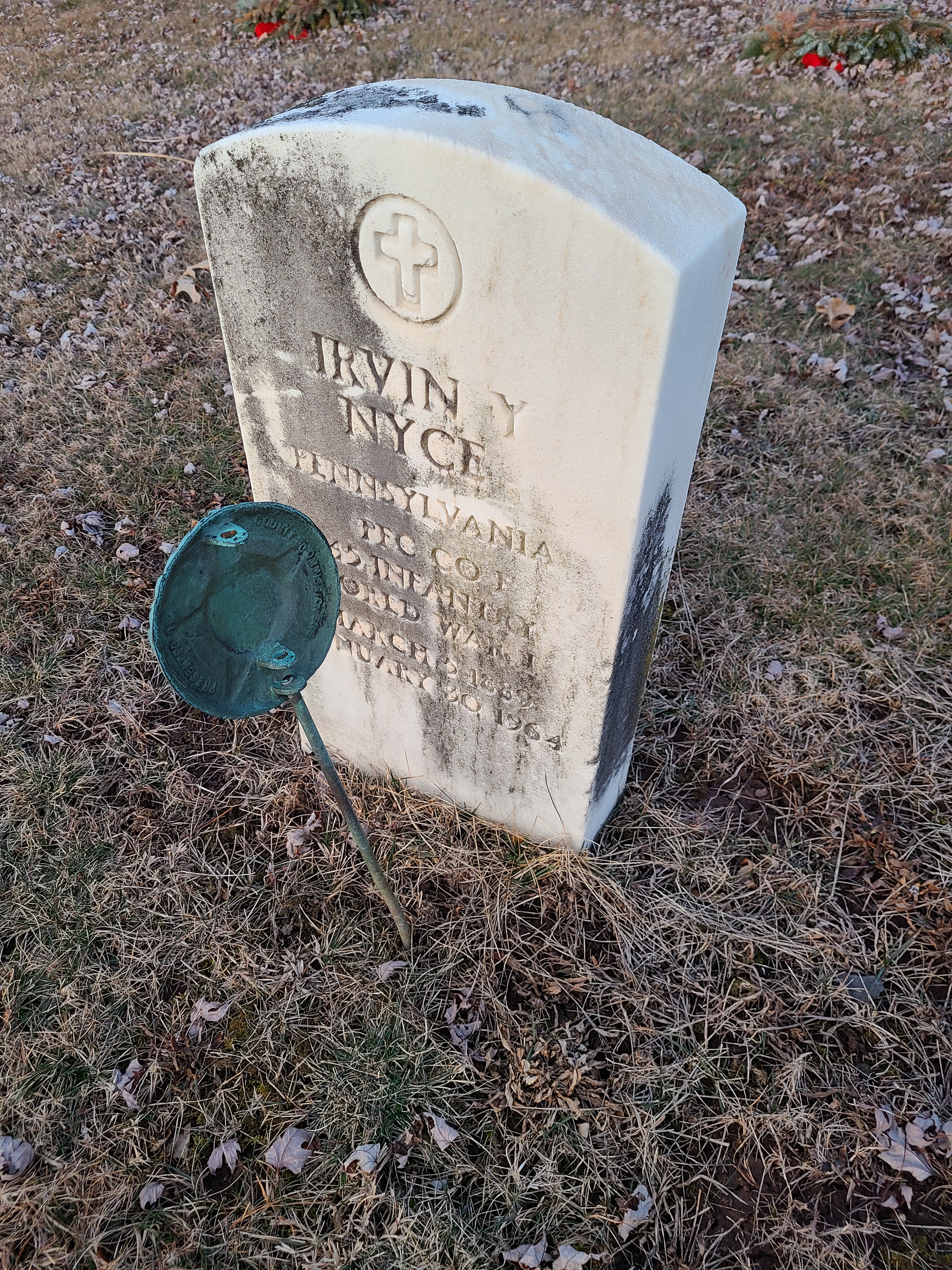
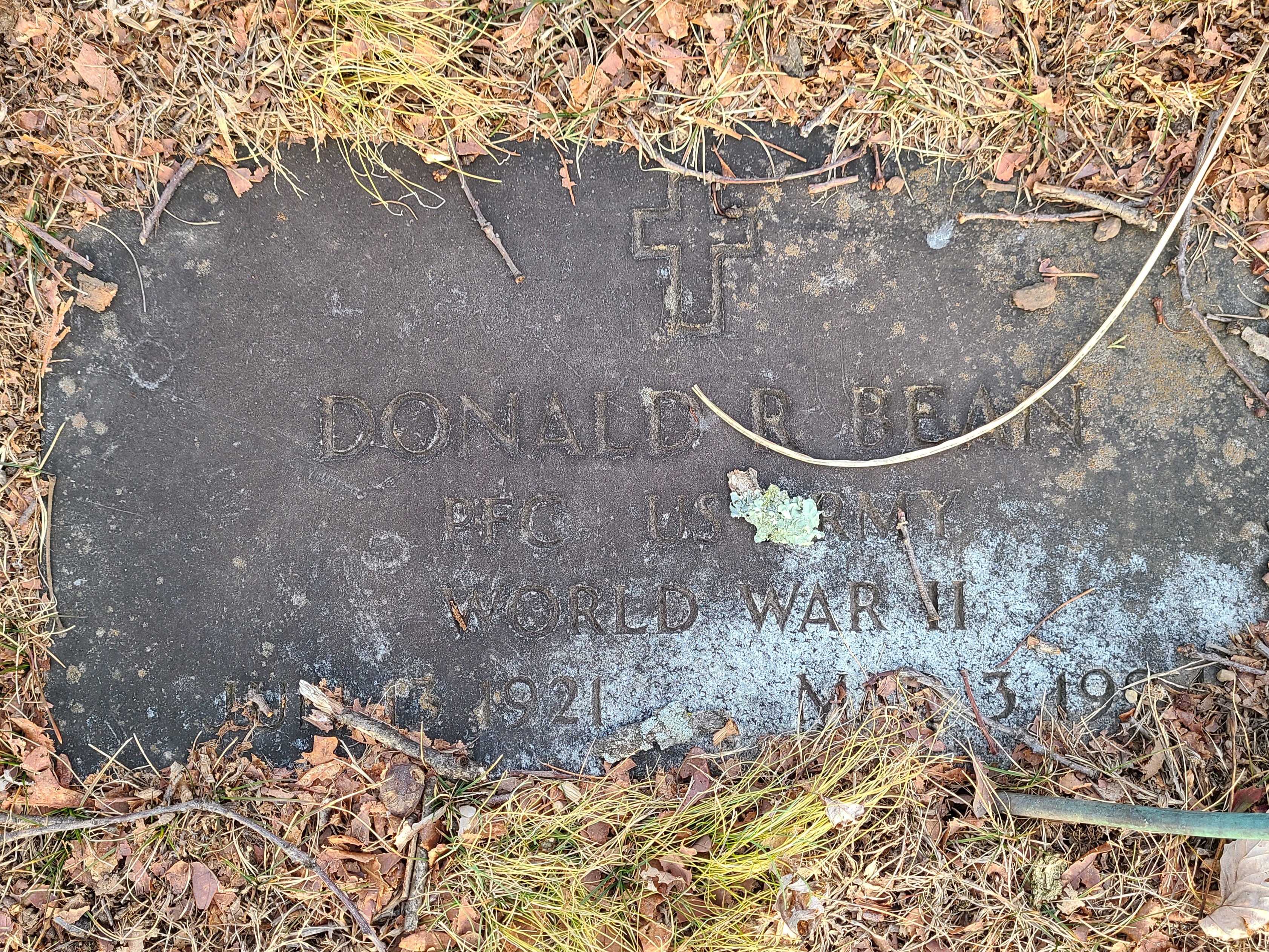
Solomon K. Anderson (1837-1902), Army-Civil War / James K. Grimley (1847-1922), Army-Civil War / Dr. Henry Croskey Allen (1877-1947), Army-WWI / Charles Lindner (1878-1943), Army-Spanish American War / Albert Bromer Schwenk (1881-1914), Army-Spanish American War / Wayne Mayberry Faust (1888-1952), Army-WWI / Frank H. Kraft (1889-1971), Army-WWI / Irvin Y. Nyce (1889-1964), Army-WWI / George S. Tyson (1890-1994), Army-WWI / Grover C. Fitzgerald Sr. (1891-1974), Army-WWI / William Henry Seip (1895-1939), Army-WWI / Sgt. Warren L. Wismer (1907-1989), Army-WWII / Sgt. Charles P. Schwenk (1910-1993), Army-WWII / Russell J. Friel (1908-1971), Navy-WWII / George N. Meitzler (1911-1982), Army-WWII / Alvin Elliott (1920-1995), Army-WWII / Donald R. Bean (1921-994), Army-WWII
Forest Glade Cemetery, Wakefield MA
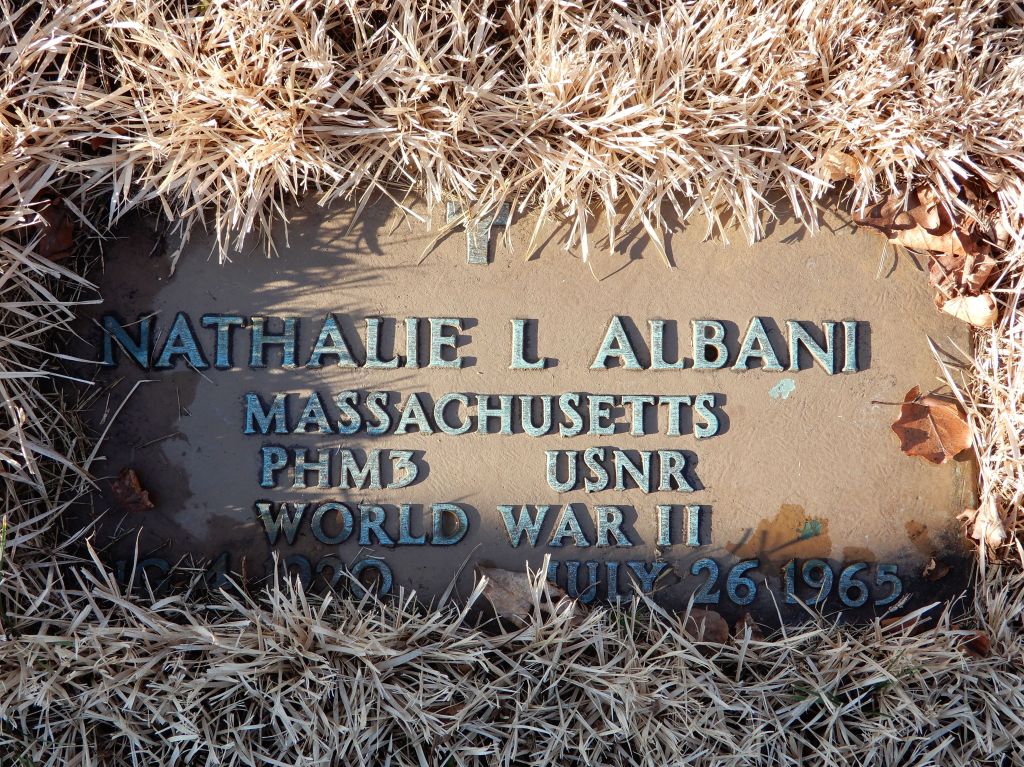
Nathalie L. Albani (1920-1965), Navy-WWII served her country as a Petty Officer 3rd Class in the Navy Reserve. Beyond her service to the nation, she was a devoted mother to six loving children – Helen, Mary, Susan, Nancy, Daniel, and Constance. Though I never had the opportunity to meet my grandmother, I know her through my mother, who has been my life-long guide and inspiration. She is buried alongside my grandfather, Cosmo D. Albani (1918-2005).

 Keystone Wayfarer
Leave your thoughts