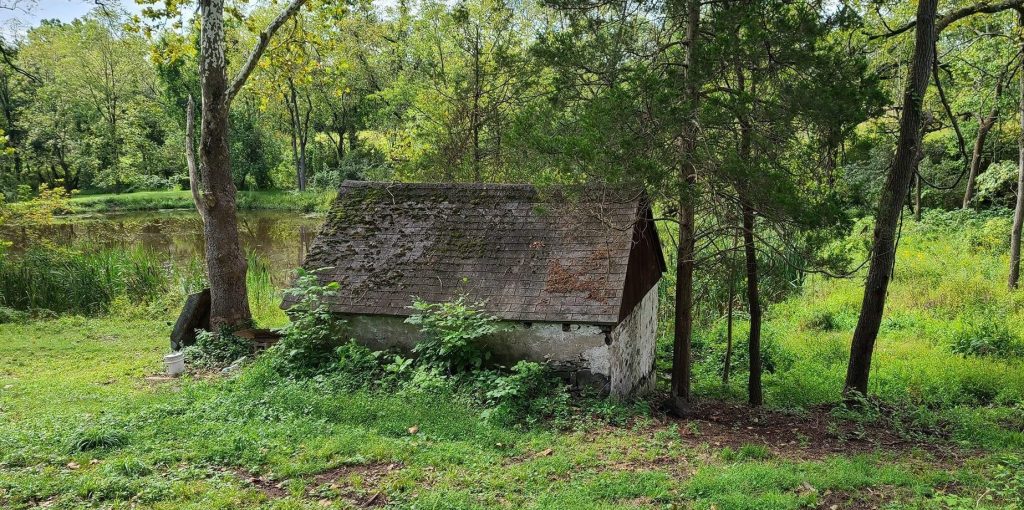
If someone wrote a story about my life, I wonder where it would begin. Would it start here, with me tapping at my keyboard from my new reclining sofa? Each word—almost a quiet confession I’m not sure I’m ready to admit. Or would it start with the little moments that feel bigger than they are—words said too quickly, a door slammed in frustration, the way a glance lingers a second too long? Maybe it would pause on the things I loved and lost—the coffee mug I knocked to the floor the morning my dog Sable died, and the quiet emptiness that settled in. Or perhaps it would hunker on the long, ordinary afternoons that followed, when I sat frozen, unsure how to live or keep going.
Flipping through old journals, I see pieces of who I was scattered like photographs I can’t quite place in time. Sometimes I wrote compulsively, scribbling every heartbreak and tiny victory. Other times the pages stayed blank, and life poured into me unrecorded, raw and messy. Even in that silence, I can feel it—the hopes, the regrets, the moments that shaped me despite myself. Would someone else see it the same way, or would their story of me look entirely different, shaped by choices and moments I can’t imagine?
All these fragments, these chapters, accumulate into a life none of us can completely see unfolding—a story moving forward, carrying us toward a future we do not control. Mortality touches everyone differently. We like to believe we have time, but it slips past quietly, patient and relentless, until one day it claws at your chest and reminds you how little of it there really is. In those moments, I think of the people I’ve loved—the ones who left too soon, and the ones who stayed, occupying the corners of my life like familiar furniture you hardly notice until it’s gone.
This blog has allowed me to explore history—not just dates and events, but the places, the people, and the quiet moments that left a mark on the world and, somehow, on me. That includes the life of Rachel Heisham—a woman whose story is both ordinary and extraordinary, full of laughter, struggle, love, and loss. Learning about her once again reminded me that history doesn’t only live in textbooks; it lives in the days people actually lived, in the choices they made, and in the traces they left behind.
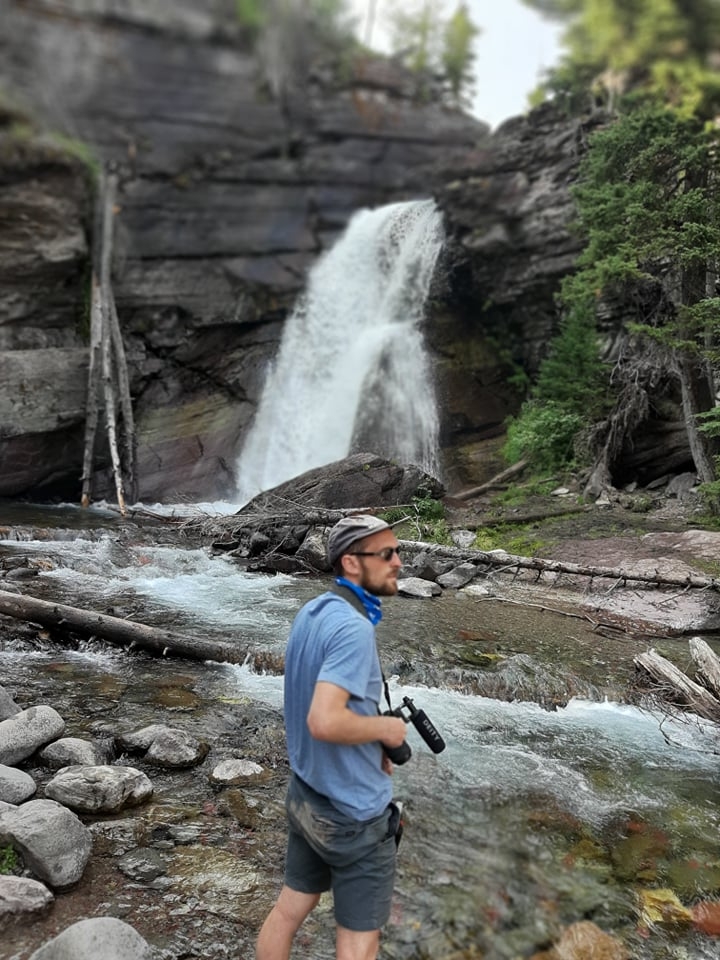
Rachel’s story comes alive in the documentary Ain’t Got Time to Die, where Martin Krafft, a part-time Schwenksville artist and filmmaker, didn’t just record her life—he became a part of it. Rachel, facing a terminal cancer diagnosis, is at the center of the film, but this isn’t a story about illness in the clinical sense. It’s about her life in full: her joys, her struggles, the people she loved, and the quiet, ordinary moments that make her who she was.
Martin remembers their first meeting vividly: “I met Rachel through a Facebook hiking group. We went for a hike together, then kept going on hikes until we became friends. I was really struck by her will to live. The doctors had told her she was sick, but she was so adamant that she was going to survive and prove the doctors wrong.” Filming gave them a reason to share more of life together—to travel, to laugh, to explore—and ultimately, to bear witness. Watching their lives unfold together is a reminder that history isn’t only behind us; it’s present and personal.
Martin’s own life, like the stories he tells, is stitched together from small, vivid moments. His childhood was a tapestry of woods, forts, and the thrill of discovery. “I spent a lot of time in the woods, building forts and chasing frogs. One time, I came across a giant buck that ran right in front of me. The place felt so wild,” he recalls. Even as a boy, he was drawn to storytelling—writing and drawing the worlds he imagined—a prelude to the films he would one day make. His parents, both scientists, provided structure and opportunity, nurturing cultural pursuits like piano lessons and humanities-focused schooling, even if they didn’t fully grasp the pull of creative expression.
Travel and adventure shaped him early. Racing small sailboats across Maryland rivers and the Chesapeake Bay, watched over by his grandmother, Martin learned endurance, attentiveness, and joy in small details. Education and mentorship refined this instinct further: Montessori schooling gave him independence; college studies in Creative Writing, Economics, and photography opened pathways to storytelling. “With encouragement from my photo professor, I applied for graduate school in photography, where I learned the basics of video. It felt like the perfect medium for me to bring together the visual and the verbal,” he says.
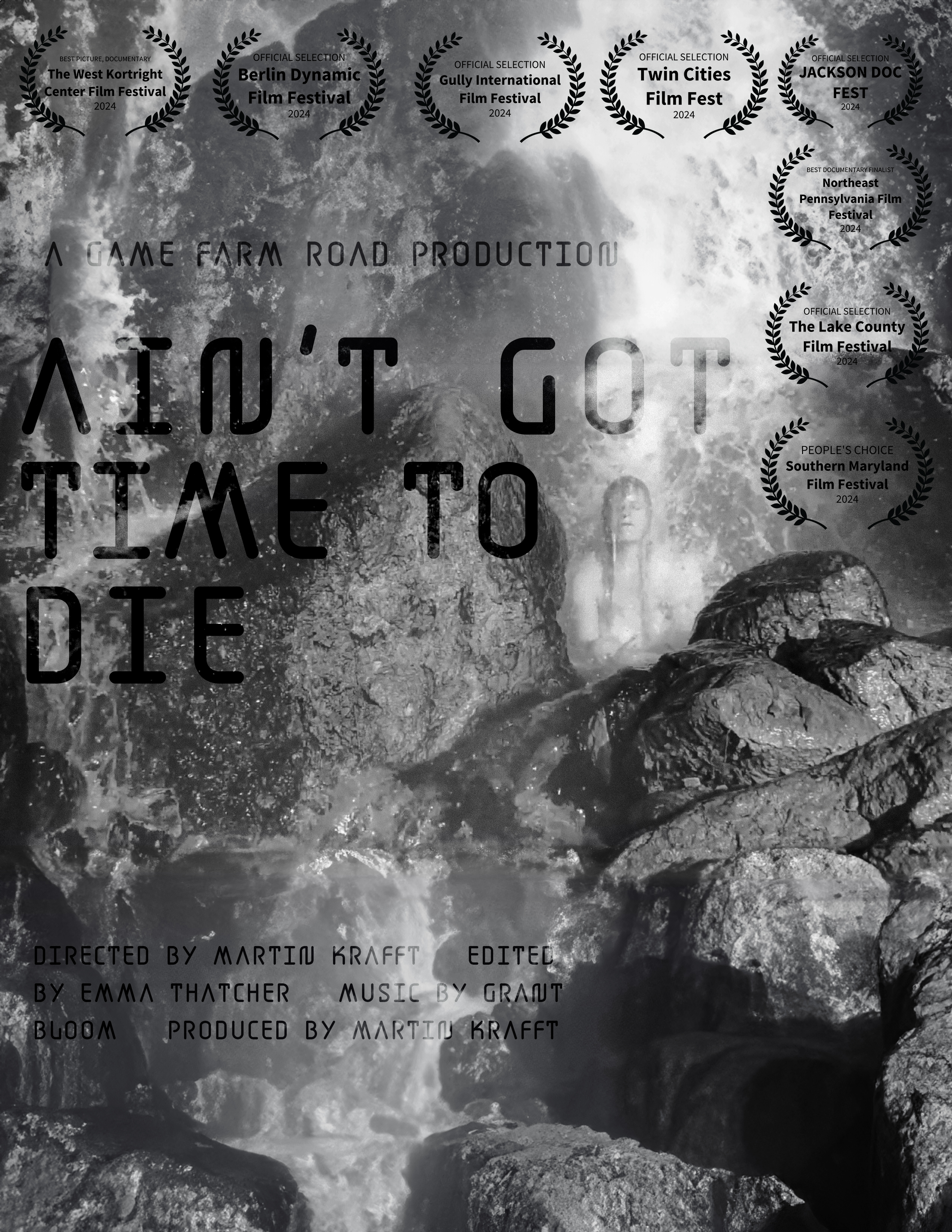
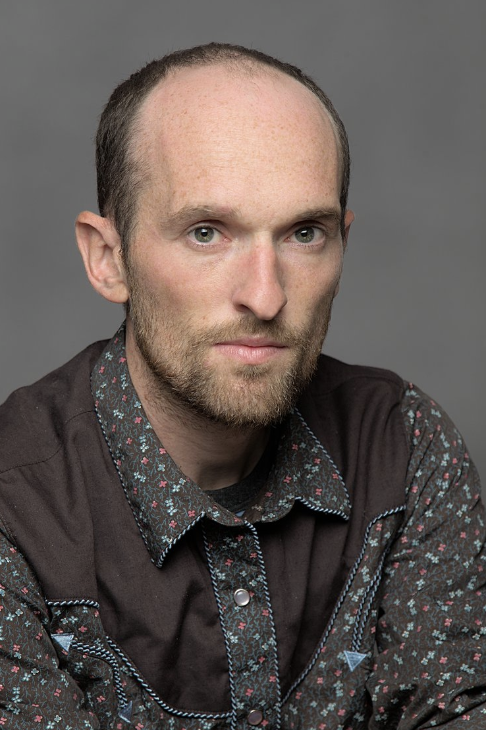
His professional journey has been unconventional, and each experience shaped not just the artist, but the human who bears witness to others’ lives. From being a handyman, to managing a farm, to advocating for unhoused populations, he encountered people from every walk of life. “From being a handyman, I learned to take my time and do the job right. From working with the unhoused, I realized just how precarious life can be. From leading the farm, I learned to balance multiple projects while keeping everyone safe,” he reflects. Each encounter reinforced lessons in patience, empathy, and the fragile beauty of ordinary life.
His curiosity and compassion led him into spaces few dare to enter. While living in a Catholic Worker House in Atlanta, he visited death row inmates, meeting Marcus Wellons, who had committed a horrific crime decades earlier but devoted himself to faith and mentoring others. Through a plexiglass wall, Martin discovered a side of humanity that was thoughtful, kind, and unexpectedly humorous. Later, he accompanied Quaker friends to meet another death row inmate, sharing meals and conversations that left a lasting impression. “Sitting next to someone who has been sentenced to die reminds me of Camus’s quote about capital punishment—it’s the most premeditated form of murder,” he reflects.
Other experiences were unconventional but formative. On a remote ranch in Arizona, he lived among a family of conspiracy theorists seeking to escape the apocalypse. Their ideas were wild, yet they welcomed him fully, and Martin discovered the quiet beauty of evenings spent without the internet—playing board games, tending fires, and looking up at the stars. “It was a beautiful time in my life,” he says.
All of these encounters—across social divides, moral extremes, and extraordinary circumstances—prepared Martin for the intimacy of documenting Rachel’s life. Even as he anticipated her mortality, he was unprepared for the physical toll of her illness. When her legs swelled and she became confined to a wheelchair, the vulnerability of the human body became starkly real. Witnessing her struggle and resilience reinforced everything Martin had learned about presence, care, and the fragile, beautiful impermanence of life.
In Ain’t Got Time to Die, Krafft didn’t simply observe—he became part of Rachel’s world, traveling, advocating, and sharing in everyday intimacy. Their friendship deepened, and the film became as much about witnessing as it was about telling. Watching Rachel live fully through the camera, Martin discovered truths about life, mortality, and human connection. Her presence lingers in the smallest of details: a mushroom in the woods, a laugh, a spark of curiosity. “She just had so much life. She didn’t get to live as long as she wanted, so I feel a responsibility to make my own life more meaningful in her honor,” he says.
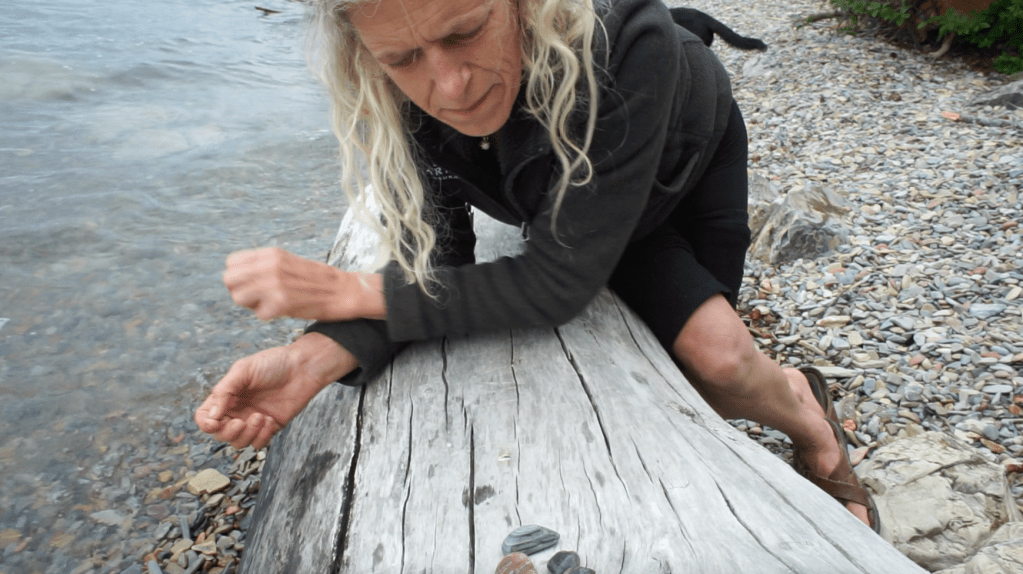
The film has garnered significant attention and awards, but for Martin, the response is less about recognition and more about connection. He hopes Rachel’s story reaches as many people as possible. “She just had such an incredible life that I want to share it with people and I want them to share it with the people they care about it,” he reflects. To him, the film is an invitation—not only to witness a life lived fully, but also to confront our own mortality and to have the difficult, necessary conversations with those we love.
Through his journey with Rachel, Martin also formed deep bonds with her family—her daughter, Alisha, and her children, and her son, Bubba, and his kids. Though their communication is often through texts rather than daily interaction, the connection remains profound. “We have been through a really difficult experience together, and even if we don’t talk all the time, we have a deep care for each other.”
Even now, he continues to create. Hybrid documentaries, interactive poetry, and immersive art projects tether him to witnessing, storytelling, and finding meaning in everyday life. Between Schwenksville and Germany, he balances family, art, and reflection, constantly observing how ordinary, messy moments carry extraordinary weight. Life, fragile and precious, is worthy of attention—even in its quietest passages.
Martin recently completed a hybrid documentary, Grampy’s Red Rock Rabbit Ranch, co-directed with Laura Asherman, capturing life at his family’s farm in Schwenksville. How interesting it was to discover that the farm is literally right next to my own home. The film is making its way through festivals, with hopes of screening at the Philly Film Festival this fall. Alongside that, he continues to explore storytelling through an interactive poetry project he began during an art residency in Berlin—reciting a poem by Rainer Maria Rilke a thousand times to strangers and finding new ways to expand its reach.
Looking toward the future, Martin hopes for moments of simple joy and wonder. He wants to go sailing and witness one of life’s quiet miracles: seeing his son take his first steps. “What a wild thing,” he reflects, “to go from not walking to being able to walk.” These gentle aspirations, alongside his ambitious creative work, reveal the heart of a man attuned to both life’s small wonders and its larger, unfolding stories.
Even as life moves quickly, fragments remain—journal scribbles, photographs, small objects that survive the chaos. They are reminders that pieces of beauty, connection, and memory endure, waiting to be noticed, waiting for someone—maybe Martin, maybe someone else—to make sense of them. In bearing witness to his life and Rachel’s, we see how ordinary, messy, precious moments shape us, connect us, and leave a lasting imprint.

 Keystone Wayfarer
Leave your thoughts