
History is often defined as the study or record of past events. But in truth, it is far more than that. It lives in the streets we walk, the buildings we enter, and in the letters and photographs we almost forget. It carries the laughter, the labor, the struggles, and the quiet triumphs of lives once lived. And yet it is fragile—slipping away when overlooked or left uncared for. In the end, history survives only in the hands of those determined not to let it vanish.
Women have often been the quiet guardians of these stories. They notice the old house, the fading photograph, the story someone else overlooked—and then they act. With persistence, patience, and fierce dedication, they turn memory into something tangible—a restored building, a preserved street, or a story shared that can be touched, walked through, and experienced.
I think about this often, having lived in two cities shaped deeply by the past. Boston, where I was born, and Philadelphia, which I came to call home, are places where history lingers in every street and brick. I have written of my loft apartment on North Front Street in Old City, where I was surrounded by echoes of the past and first encountered the legacy of Frances Anne Wister. Her story is the next in Keystone Wayfarer’s monthly series, highlighting Pennsylvania women whose vision, courage, and determination helped shape our world.
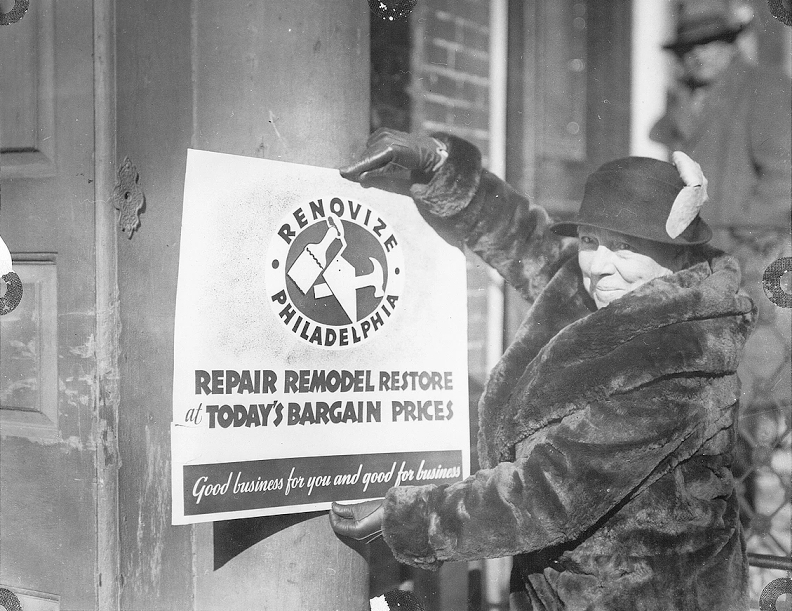
Frances’s story begins long before her birth, when two brothers left Germany in search of opportunity in America. Hans Caspar Wüster became Casper Wistar, and Johann Wuster became John Wister. Both settled into their new home, building careers, establishing households, and planting roots that would endure for generations. From John’s branch came Frances Anne, born on November 26, 1874. Surrounded by a family of builders, thinkers, and community leaders, she inherited a legacy she would later carry forward.
Her father, William Rotch Wister, was a man of restless energy. Among his many endeavors, he founded America’s first Cricket Club at the University of Pennsylvania, practiced law in Philadelphia for decades, and directed the National Bank of Germantown and the Philadelphia Contributionship, the nation’s oldest fire insurance company. He served as lieutenant colonel in the 20th Pennsylvania Cavalry during the Civil War. In 1868, he married Mary Rebecca Eustis, a descendant of William Ellery, signer of the Declaration of Independence. Together, they raised six children in Germantown, blending accomplishment, curiosity, and civic duty.
Frances grew up in a stone house her father built at Clarkson and Wister Streets, and later in a larger residence known simply as “Wister,” now part of Fairmount Park. She was the middle of three sisters: Mary Channing, a future trailblazer in education and urban development, and Ella, who would guide communications for the Philadelphia Electric Company through the Great Depression.
Outings to historic houses across the city became a classroom for the Wister sisters, where carved banisters and faded wallpaper brought the past to life. By the 1890s, these lessons had taken root, giving Frances a strong sense of place and a determination to preserve it. She carried this commitment into civic life, joining her sister Mary in the Women’s Civic Club, contributing to the Octavia Hill Association, and embracing the work of the Colonial Dames of America and the Daughters of the American Revolution.
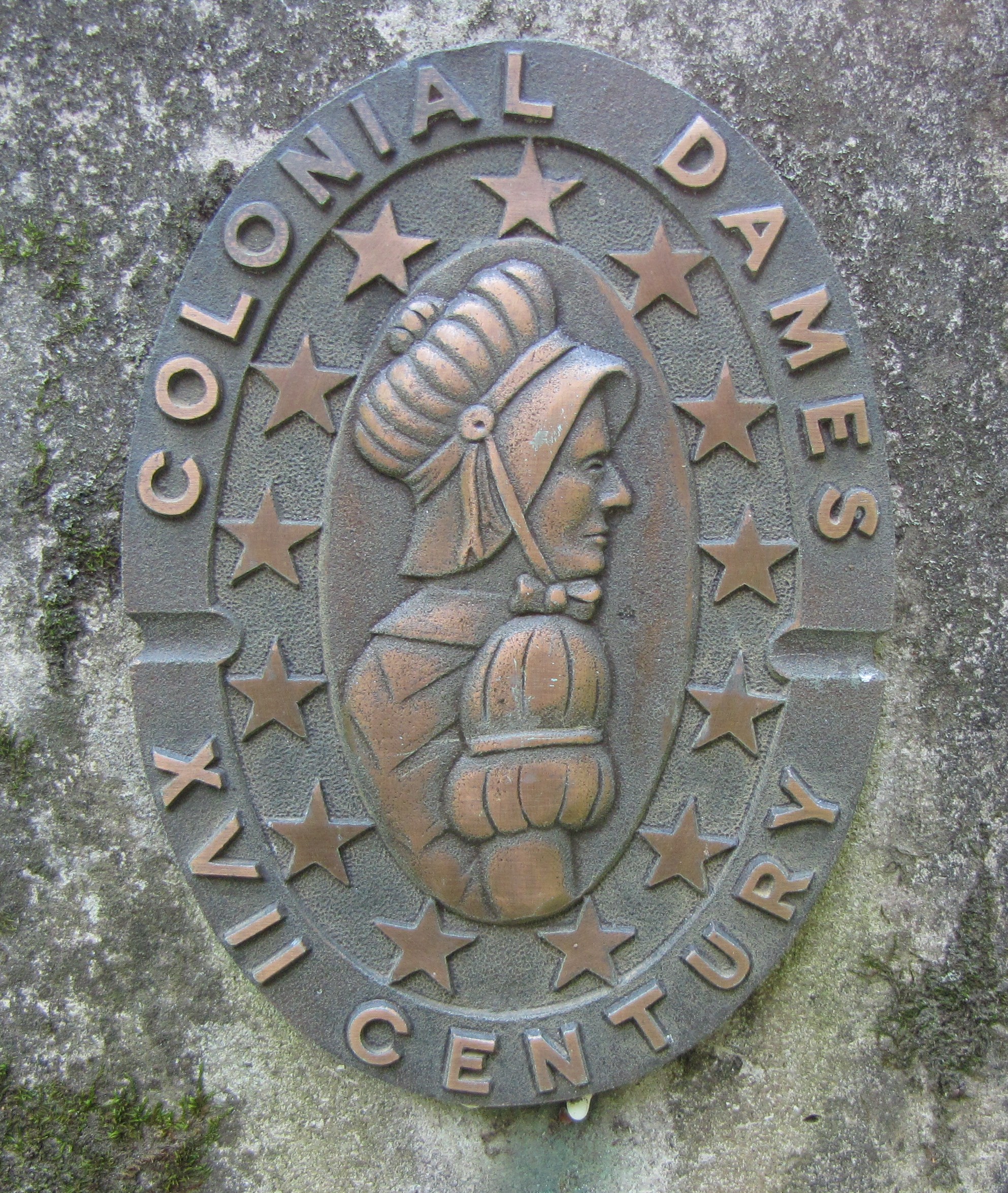
At twenty-five, Frances stepped into Philadelphia’s cultural scene with quiet confidence. She joined a group of society women determined to bring a professional orchestra to the city. Despite early fundraising challenges, the Philadelphia Orchestra was born, performing its inaugural concert at the Academy of Music in November 1900. Frances continued building support for the orchestra, eventually leading the Women’s Committee from 1910 to 1956, raising funds, organizing events, and ensuring music became a vital part of city life.
As Philadelphia grew and its historic buildings began to vanish, Frances’s determination to preserve the city’s past deepened. She started with her family’s ancestral home, Grumblethorpe, but soon realized that both grand landmarks and everyday structures—the places that gave the city its character—were at risk. Her first major test came in 1920, when Leopold Stokowski, conductor of the Philadelphia Orchestra, proposed abandoning the Academy of Music for a new concert hall. Frances saw the Academy not merely as a building, but as a living monument to the city’s musical and architectural heritage. She rallied fellow preservationists and marshaled every argument she could, insisting that losing the hall would erase a piece of Philadelphia itself. Her efforts prevailed, ensuring the Academy would survive for future generations to hear, see, and cherish.
By 1929, Frances realized that saving individual buildings was not enough—the city needed a systematic approach. She proposed an architectural survey of Old City, hiring unemployed draftsmen during the Great Depression. With funding from philanthropist Mrs. Cyrus H. K. Curtis, the survey documented 125 buildings through photographs and precise measurements, laying important groundwork for the development of preservation in Philadelphia.
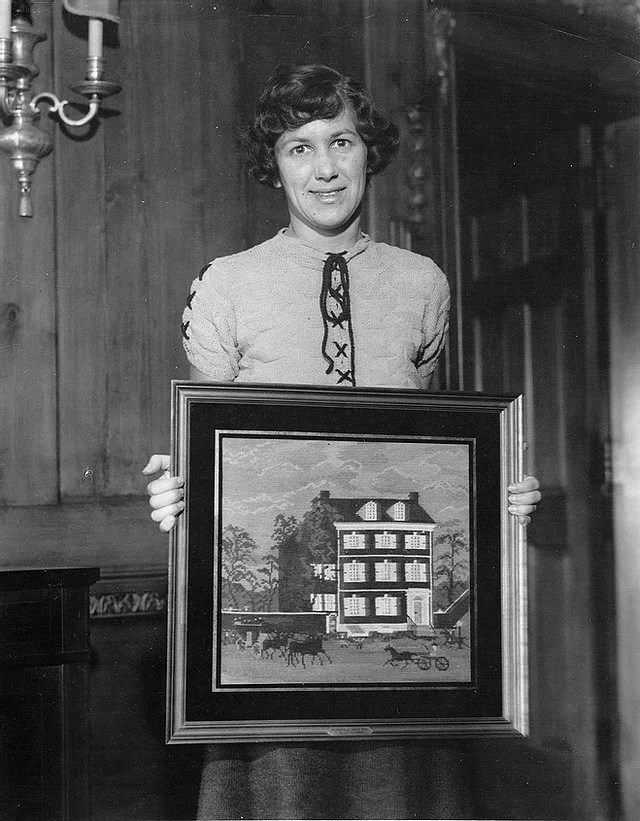
During the survey, Frances discovered that the Powel House, a 1765 mansion where George Washington once danced, faced demolition. She again elicited the support of the Society of Colonial Dames, rallying architects, planners, and prominent Philadelphia families to the cause. By 1931, their efforts led to the formation of the Philadelphia Society for the Preservation of Landmarks (PhilaLandmarks), with Frances as its first president. Even in the depths of the Depression, she raised $30,000 to save the house. On November 23, 1938, the Powel House opened as a museum—a testament to what vision, determination, and one inspired woman could achieve.
Frances applied this approach across Philadelphia, turning forgotten corners into living history. She engaged the public through tours, persuaded donors to rescue important buildings, and restored sites for new use. From the Franklin Institute building, which became the Atwater Kent Museum, to Grumblethorpe, Independence Hall, and Elfreth’s Alley—the nation’s oldest continuously inhabited residential street—her efforts made history accessible and tangible. She even coined the name Society Hill to draw attention to a neighborhood on the brink of redevelopment.
Recognition for Frances soon followed. In 1936, she received the Gimbel Award, a prestigious commendation celebrating individuals who made outstanding contributions to the public good. Moved by this distinction, she continued shaping the city’s future—guiding urban planning under Edmund Bacon, Philadelphia’s visionary city planner, and collaborating with Charles Peterson, an expert in architecture and preservation, to establish important historic districts. In 1942, she helped found the Independence Hall Association and served as its vice-president, laying the groundwork for what is today Independence National Historical Park.
In her later years, she oversaw restorations of the Physick House and Historic Waynesborough, expanded Wister Woods Park, and continued work on Grumblethorpe, transforming these historic sites into museums and educational resources. Through schools, volunteer programs, and public events, she brought Philadelphia’s history vividly to life—ensuring generations would see, feel, and cherish the city she had helped preserve.
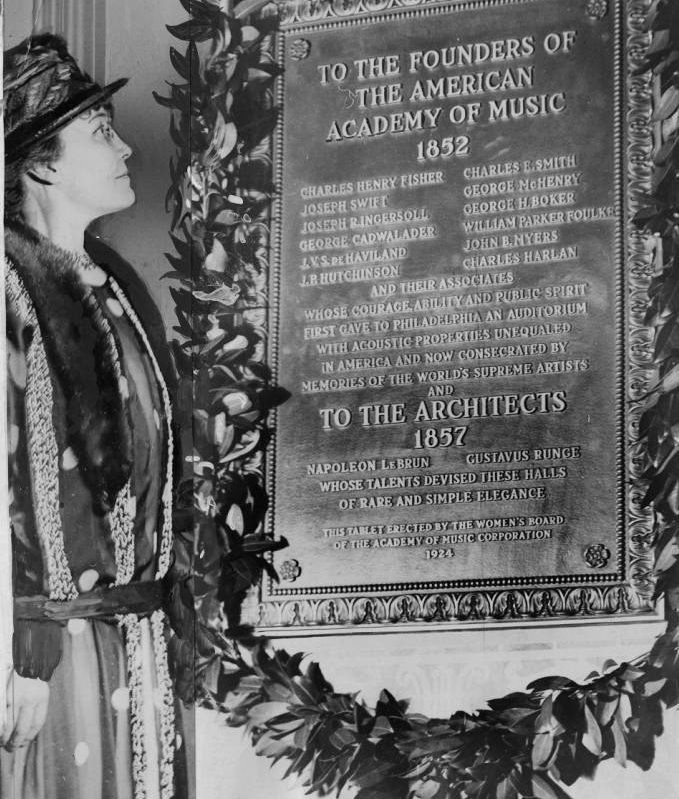
Seventy years ago today, Frances Anne Wister passed away at Hahnemann Hospital on March 17, 1956, at the age of 81. She left behind more than an accomplished life—she left a city that still bears the imprint of her care. Her commitment to preservation found a home within the Historical Society of Pennsylvania and the Germantown Historical Society, where her work helped shape a broader understanding of why the past matters and what it demands of the present. Even in death, her generosity endured: she left significant gifts to the Philadelphia Orchestra and the First Unitarian Church, ensuring that music and civic life would continue to thrive in the city she loved.
Today, the legacy she helped build continues through the ongoing work of PhilaLandmarks, where historic spaces are not only protected, but reintroduced to new generations. These places—once at risk of being forgotten—remain standing, not as relics, but as living witnesses.
Frances Anne Wister did not simply preserve buildings—she preserved memory. In doing so, she altered the relationship between a city and its own history. Walk the streets of Philadelphia, her influence is not something you have to search for; it surrounds you in quiet, enduring ways. In the survival of a house, in the texture of an old street, in the decision to save rather than replace—her presence lingers.
All Bones Considered is a history podcast that brings Philadelphia’s past to life through the stories of people buried in Laurel Hill Cemetery and West Laurel Hill Cemetery. Hosted by Dr. Joe Lex, a retired emergency physician and longtime history enthusiast, the show combines careful research with warm, engaging storytelling. In the episode linked here, he explores the lives of Frances Wister and her sisters, revealing not just the facts of their lives but the impact they had on the city.
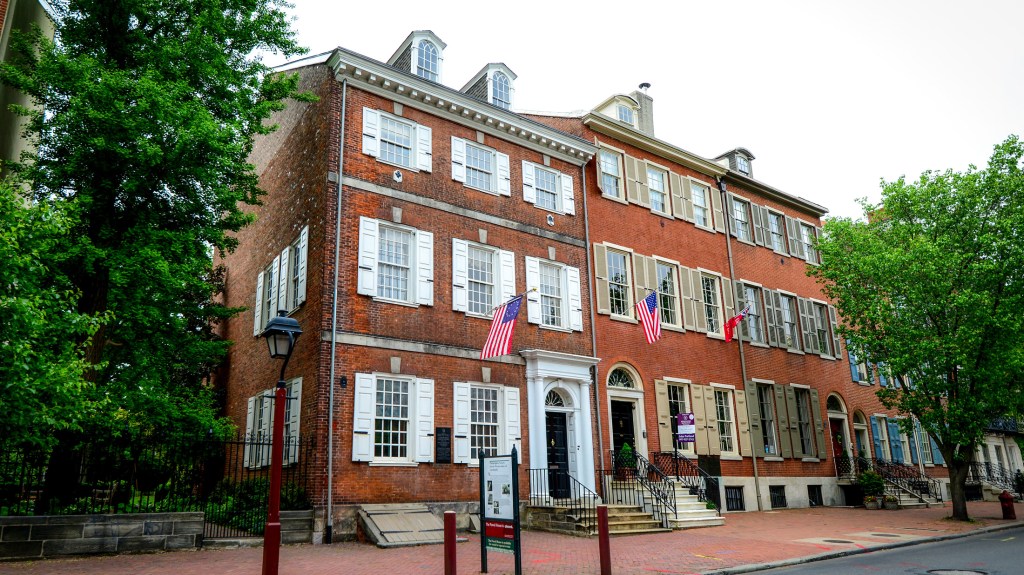
Powel House – 244 S 3rd St #3811, Philadelphia
A Georgian‑style 1765 city home once owned by Mayor Samuel and Elizabeth Powel, now a historic house museum highlighting colonial life and restored through PhilaLandmarks. Tours are offered Thursday–Saturday, 11 a.m.–3 p.m., and Sunday, 12 p.m.–3 p.m., April–November; winter hours by appointment.
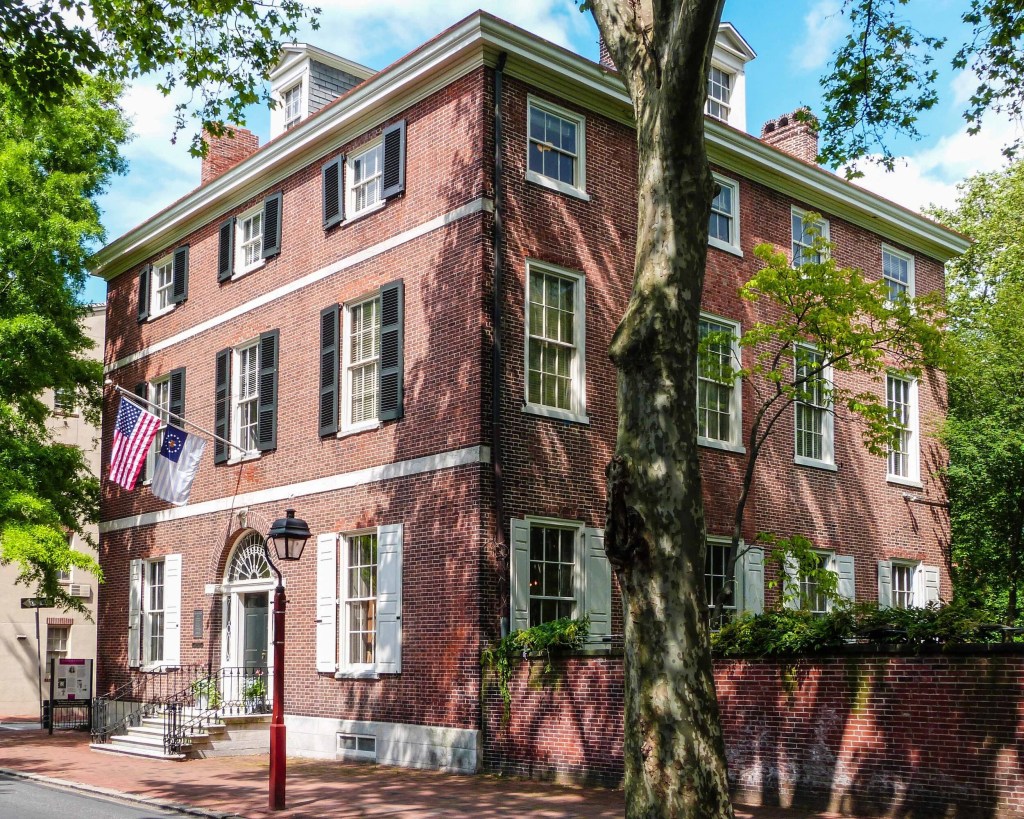
Hill‑Physick House – 321 S 4th St, Philadelphia
The 1786 Federal‑style home of Dr. Philip Syng Physick, “father of American surgery,” preserved with period furnishings and garden. Public tours generally run Thursday–Saturday, 11 a.m.–3 p.m., and Sunday, 12 p.m.–3 p.m., April–November; other times by appointment.
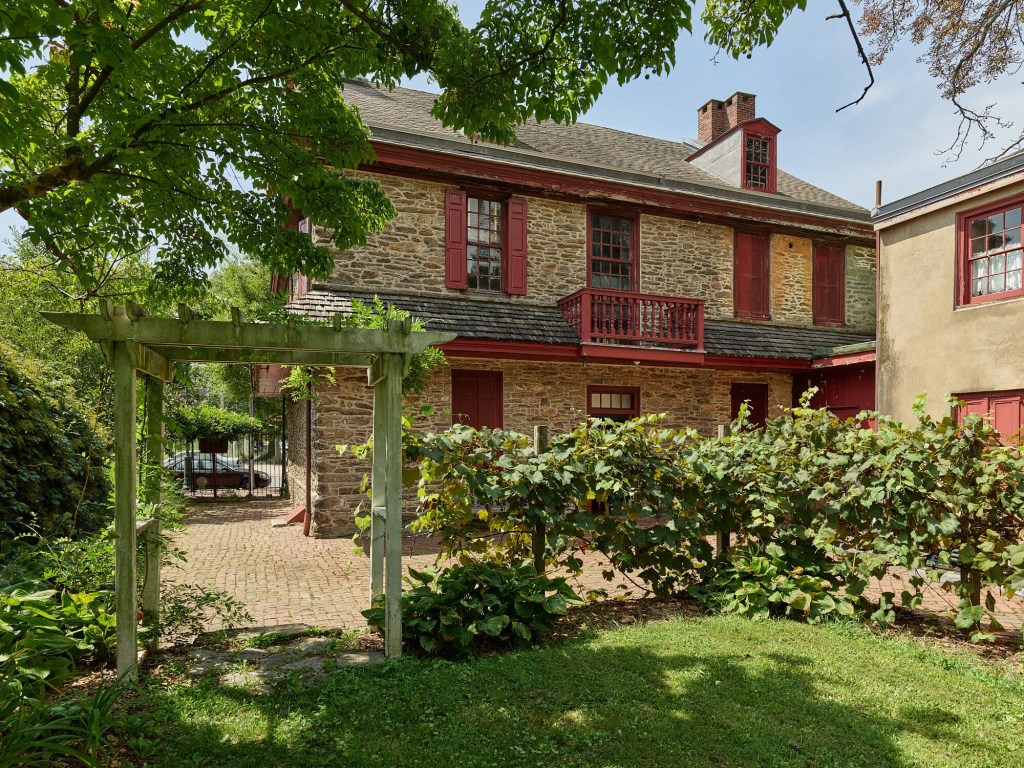
Grumblethorpe House – 5267 Germantown Ave, Philadelphia
Built in 1744 by John Wister as a family country seat and later preserved by PhilaLandmarks, this Germantown museum offers a glimpse into 18th‑century life. It’s generally open every second Saturday of the month, Noon–4 p.m., April–October, with additional visits by appointment.
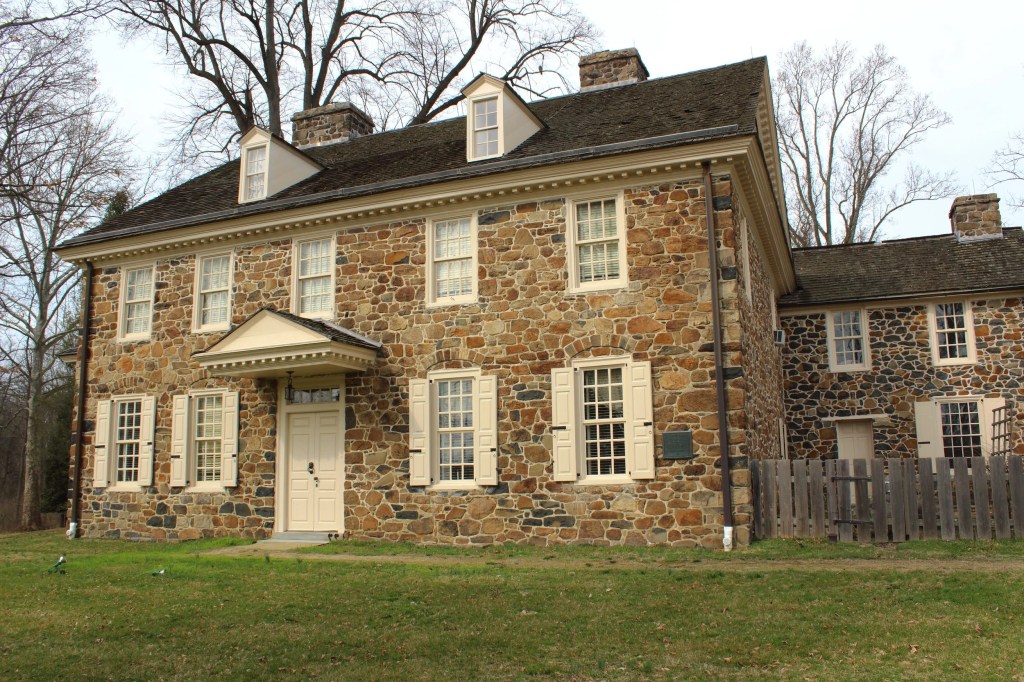
Waynesborough House – 2049 Waynesborough Rd, Paoli
The historic Georgian home of Revolutionary War hero General Anthony Wayne, now a museum operated with PhilaLandmarks. Tours are typically Thursday–Sunday, 1 p.m.–3 p.m., April–December, with other times by appointment.

 Keystone Wayfarer
Leave your thoughts