
“How strange life is, how fickle! How little is needed for one to be ruined or saved!”
In his short story, The Necklace, French author Guy de Maupassant employs characterization and irony to vividly depict the ebb and flow of the human experience. Sixteen simple words strung together succinctly encapsulate the unique journey each of us must endure: dreams won or lost, life holds promise to no one.
Reflecting on my own journey, I consider myself fortunate. My audacious dream of working in the music business began in 1990. Initially skeptical, my family supported my efforts as I embarked on an adventure that, with only a handful of dollars in my pocket, saw me leap from the safety of my home in Boston to the gritty streets of New York City.
In the years since, my professional voyage has been chock-full of diverse experiences. Each new opportunity, including a stint at a music management company, a brief yet enriching detour through Jim Shooter’s Valiant Comics, five distinct record companies, and my current affiliation working for one of the area’s best live music venues, has included challenges and triumphs. These memories will last a lifetime.
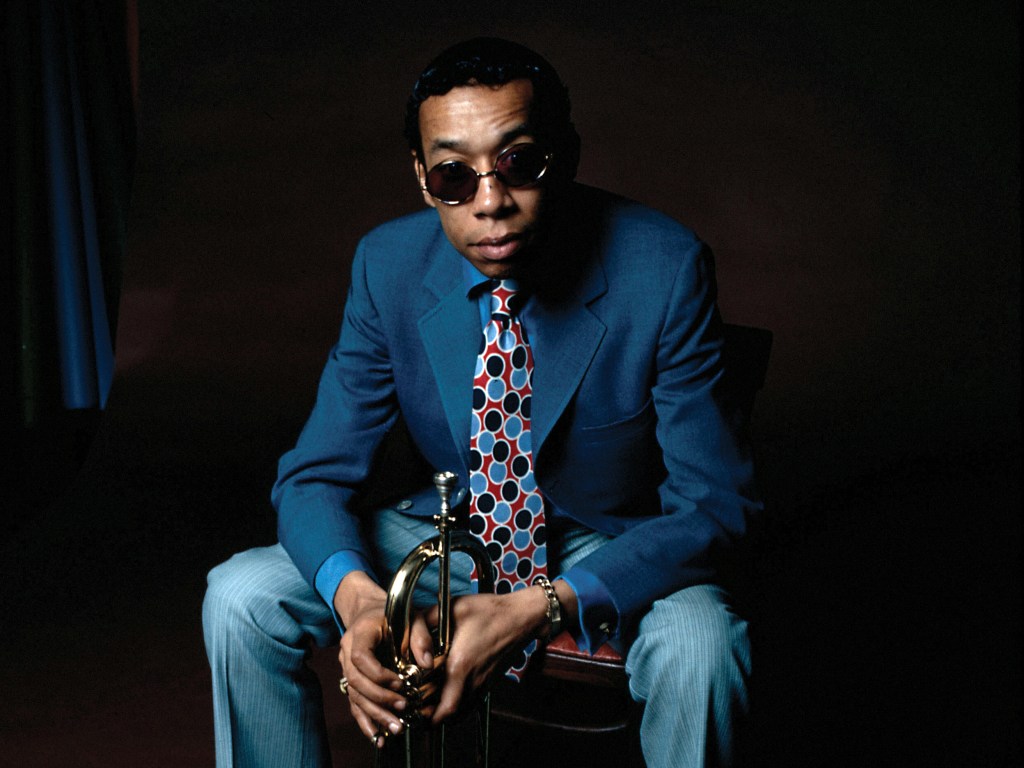
My enduring career trajectory stands in stark contrast to that of Edward Lee Morgan (1938-1972), the multi-instrumental American jazz icon better known as Lee Morgan, who lived fast and died young. He rests in a barely visited hillside plot at White Chapel Memorial Park in Feasterville-Trevose, forty miles east of Schwenksville.
The youngest of four, Lee grew up in Philadelphia’s working-class Kensington section. He came from a musical family; his parents and one of his sisters were amateur musicians, each active in their local church. An able student, Lee began on the piano before taking up the trumpet, a gift presented to him on his thirteenth birthday. Heavily influenced by Clifford Brown, the young prodigy became a regular on Philly’s bustling jazz scene before the age of fifteen. In short time, he would come to perform and record alongside some of the genre’s best, including Dizzy Gillespie, John Coltrane, Jimmy Heath, and Art Blakey, among others.
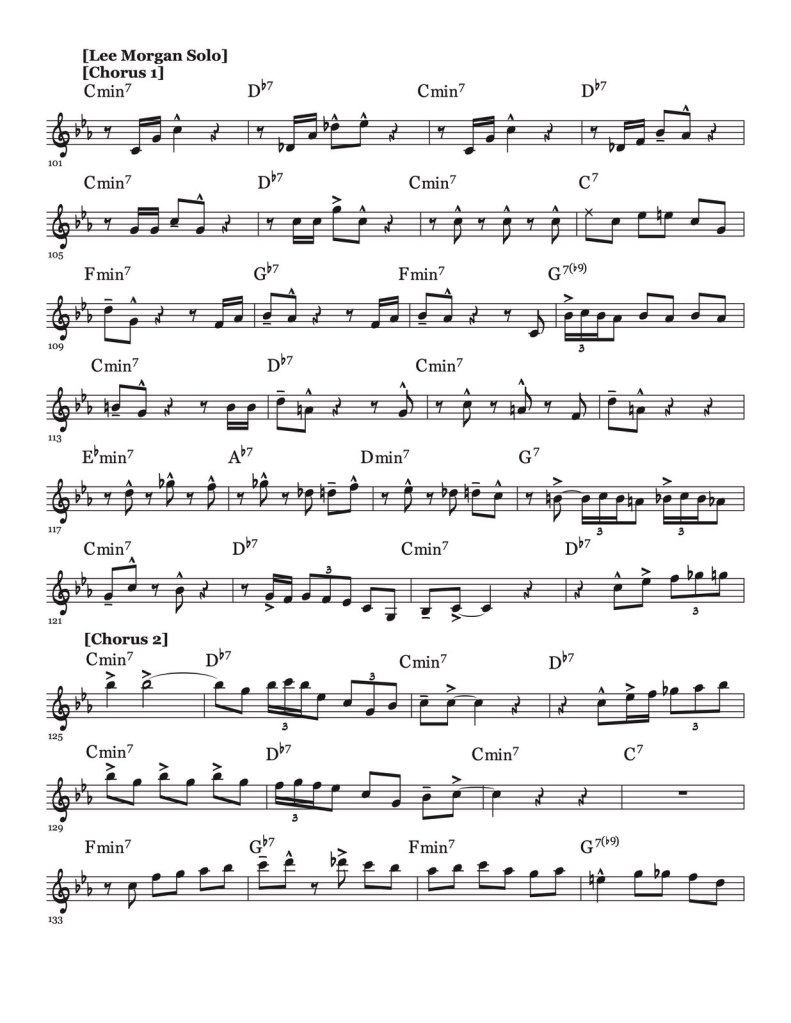
Widely regarded as one of the most expressive of the bop idiom style, the charismatic musician recorded twenty-five albums, becoming a cornerstone of the Blue Note label. His recordings varied from conventional hard bop to avant-garde, with many unreleased recordings surfacing after his tragic death.
Drugs, specifically heroin, became a problem for Morgan. Introduced to drugs by drummer Art Blakey, Lee’s addiction would result in his departure from Blakey’s band, The Jazz Messengers, in 1961. Selling his trumpet, Morgan checked himself into Narcotic Farm in Lexington, Kentucky, a hospital that also played host to addicts William S. Burroughs and Chet Baker.
Returning to New York City in 1963, Morgan sequestered himself in the recording studio. The result was the most successful album of his career, The Sidewinder. The single would land at number thirty-five on the pop charts, rescuing his career temporarily.
By 1967, Lee was back on skid row as his addiction resurfaced. His trumpet was once again in hock. It is during this time that he met North Carolina native, Helen Moore (1926-1996). Fourteen years his senior, Helen played a pivotal role in Lee’s rehabilitation from drug addiction. They would move in together, and over time, Helen would become his manager, booking his comeback gigs and ensuring he remained reliable. Though they never officially married, Moore would later take his surname.
Raised on a farm fifty miles from Wilmington, Helen gave birth to two children before her fifteenth birthday. She married a local bootlegger when she was only seventeen. He drowned two years later. As a widow, she moved to New York where she remained for thirty years. Helen met Lee Morgan in the early 60s when he was a full-fledged junkie.
Late in their decade-long relationship, cracks began to appear. Helen noticed a change in Lee; he seemingly became distant. Helen couldn’t shake the feeling that Morgan’s affections were straying. Her suspicions heightened by his growing closeness with a younger woman named Judith Johnson.
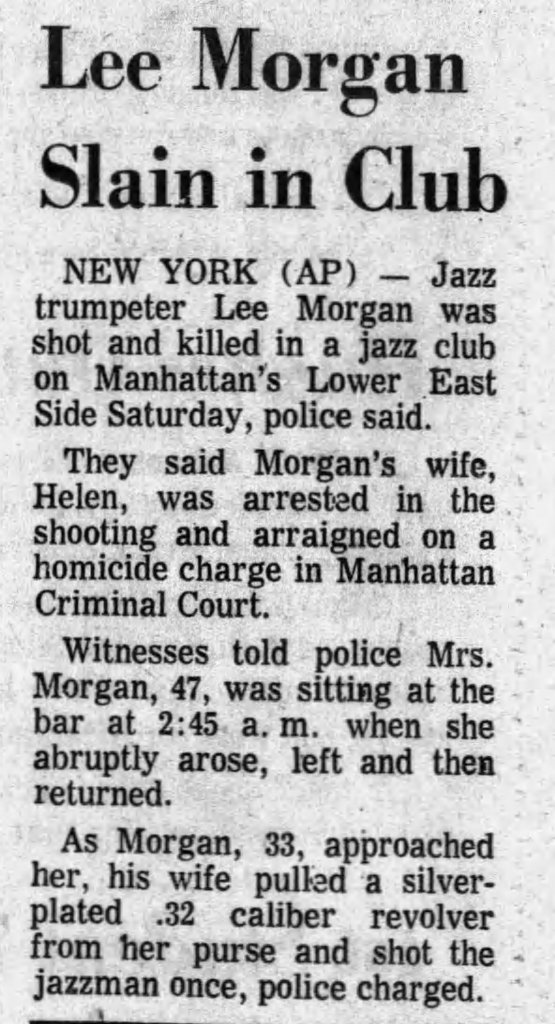
Cheating death twice, due to drugs, it would be a bullet to the heart, fired by Helen that would finally claim Lee’s life. In the early morning hours of February 19, 1972, the devastating climax took place outside Slug’s Saloon, a popular New York jazz club. Following an altercation between sets, a gun that was concealed in Helen’s handbag fell to the snow-covered ground. In a moment of anguish, Helen fired a single shot from the silver-plated, 0.32-caliber revolver. Bad weather delayed emergency services quickly reaching the East Village hot spot. Morgan would bleed to death on the street. He was thirty-three years old.
Helen Moore accepted responsibility for her actions, pleading guilty to second-degree manslaughter. After serving two years, she returned to North Carolina, where she lived out the remainder of her days before succumbing to a heart condition in March 1996.
Lee Morgan’s funeral, held at the Church of The Advocate in Philadelphia drew over a thousand mourners, a testament to the impact of his music and the tragedy of his untimely death.
Suggested Lee Morgan Recordings
The Sidewinder (Blue Note, 1963), Considered by many as Lee Morgan’s magnum opus, this stands as a cornerstone of his discography. Its irresistible groove has become a jazz standard.
Cornbread (Blue Note, 1965), Morgan’s virtuosity shines through as this album pushes the boundaries and showcases his exceptional improvisation. Supported by stellar performances from Herbie Hancock, Billy Higgins, and Jackie McClain.
Search For The New Land (Blue Note, 1964), Delving into the realm of modal jazz style, the album predates the commercial success of The Sidewinder by two years. Despite its delayed release, this album remains a testament to Morgan’s versatility. Featuring contributions from luminaries Herbie Hancock and Wayne Shorter.
Live At The Lighthouse (Blue Note, 1970), Capturing the essence of Lee Morgan’s electrifying live performances, this is a fitting finale to his illustrious career. As the only official live recording, it serves as a stirring reminder of his unparalleled skill as a performer and band leader.
I Called Him Morgan, a film by Swedish filmmaker Kasper Collin, premiered at the 73rd Venice Film Festival in 2016 and saw theatrical release in the United States on March 24, 2017.
Dedicated to the memory of dear friend Jones Blackwood Shannon Jr. (1942-2024).

 Keystone Wayfarer
Leave your thoughts