Those who live in the Perkiomen Valley are surrounded by beauty and history, often in ways we take for granted. George Washington’s legacy—check. Colonial homesteads and stone farmhouses—still standing proudly. Yet history here is not confined to roadside plaques or museum shelves. Unlike the stillness of this bitter winter, it moves along the roads our ancestors once traveled, lingers in covered bridges spanning creeks that have carried generations, and whispers through the mills, inns, and gathering places where travelers, laborers, and dreamers paused—leaving traces of lives long past.
Today, parks and preserved lands stand as guardians of these spaces, keeping both scenery and stories alive. They cradle the events that shaped them—work and retreat, war and recovery, ordinary people brushing against extraordinary moments. The past and present coexist effortlessly here, woven into the life of the Valley. Noticing it is a privilege; writing about it is a joy.
In my beloved Schwenksville, history feels particularly tangible. Main Street alone boasts more than twenty houses built before 1870, including my own home on Game Farm Road. Some houses have sheltered families for generations; others once buzzed with commerce, forming the backbone of a thriving community. Walking past them, you can almost hear the echoes of lives once lived—the teachers, shopkeepers, and families who shaped the town’s character. Historic facades and the occasional lantern-style streetlight hint at centuries of continuity.
Just a few minutes away, Collegeville’s Duck Inn Taproom draws a steady crowd along the banks of the Perkiomen Creek. Most nights, the parking lot fills quickly, pushing drivers into the overflow lot across the street, headlights sweeping like restless fireflies in search of a space. The Duck—locals’ shorthand—spills easily between indoors and out. From its bi-level back porches, the creek moves steadily below, keeping its own quiet pace, a gentle counterpoint to the traffic beyond its front doors.
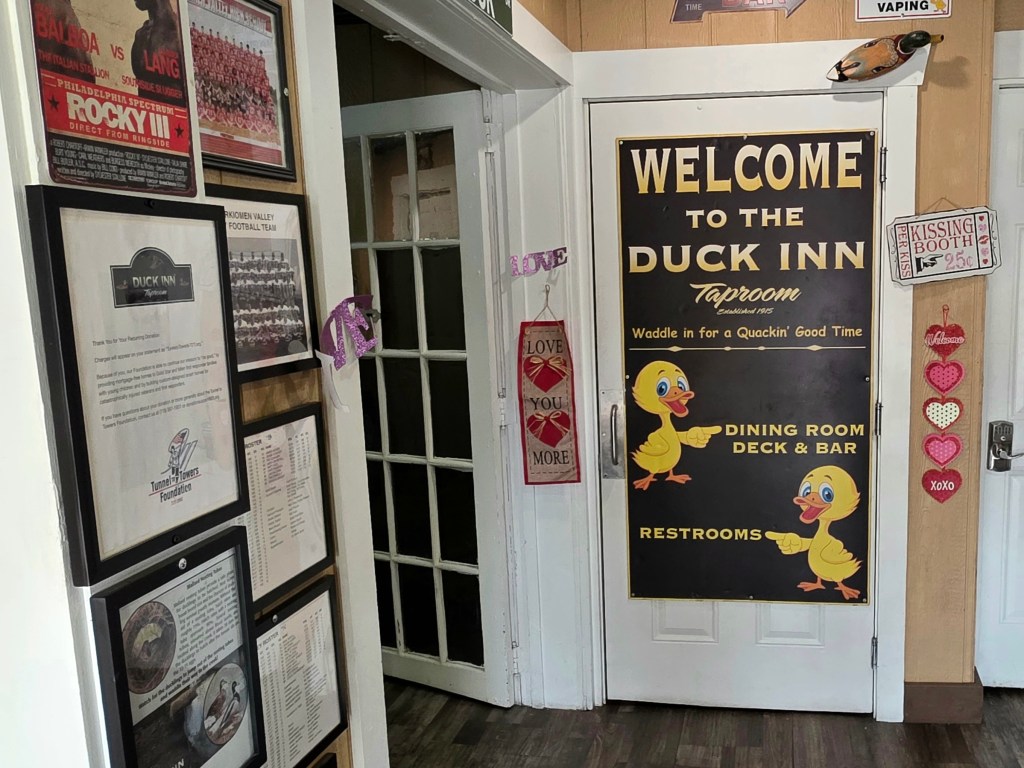
Locally owned and deeply rooted, the Taproom opened in 2019 and quickly became a beloved fixture. Inside, laughter mingles with the clink of glasses, and the scent of fresh food drifts from the kitchen. Conversations stretch across tables and circle the square center bar. In warmer months, diners spill outdoors onto uniquely decorated decks and an enclosed terrace. The menu has something for every appetite: hearty sandwiches and juicy burgers, fresh salads and comforting soups, and the Duck’s famous jumbo wings, coated in their unmistakable “Quack Sauce.” A carefully curated selection of bottled beers rounds out the offerings.
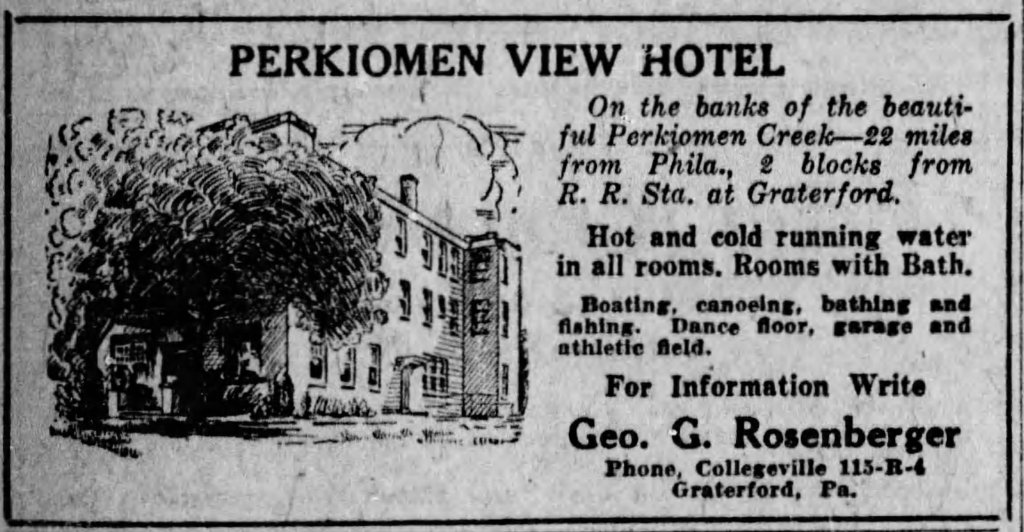
The Duck occupies the first floor of the Perkiomen View Hotel—distinct from the Perkiomen Bridge Hotel a few miles away. Completed in 1915, the hotel was designed as a summer retreat for Philadelphia’s wealthy residents. Most guests arrived by train, drawn by the Valley’s natural beauty and a respite from the city’s summer heat. Swimming in the creek, canoeing along its gentle waters, and simply relaxing in the lush surroundings defined the hotel experience. These pleasures made it a popular destination of the era.
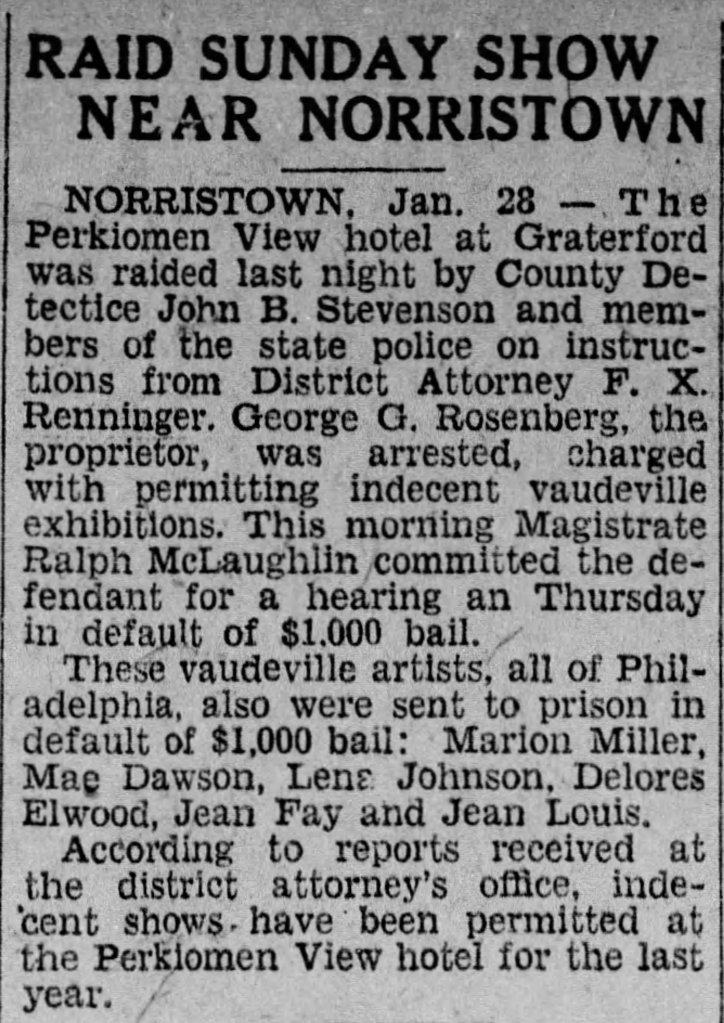
Historical records trace the Perkiomen View Hotel back to the Friel family, who owned the property into the early 1930s. Newspaper and travel advertisements list George G. Rosenberger as a contact for the hotel, highlighting comforts such as private rooms with baths and running water that appealed to Valley visitors. In 1929, Rosenberger and six women, led by one Miss Mae Dawson, were arrested when authorities raided the hotel during an indecent vaudeville performance. The incident provides a vivid snapshot of the hotel’s late-1920s activity, hinting at the lively, sometimes risqué, social life of the era.
After the colorful events of the late 1920s, the hotel entered a period of steady stewardship. By the mid-1930s, it had passed through several owners. Helen K. Levan eventually acquired the property, running it for 23 years, safeguarding its status as a true local landmark. In 1968, Walter Maurice and Betty Jane Hipple purchased the building, maintaining its mixed-use character for more than 50 years. The upper floors continued as residential apartments, while the ground floor gradually evolved into the social and dining hub that today houses the Duck Inn Taproom.
This long history of stewardship set the stage for the next chapter under Mark Marino, who purchased the building in 2018. He had originally envisioned a “sleepy little local tavern,” but it didn’t take long for the Duck to transform into a thriving, family-friendly hub. Marino’s background as a landscape architect, combined with 20 years in contracting and land development, proved invaluable in restoring and upgrading the property.
The modern history of the Duck, however, has been far from easy. Visiting today, you’d never guess the chaos Marino and his staff faced in just a few short years. It began with record-setting flooding from Hurricane Isaias, when water breached the first floor for the first time in 125 years. Just as the Valley was beginning to recover, the global pandemic struck, temporarily shutting down the economy and permanently closing countless small businesses.
Then, on September 1, 2021, the remnants of Hurricane Ida arrived. Marino had prepared by moving all the downstairs furniture, equipment, and supplies under a pergola in the parking lot. Yet the flood exceeded all expectations, reaching nearly 25 feet—an unofficial record, since the Perkiomen Creek gauge stops at 20 feet. The first floor was swamped, and the restaurant bar was completely destroyed. Cleanup would take weeks.

I remember that day vividly. I was home on my usual day off when my house lost power late in the afternoon. Outside, local workers at the intersection of Game Farm and Smith were helping cars navigate the rising waters. One car drove slowly past and asked for directions. By coincidence, the couple was trying to get to the Sellersville Theater for a concert by bluesman John Mayall. I offered suggested routes and confirmed that the show was indeed on. When they asked how I knew, I explained that I work at the theater and that John had already arrived, so the concert would go on. That moment would turn out to be the final time John graced our stage; he passed away on July 22, 2024, at the age of 90.
Renovations at the Duck followed the historic flood, shaped not just by necessity but by the input of the people who know and love the place. For locals, these floods weren’t just news stories—they were shared experiences, making the Duck Inn’s survival feel deeply personal. Posters inside the Duck now mark the astonishing rise: “Highest Recorded Flood Elevation Ever: 24.5 Feet.”
On October 22, 2021, the Duck Inn officially reopened—a date intentionally chosen to coincide with Perkiomen Valley High School’s homecoming, turning the reopening into a joyful community reunion.
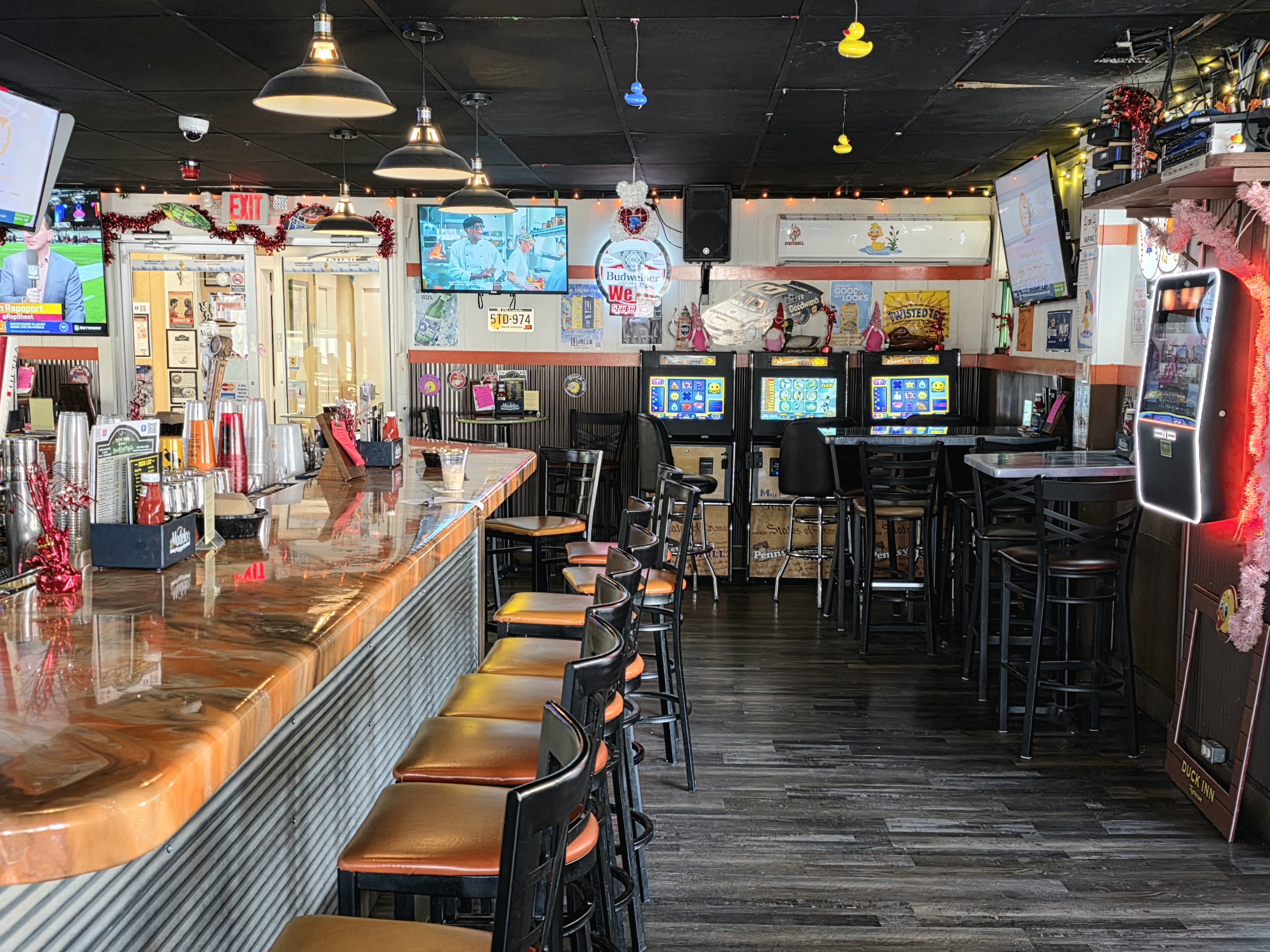
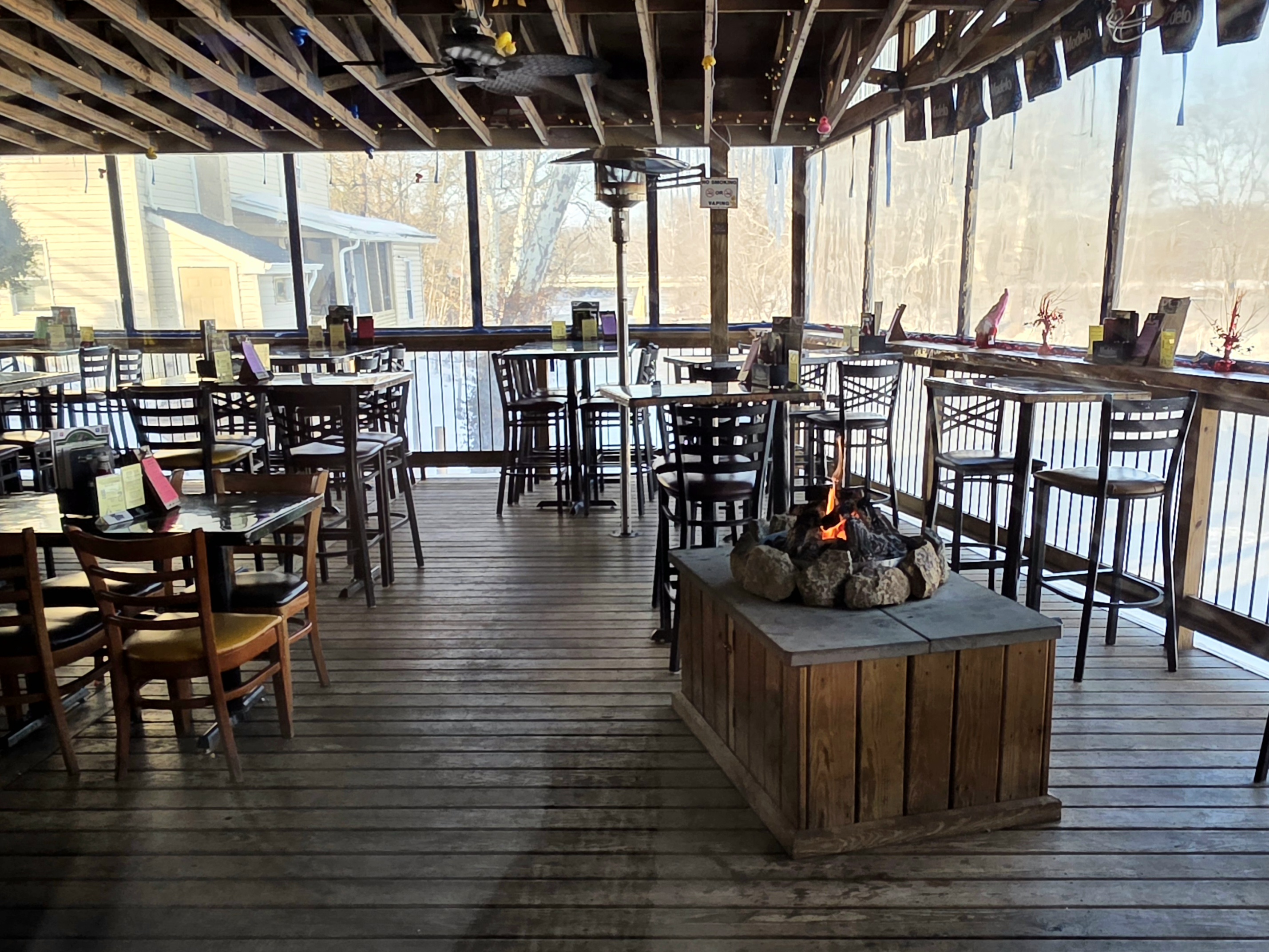
The Duck Inn Taproom’s renowned hospitality and strong sense of community helped it earn recognition in 2024 from America’s Best Restaurants, a national media company highlighting standout, independently owned eateries. This honor reflects not only the quality of the food but also the restaurant’s impact on the local community.
Each Thanksgiving, The Duck hosts its annual Duck Race, a playful tradition drawing families and neighbors down to the creekside. Participants pick up rubber ducks, spectators sip hot drinks, and when the quacking starts, chaos and laughter follow. Top finishers earn cash prizes, but the slowest duck also receives a trophy, turning “last place” into a celebration. Part of the proceeds benefit charity, including the Tunnels to Towers Foundation, reminding everyone the Duck Race is as much about giving back as it is about quacks and laughter.
In recent years, the upper floors of the Perkiomen View Hotel have seen private use, with furnished rooms occasionally rented weekly. While the hotel no longer functions as a public lodging destination, the upper floors remain a living space of sorts.
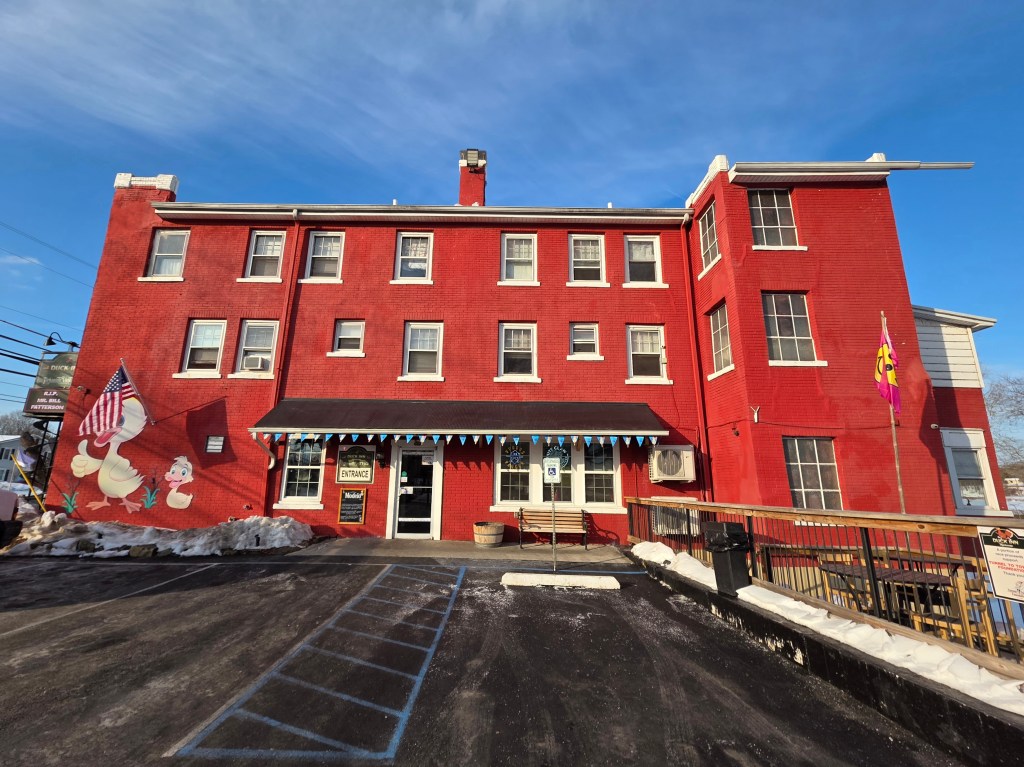
The Duck Inn Taproom is about more than just the building. It’s about the experience: the creak of its wooden floors, the character of its original windows, and the sense of history seeping from its walls. A wide deck stretches toward the creek, a floating dock bobs gently on the water, and every space feels designed for both relaxation and community gathering. Patrons can glide into a kayak or canoe, paddling along the Perkiomen Creek before or after a meal, letting the gentle rhythm of the water carry them—a dining experience few restaurants can offer.
My husband and I are semi-regular visitors. I love their fresh, vibrant salads. Recently, Tim enjoyed a pulled pork hoagie—and is still raving about the perfectly crisp steak fries.
The Duck Inn Taproom is located at 532 Gravel Pike, Collegeville. Why not plan a visit?
For fellow wildlife and bird lovers, beyond the walls of the Duck, on the property and in the adjacent PV Woods, Marino has installed duck nesting tubes and boxes, raising fledgling success from 15 percent to more than 90 percent. Visitors can wander this serene stretch of woods, where mature trees anchor the landscape, the Perkiomen glides by below, and ducks are often close at hand—quiet reminders that thoughtful care for a place can ripple outward, shaping both nature and community in meaningful ways.

 Keystone Wayfarer
Leave your thoughts