The calendar is packed with wonderfully wacky, delightfully odd holidays—some official, some unofficial, and some that make you stop mid-scroll and ask, “Who the hell came up with this?” Take Talk Like a Pirate Day—the magical 24-hour period when it’s completely socially acceptable (and highly encouraged) to yell “Arrr!” at total strangers. Or Blame Someone Else Day, a hilariously daring 24-hour experiment in passing the buck so smoothly it deserves its own Olympic medal. Genius, right?
But if you ask me, the undisputed champion of absurdity? National Bubble Wrap Appreciation Day. I’ll never forget one glorious evening a few years back when a co-worker and I went full-on prank mode: we wrapped our boss’s desk, her bookshelf—basically every square inch of her office—in bubble wrap. Tiny plastic bubbles gleamed under the fluorescent lights like a million miniature crystal orbs… and then the popping began. POP! POP! POP‑POP! Chaos. Beauty. Absolute, ridiculous joy. And yes—I swear, some of those bubbles are probably still popping somewhere today.
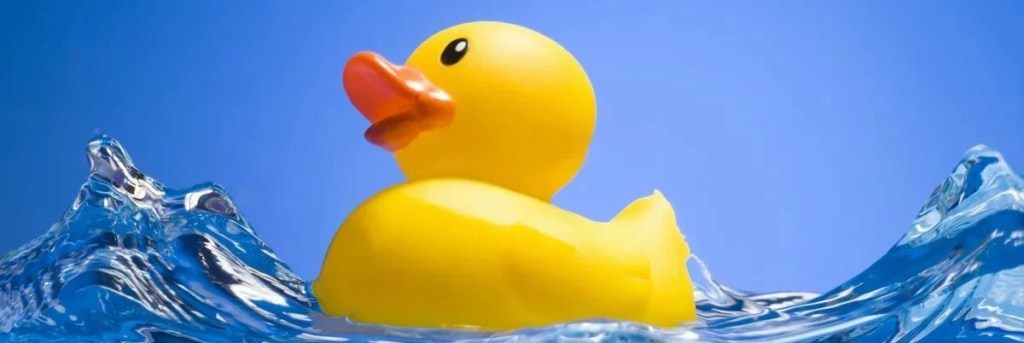
Which brings us to January 13: National Rubber Ducky Day—the one day a year when tiny yellow bath overlords rule the tub. Picture it: ducks everywhere, bobbing like fearless captains of sudsy seas, squeaking orders at shampoo bottles, plotting the overthrow of bath-time boredom. Some squeak with unshakable determination—SQUEAK! SQUEAK!—while others float lazily, rocking that classic rubbery grin like zen masters of foam.

You might be surprised to learn these bath-time icons actually have a rich and twisty history. It all begins in the late 1800s, when American chemist Charles Goodyear (yes, the tire guy) invented vulcanized rubber—a process that hardened rubber while keeping it pliable and waterproof. Suddenly, molded rubber toys became possible.
The first rubber ducks weren’t designed for the tub, though. They were solid, chewable toys for babies, even dogs. Durable? Absolutely. Fun for tiny hands? Not so much. Brick-like, heavy, and rigid, these early ducks were more teething aid than bath-time companion.
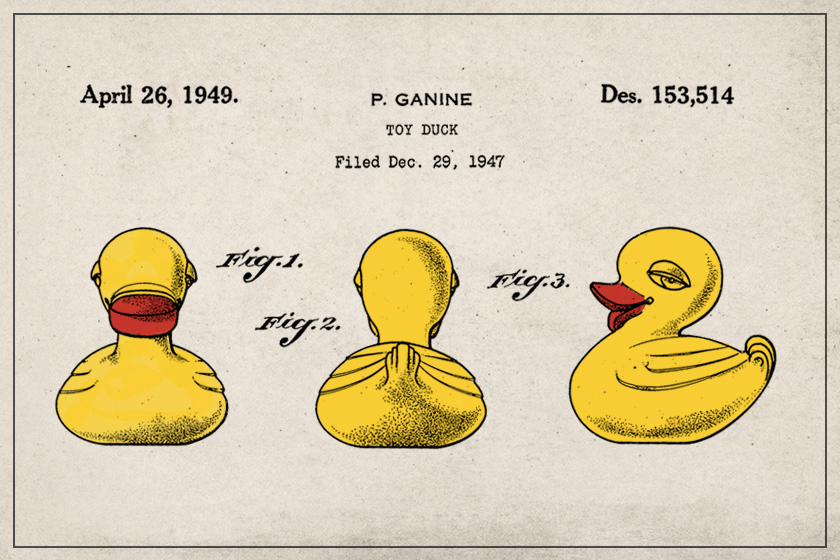
Fast forward to the World Wars, when rubber was scarce. Manufacturers began experimenting with soft vinyl and plastic, creating lighter, more flexible ducks. In 1928, Yonkers-born Landon Smart Lawrence patented a version with a weighted bottom to keep it upright in the tub. A few years later, in 1931, Eleanor Shannahan of Maryland patented a duck that could squirt water from its mouth—perfect for harmless pranks that could startle the unsuspecting or, alternatively, ruin the family cat’s day. Around 1938, Disney and the Seiberling Latex Products Company produced licensed rubber duck “bath floaters” featuring Donald and Donna (later Daisy) Duck, helping to popularize character-themed toys beyond simple chew figures. By the 1940s, sculptor Peter Ganine created the hollow vinyl duck with a squeaker. Patented in 1949, these little quackers sold by the millions, quickly becoming a staple in homes around the world.
The humble yellow duck’s rise to superstardom was sealed in 1970, when Ernie sang “Rubber Duckie” on Sesame Street. Brought to life by Jim Henson, Ernie’s squeaky soulmate became a cultural icon almost overnight. The song even waddled its way onto the Billboard charts, proving that tiny bath toys could achieve real fame—something most of us only dream of while waging war on stubborn soap scum.
Since then, rubber ducks have paddled far beyond the tub. Superhero ducks, pirate ducks, Roman and Viking ducks, novelty CelebriDucks—Elvis, Einstein, even Donald Trump—have all joined the ranks. In 2007, Dutch artist Florentijn Hofman created a 16.5-meter giant Rubber Duck, floating through harbors worldwide, inspiring squeaks, smiles, and even the occasional playful protest. Because if there’s anything that says “serious art,” it’s a giant, inflatable, floating bath toy.
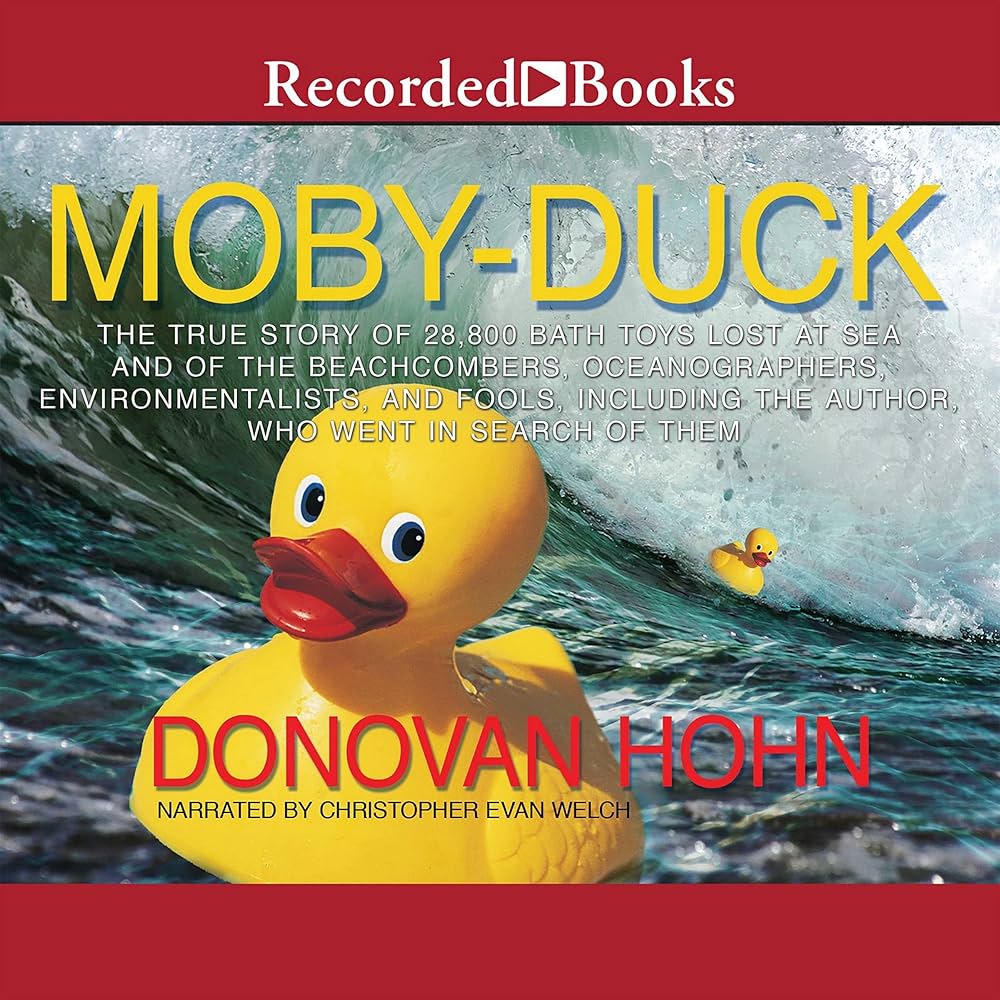
Rubber ducks have also been unintentional oceanic adventurers. In 1992, a shipment of 28,800 “Friendly Floatees,” including 7,200 ducks, spilled off a cargo ship during a Pacific storm. Some drifted south to Indonesia and Australia, others north into Arctic ice, and eventually many returned toward Japan. American oceanographer Curtis Ebbesmeyer tracked their every pop and float, turning a soggy disaster into a famous study of global ocean currents. Donovan Hohn later chronicled the saga in his 2011 book Moby-Duck: The True Story of 28,800 Bath Toys Lost at Sea.

Rubber ducks have a way of popping up in the most unexpected places. Some become the pride of devoted collectors—like Charlotte Lee, who holds the Guinness World Record for the largest rubber duck collection, boasting an astonishing 5,632 unique ducks. She began her hobby in 1996, and over the years her colorful flock has grown to fill an entire room in her Seattle home. Meanwhile, many rubbery friends have made a splash in charity races, where you can “adopt” a duck and watch thousands bob, squeak, and careen their way down rivers or lakes. The one that crosses the finish line first earns a prize for its sponsor.
Some of these races have become downright legendary. In Cincinnati, the Freestore Foodbank Rubber Duck Regatta has been sending ducks down the river since 1994, raising over $4.6 million. Out in Aspen, 30,000 ducks splash into the water each August for the Aspen Ducky Derby, helping local nonprofits to the tune of $2.3 million since 1991. And in Knoxville, Tennessee, the Great Rubber Duck Race faced a small legal detour. Once halted by the state Supreme Court, it returned in full force, releasing 40,000 ducks back into the race for charity glory.
And to top it all off, in 2013 the humble duck made its way into the Toy Hall of Fame, joining chess, jigsaw puzzles, and other serious, non-squeaky contenders. Apparently, icon status, longevity, and innovation aren’t just for kings and queens—they’re for tiny, floating, ridiculous yellow ducks, too.
No matter the size or style, every rubber duck brings its own charm to the tub, proving that even the tiniest yellow quacker can have a massive personality. Tiny, squeaky, utterly ridiculous, yet completely irresistible, the rubber duck is more than a bath-time toy. It’s a pop culture icon, a collector’s delight, a charitable ambassador, and a source of global joy.
So today, if a little yellow quacker shows up in your tub—or secretly plots to conquer your shampoo bottle—give it a squeeze. POP! SQUEAK! QUACK! National Rubber Ducky Day isn’t just a quirky holiday; it’s a celebration of all the tiny, ridiculous things that make life brighter.
For over a decade, Ducks in the Window has been the world’s largest rubber duck shop, featuring more than 1,000 styles—from fireman and golfer ducks to Star Wars, Batman, and even a Mick Jagger duck rocking out for the Rolling Stones. This family-owned shop in Chatham, Massachusetts, draws visitors from near and far, offering a quacky, chaotic experience that must be seen to be believed. For the full rubber duck adventure, there’s Sesame Place in Langhorne. Opened on July 30, 1980, this 14-acre theme and water park brings Sesame Street to life with rides, games, and plenty of chances to meet favorite characters—rubber duck in tow, of course! Operated by United Parks & Resorts under license from Sesame Workshop, the park is set to reopen for the 2026 season in early to mid-April, with water attractions returning on May 23—perfect timing for springtime fun for duck fans of all ages.

 Keystone Wayfarer
Leave your thoughts