
When I first began sketching ideas for a running series on Keystone Wayfarer, my list grew quickly—key industries, notable landmarks, influential people. As I sifted through names and places, one figure immediately stood out: a woman whose gripping story continues to shape the way I see the world and the questions I feel compelled to ask.
During my early years in Astoria, I was captivated by the small island separating Queens from Manhattan—a place I later discovered held countless secrets. Looking back, I realize the attraction was tied to fate: the eventual discovery of the building on Blackwell’s Island that brought Nellie Bly into my world. She’s held my imagination ever since, reminding me to notice the subtle but lasting ways women throughout history leave their mark.
From that point, my focus became clear: I wanted to write about women—those whose vision, creativity, and resolve transformed the world around them. But inspiration doesn’t come only from historical figures. Every woman I’ve known—family, friends, neighbors—has offered lessons in resilience, passion, and the ways people make a difference. My mother, Helen, is one such example. After long workdays, she would settle in for evening classes at a local college. As kids, my brother and I often studied alongside her. Those courses launched her successful career in human resources and paved the way for a better future for our family. Like many of the women I’ve come to admire, she approached her responsibilities with steady focus, often sacrificing her own rest for the sake of others.
These lessons and realizations are what led me to explore the stories of Pennsylvania women, whose legacies continue to shape our world. So this month, I turn the spotlight on two sisters—one born in October, the other who passed away. Their tireless advocacy for good government and women’s rights illuminated a path for others to follow. And as I share their story, I can’t help but wonder how they would view the world in this moment.
Lucy Bell Kennedy was born on October 11, 1880, in Braddock. A six-dollar train ride today would take you to Latrobe, where her younger sister, Eliza Jane Kennedy, was born eight years later, on December 11. Their parents, engineer and inventor Julian Kennedy and Jennie E. (Breneman) Kennedy, instilled in them a profound sense of civic duty. Jennie, in particular, was a remarkable figure in Pittsburgh’s suffrage movement. She co-founded the Equal Franchise Federation of Pittsburgh and helped shape what became known as the “Pittsburgh Plan,” a strategy to advance women’s right to vote across the state. Her dedication to civic engagement and women’s rights deeply influenced Lucy and Eliza, giving them the values and sense of purpose that guided their remarkable work.
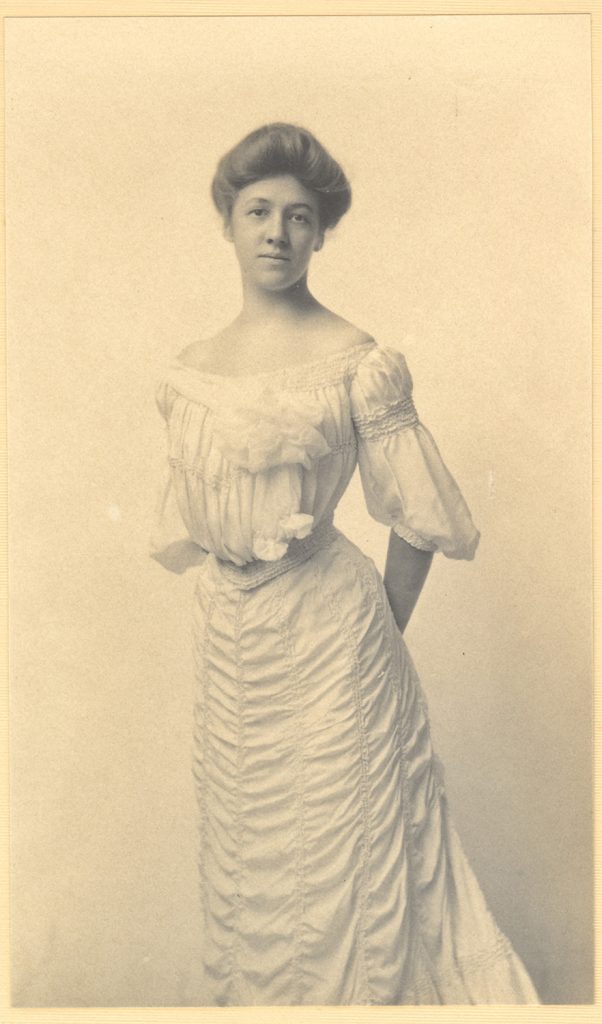

Both sisters received a strong education at the Winchester Thurston School before attending Vassar College—Lucy in 1902 and Eliza in 1912. Like my mother, they recognized the transformative power of education and approached their studies with focus and purpose.
The bond between them was more than familial—it was foundational, a source of strength that guided their work and the causes they championed. On May 1, 1907, Eliza stood as Lucy’s only attendant at her wedding, a reflection of the deep affection they shared. Lucy married John Oliver Miller, vice president of Peoples First Bank and Trust, a forerunner of today’s PNC Financial Services Group. Together they had three children, including Eliza Jane Miller, who would go on to become a renowned sculptor and painter. Years later, Eliza’s own wedding became a celebration of women’s suffrage—a blend of personal joy and public advocacy. She and her husband had two sons, including Templeton Smith, who would later emerge as one of America’s first environmental lawyers.
Just two years into her marriage, Lucy immersed herself in Pittsburgh’s suffrage movement. She attended meetings, hosted educational events, and assisted the Allegheny County Equal Rights Association. Recognized for her vision and tenacity, she quickly assumed the presidency of the Pennsylvania Equal Franchise Federation, organizing parades and public events that galvanized support for women’s rights. Building on her leadership, Lucy co-founded a school for suffragists with Mary Bakewell, daughter of Benjamin Bakewell, Pittsburgh’s first successful flint glass manufacturer.
Starting in 1915, Lucy urged Pennsylvanians to pressure legislators to ratify the 19th Amendment. Four years later, she made history as the first woman to address the state legislature. That same year, she and fifteen other women produced a special “Women’s Suffrage Edition” of the Pittsburgh Post, writing stories, editorials, and cultural reviews that celebrated women’s achievements both locally and globally. The edition welcomed the first Colored Women’s Equal Franchise League of Pittsburgh and reported on suffrage progress in more than twenty countries. Thousands of copies were distributed, making it the paper’s most widely circulated edition ever and cementing its impact on the movement.

The 19th Amendment, ratified on August 18, 1920, granted women the right to vote after decades of tireless advocacy. Pennsylvania played a key role, becoming the seventh state to ratify the amendment. Women like Lucy, Eliza, and their peers demonstrated that local and state efforts could reshape history. Even after this milestone, Lucy’s work continued. She became the first president of the League of Women Citizens of Pennsylvania, the predecessor to today’s League of Women Voters, helping women stay engaged in public life beyond casting a ballot.
Both sisters also held city government accountable, investigating corruption that led to Mayor Charles H. Kline’s indictment and conviction. Eliza, relentless in her scrutiny, attended budget sessions, advocated for transparency, and helped modernize the city’s police communications well into the 1940s. My mother, in her own quiet way, displayed a similar persistence: supporting our dreams, managing long hours, and modeling integrity in all she did.
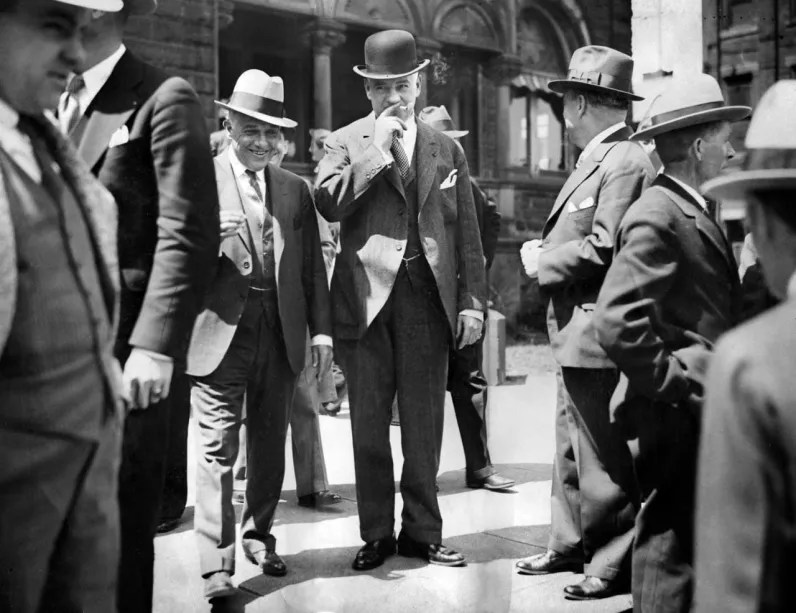
After their hard-won victories, the sisters continued to shape their communities. In 1928, Lucy moved with her husband to Talbot County, Maryland, where they purchased Emerson Point. This wasn’t just any property—it had once belonged to William Hambleton and played a pivotal role in Frederick Douglass’s life. It was here that Douglass planned his first daring escape from slavery. Decades later, the property remained in the family, eventually passing in 1964 to their daughter, Eliza Jane Miller, carrying forward a legacy of resilience and impact.
Following a diagnosis of carcinoma of the bowel, Lucy spent her final days at West Penn Hospital in Pittsburgh and passed away peacefully on June 30, 1962, at the age of 81. Her son, Julian K. Miller, was listed as the informant on her death certificate, and H. Samson, Inc., of Pittsburgh handled the funeral arrangements. She was cremated at the Homewood Cemetery Crematory, and a memorial service was held at St. Michael’s Church in Maryland.
Eliza never wavered in her dedication, supporting both her family and the community around her. In 1964, she was photographed with her granddaughter and U.S. Navy Admiral Ben Moreell. The photo was taken while she showed her support for Senator Barry Goldwater, widely known as the “patriarch of the conservative movement” and the Republican presidential nominee that year. Although he lost in a landslide, his campaign energized modern conservatism.
Even after her diagnosis of cancer of the sigmoid colon in 1963, Eliza remained engaged with those around her until her passing on October 23, 1964, at the age of 74. She was laid to rest at Homewood Cemetery, closing a remarkable chapter in Pittsburgh’s history. On June 10, 1965, Congressman James G. Fulton posthumously recognized her in the Congressional Record as one of Pittsburgh’s most respected citizens, honoring her lifelong contributions to family, community, and civic life.
On October 26, 2023, Eliza Smith Brown released She-Devils at the Door, a compelling account of Lucy and Eliza Kennedy. Brown’s meticulously researched narrative chronicles her grandmother and great-aunt’s many achievements while highlighting the challenges they faced in a male-dominated political landscape. The book stands as a testament to the sisters’ dedication and the lasting impact of their work on Pittsburgh’s civic life.

The Kennedy sisters’ story is remarkable not only for their achievements but for the courage, intellect, and compassion with which they approached their work. As I reflect on their legacy, I see threads connecting past and present. We are all part of this chain of influence—a web linking one life to another, each thread shaping the next in ways both subtle and profound.
Their example brings back memories of my mother. She never led parades or addressed legislatures, yet her steadfast determination and quiet integrity shaped my life in ways both visible and unseen. In that light, the courage of Lucy and Eliza Kennedy, my mother’s unwavering dedication, and the women who inspire us daily all belong to the same lineage. True influence does not fade; it flows quietly but powerfully across generations, reshaping the world in ways we may only begin to grasp.
Don’t forget to make time to vote on Tuesday, November 4! Polls are open from 7 a.m. to 8 p.m., and as long as you’re in line by 8, you’ll get to cast your ballot.

 Keystone Wayfarer
Leave your thoughts