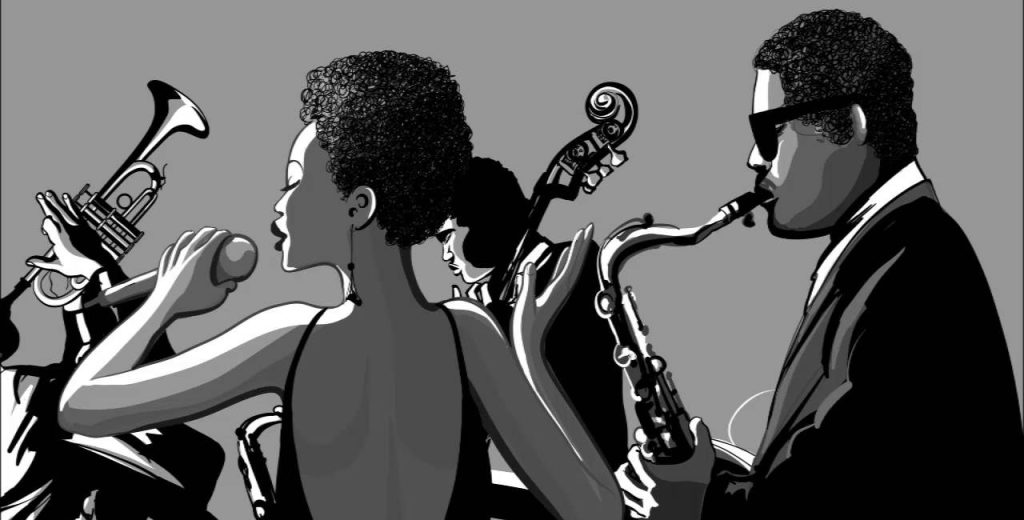
One night, not long ago, the weight of the world felt unbearable—as if I was sinking beneath the density of everything I couldn’t escape. It was the kind of heaviness that seeps into your bones, making it hard to breathe, hard to think. I sat alone in my living room, the dim glow of my computer casting a pale light across the quiet room on an unusual night that I wasn’t working at the theater. On autopilot, I clicked on a YouTube video that appeared on my screen.
In that moment, the world slipped away as Billie Holiday’s beloved song God Bless the Child—a haunting, honest masterpiece—filled the room. Her voice, weathered and fragile, carried the gravity of decades of pain and resilience. The lyrics—a stark truth about independence, pride, and survival—hit me with undeniable force, much like a sucker punch to the gut. Qualities Billie knew all too well.
As the notes lingered in the air, I felt an odd sense of solace. It was as if Billie herself was looking me in the eye, saying, “Yes, life is brutal. It will try to break you. But you’ve got to stand on your own two feet, no matter what.” This raw, unshakable mix of vulnerability and quiet strength not only defines Billie Holiday’s legacy but also serves as the inspiration behind Keystone Wayfarer’s fourth installment that shines a spotlight on influential women from Pennsylvania.
Born in Philadelphia on April 7, 1915, to unwed teenage parents Sarah Julia “Sadie” Fagan and Pvt. Clarence E. Holiday, Billie Holiday faced hardships few could imagine. By the age of twelve, necessity had thrust her into domestic labor—cleaning houses, selling flowers, and running errands at a local brothel. Yet, even in this bleak world, music offered her an escape. Captivated by the records of Louis Armstrong and Bessie Smith, Billie found sanctuary in their voices—a refuge that would become her lifeblood, her means of survival.
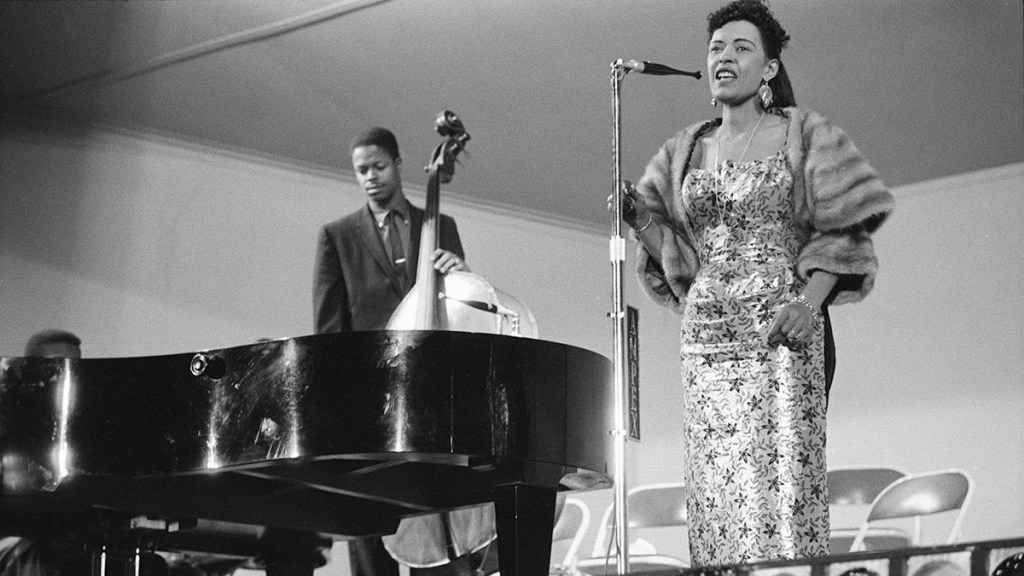
In 1929, the year of the Great Wall Street Crash, Billie—whose name was inspired by her admiration for actress Billy Dove and her father—moved with her mother to Harlem, a vibrant cultural hub in New York City. The area was alive with jazz and blues—the sounds of hope mixed with struggle. These elements deeply influenced Billie’s developing voice and artistry. Working tirelessly to support herself and her mother, Billie immersed herself in music, honing her unique vocal style and steadfastly growing the emotional depth that would later define her career.
Her voice wasn’t flashy; it was small and understated. Yet, there was power in the way she phrased each line, often lingering just behind the beat. This unique style caught the attention of legendary talent scout John Hammond, who played pivotal roles in shaping the careers of artists like Count Basie, George Benson, Leonard Cohen, and Aretha Franklin. In 1935, Billie signed a recording contract with Columbia Records’ Brunswick imprint, marking the official start of her professional career.
Her collaboration with pianist Teddy Wilson yielded the hit What a Little Moonlight Can Do, which quickly became a jazz standard and cemented her place in the genre. Around this time, saxophonist Lester Young affectionately dubbed her “Lady Day,” a nickname that perfectly captured the blend of vulnerability and strength that defined both her persona and her artistry.
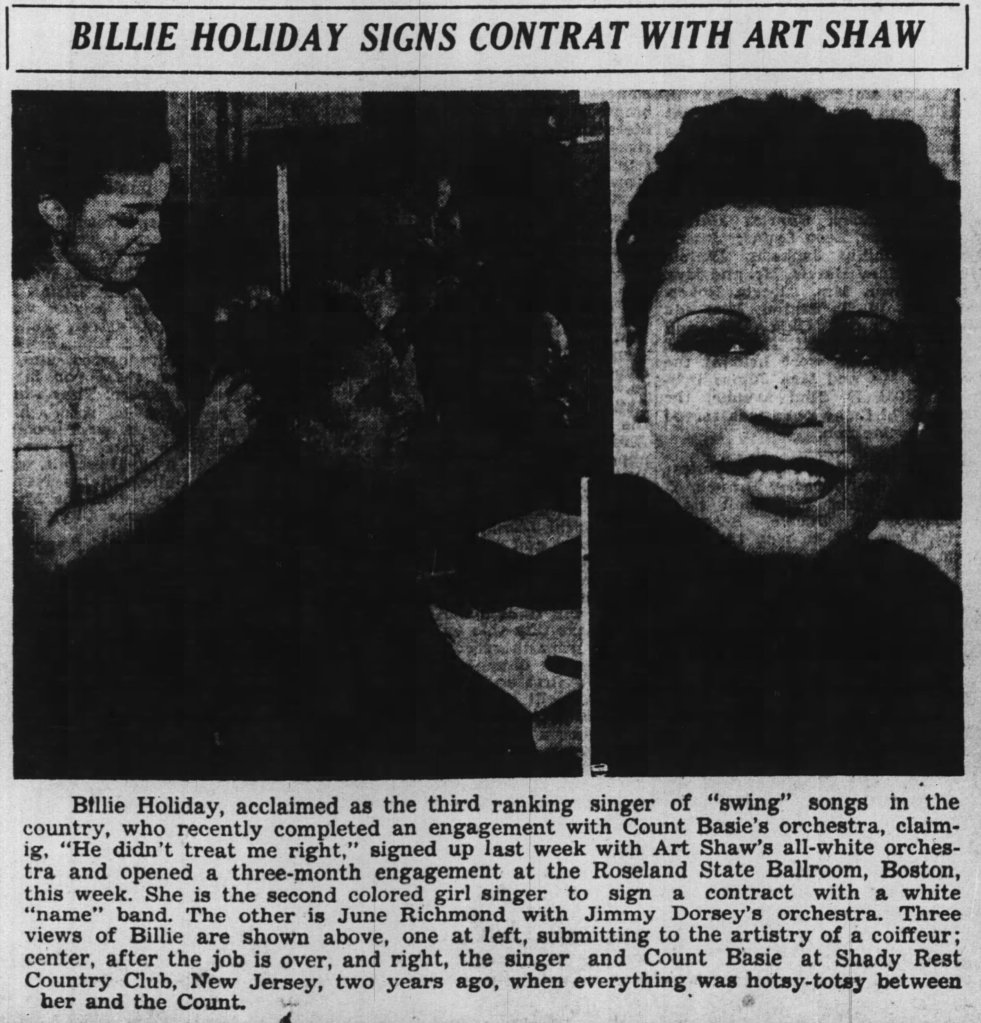
Throughout the 1930s and 1940s, Holiday enjoyed mainstream success, captivating audiences with her emotive delivery and distinctive style. She continually sought to expand her horizons, and in 1938, she made a bold move by joining Artie Shaw’s orchestra. This was a groundbreaking moment—Billie became the first Black woman to perform with a white orchestra, a defiant statement of her talent and resolve in an America still gripped by segregation and racial injustice.
Despite fierce competition from contemporaries like Ella Fitzgerald, Holiday carved out her own unique space in the jazz world. Over time, the two artists developed a friendship grounded in mutual respect and their shared love of music.
Perhaps the most haunting chapter in Holiday’s musical legacy came in 1939 with the release of Strange Fruit. Written by Abel Meeropol, the song offered a harrowing account of the lynching of African Americans. Initially performed at teachers’ union meetings, the song was introduced to Holiday by friend Barney Josephson, owner of Café Society Nightclub in Greenwich Village. Holiday hesitated at first—its brutal subject matter dredged up painful memories, including her father’s death and the racial prejudice he faced.
When she finally performed it at Café Society, her voice trembled yet remained unwavering, piercing the heavy air as only a single spotlight illuminated her face. The performance left the audience in stunned silence. The song’s power lay not just in its stark portrayal of violence, but in Holiday’s raw, emotional delivery—transforming it into one of the earliest protest anthems of the Civil Rights Movement.

It was during the late 1940’s that cracks began to show, as personal struggles, including legal troubles and drug abuse, began to overshadow her career. By 1957, her health had begun to deteriorate. She had battled drug addiction and drinking for years, and the abuse she suffered in her personal relationships left lasting scars. Yet, she continued to perform, refusing to let anything—least of all her declining health—deter her from the music that had always been her greatest love.
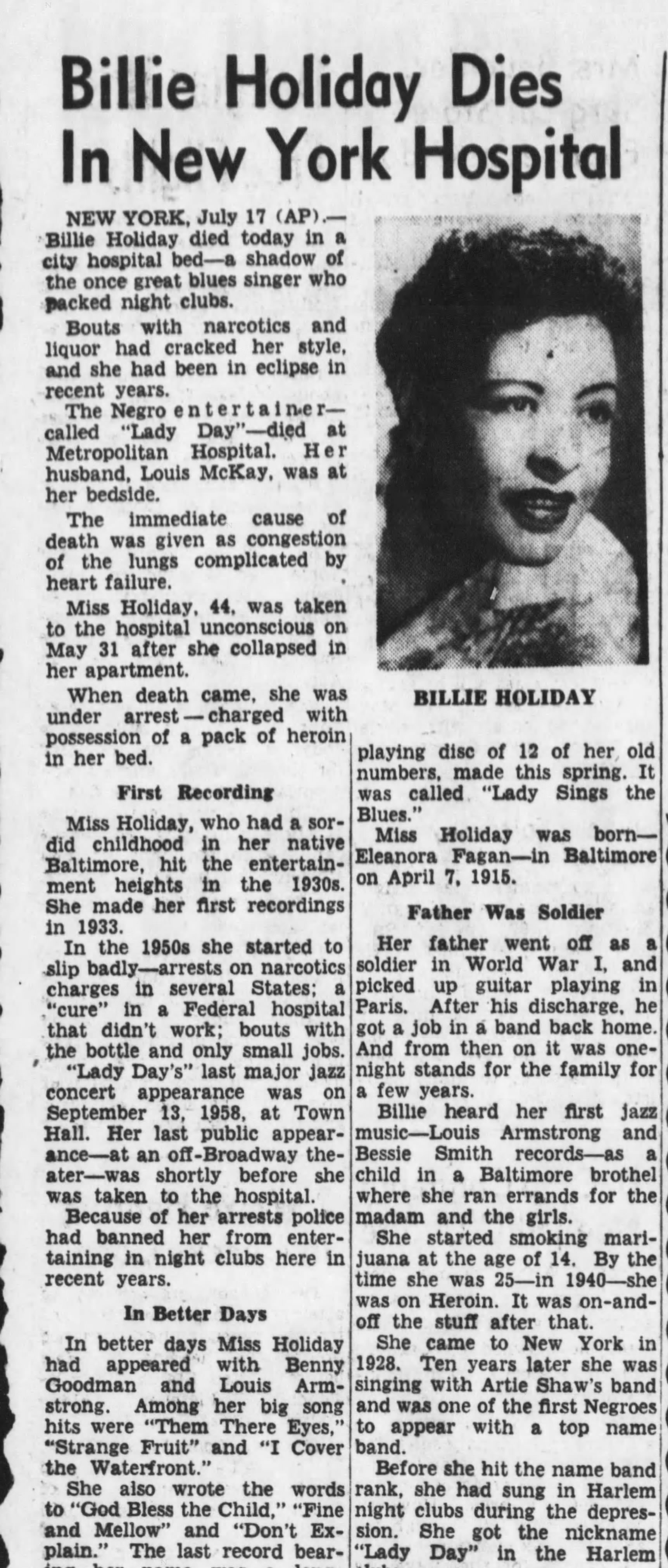
Billie Holiday passed away on July 17, 1959, at the age of 44 from heart failure and pulmonary edema derived from cirrhosis of the liver, a result of years of alcohol abuse. Under arrest for heroin possession, she had little money at the time of her death and no will. Her estranged husband, Louis McKay, an alleged mafia enforcer, inherited her entire estate, including her royalties, images, and publishing rights.
Billie Holiday recorded extensively for several labels throughout her career. From 1933 to 1942, she recorded for Columbia Records and its subsidiaries—Brunswick, Vocalion, and OKeh. She worked with Commodore Records from 1939 to 1944, then Decca Records from 1944 to 1950. Brief stints with Aladdin Records in 1951, Verve (and its predecessor Clef) from 1952 to 1957, and again Columbia between 1957 and 1958. She concluded her career with MGM Records in 1959. Most of her early work appeared on 78-rpm records; only Clef, Verve, and Columbia released original albums during her lifetime. Since her death, numerous compilations, box sets, and live recordings have been issued.
Billie Holiday’s impact on music continues to be recognized decades after her passing. She won four Grammy Awards, all posthumously, including for Best Historical Album, highlighting the enduring significance of her work. Holiday was inducted into both the Grammy Hall of Fame and the National Rhythm & Blues Hall of Fame. In 2000, she was honored by the Rock & Roll Hall of Fame as an early influence, with their website stating that “Billie Holiday changed jazz forever.”
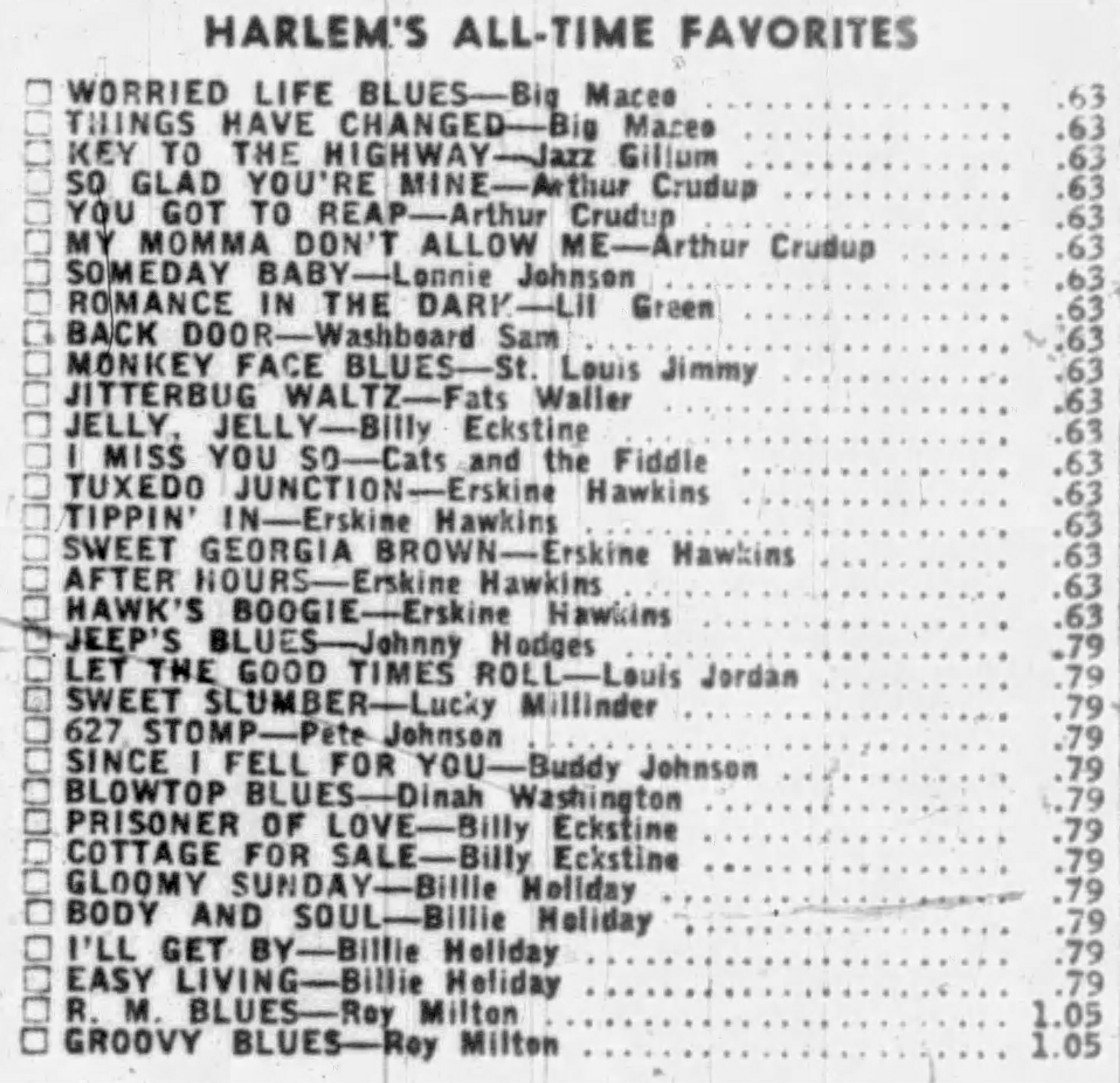
Her legacy is further cemented by accolades such as being named one of NPR’s 50 Great Voices and ranking fourth on Rolling Stone’s list of 200 Greatest Singers of All Time. Holiday’s life and artistry have inspired several films, including The United States vs. Billie Holiday (2021), which explores her tumultuous career and personal struggles.
In her autobiography, Lady Sings the Blues, Billie Holiday candidly recounts her formative years. A best-seller, the book offers a raw and unfiltered glimpse into her personal tragedies, addiction, bisexuality, and one-year prison sentence. The 1972 film adaptation, starring Diana Ross, further cemented her place in history, becoming one of the most iconic voices in jazz.
Despite the many tragedies in her life, Billie Holiday’s legacy remains one of immense artistic achievement. She broke barriers in a segregated world, both musically and socially, and her influence continues to echo through the generations. From the raw emotion in her voice to the courage in her music, Billie Holiday remains an icon, a woman who fought for her place in history, and whose songs will live on for as long as people listen to jazz.
“You’re the one who knows me well, might as well get used to you hanging around,” Billie sang in her popular song “Good Morning Heartache.” That night, not so long ago as I sat listening to her voice, it’s clear: She may have left this world too soon, but her music remains timeless.

 Keystone Wayfarer
Leave your thoughts