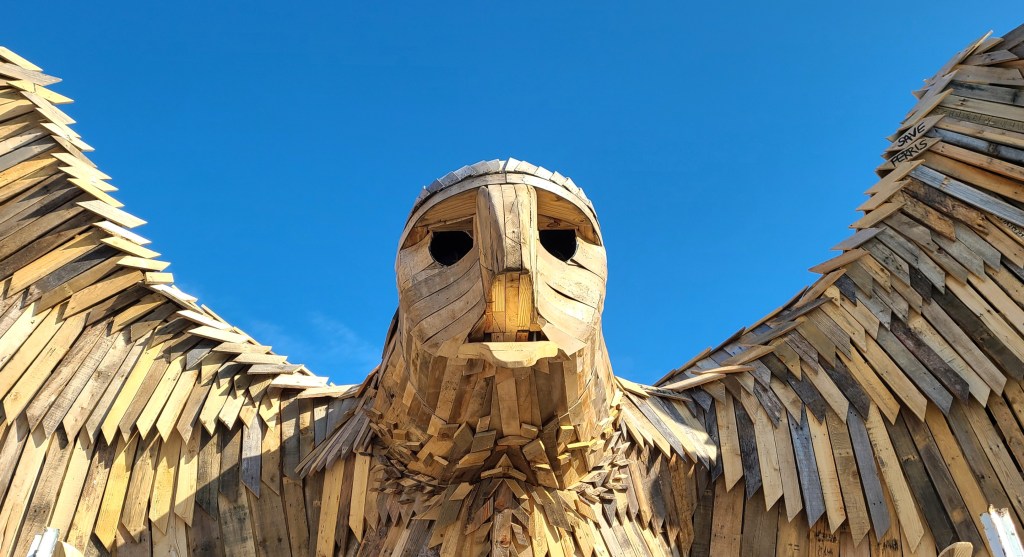
Tradition is more than just a word—it’s a vibrant, living celebration that connects the past with the future. From family rituals to large cultural events, tradition bridges generations and shapes the collective identity of communities. In Phoenixville, one of the most powerful embodiments of this is the Firebird Festival, a dynamic jubilee that brings together community, art, and history.
The Phoenixville Firebird Festival is an annual event that unites local residents and regional visitors for an unforgettable evening filled with live music, art, delicious food, and the dramatic burning of a 20-foot phoenix crafted from wood and recycled materials. Ordinarily held in December, 2024’s festival will take place on February 1 due to a seasonal fire ban that delayed the event. “The postponement brought additional logistical and financial challenges, but it also allowed the team to refine and perfect the event, making it even better,” says Festival Committee Member Marianne Calilhanna. The eagerly anticipated event has already earned recognition, with The Philadelphia Inquirer recently naming it one of “a dozen reasons to feel hopeful in 2025.”
The Firebird Festival began in 2004, when a group of local artisans, including founding member Henrik Stubbe Teglbajaerg, came together to cultivate community arts. What began as a modest gathering has since blossomed into a major cultural event, attracting thousands of visitors annually. Many of the original organizers played key roles in shaping Phoenixville’s now-vibrant arts scene, a transformation that can be seen in the stunning murals adorning buildings throughout the borough.
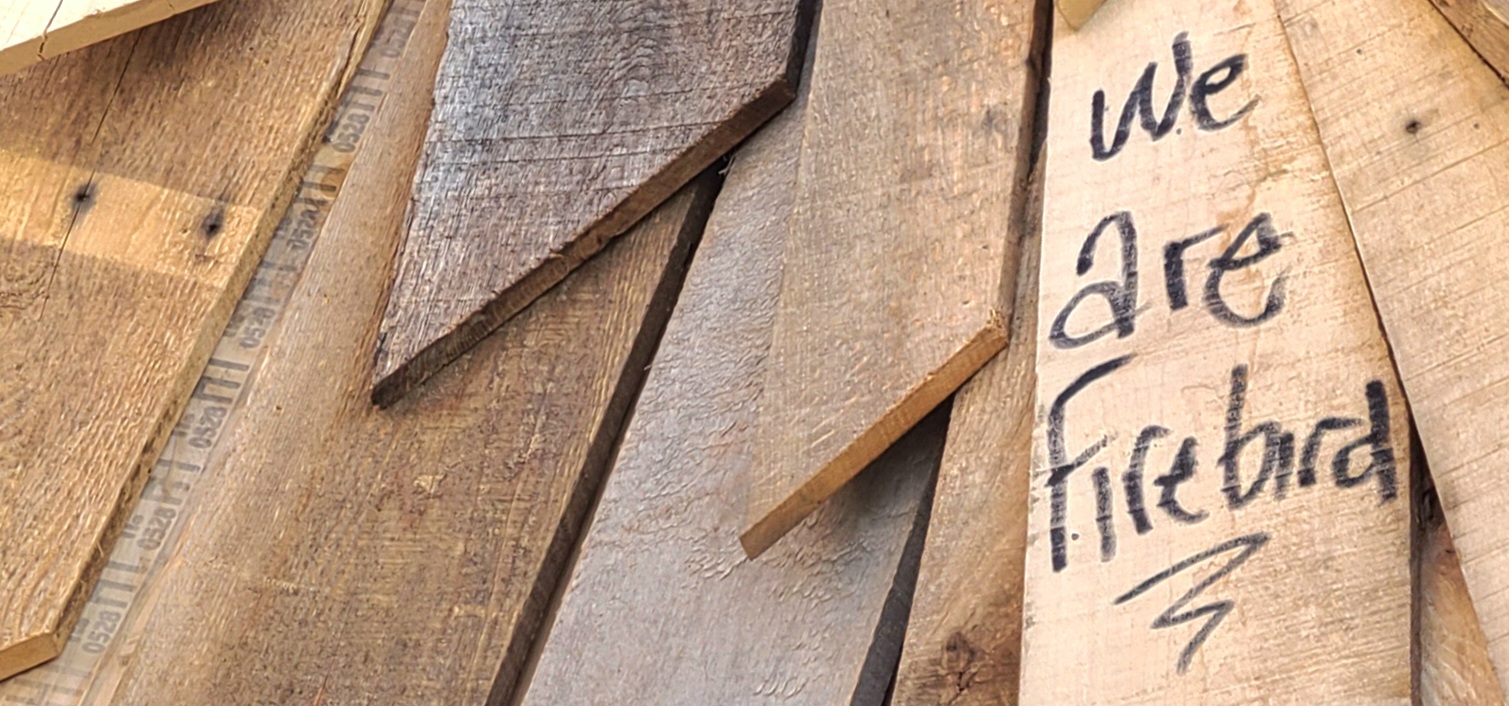
As the festival expanded, so did the artistry behind its centerpiece—the phoenix itself. Each year, a new design emerges, requiring hundreds of volunteer hours. “The committee votes on the design after constructing scale models using popsicle sticks,” explains Calilhanna. This year’s phoenix, crafted by Carl Illig, features large outstretched wings, a high center of mass, and a narrow body—requiring a sturdy internal support structure made of large timbers and steel bolts.
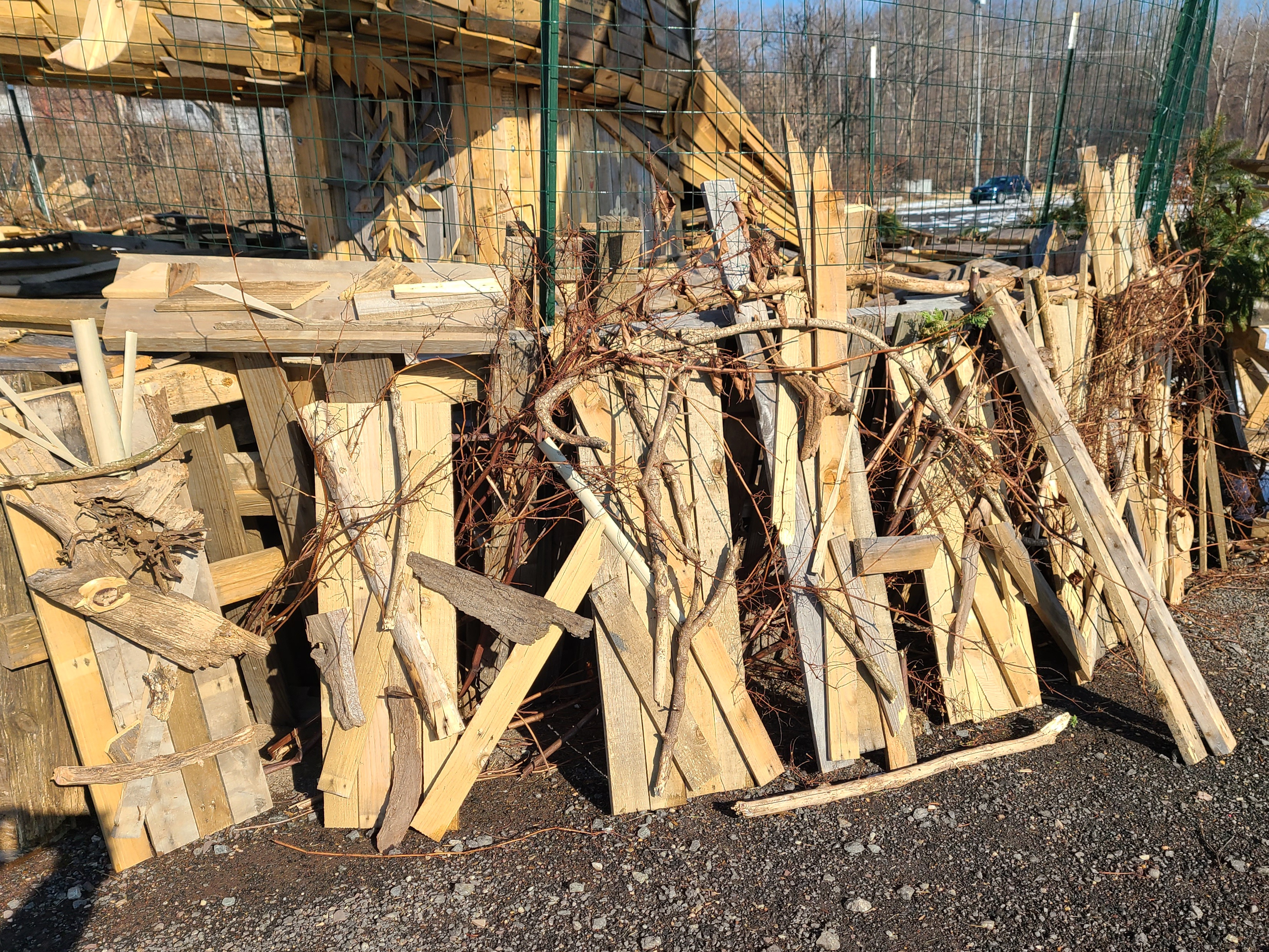
Building the phoenix is a labor of love, led each year by a core team of 8 to 12 dedicated volunteers, with dozens more stepping in on weekends to help. “We usually use between 75 and 150 donated pallets, along with other materials generously provided by local businesses,” says Illig. This collaborative effort reflects the spirit of the festival, where creativity and generosity come together to build something meaningful.


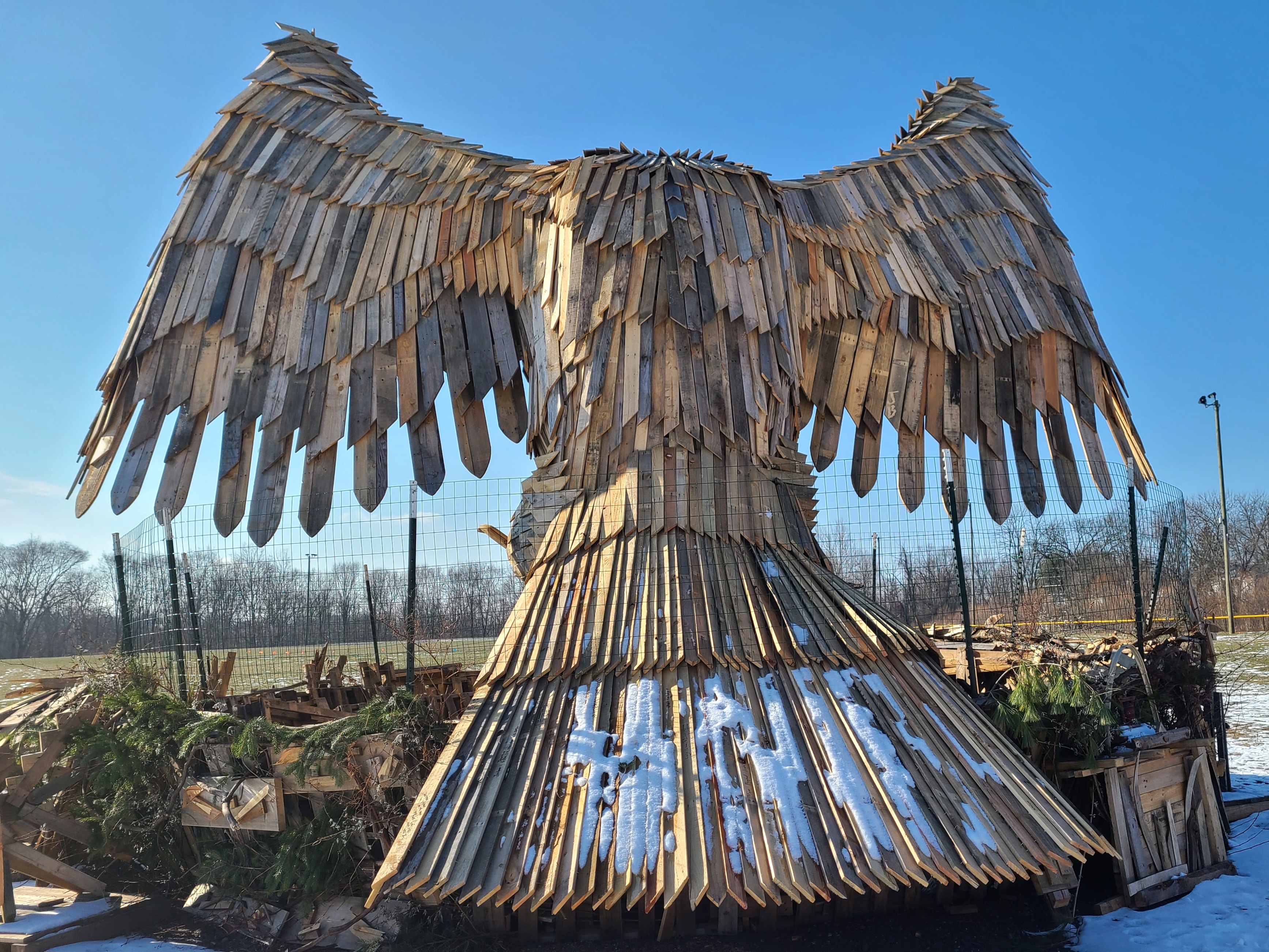
The phoenix, ever-changing yet constant in its symbolism, mirrors the festival’s evolution. Just as the design grows year after year, so does the festival’s impact on the Phoenixville community. In 2018, the event moved to Veterans Memorial Park to accommodate growing crowds. While the expanded space presented new logistical challenges, it also offered opportunities to enhance the festival’s offerings.
In 2014, an unexpected fire nearly derailed the event. But the community rallied, gathering pallets to rebuild the phoenix in just hours, undeterred by rain. Local businesses stepped in, providing food that was later donated to the food pantry, ensuring no part of the event went to waste. This moment exemplified the resilience and tight-knit spirit of Phoenixville—qualities that the Firebird Festival continues to celebrate.
The Firebird Festival offers more than just the dramatic burning of the phoenix. Attendees can explore the vibrant festival village filled with handcrafts from carefully selected artisans, many of whom are local residents deeply invested in the town’s growth and success. Securing a spot at the festival has become highly competitive, with participation filling up quickly each year.


The performance stage showcases lively local musicians, with an opening act followed by a tribute band that performs during the phoenix burning ceremony. This year, the tribute band will honor The Rolling Stones, following past tributes to icons like David Bowie, The Doors, and Pink Floyd.
The borough’s namesake—the phoenix—is a powerful symbol of renewal, found in various cultures and mythologies. In Egyptian mythology, the Bennu bird connects the divine and earthly realms, while the Greek phoenix rises from its own ashes, symbolizing immortality and transformation. This mythological bird is an apt emblem for both the festival and Phoenixville itself.
Originally settled in 1732 as Manavon, the town later became a hub for iron and steel manufacturing under Lewis Wernwag, who renamed his factory Phoenix Iron Works after witnessing a phoenix rise from the flames of its furnaces. After the factory closed in 1987, the town faced economic decline, but recent revitalization efforts—including the renovation of the Colonial Theatre, famous for its role in the 1958 film The Blob, and the revitalization of Bridge Street—have breathed new life into Phoenixville, much like the phoenix itself.
The Phoenixville Firebird Festival is free to attend and will take place on Saturday, February 1, at Veterans Memorial Park, located at 194 Mowere Rd. The festival begins at 4 p.m., with the phoenix lighting at 8 p.m. As the phoenix rises once more, the festival will celebrate not only the community’s enduring resolve but also its ever-evolving spirit, where the past, present, and future converge in a living tradition of transformation.
For an even deeper look into the making of this iconic event, check out Firebird: Built to Burn, a documentary by Little Echos Productions. It offers an in-depth exploration of the festival’s history and its profound impact on the Phoenixville community. The documentary is available for purchase on Amazon.

 Keystone Wayfarer
Leave your thoughts