
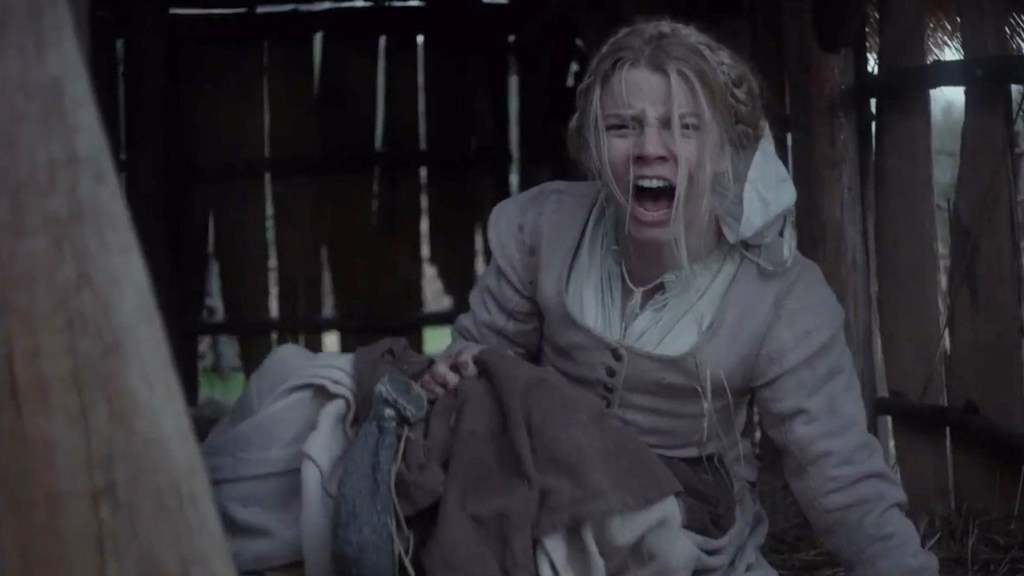
One of my favorite films in recent years is Robert Eggers’ The Witch. Set against the haunting isolation of Puritan New England, this deeply unsettling psychological horror explores a family’s gradual disintegration under the weight of fear, suspicion, and unseen malevolent forces. Ana Taylor-Joy, celebrated for the haunting depth of her performances, brings Thomasin to life with a blend of innocence and distressing resolve that becomes increasingly disturbing with each scene. Simon Abrams from RogerEbert.com describes the film as “consistently engrossing” and “paradoxically inviting and somber,” perfectly capturing the pervasive tension that lingers throughout the story. For me, what makes The Witch so compelling is its ability to tap into primal fears, seamlessly blending historical realism with supernatural dread.
With Halloween just two days away, local communities are abuzz with excitement as parades, hayrides, and the annual trick-or-treat walk fill family calendars. A cherished tradition in Schwenksville gathers families at Pennypacker Mills, where they cozy up around a crackling fire to hear ghost stories recited by haunted historian Charles Adams III. In my household, we indulge in a month-long horror movie marathon, several drawing on Pennsylvania’s rich colonial past, enhancing the eerie atmosphere of the season.
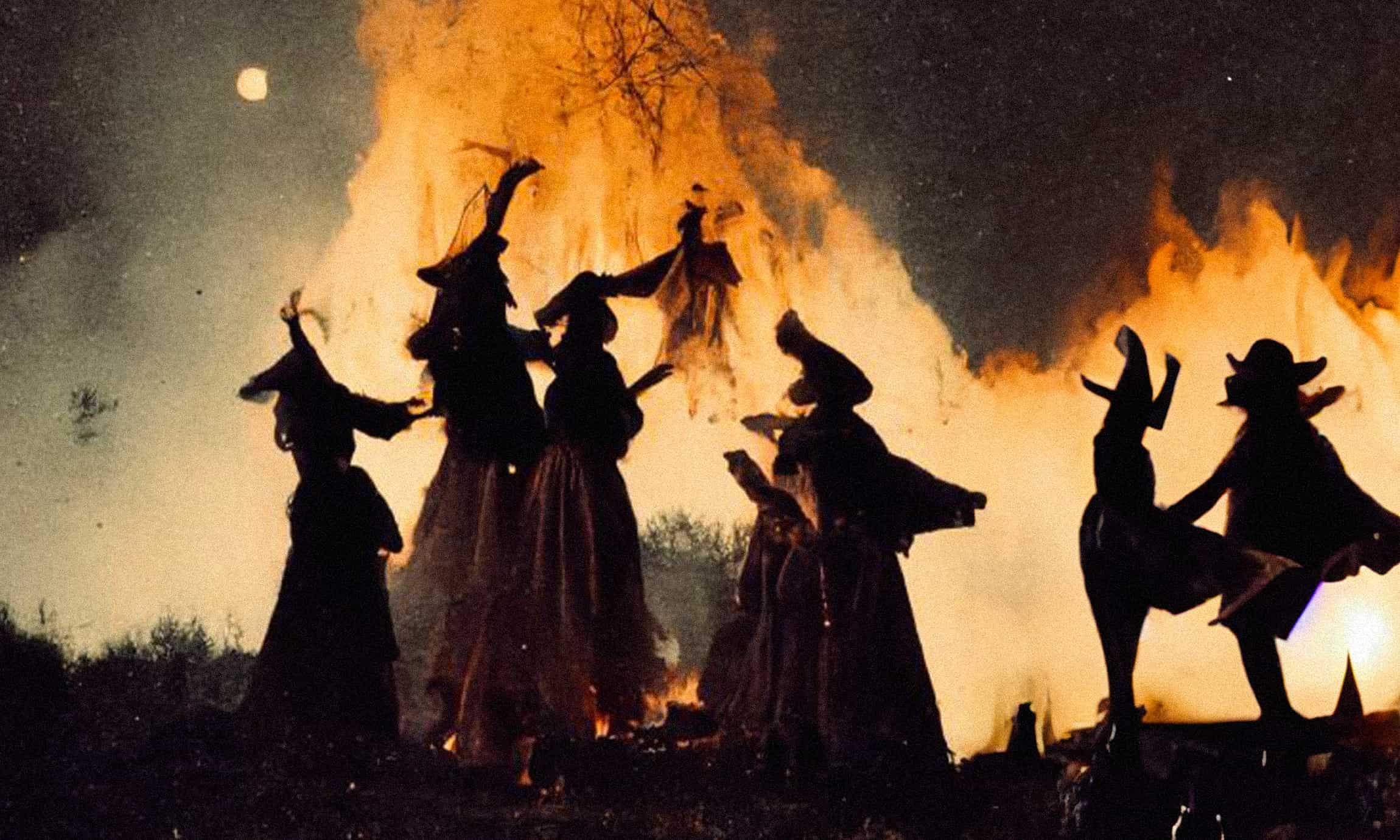
The origins of Halloween stretch back thousands of years, with witches being a predominant theme in this colorful history. Early witches practiced magic, using spells and calling upon spirits for assistance in bringing about change. Most were single women on society’s margins, often accused of being pagans in league with the Devil. Throughout history, witches have been depicted in various forms—from evil, wart-nosed women huddled over cauldrons to hag-faced beings riding through the sky on broomsticks. In pop culture, witches range from benevolent suburban housewives to awkward teenagers discovering their powers, and charmed sisters battling evil forces. Yet the real history of witches is dark and often deadly.
Between 1500 and 1660, approximately 80,000 suspected witches were executed in Europe, with Germany having the highest rate. The 1486 publication of Malleus Maleficarum, written by two prominent German Dominicans, likely fueled witch mania, serving as a guide for identifying, hunting, and interrogating witches. This book became the reigning authority for both Protestants and Catholics seeking to root out witchcraft. For over a century, it sold more copies than any book in Europe except the Bible.
Witches captivate our imagination, especially during Halloween. American folklore brims with tales of intriguing women like Laurie Cabot, the modern-day Salem witch; Grace Sherwood, known as the “Witch of Pungo”; and Marie Laveau, the renowned Voodoo Queen of New Orleans. Among these stories, the Salem Witch Trials of 1692—less than fifteen miles from my birthplace—stand out as the most infamous episode of hysteria in American history. Yet, fewer people realize that Pennsylvania had its own witch trial even before Salem, a lesser-known chapter that deserves its share of recognition.
The trial of Margaret Mattson, often referred to as the “Ridley Creek Witch,” took place in Philadelphia, eight years before the infamous Salem Witch Trials, marking an early chapter in the witchcraft hysteria that would sweep across the colonies. According to records, Mattson and her husband, Nils, immigrated from Sweden to southeastern Pennsylvania in 1654, settling on a 100-acre farm near the mouth of Ridley Creek, where it meets the Delaware River. For nearly thirty years, the Mattsons lived peacefully among their English neighbors until tensions began to surface, particularly with nearby residents Henry Drystreet, Charles Ashcom, and Annakey Coolin, whose disputes over land and resources may have fueled the accusations.
Margaret, along with neighbor Yeshro Hendrickson, was accused of practicing witchcraft, allegedly causing local livestock to die under mysterious circumstances. Margaret was also accused of threatening her daughter with a knife. During the trial, requiring an interpreter, Margaret pleaded not guilty, dismissing the accusations as unfounded hearsay. Presided over by William Penn, the trial resulted in an unusual verdict: the suspects were found not guilty of practicing witchcraft but deemed to have a reputation as a witch. Consequently, the husbands of both Margaret and Yeshro were required to post a bond of fifty pounds, refundable after six months of good behavior.
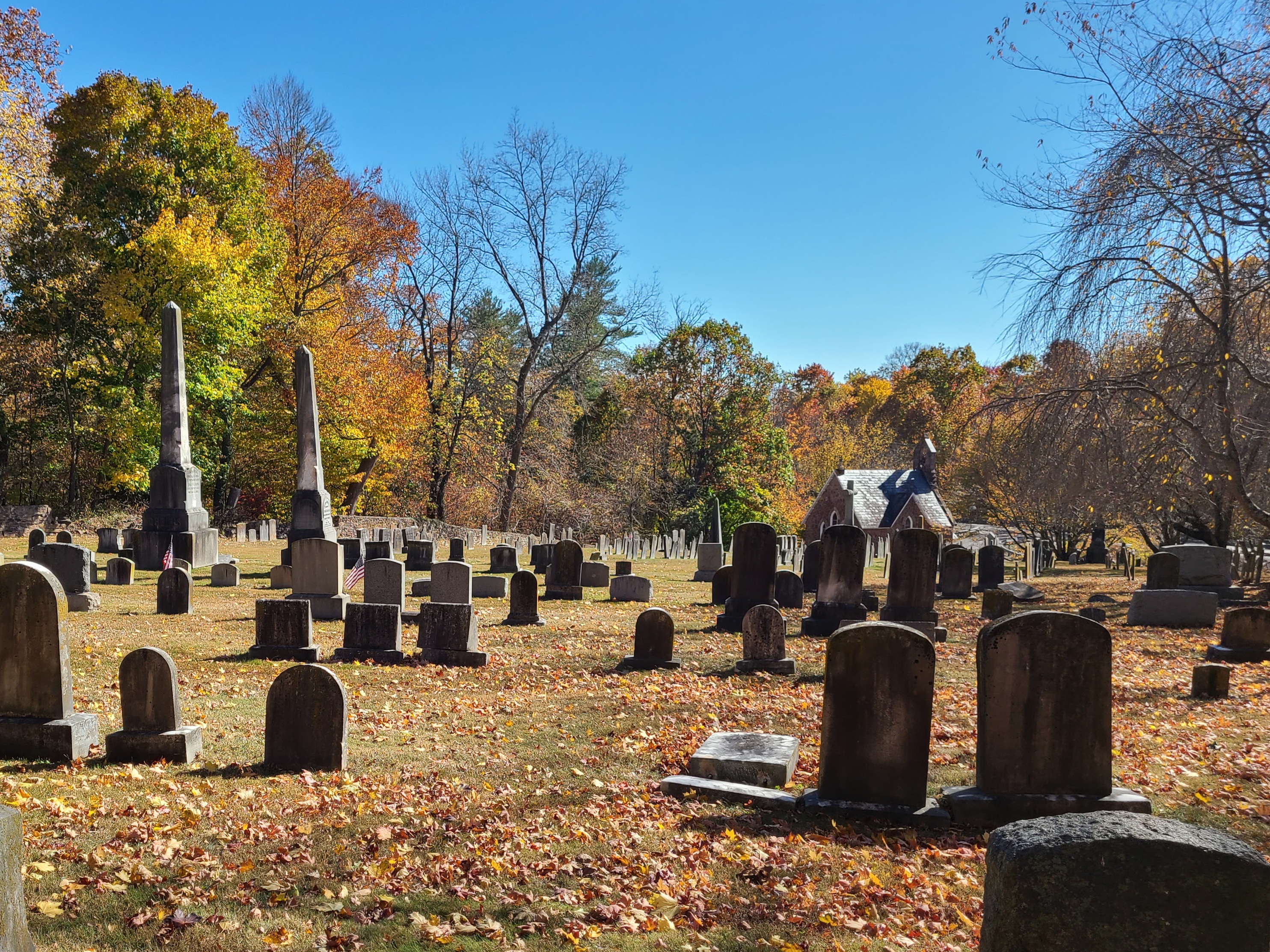
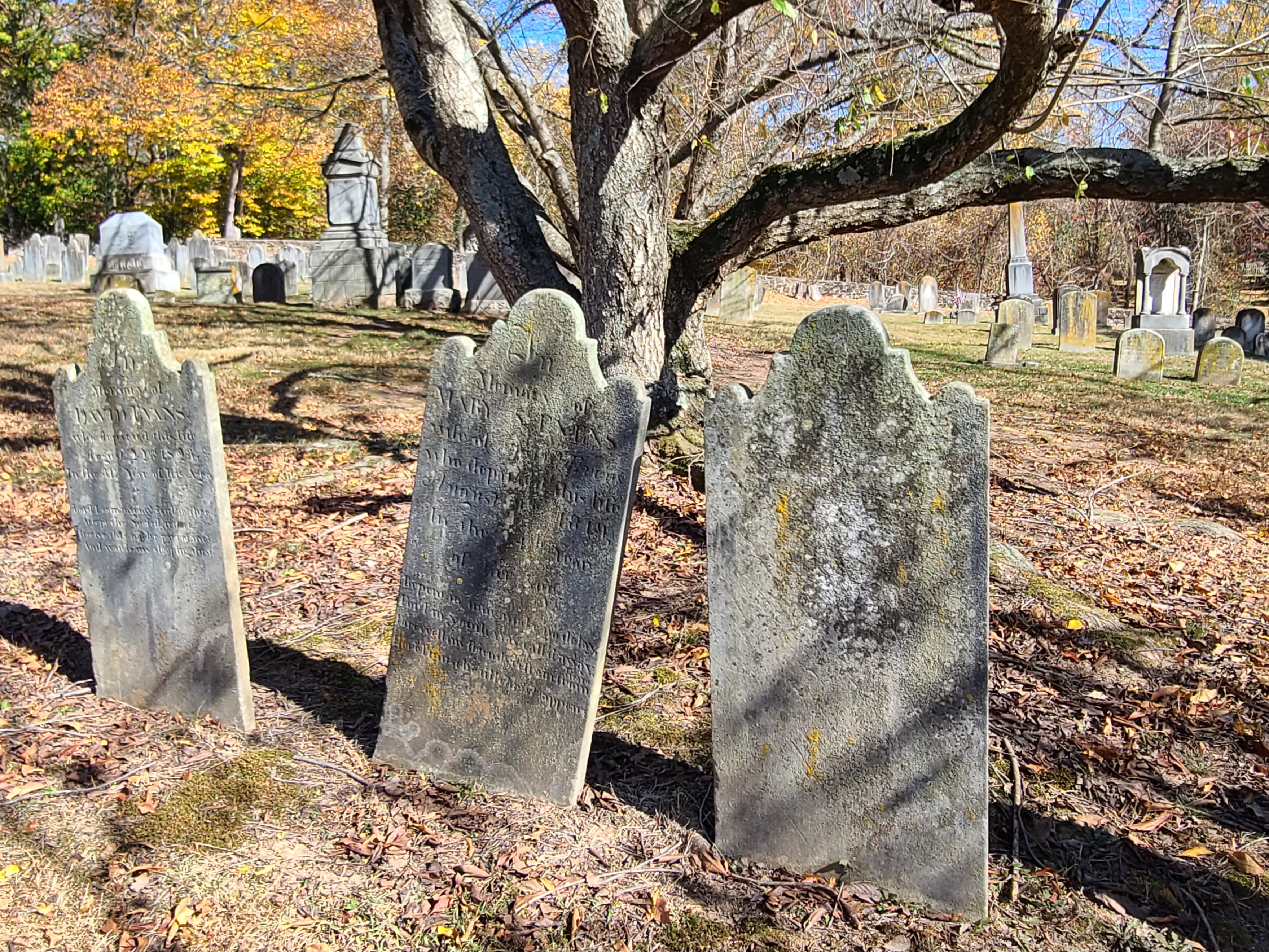
This trial highlighted the complexities of early colonial life in Pennsylvania and set a precedent for how witchcraft accusations would unfold differently just nine years later in Massachusetts, yielding dramatically different results. Unlike Pennsylvania, established as a safe haven for Quakers, colonial Massachusetts was fraught with turmoil. In Salem, villagers constantly conflicted with their Puritan minister. The witchcraft involved there relied on spectral evidence, visible only to the young accused and not to anyone else, including the judges. Over nine months, nineteen people were hanged, one was pressed to death with stones, and over one hundred fifty were jailed. After the trials, Massachusetts Governor William Phips described the situation as a tragedy, attributing the hysteria to a delusion caused by the devil.
The Pennsylvania witch trials reflected tensions between English and earlier Swedish settlers regarding land and resources. Following these cases, accusations became rare in the commonwealth, unlike in Massachusetts and Connecticut, which experienced multiple trials and executions. Connecticut’s witch trials were among the earliest in New England, witnessing over forty cases between the late 1600s and early 1700s, resulting in sixteen executions. Alse Young, a resident of Windsor, was the first person on record to be executed for witchcraft in Colonial America, marking the beginning of a dark chapter in U.S. history.
The belief that accused individuals made pacts with the devil illustrates the fragile line between faith and fear during this tumultuous period. In early colonial America, witchcraft was taken seriously; those accused were believed to have chosen the devil over God, gaining supernatural powers as a result. This fear is palpable in The Witch, where familial breakdown and escalating paranoia mirror historical realities, reminding us that the past is never truly behind us. As we celebrate Halloween, it’s worth reflecting on the stories and histories that shape our understanding of fear and the supernatural today.
While Mattson’s case is perhaps the most well-known in Pennsylvania, beliefs in witchcraft resurfaced in various forms throughout the centuries. In 1928, the case of the York boys—three young men who murdered an old man for a lock of hair—gained national attention, framed as a “witchcraft” case by sensationalist newspapers. Around the same time, a baby in Lebanon died of malnutrition, and a “witch doctor” was blamed for the tragedy. Meanwhile, in Lehigh County, rumors of buried treasure circulated, linked to hex ideas that permeated the headlines. The notorious Bechtel case in Philadelphia involved a Mennonite man who was murdered, initially raising suspicions of witchcraft, though it was later proven unrelated to any supernatural beliefs. These cases highlight how the specter of witchcraft continued to haunt legal proceedings well into the modern era.
Interestingly, Pennsylvania had no official laws against witchcraft until 1718, after Penn’s death, when the province adopted English laws. The statute against “conjuration, witchcraft, and dealing with evil and wicked spirits” remained in effect until the 1750s, with no recorded trials following Mattson’s case.
Other Notable Witch Trials & Accusations
Margaret Jones (1613-1648) was the first person executed for witchcraft in the Massachusetts Bay Colony, following Alse Young in 1647. Jones, a midwife, was a target due to her medical practices.
Mary Bliss Parsons (1628–1712) was a successful landowner in Northampton, Massachusetts. Parsons faced numerous accusations of witchcraft due to neighbors feuds, reflecting societal tensions.
The case of Susan Mummey (1870-1934) in rural Schuylkill County, is also worth mentioning. Known as the “Witch of Ringtown Valley,” Susan was shot and killed at her home early one evening by an assailant who fired a shotgun through a first-floor window. The murder went unreported until Sunday morning, when her adopted daughter and a boarder called for a local doctor.

 Keystone Wayfarer
Leave your thoughts