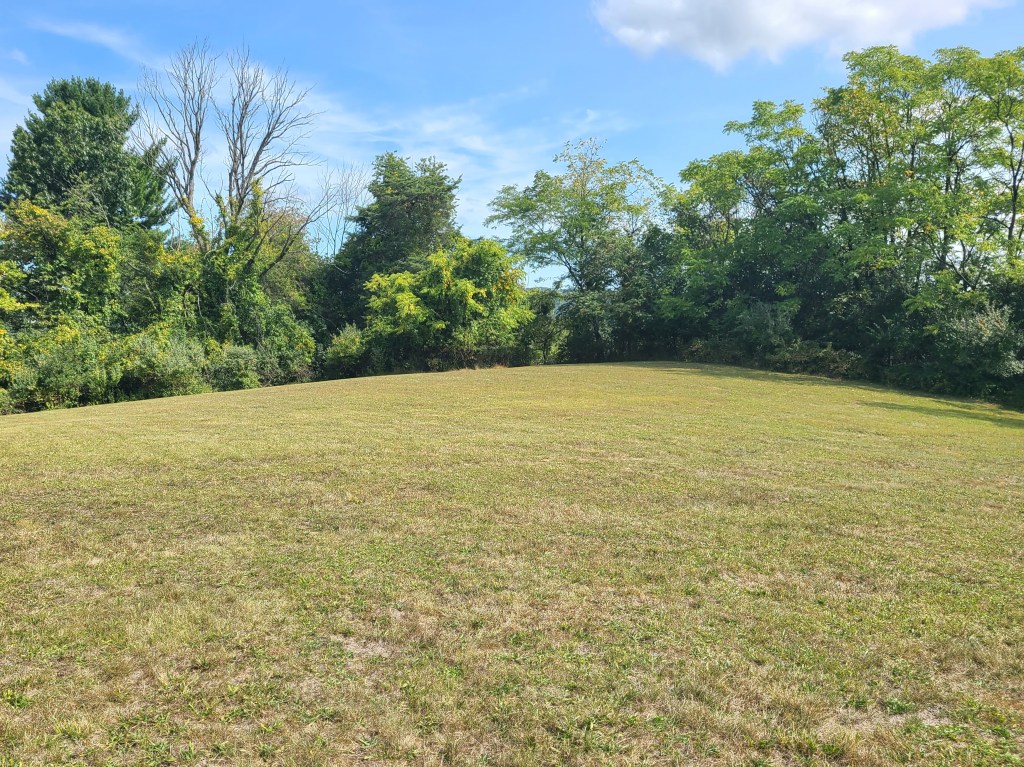
Death is an inevitable part of life’s cycle. While our paths may wind in unexpected directions, they all lead to the same final destination. Along the way, we encounter moments of joy, sorrow, and discovery, each choice shaping our personal journeys as we navigate inexorably toward that end. For many, their final resting place becomes part of their legacy—a tangible mark left on the world. But what about those whose graves are forgotten?
As I reflect on this, it is no secret that I find a certain peace in visiting these quiet resting places. Whether I’m researching a story or seeking a photo opportunity, these hallowed grounds—steeped in silence and history—captivate me. Some are large and beautifully manicured, while others, long abandoned, cling to the hope of rediscovery. Countless more lie unmarked, their stories untold. As I walk among these forgotten souls in potter’s fields—designated burial grounds for the indigent—I feel a profound connection to each overlooked life left to time’s solitary embrace.
Often referred to as pauper’s graves, potter’s fields starkly remind us of life’s fragility—each burial a testament to a life once lived. The untold stories of those interred here have slipped through the cracks of history. Eligibility for potter’s field burials today often depends on income, illustrating a modern reflection of societal inequalities. Yet, the significance of these sites transcends mere practicality.
The term “potter’s field” carries its own somber history, often associated with neglect. Many of these fields receive little care and are sometimes built over as modern life expands. Burials here were often shallow, with no markers or coffins, the costs borne by municipalities. Yet, the term’s biblical roots imbue it with profound meaning. According to the Gospel of Matthew (27:3-7), after Judas betrayed Jesus for thirty pieces of silver, he was consumed with guilt and tried to return the money. The chief priests, bound by law, deemed the silver “blood money” and used it to purchase a field for the burial of the poor and unknown.
One of the largest and most famous potter’s fields in America is located on Hart Island in New York. This isolated, one-hundred-acre island off the coast of the Bronx is the final resting place for over one million individuals. Once under the control of the New York State Department of Corrections, responsibility for Hart Island was transferred to the Parks Department in 2019. It is now the largest tax-funded cemetery in the world, with little-to-no visitation. Beyond its role as a burial site, Hart Island’s history includes use as a Civil War prison camp, a women’s mental institution, a tuberculosis hospital, a reform school, a jail, a homeless shelter, and even a Cold War Nike missile site. Among those interred here is renowned playwright Leo Birinski, novelist Dawn Powell, actor Bobby Driscoll, and composer Noah Creshevsky.
Philadelphia, too, holds haunting reminders of forgotten lives. Take Washington Square Park, for example. Once a potter’s field, this tranquil public space was the final resting place for victims of the yellow fever outbreak and deceased inmates from Walnut Street Prison—the first of its kind in the United States. The contrast between its serene present and its troubled past highlights the stories that linger beneath the surface.
In the early 20th century, another potter’s field in Philadelphia adjoined the Municipal Hospital for Contagious Diseases, where thousands perished during the 1918 influenza epidemic. Burials here lasted for a year and a day before bodies were cremated—until the crematorium broke down in 1940, leading to a backlog of burials that stirred public scandal. By the mid-1950s, the potter’s field was closed, and today, the site is a police parking lot, its past nearly forgotten.
Elsewhere in Philadelphia, potter’s fields have similarly been erased. In 1953, two men gardening on the 300 block of Salaignac Street in Manayunk discovered human bones beneath the soil. This area, once known as Bucky’s Hill, had served as a cemetery for the old Roxborough poorhouse, which had been abandoned around 1850.
Closer to home, Montgomery County’s own history includes efforts to establish a county poor farm, or almshouse, as early as 1801. By 1807, a sprawling property in Upper Providence Township, just two miles north of Phoenixville, had become operational. The potter’s field here, like so many others, bears silent witness to the lives of those whose stories have been lost to time.
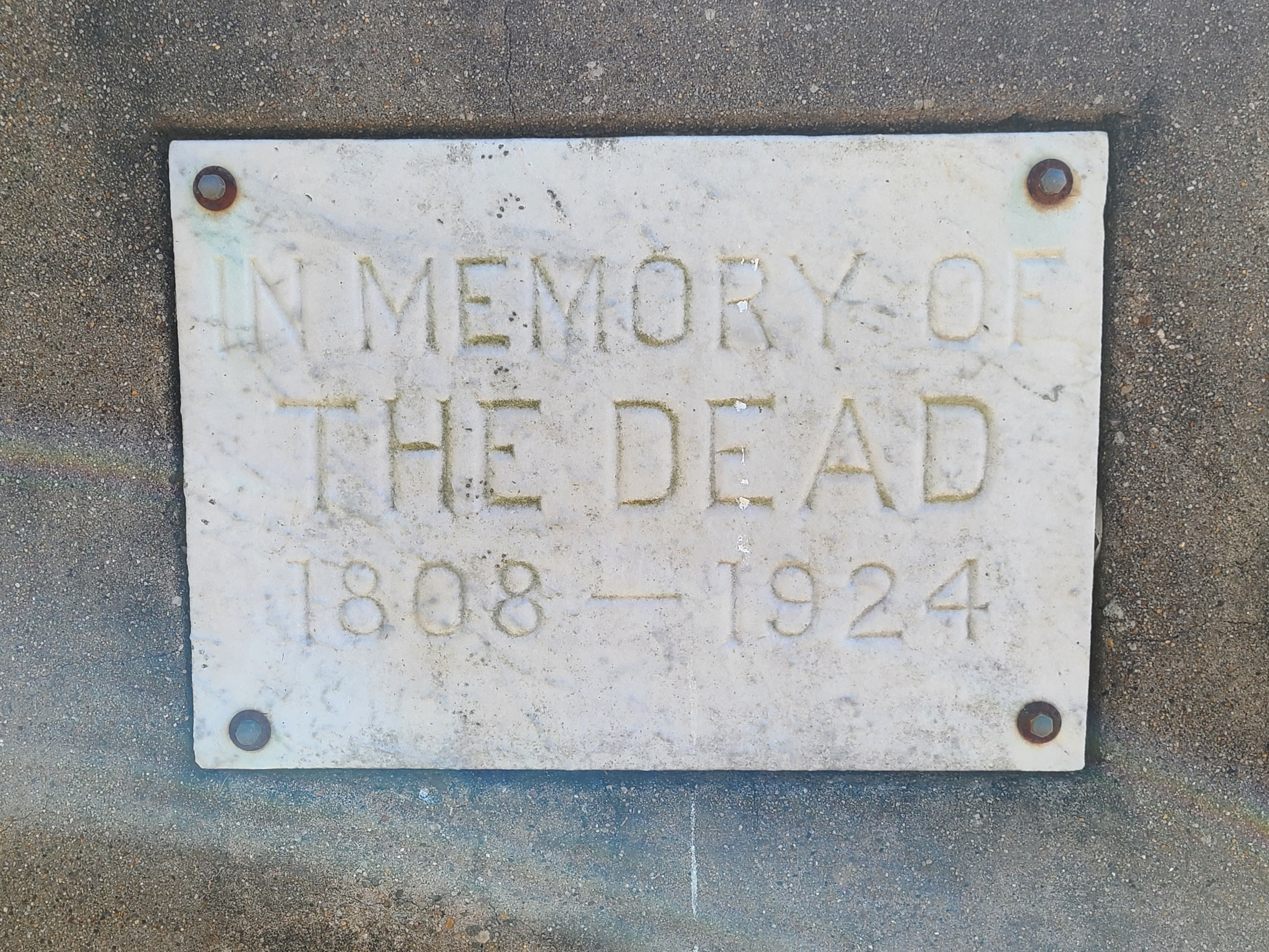
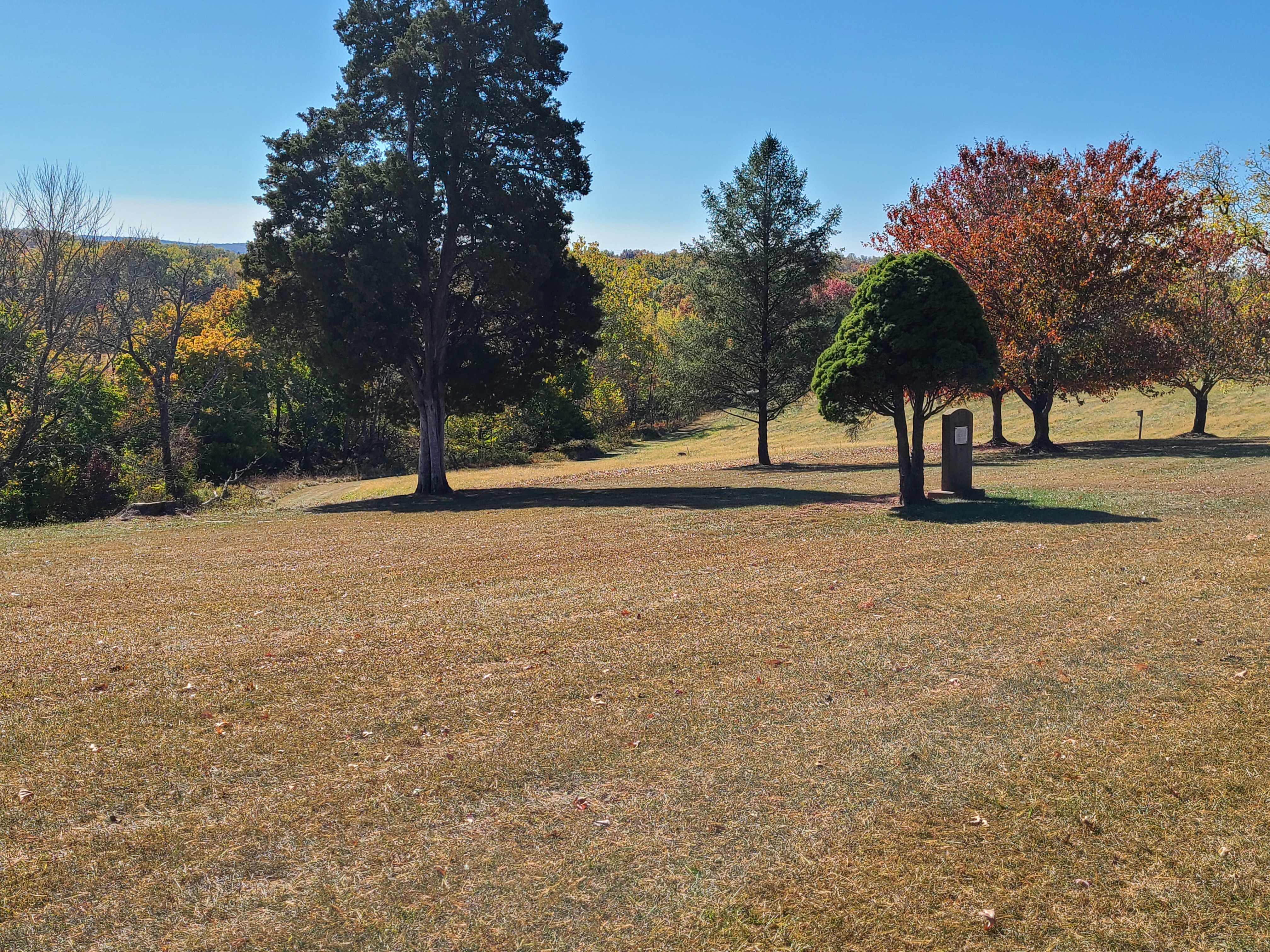
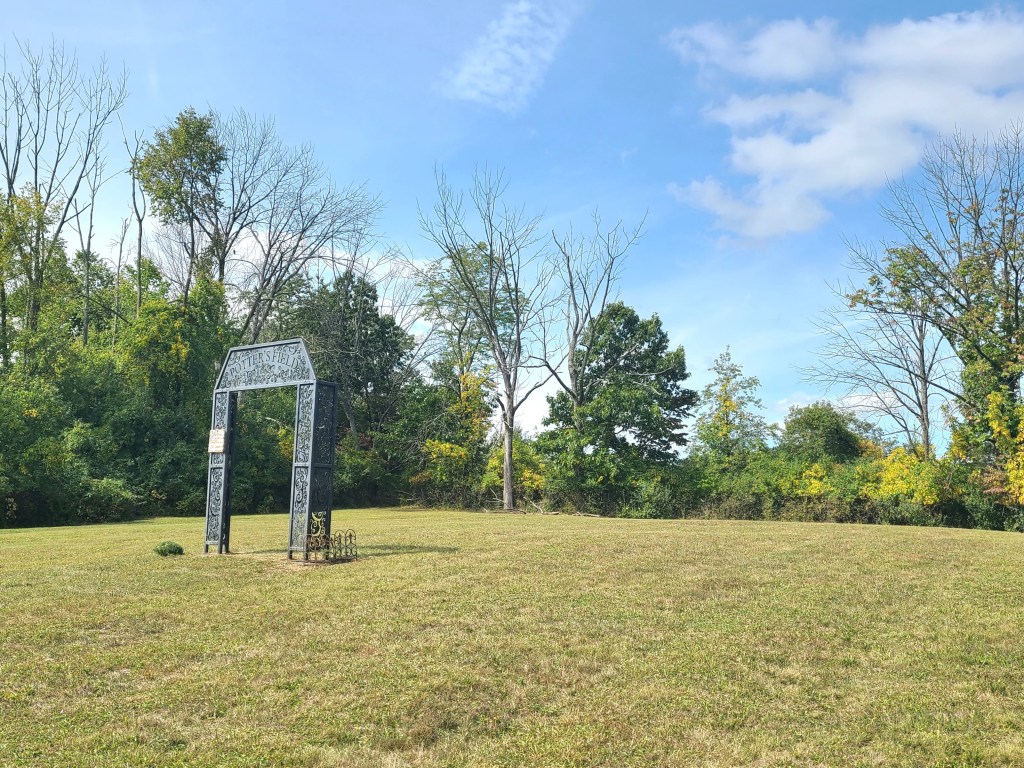
In Berks County, an unassuming field off Cedar Top Road in Cumru Township overlooks Route 724—another site that would be easily missed by those unaware of its history. This is one of two potter’s fields in the area. In 2019, an exhumation here led to the identification of a murder victim, one of two Philadelphia runaways, whose stories had been buried along with them. Today, a scrolling metal arch adorns the field, which many have called “one of the most forgotten but important cemeteries in the county.”
Though fewer in number today, potter’s fields remain poignant reminders of lives forgotten. In a world increasingly opting for cremation, these resting places—once common—fade into history. Yet they serve as vital reminders that every soul, known or unknown, contributes to our historical record. In our fast-paced lives, let us honor these lost souls and take a moment to remember that every life has meaning, no matter how fleeting.
Montgomery County Almshouse
Over the initial sixty-five years following its opening, the Montgomery County Almshouse faced numerous challenges. Notably, devastating fires in 1821 and 1866 that caused significant destruction, with the latter severely damaging the main building and several outbuildings, including a wagon house, slaughterhouse, sheep stable, corn crib, and chicken house. By 1870, the rebuilt structure from the 1821 fire was deemed unsuitable, leading to the construction of a new facility designed by architect Henry Sims. This building, featuring a striking stone belfry, was constructed entirely from locally quarried red sandstone and remains in use today. Tragically, a third fire in 1872 claimed the lives of six male patients.
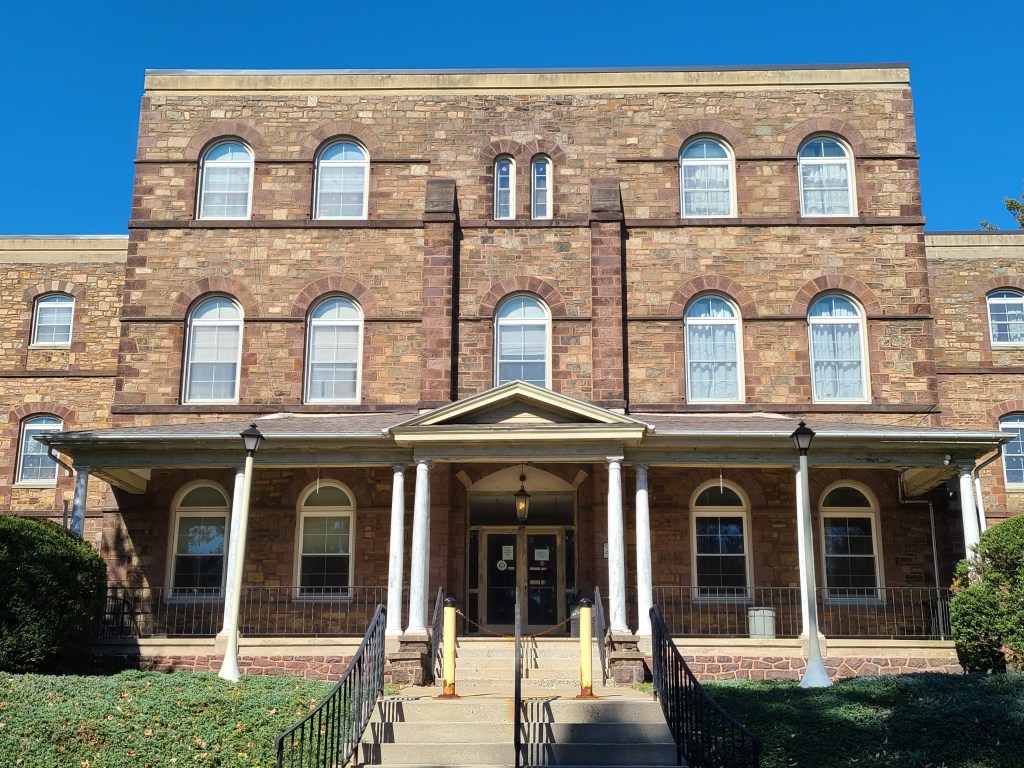
Initially, the property housed two primary buildings: one served as a hospital, with a basement designated for male patients with mental illnesses, while the second accommodated female patients, with its basement set aside for marginalized individuals. By 1940, the focus of care had shifted to geriatric services, reflecting the evolving needs of society. Today, the facility operates as Parkhouse Rehabilitation and Nursing Home, a county nursing home.
In recent years, the history of the old almshouse has been marked by political ambitions, developer conflicts, and shifting community allegiances. These issues have raised concerns among local residents. According to U.S. News and World Report, Parkhouse Rehabilitation and Nursing Home is a for-profit corporate entity with four hundred sixty-seven beds, receiving ratings that fluctuate between average and below average for both short- and long-term services. Notably, it is not affiliated with any continuing care retirement community, raising questions about the quality and continuity of care provided.

 Keystone Wayfarer
Leave your thoughts