
Beautiful Montgomery County, home to my beloved Schwenksville and its neighboring communities, owes much of its growth and transformation to the ingenuity of early settlers. In 1681, this vast tract of land, then known by the English as “British America,” was famously granted to William Penn in settlement of a debt owed to his father, Navy Admiral Sir William Penn. This monumental grant made the thirty-seven-year-old junior Penn the largest non-royal landowner in the world. Initially called New Wales, Penn rebranded the area “Sylvania,” derived from the Latin word for “forests” or “woods.” It was King Charles II who ultimately named it “Pennsylvania.”
Flowing through this land is the Schuylkill River, which stretches over one hundred thirty miles from the Pennsylvania Coal Region to its confluence with the Delaware River. This vital waterway winds through five counties—Schuylkill, Berks, Chester, Montgomery, and Philadelphia—and is home to over three million people. Hidden within the region’s backyards and often forgotten landscapes are remnants of the now-defunct Schuylkill Navigation, a man-made inland waterway that once linked communities and played a pivotal role in the area’s early commerce.
The Schuylkill Navigation, often referred to as the Schuylkill Canal, was a remarkable feat of early American engineering. Measuring one hundred eight miles in length, the system consisted of dams, canals, slack water pools, and over one hundred stone locks. Construction began in 1815, and by its completion in 1827, the privately funded system had transformed towns like Pottsville, Reading, and Norristown into thriving manufacturing hubs. Mirroring similar canal systems in Great Britain, the Schuylkill Navigation became the primary route for transporting anthracite coal, moving over 700,000 tons annually.
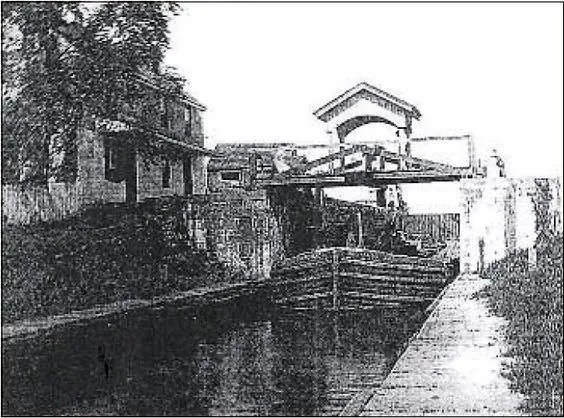
However, the competitive landscape for coal transportation shifted dramatically with the completion of the Philadelphia and Reading Railroad in 1841. The railroad’s faster and more efficient operations soon overshadowed the canal system, which struggled to keep pace. By 1845, the railroad was already hauling three times as much coal as the canal.
The Great Freshet of 1869 devastated much of the canal’s infrastructure, prompting the Schuylkill Navigation Company to lease the canals and locks to the Philadelphia and Reading Railroad. The extensive accumulation of coal silt in the river became an ongoing environmental issue, and by 1979, most of the system’s canals were backfilled. Today, relics of the once-thriving canal system remain scattered throughout the region, including notable water elevators near Schwenksville.
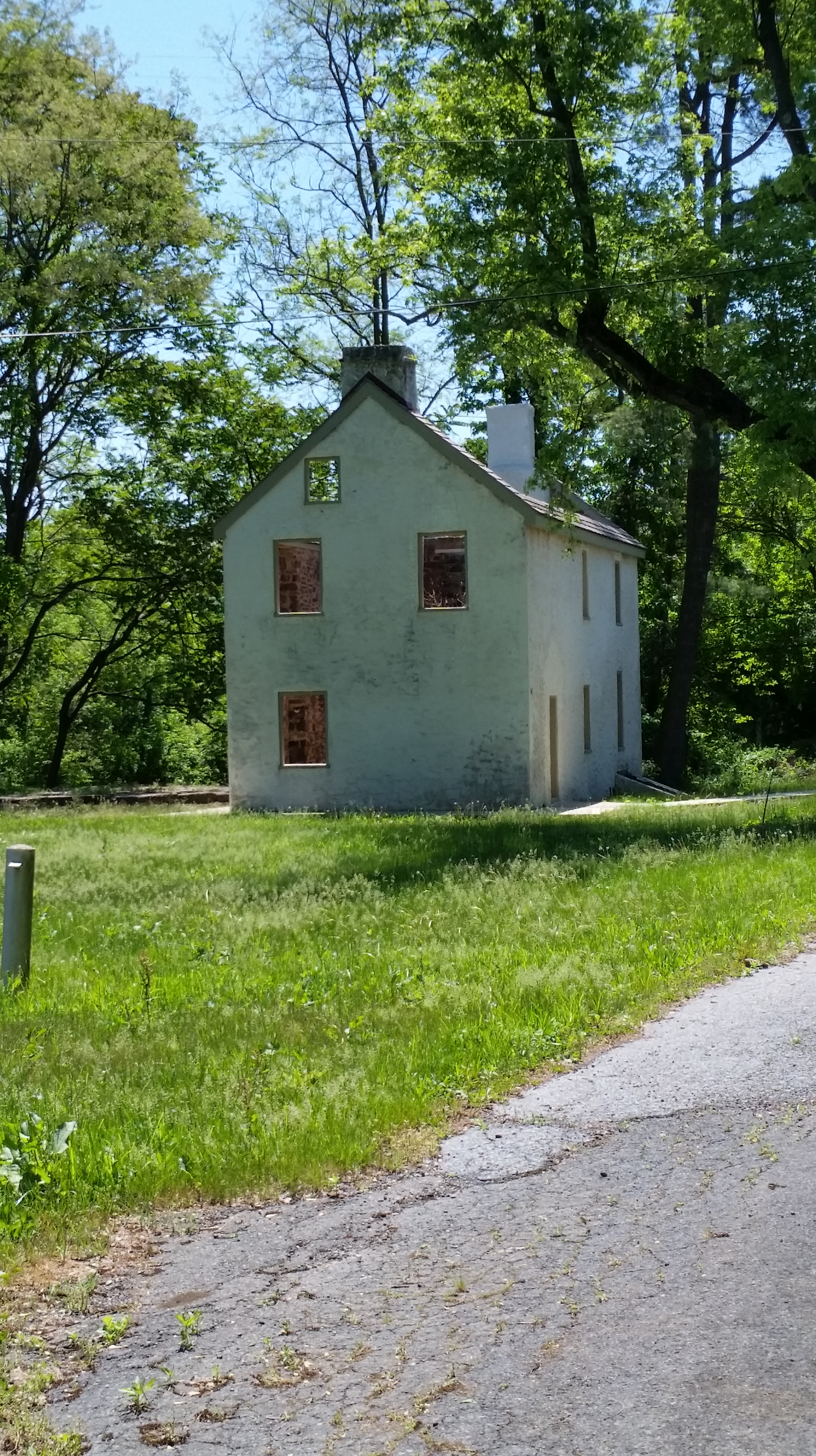
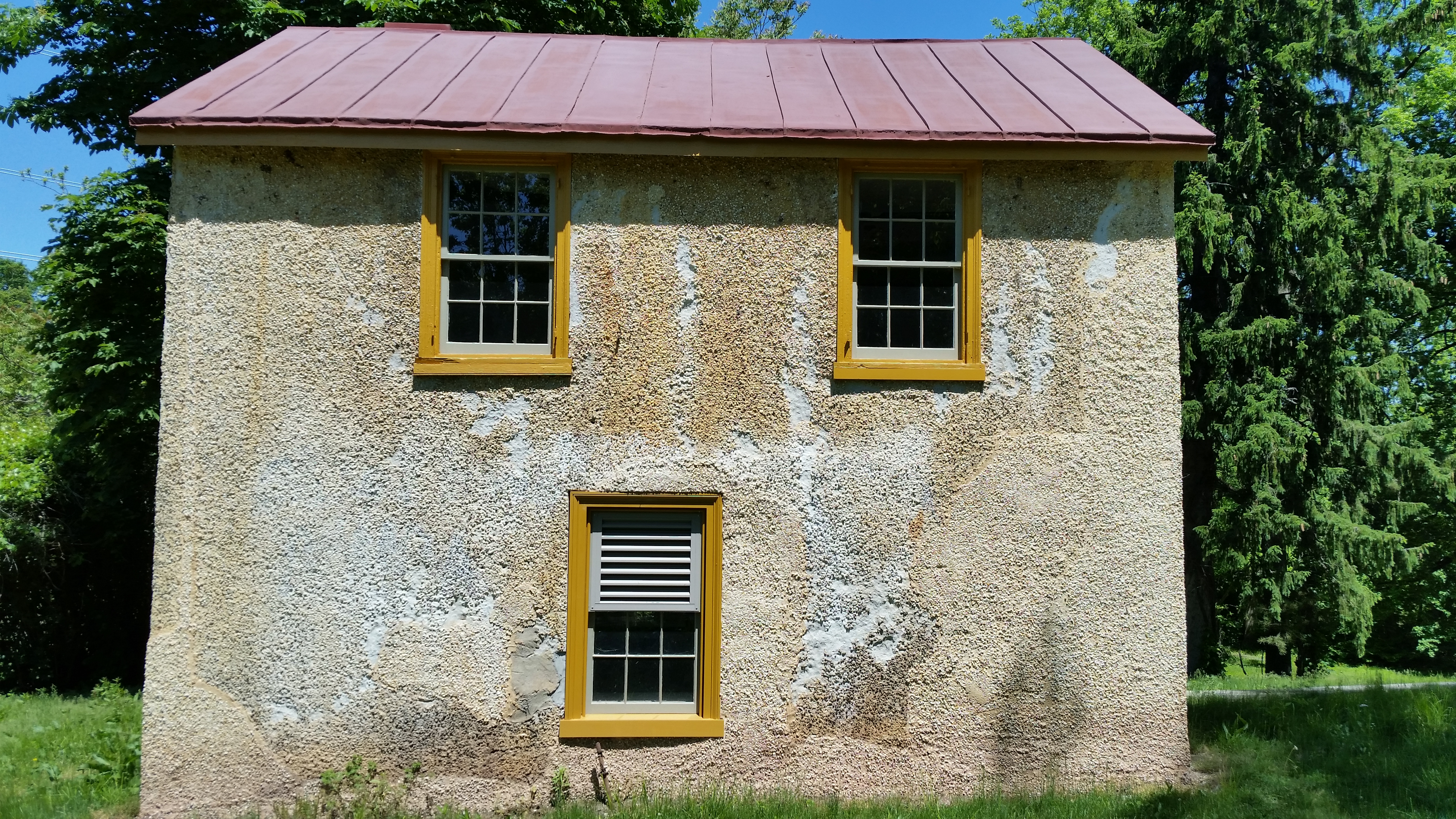
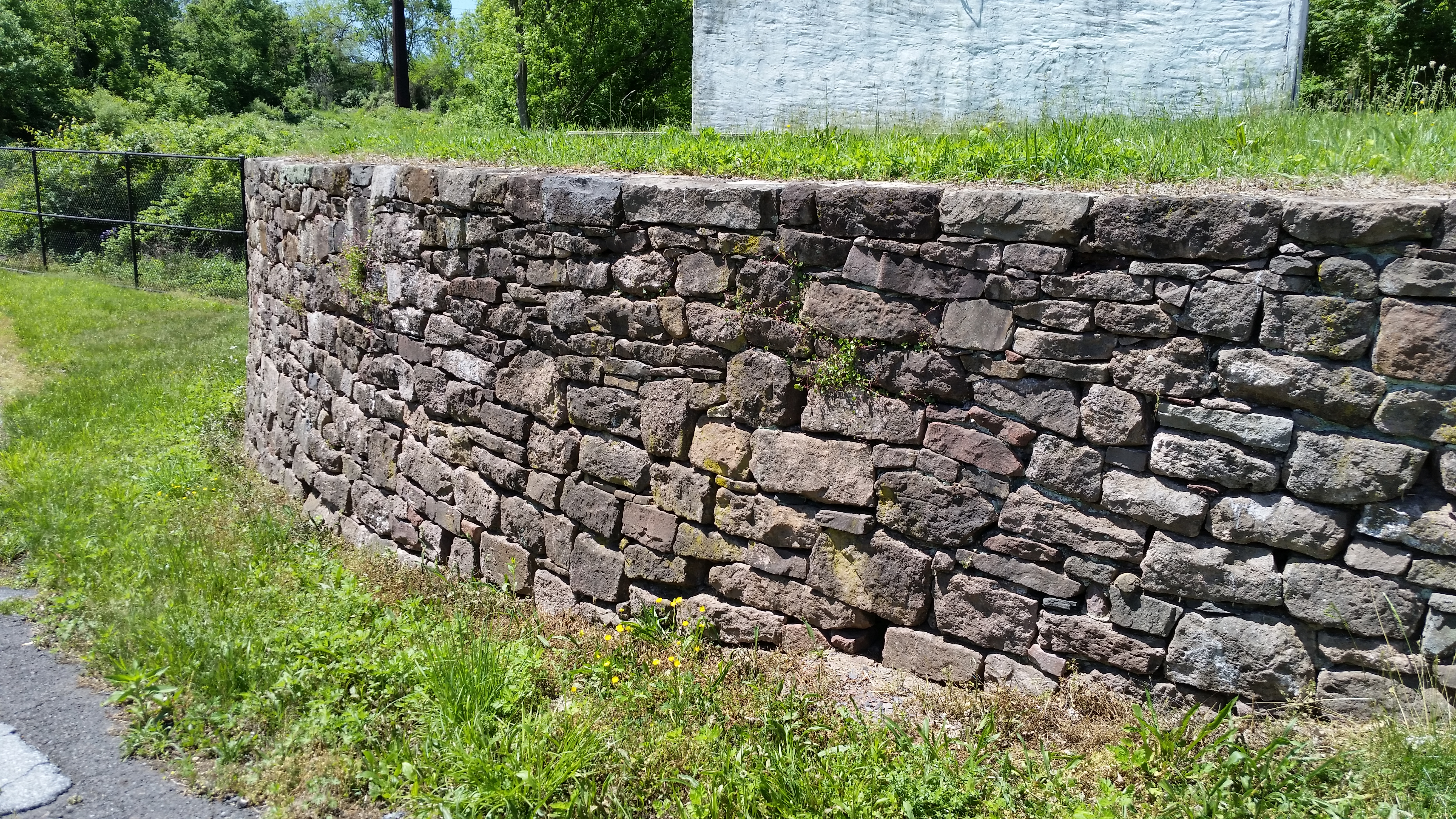
Frick’s Lock Village, an abandoned hamlet in East Coventry Township, boasts historic buildings dating back to the American Revolutionary War. The village derives its name from its strategic location along the Schuylkill Canal, where double locks #54 and #55 were integral components of the 22-mile-long Girard Reach. These locks facilitated navigation through elevation changes, ensuring a steady flow of goods and enabling local businesses to thrive. Built on farmland originally acquired from settler John Frick, the canal’s presence transformed the village into a small yet essential hub of activity.
The village’s earliest known structure, a farmhouse built in 1757, likely included a barn and other outbuildings typical of 18th-century rural life. As the village expanded, John Frick’s manor house, along with a summer kitchen and wagon shed, came to define its southern section. To the north stood the Elhanan Frick building and the Lockkeeper’s House, which were crucial to both canal operations and daily life in the village.
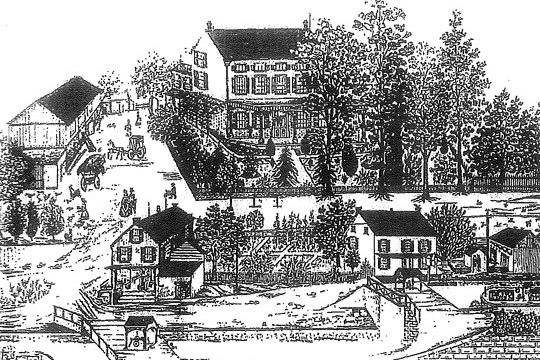
In 1832, in response to increasing competition in the transportation industry, the canals were deepened and widened to enhance their trade capacity. During this time, Frick’s Lock became a haven for weary boatmen, with a 24-hour convenience store opening to cater to their essential needs. However, after the canal’s commercial decline near the turn of the century, Frick’s Lock Village, later known simply as Frick’s Lock, gained renewed significance when the Pennsylvania Schuylkill Valley Railroad established a station there.
As the canal was drained and filled, trading activities dwindled. Eventually, the railroad itself declined following the formation of Conrail in 1976, shifting the importance of Frick’s Lock Village to isolated farming activities. In the late 1960s, the Philadelphia Electric Company (PECO), a subsidiary of Exelon Corporation, acquired land parcels encompassing Frick’s Lock Village under federal regulations for nuclear generating stations. Conflicting accounts exist regarding whether residents were bought out and relocated or given only 48 hours’ notice for forced eviction. Regardless, the remaining buildings were vacated and boarded up.

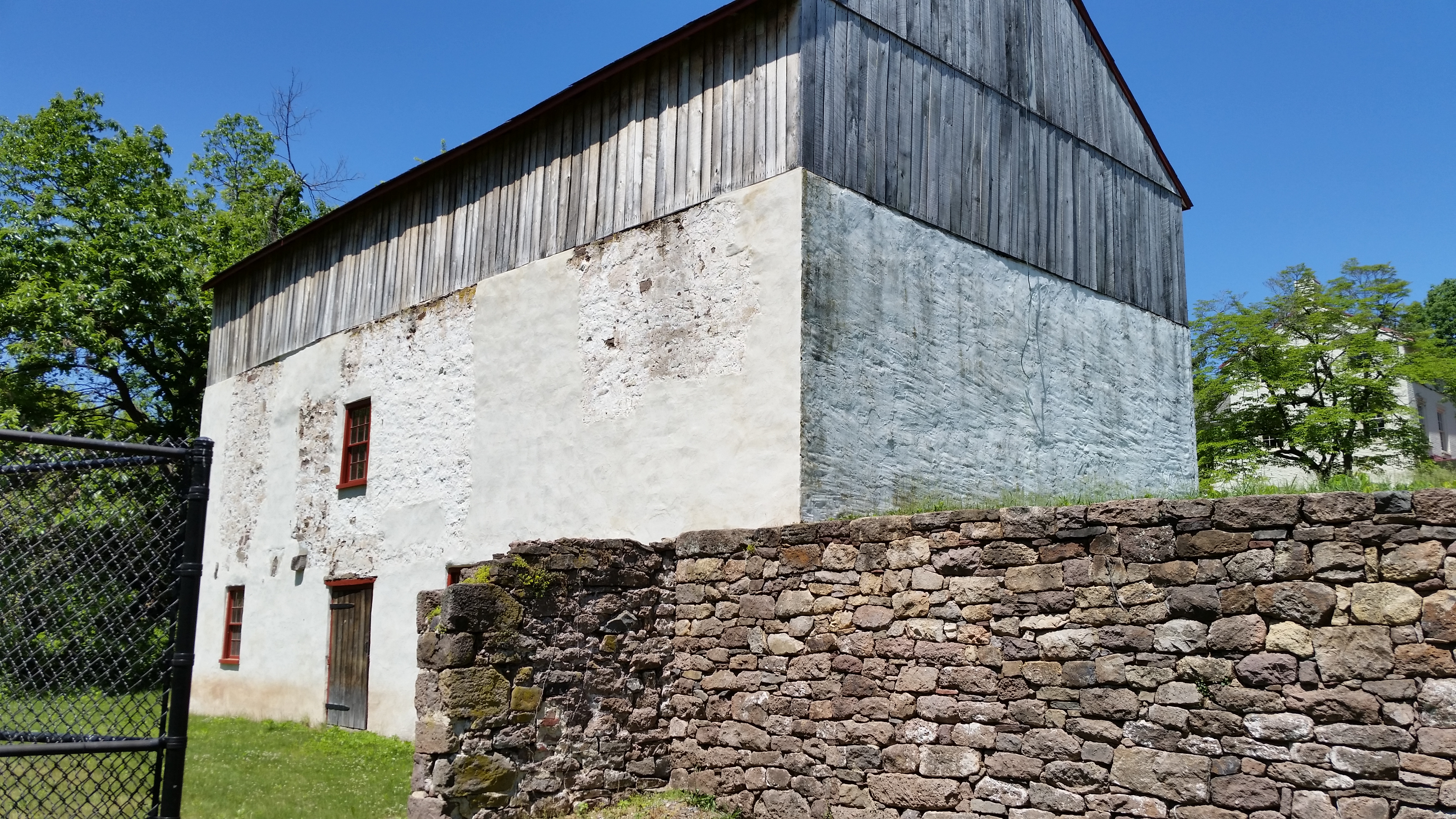
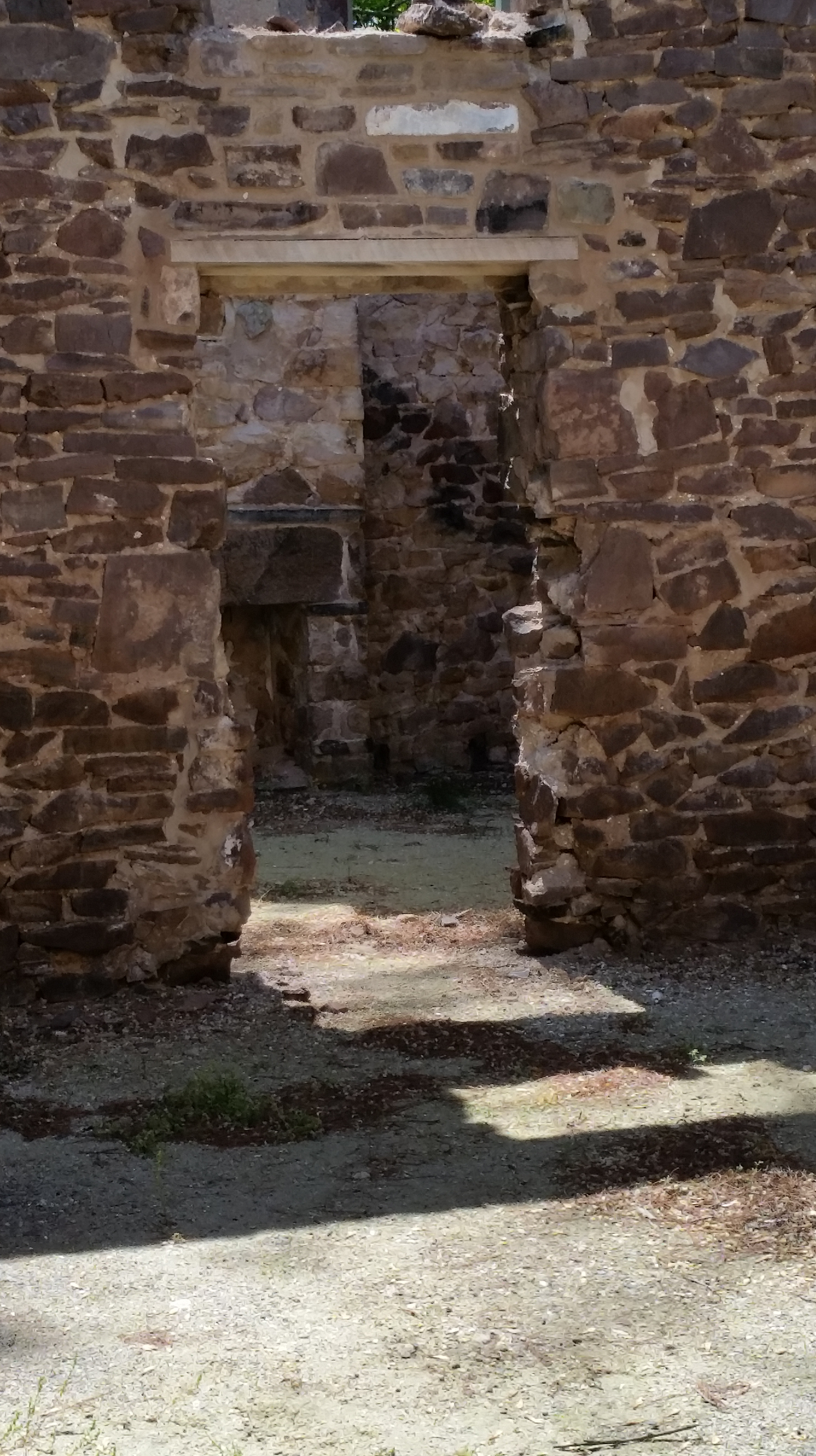
In the late 1990s, Paul S. Frick (1925-2014) began compiling historical information to preserve both the property and his family’s history. The village’s reputation as a modern ghost town attracted many curious individuals, including amateur urban archaeologists and ghost hunters drawn by local legends. Its inclusion in the 2005 book Weird Pennsylvania and numerous internet photo journals showcasing the buildings further increased its popularity, especially after a fire destroyed the Lock Tender’s House in February 2008.
East Coventry Township partnered with Exelon Corporation to preserve the historic site in February 2011. Under this agreement, Exelon donated approximately eighteen acres of land and eleven historic structures, valued at an estimated $1 million. A financial commitment of nearly $2.5 million was allocated to stabilize and rehabilitate the remaining structures.
Today, volunteers conduct seasonal tours featuring guided walks through the historic sites of Frick’s Lock Village, inviting curious explorers to discover its rich history. Through these efforts, the stories of the area continue to be shared, preserving its legacy and allure for future generations.
Just a short twenty-minute drive from Schwenksville, Frick’s Lock Village beckons those yearning for a glimpse into the past. Don’t miss the chance to be part of this experience—two more tours are scheduled for 2024: October 12 and October 26.

 Keystone Wayfarer
Leave your thoughts