News began arriving at our doorsteps in the mid-1800s, printed on paper, folded and stacked for the family to read at breakfast. This daily ritual connected homes to the wider world. Then came the radio, carrying voices across the airwaves, letting people hear events almost as they happened. Television followed, adding images to the sound and transforming headlines into scenes we could watch unfold from the privacy of our living rooms.
Today, news comes at us from every direction—phones, screens, alerts. We cannot escape it. Since the 24-hour news cycle took hold in the 1980s, we no longer choose what to see or when; news chooses us. It finds us. And it does more than inform. It gnaws at our attention, shapes our fears, fans our outrage, and tugs at our empathy. It drags us into crises far away, into tragedies we cannot fix, into injustices that feel urgent yet distant. Sometimes it leaves us raw, numb, always aware that the world is larger—and heavier—than we can hold.
I have to admit, the idea of leaving my phone at home for a day puts a smile on my face. That separation—quiet, peaceful—feels almost luxurious. And yet, we are all hooked, whether we like it or not.

We are living in a time that can feel like a crossroads. This is not about politics; it is about the challenge of carrying the accomplishments of the past into the paths we will take for the future. Our country has paid the price of fighting itself, of struggling against its own contradictions, and for the most part, emerged on level ground. The growing pains along the way—the struggles, the mistakes, the lessons learned—are the ones we cannot afford to forget.
At times like these, the idea of civics—our shared responsibility in shaping the world we live in—feels more urgent than ever. Civics is not ideology; it is engagement, awareness, and action. It is about recognizing the struggles and achievements that brought us here, and considering how each of us might contribute to the paths that lie ahead.
It is in this spirit that Keystone Wayfarer continues its series on the women of Pennsylvania whose vision, courage, and determination shaped the state—and, in many cases, the nation. Next in the series is Florence Kelley, a tireless advocate for labor reform, social justice, and the rights of women and children. Her work reminds us that engagement, courage, and the willingness to challenge injustice can leave a legacy that shapes generations.
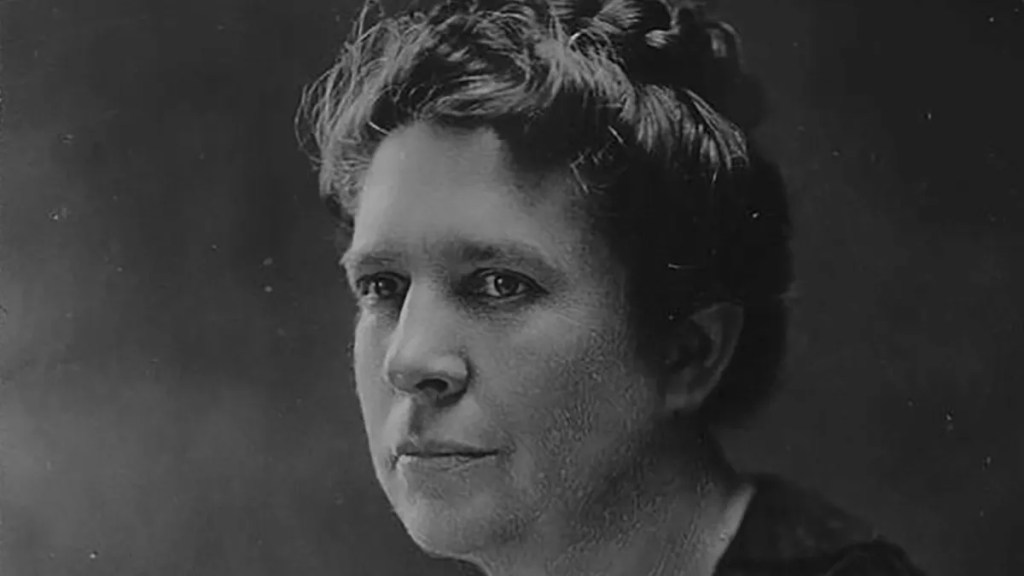
Florence Kelley was born on September 12, 1859, in Philadelphia, into a family devoted to social justice. Her father, William D. Kelley—a congressman, abolitionist, and one of the founders of the Republican Party—read to her from a young age. Her mother, Caroline, came from a lineage of Quaker reformers, including the famed botanist John Bartram. Together, her parents helped shape Florence’s moral compass and lifelong commitment to reform.
Frequent illness often kept Florence out of school, but those hours offered a silver lining: time to explore her father’s library, where her curiosity and love of learning flourished. By age twelve, her father was taking her to steel and glass factories, where children as young as seven labored in harsh and dangerous conditions. Witnessing their suffering left a lasting impression. The early loss of all five of her sisters—including three who died before age one and another at six—deepened her compassion and helped set the course for what would become her lifelong mission.
At sixteen, Florence became one of the first women to attend Cornell University, studying history and social science. When the University of Pennsylvania denied her entry to its law program simply because she was a woman, she turned to the University of Zurich—one of the few institutions then awarding advanced degrees to women. There, she studied political economy and began a law degree, continuing her pursuit of education despite the barriers she faced.
While in Zurich, she married Lazare Wischnewetzky, a Russian-Polish medical student. The marriage was marked by abuse and financial hardship. In 1891, Kelley fled to Chicago with her three children. Though she could not secure a divorce on the grounds of non-support, she won full custody and resumed using her maiden name, choosing to be addressed as “Mrs. Kelley.”
In Chicago, Florence found refuge at Jane Addams’s Hull House, a pioneering settlement offering education, day care, libraries, and cultural programs to immigrants. There, she connected with Addams and Julia Lathrop, fellow reformers whose politically active families had shaped their own commitments to social change.
In 1892, driven by concern for the children and workers she had long witnessed in harsh conditions, Florence persuaded the Illinois Bureau of Labor Statistics to hire her as a Special Agent to investigate Chicago’s garment industry. She found children as young as four hunched over sewing machines for endless hours in unsafe, filthy conditions, while immigrant workers toiled from dawn to dusk, seven days a week, earning barely enough to survive.
Turning her shock into action, Florence worked with the Chicago Women’s Club to establish a Bureau of Women’s Labor—a space where women could pursue meaningful social activism outside male-dominated organizations. She became friends with Grace and Edith Abbott and Alice Hamilton, a physician specializing in occupational health. Together, they combined careful investigation with relentless advocacy, forging an approach that tied women’s rights directly to labor reform, public health, and the protection of society’s most vulnerable.
Recognized for her dedication, Kelley was appointed Illinois’s first chief factory inspector. In this role, she worked to enforce labor laws and briefly secured an eight-hour limit on children’s workdays, although the legislature later repealed it. Determined to effect lasting change, Florence earned her law degree from Northwestern University in 1895 and devoted herself to advancing protections for workers of all ages.
In 1899, Florence moved to New York City to lead the newly formed National Consumers League (NCL), a post she would hold for decades. Living at Lillian Wald’s Henry Street Settlement, she threw herself into work improving labor conditions, campaigning for shorter workdays, higher wages, and protections for children. Under her guidance, the NCL organized sixty state and local leagues, established a Code of Standards to raise wages and improve workplace sanitation, and created the “White Label” initiative to recognize stores that treated employees fairly.
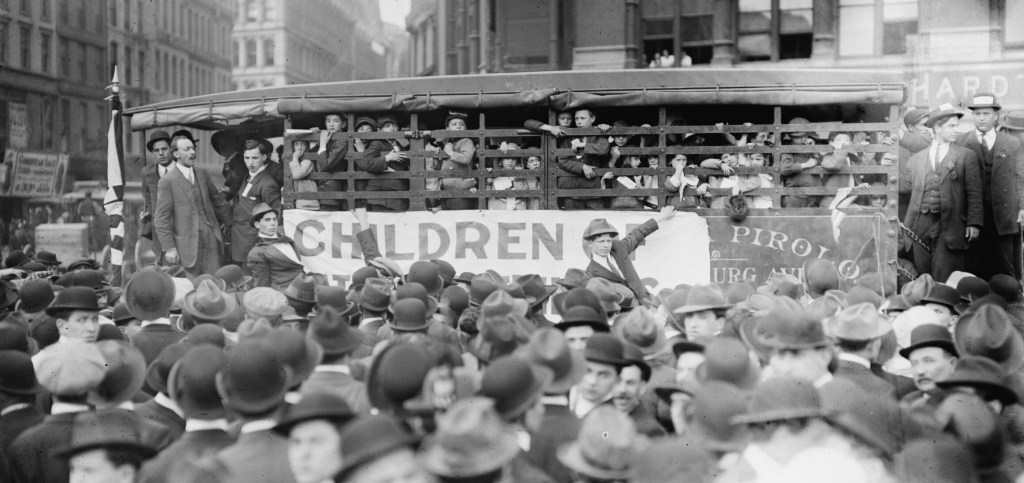
Florence didn’t just lead from an office; she mentored younger activists, meticulously researched labor conditions, and worked to influence lawmakers at every level. Her efforts contributed to landmark achievements such as the 1908 Supreme Court case Muller v. Oregon, which upheld limits on women’s working hours. In the case’s groundbreaking Brandeis Brief—compiled in large part from research gathered by Florence and her colleagues—sociological data and medical evidence were presented to the Court for the first time, reshaping how law could account for lived experience.
Her activism expanded beyond labor. As vice president of the National American Woman Suffrage Association and a founding member of the Women’s International League for Peace, she fought for women’s inclusion in public decision-making. In 1909, she co-founded the NAACP with W.E.B. Du Bois and served on its board for two decades, advocating for school equity, fighting racial violence, and organizing protests against discriminatory laws and media like Birth of a Nation.
At the federal level, Florence applied research and political savvy to reform. She worked with President Theodore Roosevelt on the Meat Inspection Act and the Pure Food and Drug Act of 1906, helped organize the New York Child Labor Committee in 1902, co-founded the National Child Labor Committee in 1904, and played a crucial role in establishing the U.S. Children’s Bureau in 1912. She lobbied tirelessly for the Keating-Owen Child Labor Act of 1916 and the Sheppard-Towner Act, the nation’s first maternal and infant welfare program.
In her autobiography, Notes of Sixty Years, published posthumously in 1986, Florence Kelley recounts her early experiences witnessing harsh factory conditions, her years at Hull House, and the campaigns that defined her career. Though brief, the book conveys the determination, compassion, and moral clarity that guided her life.
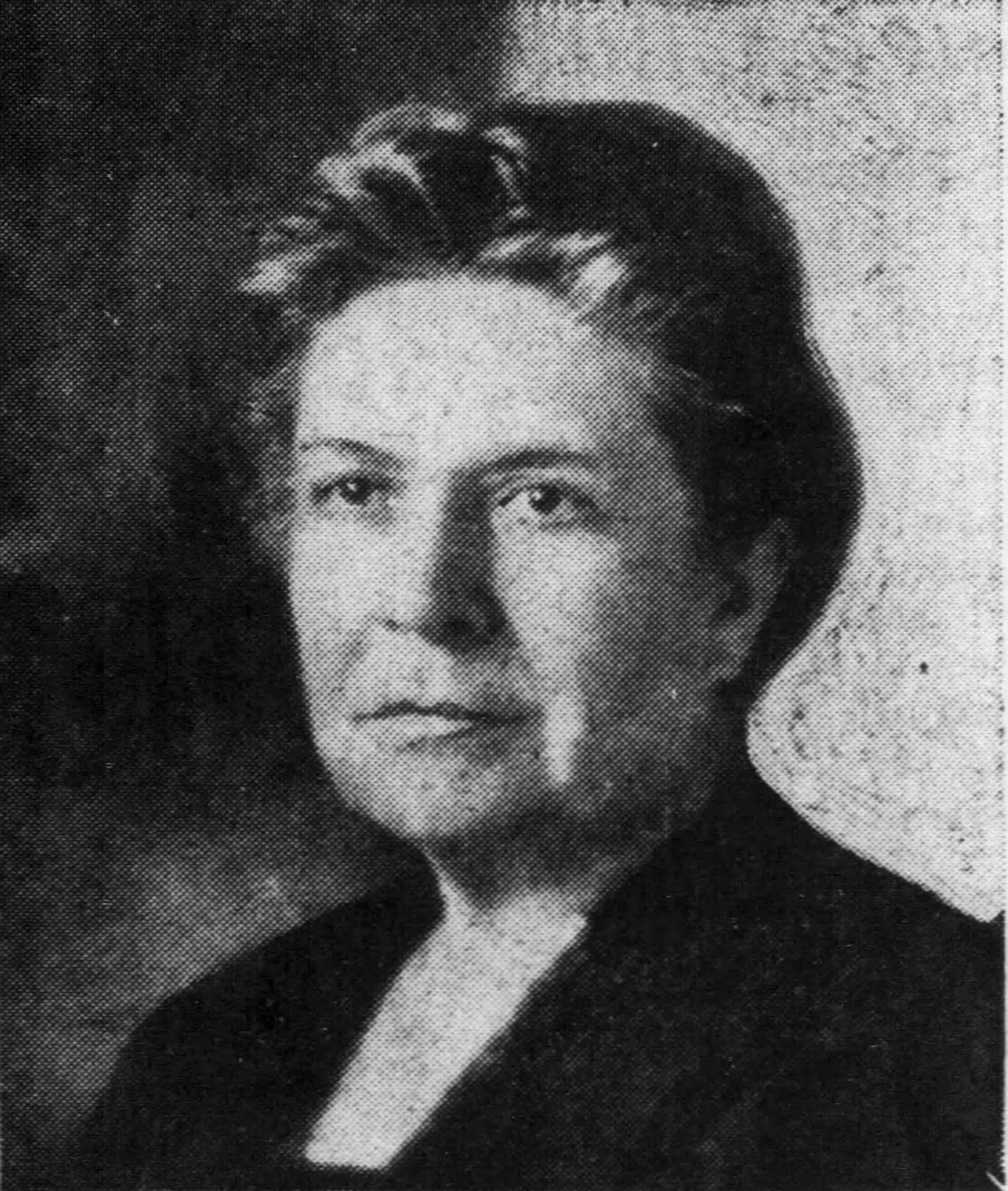
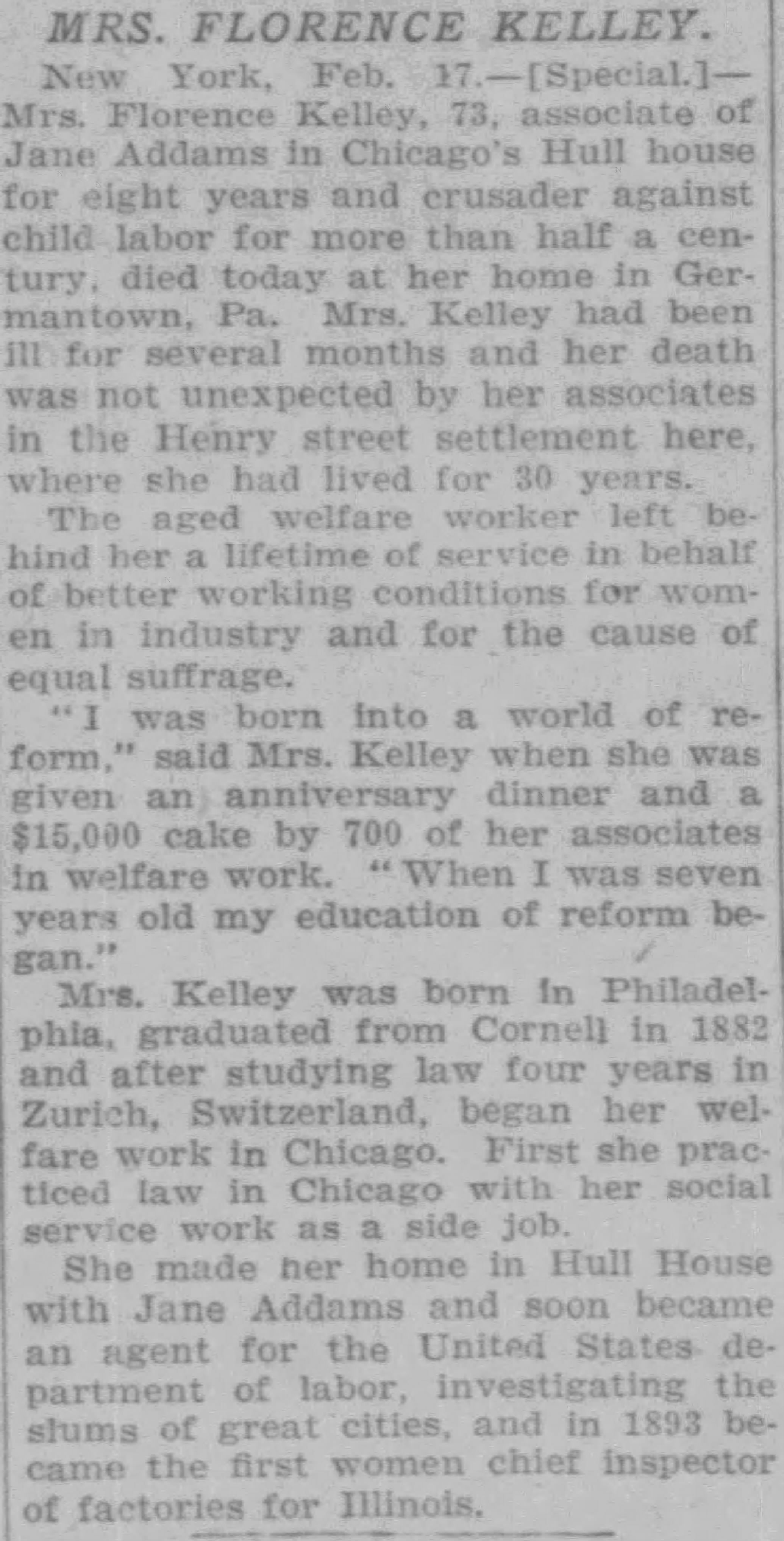
Florence Kelley never stopped fighting for justice. She died at 72 on February 17, 1932, in Philadelphia’s quiet Germantown neighborhood, leaving behind a life devoted to protecting children, women, and workers. Laid to rest at Laurel Hill Cemetery, her tireless advocacy did not go unnoticed—she was later honored as an “Angel Hero” by The My Hero Project.
Her story reminds us that strength and advocacy are expressed in countless ways. From the halls of reform to the stages and microphones of popular culture, women have claimed their voices and left their mark. Peggy Lee’s playful confidence in “I’m a Woman” echoes that enduring empowerment—a reminder that courage, conviction, and compassion continue to shape our world.

 Keystone Wayfarer
Leave your thoughts