
Autumn arrives each year on whispers of crisp air and golden light, wrapping the shortening days in a special kind of magic. Porches seem to come alive with pumpkins, gourds, and flickers of cranberry and copper. Firepits crackle low and steady, casting dancing shadows that beckon stories and laughter deep into the night. And the rich aroma of pies, cider, and even donuts drifting from nearby kitchens signals that fall has indeed arrived in Pennsylvania—and it’s welcoming us in.
In my home, the season unfolds in small moments—a breeze through an open window or the soft glow of candles from The Olde Country Cupboard, a beloved Schwenksville staple. For most of us, fall is about more than the harvest; it’s about connection and the simple pleasures that bring people together. Nowhere is that spirit stronger than at Skippack Days, where community and celebration blend in perfect harmony.
What began in the early 1970s as a modest gathering has blossomed into the village’s largest and most cherished annual event. Co-founded by longtime resident Sylvia Wolf, Skippack Days honors local artisans while bringing the streets to life with sights, sounds, and flavors that would tempt even the most disciplined visitor.
During the festival, Skippack Pike transforms into a bustling open-air marketplace. Rows of white tents brim with finely polished woodwork and hand-thrown pottery. Silk prints and jewelry sparkle in the sun, catching the eye of every passerby. The mingling scents of kettle corn, sizzling sausages, and fresh-baked treats make it impossible to resist stopping for a nibble—or three. Live music hums through the air as local shop owners throw open their doors, inviting visitors to linger and explore their handcrafted offerings. It’s a feast for the senses. But Skippack’s spirit of community didn’t begin with the festival—it runs much deeper, stretching back more than three centuries.
Skippack’s story begins in 1683, when thirteen families from the lower Rhine River—later known as the “Original 13”—set sail for Pennsylvania, eventually arriving in Philadelphia aboard the Concord. They were primarily linen weavers, many with farming skills, fleeing religious persecution in their homeland. Upon arrival, they were welcomed by Franz Daniel Pastorius, a highly educated lawyer from Germany who helped them secure land. The community they established became known as Germantown. As it grew more crowded, some families moved about twenty miles west, settling along the Perkiomen and Skippack Creeks—laying the foundation for what would become Skippack.
Over the next two decades, increasing numbers of German Anabaptist farmers arrived in Pennsylvania—enough that Benjamin Franklin half-joked the colony might one day be majority German-speaking. Many settled in the Skippack area, purchasing land from the father-in-law of Herman Isacks op den Graeff, one of Germantown’s original settlers. Some believe the community’s name, originally spelled “Schippach,” was borrowed from a town in Bavaria.
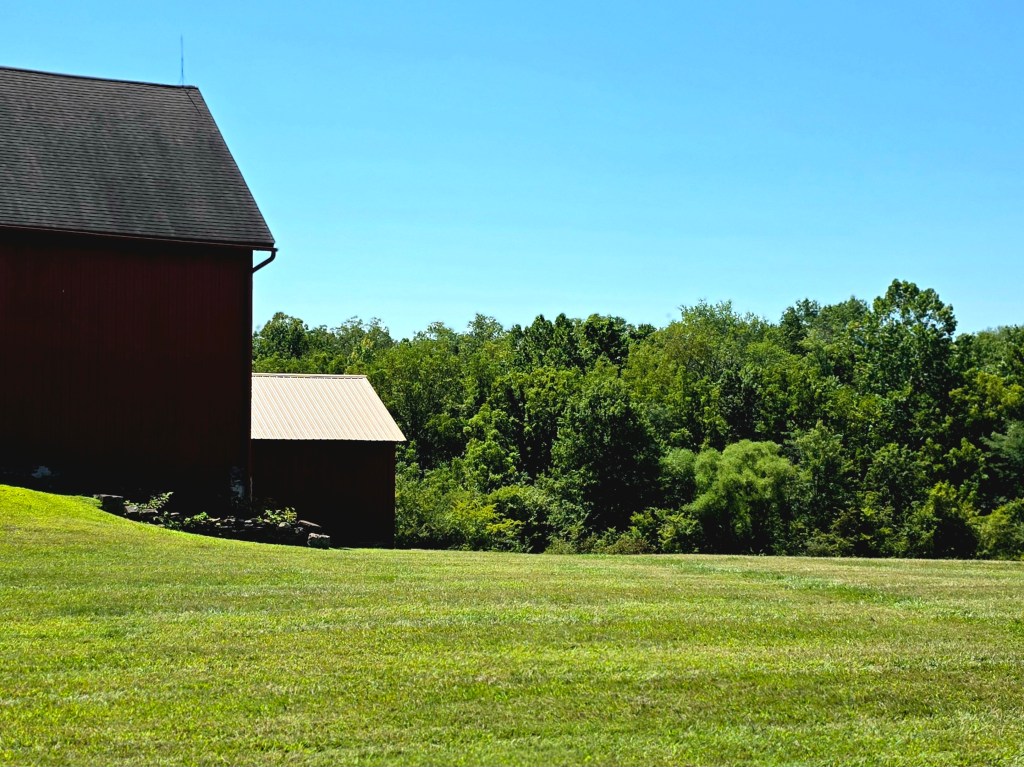
By 1706, Gerhardt and Hermanus Indenhofen purchased 440 acres from Matthias van Bebber. Around 1720, they built what is believed to be the first house in the village—and possibly the township. Remarkably, the Indenhofen (De Haven) Farmstead still stands today within Evansburg State Park. Listed on the National Register of Historic Places as the Warren Z. Cole House, it remains a rare, tangible reminder of Skippack’s earliest days.
As the 18th century unfolded, Skippack began to flourish. In 1795, Jacob Reiff opened the town’s first store, followed by a post office in 1827. By the turn of the 20th century, modern transportation had arrived in the form of the Souderton, Skippack & Fairview Electric Railway. Locals nicknamed the trolleys “Wogglebugs”—a name that sounds more like a children’s book character than a mode of transport, but it stuck. The trolley service ran until 1940, rattling along Skippack Pike before buses eventually took over. Today, a preserved trolley car outside Hotel Fiesole offers a quirky nod to that bygone era.

Fast forward to the 1990s, when Skippack’s rural charm inspired a careful redevelopment of its shops and restaurants. Historic character was preserved, but modern touches crept in—turning the village into a place where you can browse a boutique housed in a colonial-era building, then grab sushi just down the street.
Deb Caramenico, proprietor of The Olde Country Cupboard, has been part of Skippack Days for nearly twenty years. Across her tables, she arranges an inviting array of handmade treasures—seasonal ornaments, cozy linens, fragrant potpourri, and, of course, her signature scented candles. For many festivalgoers, the warm glow and rich aromas of her booth are as much a tradition as the festival itself. I’ve lost count of how many times I’ve stopped there, but each visit feels like a fresh discovery.
Caramenico has honed her crafting skills for more than forty years, creating items that blend rustic tradition with timeless appeal. Her handmade pieces—from ornaments to textiles—reflect the care and creativity of a seasoned artisan, while her soy and vegetable-blend candles have become beloved for their rich fragrances and cozy glow.
She attributes much of her success to her long-time involvement with the festival. “Skippack Days is always so busy,” she shares. “Many people found the shop during the festival and have become regulars.”


The Olde Country Cupboard opened fourteen years ago in the former home of Albert Bromer, a Schwenksville manufacturing mogul whose family once fueled local industry. When Deb purchased the property, the building had seen better days. “There was a lot of repair work,” she recalls with a laugh. With patience, vision, and plenty of elbow grease, she breathed new life into the space. Today, the shoppe draws customers from far beyond Montgomery County—many of whom first discover it during Skippack Days.
Unlike many modern retailers, Deb chooses not to sell online, making each visit to The Olde Country Cupboard a uniquely personal experience. What begins as a casual stop for a candle or holiday decoration often turns into a lasting relationship between customer and shopkeeper.
Through the centuries, Skippack has managed to resist the tides of change. Its colonial-trimmed boutiques and well-mannered streets remind us that history isn’t just something you read about—it’s something you can walk through, shop in, and, if you’re lucky, take home. Whether you come for the crafts, the food, or simply to soak in the village’s historic charm, one thing is certain: Skippack Days is a celebration you won’t want to miss.

This year’s festival will be held Saturday, October 3, and Sunday, October 4, from 10 a.m. to 6 p.m. With more than 80 shops and artisans, live music, and endless opportunities to eat, shop, and explore, it’s small-town America at its best.
Visit The Olde Country Cupboard at 128 Main Street, Schwenksville. The shop is open every Friday-Sunday, 12pm-5pm.


 Keystone Wayfarer
Leave your thoughts