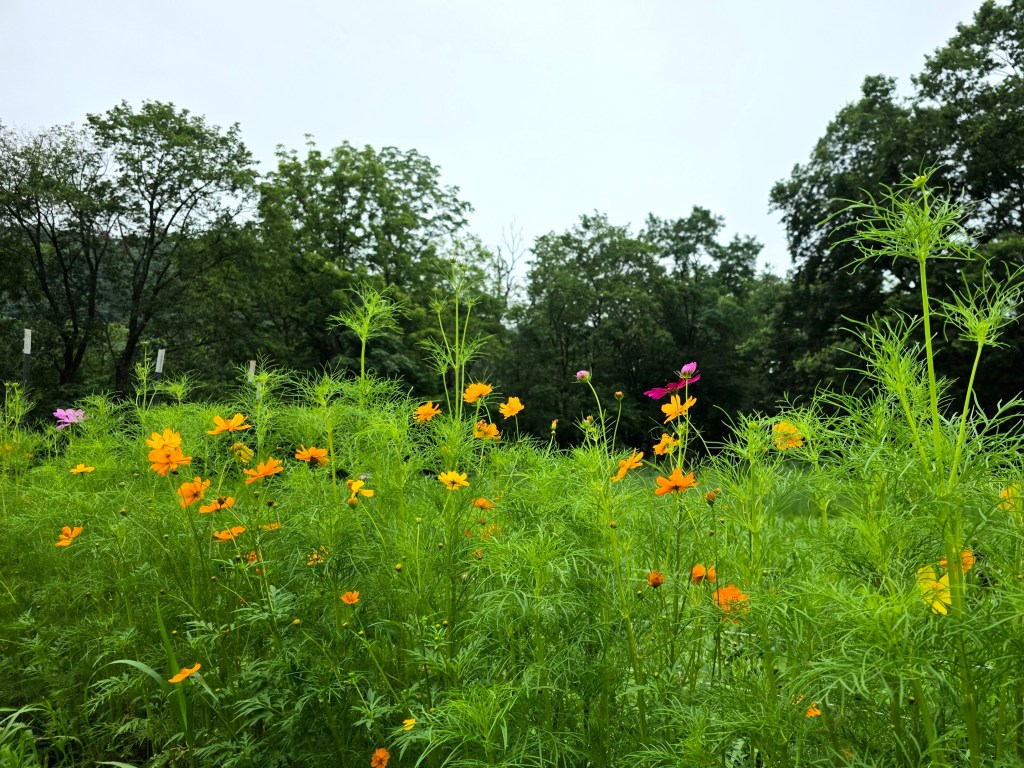
We’ve officially hit the one-month mark of summer 2025—and let me tell you, she’s already showing off. The heat clings like a second skin, melting your willpower and making even the thought of socks feel like a personal insult. So far, we’ve baked through a streak of those infamous 90-plus-degree days, sending folks fleeing to the nearest community pool, air-conditioned movie theater, or grocery store freezer aisle.
As for me? I’ve been finding sweet, chlorinated refuge in what I lovingly call my Paula Pool. It’s not Olympic-sized—hell, it’s not even four feet deep. But it does the job. And with these temperatures, that’s saying something.
On the sweltering days, my beloved garden becomes less of a sanctuary and more of a wistful thought. The sun beats down like it has a personal vendetta, and even the most loyal plants look like they’re considering early retirement. So I give them—and myself—a break, watering just enough to keep things alive.
Still, gardening remains a cherished ritual for me and many others across our community. Not far from my house on Game Farm Road—a spot I often mention—there’s another property tended by a golden-haired woman with a green thumb and a generous spirit. I first came across her through the Schwenksville Community Facebook page, that somewhat trusty digital thread that often stitches together our small Montgomery County town.
Our first exchange was simple, but something clicked. It wasn’t just our shared love for growing things—it was how she spoke about her land, her family, and her reasons. There was a gentleness in her words, a quiet strength that reminded me of the many women who came before us—the ones who sewed, farmed, taught, and loved without fanfare.
This year, Keystone Wayfarer has been spotlighting remarkable Pennsylvania women: Nellie Bly, Billie Holiday, legal trailblazer Isabella Darlington, author Margaret Sutton, and more. Women who didn’t just shape their communities—they transformed them.
This month, we feature that woman I found on Facebook—an unshakeable local resident whose horticulture brings joy to everyone passing by her flourishing fields and colorful roadside flower stand. She may not be in the history books—yet—but surrounded by her beautiful blooms and quiet resilience, she’s writing a legacy all her own.
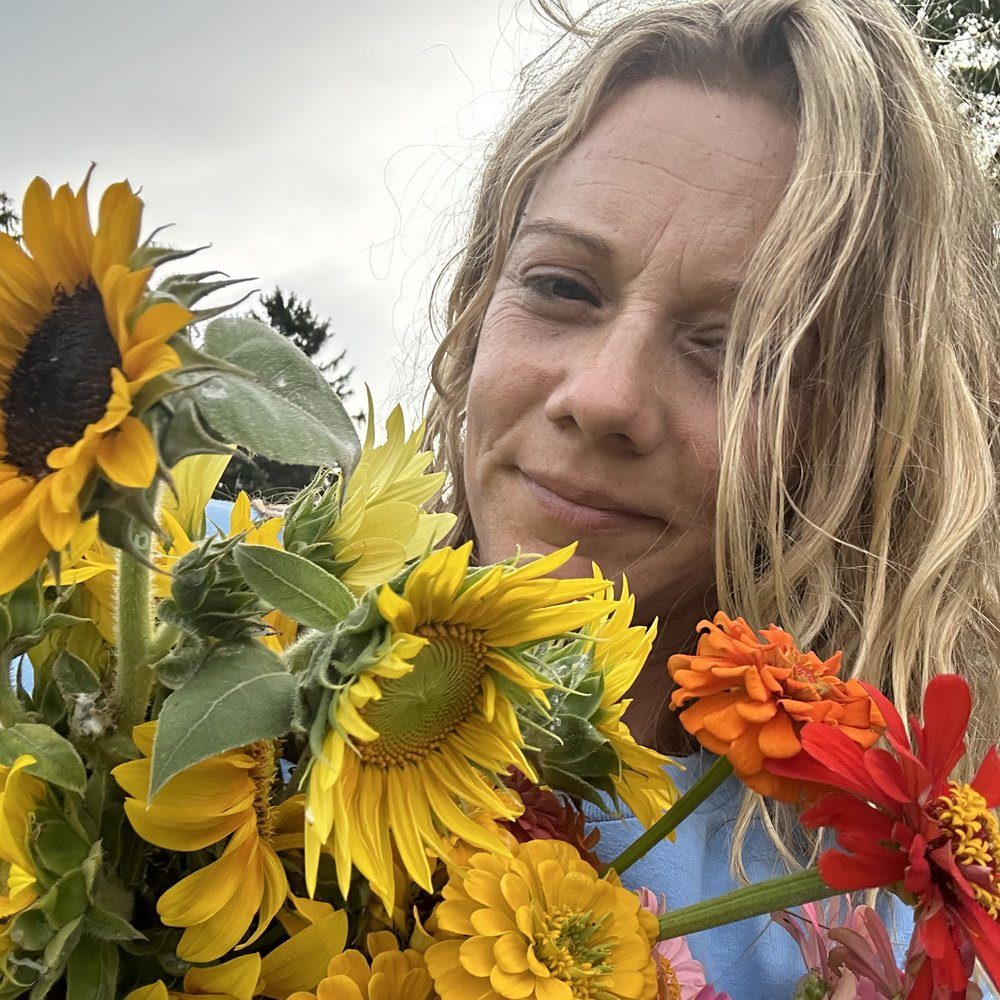
Erin Curtis is a 44-year-old single mom of two teenage boys, balancing a full-time career with a part-time passion for flower farming. Her family’s land was one of 120 local properties that lost ground during the construction of the nineteen-mile Perkiomen Trail, through agreed easements or eminent domain.
Years ago, Erin turned to growing flowers as a way to heal. She started with sunflowers and asparagus but has recently taken it further—testing her dream of cultivating and selling cut flowers. In just the past year, she’s expanded her planting beds to include snapdragons, zinnias, gladiolus, and sweet pea.
The beauty Erin cultivates comes from a place of profound loss. In 2006, her infant daughter was diagnosed with cancer and passed away at just one year old. Not long after, she gave birth to twins—only to lose one to the same disease, lymphoblastic leukemia. Then came another challenge: an unruptured brain aneurysm requiring surgery while she was pregnant. In 2021, her husband died unexpectedly.
Through it all, Erin kept going. And eventually, she found herself in the garden.
“I have not always been an avid gardener,” she shares. “I was very intimidated by it for a long time. I was terrified of doing something imperfectly or failing and having everyone see it—mostly my family.”
We exchanged emails about the realities of balancing a full-time job, raising teens, and flower farming.
“To be honest, there really isn’t any other choice. I have to provide for my kids and show them what hard work means,” she wrote. “I’m far from perfect—my house is often a mess, I’m definitely not wealthy. But the busier I am, the more okay I feel. When people ask, ‘How do you do it?’ I just say: I don’t. I do what I can with what I have, and I try to give myself grace. Some days, that’s enough.”
I told her how gardening calms and centers me—how it has a kind of zen quality. She agreed.
“Digging in the dirt, making a mess, trying new things—it’s necessary. I’ve got music or an audiobook blasting in my ears, and I just get to work. I realize I have the privilege of having the space to grow whatever I want. It almost feels like a sin not to make use of what I have.”
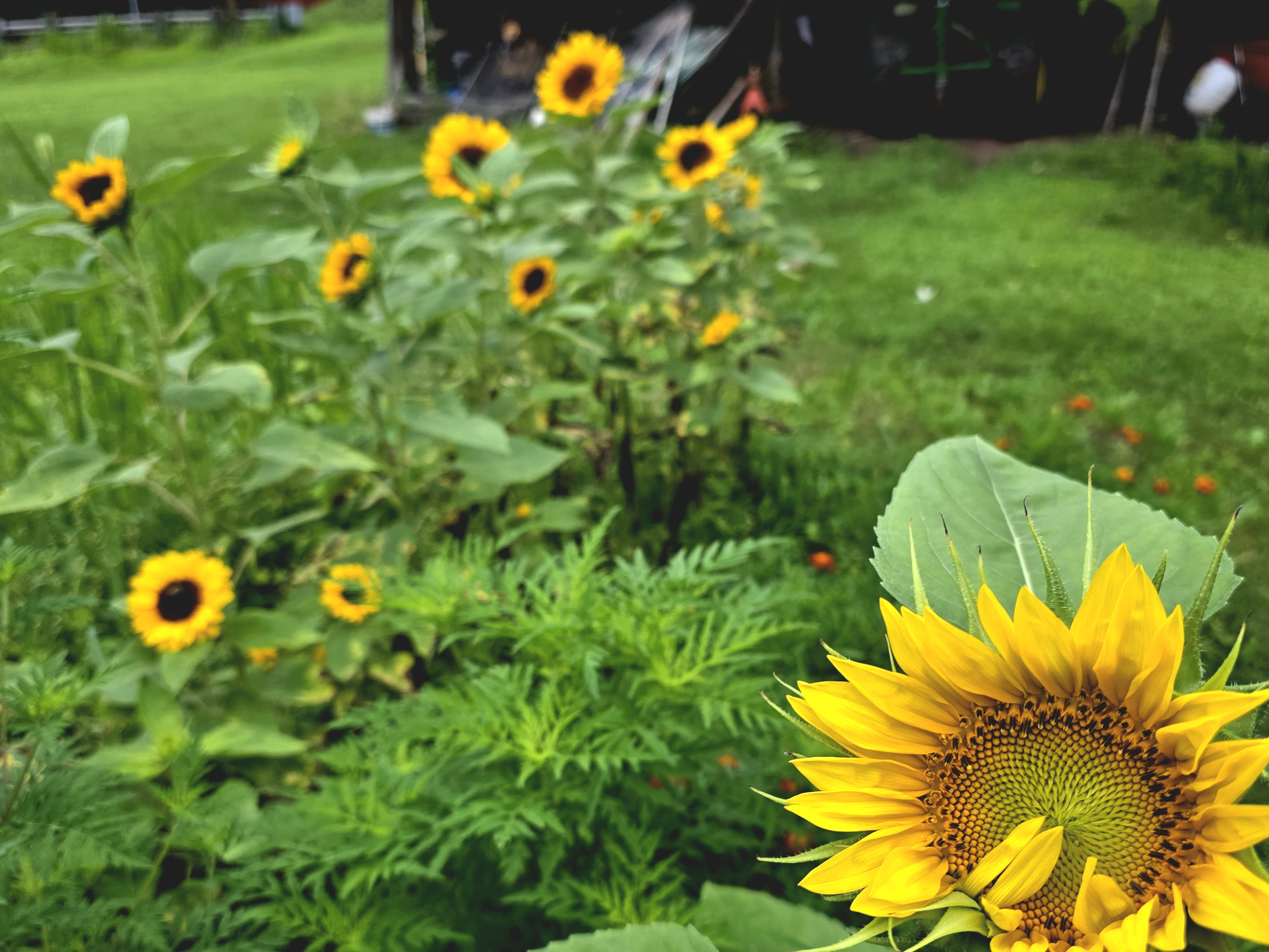
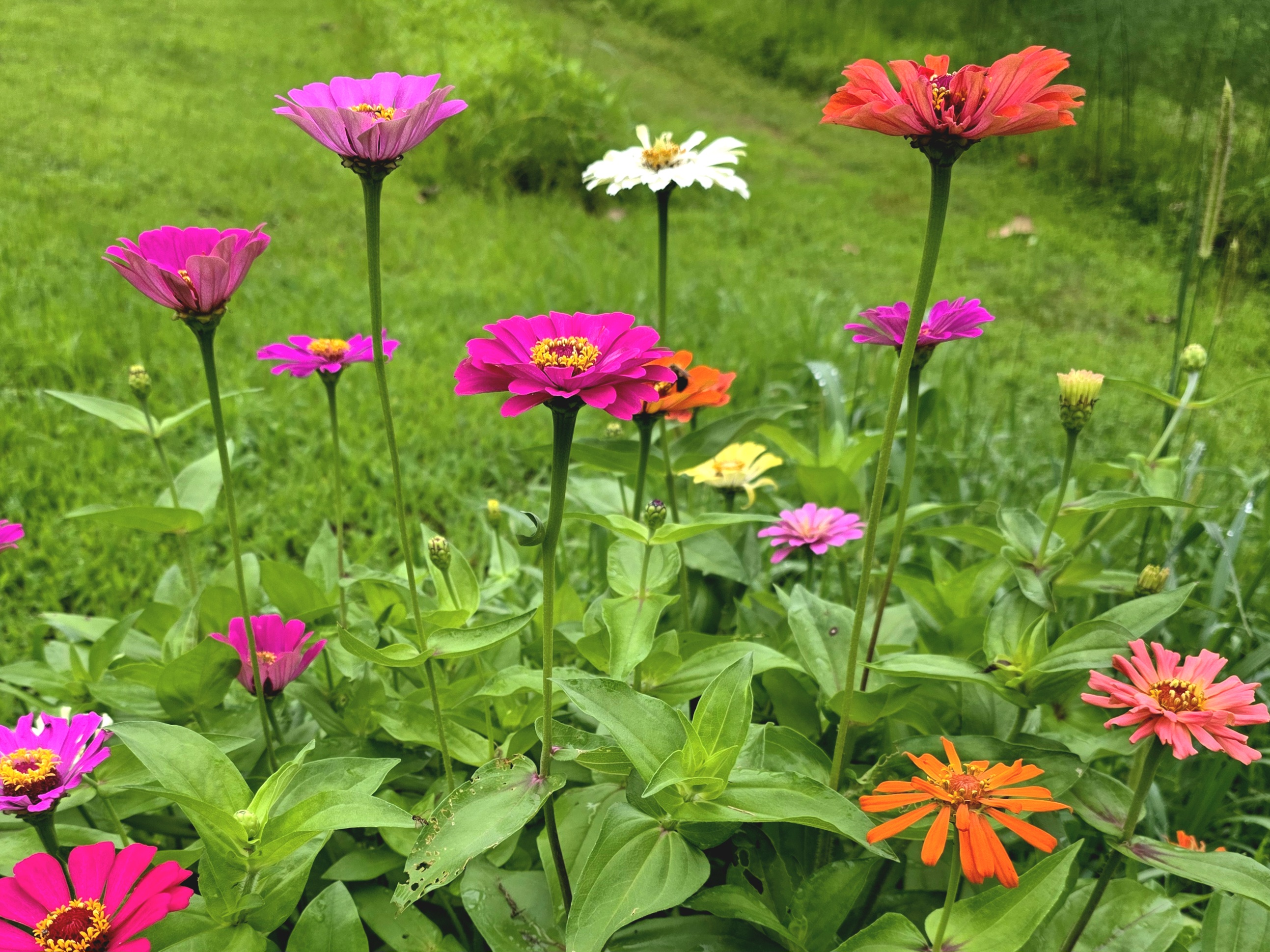
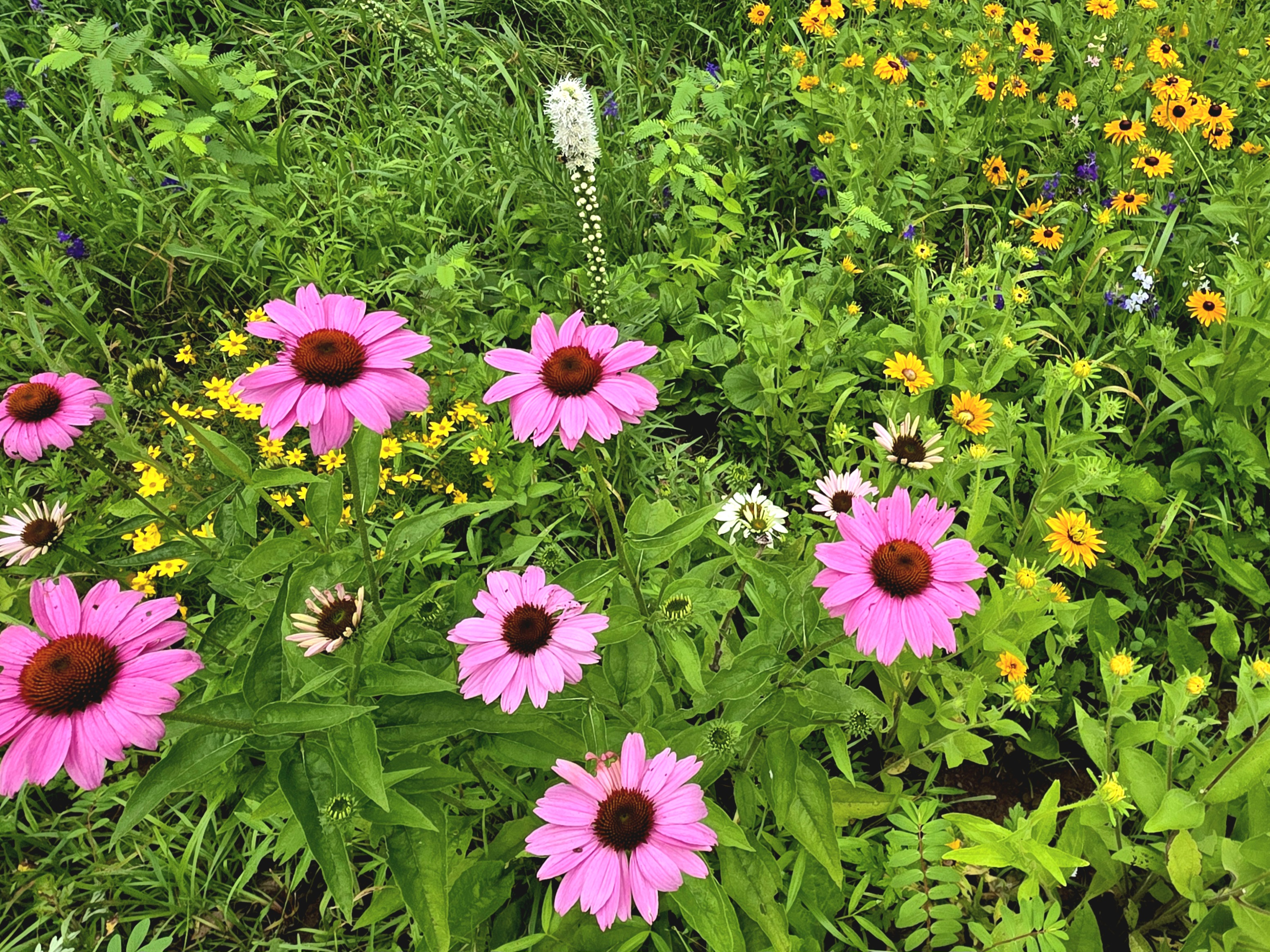
That stayed with me. Gardening really is a blend of creativity, caretaking, and faith. Since buying my own home on the old road connecting Main and Neiffer, I’ve found comfort in planting and watching things grow. It’s an act of hope. And like life, a garden requires patience—some seeds don’t sprout, blooms fade too soon, and weeds are always creeping in. But you keep showing up, believing something beautiful will grow.
“When I am weeding, planting, or taking photos,” Erin said, “I can let my thoughts flow and process past any hurdles or hold-ups without stress or worry. Growing flowers has allowed me to be more courageous and proud of my upbringing in dirt and farming. And sharing them—through photography or little roadside jars—feels like sharing joy.”
The land Erin tends belonged to her grandparents, William and Florence Weirman. William worked at the Paragon Bag Company, a formerly thriving Schwenksville business originally housed in what’s now the Cla-Mar apartments. Florence, a local seamstress, mended clothes for neighbors and raised generations of the family in the homestead until 2009. Every bloom on the land holds a piece of their memory.
“It is my understanding that the house was built prior to the Revolutionary War,” Erin says. “There’s even an identical ‘Weirman farmhouse’ in Lower Salford Township.” Her uncle, a woodworker and farmer, built a home across the road after returning from military service. In addition to her grandmom’s garden, fondly called “the patch,” Uncle Will cultivated produce in nearby fields in Graterford.
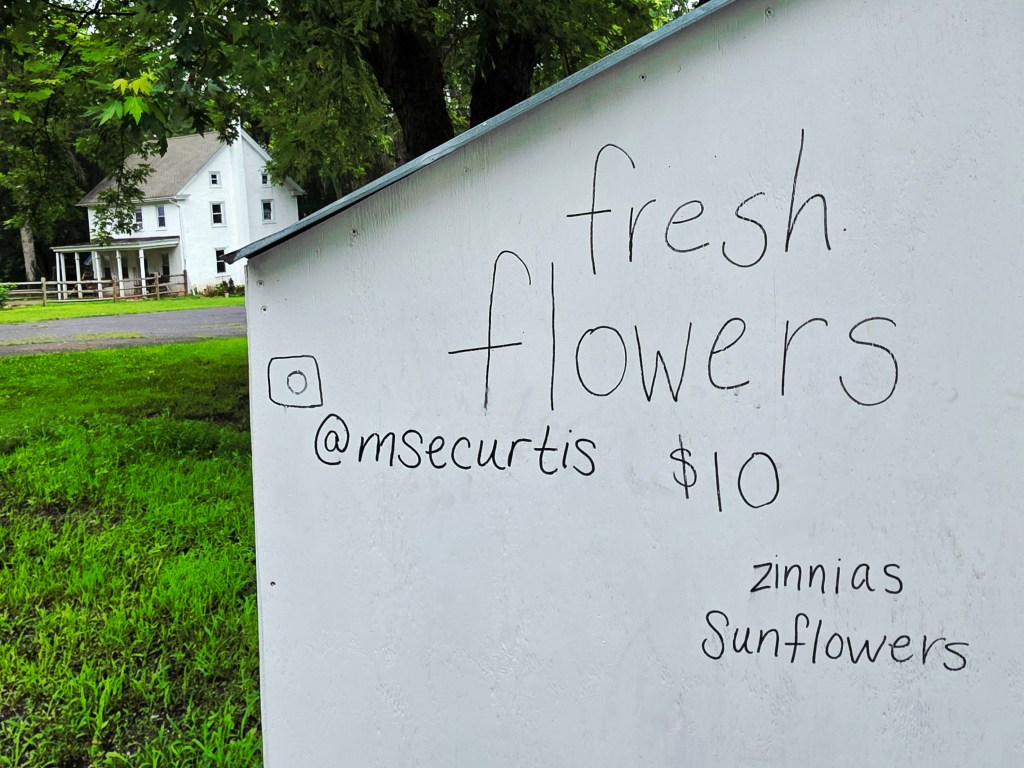
When she’s not tending her beds, Erin finds peace walking through places like Valley Forge National Park.
“It’s grounding to walk and pay respects to the sacrifices and lives lived in the encampments there during the Revolutionary War,” she reflects. “It’s also humbling to witness the ongoing efforts to keep our National Parks beautiful and accessible for those who choose to visit.”
When asked who inspires her, Erin says it often depends on what she’s reading. Lately, it’s The Women by Kristin Hannah.
“I’m in awe of every woman who served as a military nurse in Vietnam—their courage is incredible.”
And then there’s Barbara Bush.
“She lost a daughter to cancer too. Seeing her live fully and love deeply helped me believe that I could survive—and still find joy—even after everything.”
It’s not just the flowers that bloom under Erin’s care—it’s the bees, butterflies, and small miracles that turn her farm into a flourishing ecosystem. Every bouquet she sells, often in mason jars donated by neighbors, is a quiet reminder that beauty can grow from even the hardest heartbreak.
“I’m definitely a better human when I’m outside,” she says. “This is how we were raised. And in my grandmother’s house, I feel connected to her and my family when I grow flowers.”
Erin’s story is a powerful reminder that gardens—like life—require patience, forgiveness, and resilience. Sometimes, all we can do is keep watering what we hope will grow, take refuge where we can, and find beauty in the imperfect moments along the way.
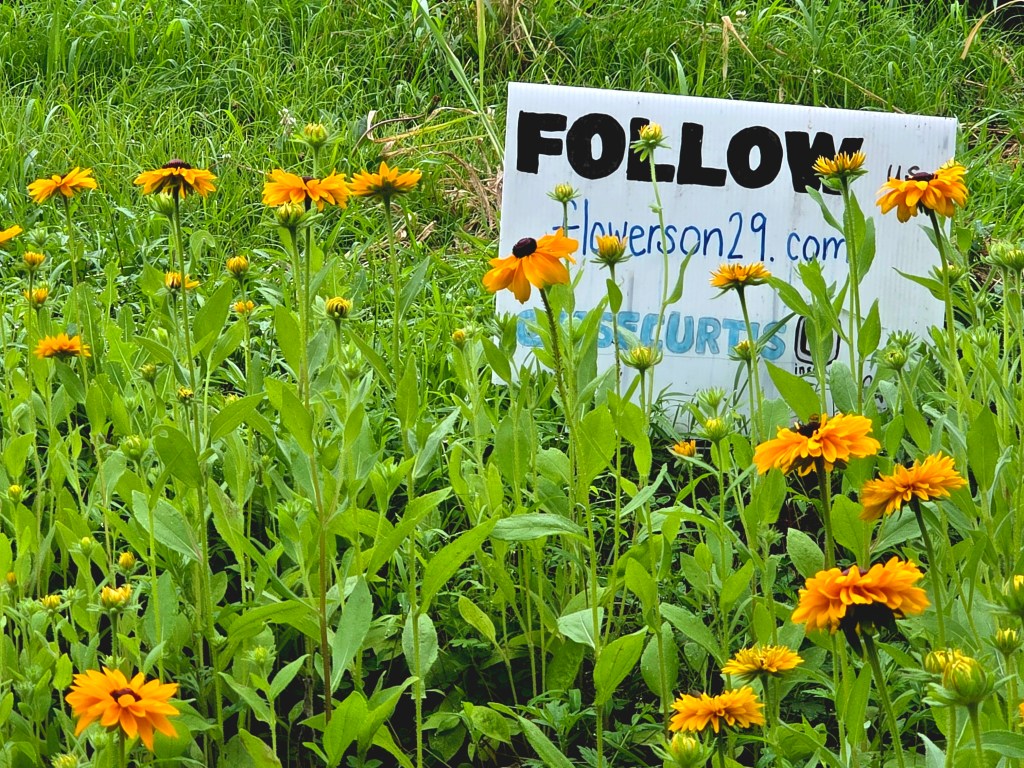
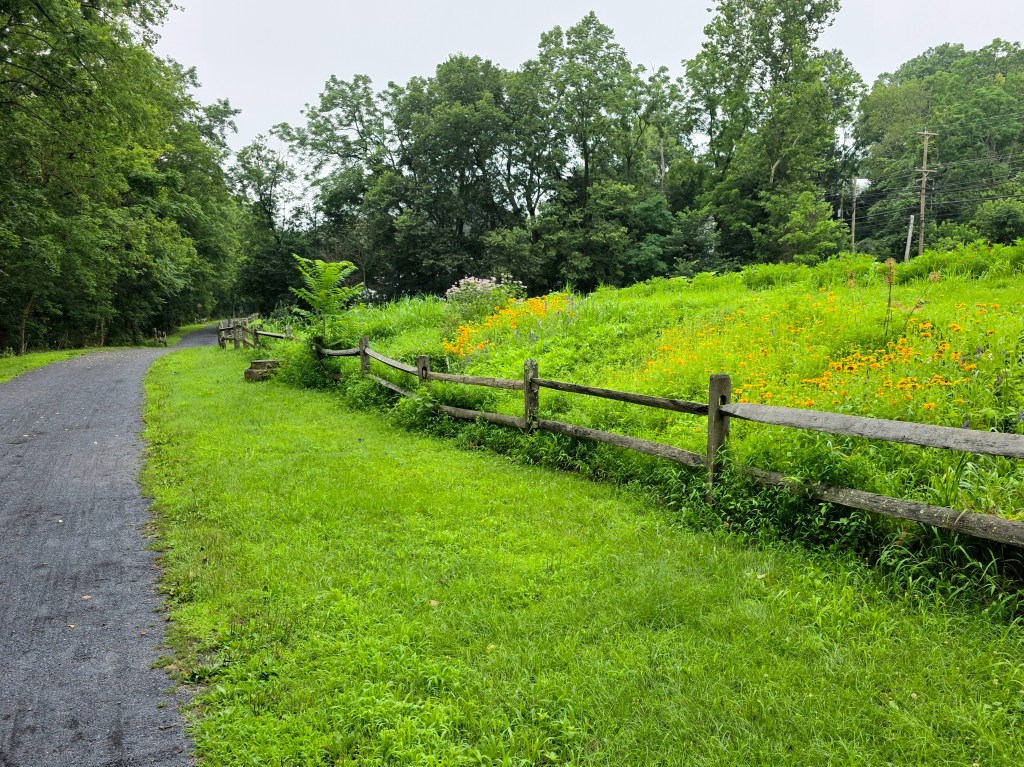
You can find her flower stand at 956 Gravel Pike, where arrangements are sold for $10 (cash or Venmo). Her blooms–larkspur, strawflower, Rudbeckia, sweet peas, gladiolus, dahlias, and of course sunflowers—line the roadside like small acts of defiance against the heat. Zinnias, cosmos, and more are on the way.


 Keystone Wayfarer
Leave your thoughts