
It’s no secret—I’m a history nerd through and through. Every week, I find myself tumbling down another self-induced rabbit hole, drawn in by a story that grabs hold and won’t let go. Whatever the spark, it always leads me to the same truth: history isn’t just a collection of old dates and dusty names. It’s alive—woven from the lives of real people who laughed, cried, fought, and hoped just like we do today. Their stories haven’t vanished. They’re still out there, just waiting to be discovered.
Lately, however, I’ve been troubled by a quiet disappearance happening all around us. Community organizations—local historical societies, Rotary Clubs, and other once-vibrant hubs of connection—are fading. Many are sustained through the dedication of aging volunteers who’ve carried the torch for decades. But when those stewards are gone, who will take their place?
This concern isn’t just about dwindling membership or shuttered buildings. It’s about what we stand to lose. Without fresh support, history risks becoming irrelevant—reduced to trivial facts memorized for exams or played out on board games, only to be quickly forgotten. The irony? The very institutions dedicated to preserving collective memory are fighting for their own survival.
To understand what’s at stake, consider what these organizations do. Local historical societies collect, preserve, and interpret the past—often centered on a specific town or community. That might mean safeguarding photographs and letters, maintaining historic homes, or running educational programs. Some have professional staff; many rely entirely on volunteers who catalog artifacts, plan events, and keep the doors open out of sheer passion.
Regardless of size, their mission is the same: to bring stories to life. Walk into a small-town museum or attend a local society meeting, and you might learn about the factory that once powered the town’s economy, or the family that ran the general store for generations. These stories are more than curiosities—they are the building blocks of identity and belonging.
As Louise Doll, Vice President of the Perkasie Historical Society, puts it: “Our role as a volunteer, community historical society has evolved. We’ve shifted from simply celebrating anniversaries, milestones, business growth, and preserving unique historical sites, to a broader role focused on interpretation. Today, we tell the stories behind the artifacts, emphasizing how they’ve shaped the community we live in.”

Historical societies aren’t a modern invention. The idea traces back to 16th- and 17th-century Europe, where amateur antiquarians collected books, artifacts, and relics to study and preserve. By the 19th century, as national identities solidified, interest in local and regional history grew.
The first formal historical society in the United States was founded in 1791. Alarmed by the loss of important documents, Reverend Jeremy Belknap gathered like-minded Bostonians to create the Massachusetts Historical Society. Their mission was to preserve the history of Massachusetts and, through it, safeguard the fragile story of a nation still coming into its own.
Philadelphia wasn’t far behind. In 1815, it became the fourth U.S. city to establish a historical society when the American Philosophical Society formed a committee to collect historical materials. Thanks to the city’s religious tolerance and central location, it quickly became a hub for preservation efforts—hosting a wide range of organizations focused on religious, ethnic, and civic history.
That mission continues today under much tougher conditions.
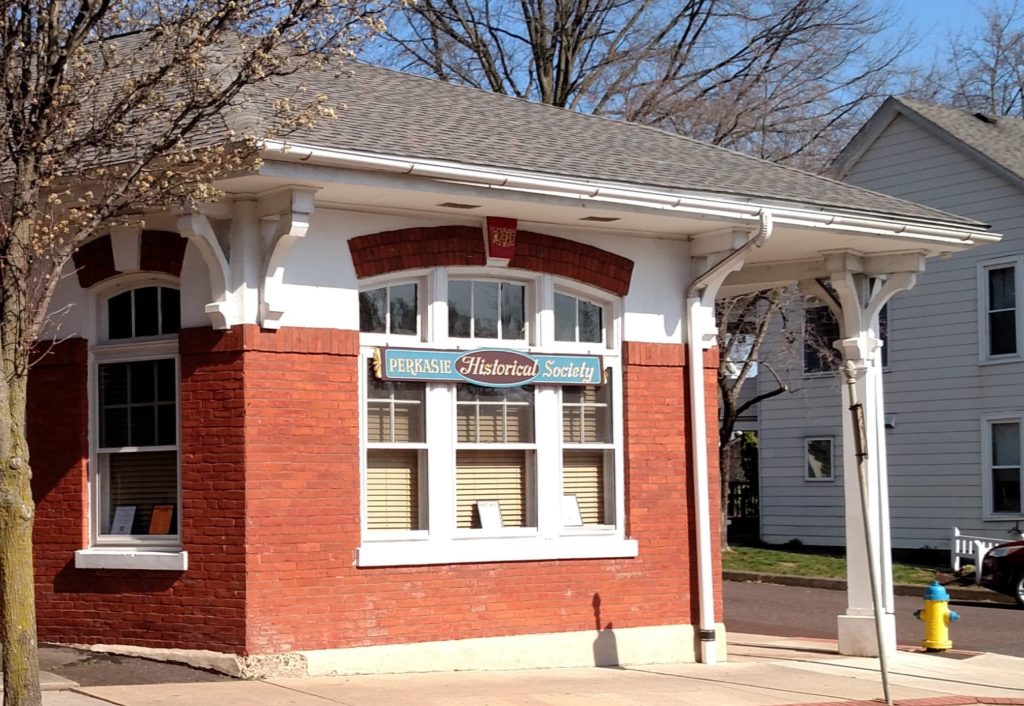
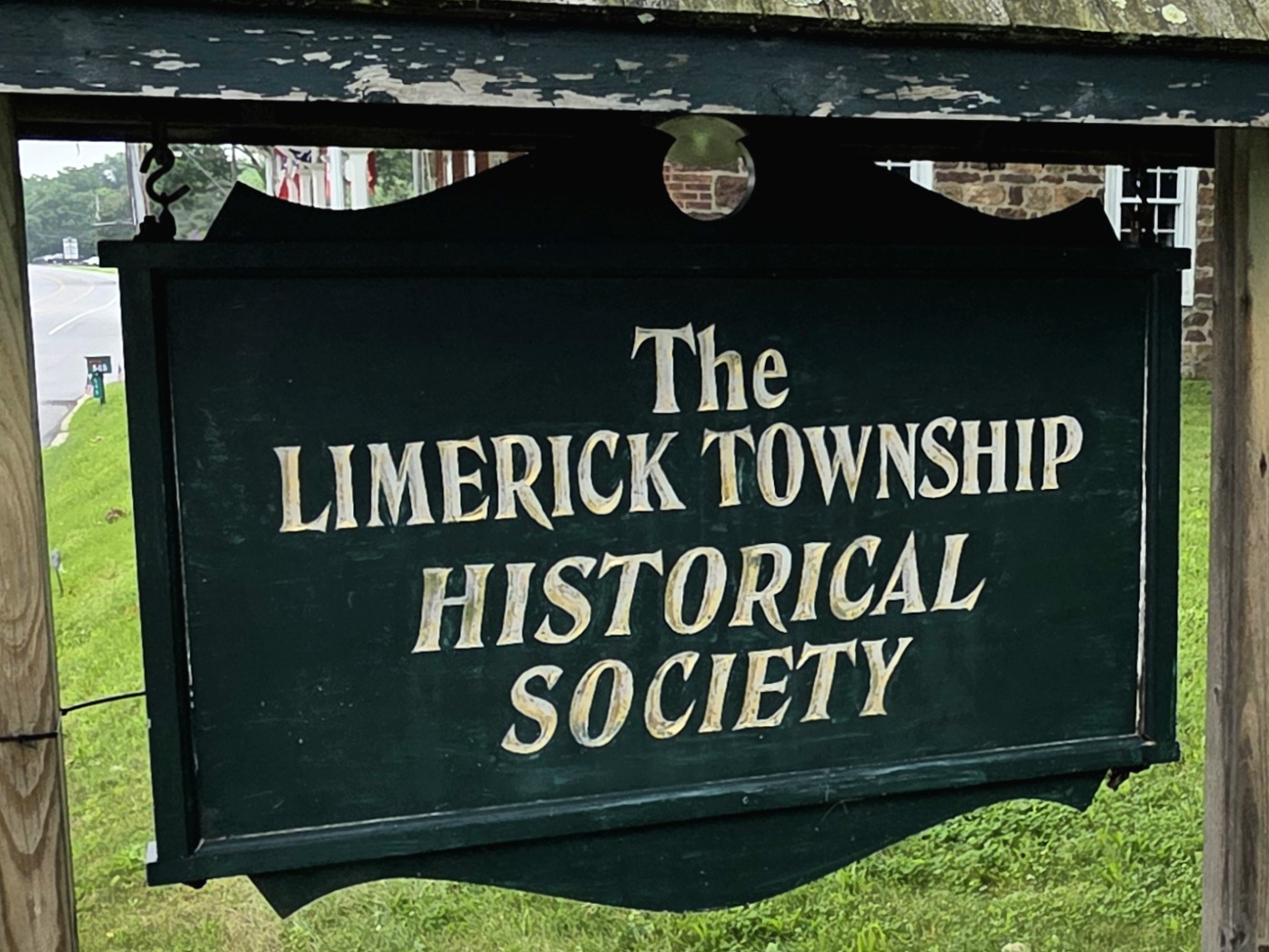
The Perkasie Historical Society, founded in 1954, maintains four historic sites, including the South Perkasie Covered Bridge, saved from demolition and relocated to nearby Lenape Park. Limerick Township Historical Society operates out of the Isaac Hunsberger House, preserving local artifacts not found online. And the Schwenkfelder Library & Heritage Center (SLHC) in Pennsburg maintains a growing archive of regional and religious history, emphasizing both preservation and public interpretation.
“Preservation is the most important thing we do—but interpretation is what makes it matter,” says SLHC archivist Hunt Schenkel. “Without sharing our knowledge, we’re just a storage facility.”


But preservation is expensive. As Schenkel notes, “Building maintenance, staff salaries, conservation, event planning—the costs make the challenge of staying in business ever present.”
The SLHC is fortunate to have a strong endowment, but like most local organizations–including both Perkasie and Limerick Township societies–it still relies heavily on donations and grant money—resources that are becoming more competitive and uncertain.
Technology offers promise. Digitization can make collections more accessible than ever, feeding inquisitive minds seeking archival awareness. Major institutions, such as the Library of Congress, have embraced this shift. But smaller organizations often lack the resources to follow suit.
Digital history also introduces new complications: where past generations left behind letters and photo albums, today’s history lives in emails, texts, and social media—formats that are ephemeral, easily lost, and difficult to preserve.
Yet for many institutions, the most pressing challenge isn’t technological—it’s human.
“The most significant issue is definitely the lack of volunteers,” says Doll.
Martin Witte, President of Limerick Township Historical Society, agrees. He notes the difficulty of “finding volunteers who are interested and willing to spend the time to learn and teach about their subject.”

Schenkel echoes the concern, emphasizing that “with a small staff and a very large collection—which continues to grow—the workload can be overwhelming. Without volunteers, our work would be impossible.”
Despite these pressures, many historical societies are finding creative ways to reconnect with their communities—through outreach, events, and programs designed to re-engage the public.
Limerick Township Historical Society is preparing for the township’s 300th anniversary with new exhibits, a commemorative quilt, and a survey of “Century Houses”—buildings over 100 years old.
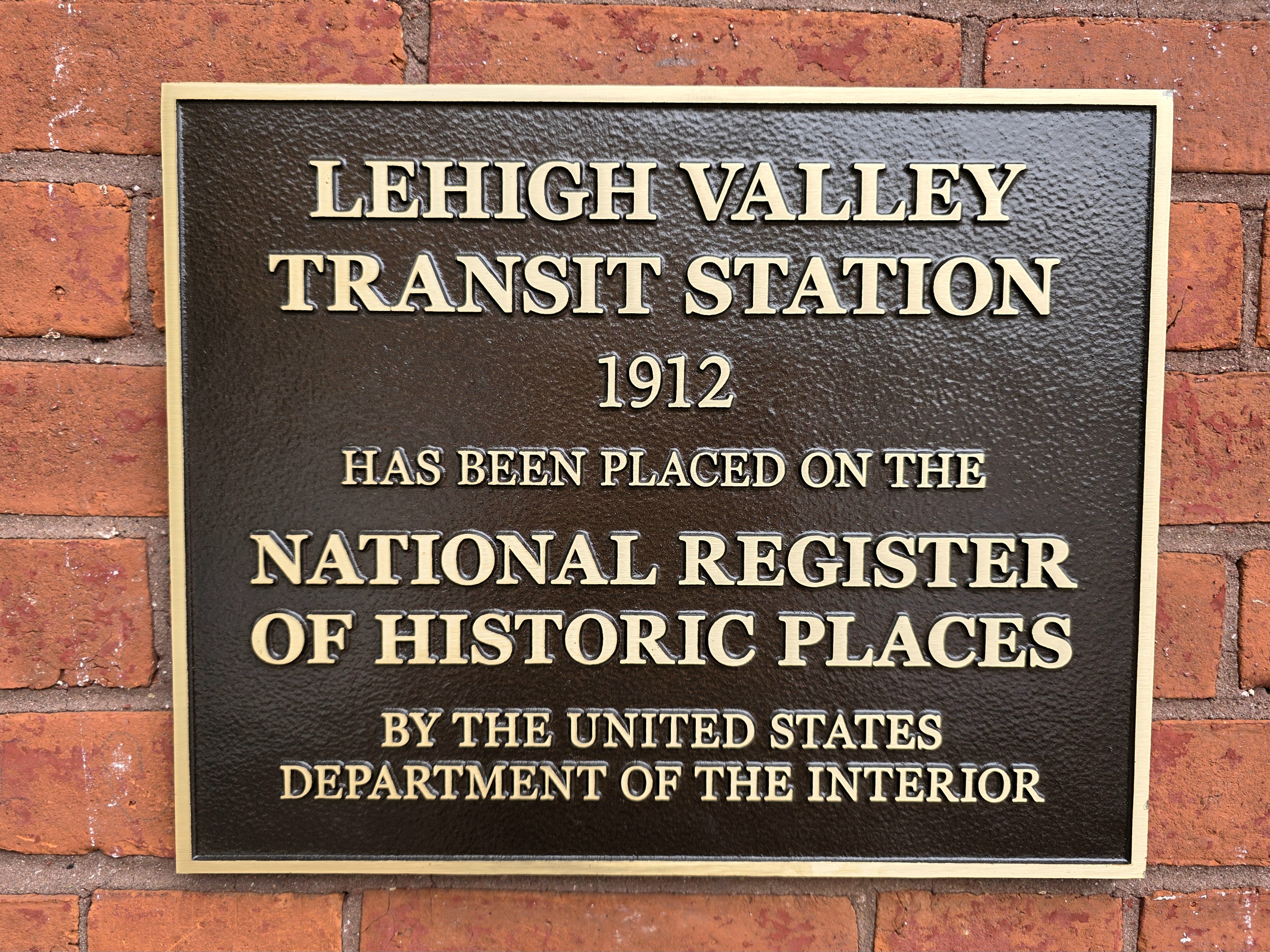
In Perkasie, volunteers maintain and operate the restored 130-year-old Menlo Park Carousel. Their museum, located in a former Lehigh Valley Transit trolley station, is open to visitors and recognized on the National Register of Historic Places. They’ve also launched a self-guided walking tour featuring QR codes that link to stories at nearly 100 local landmarks.
“We’ve found success by engaging with people on a personal level,” says Doll. “In a small group, it’s easier for volunteers to explore roles that match their interests or skills.”
The SLHC, meanwhile, offers a rotating schedule of exhibits, workshops, and lectures. This summer features the Ocean Quilt Exhibit, showcasing thirty quilts from around the world; a program on Cigar Making in the Upper Perkiomen Valley, opening July 18; and a fall sculpture show presented by the Lehigh Art Alliance. These events—along with the ongoing Brown Bag Lunch Series and digitization efforts—are keeping the mission both active and relevant. And they’re not slowing down anytime soon.
“The future looks promising if we can continue to secure funding,” says Schenkel. “Interest in art and history never really dies—it just evolves.”
Doll echoes that optimism. “We’re cautiously hopeful. The key is continuing to engage and interact with the community. We’ve connected with young people through school visits, scout programs, scholarships, and internships. The skill set for volunteers is changing—becoming more technical—but the desire to connect remains.”
Here’s the thing—this isn’t just about saving old stuff. It’s bigger than that. When we lose our connection to the past, we start to drift. We forget how we got here, what we’ve been through, and what really matters. History gives us roots. It helps us understand the present and imagine a future that’s actually worth building. These stories don’t just belong in museums—they belong in our lives.


So, what can we do to keep history alive? Start small. Walk into your local historical society. Ask questions. Listen closely. Donate if you can. Volunteer if you’re able. These places may be fragile, but with enough care, they can continue to inspire us for generations.
Even in our fast, noisy world, our connection to the past remains. We just have to meet people where they are: through a podcast that unearths a long forgotten truth, an Instagram post that brings an old photo back to life, or a YouTube video that reveals why a covered bridge still matters. In the end, you don’t need a history degree to make a difference. You just need to care.
Click on the links below for further organizational information or to make a donation.


 Keystone Wayfarer
Leave your thoughts