I remember when my mom, an avid reader, handed me my first Judy Blume book. I curled up with the small paperback in the quiet of my childhood bedroom and disappeared into its pages for what felt like hours. The pale purple cover featured a girl who seemed to be thinking the same kinds of thoughts I had.
Are You There God? It’s Me, Margaret became a comfort in my hands. It felt like someone had finally put into words everything I was too shy to say aloud. Margaret’s worries—about bras, periods, fitting in—were mine, too. Every page felt like a secret whispered just to me.
Until then, I hadn’t realized books could do that—how they could see you so clearly and make you feel less weird, less alone. That book became a quiet companion I could return to whenever I needed to feel understood. Even now, that feeling lingers.
I talk a lot about connection—after all, it’s the reason I sit down to write each week. My goal is to make history feel personal. The truth is, we are living history—whether we recognize it or not. It’s through the connections we form—with places, objects, and each other—that our stories come alive.
While Judy Blume offered much needed comfort in my youth, another remarkable author—Margaret Sutton—shaped the imaginations of young readers decades earlier. Sutton’s stories created safe spaces where maturing girls were allowed to embrace curiosity, creativity, and a growing sense of independence.
Sutton is the next feature in Keystone Wayfarer’s year-long series celebrating remarkable women from Pennsylvania history.
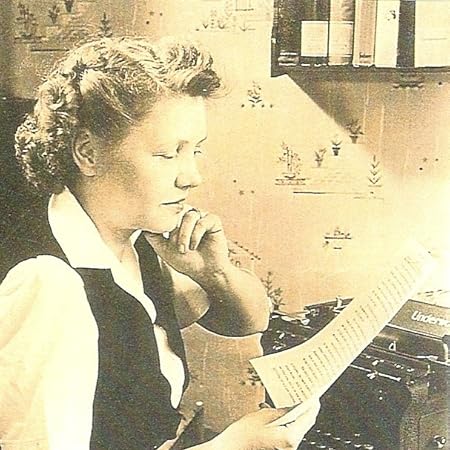
Margaret Sutton was the pen name of Rachel Beebe, a Keystone-born author and teacher best known for her Judy Bolton mystery series. She was born on January 22, 1903, in the small town of Coudersport, tucked up near the New York border. From an early age, Rachel was surrounded by stories and a deep appreciation for history. Her father, Victor L. Beebe, was a bit of a Renaissance man—historian, musician, carpenter—and even wrote The History of Potter County. Her mother, Estella, had a natural gift for storytelling, something she lovingly passed down to Rachel. With a home full of creativity, books, and imagination, it’s no wonder Rachel grew up to become a writer whose own stories would leave a lasting mark.
She trained as a stenographer at the Rochester Business Institute and later worked as a secretary for Stromberg-Carlson, a telecommunications and electronics manufacturing company. Over the years, she held jobs at printing firms in Rochester, Chicago, Detroit, and New York, and also taught adult education classes. Somewhere along the way, she discovered her passion for creative writing.
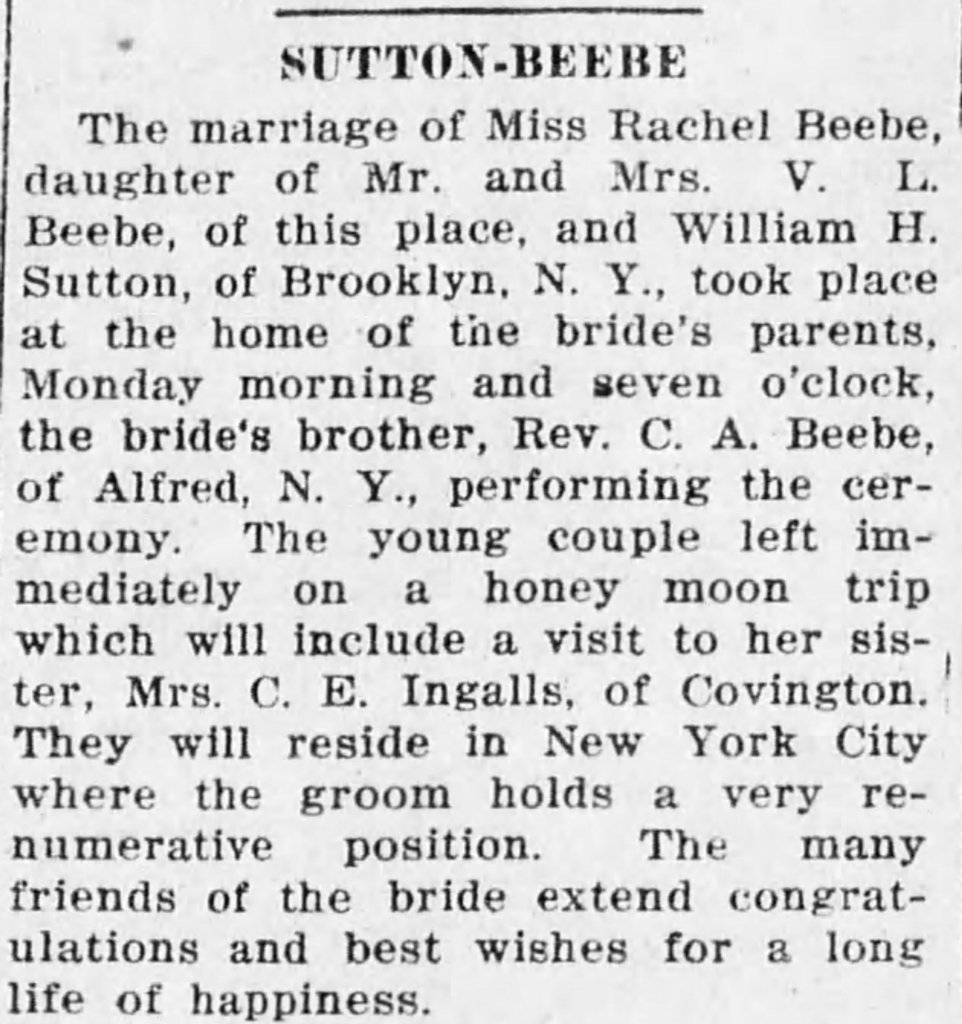
Her courtship with her first husband, William Sutton, involved extensive exchanges of poetry and competitive chess matches. Following their marriage in 1924, her writing flourished. She began crafting stories for her husband’s daughter, Dorothy—some of which were published in Picture World, a children’s magazine. Writing as Rachel B. Sutton, she also penned book reviews.
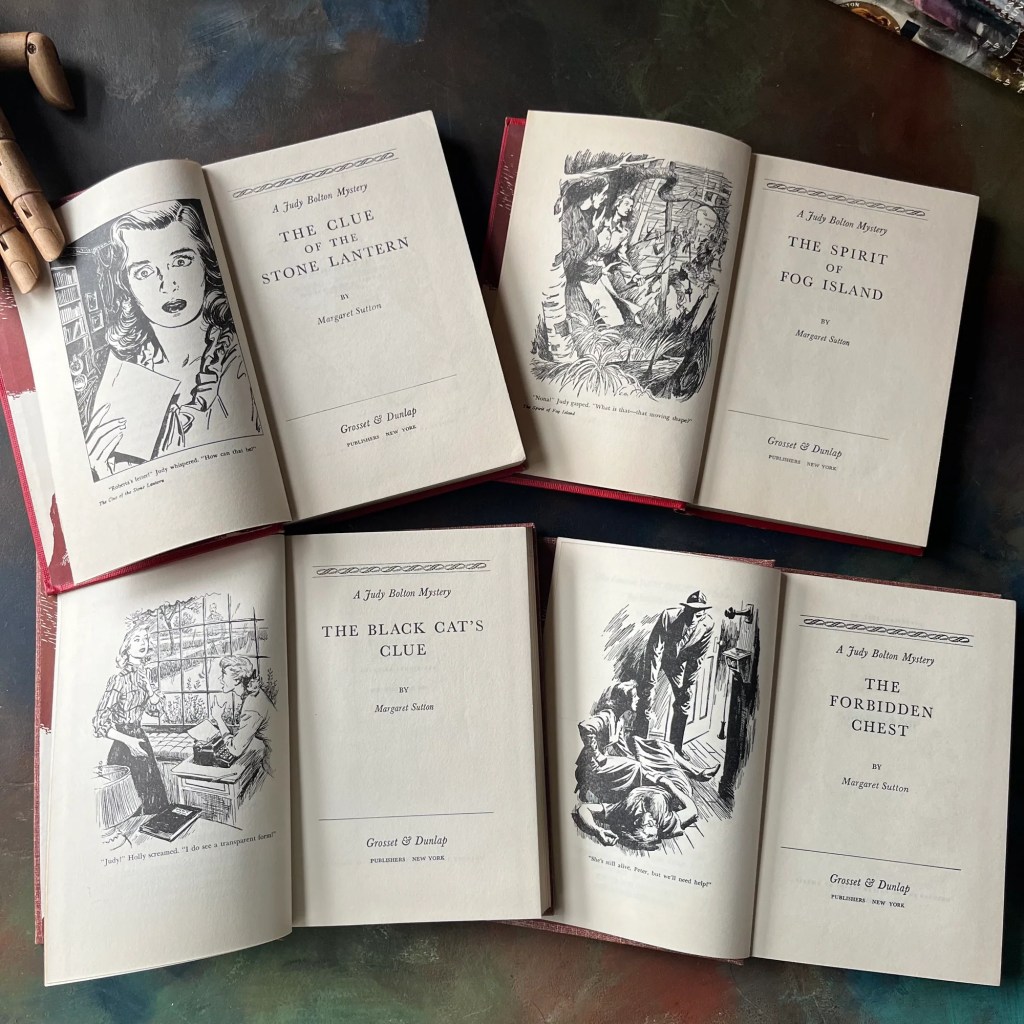
In 1932, under the pen name Margaret Sutton—a pseudonym chosen by her publisher—she released The Vanishing Shadow, the first in the Judy Bolton series. The book featured a clever, compassionate girl who loved solving mysteries and stood out in a world that didn’t always welcome strong-willed young women.
It blossomed into a collection of thirty-eight books, making it the longest juvenile mystery series by a single author. Nearly five million copies sold, including several foreign-language editions. What made Judy Bolton stand out wasn’t just her sleuthing skills—it was her relatability. To readers, she felt like one of us.
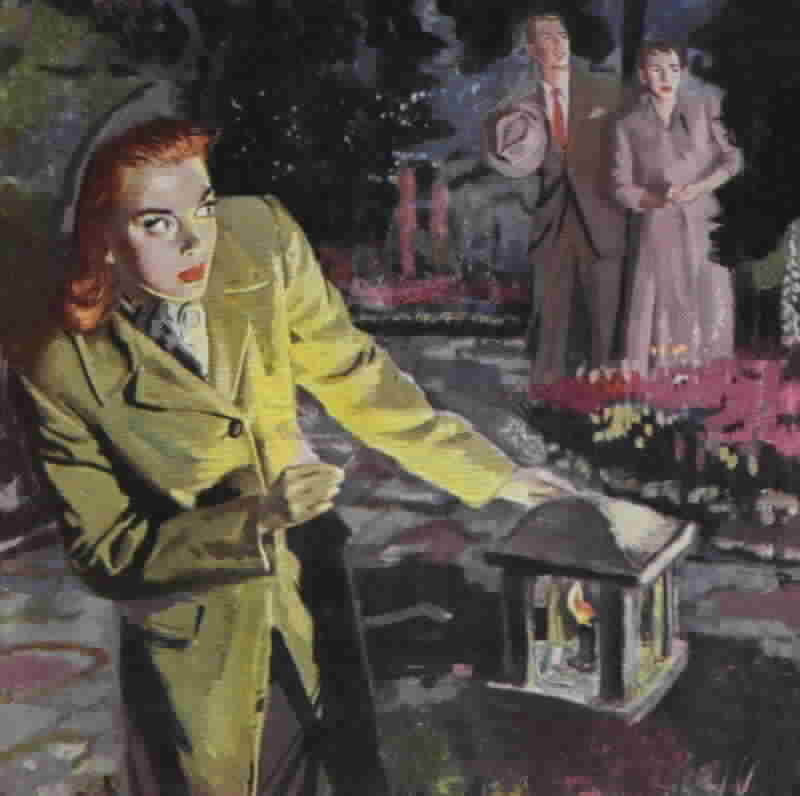
The books weren’t just about solving mysteries—they were about growing up. Themes like tolerance, belonging, and social justice weren’t just present; they were central. And at the heart of it all was Judy herself—an auburn-haired girl detective with a sharp mind and a kind heart. In Judy, readers found a quiet role model. She wasn’t perfect—and that’s what made her powerful. She had integrity. She questioned what didn’t sit right with her. And she wasn’t afraid to grow, even if it meant getting things wrong along the way.
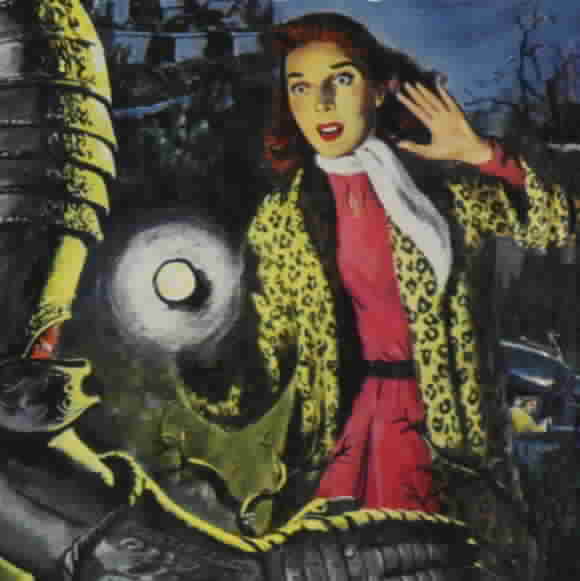
The stories reflected real life in remarkable ways. The flood in The Vanishing Shadow was inspired by the catastrophic 1911 flood in Austin, Pennsylvania. Judy’s family home was modeled after Sutton’s own house on East Second Street in Coudersport–which still stands today. The hiding place under Judy’s floorboards in The Invisible Chimes came from her daughter’s Brooklyn bedroom. And the fire in Seven Strange Clues? Well, that came from a real blaze at Coudersport High School in 1918.
The final original Judy Bolton book, The Secret of the Sand Castle, came out in 1967. Not long after, the series was canceled—allegedly due to pressure from publishers of more prominent series like Nancy Drew and The Hardy Boys. A thirty-ninth book was planned but never completed.
After the death of her husband William in 1965, Rachel found love again, marrying Everett Hunting, her brother’s college roommate. They lived in Berkeley, California, before returning to Pennsylvania in 1993. Margaret Sutton passed away on June 21, 2001, at the age of 98, in Lock Haven—just a few miles from where her story began.
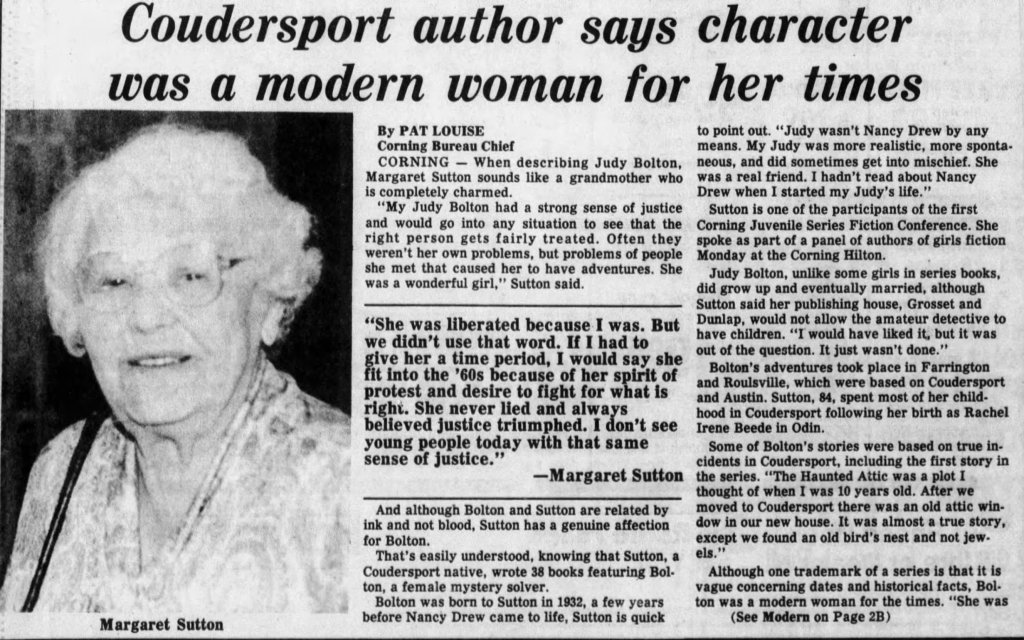
While Judy Bolton never reached the commercial heights of Nancy Drew or later heroines by my beloved Blume, she arguably felt more real. Judy even married halfway through the series—an unusual move in juvenile fiction, where characters often remain frozen in time. Today, collectors can pay over $200 for early Judy Bolton books, especially the later titles with limited print runs.
Beyond mysteries, Margaret Sutton also wrote historical novels, other children’s books, and a religious education curriculum called Letters to Live By, which her daughters later updated and shared with churches. Though never formally published, it was used in religious education programs across the country.
Over time, I read every Judy Blume book I could get my hands on. Each one helped me navigate the strange, shifting landscape of adolescence. Now, through Sutton’s stories, I see that same gift offered to readers decades earlier. Both authors created characters who reminded us that growing up is messy, confusing, and sometimes even wonderful. More importantly, they reminded us that we’re never as alone as we think.
Fun fact: Many of the early Judy Bolton books were illustrated by Ambler-born children’s author Pelagie Doane, adding a special—and local—touch that fans still treasure today.

 Keystone Wayfarer
Leave your thoughts