When you ask someone to name the oldest college in America, Harvard is almost always the first answer—and for good reason. Founded in 1636, it holds the title of the nation’s first institution of higher learning. Located in Cambridge, Massachusetts, it was named after John Harvard, a Puritan minister who donated his library and half his estate to help establish the school. Formally chartered by the General Court of the Massachusetts Bay Colony, Harvard became the cornerstone of American higher education and has since evolved into one of the world’s most prestigious universities.
But Harvard is only one chapter in the larger story of American academia. While elite universities often dominate the national narrative, smaller institutions have played an equally vital role—quietly shaping the country’s educational legacy through resilience, innovation, and persistence. One of those places happens to be not far from where I live. Its academic story—rich, surprising, and often overlooked—is one I’ve come to appreciate, in part because its history feels so deeply connected to the landscape around me.
Long before Collegeville earned its name, nearby Philadelphia was already planting seeds of educational innovation. In 1740, a group of Philadelphians began constructing a charity school, but the project stalled. Nearly a decade later, Benjamin Franklin stepped in with a bold proposal: turn the unfinished structure into an institution that would prepare students for leadership in academia, commerce, and public life. By 1751, that idea became the University of Pennsylvania, and Franklin himself served as one of its early leaders.
That kind of repurposing—turning obstacles into opportunity—is a recurring theme in history, especially here in the keystone state.
Nestled along the Perkiomen Creek, Collegeville might seem like a sleepy suburb at first glance. But its very name tells a story. Originally part of William Penn’s 1684 land purchase, the community developed slowly, anchored by modest educational efforts like Andrew Todd’s log cabin school in the 1830s.
The turning point came in 1848, when Mennonite reformer Rev. Abraham Hunsicker founded Freeland Seminary, a private boys’ school that quickly became the village’s intellectual center. Denied a formal education himself, Hunsicker opened the school with just three students. By the end of its first year, that number had grown to seventy-nine. Under the leadership of his son Henry, the seminary educated more than three thousand young men, including notable figures like U.S. Attorney General Wayne MacVeagh (1833-1917) and Major General John R. Brooke (1838-1926), a Union commander during the Civil War.
Just a year after Freeland Seminary’s founding, Hunsicker and J. Warren Sunderland launched the Montgomery Female Seminary—an audacious move at a time when higher education for women was still rare. Later renamed the Pennsylvania Female College—affectionately known as “Dear Old Glenwood” by its students—it educated nearly three thousand young women before financial hardship forced its closure in 1880.
Most people assume Collegeville was named after Ursinus College, but in fact, the town’s name predates it. The name traces back to the Pennsylvania Female College. When the Perkiomen Railroad established a local station and needed a name, the community chose “Collegeville” as a nod to the women’s college, which had already become a defining part of the area’s early identity.
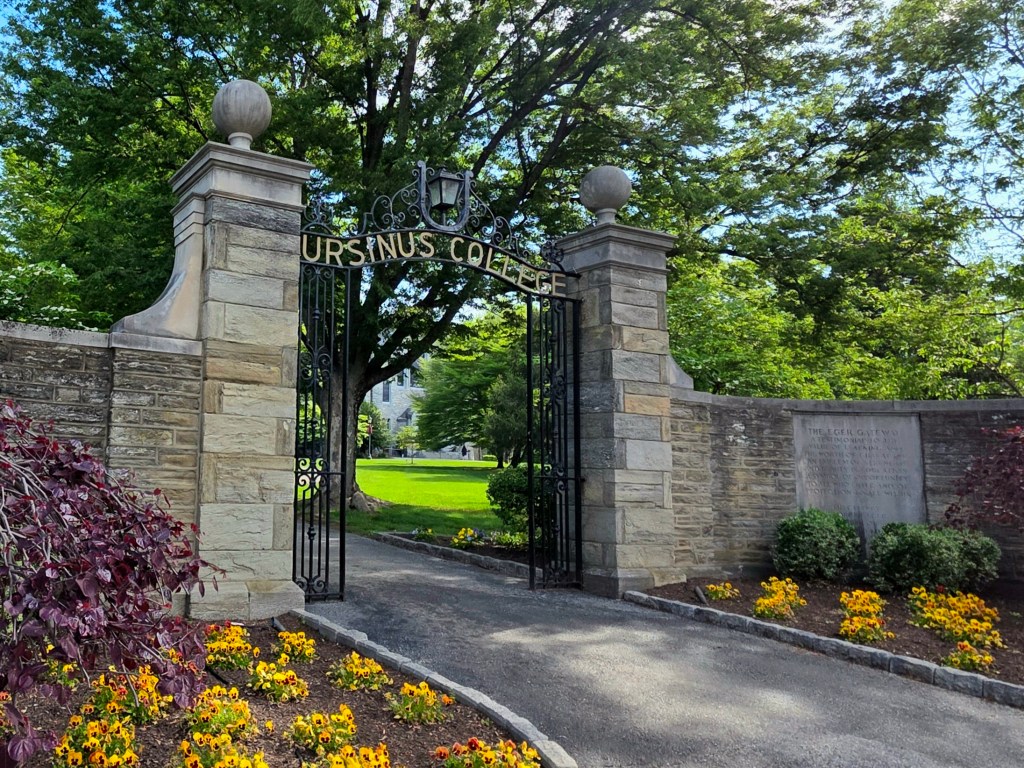
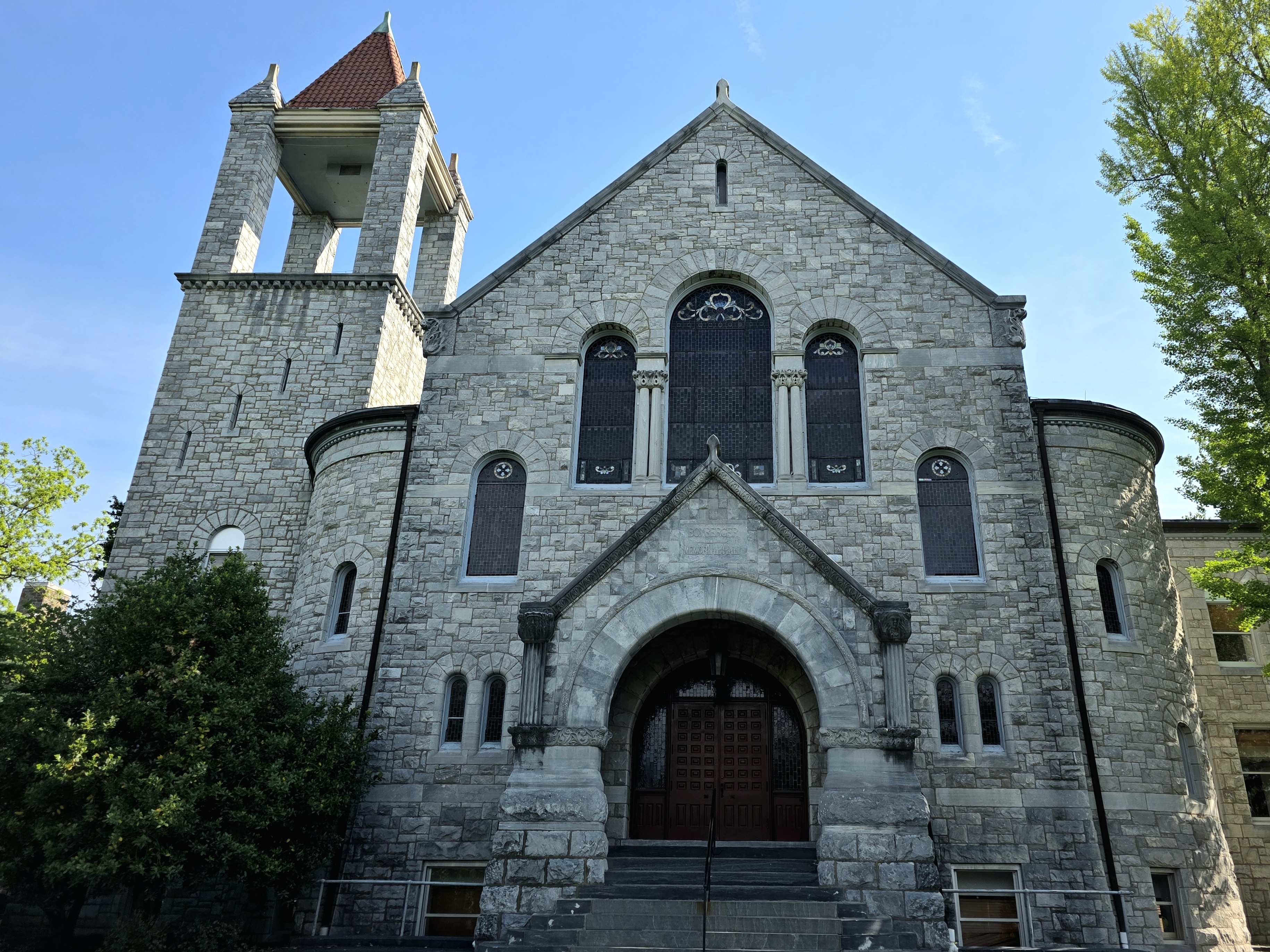
Ironically, by the time Ursinus College opened in 1869, the name “Collegeville” had already been adopted. Founded by Dr. John Henry Augustus Bomberger, a prominent theologian in the German Reformed Church, the institution emerged from the sale of the struggling Freeland Seminary. It was named in honor of 16th-century scholar Zacharias Ursinus. Starting with modest means, Ursinus College’s first graduating class in 1873 included just five students.
That same year, Ursinus quietly made a groundbreaking decision. Minerva “Minnie” Weinberger, daughter of faculty member J. Shelly Weinberger, was admitted on a trial basis to see whether a woman could meet the academic standards of the college. She not only succeeded—she graduated as valedictorian in 1884. Ursinus became coeducational not as a matter of activism, but of necessity: it simply couldn’t afford to educate men and women separately. That pragmatism ended up becoming a quiet revolution.
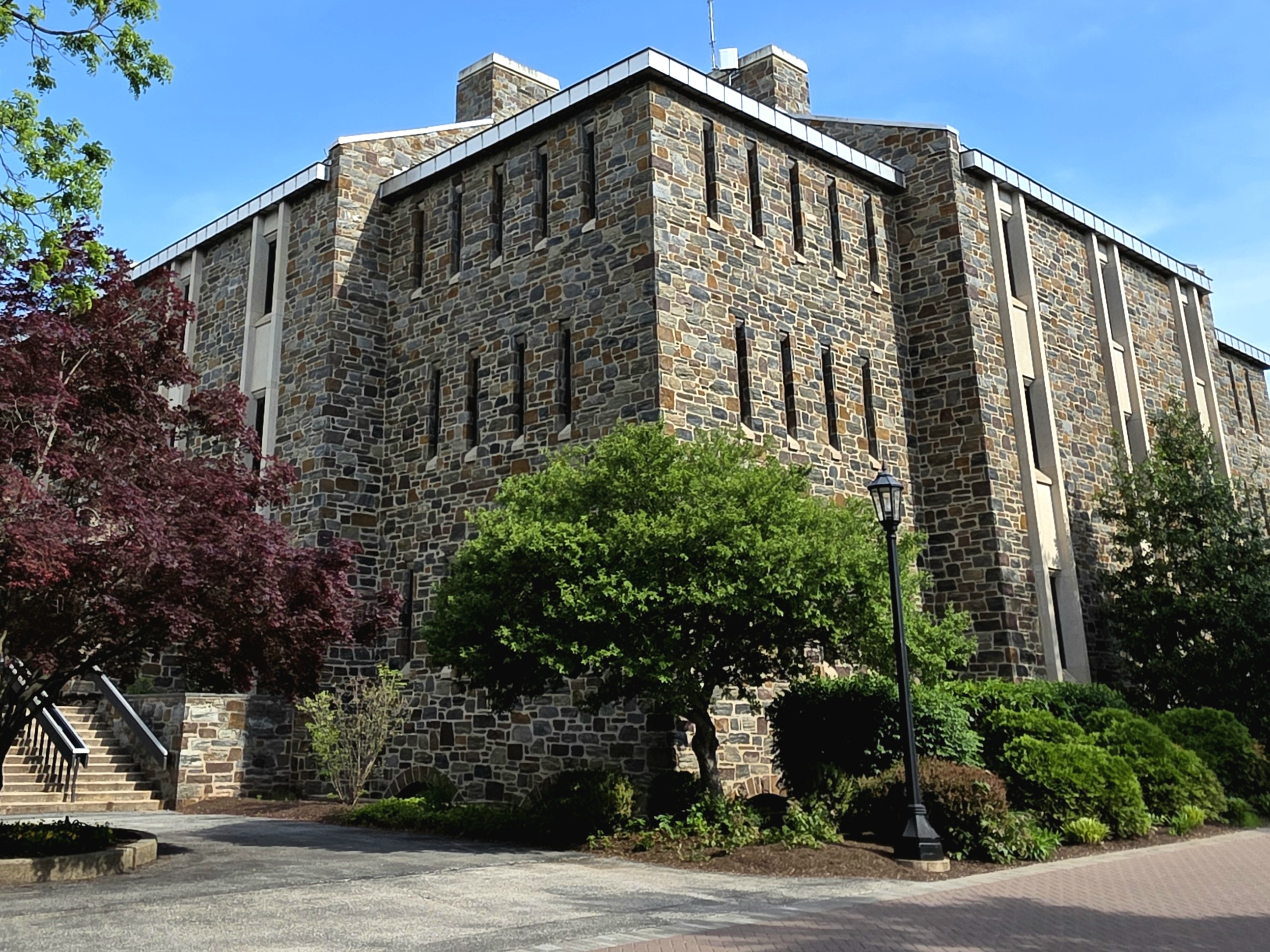
Over time, Ursinus adapted to changing circumstances. During World War II, when male enrollment plummeted, the college joined the Navy’s V-12 program, bringing in servicemen from across the country and adding a new layer of diversity to campus life. Today, Alumni Memorial Library honors the 271 Ursinus students and alumni who served in WWII—including eight who never returned.
After the war, the G.I. Bill allowed returning veterans to attend college, expanding enrollment and broadening the student body. Among them was Gerald Edelman, Class of 1950, who later won the Nobel Prize in Medicine in 1972.
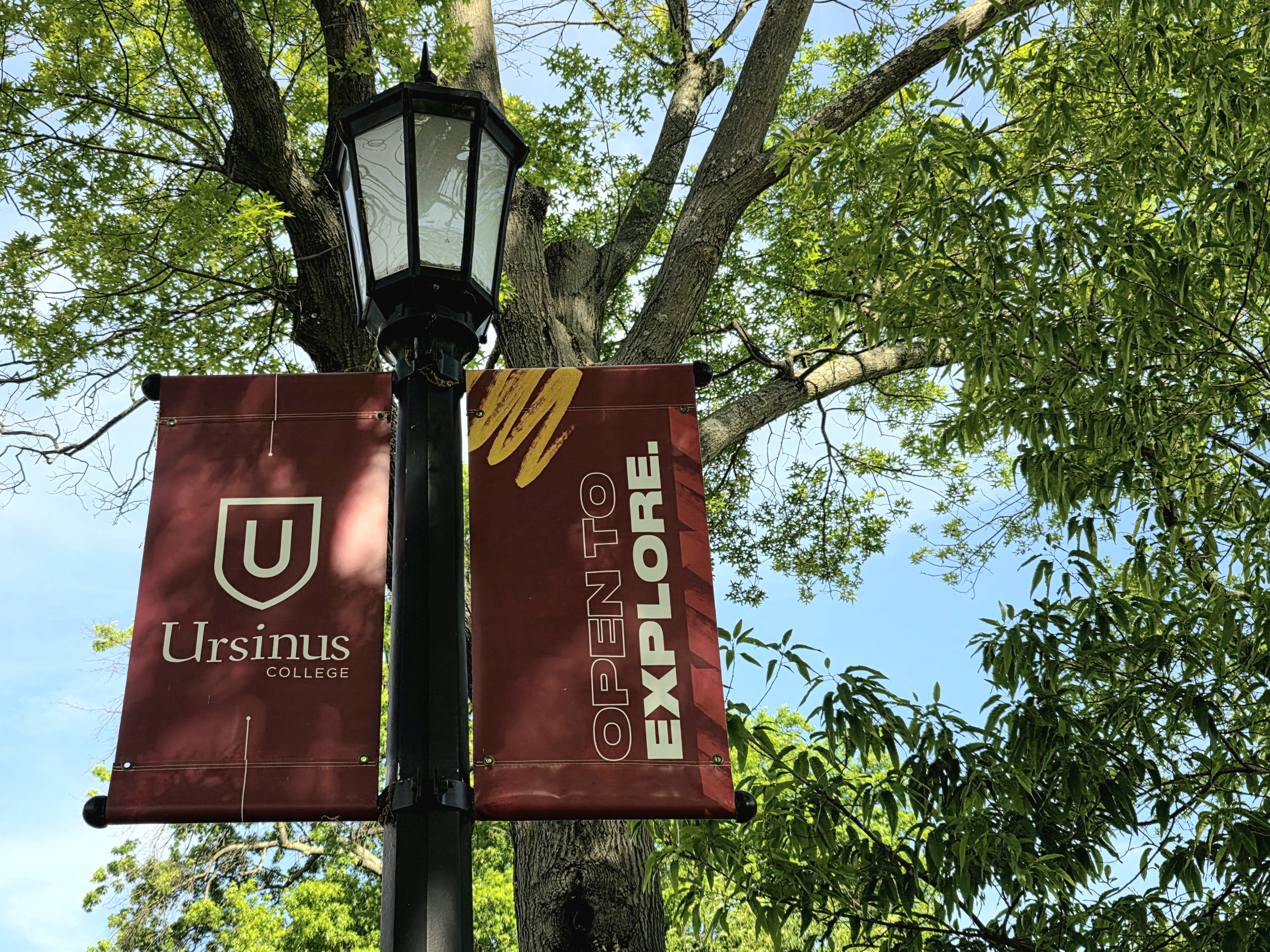
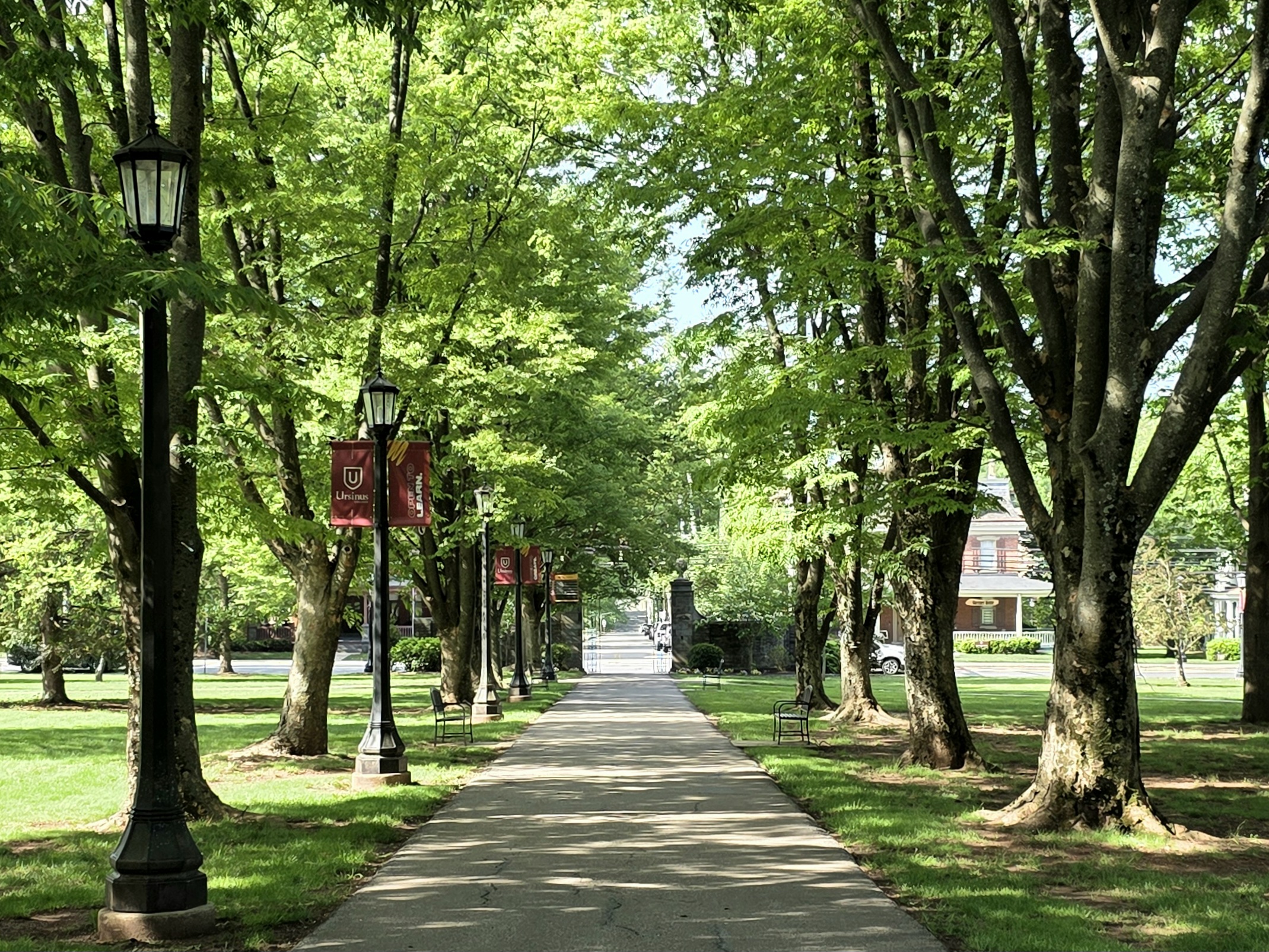
Years earlier, in the 1930s, physics professor Dr. John Mauchly began early work on what would become ENIAC—the world’s first electronic digital computer. His groundbreaking efforts began in Pfahler Hall, once the site of the college’s first women’s dormitory.
Even J.D. Salinger had a brief stint here in 1938. He lived in Curtis Hall, wrote a witty column for the student newspaper called “The Skipped Diploma,” and dropped out after one semester. Still, he spoke fondly of the college in later years. A creative writing scholarship currently bears his name.
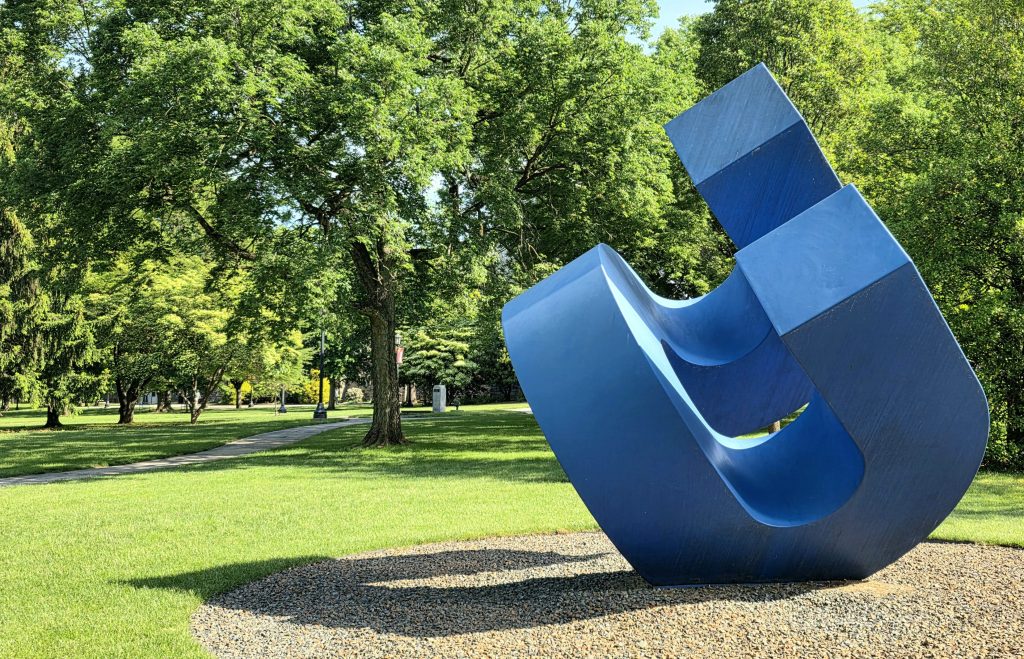
Today, Ursinus College enrolls about 1,500 students across more than sixty fields of study. The campus spans 170 scenic acres and is home to a nationally recognized sculpture collection, a vibrant Greek life community, and academic programs that range from biology to international relations.
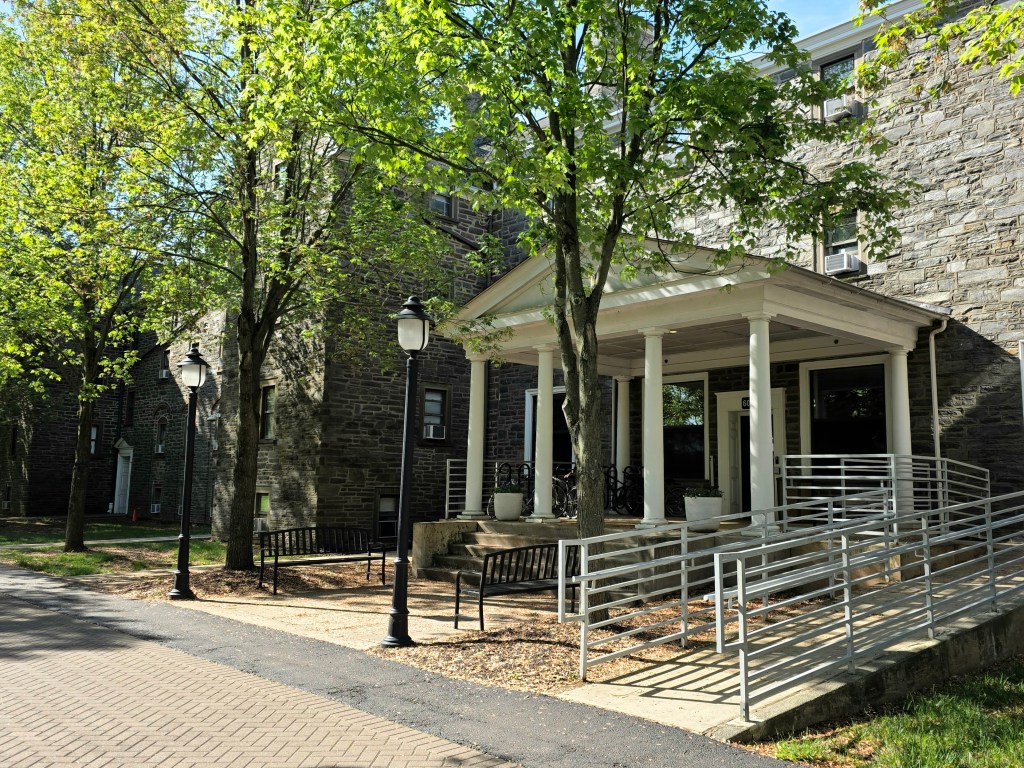
In 2011, U.S. News & World Report named Ursinus a Top Ten “Up and Coming” College. Its partnerships with prestigious organizations like the Watson Fellowship and Project Pericles reflect a continuing commitment to liberal arts and civic engagement.
It’s important to remember that Ursinus College exists within a much larger educational ecosystem. The U.S. is home to over 3,900 degree-granting institutions. And while Ivy League schools often dominate the headlines, community colleges, public universities, and small liberal arts colleges like Ursinus provide high-quality, accessible education to millions of students.
In 2022, about sixteen million students were enrolled in U.S. colleges and universities. Yet with rising tuition and a growing skepticism about the value of a degree, many now ask: is college still worth it? At places like Ursinus—where community, purpose, and access remain central—the answer often still feels like yes.
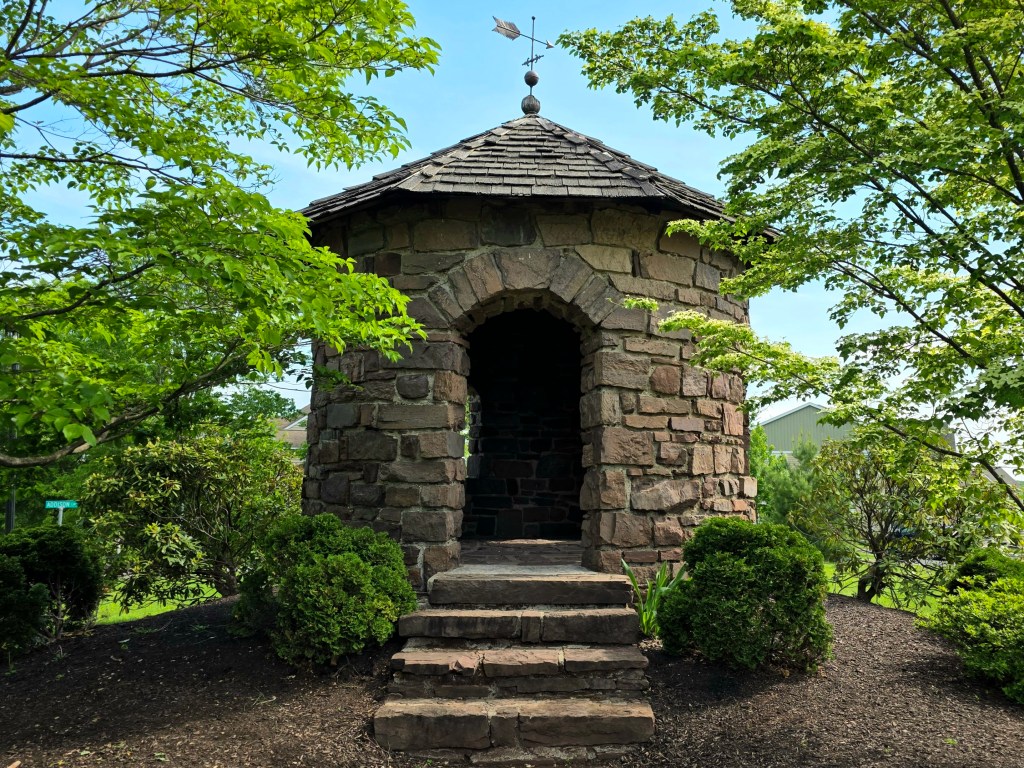
At the end of Glenwood Avenue, a small stone gazebo honors J. Warren Sunderland, co-founder of the Pennsylvania Female College. I’ve passed that gazebo dozens of times without really noticing it. But now I see it differently—as a quiet, nearly forgotten marker of a school that dared to educate women long before it was the norm. And just down the road, Ursinus continues to write its long, unfolding story—not always loudly, but with intention.
Final exams for 2024-25 wrapped up on May 15, marking the close of another academic year for Ursinus students.

 Keystone Wayfarer
Leave your thoughts