Inspiration can come from many places—whether it’s a newspaper article, a book, or even a fleeting moment on television. For this blog, the spark ignited when I delved into the rich history of my own house, uncovering stories far more captivating than I had imagined. This discovery led me down what I now affectionately call ‘my rabbit hole.’
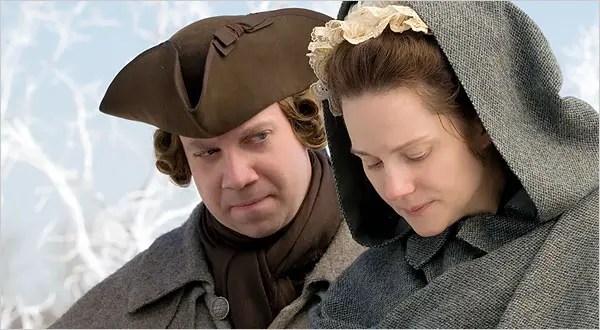
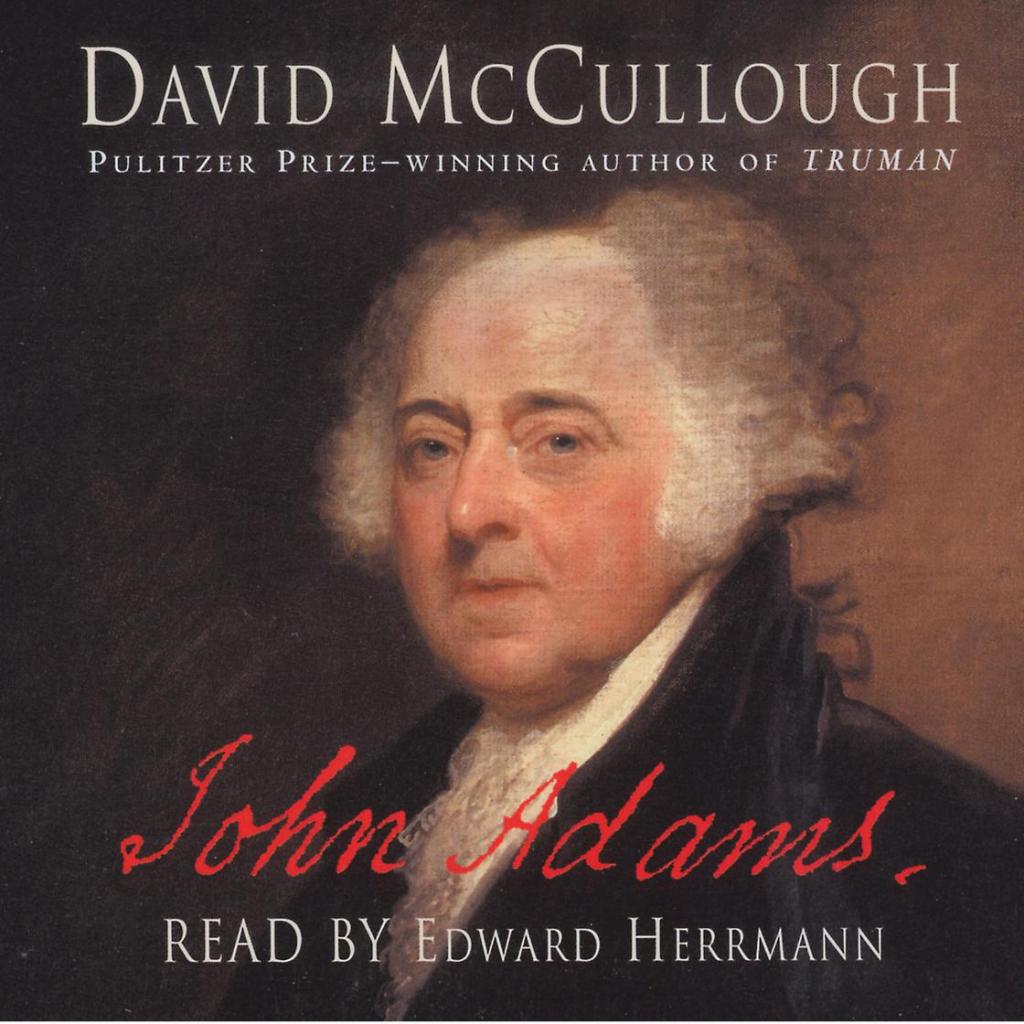
Each week, new sources of inspiration find me—whether it’s a fascinating place I stumble upon, an unexpected insight during unrelated research, or something thought-provoking in what I read or watch. This time, the inspiration came with a beautiful twist. My husband, a devoted film enthusiast, introduced me to the 2008 Emmy Award-winning miniseries John Adams. Adapted from David McCullough’s Pulitzer Prize-winning biography, the series vividly explores the remarkable lives and enduring love story of John and Abigail Adams.
John Adams, the second president of the United States, and his wife Abigail began their unparalleled love story in 1762. They exchanged over eleven hundred letters, many of which are archived at The Massachusetts Historical Society as The Adams Family Papers. These letters offer a profound glimpse into their personal lives and the broader historical context of their time.
The Adams collection, spanning from 1639 to 1889, includes a rich array of family materials: personal letters, diaries, manuscripts, speeches, and various business and personal documents. One standout item is a letter dated November 2, 1800, written by John from the newly completed President’s House—now known as the White House. In this letter, he expressed his hopes for the future of the presidency, writing, “May none but honest and wise men ever rule under this roof.” This poignant message reflects his steadfast commitment to integrity and his optimistic vision for the fledgling nation.
John Adams, born on October 30, 1735, was a key American statesman, attorney, diplomat, and political philosopher. A committed patriot, he served as a delegate to both the First and Second Continental Congresses and played a crucial role during the American Revolution. Adams was a staunch advocate for legal counsel and the presumption of innocence. He nominated George Washington as commander-in-chief of the Continental Army and helped organize the Committee of Five, which drafted the Declaration of Independence in 1776.
As the only president elected under the Federalist Party banner, Adams signed the controversial Alien and Sedition Acts and expanded the Army and Navy during the undeclared war with France. In 1800, he lost his re-election bid to his vice president and former friend, Thomas Jefferson. Despite their political rivalry, Adams and Jefferson later rekindled their friendship through extensive correspondence. John Adams died on July 4, 1826, the anniversary of the Declaration of Independence, at age 90, just hours after Jefferson.
John first met Abigail Smith, his third cousin, in 1759 when she was just 15 years old. Despite her mother’s initial opposition, they married on October 25, 1764. Born on November 22, 1744, Abigail lacked formal schooling but possessed a profound curiosity and love for books. This intellectual passion forged a strong bond with Adams, ten years her senior, and was a cornerstone of their enduring relationship.
Abigail’s family was deeply entrenched in Massachusetts society. Her mother was a cousin of Dorothy Quincy, who married John Hancock, a prominent governor and signer of the Articles of Confederation. Abigail was also the great-granddaughter of John Norton, the founding pastor of Old Ship Church in Hingham, Massachusetts, the only surviving 17th-century Puritan meetinghouse in the United States. Her father, a liberal Congregational minister, focused on reason and morality in his preaching, setting him apart from many of his contemporaries. These familial ties and her father’s progressive views shaped Abigail’s perspectives and contributed to her role in early American history.
Abigail Adams’s life is among the most well-documented of First Ladies. Her letters to John reveal the depth of their relationship. John frequently sought her counsel, and their correspondence was rich with discussions on government and politics. Their long separations, caused by John’s public service, led Abigail to detail her struggles with wartime shortages, inflation, managing the family farm, and raising their children. Her letters poignantly express her loneliness, often referring to John as her “dearest friend.”
Unlike Martha Washington, Abigail actively engaged in politics and policy. As John’s closest advisor, she was well-informed about the issues confronting his administration. She advocated for married women’s property rights and educational opportunities. Her March 1776 letter to John and the Continental Congress famously urged them to “remember the ladies, and be more generous and favorable to them than your ancestors.”
Abigail Adams died of typhoid fever on October 28, 1818, at her home. She was buried at United First Parish Church in Quincy, in what would become the family crypt. She was 73 years old.
John and Abigail Adams had six children, four of whom survived to adulthood. Their second child, John Quincy Adams (1767-1848), followed in his father’s footsteps in law and eventually became the sixth president of the United States.
Throughout their lives, John and Abigail remained committed to their family, each other, and the prospect of greatness for their country. Their remarkable legacies are more than words on a page. In 2024, as the United States faces division, their letters and legacy offer a poignant reminder of the values that shaped our country. Their commitment to each other and their vision for a better future continue to inspire us, urging us to uphold the principles of integrity and dedication in our own lives.
HBO Films John Adams was directed by Academy Award winner Tom Hooper (The King’s Speech) and stars Academy Award nominee Paul Giamatti (Cinderella Man), Academy and Tony Award nominee Laura Linney (Kinsey), Stephen Dillane (Game Of Thrones), David Morse (The Green Mile), Academy Award nominee Tom Wilkinson (Michael Clayton), and Danny Huston (21 Grams). Executive Producers Tom Hanks and Gary Goetzman.

 Keystone Wayfarer
Leave your thoughts