
Throughout our nation’s history, pivotal moments have shaped differing viewpoints and profoundly influenced daily life. What we consider progress or regression today often becomes tomorrow’s historical milestone. Examining these moments through the lens of our beloved Schwenksville offers insights into how local events mirror and influence broader historical trends.
One such moment for this small town nestled along the banks of the Perkiomen Creek came with the arrival of visionary businessman Albert Bromer in 1864. His establishment of Industrial Hall transformed the town’s commercial landscape and set off a series of spirited debates within the community. The top floor of this three-story brick building in the center of town became a hub for early American fraternal organizations, leading to sharp disagreements among Schwenksville’s most influential families. Bromer and Enos Schwenk supported these organizations, viewing them as a means to foster community unity and development. In contrast, A.K. Thomas and G.H. Grater opposed them, fearing they might disrupt traditional values and create social divides. Although records do not detail the resolution of this debate, the tensions surrounding these fraternal organizations highlight enduring themes of community division and its oftentimes fragile unity.
Fraternal organizations, which have played a significant role in American society since the 1700s, often emerged from shared interests in trade, craft, culture, ethnicity, or religion. Early examples include the Freemasons and the Odd Fellows, which, while originating in 18th-century America, have roots extending back to European history. These groups provided members with valuable educational, financial, and social benefits.
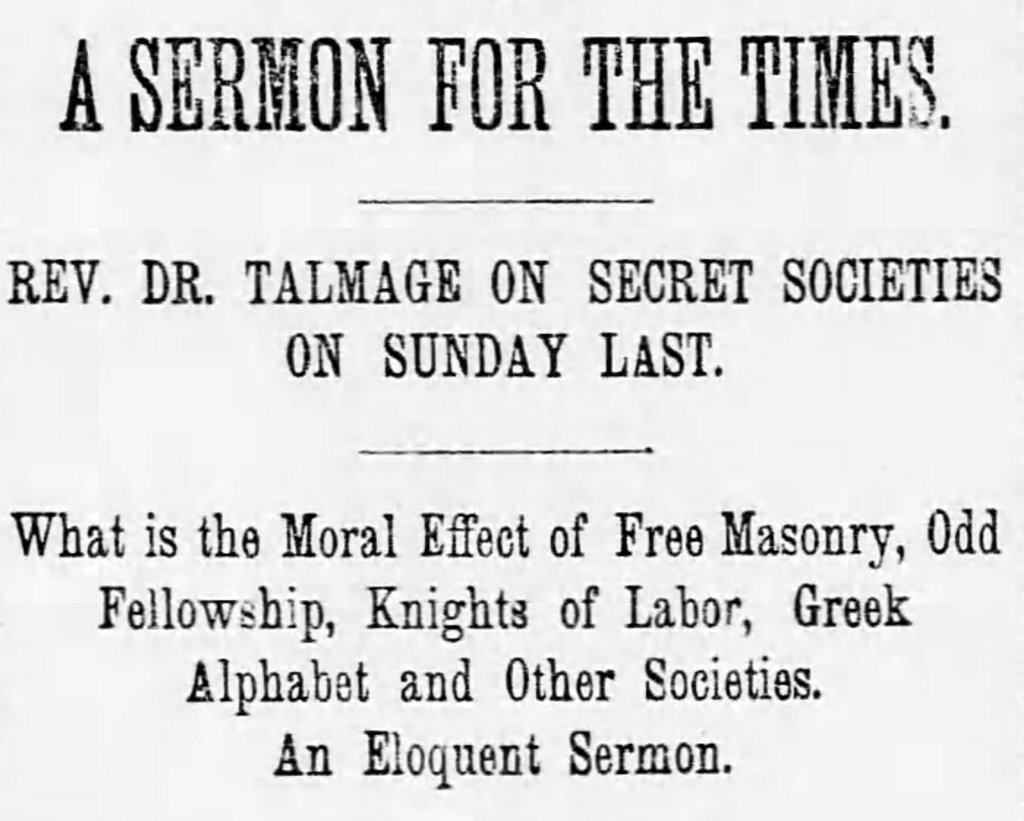
Understanding the local concerns of Schwenksville requires examining broader national trends, such as the rise of the Anti-Masonic Party, an early political third party formed in response to fears about secret societies and their rituals. Figures like Reading-born Joseph Ritner (1780-1869) led this movement, despite some founding fathers, including George Washington, being prominent members of these exclusive institutions. In 1833, state action against secret societies intensified with new laws banning unlawful oaths and requiring full membership disclosure. Thaddeus Stevens, based in Gettysburg and a key figure in the impeachment movement against President Andrew Johnson, was a leading advocate of this cause.
In Schwenksville, concerns centered around two specific organizations: The Improved Order of Red Men and the Brotherhood of the Union.
The Improved Order of Red Men, dating back to 1765, evolved from the Sons of Liberty, initially operating covertly to advance freedom and resist British rule. Later, it opposed federal welfare programs, government waste, and communism. Although originally exclusive to white men, it has since embraced a more diverse membership. The Order faced various challenges and adaptations, with its membership peaking in the early 20th century before a gradual decline. Notable figures associated with the Order have included Vice President Alben W. Barkley, President Warren G. Harding, Senator Albert Dutton MacDade, Representative John Buchanan Robinson, President Theodore Roosevelt, and President Franklin D. Roosevelt.
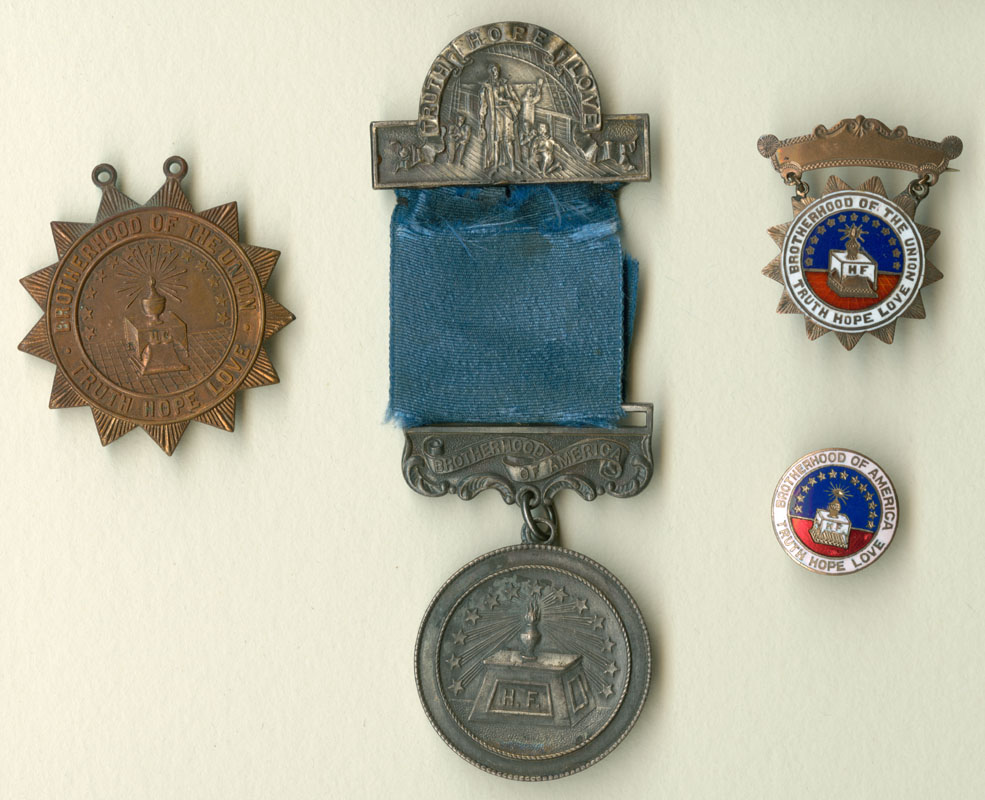
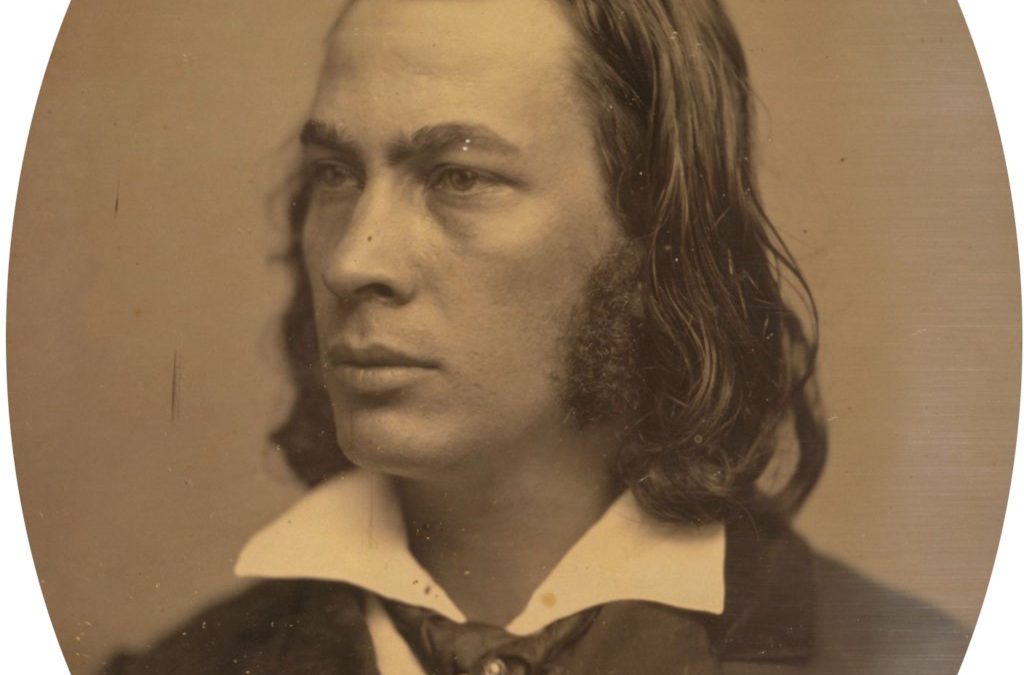
Brotherhood of the Union, founded by 19th-century novelist and social activist George Lippard (1822-1854), was significant for its advocacy of the working class. Many regard Lippard’s work as a precursor to labor unions. A popular lecturer and reformer, Lippard had a notable connection with Edgar Allan Poe, whom he helped rescue several times from the Philadelphia streets. The Brotherhood reached 30,000 members by 1917 but declined thereafter, ceasing to exist in 1994. Lippard, who suffered from tuberculosis, wrote a notable protest article against the Fugitive Slave Act of 1850 before his death.
Secret societies are characterized by exclusive knowledge, restricted membership, and veiled rituals. Many student societies at universities, such as Skull and Bones at Yale, are examples of these secretive groups. These societies have wielded influence, though often discreetly, at institutions like Harvard, Cornell, and the University of Chicago.
Popular culture has also focused on prominent secret societies. Authors like Dan Brown, known for The Da Vinci Code, have highlighted organizations such as the Knights of Columbus, the Odd Fellows, and the Illuminati.
The early debates over fraternal organizations and secret societies in Schwenksville not only reflect broader social conflicts but also demonstrate how local issues mirror and influence national trends. These historical events continue to shape American society, illustrating the deep interconnectedness of local and national histories. As we navigate our current polarizing era, reflecting on these past decisions can offer valuable lessons for our future. Which way will our decisions take us?

 Keystone Wayfarer
Leave your thoughts