Schwenksville and its surrounding communities are steeped in colonial history, a period of American growth marked by significant religious development and enduring traditions. A quick drive through the area reveals numerous landmarks from that era, including notable churches, monuments, and burial grounds, several of which predate William Penn’s arrival. These sacred sites resonate deeply with local residents, many of whom have direct family ties spanning generations.
Just a ten-minute drive from my home stands a notable edifice of both local and national significance: Augustus Lutheran Church in Trappe. Built in 1745, this church exemplifies 18th-century German vernacular design and is the oldest surviving Lutheran church in the United States. Originally crafted from locally sourced timber and sandstone, it has been meticulously maintained. Moreover, its stucco-faced exterior has undergone several renovations, preserving architectural elements such as a distinctive three-sided apse at its eastern end and stunning replica wrought-iron weathervanes. In recognition of its historical importance, the church was designated a National Historic Landmark on December 24, 1967.
Like many other buildings in the area, the church once served as a camp and field hospital during the American Revolutionary War, aiding wounded members of George Washington’s Continental Army. A monument at the west end of the adjacent burial ground pays homage to numerous unnamed soldiers who fought bravely in battle.
As the congregation grew, a much larger brick church was constructed on land bordering the historic property. Remarkably, services have continued in the old church since the late 1950s.
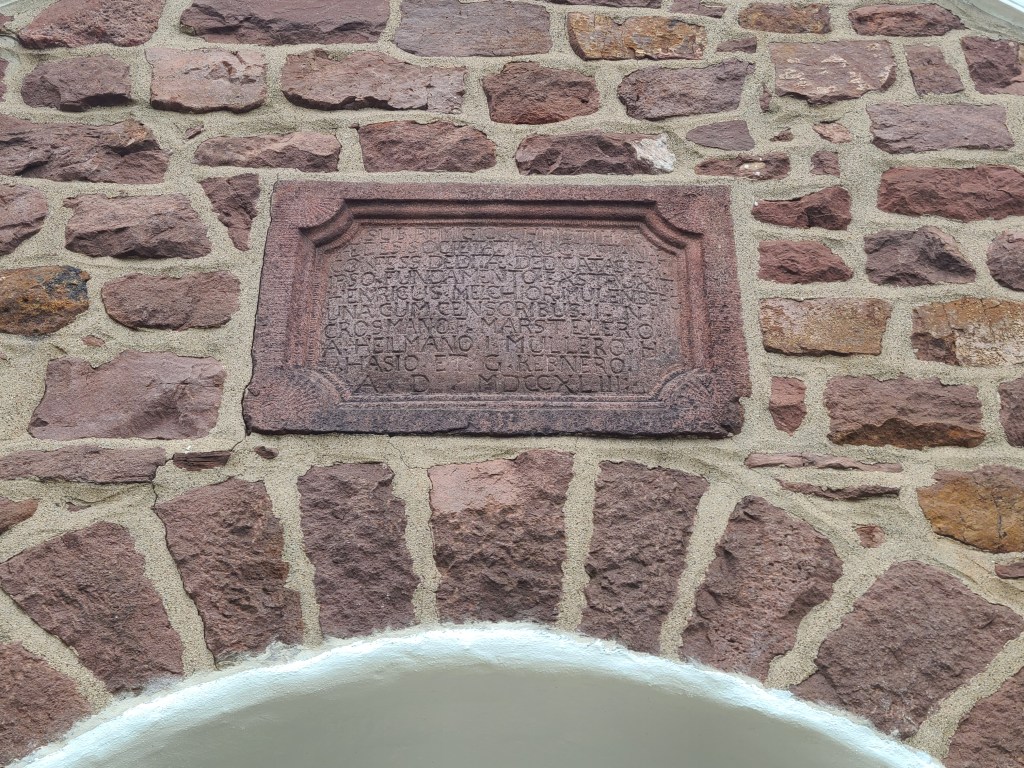
One special addition to the grounds is the winding concrete walkway leading to the church’s two entrances. Adorned with nearly one hundred date stones from local Lutheran churches, this footpath highlights the historical connections within the early Lutheran community. Above the church’s south entrance is a date stone inscribed in Latin honoring church founder and Father of American Lutheranism, Henry Melchior Muhlenberg. He is interred, alongside his wife Anna Maria and son, Major General Peter Muhlenberg, at Augustus Lutheran Church Cemetery. Other prominent individuals that rest here include Trappe-born Pennsylvania Governor Francis R. Shunk, and distinguished Lutheran leader, Reverend Franklin Clark Fry.


Highlights from the Heavenly Walk include:
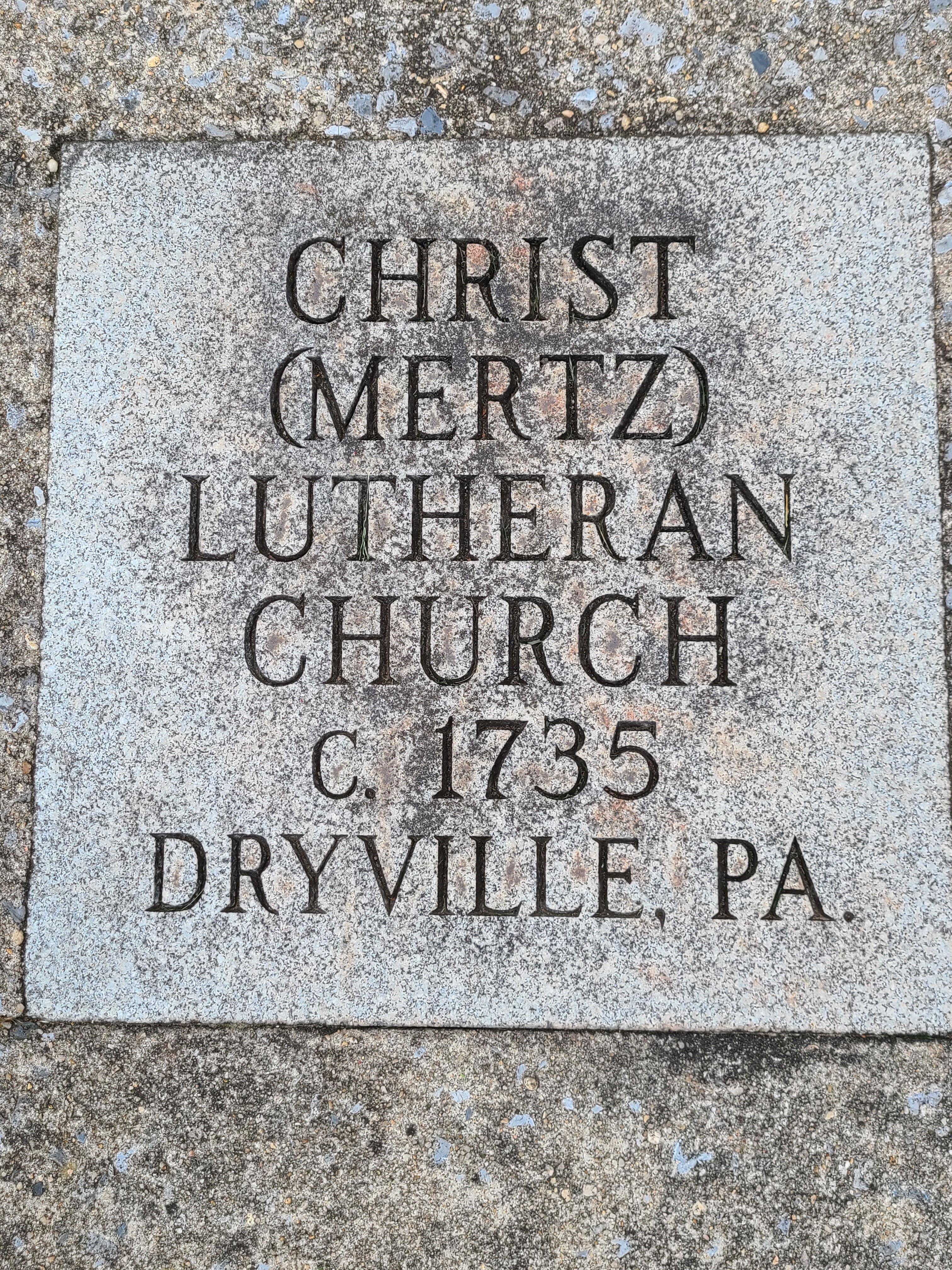
Christ (Mertz) Lutheran Church has been a cornerstone of the Berks County community since German-speaking immigrants began worshiping along Bieber’s Creek in the hills now known as Dryville. Early settler Henry Mertz designated a portion of land for a burial ground in 1746, with the original cemetery including stones dating back to the mid-1800s. A newer section, known as Hope Cemetery, is visible across a cornfield to the west of the church.
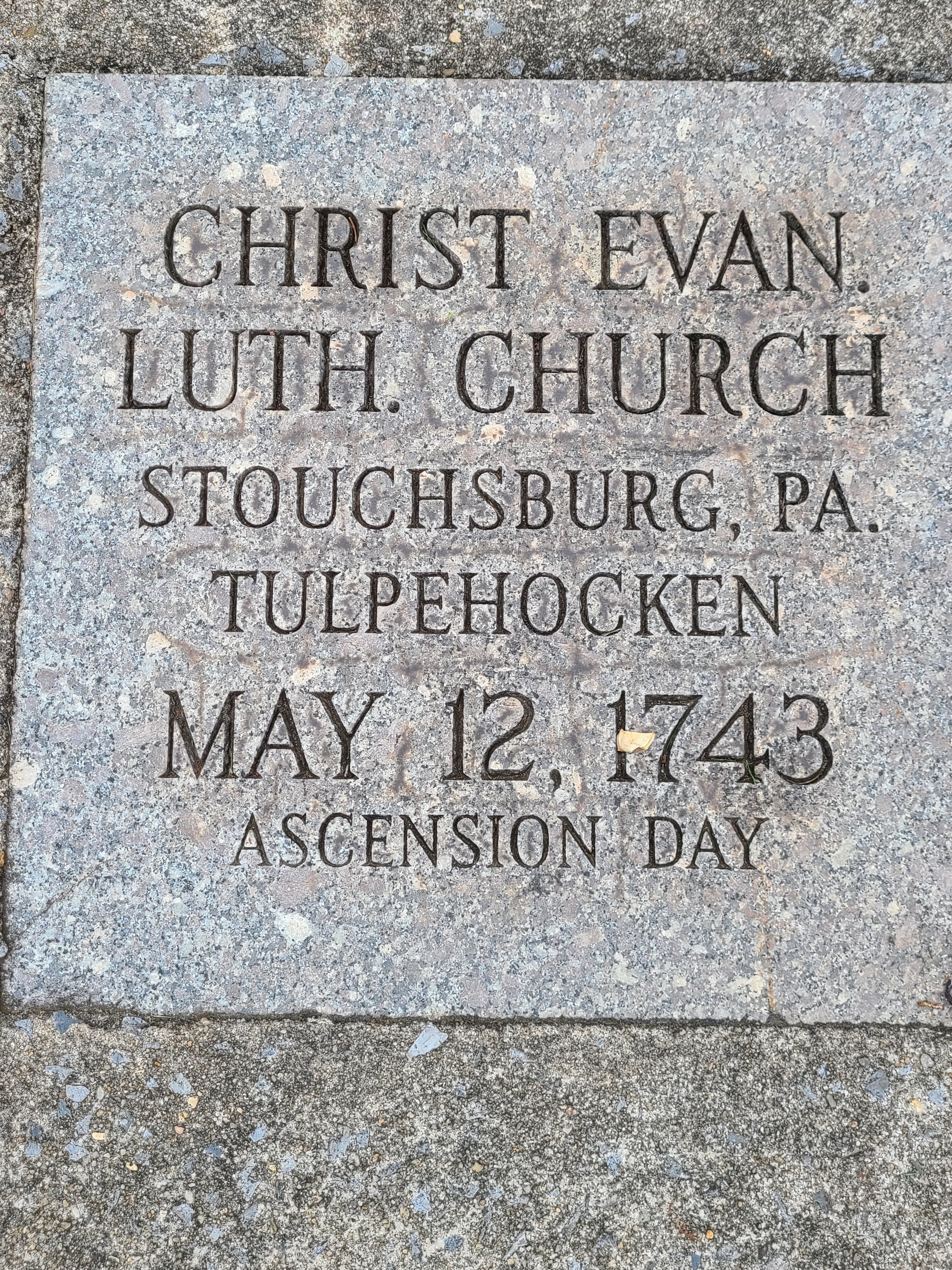
Christ Evangelical Lutheran Church in Stouchsburg is one of the area’s earliest churches. It was here that Henry Melchior Muhlenberg married Anna Maria Weiser, the daughter of colonial leader Conrad Weiser, in 1745. The current church building, constructed in 1888, replaced the original wooden structure. The original cemetery, known as Long’s Cemetery, is the final resting place for many founding families, including the Weisers, Beckers, and Spyckers. It also contains the grave of Regina Leininger, a 10-year-old girl who was taken captive by Native Americans during the French and Indian War and held for nine years. The newer section of the cemetery surrounds the church on two sides.
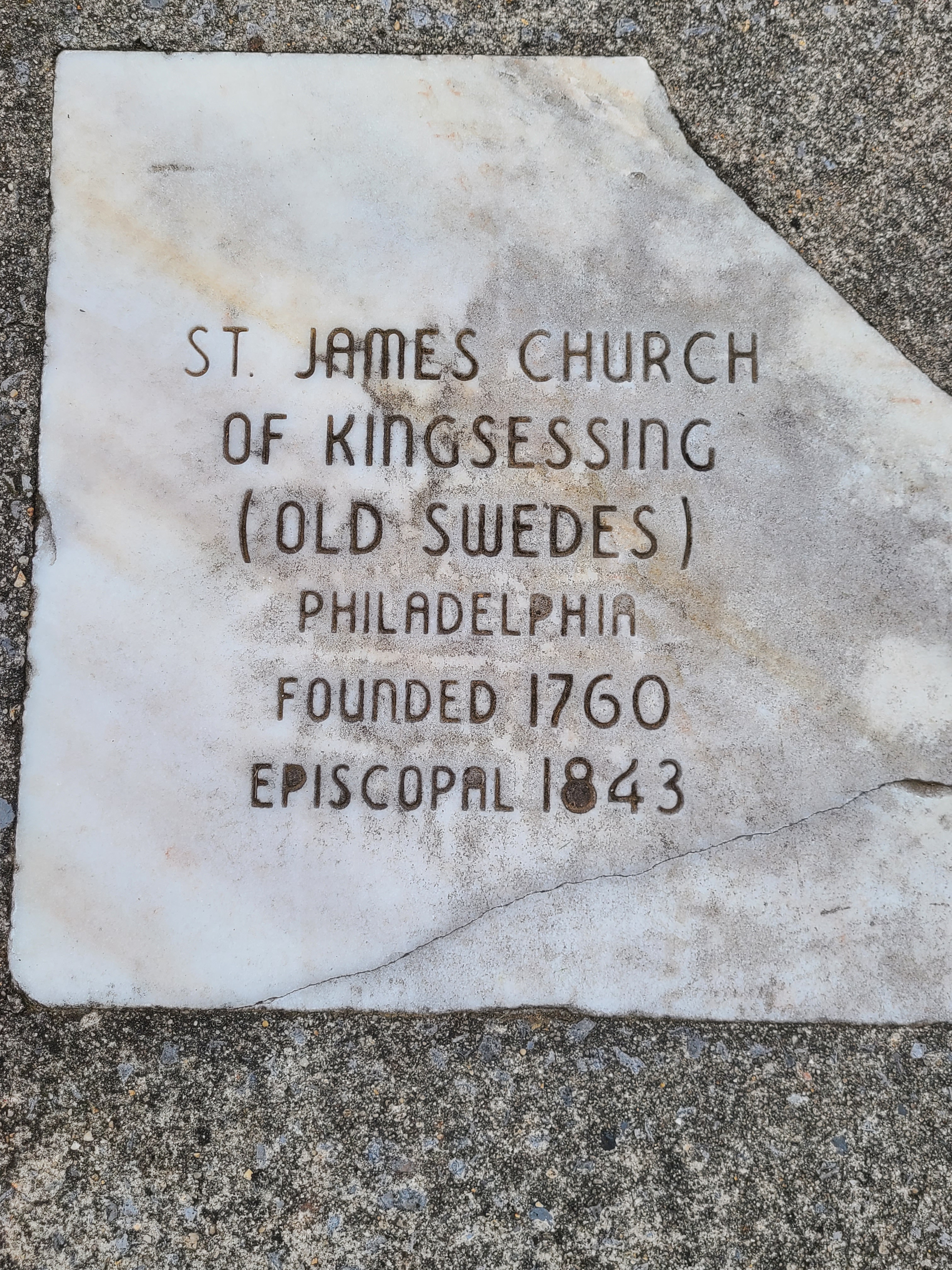
St. James Church of Kingsessing is a sister congregation to the old Swedish church of Gloria Dei in Philadelphia. Built in 1762, it is known by several names, including the Church of Saint James of Kingsessing Churchyard, Old Swedes’ Church of Saint James of Kingsessing Churchyard, and Saint James of Kingsessing United Swedish Lutheran Church. The adjoining burial ground is the resting spot of Josiah Harmar, a Revolutionary War officer and general.
Founded in 1763, St. John’s Evangelical Lutheran Church in Spinnerstown is the oldest independent church in Bucks County.

Trindle Spring Evangelical Lutheran Church in Mechanicsburg was established long before the Boston Tea Party and the signing of the Declaration of Independence. Named for local settler William Trindle, the original log building was replaced with a larger brick structure in 1823.
Chartered in 1776, St. Peter’s Lutheran Church in North Wales dates back to the Revolutionary War era. The first church edifice was a log schoolhouse. Nicknamed “Old Yellow Church ” due to its yellow stucco exterior, the church could seat five hundred worshipers, accommodating both Lutheran and Reformed congregations. A new building was dedicated in 1869 and has been preserved over the years. Cemetery grounds are split across both sides of Main Street.


During the American Revolution, St. John’s Lutheran Church in Center Square also served as a hospital for George Washington’s Continental Army. Soldiers who did not survive their injuries are buried in the church’s cemetery. The current church building was constructed on the site of the original structure in 1834.
Emmanuel Lutheran Church in Pottstown was founded on grounds originally allocated by early settler John Potts to the Society of Friends in 1753. The original log church, serving both Lutheran and Reformed parishioners, was replaced by a stronger edifice constructed with nearly two hundred thousand bricks. The cornerstone of the present church dates to 1871, with a plaque commemorating those moved from the old burial ground during expansion.


Prior to the American Revolution, land for St. Paul’s Lutheran Church in Ardmore was purchased at sheriff’s sale by a group of six German immigrants. Originally erected in 1769, the small log structure served the community until it was replaced by a stone building in 1800. In 1940, the present church was constructed, continuing the congregation’s rich heritage.
First Lutheran Church traces its foundation in Carlisle to 1765. Initially a joint agreement between Lutheran and Reformed congregations, land for a new church was purchased in 1806, finally separating the two. Unfortunately, the newly constructed building was destroyed by fire in 1852, prompting the congregation to relocate once again. The cornerstone of the new church was laid in 1900, and the beautiful structure celebrated the congregation’s 250th anniversary in 2015.


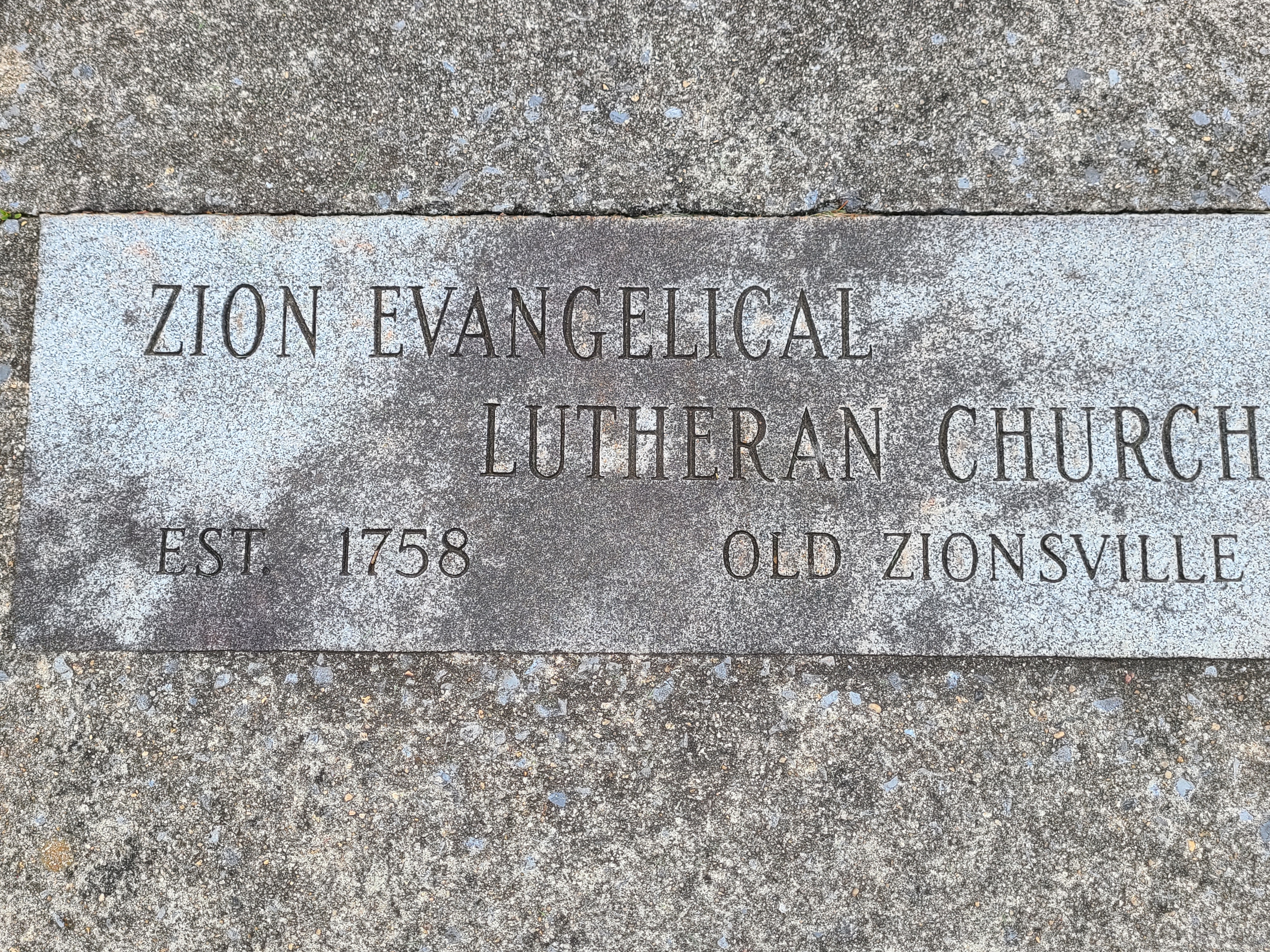
Zion Evangelical Lutheran Church dates back to 1758. The origins of the Old Zionsville congregation are linked to neighboring Dillingersville, where one of its visiting pastors was patriarch Henry Melchior Muhlenberg. The original log church served its German-speaking worshipers until 1819, when it united with a neighboring Reformed church. In 1876, the third and final building was completed, featuring a steeple that could be seen for miles. Today, a memorial garden in the adjacent cemetery commemorates the site of the original log church.
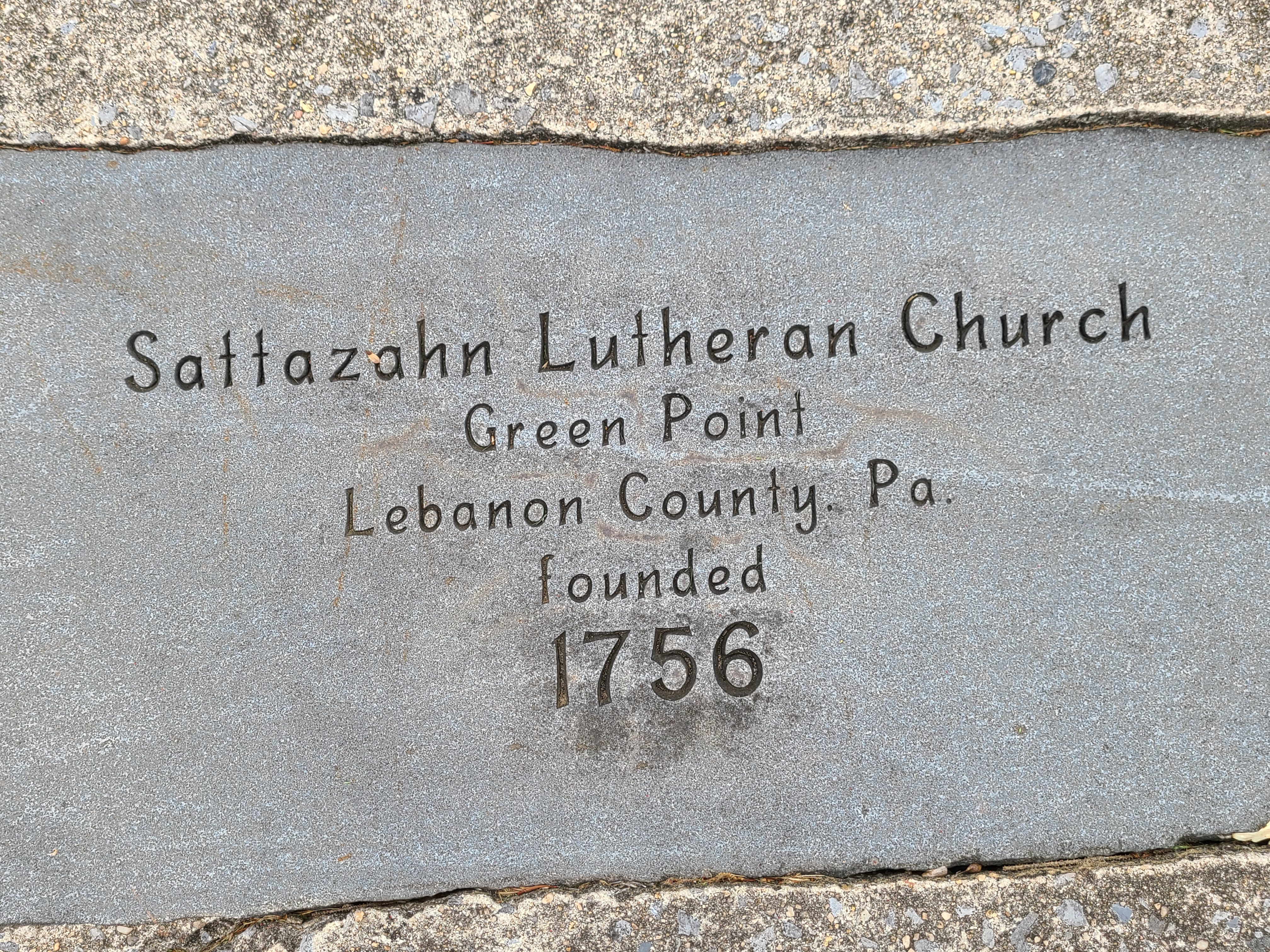
The Pennsylvania Historical and Museum Commission erected a marker for Greenpoint’s Sattazahn Lutheran Church in 1980. Founded by German immigrants, the original log structure was built in 1756. Named in honor of Revolutionary War soldier Peter Sattazahn, the current church was constructed in 1872.
A quarter mile northeast of Stony Run, formerly Wessnerville, lies the site of the Jerusalem Union Red Church, home to the area’s first Lutheran congregation. Established by Rev. Henry Melchoir Muhlenberg, the land was purchased by his soon-to-be father-in-law, Conrad Weiser, in 1740. The original log church is located down the hill from the current building. In 1881, a beautiful bell tower was added. It remains one of the last churches with a “pulpit-centered” design.
St. John’s German Lutheran Congregation of Easton dates back to 1740, when its first minister, John J. J. Birkenstock, began keeping records of the local Lutheran congregations. By 1755, Lutheran and Reformed congregations shared a log schoolhouse for worship. In the early 1800s, a church for African Americans merged with St. John’s. Today, the congregation proudly embraces its multi-racial and multicultural heritage.


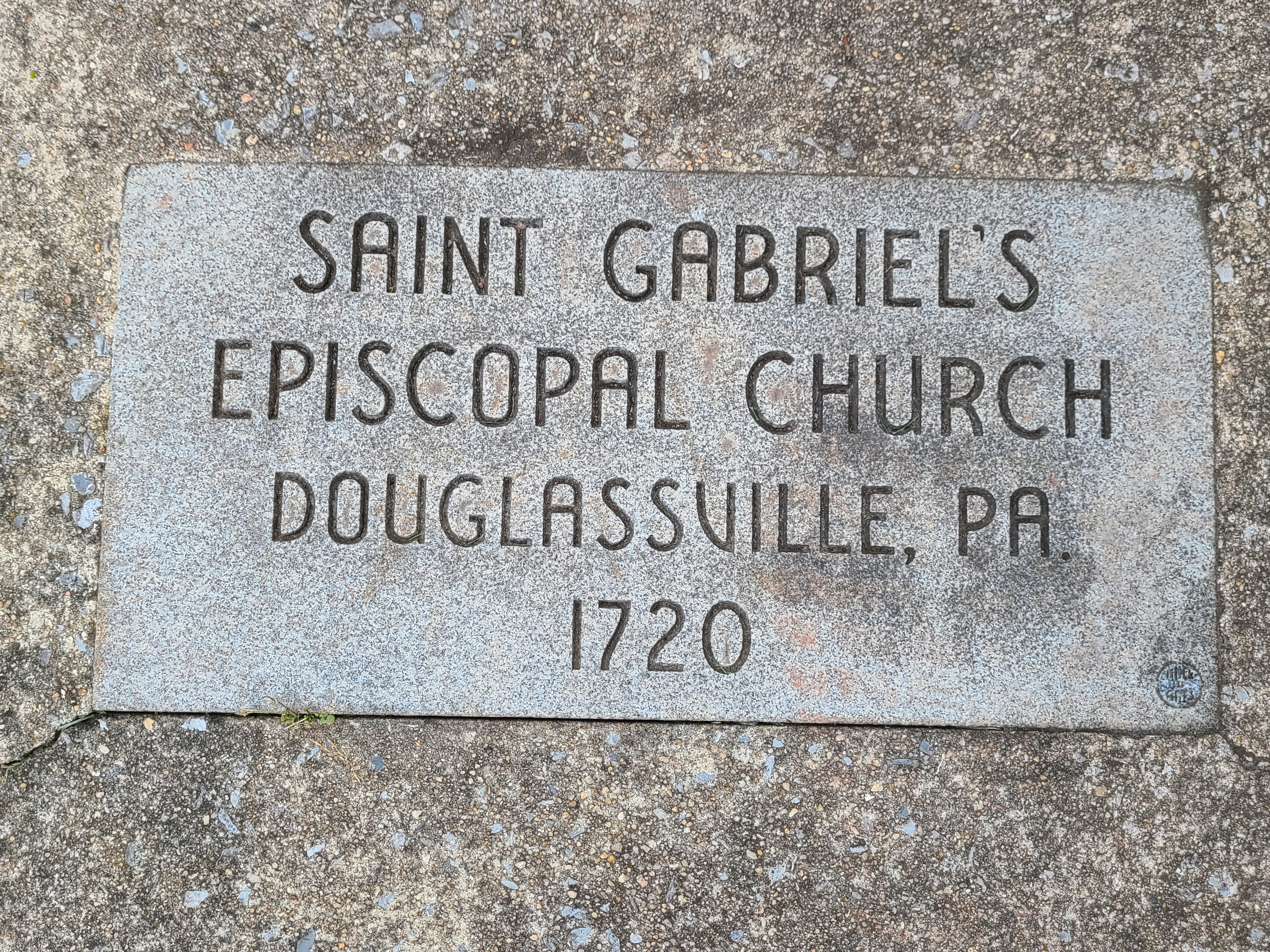
Saint Gabriel’s Episcopal Church in Douglassville, PA, was founded in 1720 by Swedish Lutherans, making it the oldest congregation in Berks County. It is one of eight parishes that formed the Episcopal Diocese of Pennsylvania after the Revolutionary War. The original stone building, known as the 1801 Chapel, served the congregation until 1884, when a larger church was constructed. The adjacent cemetery is the final resting place of state representative Jacob Kerlin McKenty, who served Pennsylvania’s 8th District from 1860 to 1861.
Built between 1698 and 1700, Gloria Dei Church in Philadelphia is the oldest church in Pennsylvania and the second-oldest Swedish church in the United States, after Holy Trinity Church in Wilmington, DE. Notably, the church was home to colonial painter Gustavus Hesselius. Designated a National Historic Site in 1942, Gloria Dei was also listed on the National Register of Historic Places in 1966.

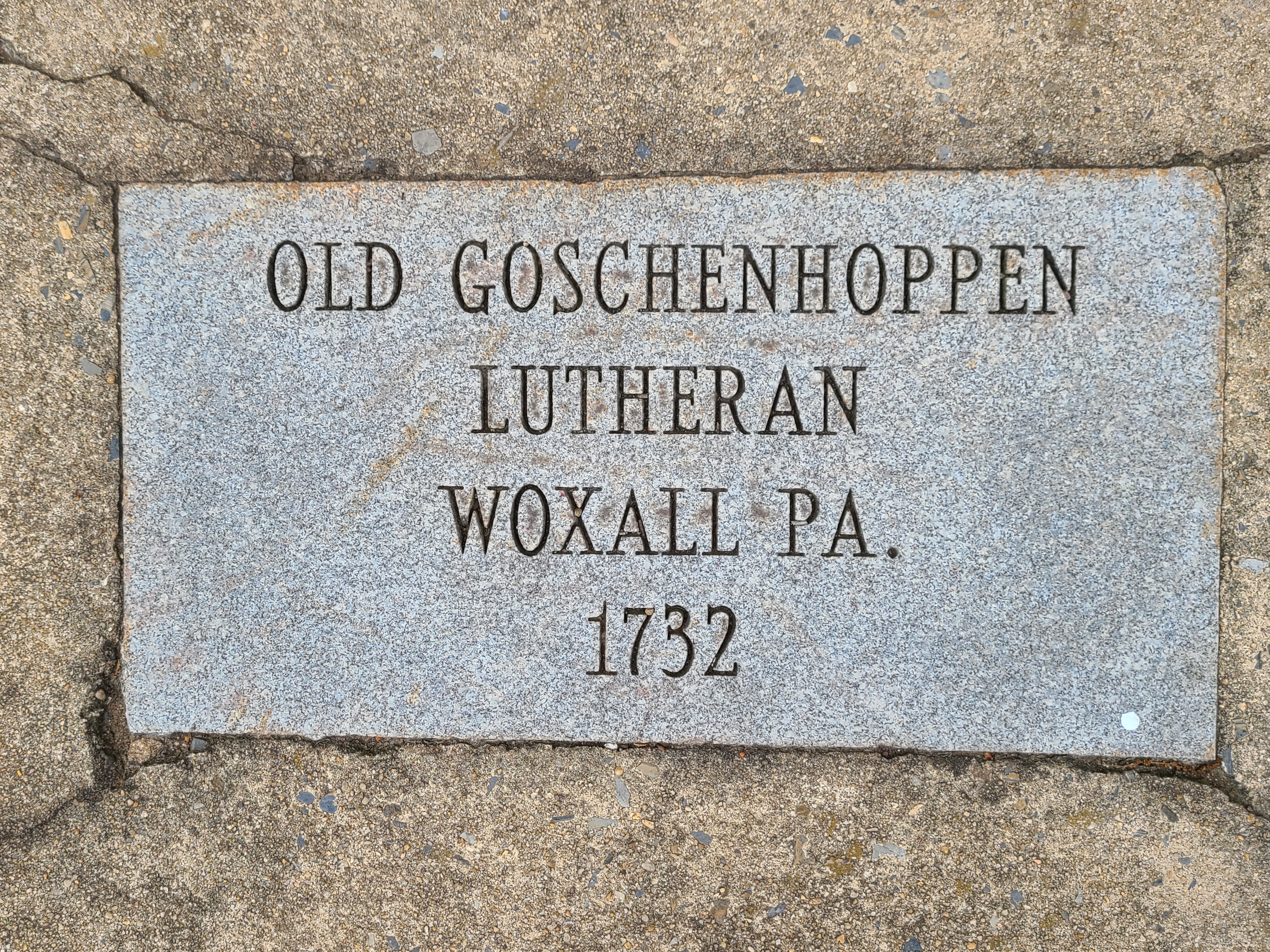
Established nearly three hundred years ago, Old Goschenhoppen Lutheran Church in Woxall has seen many changes throughout its history. Located on thirty-eight acres of land purchased from William Penn’s sons, the original log building still stands behind the current church, which was erected in 1858.
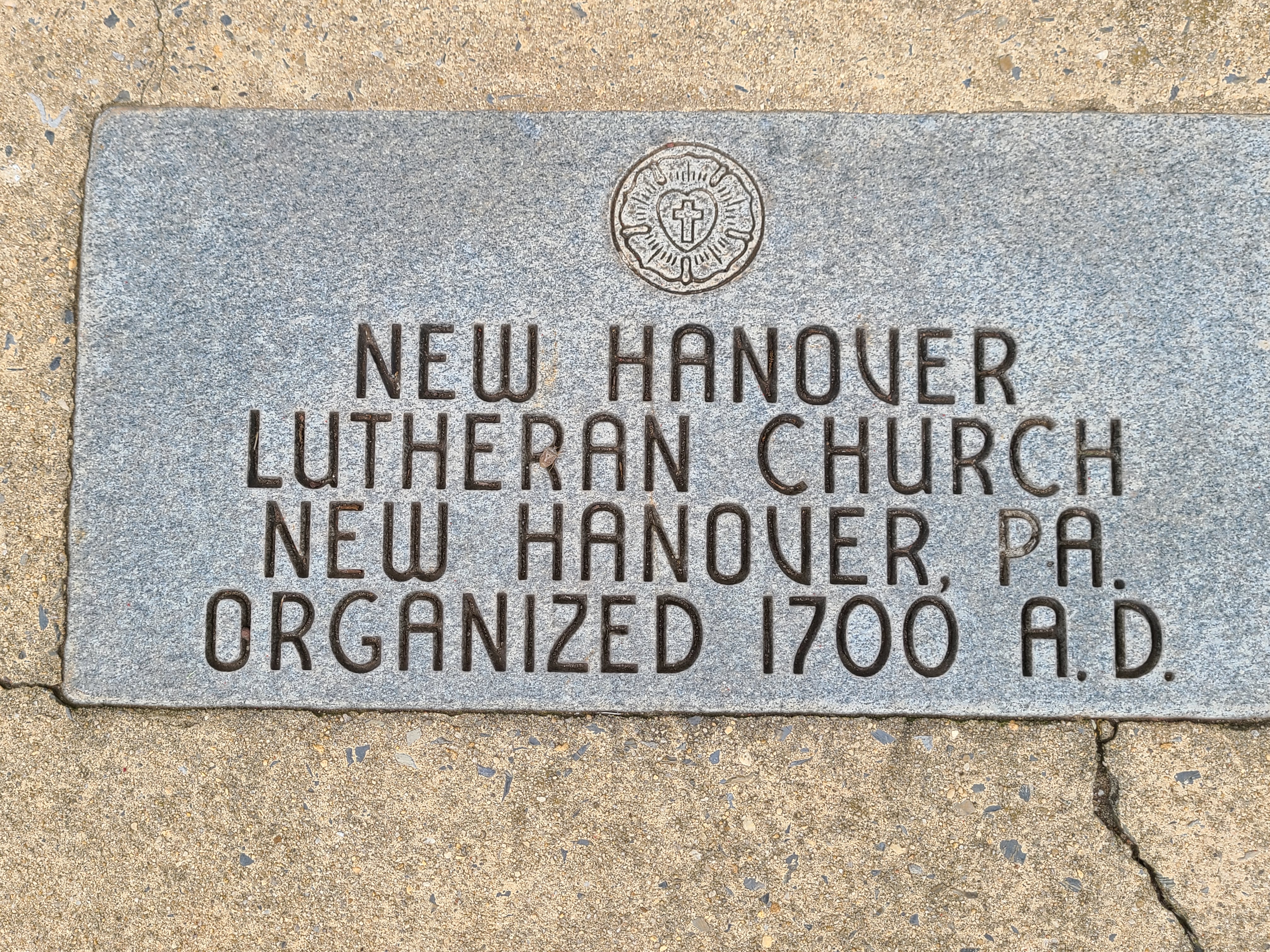
New Hanover Lutheran Church is the first German Lutheran church in America and the site of Henry Melchior Muhlenberg’s first sermon after his arrival from Germany in 1742. In 1768, a new stone building was constructed on the site in New Hanover, and it continues to serve worshipers today. Rev. Frederick Augustus Muhlenberg, Henry’s son, served the congregation from 1777 to 1778 and later became a member of the Continental Congress, ultimately serving as the first Speaker of the House.


 Keystone Wayfarer
Leave your thoughts