
Numbers permeate our daily lives. This morning, my alarm went off at seven, allowing me to enjoy a two-mile walk before starting work at nine. Driving along Route 563, mindful of the forty-five mile-per-hour speed limit, I arrived at the theater on 24 West Temple Avenue. Let’s skip over those fleeting moments (yet another number) when I step on the scale to check my diet progress. You get the idea.
Reflecting on these numbers throughout the day — each hour consisting of sixty minutes — it’s clear how deeply intertwined they are in our stories.
Last week, I decided to grab dinner for my husband, a Burger King fan. “I’ll have a double Whopper with cheese, large fries, a Coke, and, oh, why not, an extra fry for myself.” The young teenager at the drive-thru responded, “that’ll be eighteen dollars and sixty-two cents.” Another number! This random takeout sparked an idea.
The year 1862 marked a pivotal turning point in the year-old American Civil War. General Robert E. Lee assumed command of the Confederate Army, an event that many believe intensified the conflict between the American north and south. Despite challenges, Lee’s strategic maneuvers prolonged the Confederate war effort, ultimately influencing Abraham Lincoln’s decision to issue the Emancipation Proclamation.
Pennsylvania’s contribution to the Union cause was substantial, providing more men to the Union Army than any other state except New York. Commonwealth regiments, including the 4th, 51st, 53rd, and others, played crucial roles across twenty-four major campaigns, supporting infantry, cavalry, and artillery units.
In Philadelphia, the year 1862 also held significance as the city regained its position as the second most populous city in the United States, a title it had briefly lost in earlier decades.
Beyond military matters, 1862 witnessed other pivotal historical events, namely:
- The first income tax, applying to yearly incomes over six hundred dollars, began on January 1.
- General Thomas Jonathan “Stonewall” Jackson moved his Confederate soldiers north from Winchester, VA, as part of the Civil War’s Romney Expedition, on January 3.
- Frank Nelson Doubleday, founder of Doubleday & Co. Publishing, was born on January 8.
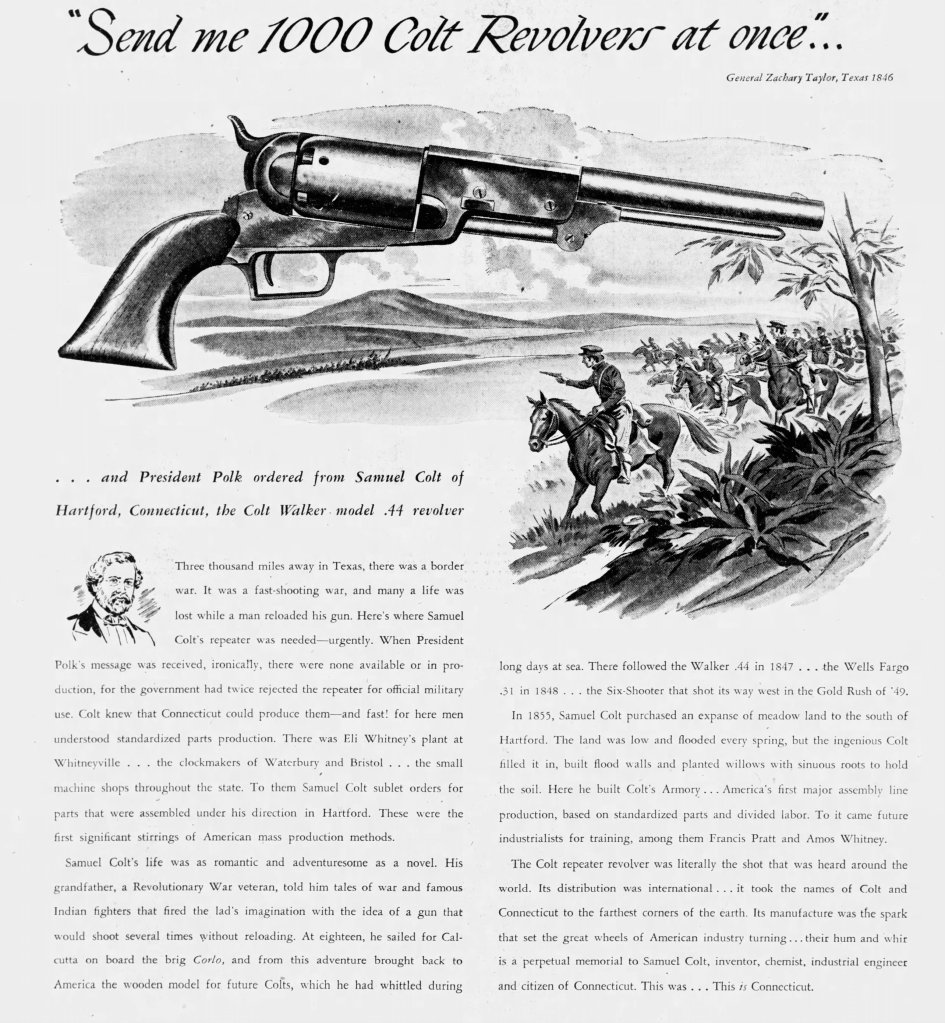
- Samuel Colt, the American inventor of the Colt 6-shot revolver, died of gout on January 10, at the age of 47.
- John Tyler, the 10th President of the United States, passed away on January 18, at the age of 71.
- On January 22, President Abraham Lincoln issued General War Order #1, calling for a Union offensive of the land and naval forces.
- General Ulysses S. Grant captured Fort Henry in Tennessee on February 6.
- In what is now New Mexico, the Texas Rangers achieved a Confederate victory at the Battle of Valverde on February 21. Nathaniel Gordon was hanged in New York City on the same date for engaging in the slave trade. He was the only American slave trader to be executed under the Piracy Law of 1820.
- On February 25, Congress passed The Legal Tender Act, authorizing the circulation of United States banknotes, nicknamed greenbacks. Thirteen days later, the first paper money, including $5, $10, $20, $50, $100, $500, and $1000 notes, were issued.
- American outlaw turned evangelist Nathaniel “Texas Jack” Reed was born on March 23. He was responsible for many stagecoach, bank, and train robberies throughout the American Southwest during the 1880s and ’90s.
- Philadelphia-born inventor John D. Lynde received a patent for the aerosol dispenser on April 8.
- Charles Evans Hughes, American statesman, Republican politician, and the 11th Chief Justice of the Supreme Court, was born on April 11 in Glens Falls, NY.
- Jack Sherian, American Baseball Hall of Fame umpire who officiated four World Series, was born in Decatur, IL on April 30.
- The United States Department of Agriculture was created on May 15.
- President Abraham Lincoln signed The Homestead Act into law on May 20. The legislation provided cheap land for the settlement of the American West.
- William ‘Dummy’ Hoy, American baseball outfielder and the most accomplished deaf player in Major League Baseball history, was born in Houcktown, OH on May 23.
- Slavery was outlawed in US territories on June 19.
- William B. Mumford, the first American citizen hanged for treason, was executed on June 7 at the age of 42.
- Construction of the Central Pacific Railroad began on July 10.
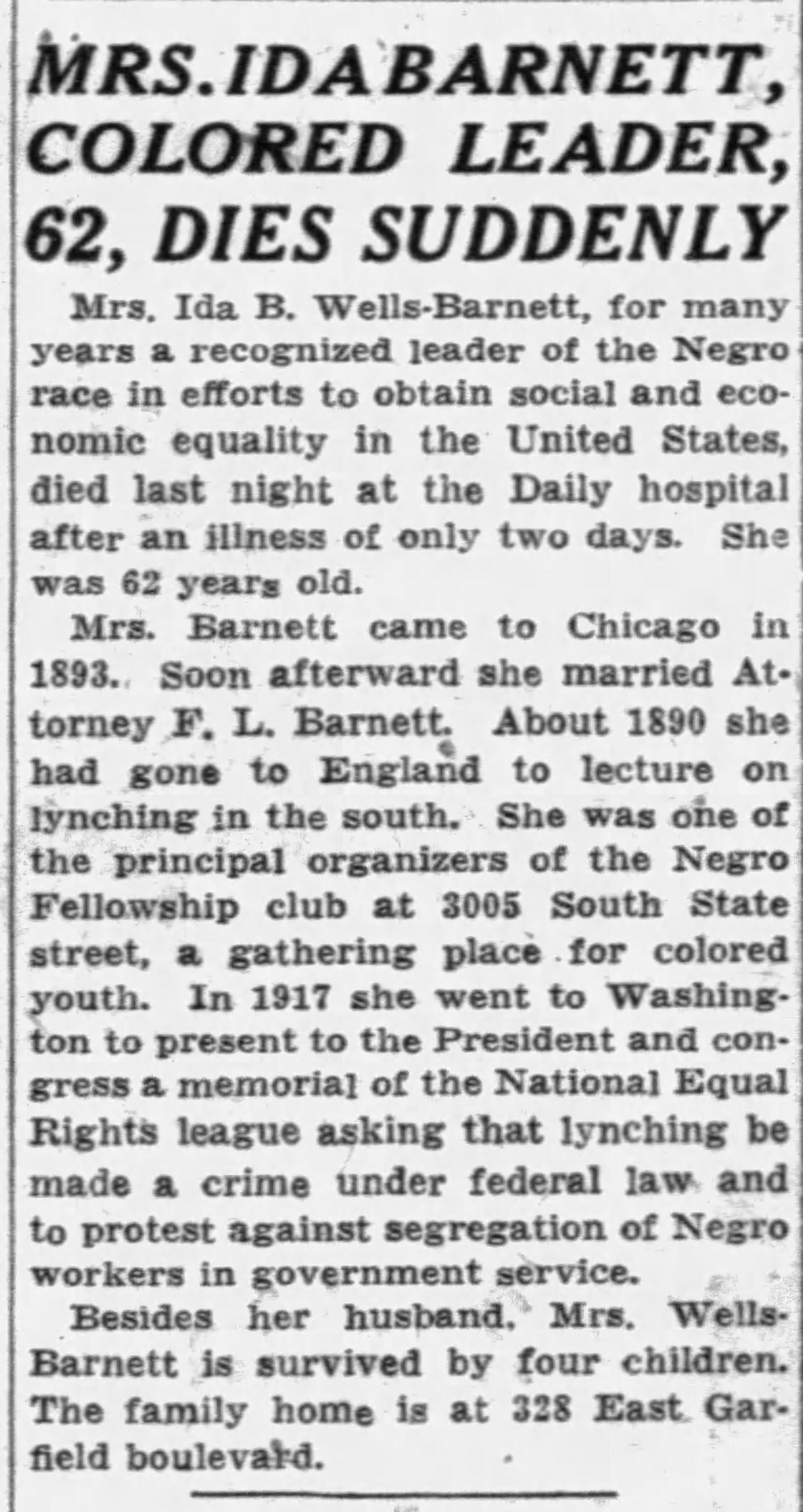
- Ida B. Wells (-Barnett), American journalist, civil rights activist, and co-founder of the NAACP, was born in Holly Springs, Mississippi on July 16.
- The Second Battle of Bull Run, fought in Manassas, VA, began on August 29. The Confederates claimed victory.
- The Battle of Antietam, the bloodiest day in the American Civil War, resulted in 22,000 dead or missing in the first major battle on Union soil on September 17.
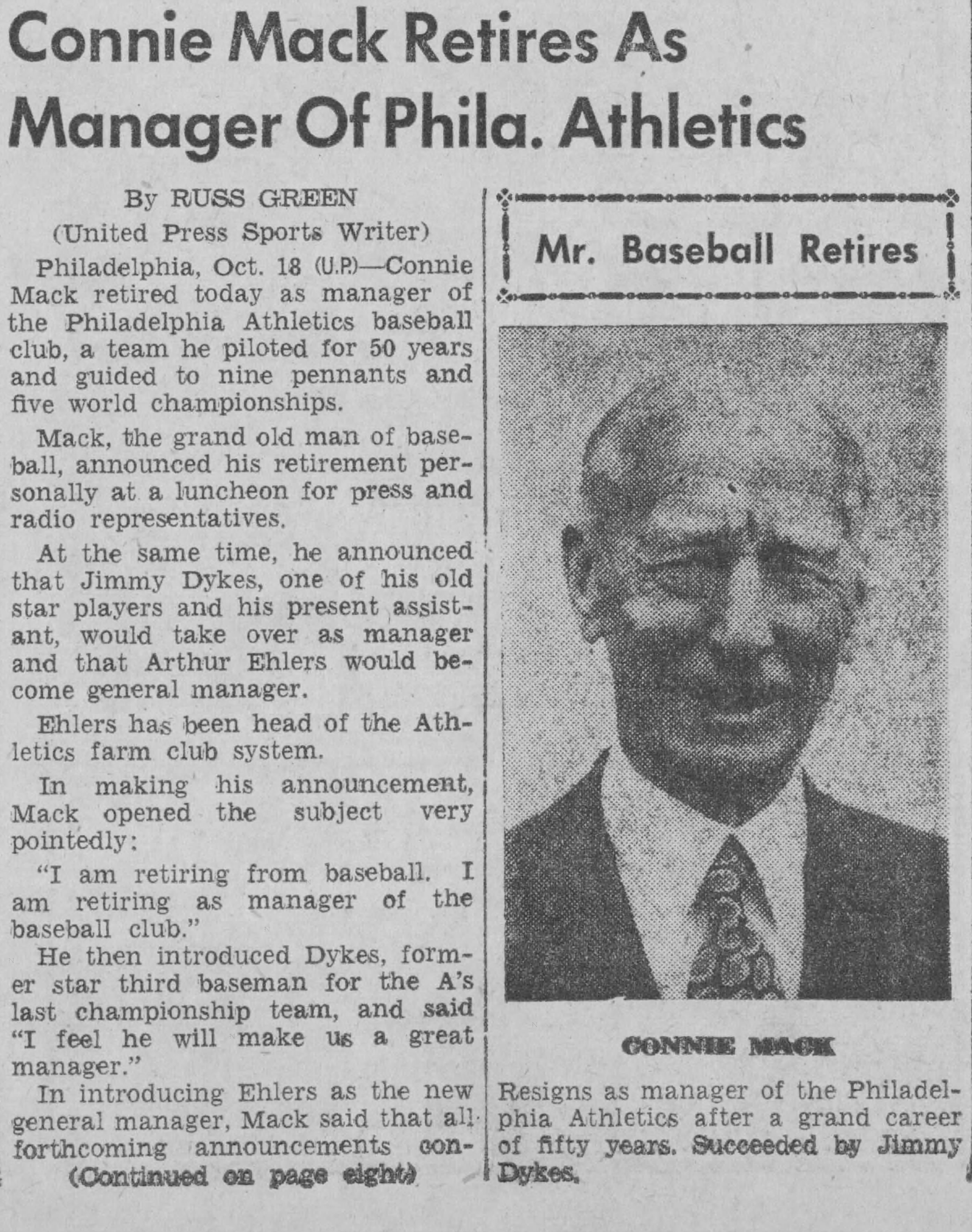
- And for those Phillie fans, Baseball Hall of Famer Connie Mack, was born in East Brookfield, MA on December 22.

 Keystone Wayfarer
Leave your thoughts