
My earliest summer memories transport me back to family trips at Lake Sunapee in western New Hampshire. I remember days spent swimming in the cool waters, boating across the expansive lake, and engaging in lively shuffleboard games. Beyond these activities, it was the laughter, the warm sun on my skin, and the cherished moments of togetherness that made each visit unforgettable.
As we swelter in record-setting early summer heat this week, it’s the perfect time to explore Schwenksville’s vibrant history as a once-thriving summer resort town. Long before swimming pools and air conditioners, our small borough was a destination hot spot. The extension of the Perkiomen and Sumneytown Turnpike in 1846, followed by the arrival of the first train on July 5, 1869, were pivotal developments that transformed the region’s original hotels into sought-after holiday hideouts. These family-run establishments offered picturesque views of the countryside, a variety of recreational activities, and a peaceful ambiance that attracted city dwellers seeking relaxation and escape from urban life.
Many of these early hotels have vanished over the years, a sad reality of aging structures. However, some continue to enrich our modern landscape as active business locations.
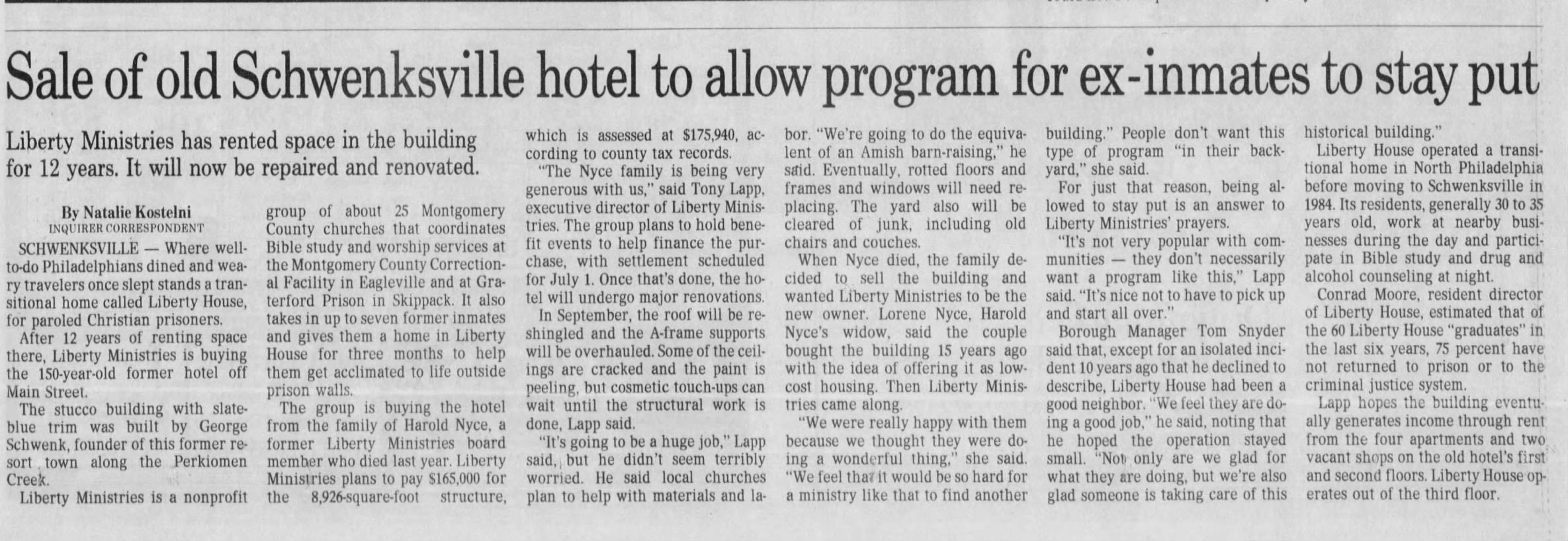
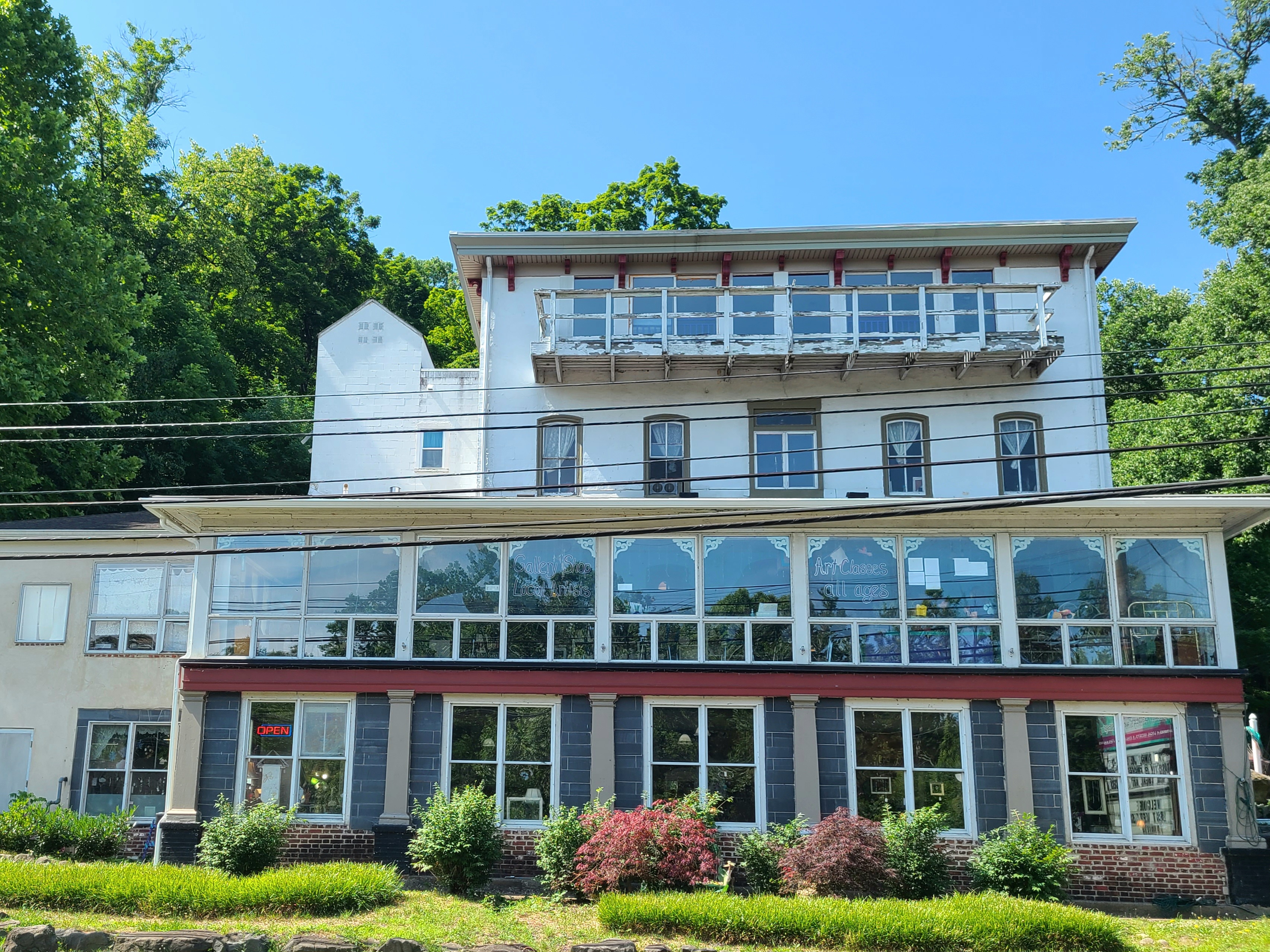
One such example is the Farmers and Mechanics Hotel. Originally the home of Jacob Schwenk, it was built on land once part of the Pennypacker estate. Starting as a refuge for travelers during flood times, it evolved into a licensed hotel by 1845. After Jacob’s death in 1852, the business passed through a succession of owners, among them James Hendricks, Manassas Bean, and Edward Krupp, who was notably arrested in a Prohibition-era raid by Detective John B. Stevenson in 1929. Today, the building houses Liberty Ministries.
Another notable landmark is the Weldon House, once Montgomery County’s largest hotel. Built in October 1878 along Gravel Pike just north of Schwenksville center, this imposing four-story stone structure welcomed guests arriving by train at the Delphi station on the Reading Railroad’s Perkiomen Branch. Guests enjoyed free use of boats on Swamp Creek, which runs parallel to the hotel.
Operating until the mid 1940s, Weldon House changed ownership multiple times, later serving as a popular bar and restaurant before closing in 2010. After extensive renovations by Brad and Robin MacMahon, it reopened as MacMahon’s Delphi Antiques and now houses Engage Artisans Gallery. The Perkiomen Trail has replaced the bustling railroad line, though remnants of the old rail trestle remain visible near a popular eatery, Moccia’s Train Stop.
Spring Mountain, too, once boasted several hotels in its heyday. Among them, only the Woodside Inn remains. Originally named Woodside Manor, it was the youngest of the three mountain resorts. Built in 1925 by Morris Carl, a full-time railroad agent, it offered amenities such as canoeing, swimming, tennis courts, and a quick walk to Solomon Grimley’s amusement park along Perkiomen Creek. After World War II, declining train service to Schwenksville led to dwindling bookings; the last guests checked out in the 1970s. Owner Alice Beltz would sell the property after husband Walter’s heart attack, paving way for its use as a nursing home. Purchased by Gayle and Rick Buckman in 2011, the building underwent a million-dollar renovation and reopened as the Woodside Lodge. It is now home to the upscale Versante Restaurant.
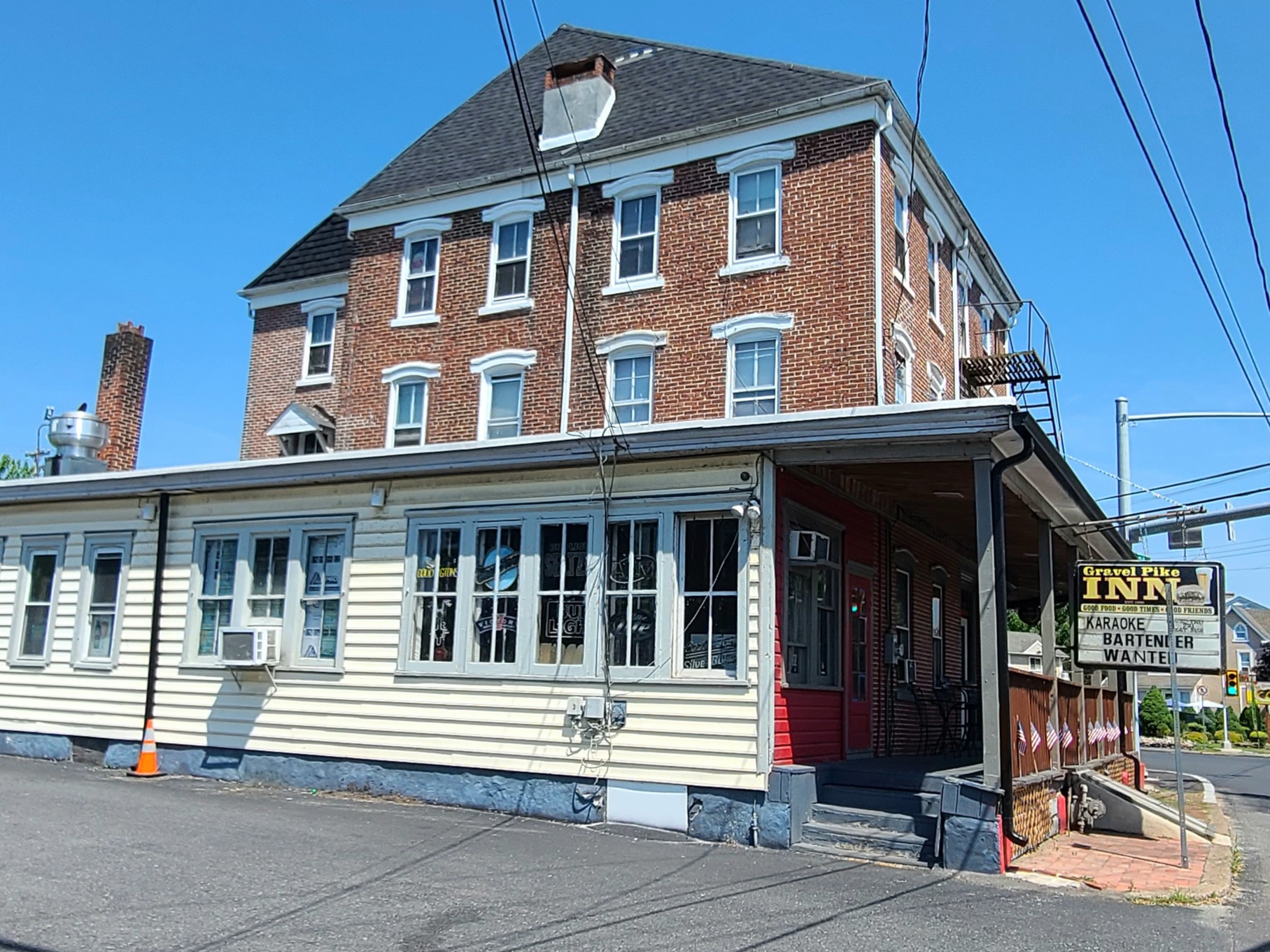
Just outside the borough, the Gravel Pike Inn has a storied past dating back to 1876, when Henry J. Ashenfelter established it as the Graterford Hotel. Initially offering ten rooms to rent, it gained prominence from 1923 to 1945 as a political hub under the Glocker family’s ownership, reportedly hosting guests like Herbert Hoover. During renovations in 1954, the Butera family discovered evidence of Prohibition-era activities hidden within the walls, including piping systems used to dispense liquor from flat barrels.
Local lore suggests that even Al Capone, following his release from Graterford Prison, may have stopped at the inn for a drink. Today, the establishment remains active; a popular pub and eatery.
While other popular establishments have faded from view over the years, they live on in the memories of lifelong Schwenksville residents. The Perkiomen Inn, with its 9-hole chip and putt golf course, succumbed to fire in 1951. Spring Mount House, founded by William Bromer and son-in-law Raymond Beltz, once stood as the largest of the three mountain establishments. The Perkiomen Hotel, owned by John Hendricks, was demolished in the late 1920s, and The Almeida Hotel, now the site of a Wawa convenience store, all contributed to Schwenksville’s vibrant past.




 Keystone Wayfarer
Leave your thoughts