
History is often defined by its grand narratives, the monumental events that echo through time. Yet, nestled within these sweeping tales are forgotten or seldom recounted stories. Often concealed within the faded pages of diaries and church ledgers, these tales hold a subtle yet profound significance, intricately woven into the very fabric of communities.
This week, we explore the tragic life of a solitary man whose story, though fleeting, left an indelible mark not only on his kin but also the tight-knit society that once surrounded him.
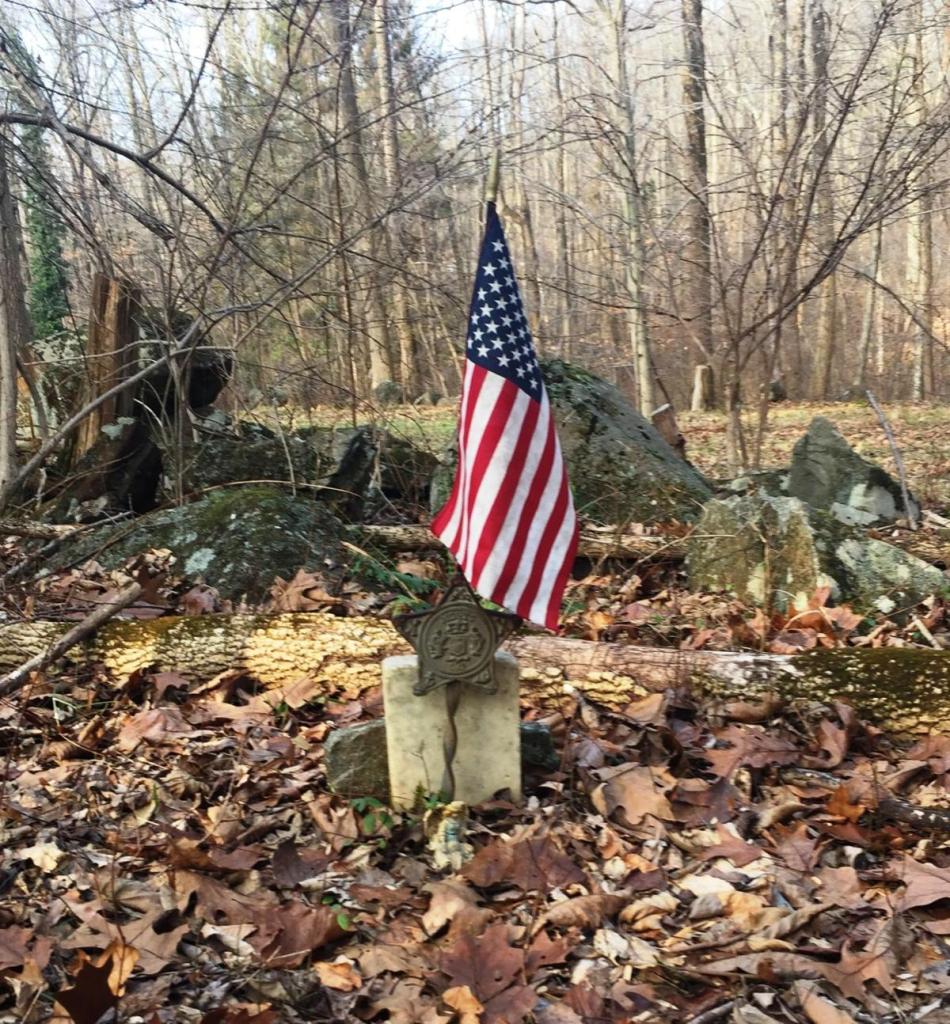
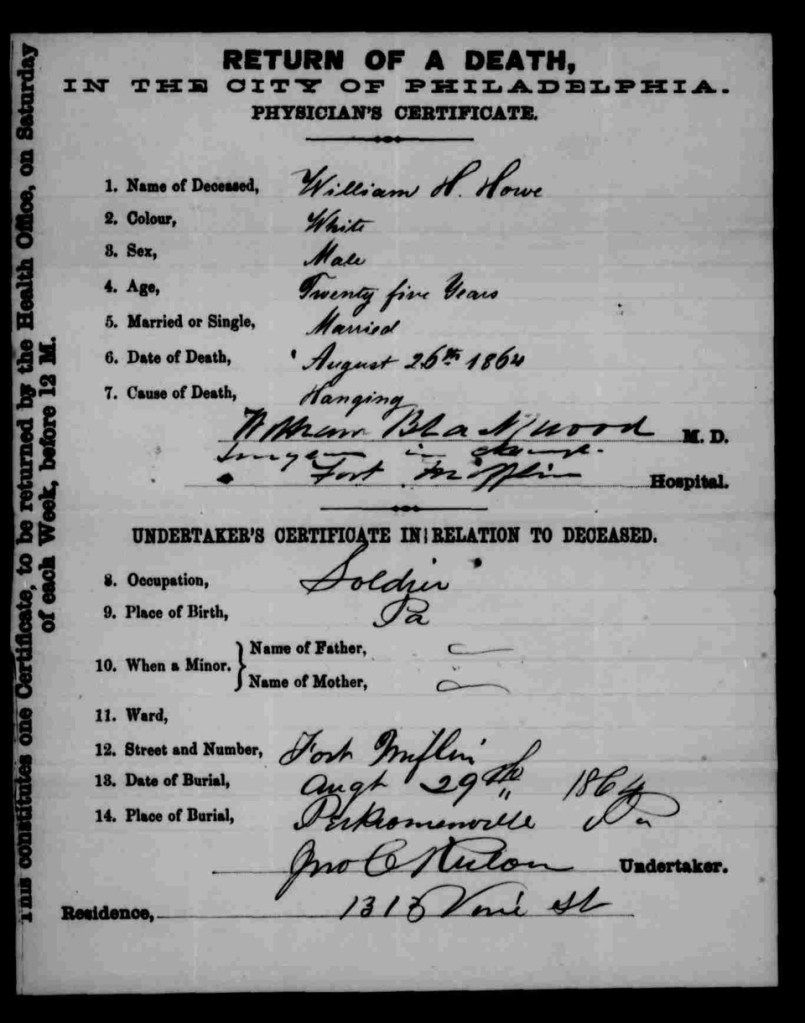
William Henry Howe (1840-1864) is buried alone on private land a short drive from Schwenksville center. A Union Army soldier, Howe holds the unique distinction of being the sole individual executed at Philadelphia’s Fort Mifflin. Convicted of desertion and murder, he met his fate atop a constructed gallows on August 26, 1864. His legacy, shrouded in near obscurity, endures in a haunted tale and a somber etching upon the wall of his former prison cell.
In the year preceding the eruption of the American Civil War, William married Hannah K. Shaner (Schainer, 1833-1909), a woman eight years his senior. Records confirm that she was also his step-sister. Standing a modest five feet eight inches tall with a light complexion, Howe toiled as a laborer, often working as a farmer and cigar roller.
Financial strain led Howe to answer the call to arms, enlisting in what would become Company A of the 116th Pennsylvania Volunteer Infantry in August 1862. The federal government, grappling with dwindling numbers in a war not progressing as hoped, resorted to gimmicks, offering advance pay to new recruits to bolster their ranks. To Howe, this was the answer to his budgetary woes.
Soon, William found himself thrust into the heart of history, witnessing firsthand the horrors of war at the Battle of Fredericksburg – one of the largest and deadliest battles of the Civil War. With nearly two hundred thousand combatants, it marked the first opposed river crossing in American military history. At its conclusion, the Union Army suffered more than twelve thousand casualties as General Robert E. Lee’s Confederate Army proclaimed victory.
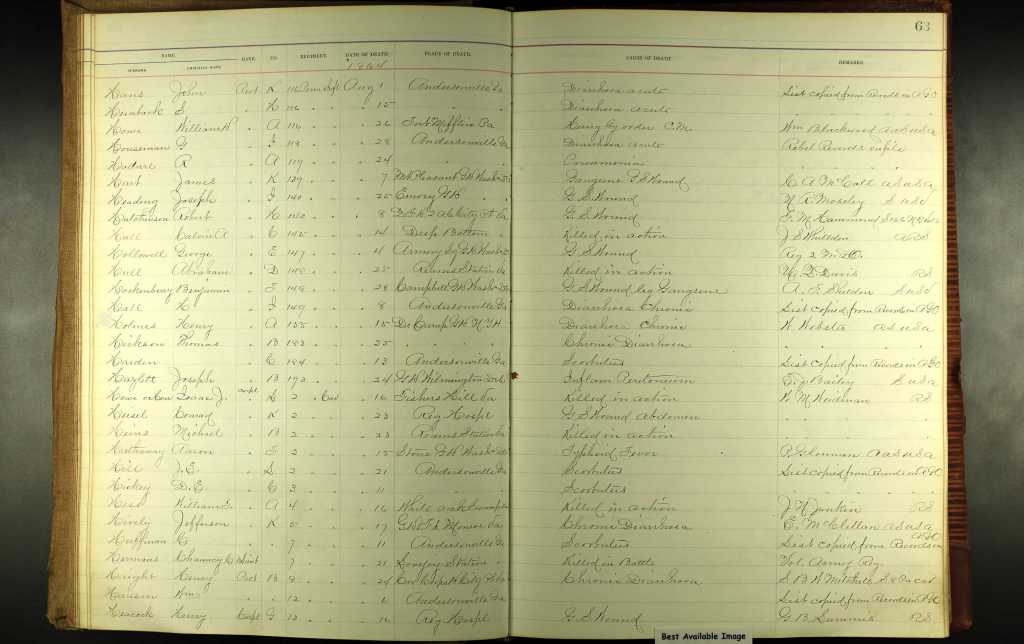
Though he emerged unscathed physically, disease proved to be the greater threat. Stricken with severe and chronic diarrhea, Howe sought medical aid in Washington D.C. Unable to receive care, he ventured twenty-eight days on a one hundred sixty mile journey to his home in rural Pennsylvania; the decision would have tragic consequences.
As Howe recuperated, desertion emerged as a pressing concern for the Union forces. In response, President Abraham Lincoln issued a stern warning: all soldiers absent without leave were given until April 1, 1863 to return to their regiments without facing punishment, except for forfeited pay. However, those failing to report would be deemed deserters and subject to arrest and subsequent punishment.
Howe found himself marked for arrest, but what followed was a calamitous attempt to take him into custody. On the night of Sunday, June 21, Assistant Special Guard David Eisenberry of Frederick Township, accompanied by two former enrolling officers, Michael Wagner of Frederick Township and Abraham R. Bertolet (1825-1863) of New Hanover Township, formed a posse to apprehend Howe at his residence. Upon their arrival, a confrontation ensued, resulting in the tragic death of Bertolet, who was shot during the altercation. Howe maintained that the shooting was an act of self-defense, but the authorities disputed his account.
Howe was captured in Allentown on July 13, 1863. He was taken to Fort Mifflin to await trial. In the dim confines of his cell, it is believed Howe carved his name, “Wm. H. Howe,” into the cold stone wall. With no legal representation, Howe faced his accusers alone. He pleaded guilty to desertion but vehemently denied the charge of murder.
The wheels of justice turned swiftly and on December 28, a verdict was reached: guilty on both counts. The sentence, death by hanging. A glimmer of hope flickered when a review of the trial uncovered procedural irregularities, leading to the overturning of the verdict.
In his second trial, Howe found an unlikely ally in Edmund Randall, the former captain of his company during the Battle of Fredericksburg. Despite Randall’s efforts, the outcome remained unchanged.
Steadfast in his belief of his client’s innocence, Randall penned a letter to Joseph Holt, the Army’s Judge Advocate General, outlining what he once again perceived as irregularities in the trial. Despite his efforts, no response came. Undeterred, Randall took his plea to President Lincoln, requesting a commutation of Howe’s sentence to life imprisonment.
Lincoln received the case details, accompanied by General Holt’s recommendation affirming the panel’s verdict. With the final decision resting in his hands, Lincoln inscribed two weighty words on the file: “sentence approved.” It was the end of the line for William Howe.
As he stood on the scaffold, it is said Howe read from a prepared statement: “I bow with submission to my sentence, and fully forgive those who passed it and all who were witnesses against me.” At seven minutes past high noon, the trap was sprung and Howe died instantly of a dislocated neck. He was twenty-four years old.
Death didn’t end Howe’s plight. The family church, Keelor’s Reformed Church, held a funeral ceremony but did not permit his burial on church grounds; the church council did not want to appear supportive of anti-draft sentiment. Hannah Howe took her husband’s body back to their tiny plot of land and buried him there, where he remains today.
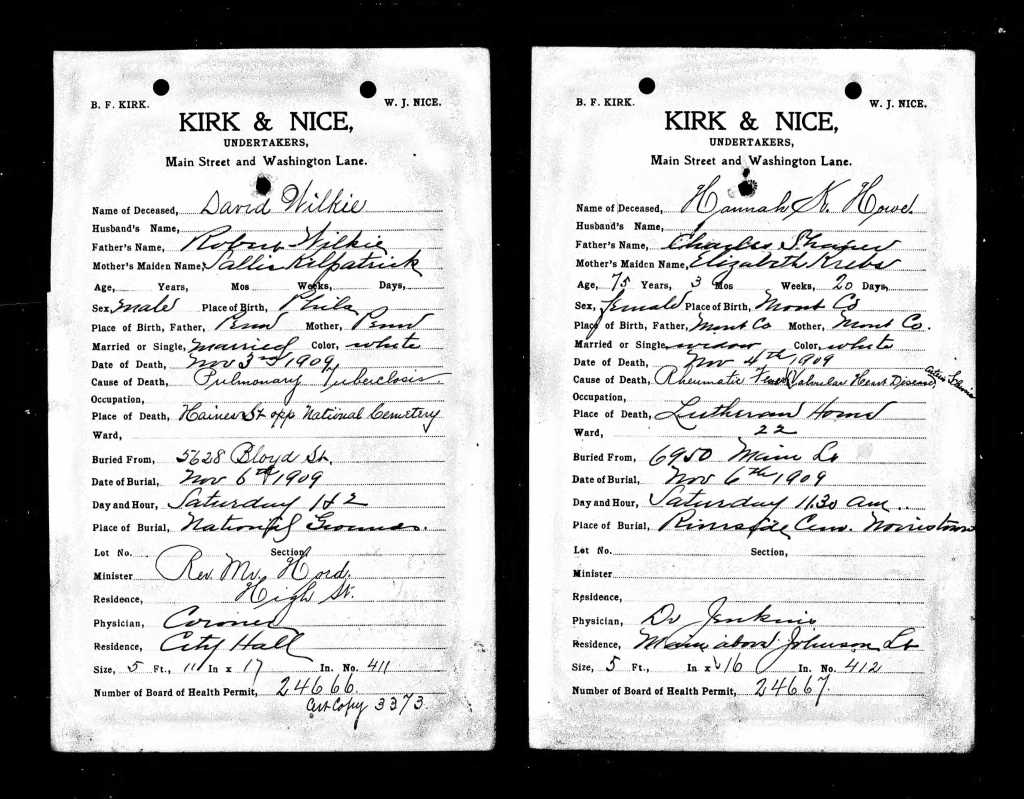
Hannah faced the daunting task of raising her children alone. She remained faithful in her commitment to her family until her passing on November 9, 1909. She is buried at Riverside Cemetery in Norristown. By all accounts, she never remarried.
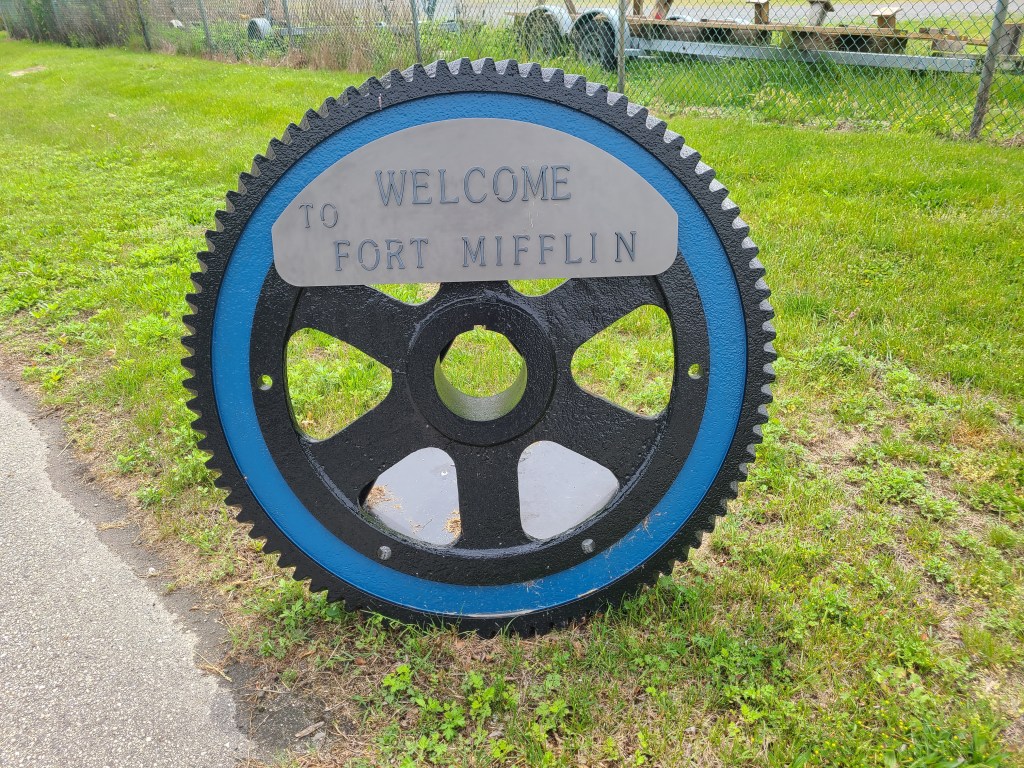
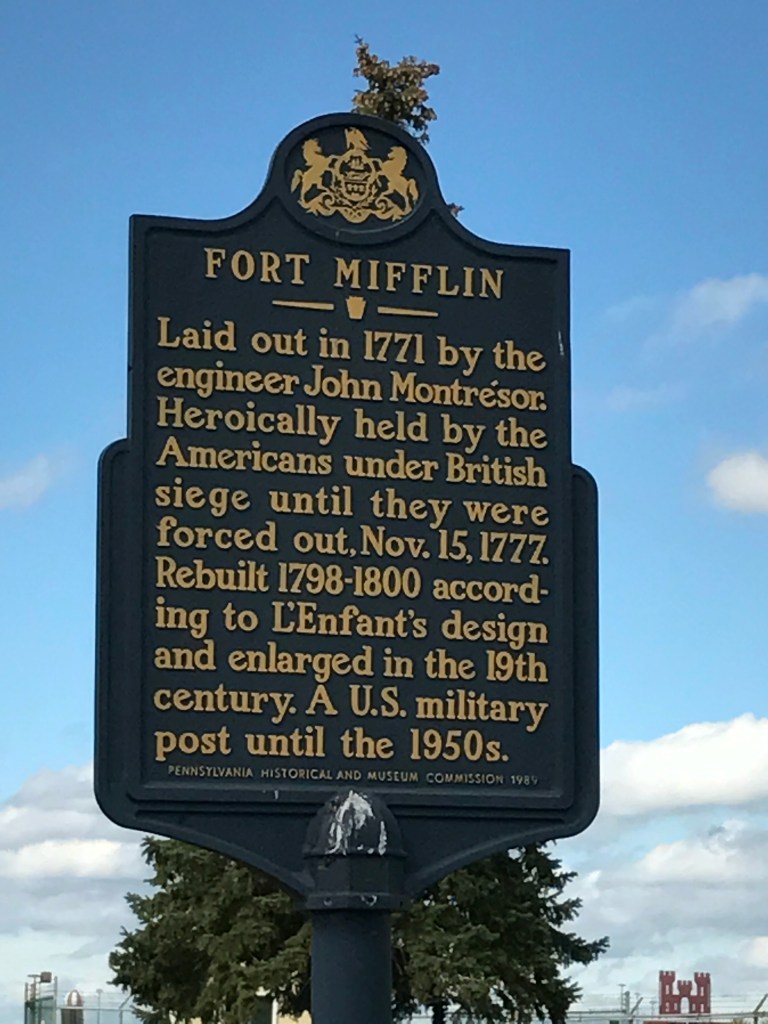
Fort Mifflin, situated along the Delaware River south of Philadelphia, is a registered historic landmark and one of the few remaining battlements of the Revolutionary War. It is regarded as one of the most haunted places in the United States. Visitors are welcome to explore its rich history Wednesday thru Sunday.
Legend has it that the grass still refuses to grow at the site where Howe met his demise.
Read the full story of William H. Howe in Robert Alotta’s, Stop The Evil: A Civil War History of Desertion and Murder.

 Keystone Wayfarer
Leave your thoughts